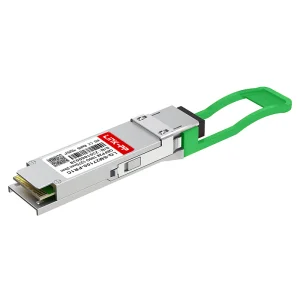
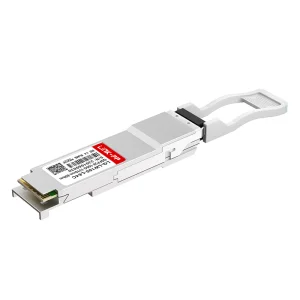
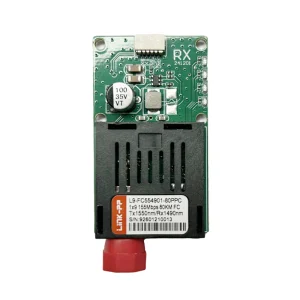
In the modern era of industrial automation, cloud scale data centers, and advanced autonomous systems, the role of physical layers interconnects cannot be overstated. A Gigabit Ethernet connector represents more than a simple terminal connection; it is a critical interface that governs signal integrity, electromagnetic interference (EMI) mitigation, thermal dispersion, and transmission reliability. Finding the right global exporter or manufacturer requires an in-depth understanding of both product specifications and production line compliance protocols.
As raw data rates transition rapidly from standard Gigabit speed to Multi-Gigabit (2.5G/5G/10G) and ultra-high-speed transceivers (100G/400G/800G), procurement departments face the challenge of sourcing products that balance cost with high-fidelity performance. The physical layer, commonly referred to as Layer 1 in the OSI model, must remain robust under harsh operating conditions, including temperature swings, vibrations, and high humidity.
Explore our highly engineered physical layer components, including integrated magnetic jacks, LAN modules, and high-speed transceivers.
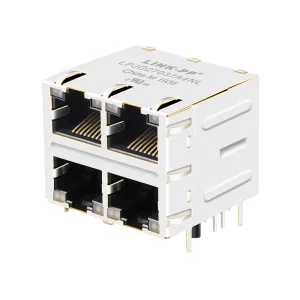
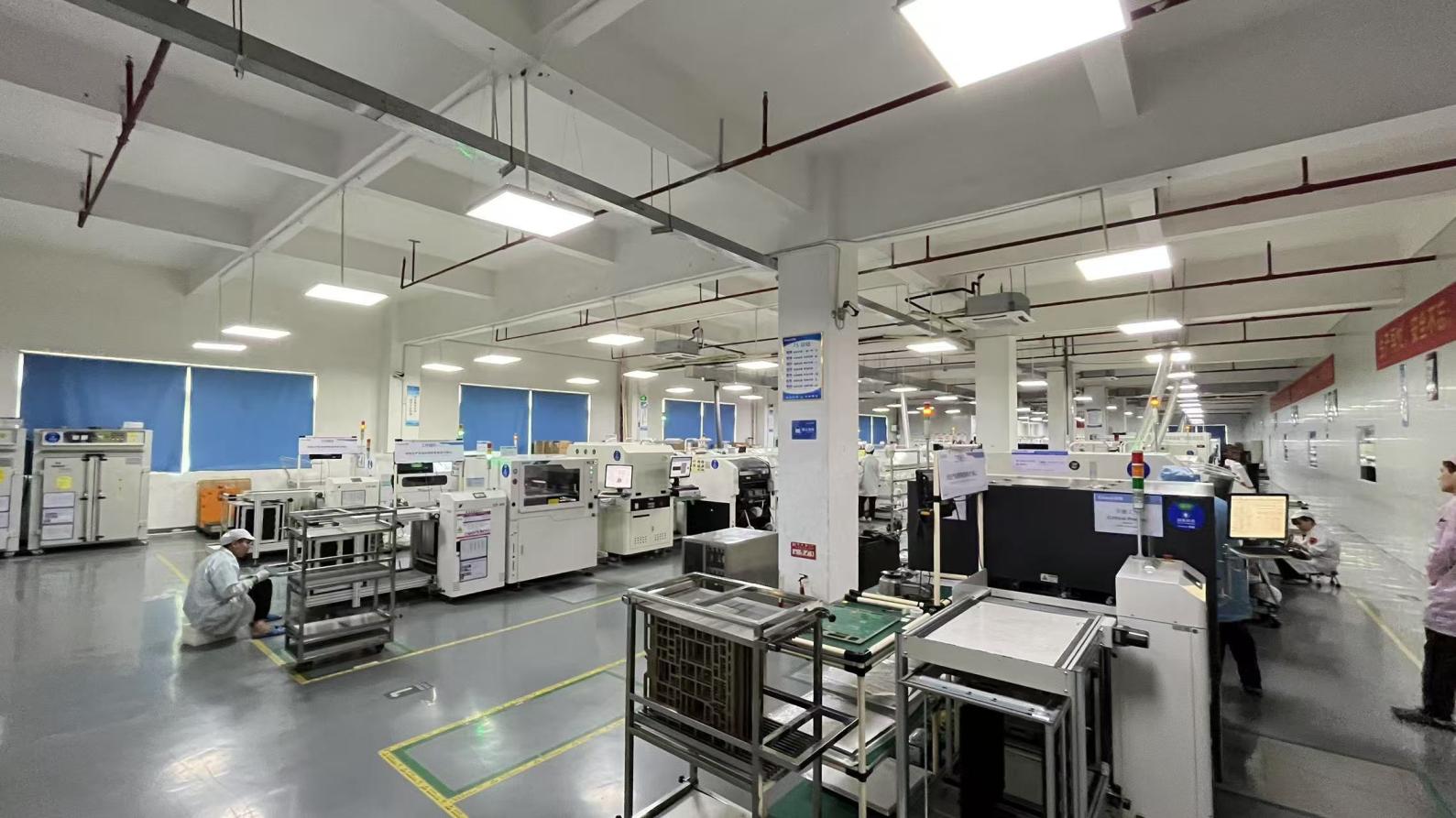
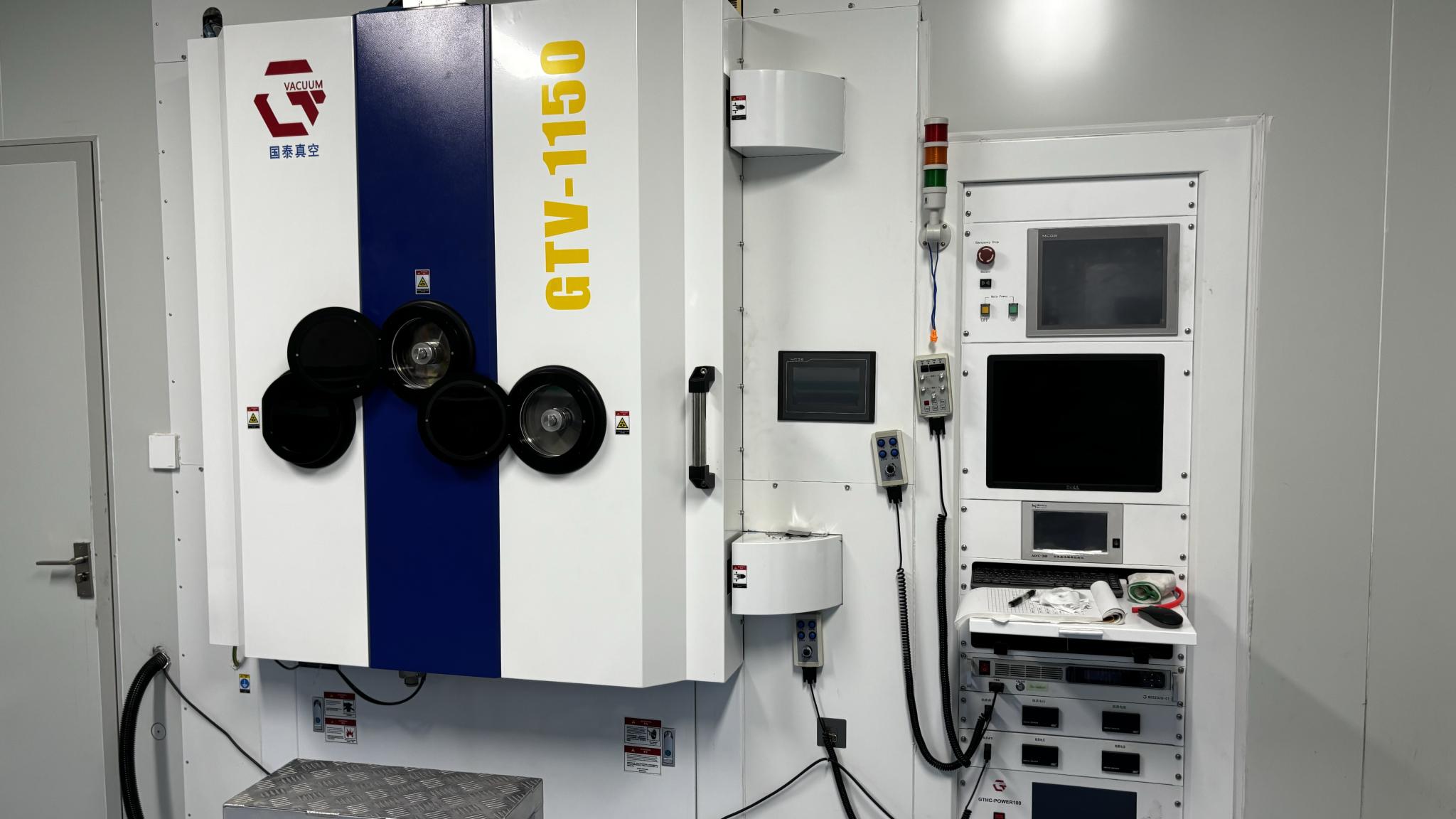
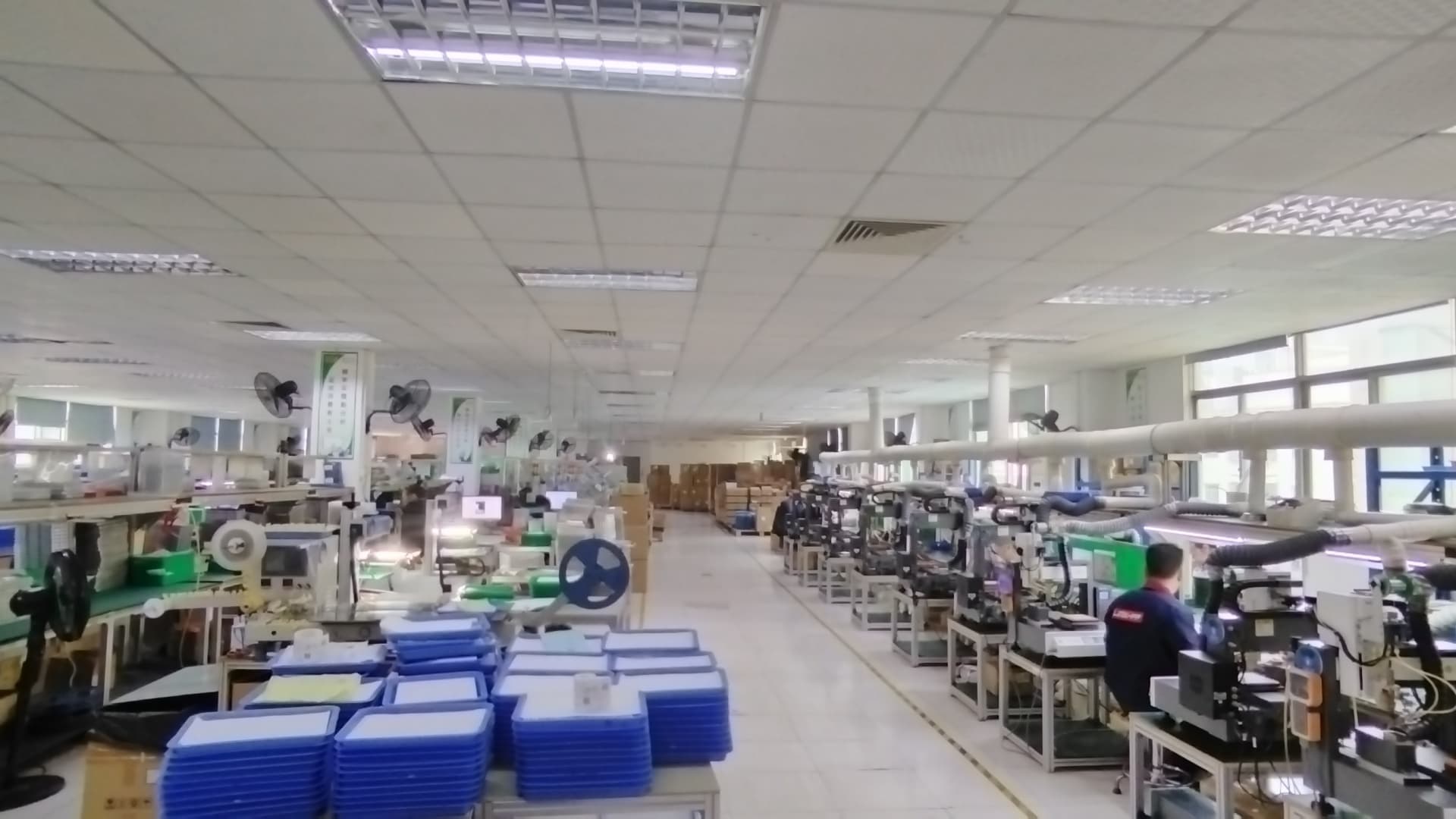
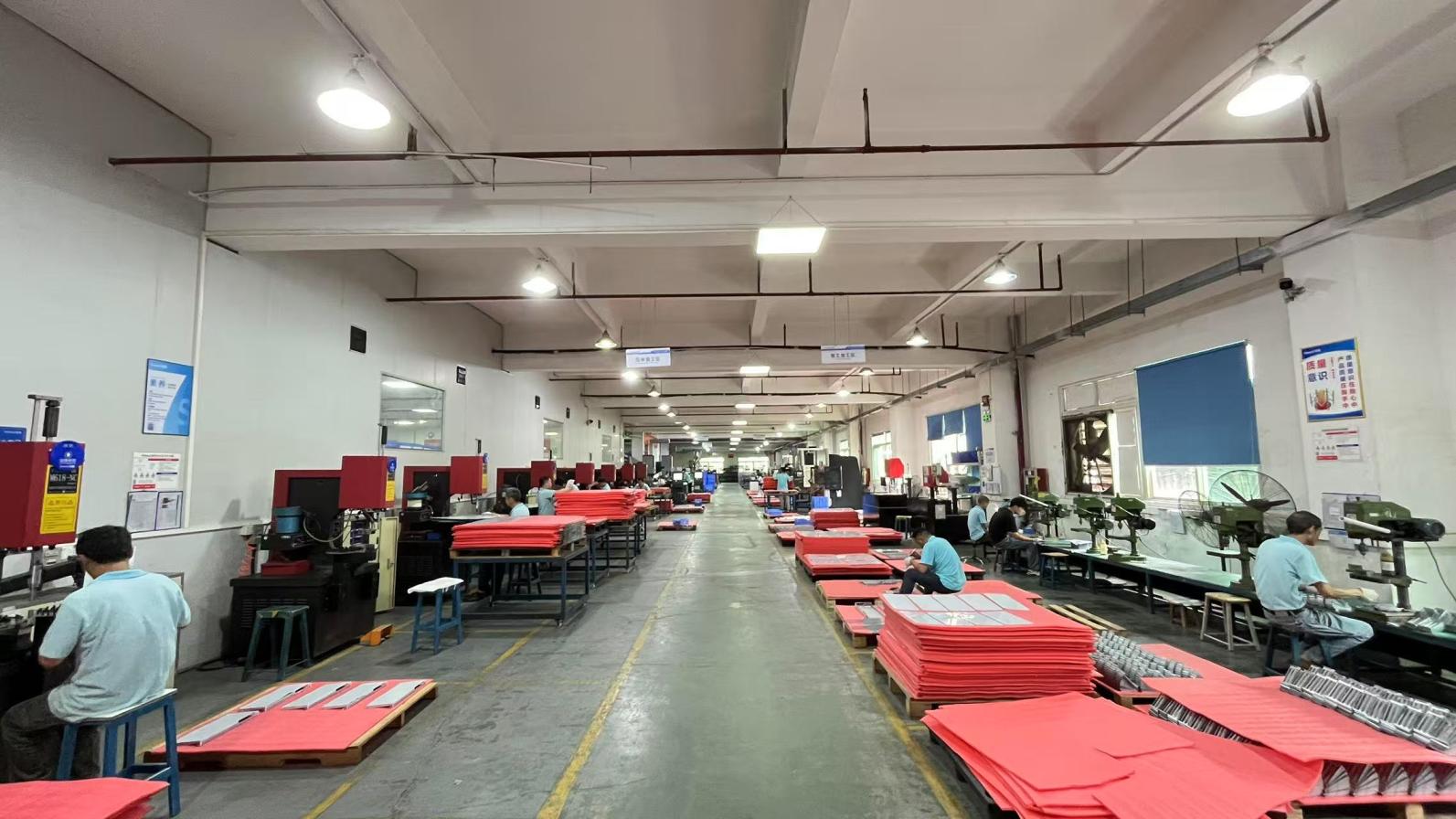
Established in 2016, FiberNova Optical Communication Tech Co., Ltd. (also operating via FiberNovaTransceivers.com) represents the next generation of precision networking component factories. Boasting a modern manufacturing plant spanning approximately 380㎡, the facility is highly optimized for cleanroom-grade assembly, alignment, and testing of high-speed transceiver modules and specialized RJ45 interconnect systems.
With over 6 years of export expertise and a combined 12 years of industry engineering experience, FiberNova operates at the vanguard of research, design, and validation. Generating an annual export volume valued between USD 8 million to USD 15 million, the company has structured a robust international distribution system catering to strict quality markets in North America, Western Europe, and East Asia.
Quality assurance is central to FiberNova's operations. The quality control flow is managed by an experienced team of 45 professional QC specialists. Every component—ranging from simple RJ45 jacks with integrated EMI finger shielding to advanced 100G QSFP28 modules—undergoes strict testing protocols:
Through deep collaboration with more than 1,200 supply chain partners, FiberNova secures priority access to high-grade silicon chips, lasers (VCSEL, DFB, EML), and optical alignment packages, protecting production flow from global component shortages.
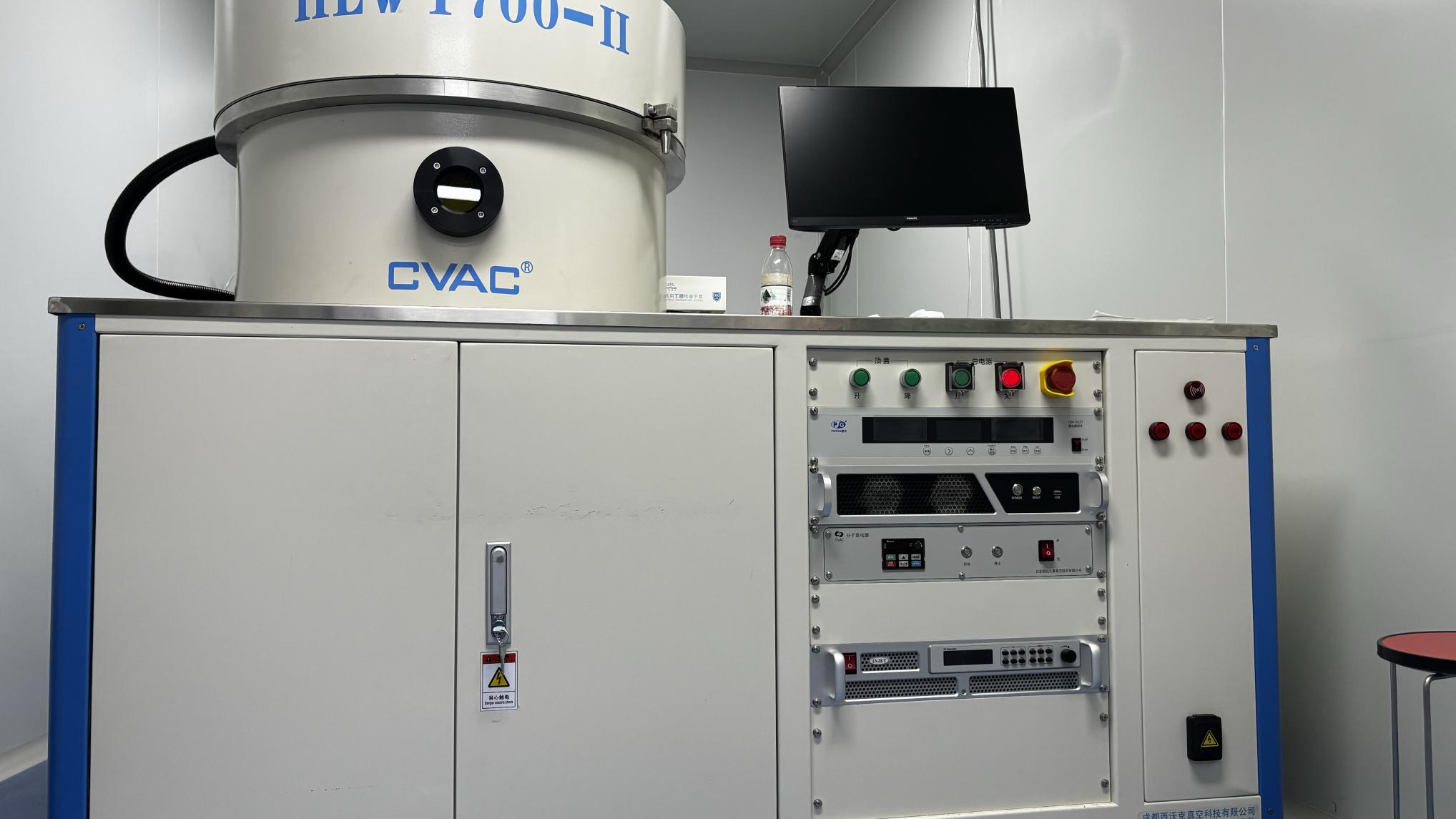
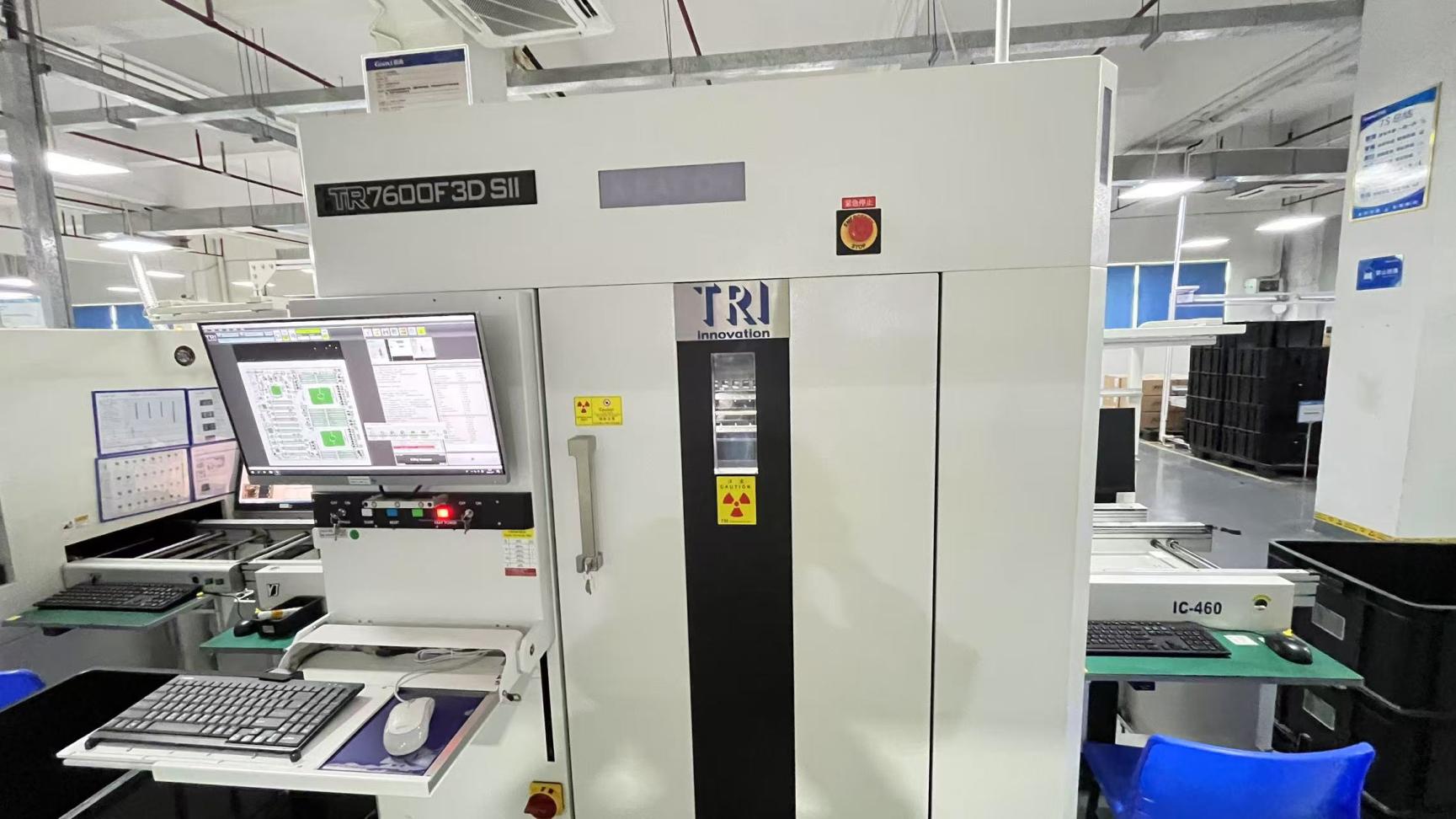
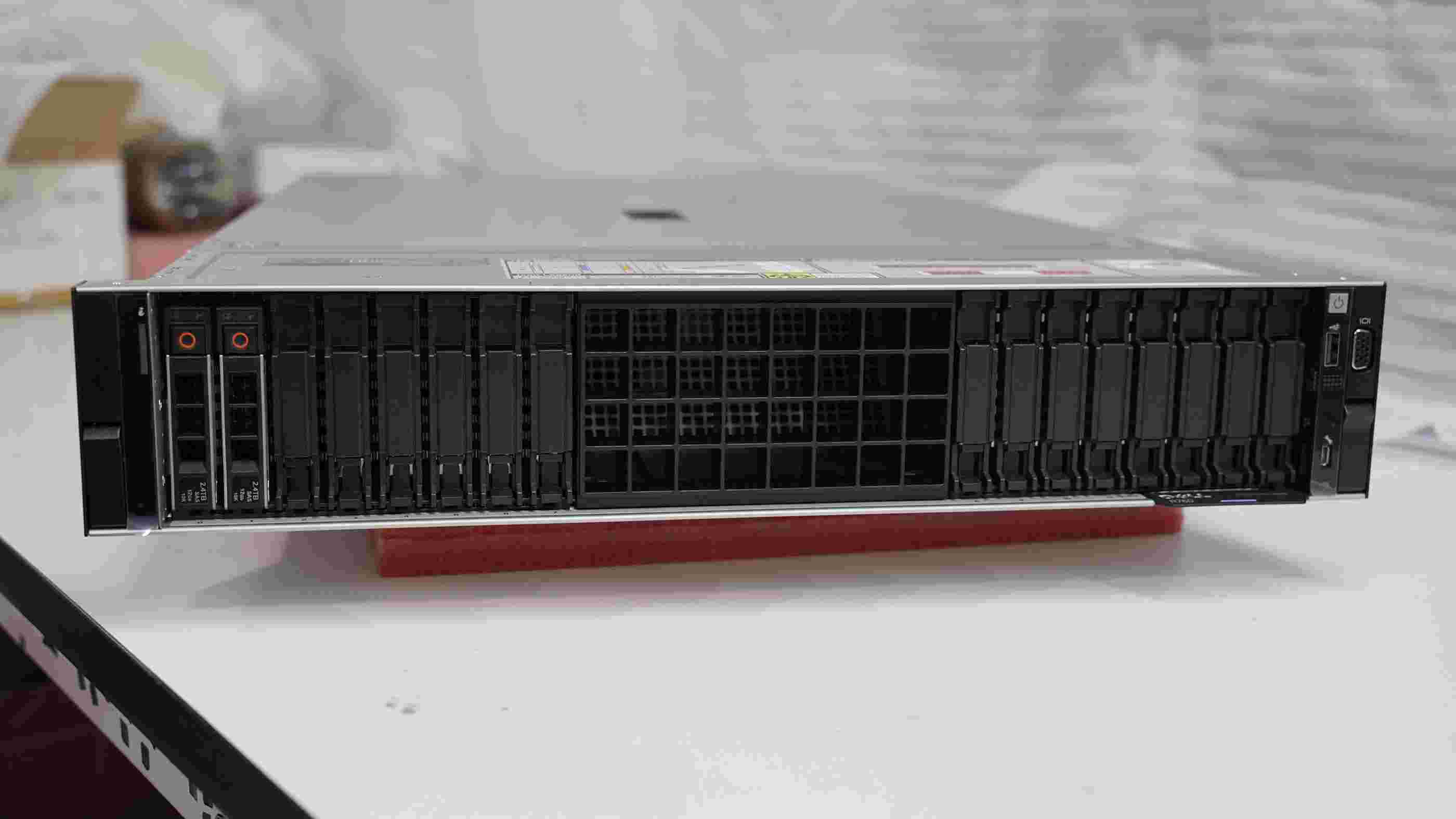

High-performance network interfaces are foundational to modern infrastructure. As data demands scale, distinct application scenarios rely on specialized physical connector architectures to preserve throughput, maintain safety margins, and ensure long-term physical integrity.
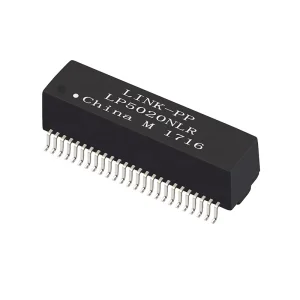
In automated factories, electromagnetic noise from heavy machinery can disrupt network packets. Ruggedized, shielded RJ45 connectors with integrated LAN transformers isolate signals, keeping Industrial Ethernet (EtherCAT, Profinet) pathways clear.
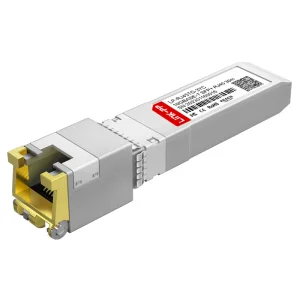
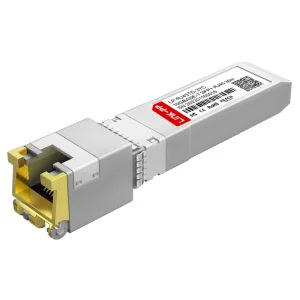
Data centers require high-density switching interfaces. The integration of 10G Base-T Copper SFP+ transceivers and 100G QSFP28 modules allows operators to scale bandwidth over short copper or long-distance fiber connections dynamically.
Power over Ethernet (PoE/PoE+/PoE++) routes both power and Gigabit data through a single cable. Sourcing components with high-purity gold-plated contact pins prevents corrosion and contact degradation from resistive heating.
For system designers, selecting the proper connector variant also requires planning for regional and industrial compliance standards. Connectors intended for the United States require FCC Part 68 compliance, European projects mandate CE and RoHS directives, and industrial marine environments demand IP67 or IP68 ingress protection.
The physics of high-speed interconnect interfaces present major engineering hurdles. As copper approaches its physical limits at higher frequencies, signal attenuation and crosstalk rise sharply. Designers use two primary architectures to handle these demands:
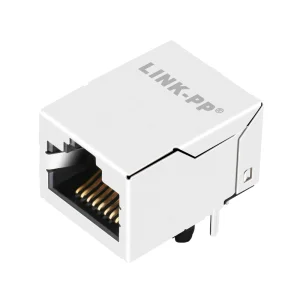
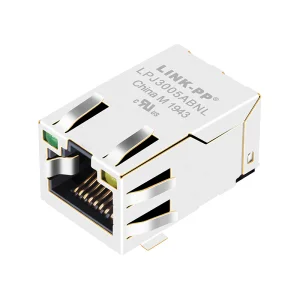
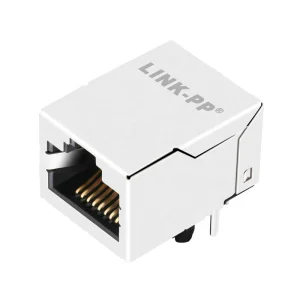
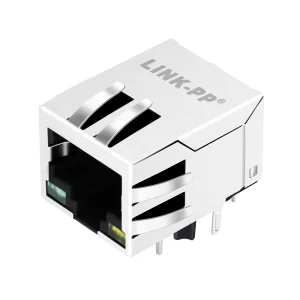
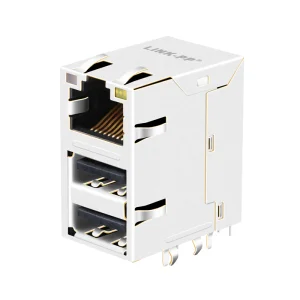
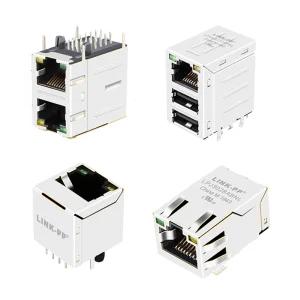
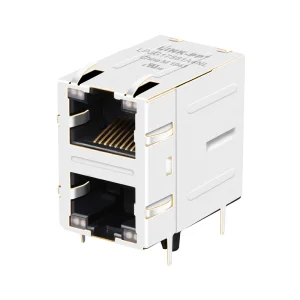
Standard RJ45 jacks rely on external transformers placed on the main system PCB. By integrating the transformers, common-mode chokes, and decoupling capacitors directly into the metal-shielded RJ45 housing (MagJack), electromagnetic emissions are contained at the entry point of the chassis. This yields superior electromagnetic compatibility (EMC) margins and prevents high-frequency noise from coupling back into sensitive digital circuits.
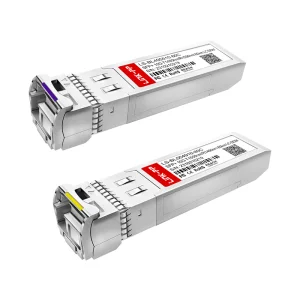
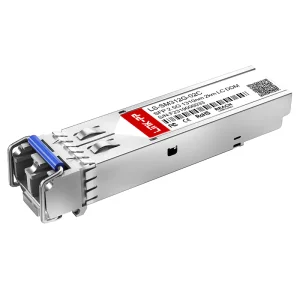
For distances beyond 100 meters, copper lines suffer from high signal loss and dispersion. SFP (Small Form-factor Pluggable) transceivers bridge this gap by converting electrical signals into optical pulses. Single-mode transceivers operating at 1310nm or 1550nm carry gigabit networks over distances of up to 80km, while multi-mode optical paths serve high-density switch-to-switch links within server racks.
Advanced high-speed copper and optical interfaces designed for demanding communication environments.
Selecting and integrating RJ45 and fiber transceivers involves several technical variables. Below, we address key questions that engineers and sourcing managers consider when evaluating these components.
 FiberNova