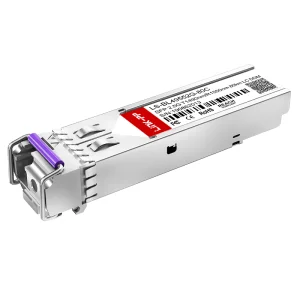
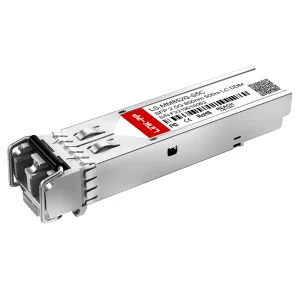
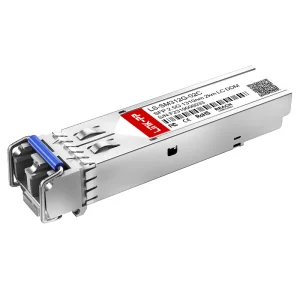
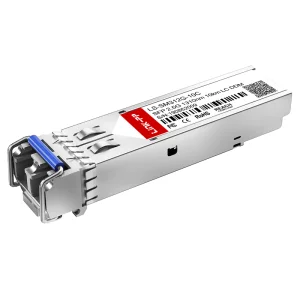
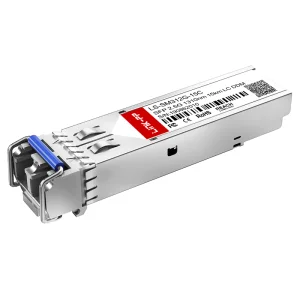
Explore our leading selection of high-performance 2.5G/6G optical modules, engineered for precision, latency-sensitive transmissions, and strict MSA compliance.
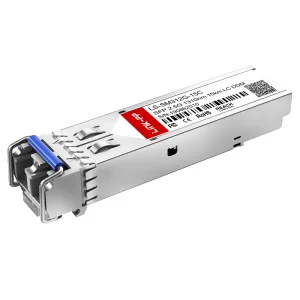
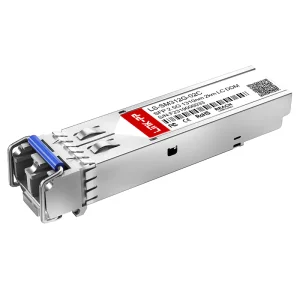
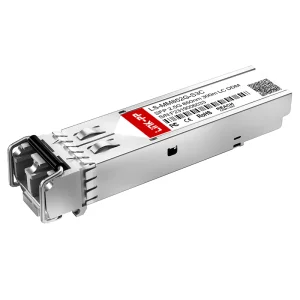
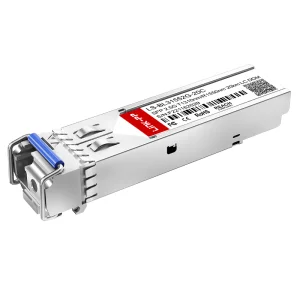
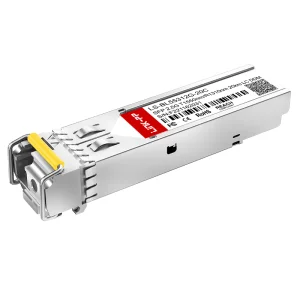
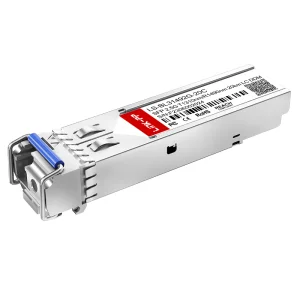
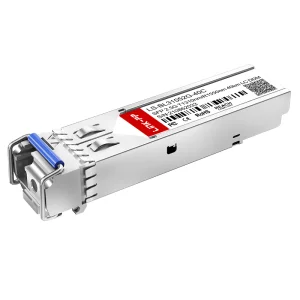
As modern telecommunication networks transition towards denser fiber architectures and faster processing speeds, selecting the appropriate transport layer media becomes paramount. In the spectrum of optical networking, the 2.5G to 6G SFP (Small Form-factor Pluggable) interface occupies a critical sweet spot. This bandwidth range offers the ideal compromise between cost efficiency, lower power envelopes, and the high-speed requirements of LTE-Advanced, 5G fronthaul, and enterprise metropolitan networks. This industry whitepaper breaks down the technical nuances, market drivers, and localized application ecosystems of FiberNova’s premium 2.5G~6G SFP modules.
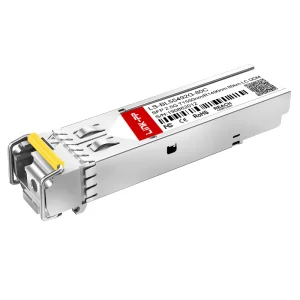
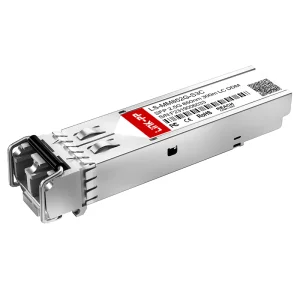
Every optical transceiver module engineered at FiberNova’s facility is designed with sub-component precision. The 2.5G~6G SFP modules comprise a transmitter optical sub-assembly (TOSA), a receiver optical sub-assembly (ROSA), and a high-performance electrical interface conforming to SFF-8472 (Digital Diagnostics Monitoring Interface). By incorporating advanced lasers such as Distributed Feedback (DFB) and Vertical-Cavity Surface-Emitting Lasers (VCSEL), we achieve extremely low jitter and high optical return loss tolerances.
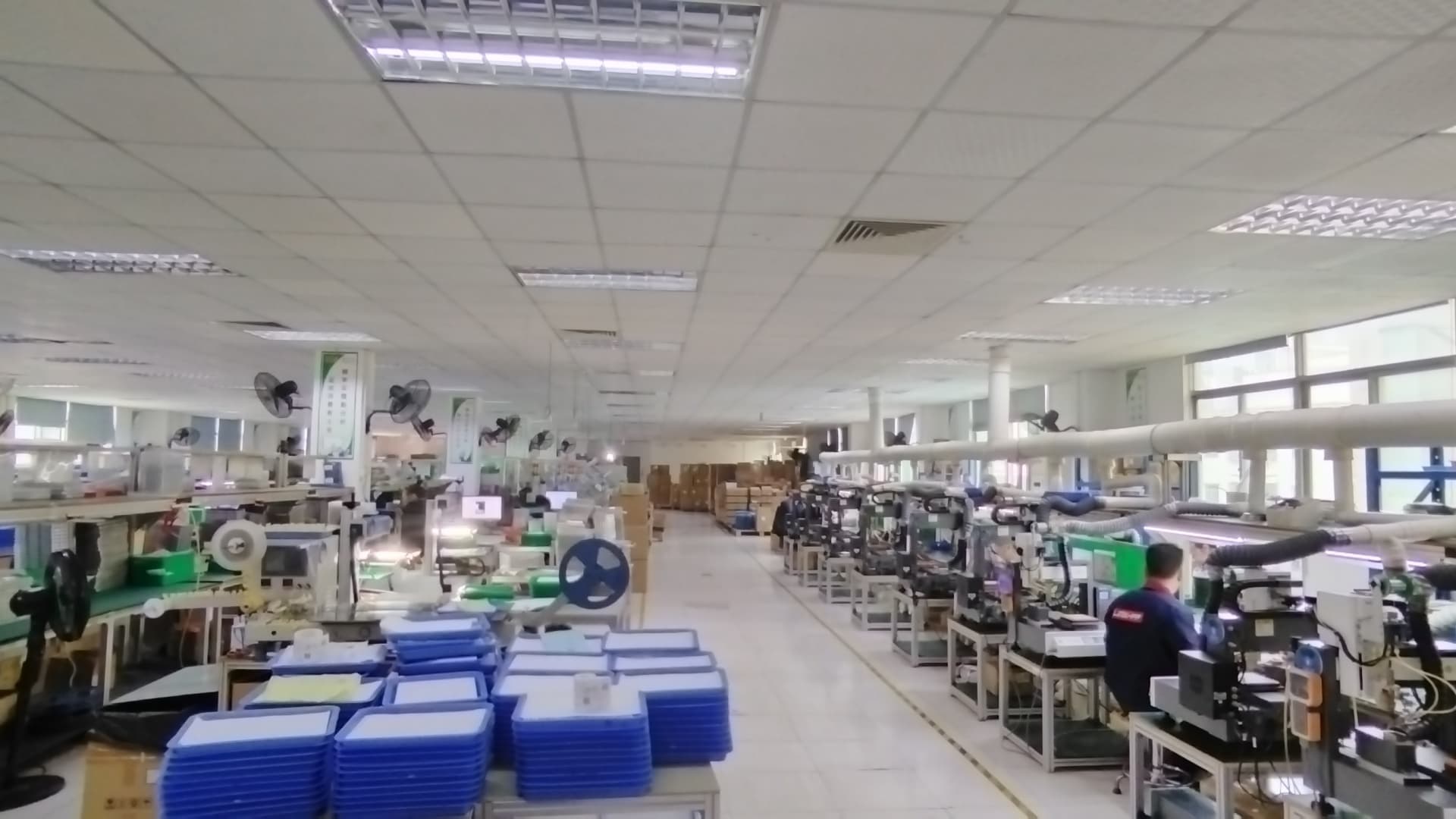
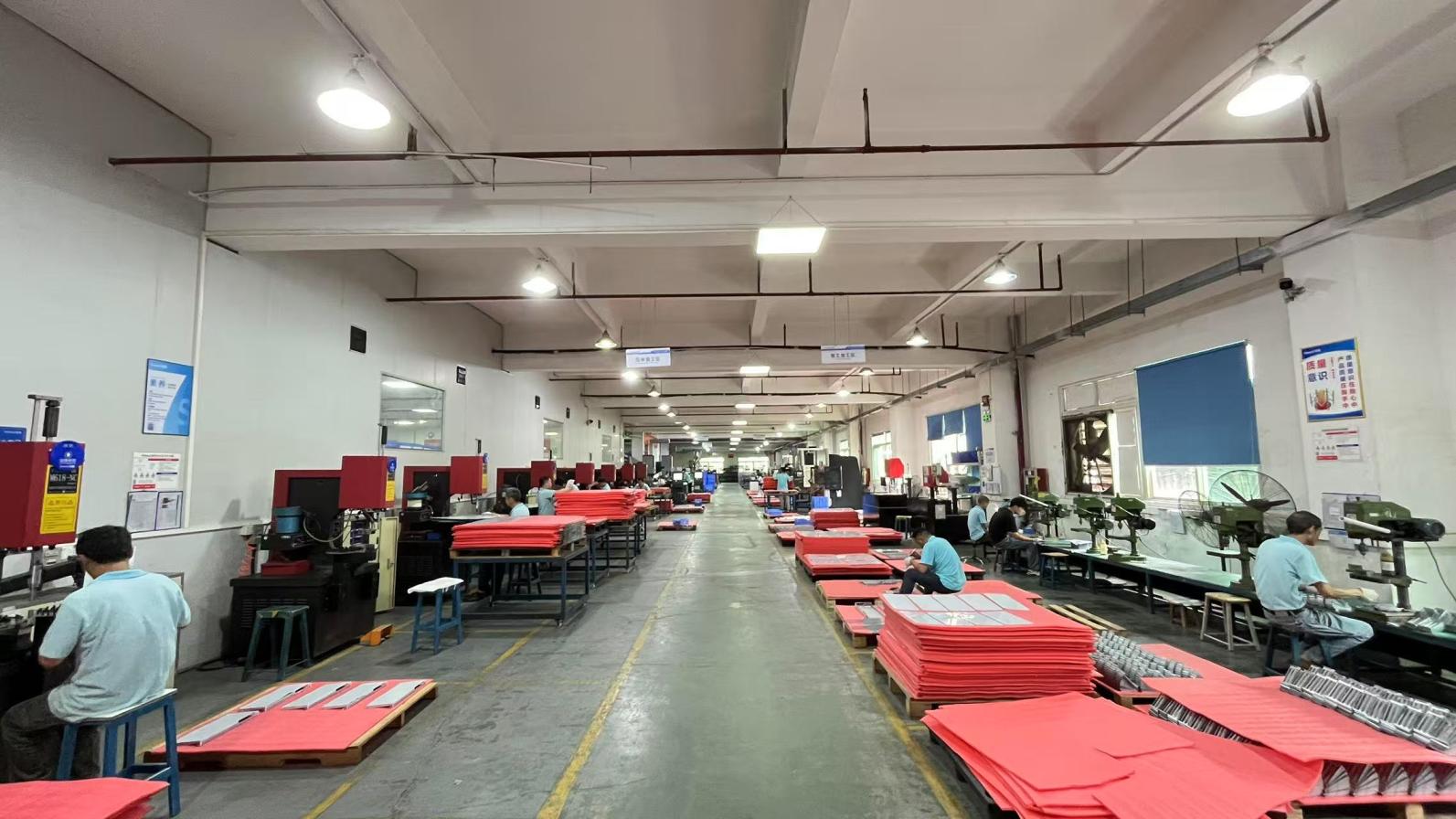
Operating out of a modern manufacturing facility established in 2016 in Shenzhen, China, FiberNova bridges the gap between high-capacity automated production and cost-competitive engineering. But what makes our manufacturing ecosystem unique?
Our quality assurance department, comprising 45 professional QC specialists, ensures 100% optical performance testing. Every unit undergoes automated bit-error-rate testing, eye-diagram evaluation, and strict temperature cycling from -40°C to 85°C to guarantee industrial-grade longevity.
By cultivating relationships with over 1,200 specialized supply chain partners, we secure primary-source chips, lasers, and precision housing. This keeps our production cycles immune to market bottlenecks and permits rapid execution of large-scale ODM and OEM orders.
Backed by 65 dedicated R&D engineers, we continuously innovate. While optimizing 2.5G~6G legacy protocols, our team is concurrently developing 10G, 25G, 100G, 400G, and 800G next-generation architectures, ensuring our customers benefit from state-of-the-art technological spin-offs.
Optical modules operating within the 2.5G to 6G frequency band serve a pivotal role in modern infrastructure. They are highly sought after by telecom operators, cloud integrators, and equipment distributors across the United States, Germany, Japan, South Korea, and the United Arab Emirates. Critical application areas include:
At FiberNova, we recognize that compatibility and configuration flexibility are the chief barriers in procurement. Our modules are developed to be fully compatible with major router and switch vendors (including Cisco, Juniper, Huawei, H3C, and Arista). Through our active ODM pipeline, customers can request:
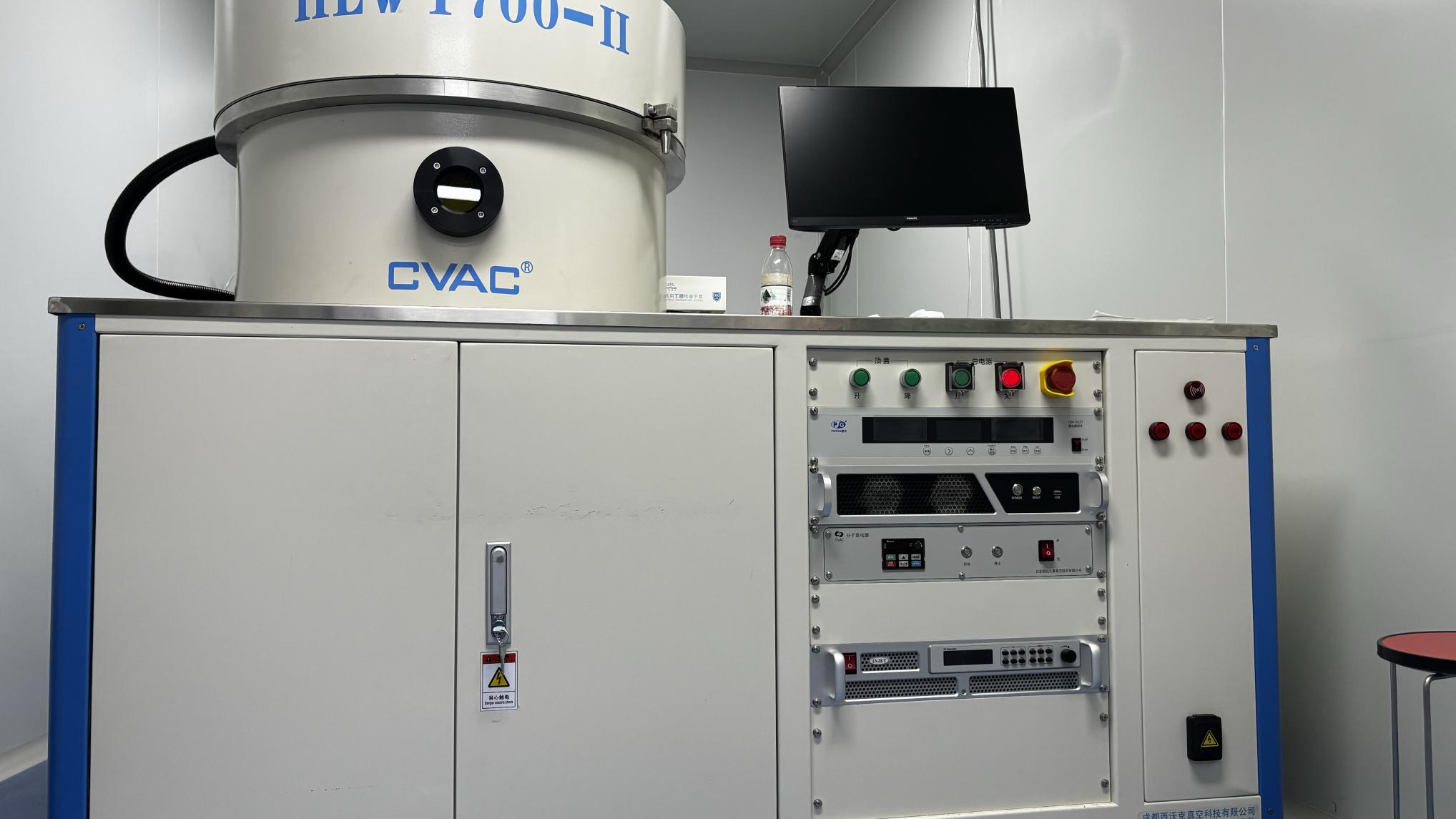
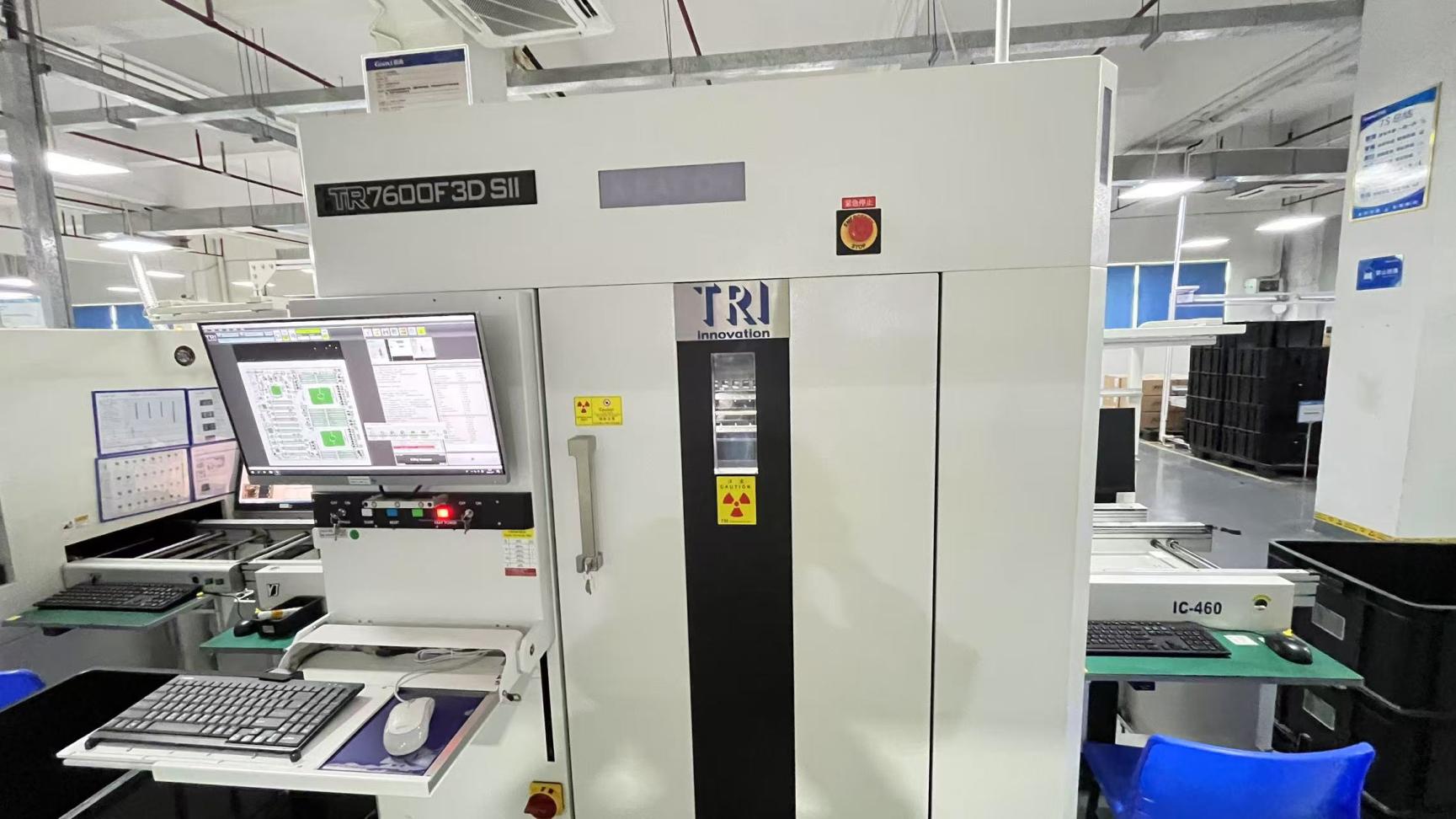
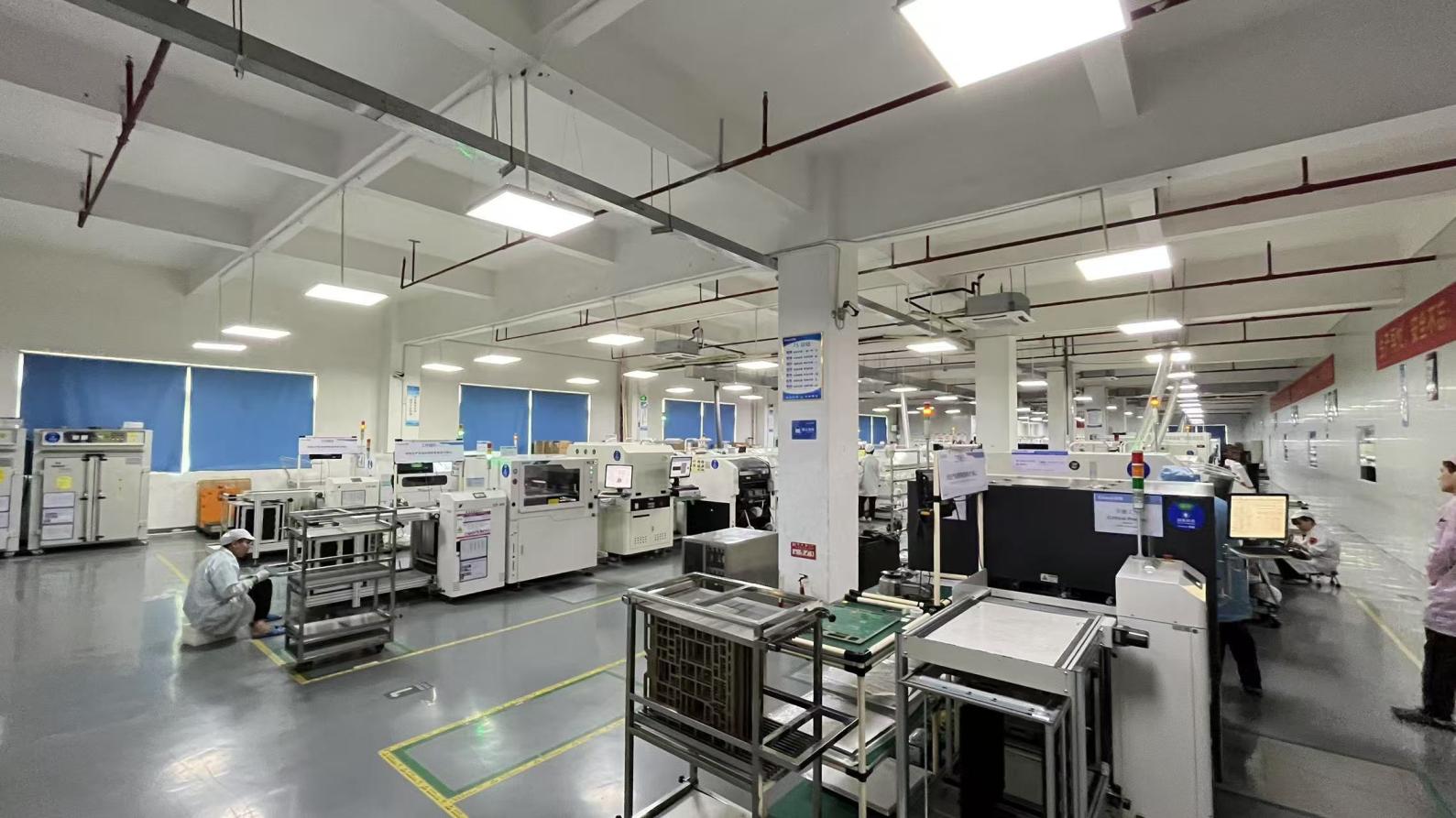
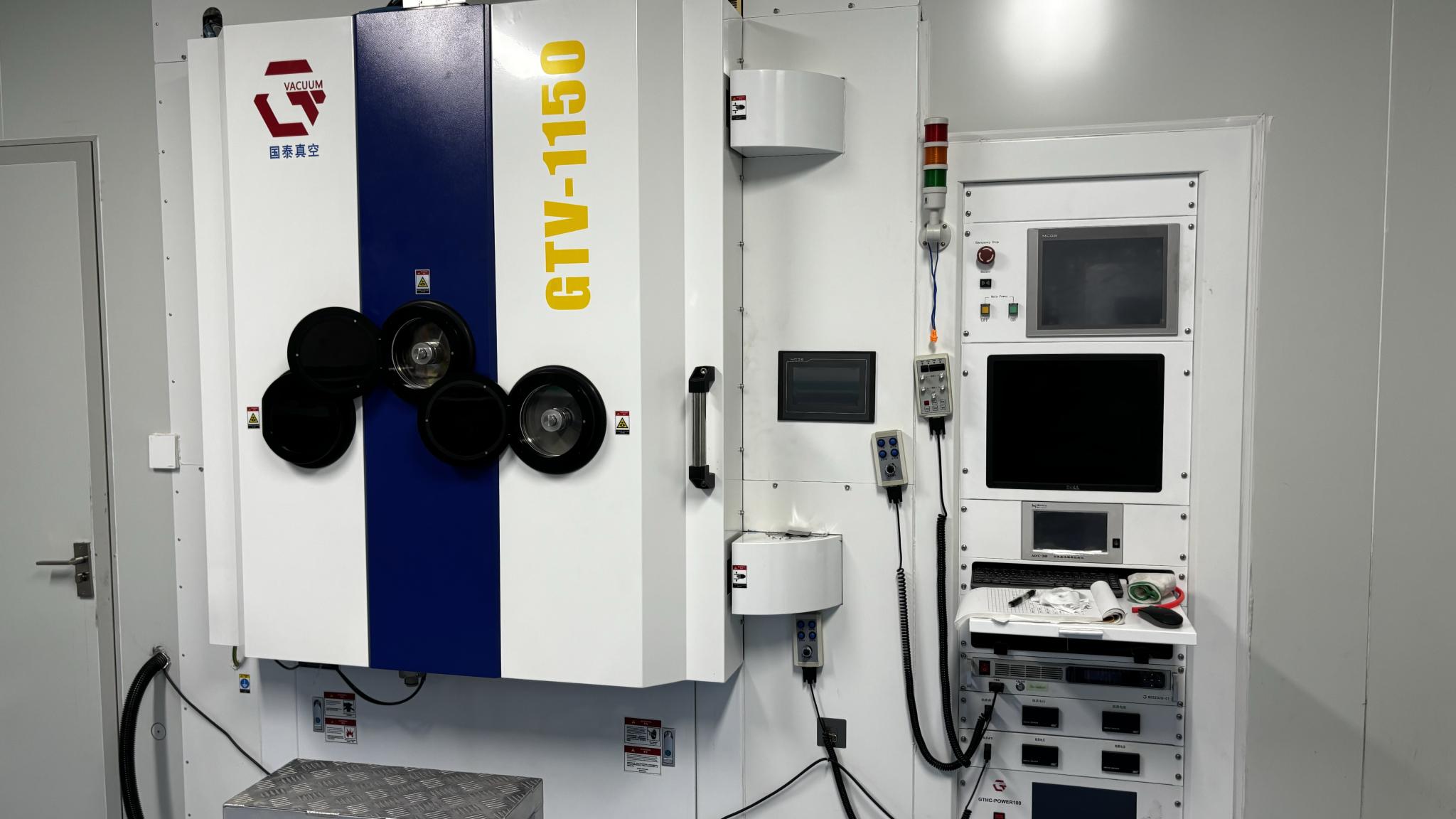
A tour inside FiberNova's 380㎡ state-of-the-art production floor, clean rooms, and testing environments.


Expert answers to technical and commercial queries concerning FiberNova's 2.5G~6G SFP modules.
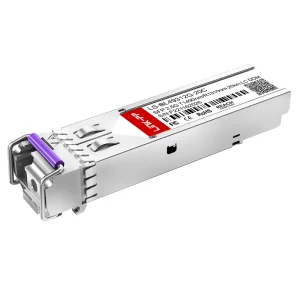
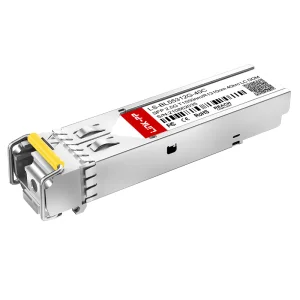
Discover our specialized optical transceivers for extended range (up to 80km), Bidi setups, and multi-mode networks.
FiberNova Optical Communication Tech Co., Ltd. (FiberNovaTransceivers.com) is a professional optical transceiver manufacturer established in 2016, operating a modern production facility covering approximately 380㎡. The company focuses on high-speed optical communication solutions, serving global data center and telecom customers with stable, high-performance products.
With over 6 years of export experience and 12 years of industry expertise, FiberNova has developed robust capabilities in R&D, manufacturing, and international trade. The company achieves an annual export revenue of approximately USD 8–15 million, supplying customers across North America, Europe, Southeast Asia, and the Middle East.
FiberNova operates with a strict quality control system, including 100% optical performance testing, temperature cycling tests, and signal integrity inspection before shipment. The quality assurance team consists of around 45 professional QC staff, ensuring every transceiver meets international standards such as IEEE and MSA compatibility requirements.
The company maintains a solid trade background with experienced export teams handling OEM and ODM projects worldwide. Its main markets include the United States, Germany, Japan, South Korea, and the United Arab Emirates. FiberNova has established long-term partnerships with more than 1,200 supply chain partners, enabling stable procurement of chips, lasers, and optical components.
FiberNova serves a wide range of clients, including telecom operators, cloud service providers, data center integrators, and network equipment distributors. The company has strong R&D capabilities, supported by 65 engineers, focusing on high-speed transmission technologies such as 10G, 25G, 100G, 400G, and 800G optical modules.
Customization is fully supported, including wavelength tuning, protocol compatibility, housing design, and labeling services. In the past year, FiberNova launched approximately 120 new products, continuously expanding its portfolio to meet fast-changing market demands.
With innovation-driven development and strict quality standards, FiberNova aims to become a trusted global partner in optical communication solutions.
 FiberNova