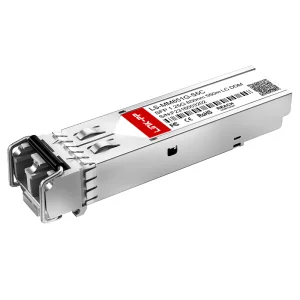
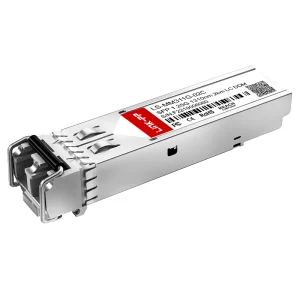
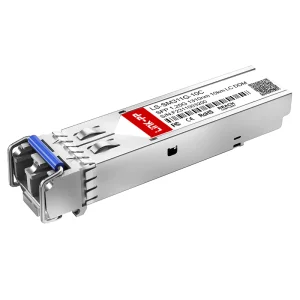
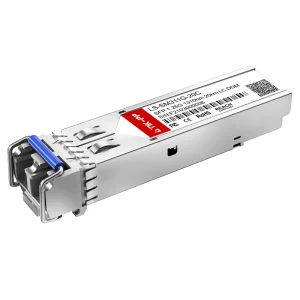
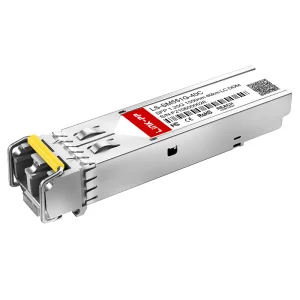
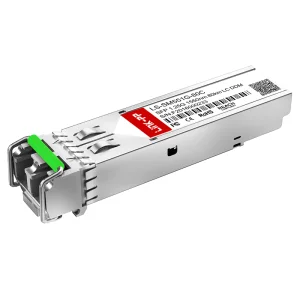
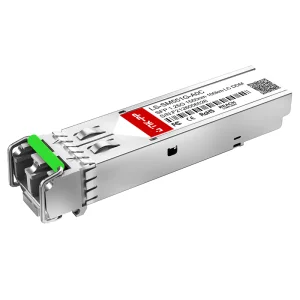
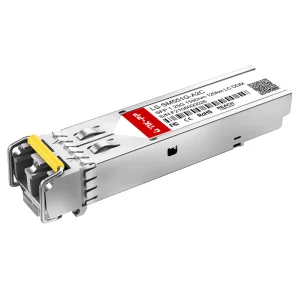
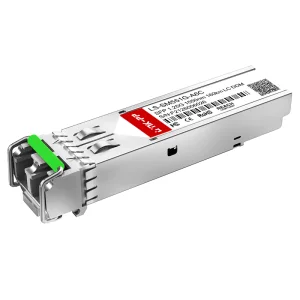
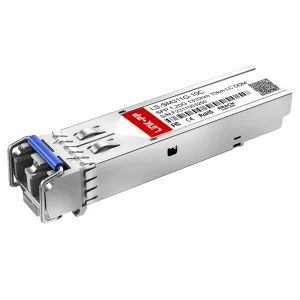
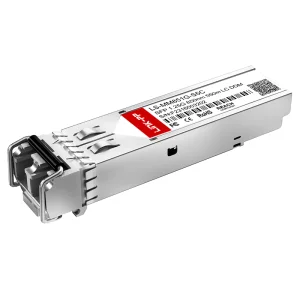
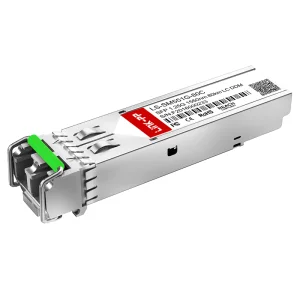
Engineered for high reliability, hot-pluggable operations, and multi-vendor compatibility across global telecommunication networks.
In an era dominated by discussions of hyperscale 400G and 800G coherent optics, the 1.25G SFP (Small Form-Factor Pluggable) module remains the structural foundation of global telecommunications, enterprise networks, and industrial IoT (IIoT) infrastructure. Designed under the strict specifications of the SFP Multi-Source Agreement (MSA), these hot-pluggable transceivers offer unmatched cost efficiency, backwards compatibility, and long-term reliability.
As a leading 1.25G SFP module manufacturer, FiberNova bridges the gap between legacy infrastructures and future-ready architectures. Our comprehensive portfolio spans multi-mode (MMF) short-reach options, long-distance single-mode (SMF) configurations extending up to 160km, and advanced single-fiber Bidirectional (BiDi) options. Every optical interface is designed to maximize transmission budgets while minimizing power consumption and bit error rates (BER).
Underpinning the persistent global demand for 1.25G SFP technology are three critical industry pillars:
Understanding the optical parameters, laser architectures, and mechanical tolerances that govern high-reliability gigabit transceivers.
Optical transceivers operating at 1.25 Gb/s utilize highly refined semiconductor laser diodes to transform electrical data packets into precise wavelengths. Selecting the correct component depends on the physical transmission medium, the target distance, and the optical link budget. Below, we break down the core technologies driving our 1.25G SFP portfolio.
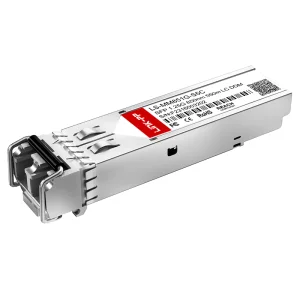
Our short-reach multi-mode (MMF) transceivers utilize 850nm VCSEL (Vertical-Cavity Surface-Emitting Laser) arrays, delivering high reliability at low cost. For intermediate distances (10km - 40km), FP (Fabry-Perot) lasers are deployed. For extreme long-haul paths (80km - 160km), we integrate high-performance DFB (Distributed Feedback) lasers that suppress side modes to prevent signal degradation over distance.
Compliant with the SFF-8472 industry standard, our transceivers feature Digital Optical Monitoring (DOM). This gives network administrators real-time access to key parameters, including internal temperature, supply voltage, laser bias current, transmitted optical power, and received optical power, facilitating proactive fault detection and system uptime.
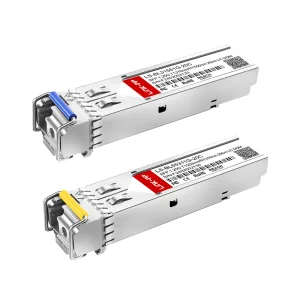
Single-fiber Bidirectional (BiDi) SFP transceivers transmit and receive signals over a single strand of fiber using Wavelength Division Multiplexing (WDM). By pairing mismatched wavelengths (e.g., 1310nm-TX/1550nm-RX and vice versa), operators can double their physical fiber capacity instantly without laying new underground cables.
| Standard | Wavelength (nm) | Fiber Type | Connector Type | Typical Max Distance | Min. Receiver Sensitivity |
|---|---|---|---|---|---|
| 1000BASE-SX | 850nm | MMF (Multi-Mode) | Duplex LC | 550 meters | -17 dBm |
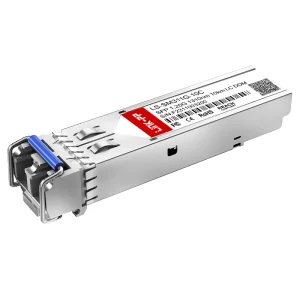
| 1000BASE-LX/LH | 1310nm | SMF (Single-Mode) | Duplex LC | 10km / 20km | -20 dBm |
| 1000BASE-EX | 1310nm / 1550nm | SMF (Single-Mode) | Duplex LC | 40km | -23 dBm |
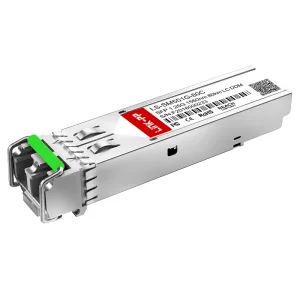
| 1000BASE-ZX | 1550nm | SMF (Single-Mode) | Duplex LC | 80km | -26 dBm |
| 1000BASE-EZX | 1550nm | SMF (Single-Mode) | Duplex LC | 120km / 160km | -32 dBm |
| 1000BASE-BiDi | 1310nm-TX / 1550nm-RX | SMF (Simplex) | Simplex LC | 20km / 40km / 80km | Varies by class |
How industries leverage 1.25G SFP architectures to power critical connectivity, transit systems, and security applications.
Modern smart cities rely on extensive networks of high-definition IP cameras. Standard copper Ethernet cables fail past 100 meters, making optical conversion necessary. By installing our 1.25G SFP modules into optical converters and field switches, security agencies transmit uncompressed high-resolution video streams over distances exceeding 20km, direct to municipal security centers, with zero frame loss or signal latency.
Electrical substations present challenging environments with high electromagnetic interference (EMI). Copper-based networks are vulnerable to noise, ground loops, and lightning surges. Our industrial-grade 1.25G SFPs, housed in hardened switches, utilize optical fiber to isolate transmission lines completely. Operating reliably from -40°C to +85°C, they ensure continuous telemetry, control, and protective relay communications.
Internet Service Providers (ISPs) often struggle with the cost of extending gigabit broadband to rural communities. Laying physical dual-core fiber cable over large areas can be cost-prohibitive. By utilizing FiberNova's Simplex BiDi 1G SFP transceivers, operators halve their fiber infrastructure costs. Using one single-mode fiber strand for both upstream and downstream traffic allows ISPs to deploy reliable FTTH networks efficiently.
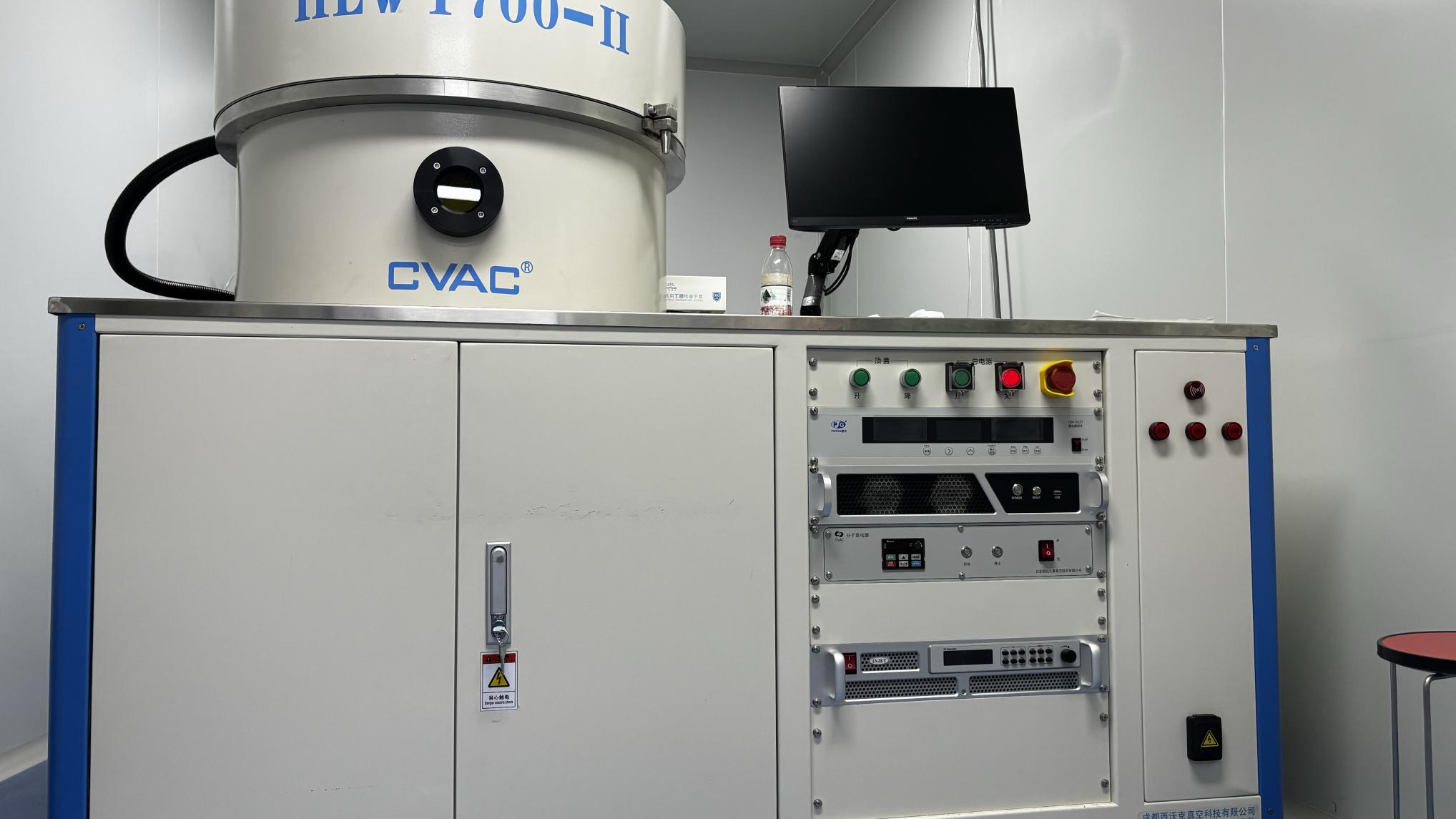
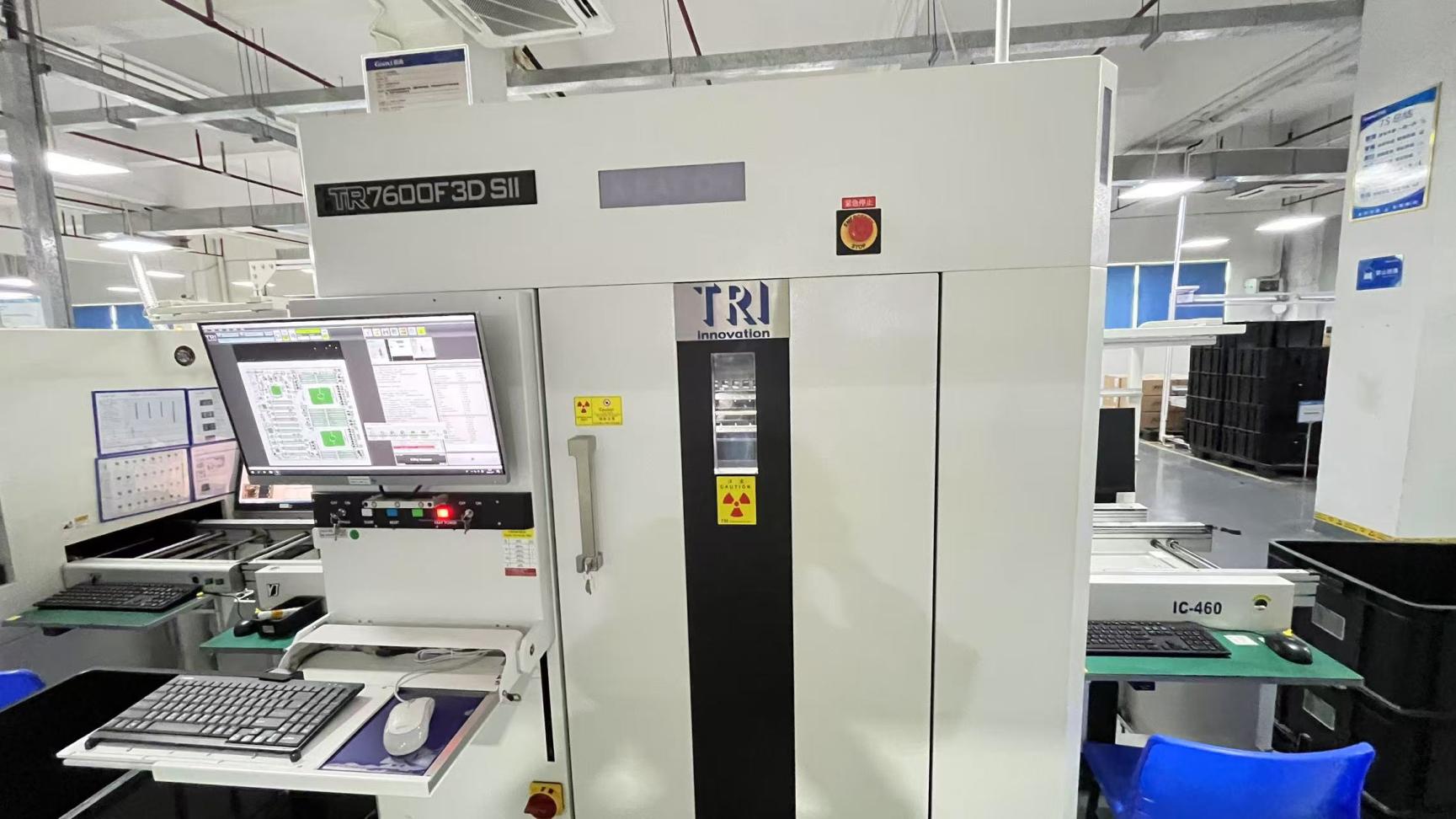
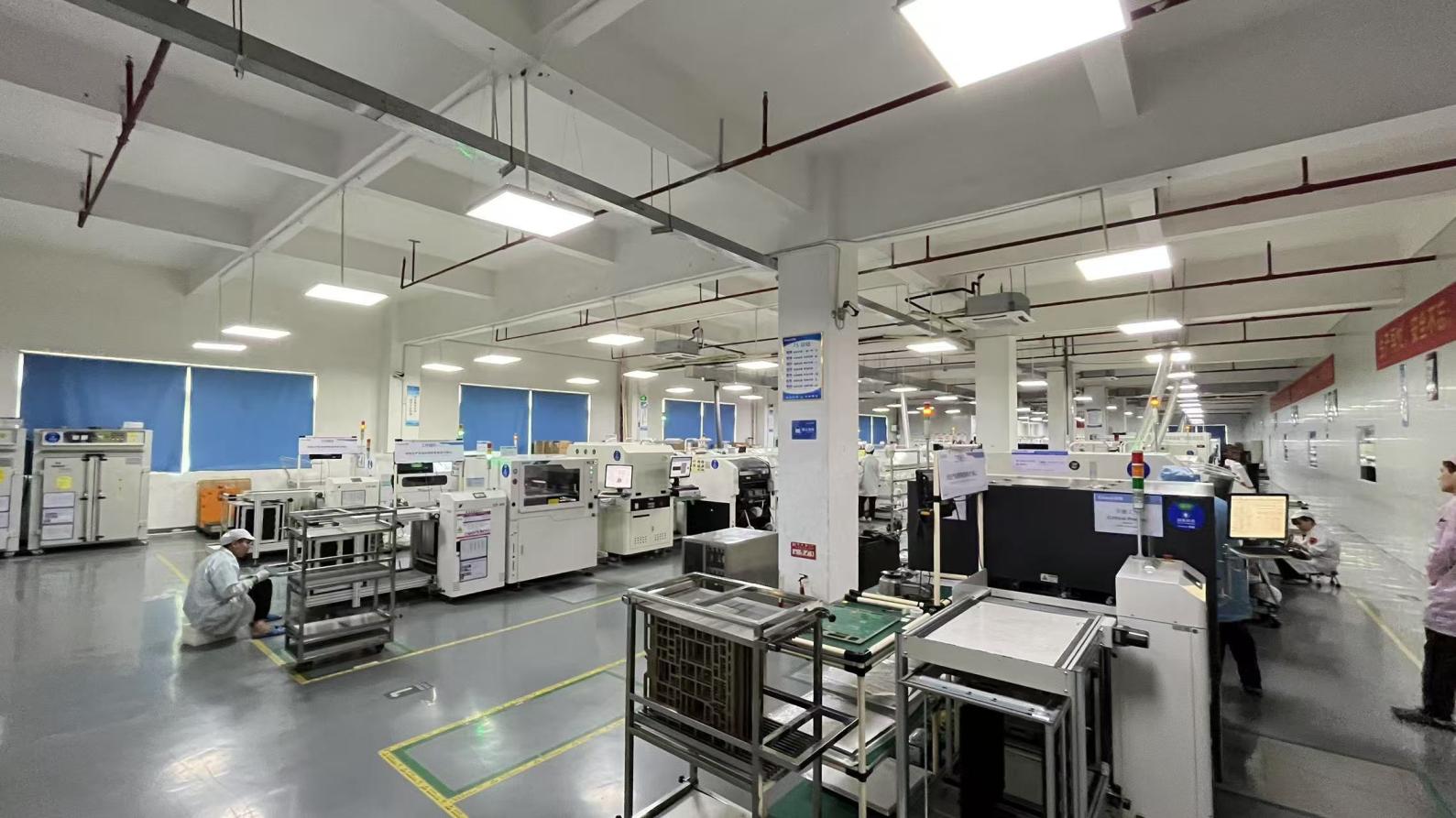
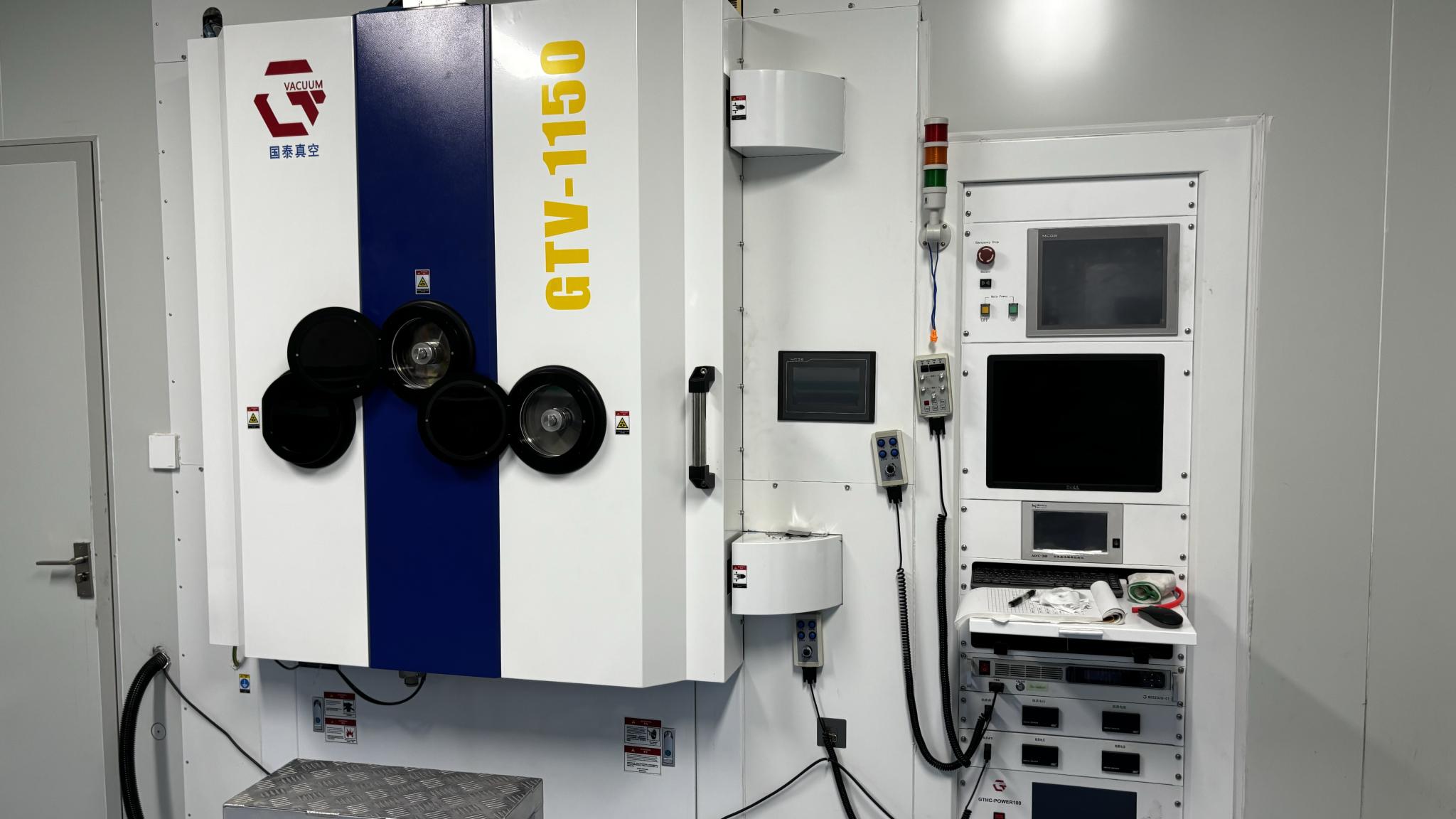
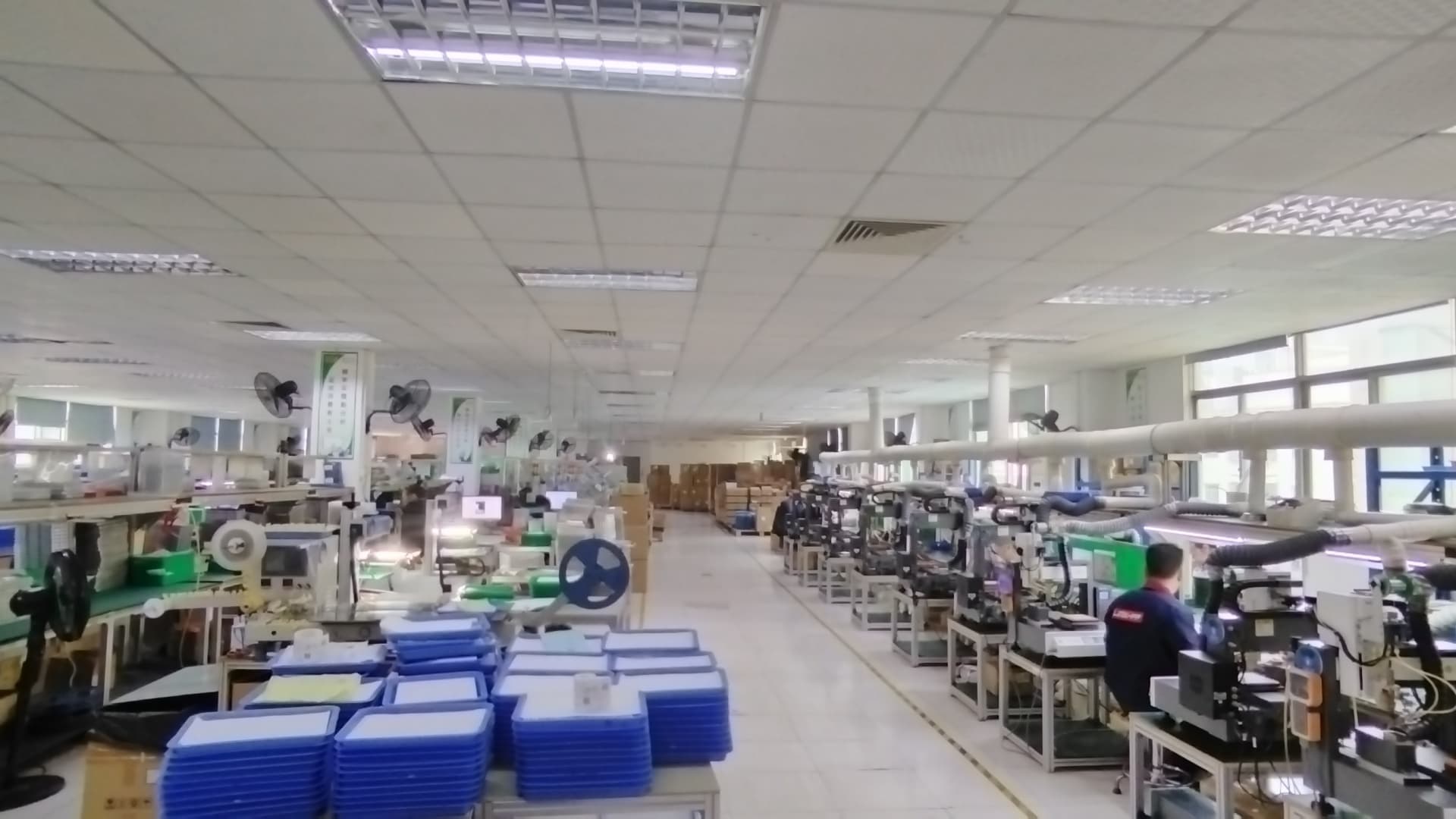
Founded in 2016, FiberNova Optical Communication Tech Co., Ltd. (FiberNovaTransceivers.com) has grown into a leading developer and manufacturer of high-performance optical transceivers. We operate a modern production facility spanning 380㎡, optimized for precision optical assembly and quality control.
Combining 12 years of industry experience with 6 years of export expertise, we serve operators, data center integrators, and equipment distributors in over 50 countries. Our production and quality protocols are backed by 45 professional QC specialists and 65 skilled R&D engineers, ensuring strict compliance with IEEE and MSA specifications.
With an established supply network of over 1,200 partners for premium lasers, photodetectors, and driver chips, we maintain stable production lead times and consistently high performance. Last year alone, we developed and introduced 120 new products, reinforcing our ability to support custom OEM and ODM requirements globally.


How advances in integration, power conservation, and materials science continue to extend the viability of 1G SFP modules.
While industry standard groups continue to define faster transmission protocols, the gigabit SFP form factor is also evolving to meet new requirements. Innovations focus on increasing integration density, reducing operational power budgets, and expanding the limits of single-mode long-reach connectivity.
By shifting to silicon photonics platforms, we consolidate multiple discrete optical components onto a single silicon chip. This approach minimizes internal optical alignment errors, decreases power consumption, and enhances thermal stability in high-density port applications.
Environmental footprint considerations are driving the adoption of lower power architectures. Our current research initiatives utilize low-voltage transimpedance amplifiers (TIAs) and driver chipsets, targeted at reducing typical power consumption to less than 0.5 Watts per module.
To support distances up to 160km, we integrate high-sensitivity Avalanche Photodiodes (APDs). These components resolve weak signals over long fiber paths, allowing operators to deploy reliable long-haul links without requiring active inline optical amplifiers.
Addressing the core questions asked by network architects, optical engineers, and procurement managers.
Explore our extended reach and single-mode options for long-haul networks and specialized telecom installations.
 FiberNova