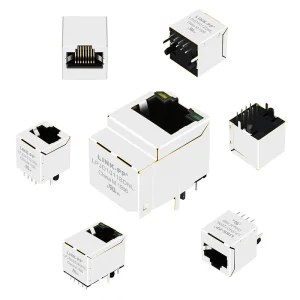
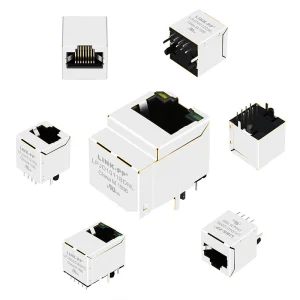
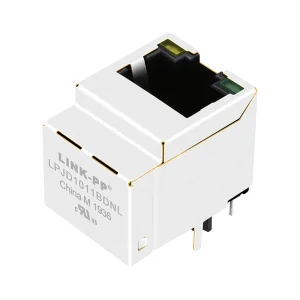
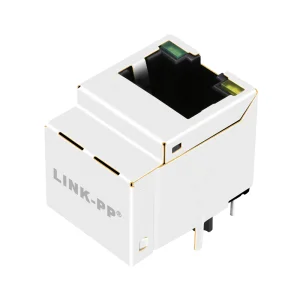
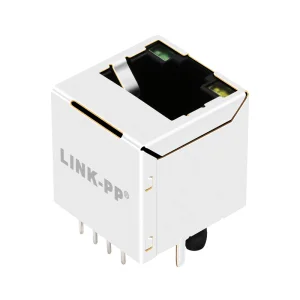
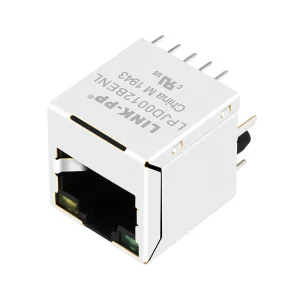
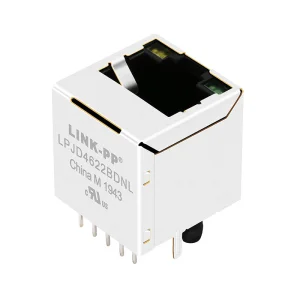
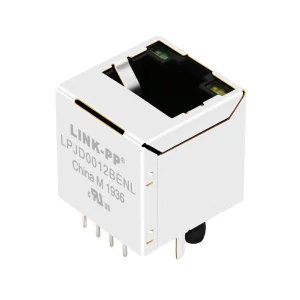
Explore our premium engineered vertical and top-entry RJ45 connectors featuring integrated magnetics, PoE capabilities, and robust EMI shielding.
Unlocking signal integrity and structural efficiencies in high-density printed circuit board layouts.
In modern networking hardware architectures, space on the printed circuit board (PCB) is at an absolute premium. Traditionally, right-angle RJ45 connectors have dominated network interface designs; however, they require substantial horizontal edge space. This limitation has driven high-density enterprise routing and industrial computing systems toward the implementation of vertical RJ45 female connectors.
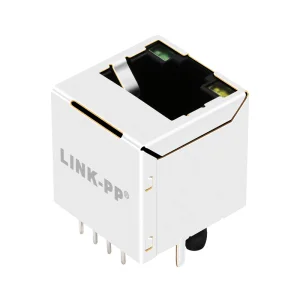
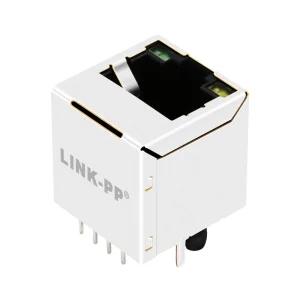
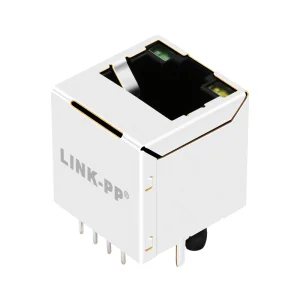
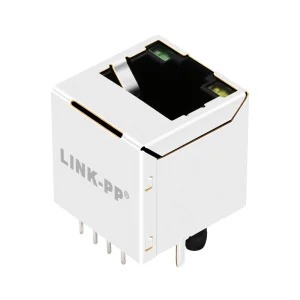
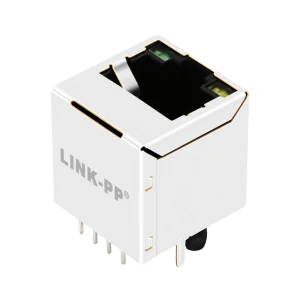
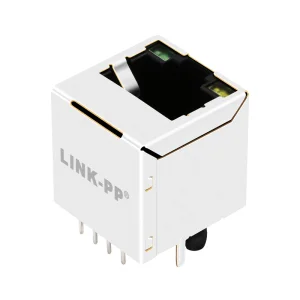
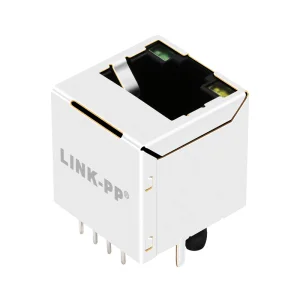
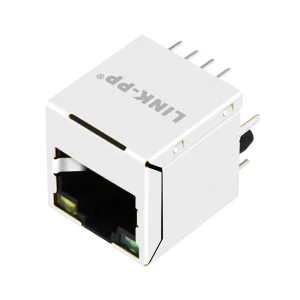
Vertical (also known as top-entry) RJ45 connectors stand perpendicular to the PCB plane. By utilizing the vertical dimension, system designers can significantly reduce the connector's board footprint. This physical orientation shifts the mechanical mating vector, distributing insertion and extraction forces vertically down onto the PCB surface. This redirection prevents horizontal board flexing, which is a common failure point for right-angle edge connectors over repeated mating cycles.
Operating Ethernet at Gigabit speeds and beyond (1000Base-T to 10GBase-T) introduces significant challenges in managing electromagnetic interference (EMI) and signal attenuation. When signals travel through a vertical path, the routing profiles of the differential pairs on the PCB must be configured carefully. Because vertical pins have different lengths and path arrangements compared to right-angle leads, compensating for capacitive and inductive imbalances is critical.
To address these challenges, leading vertical RJ45 factories incorporate integrated magnetics directly inside the connector housing (often referred to as MagJacks). An integrated vertical RJ45 magnetic connector contains miniaturized isolation transformers, common-mode chokes, and termination resistors. These components serve several vital functions:
| Parameters | Standard Vertical RJ45 (Non-Magnetic) | Integrated Magnetic Vertical RJ45 (MagJack) |
|---|---|---|
| PCB Footprint Complexity | Requires external transformers & discrete filters on PCB. | Clean, space-saving design with all filters in the jack shell. |
| EMI Shielding Performance | Moderate; relies heavily on board-level copper shielding. | Excellent; features full-metal wrap-around shielding tabs. |
| High-Speed Support | Requires highly complex trace matching on host PCB. | Optimized internally for Cat5e, Cat6, and Cat7 bandwidths. |
| PoE Compatibility | Dependent on external PCB injector circuit design. | Available with pre-engineered PoE/PoE+ internal routing. |
Analyzing how global logistics, telecommunication expansion, and industrial edge computing rely on vertical connector architectures.
In global fiber optic systems, media converters translate light waves into copper Ethernet. These converters require compact, high-reliability ports. Vertical RJ45 connectors provide robust, space-saving interfaces alongside optical transceivers, enabling high-density layouts on crowded carrier rack blades.
Industrial machinery operates under severe vibration and thermal stress. Heavy shielding on vertical RJ45 jacks prevents EMI from high-voltage motors. Integrated IP67/IP68 sealed configurations protect connections from dust and liquid ingress in demanding factory settings.
From smart building lighting to security cameras, PoE (IEEE 802.3af/at/bt) delivers up to 90W of power. Vertical connectors must handle these currents without overheating. Our designs feature premium copper alloys and thick gold plating to minimize electrical resistance and thermal load.
The manufacturing landscape for vertical RJ45 female connectors is highly consolidated, requiring sophisticated assembly machinery and precise plastic injection molding tooling. OEMs and hardware integrators must vet suppliers based on material sourcing stability, automated production capabilities, and strict quality control standards. Fluctuations in copper, gold, and engineering resins directly impact production costs, making long-term supply chain partnerships crucial.
FiberNova Optical Communication Tech Co., Ltd. addresses these challenges by maintaining a robust supply network of over 1,200 partners. This ensures access to high-quality copper alloys, custom LED components, and compatible magnetics. Our partnerships safeguard against material shortages, allowing us to maintain stable pricing and reliable lead times for our global clients.
Established in 2016, delivering high-speed optical and copper transmission solutions to data centers, telecom operators, and system integrators globally.
Based in a modern 380㎡ production facility, FiberNova specializes in designing, manufacturing, and exporting high-performance optical transceivers and networking components. Leveraging 12 years of industry experience and 6 years of export history, we generate an annual export revenue of USD 8–15 million. Our products serve mission-critical infrastructures across North America, Europe, Southeast Asia, and the Middle East.
Our commitment to quality is backed by a dedicated team of 45 QC specialists. Every component undergoes rigorous testing, including 100% optical performance validation, thermal cycling tests, and signal integrity inspections to ensure compliance with IEEE and MSA standards. Supported by an R&D department of 65 engineers, we continuously innovate across high-speed platforms, including 10G, 25G, 100G, 400G, and 800G transmission modules.
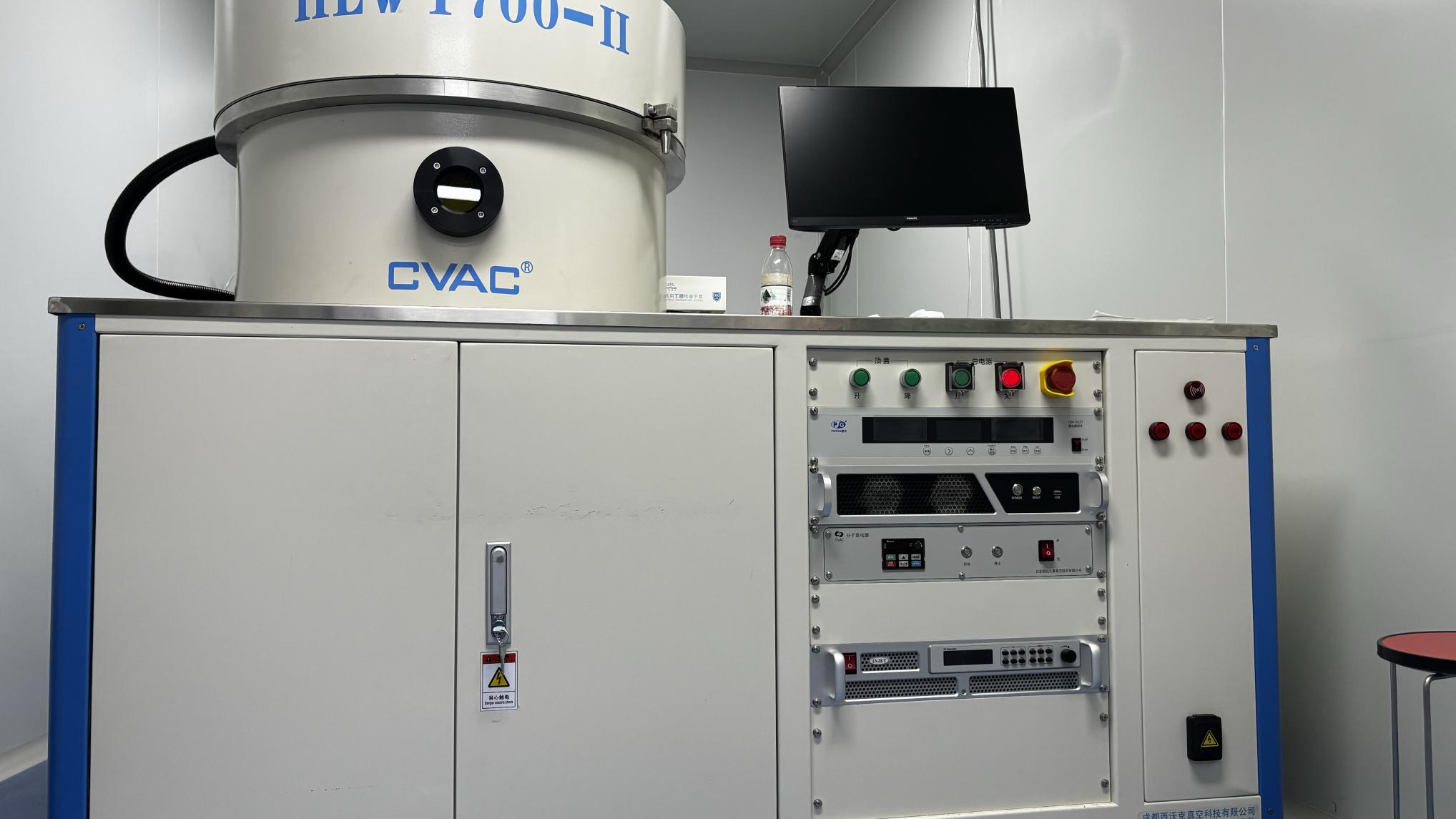
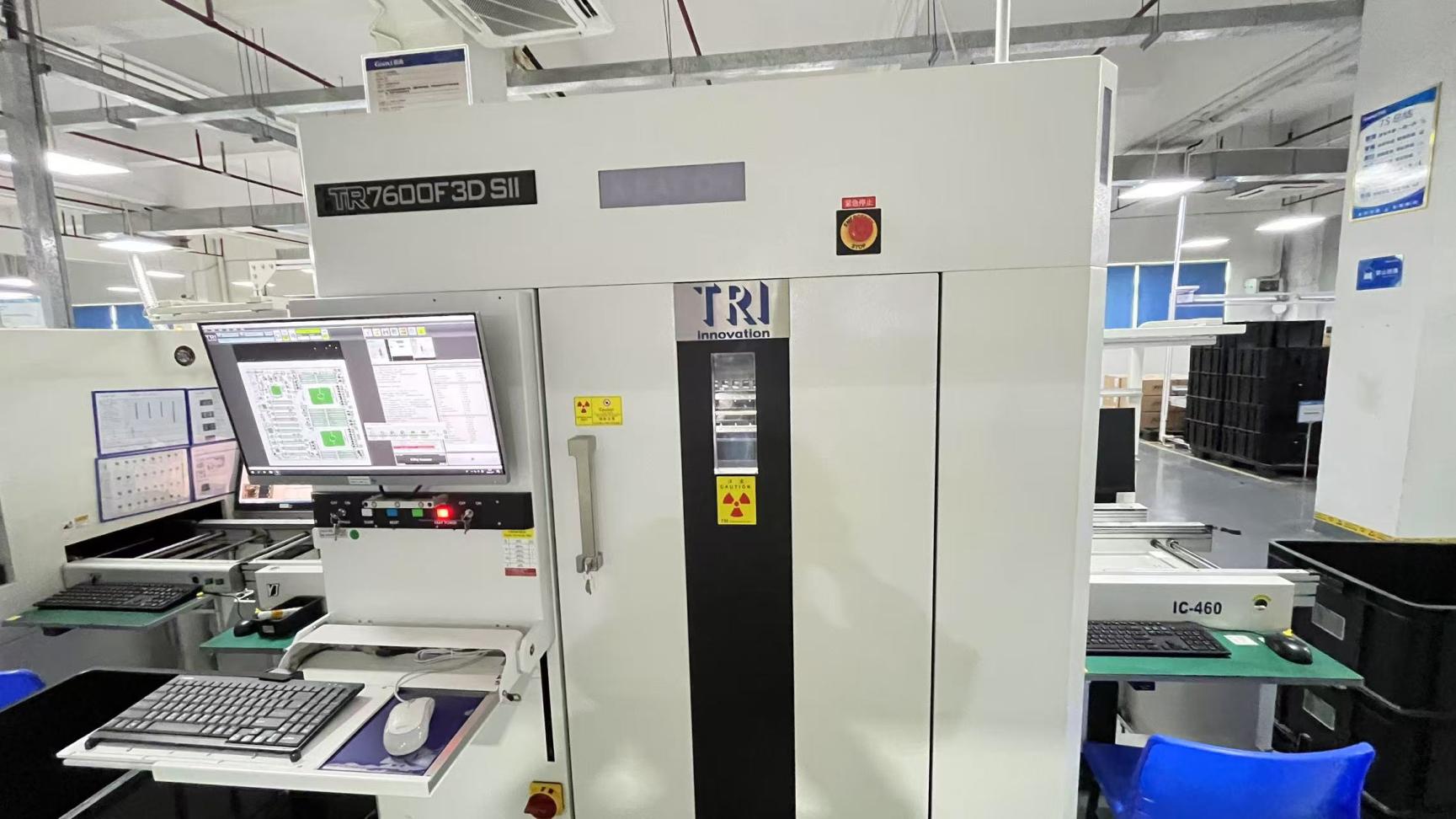
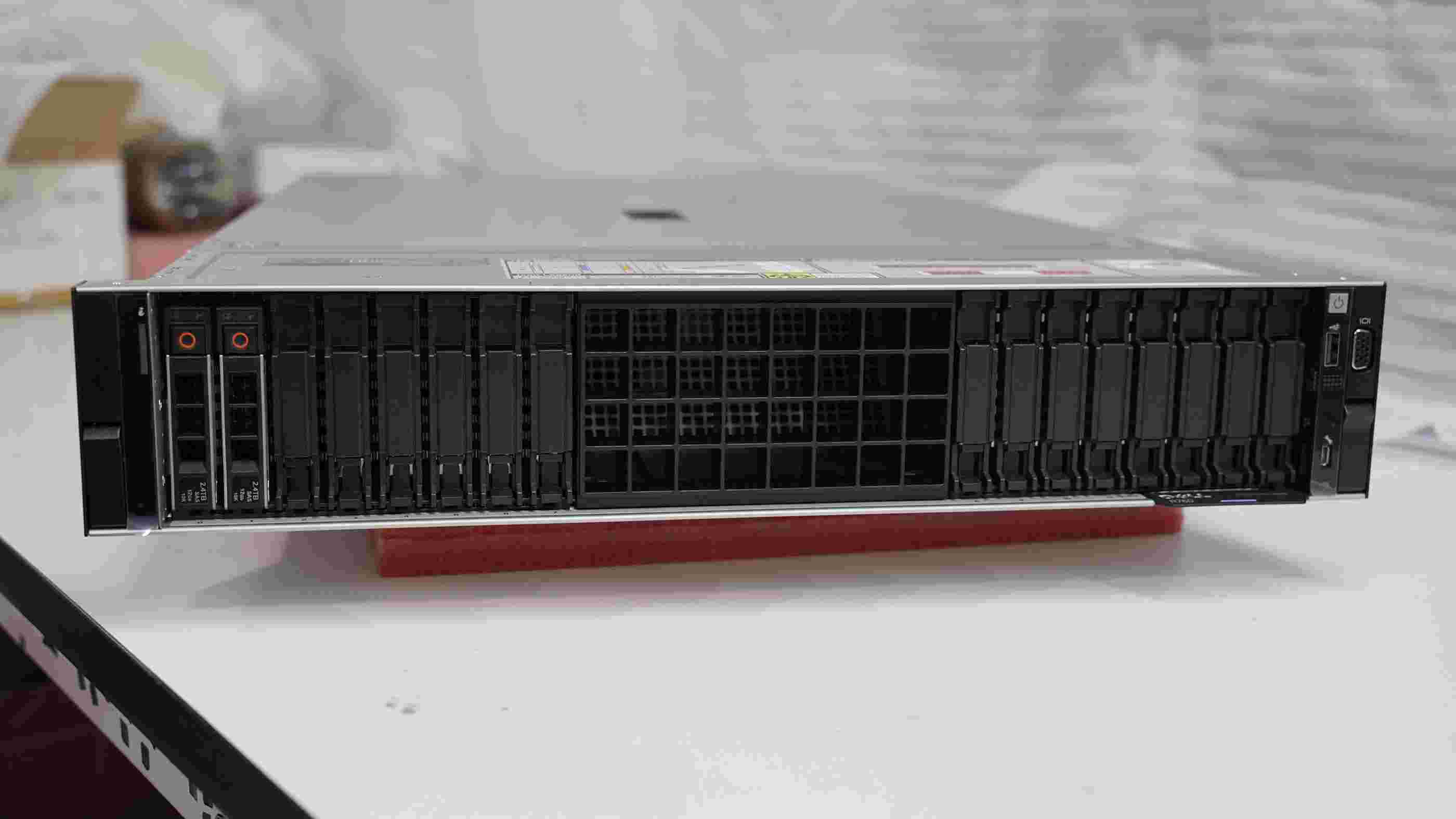
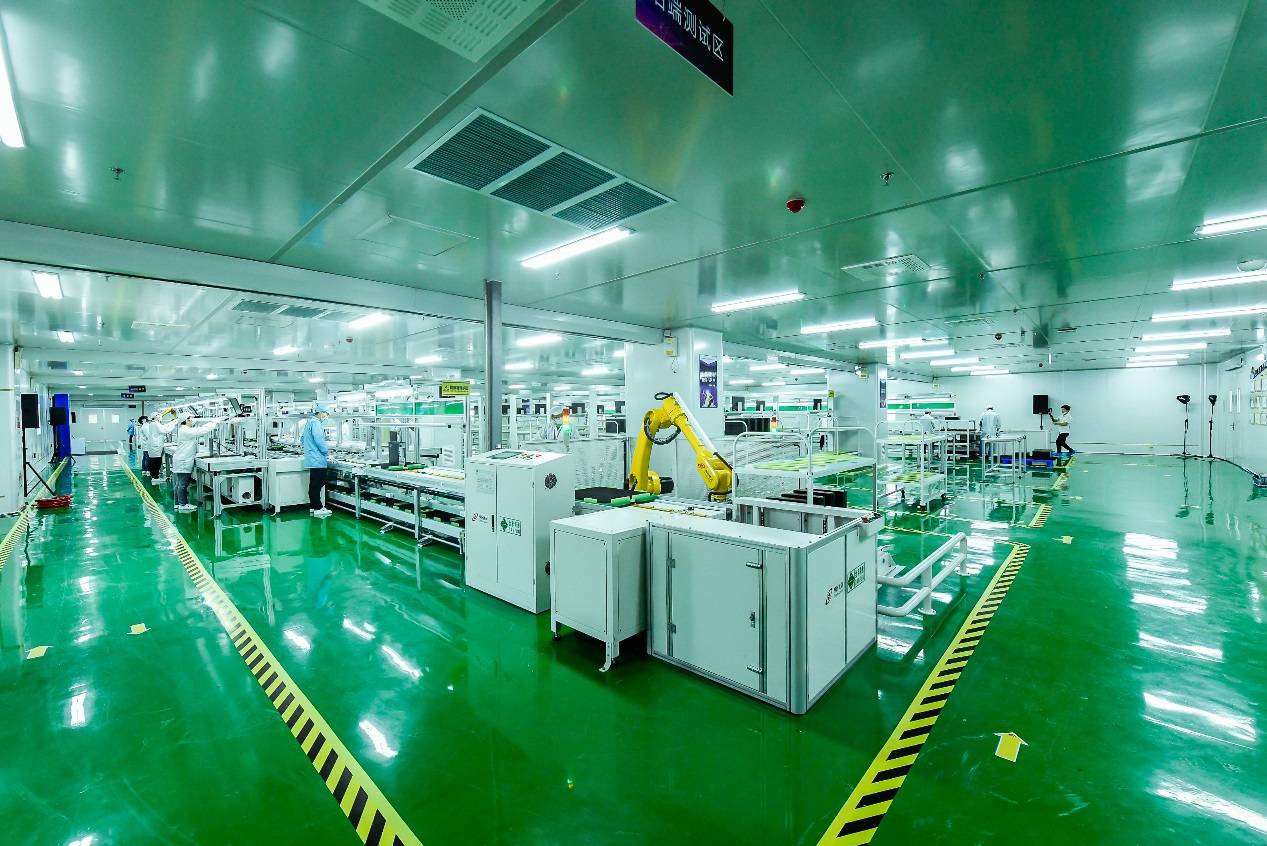
Take a look at our advanced manufacturing lines, cleanrooms, and testing facilities.
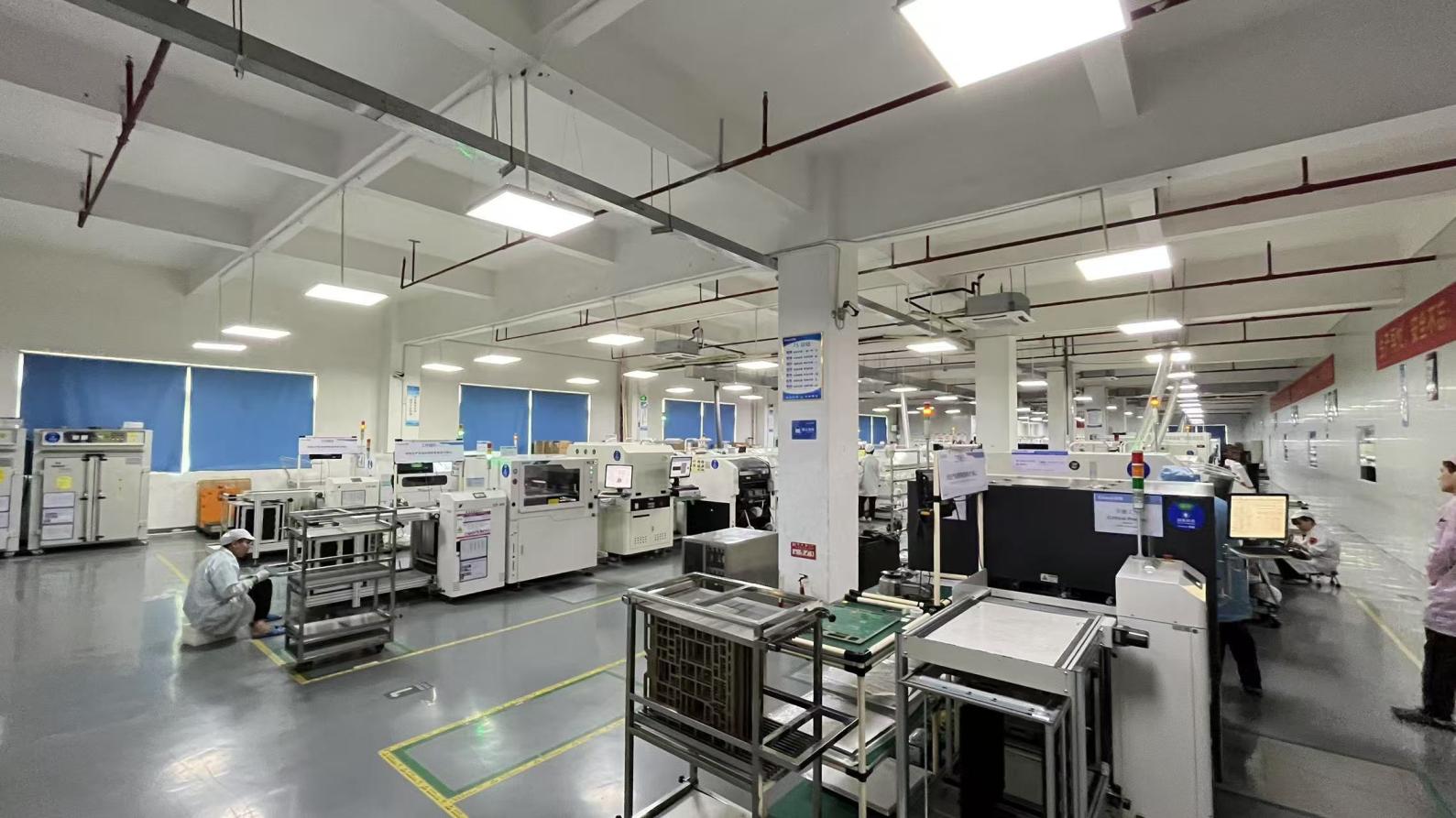
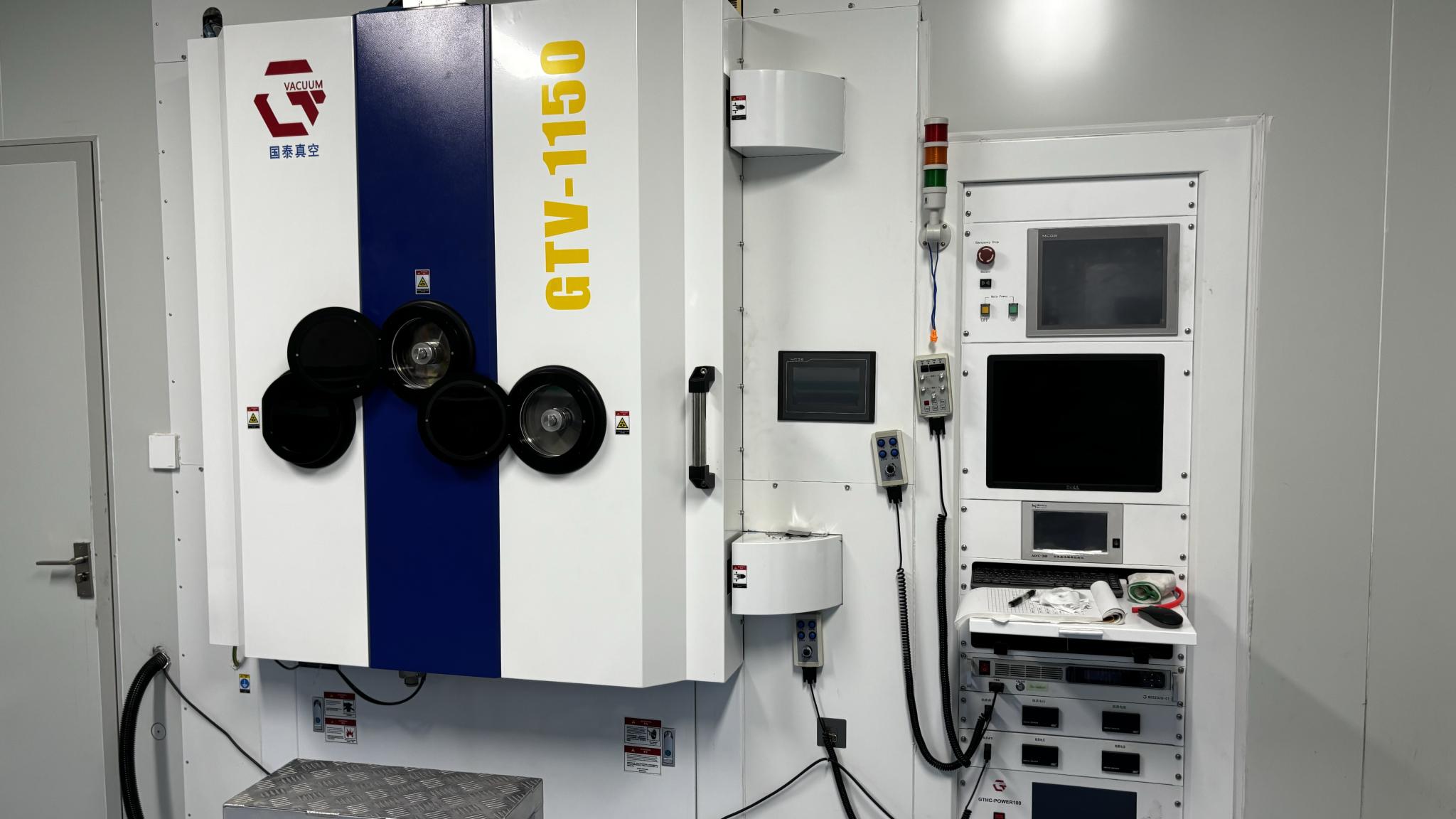
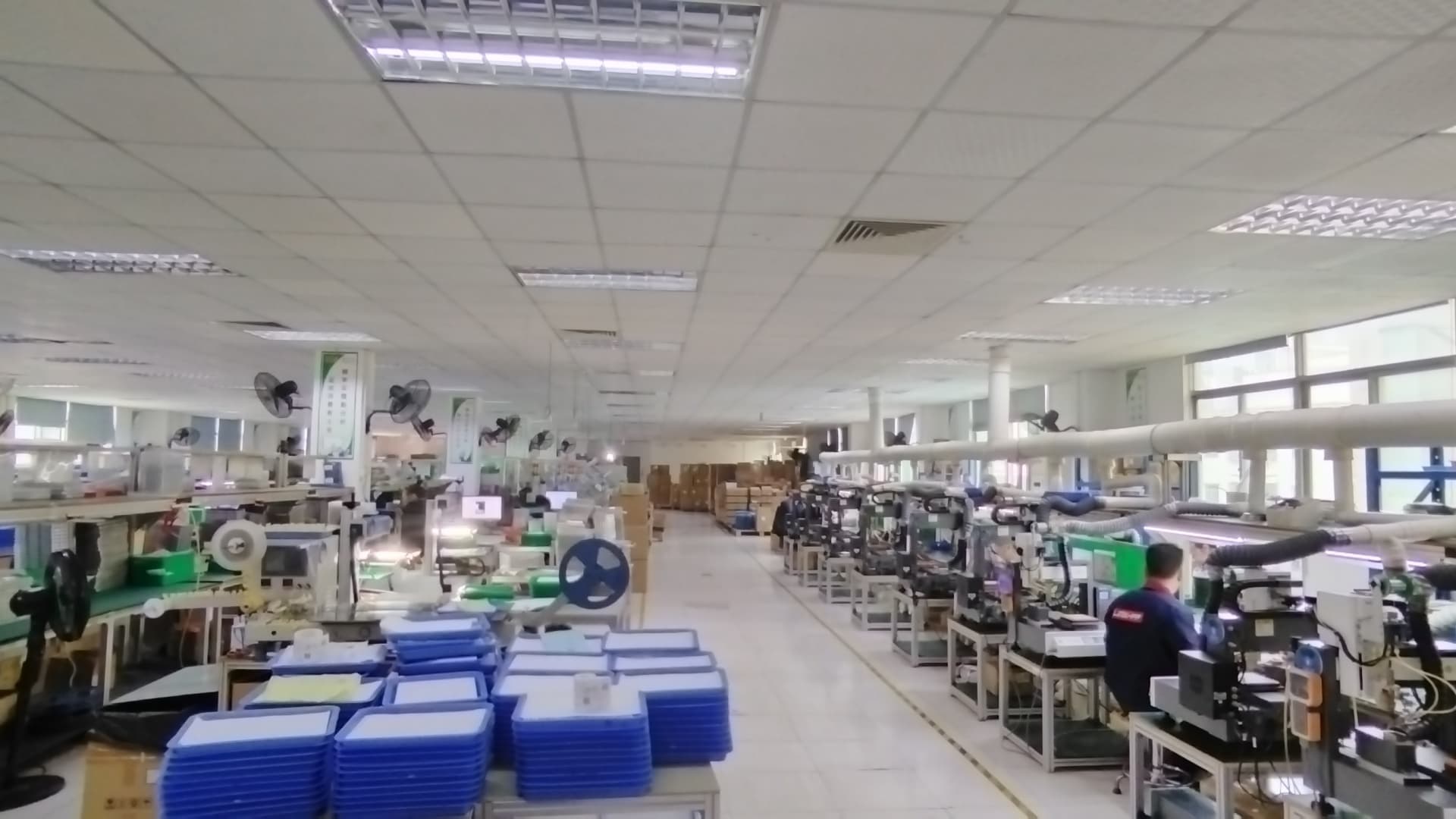
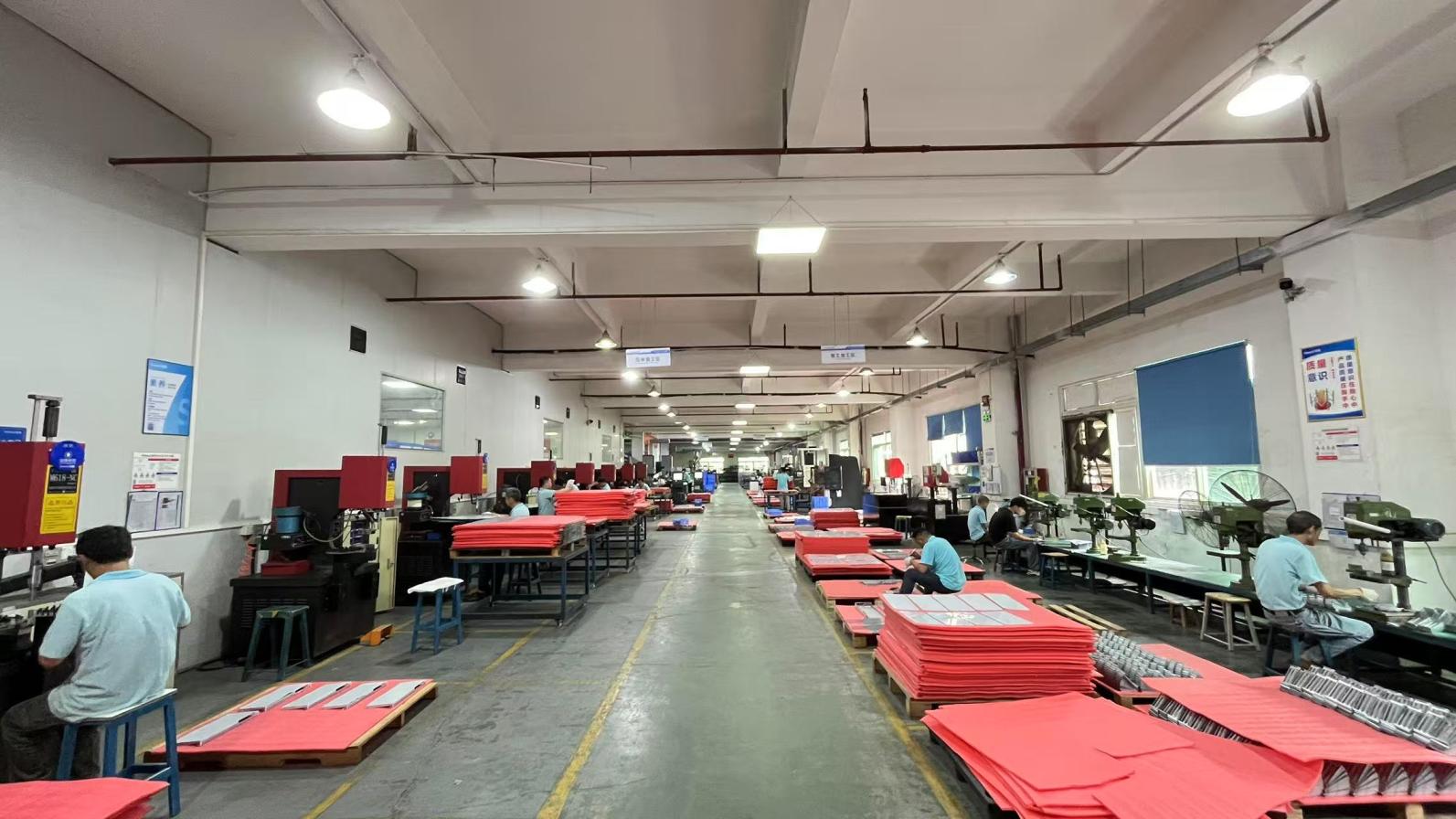
Evaluating the impact of Single Pair Ethernet (SPE), 10Gbps transmission speeds, and environmental standards on future hardware development.
As Edge AI, advanced machine vision, and cloud data centers handle growing workloads, vertical RJ45 jacks must evolve to support higher data rates. While Cat5e remains popular for legacy systems, demand is shifting toward Cat6a and Cat7 vertical connectors capable of supporting 10Gbps bandwidths up to 100 meters.
Upgrading to these frequencies requires redesigning the internal configurations of RJ45 modular jacks. Crosstalk mitigation is achieved through internal wire pair isolation, shielding partitions, and automated pin assembly. Additionally, we use high-grade liquid crystal polymers (LCP) to prevent deformation during high-temperature reflow soldering processes.
Hardware sold in the European Union, the United States, and East Asian markets must meet strict environmental directives. Our vertical RJ45 connectors comply with RoHS, REACH, and UL94-V0 flammability standards. We utilize halogen-free engineering plastics and lead-free soldering profiles to minimize environmental impact while ensuring safety in commercial installations.
Expert answers to common questions about vertical RJ45 connector design, magnetics, and system integration.
Vertical RJ45 connectors stand perpendicular to the PCB, reducing the required board footprint by up to 40% compared to horizontal right-angle jacks. This orientation also redirects insertion and extraction forces vertically onto the PCB, preventing the board flex and solder joint fatigue common in edge-mounted designs.
Integrated magnetics contain isolation transformers, common-mode chokes, and resistors inside the metal housing. This design provides galvanic isolation, filters out high-frequency EMI, and matches the 100-ohm differential impedance. By handling these functions inside the connector, it simplifies the host PCB layout and protects sensitive PHY transceivers.
Yes. Vertical PoE RJ45 connectors are designed with higher-grade copper contacts and thicker plating (such as 50 micro-inches of gold) to handle up to 90W of power (PoE++ / IEEE 802.3bt). They are engineered to dissipate heat effectively in high-temperature environments, preventing signal degradation.
For Gigabit and 10G networks, we recommend full-metal brass or copper alloy shields with nickel plating. Multiple grounding tabs (also called panel grounding fingers) ensure a low-impedance path to the chassis ground, minimizing EMI radiation and external noise susceptibility.
Yes. FiberNova provides comprehensive OEM/ODM customization services. This includes adjusting housing dimensions, modifying LED configurations (colors, resistors), changing pinouts, adapting magnetics for specific PHY chips, and custom labeling or branding.
Our quality control program includes automatic optical inspection (AOI), insulation resistance testing, dielectric testing, mechanical insertion force evaluation, and signal integrity testing using network analyzers to ensure stable transmission and compliance with international standards.
Our vertical RJ45 connectors use high-performance thermoplastic resins (such as LCP or PA9T) that withstand peak reflow temperatures of up to 260°C. This ensures compatibility with standard lead-free wave and reflow soldering processes without warping.
Explore our advanced vertical RJ45 connectors designed for rugged applications, including high-performance magnetic assemblies, sealed waterproof jacks, and integrated PoE systems.
 FiberNova