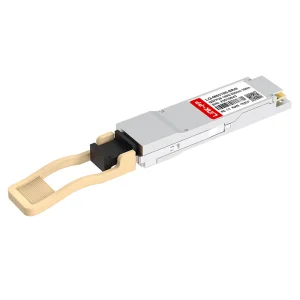
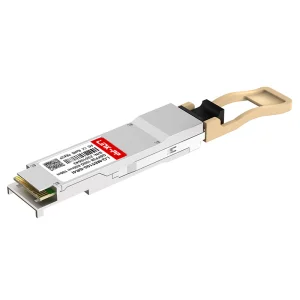
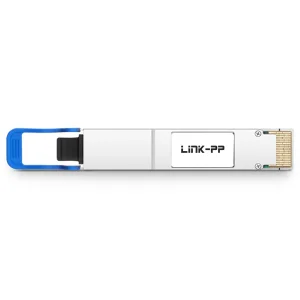
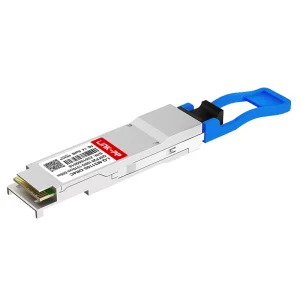
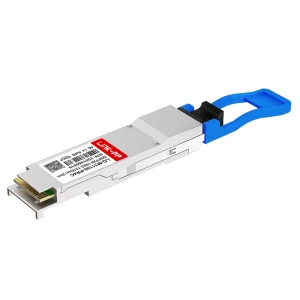
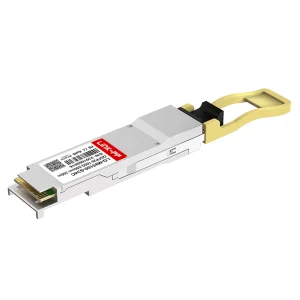
Explore our premium line of high-speed interconnect products designed for Next-Gen Ethernet networks, hyper-scale cloud fabrics, and long-haul telecommunication frameworks.
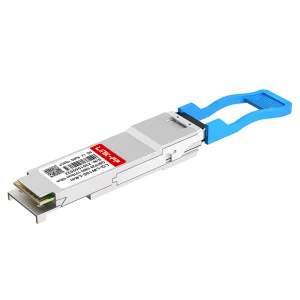
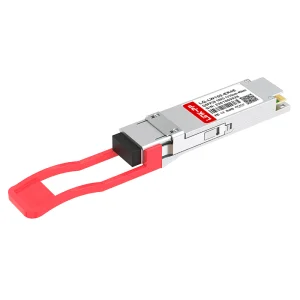
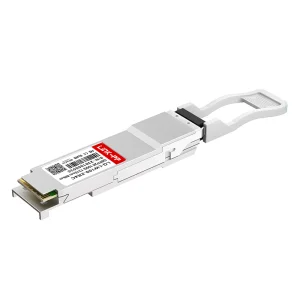
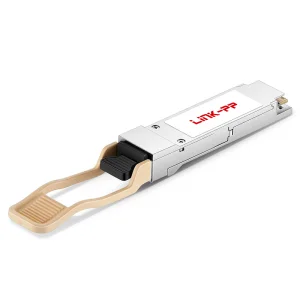
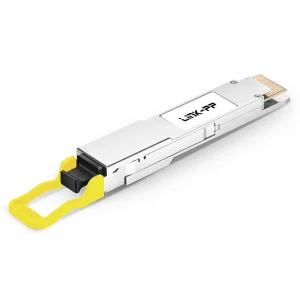
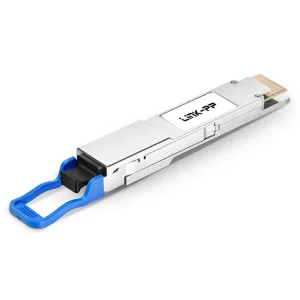
The unprecedented surge in cloud computing, high-frequency algorithm execution, and AI model ingestion has necessitated an exponential increase in bandwidth capacity within hyperscale data centers. Standardizing high-rate interconnects requires a thorough understanding of the structural transitions between 100G, 200G, and 400G optical transceiver modules.
While 100G optical architectures primarily leveraged NRZ (Non-Return-to-Zero) modulation over 4 channels (4x 25Gbps), the industry transitioned to 4-level Pulse Amplitude Modulation (PAM4) for 200G and 400G systems. PAM4 doubles the network transmission capacity without requiring double the physical channel fiber count, transmitting 2 bits per unit interval.
When selecting modules for telecom or high-performance compute arrays, optical network architects must evaluate several technical criteria:
QSFP28 (Quad Small Form-factor Pluggable 28) remains the baseline for 100G arrays. For 400G deployments, QSFP-DD (Double Density) expands the 8-lane electrical interface to integrate seamless, high-density linecard connections.
Our products support various standard optical interfaces, including MPO/MTP (for multi-fiber links like SR4/SR8) and Duplex LC (for long-reach SMF applications like LR4, ER4, and ZR4), facilitating broad network design flexibility.
As transceiver densities rise, heat dissipation becomes critical. FiberNova’s 400G QSFP-DD transceivers are optimized to consume less than 12W per module, reducing overall datacenter cooling costs and ensuring extended component life.
Established in 2016, FiberNova Optical Communication Tech Co., Ltd. (FiberNovaTransceivers.com) has evolved into a leading exporter and specialist in high-speed fiber-optic components. Leveraging 12 years of industry experience and 6 years of export expertise, we manufacture and deliver reliable network solutions. Our production operations generate an annual export volume ranging from USD 8 million to USD 15 million.
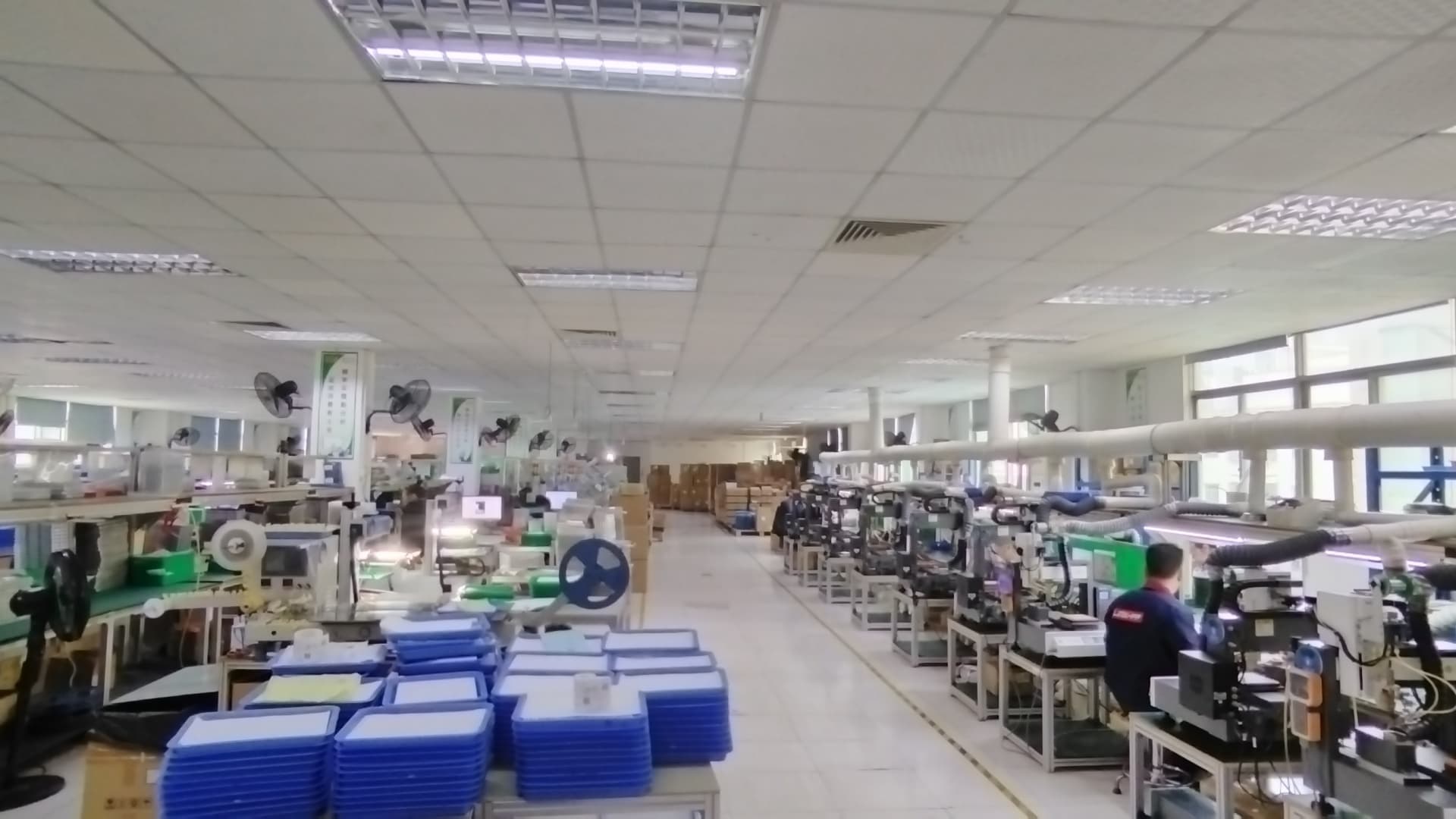
FiberNova operates a specialized optical assembly facility covering approximately 380㎡. We focus on high-precision optical alignment, Automated Test Systems (ATS), and cleanroom-controlled processes. This compact, specialized footprint is dedicated to prototyping and producing high-performance, low-latency 100G, 200G, and 400G transceivers. Our engineering team launched 120 new custom products in the past year, reflecting our agility and focus on research and development.
Our multi-tier testing pipeline ensures that every transceiver meets or exceeds the industry's most stringent quality benchmarks:
Using high-bandwidth sampling oscilloscopes, we analyze optical modulation amplitude (OMA), extinction ratio, and eye mask margins. This guarantees clean transmission waveforms and minimizes jitter across high-speed connections.
Modules are tested in loopback environments with real data patterns. We measure pre-FEC (Forward Error Correction) and post-FEC bit error rates, ensuring reliable packet delivery under high-throughput conditions.
We maintain a compatibility lab equipped with host switches from major network equipment manufacturers. We verify EEPROM programming, diagnostic monitoring (DDM), and physical layer operation to ensure seamless integration.
China’s optical communication cluster offers significant supply chain advantages, providing high-speed module production with strong price-to-performance ratios and rapid scalability.
Our network includes more than 1,200 supply chain partners. This collaboration provides reliable access to critical sub-components—such as Distributed Feedback (DFB) lasers, Electro-absorption Modulated Lasers (EML), high-speed Digital Signal Processors (DSP), and optical sub-assemblies (TOSA/ROSA)—ensuring steady production.
These supply chain relationships enable FiberNova to offer:
We can transition from custom concept designs to validated physical prototypes within weeks, helping clients deploy new technologies ahead of schedule.
Centralized raw material sourcing and domestic semiconductor packaging help lower manufacturing costs, and these savings are passed directly to our customers.
Our production workflow adapts to shifting order volumes, allowing us to manage large orders for carrier networks as well as small-batch customized production runs.
Deploying high-speed transceiver modules globally requires strict adherence to international regulatory and quality frameworks. FiberNova provides compliant products to enterprise clients in major markets, including the United States, Germany, Japan, South Korea, and the United Arab Emirates.
Our compliance processes include:
All FiberNova transceivers meet CE, FCC, and RoHS requirements. In addition, our laser components comply with FDA CDRH Class 1 Laser Safety standards, ensuring safe operation under all normal handling conditions.
Our modules support real-time diagnostic telemetry via SFF-8472 / SFF-8636 / SFF-8436 standards. This allows network management systems to monitor module temperature, supply voltage, laser bias current, and received optical power.
Through partners in Europe, North America, and Asia, we offer local support and field application engineering to help customers integrate, program, and troubleshoot hardware.
Selecting the appropriate optical module depends heavily on the specific deployment scenario. Our product line is designed to support three primary high-speed network environments:
AI training models require high-throughput, low-latency interconnects. Our 400G SR8 and DR4 PAM4 modules provide the high density and reliable signal path required to connect GPU nodes within modern computing clusters.
Cloud datacenters require reliable, high-volume cabling. Utilizing 100G QSFP28 LR4 and 400G FR4/DR4 modules helps optimize the cost-to-performance ratio for links spanning from 500m up to 10km.
Telecom networks require long-distance optical transceivers. Our 100G QSFP28 ER4 (40km) and ZR4 (80km) modules allow carriers to aggregate and transport traffic over extended distances without active optical amplification.
The optical communications industry continues to evolve, driven by the demand for higher bandwidth and improved power efficiency. Key developments shaping the future of transceiver design include:
Integrating lasers and modulator circuits directly onto silicon substrates helps simplify packaging, reduce manufacturing steps, and improve component reliability compared to traditional discrete optical designs.
As speeds exceed 1.6T, traditional pluggable transceivers face physical and thermal challenges. Placing optical engines directly on the same multi-chip substrate as the switch ASIC minimizes electrical path loss and reduces power consumption.
Coherent transmission, once reserved for ultra-long-haul links, is moving into metro access networks. Technologies like 400G ZR/ZR+ enable direct DWDM transmission over 100km+ distances using standard switch routing slots.
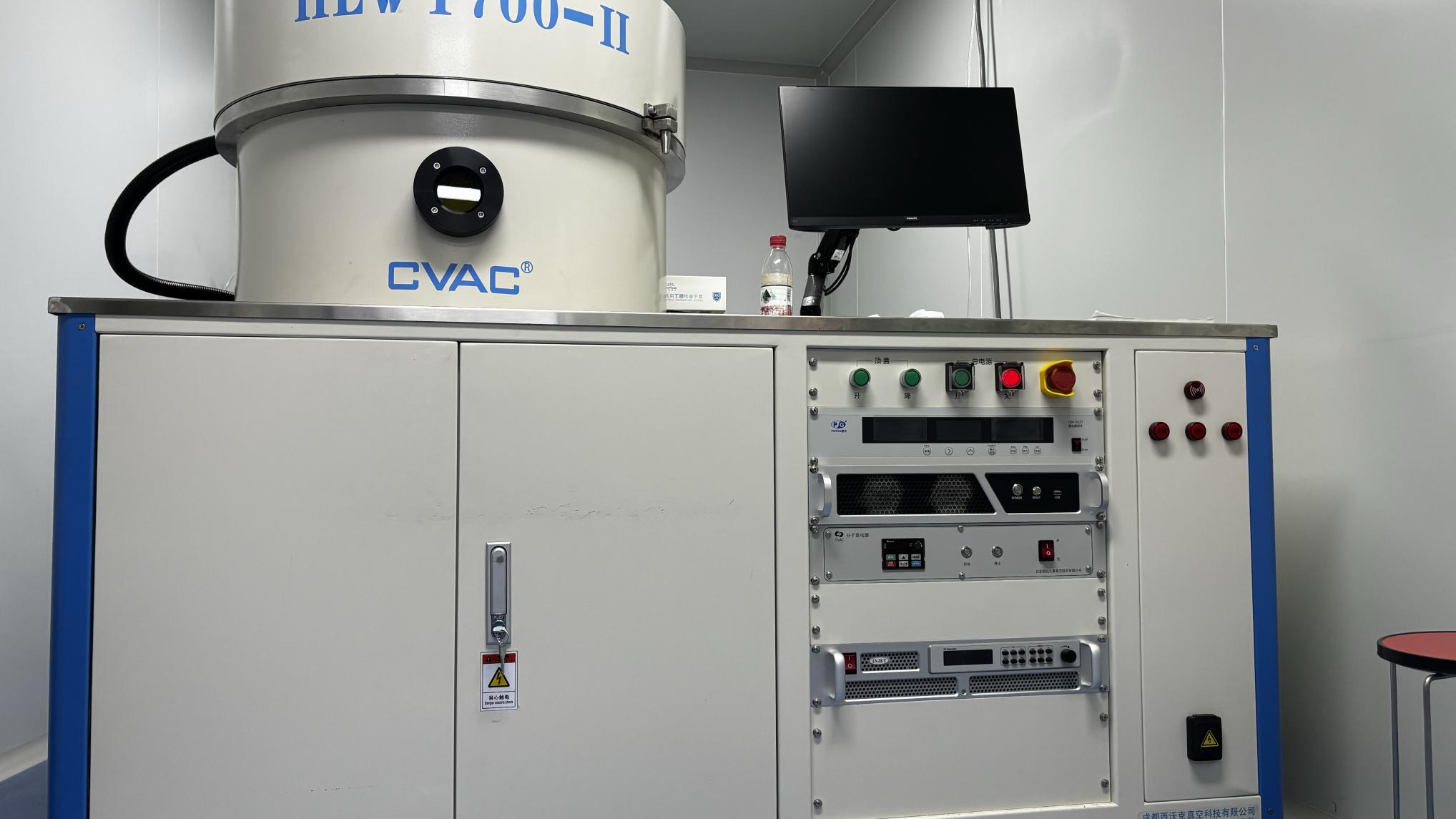
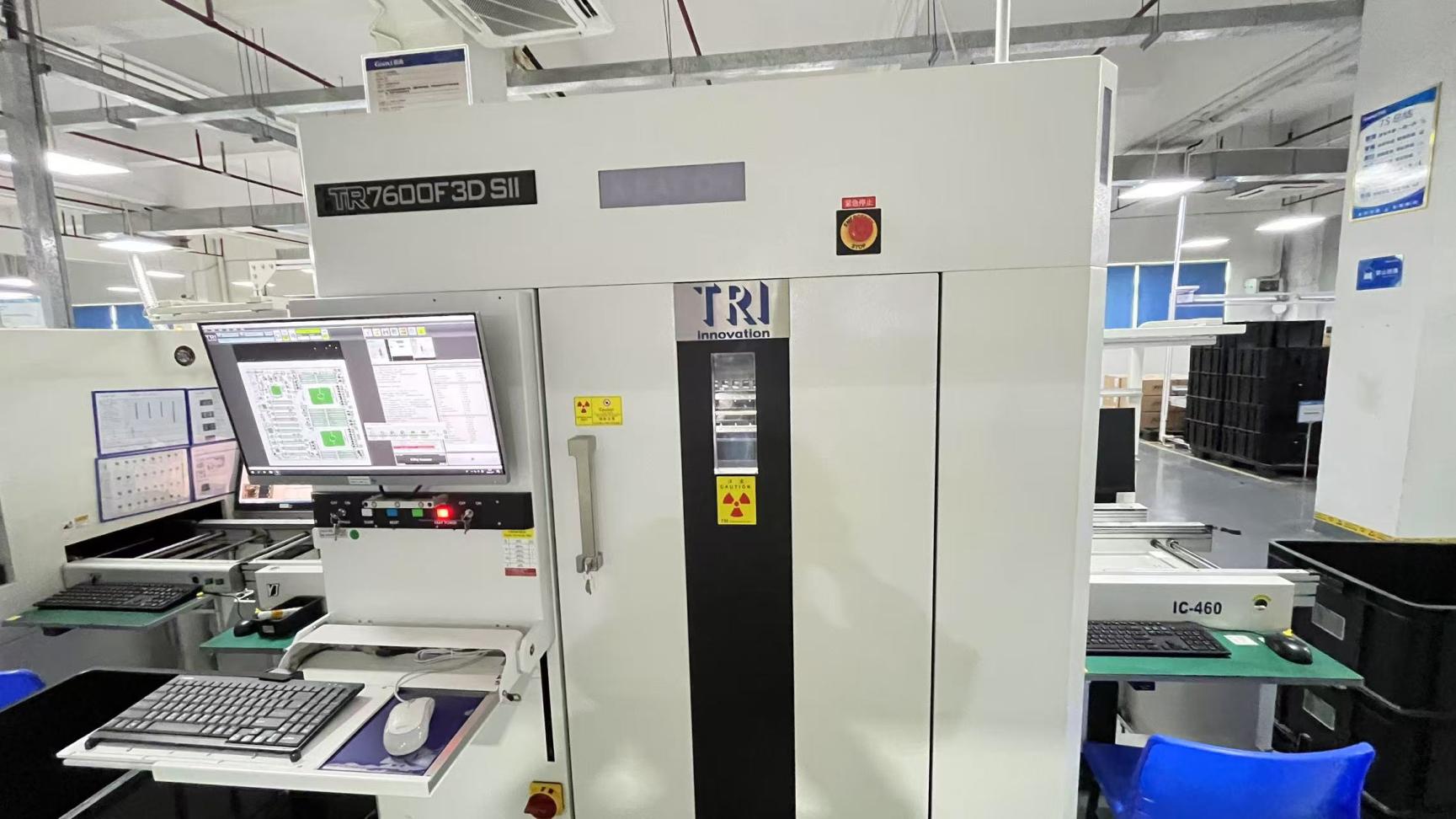
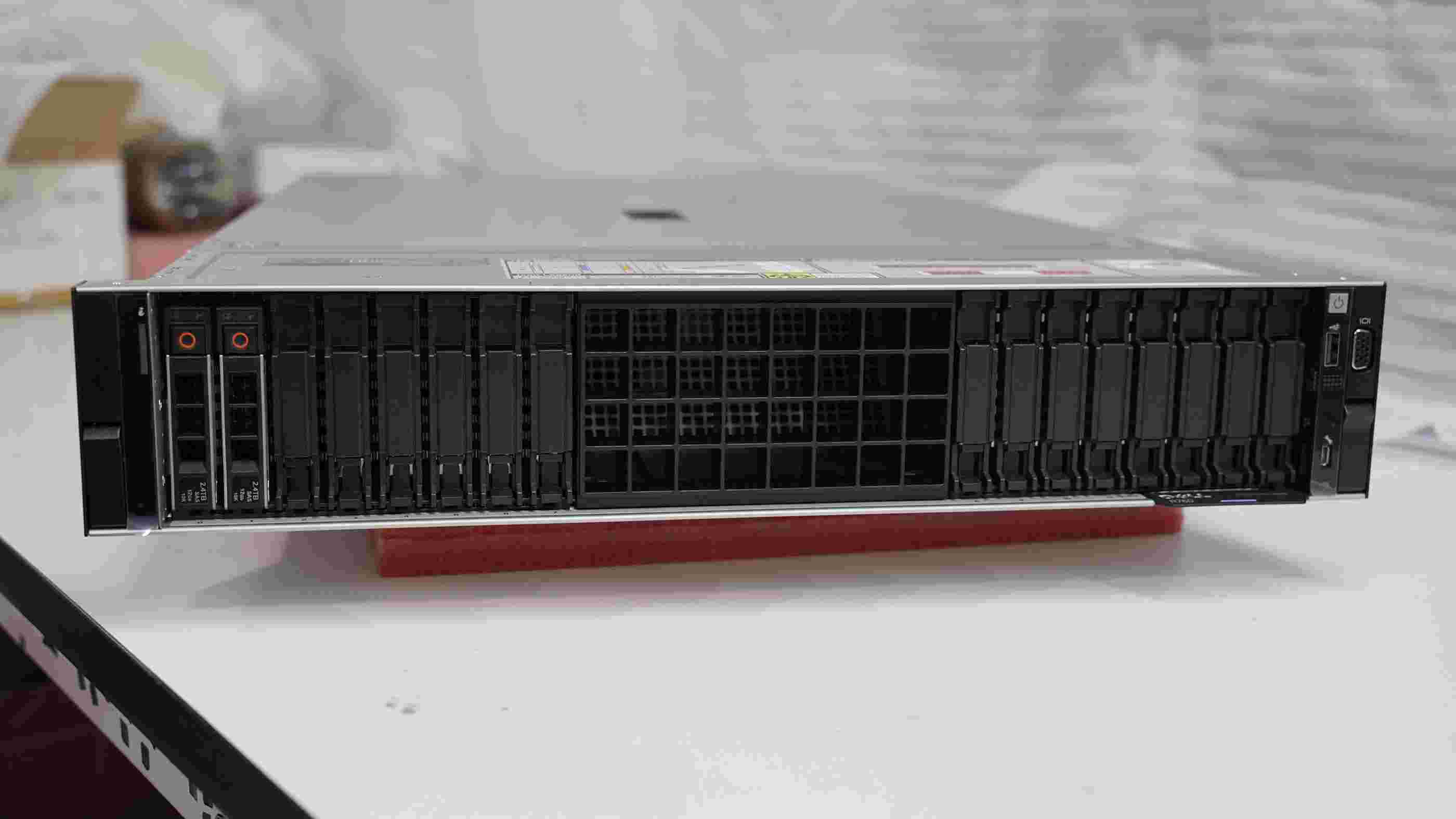
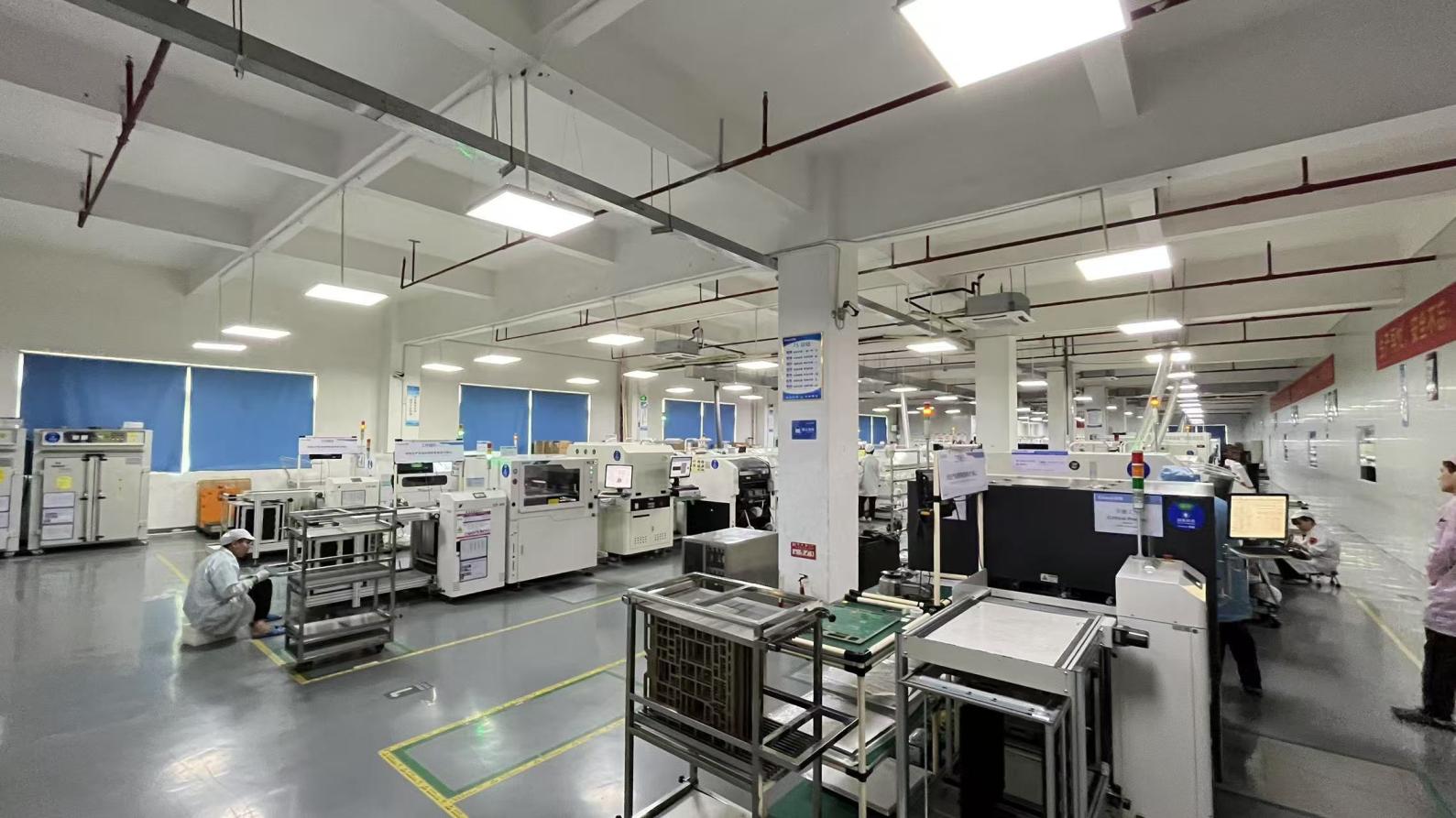
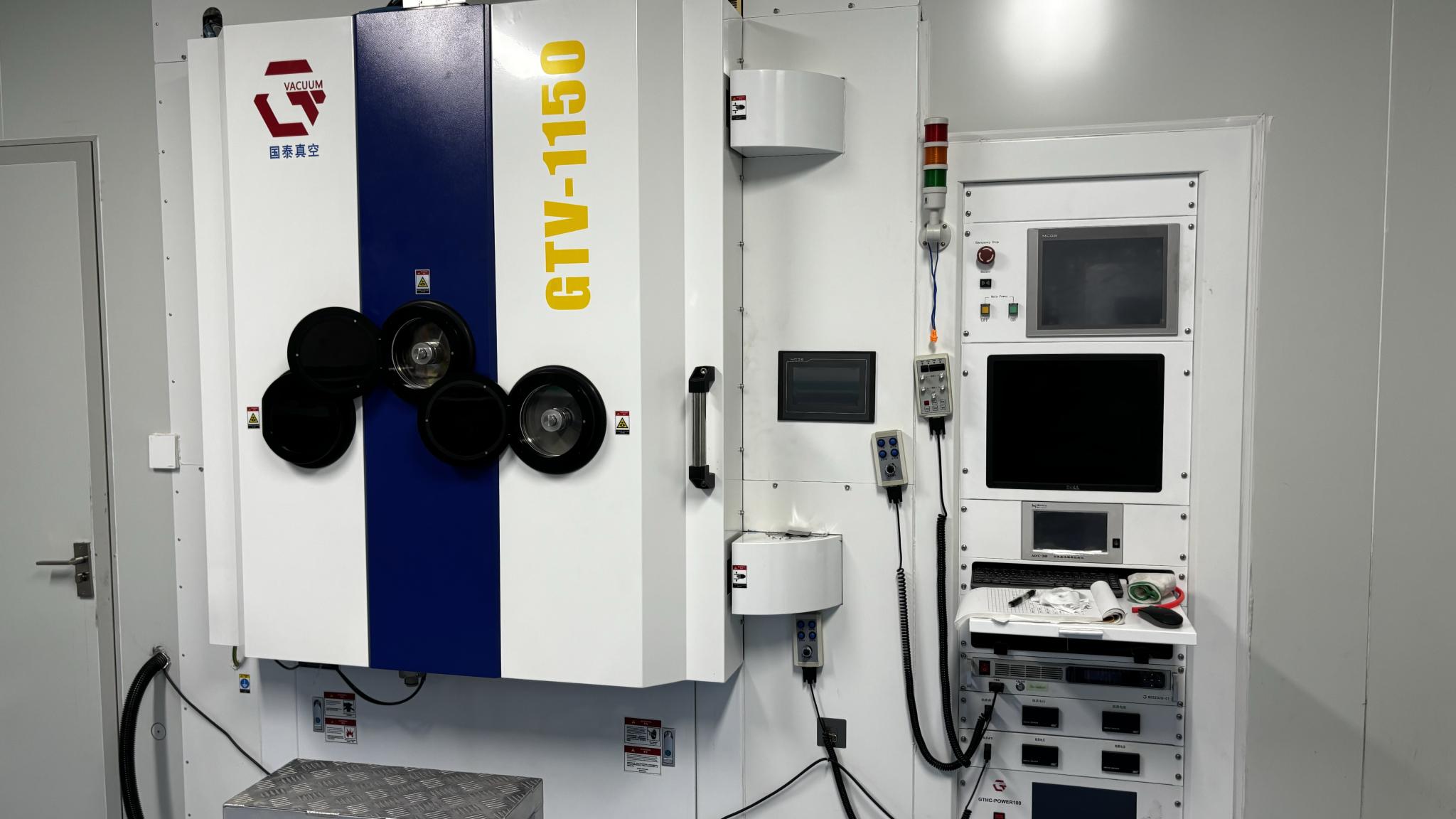
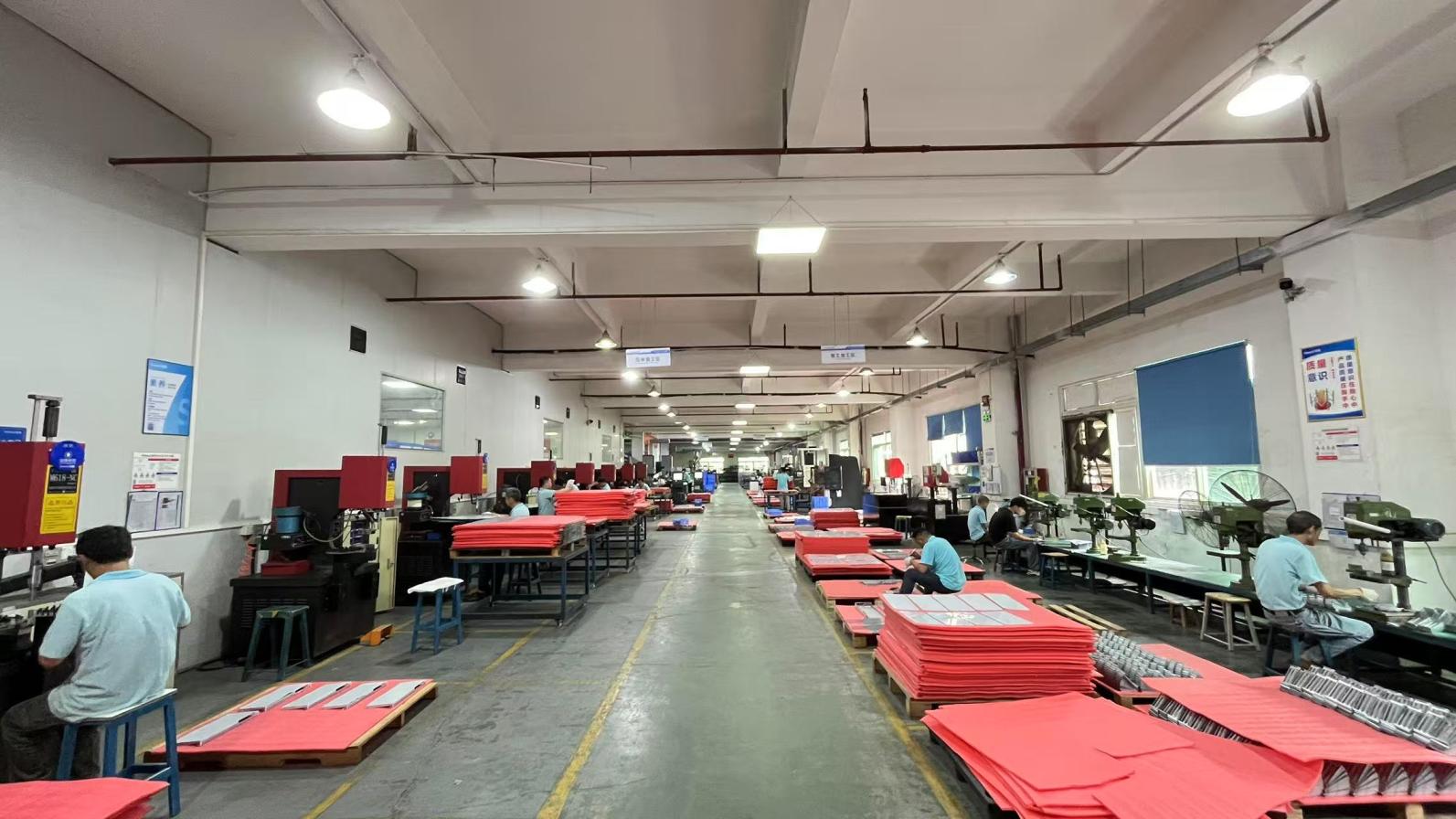
A look at our testing labs and assembly environments where modules undergo quality check and system configuration.

Answers to common technical and procurement questions from network engineers and system integrators.
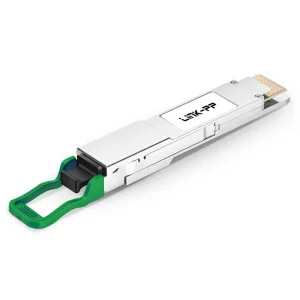
Explore our selection of specialized interconnects, including single-mode and multi-mode options designed for high-density architectures.
 FiberNova