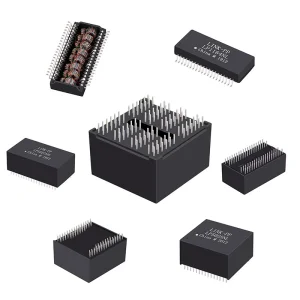
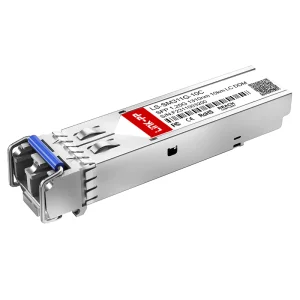
Explore our premium range of enterprise transceivers and physical-layer interconnect components, engineered for maximum throughput, low insertion loss, and complete interoperability.
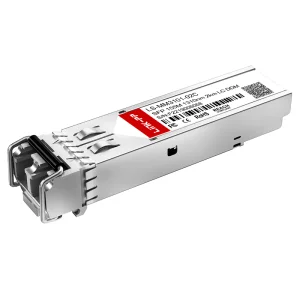
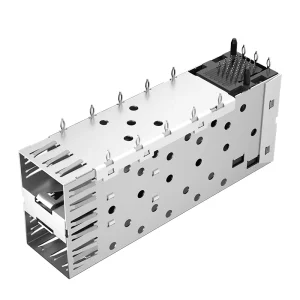
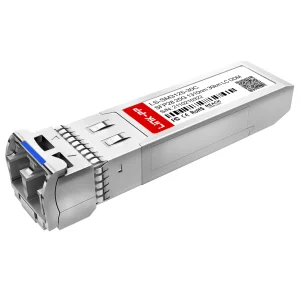
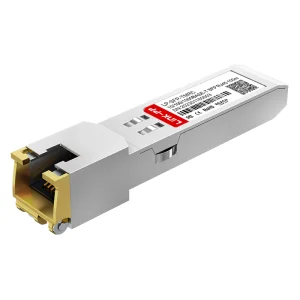
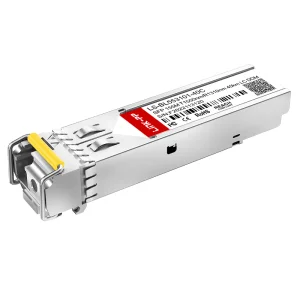
The global data landscape is undergoing a massive shift. The explosive rise of generative AI, high-performance computing (HPC), 5G telecommunications, and hyperscale cloud environments has placed unprecedented strain on physical-layer networks. As a result, optical transceivers have evolved from simple optoelectronic converters into highly complex, integrated systems that dictate the throughput limit, power envelope, and thermal efficiency of modern data centers.
In the past, networks relied heavily on copper interconnects or low-speed multimode transceivers operating under Non-Return-to-Zero (NRZ) modulation. Today, the industry standard has rapidly moved toward high-density PAM4 (Pulse Amplitude Modulation 4-level) encoding to achieve 100G per lane, enabling the commercial deployment of 400G and 800G optical transceivers. As we push toward 1.6T and beyond, traditional pluggable architectures are approaching their physical limits in terms of thermal dissipation and signal integrity. This has sparked intense research and commercial progress in Silicon Photonics (SiPh), Co-Packaged Optics (CPO), and Linear Drive Pluggable Optics (LPO), transforming the manufacturing requirements for optical module OEMs globally.
Integrating the optics directly with the ASIC substrate, reducing physical path length, lowering power consumption by up to 30%, and eliminating high-frequency PCB loss.
Leveraging semiconductor fabrication lines to manufacture optoelectronic components on silicon substrates, ensuring high yields, scaling capability, and lower unit costs.
Removing the DSP from pluggable transceivers and relying on host-system chips to recover signals, substantially cutting latency, cost, and power requirements.
For network architects and procurement executives, choosing optical modules goes beyond basic bandwidth specifications. Global networks operate on heterogeneous equipment from multiple OEMs such as Cisco, Arista, Juniper, HPE, and Huawei. This makes interoperability a critical factor in hardware evaluation. The foundational standards governing this environment are Multi-Source Agreements (MSAs), which define physical form factors, electrical pinouts, optical interfaces, and management software protocols (e.g., SFF-8472, SFF-8636, and CMIS).
Strict adherence to MSA standards ensures that a third-party module (such as a 25G SFP28 or a 100G QSFP28) can fit into any MSA-compliant switch port and communicate seamlessly. However, physical layer compliance is only half the battle. Switch manufacturers implement vendor lock-in mechanisms using proprietary cryptographic handshakes and specific EEPROM coding tables. When a non-authorized module is inserted, the switch firmware may flag it, block the port, or refuse to read the Digital Diagnostic Monitoring (DDM) data. Therefore, professional optical transceiver manufacturers must not only build to physical MSA tolerances but also reverse-engineer and maintain an extensive library of host firmware-matching profiles. This process ensures seamless integration without compromising link status or network monitoring capabilities.
A comprehensive overview of our production facility, technical resources, and global market reach since 2016.
Established in 2016, FiberNova Optical Communication Tech Co., Ltd. (FiberNovaTransceivers.com) has built a reputation as a reliable manufacturer of optical communication products. Operating a modern, high-precision production facility covering approximately 380㎡, the company focuses on high-speed optical communication solutions, serving global data center and telecom customers with stable, high-performance products.
Backed by over 6 years of export experience and 12 years of industry expertise, FiberNova has developed robust capabilities in R&D, manufacturing, and international trade. The company achieves an annual export revenue of approximately USD 8–15 million, supplying customers across North America, Europe, Southeast Asia, and the Middle East. With an established network of more than 1,200 supply chain partners, FiberNova secures high-quality chips, lasers, and optical components to maintain stable production and competitive lead times.
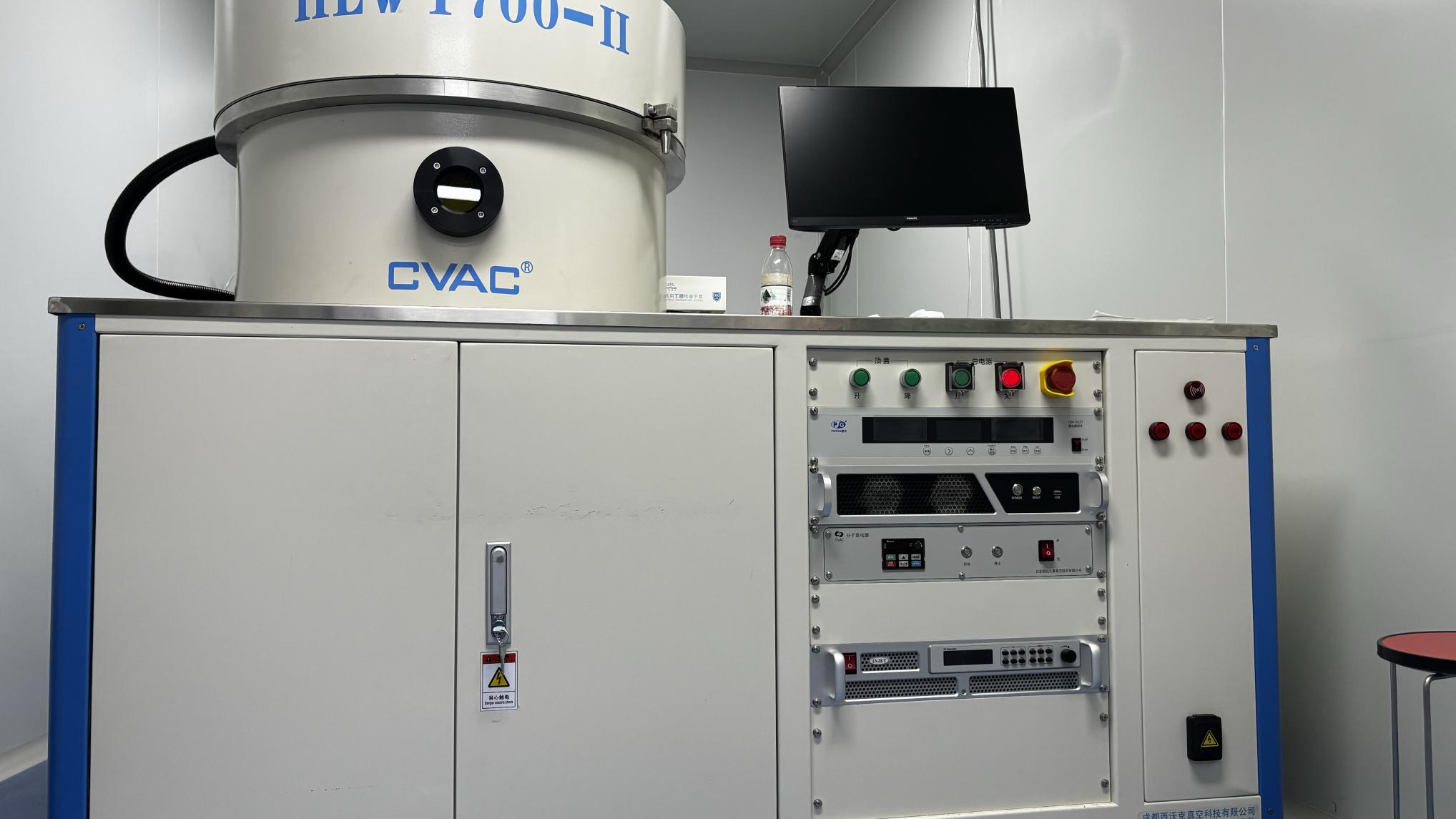
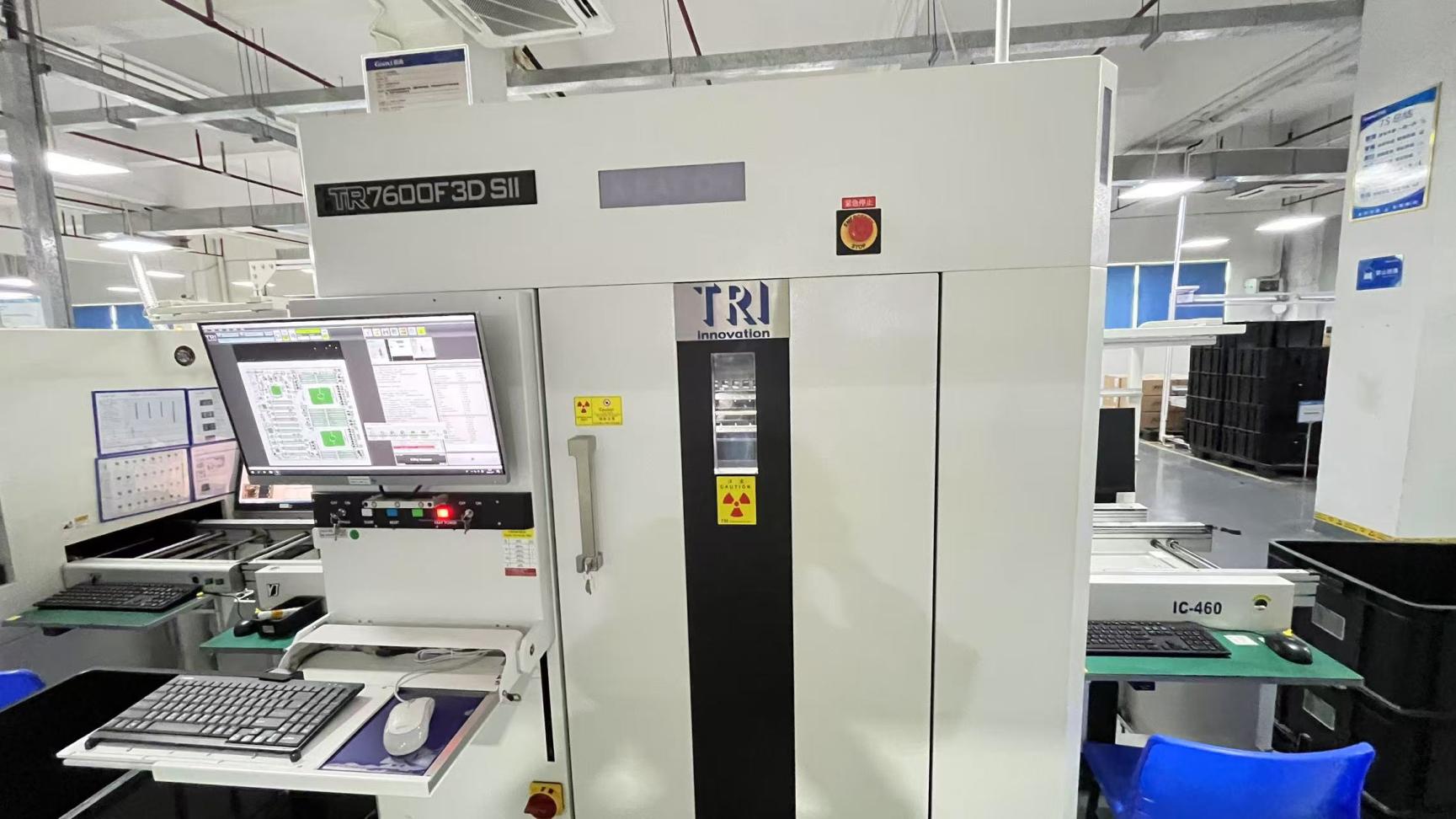
Reliability is critical for high-speed optical communication. A single transceiver failure can bring down a critical network link, disrupting applications and costing thousands of dollars per minute in downtime. To prevent this, FiberNova implements a multi-step quality assurance program across all stages of production. Our facility maintains cleanroom environments to protect sensitive optical components from airborne particles during assembly and alignment.
Our Quality Assurance process includes:

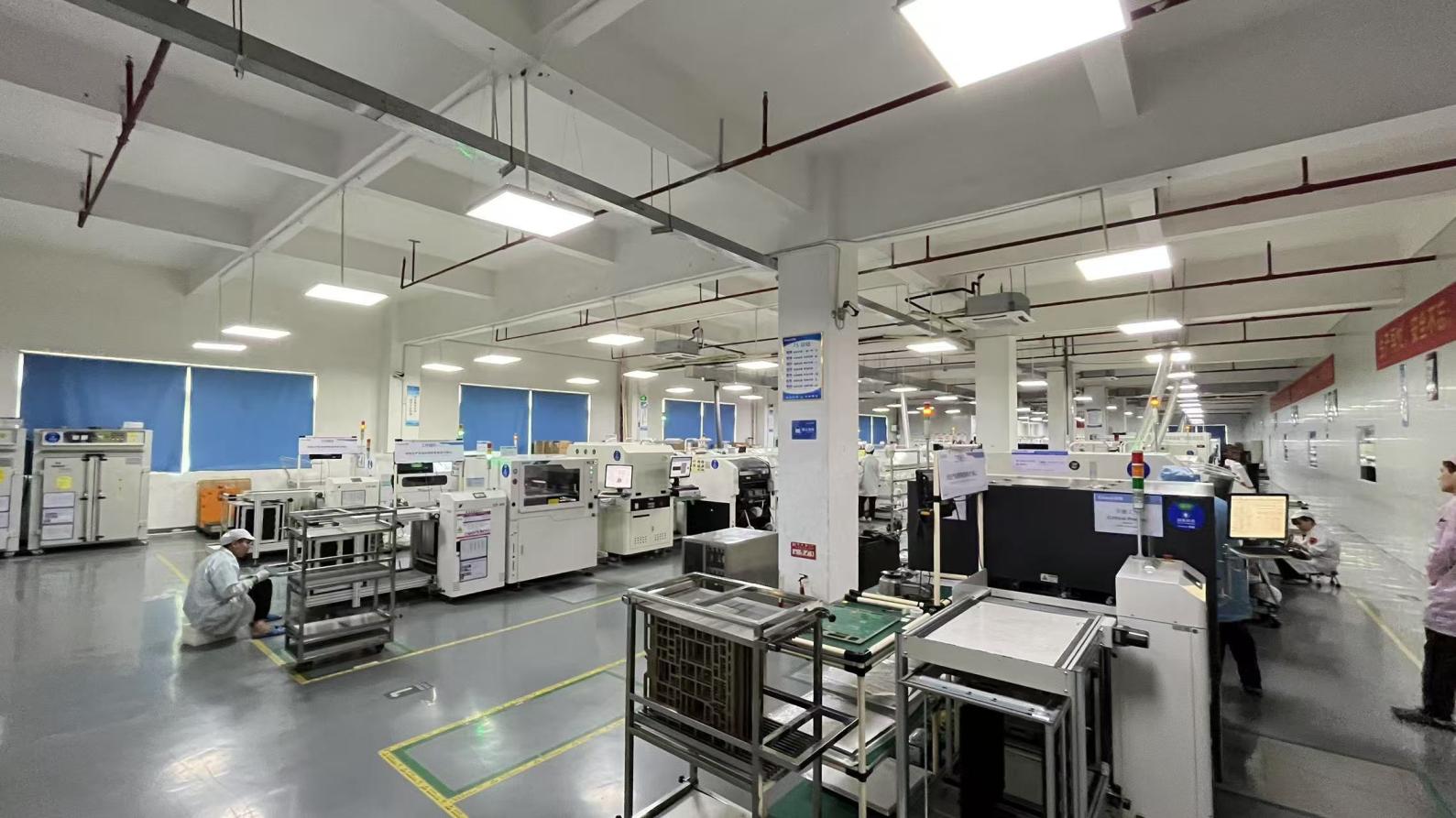
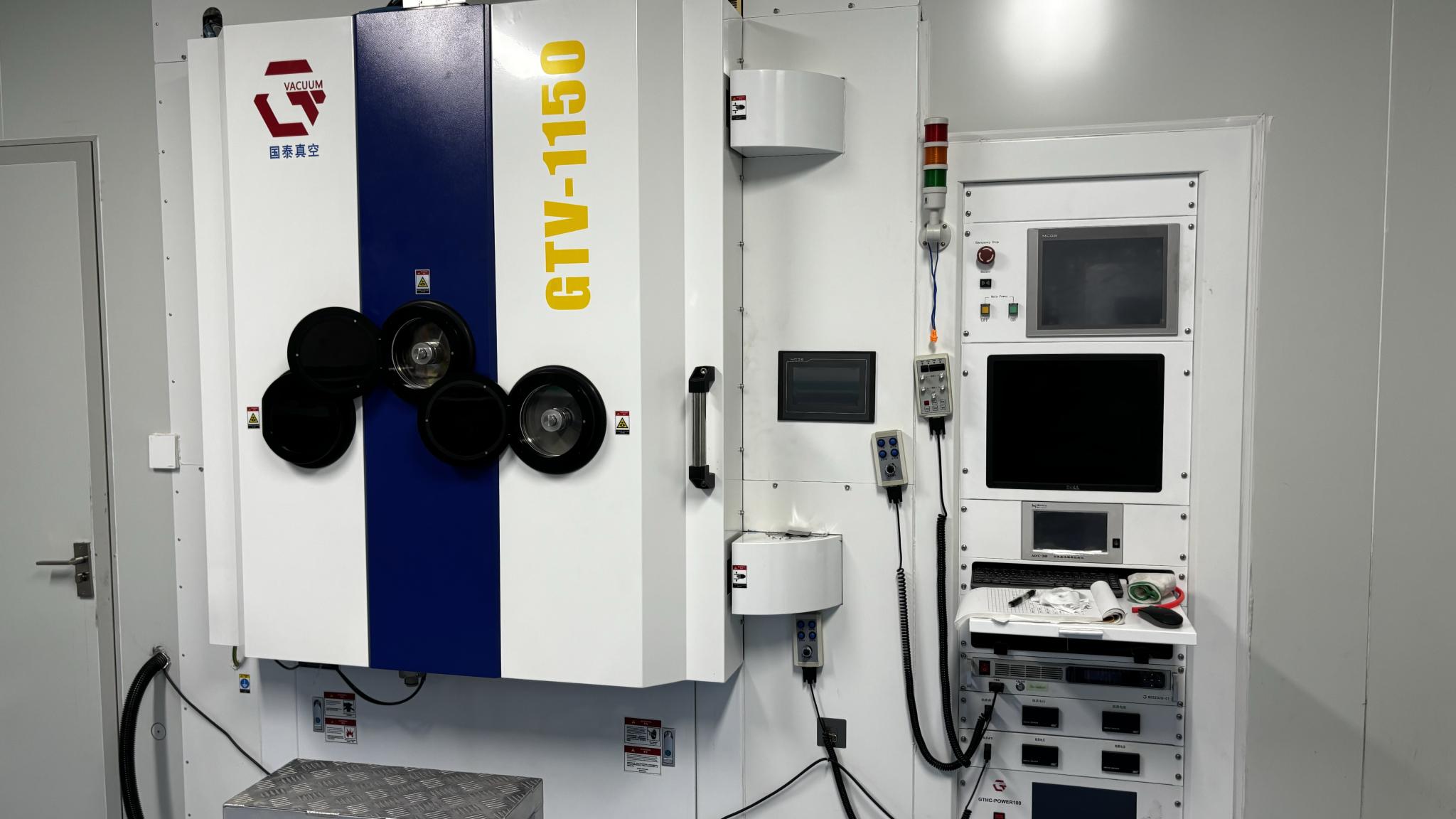
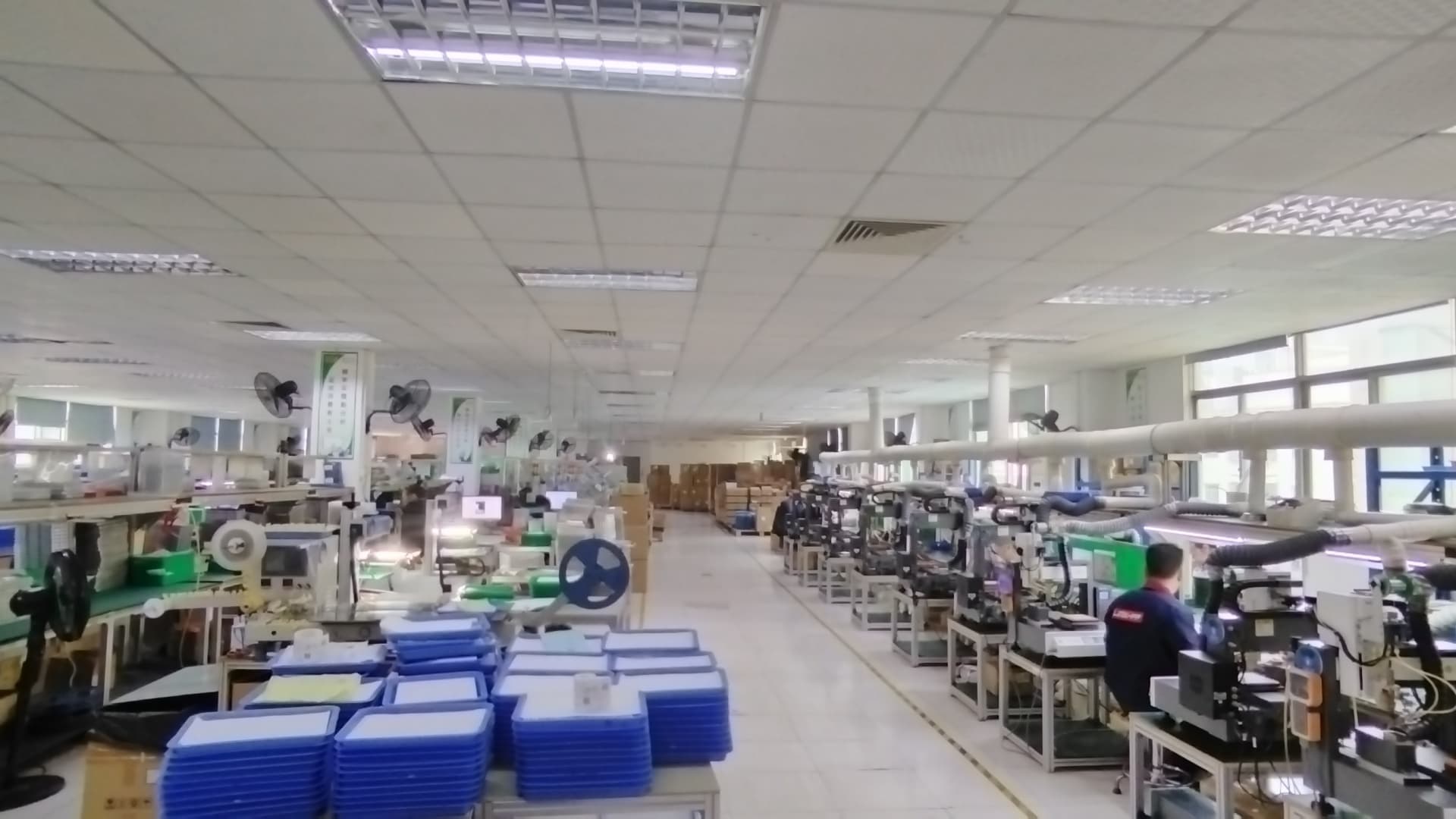
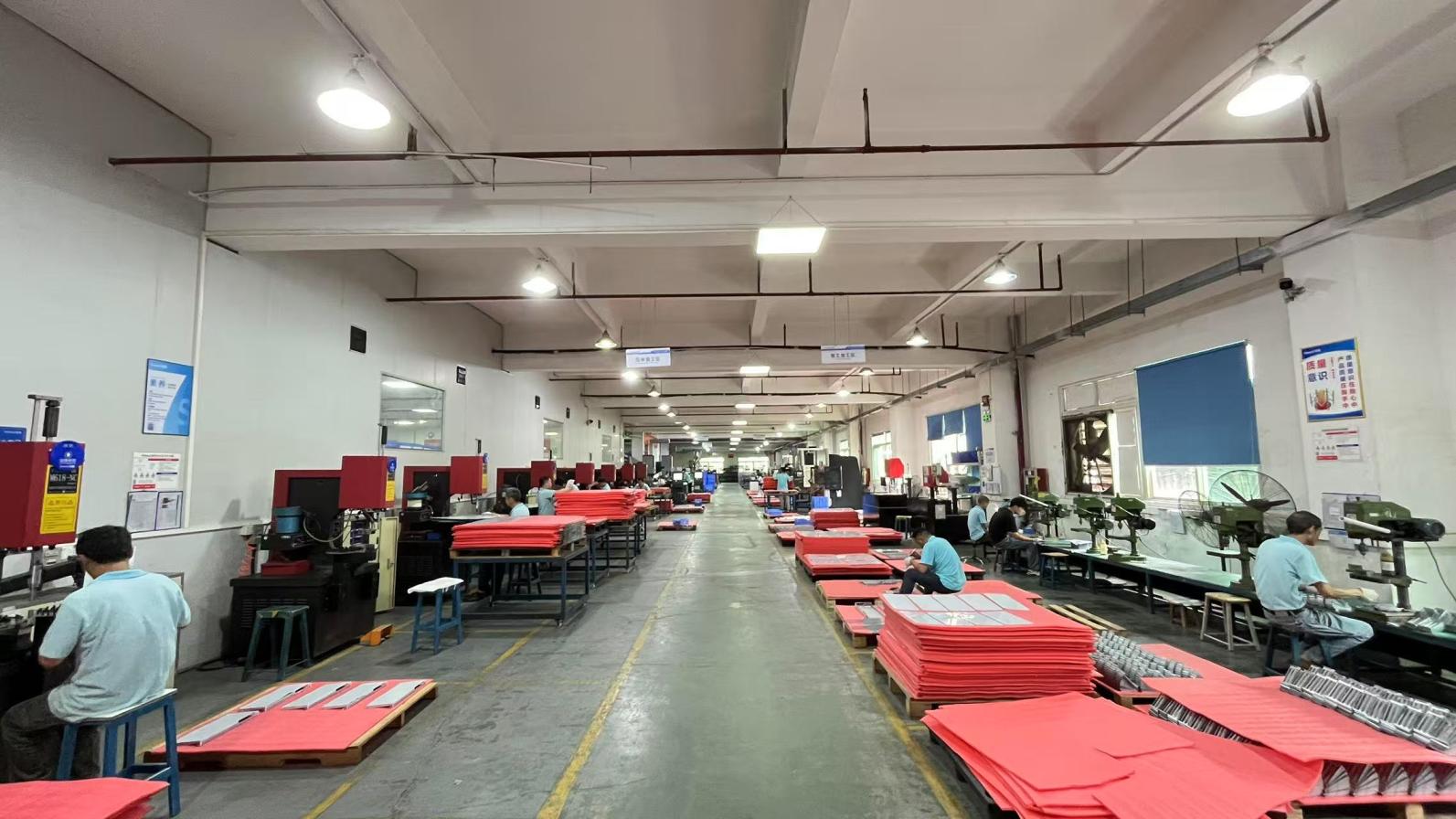
Modern networks are built for diverse workloads, meaning there is no one-size-fits-all solution for optical communication. FiberNova provides end-to-end solutions tailored to specific vertical requirements, backed by our team of 65 R&D engineers. In the past year alone, we launched approximately 120 new products, reflecting our focus on continuous development and technical adaptability.
Our OEM and ODM customization services cover a wide range of specifications:
High-density 100G, 400G, and 800G modules designed for low-latency spine-leaf architectures, optimizing power consumption and reducing thermal load.
Scalable, cost-effective, MSA-compliant transceiver platforms designed for easy integration into large-scale multi-vendor environments.
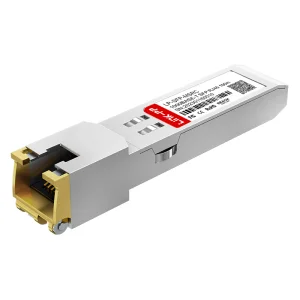
Industrial-grade, temperature-hardened single-mode transceivers, Bidi modules, and copper SFP units built for outdoor deployment in harsh environments.
As the optical communication industry scales past 800G to 1.6T and 3.2T, technological developments are moving beyond standard physical lasers and photo-diodes. Innovations focus on three key technical areas:
Providing clear, detailed answers to technical and procurement questions about optical transceivers.
Digital Diagnostic Monitoring (DDM), also referred to as Digital Optical Monitoring (DOM), is a standard feature defined in the SFF-8472 MSA. It allows network operators to monitor key operational parameters of the optical module in real time. These parameters include transmitted optical power, received optical power, laser bias current, internal transceiver temperature, and supply voltage. Real-time access to this telemetry helps network engineers identify degradation in laser performance or optical link quality, allowing for preventative maintenance before a failure occurs.
A Multi-Source Agreement (MSA) is an industry-wide collaboration that defines physical, electrical, and programming specifications for transceivers. SFP, SFP28, QSFP28, and QSFP-DD transceivers are built according to these guidelines. MSA compliance ensures that optical modules from different manufacturers are physically interchangeable and electrically compatible with any compliant switch or router port. This prevents vendor lock-in, increases supply chain flexibility, and helps lower overall network procurement costs.
The main difference lies in their operating temperature range and design durability. Commercial-grade transceivers are designed for indoor environments like temperature-controlled data centers, operating between 0°C and 70°C. Industrial-grade transceivers are built for harsh, uncontrolled outdoor environments, operating from -40°C to +85°C. Industrial-grade modules feature ruggedized optoelectronic components, specialized thermal management systems, and enhanced shielding to resist moisture and electrical interference.
Compatibility issues typically stem from switch firmware settings rather than hardware defects. Many switch manufacturers configure their operating systems to identify third-party modules by reading specific data tables in the transceiver's EEPROM. If the EEPROM data does not match the switch's expected format, the OS may disable the port. To prevent this, FiberNova customizes the firmware of each module to match the target host platform (such as Cisco, Arista, HPE, or Zyxel), ensuring seamless interoperability.
Single-mode fiber (SMF) has a narrow core (around 9 microns) that permits a single ray of light to propagate. It operates at longer wavelengths (like 1310nm and 1550nm) and features low attenuation, making it ideal for long-distance transmissions ranging from 2km to 100km. Multimode fiber (MMF) has a wider core (typically 50 or 62.5 microns) that allows multiple modes of light to travel. MMF modules operate at shorter wavelengths (such as 850nm) and are used for short-range deployments, typically up to 400m in enterprise networks and data centers.
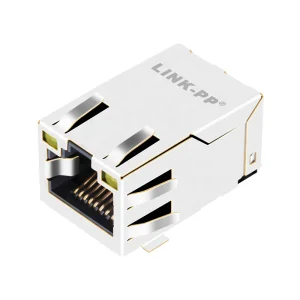
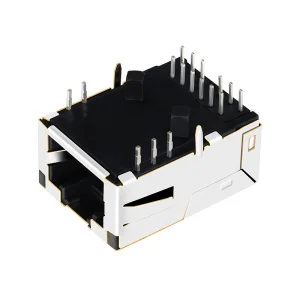
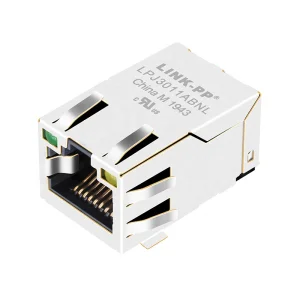
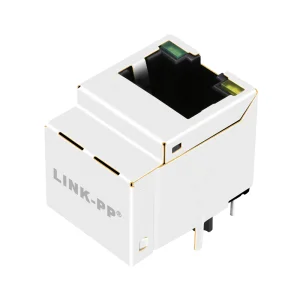
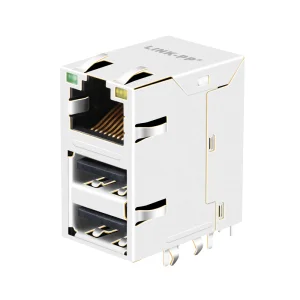
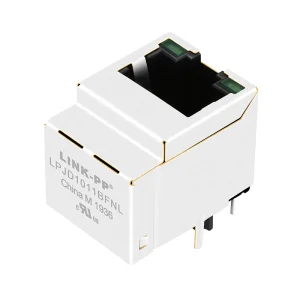
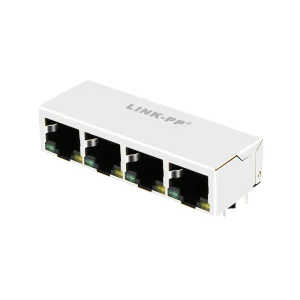
Integrated RJ45 magnetic connectors (often called MagJacks) combine passive magnetic components—such as isolation transformers, common-mode chokes, and termination resistors—directly inside the RJ45 housing. This integration saves PCB space behind the port, improves electromagnetic interference (EMI) shielding, and protects the switch's physical layer chip (PHY) from electrostatic discharge (ESD) and voltage surges. This design helps maintain reliable data transmission in enterprise copper networks.
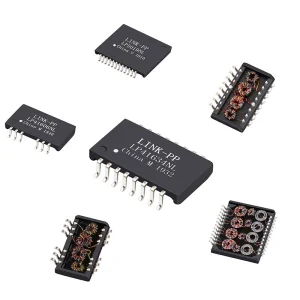
Explore our selection of integrated magnetic jacks, cages, and optical transceivers designed for high-density networking applications.
 FiberNova