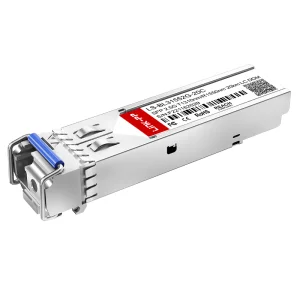
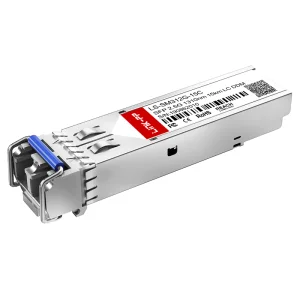
Optimized optical performance engineered specifically for high-attenuation links and rugged network topologies across Nepal's ISPs and telecommunication rings.
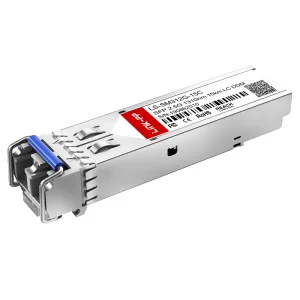
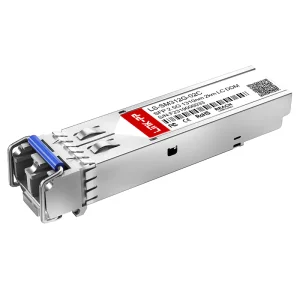
Evaluating the intersection of terrain constraints, carrier expansions, and technical requirements in the Nepalese optical ecosystem.
The Federal Democratic Republic of Nepal is undergoing a massive digital overhaul. Driven by the aggressive network modernization initiatives of operators like Nepal Telecom (NTC) and Ncell, alongside independent Internet Service Providers (ISPs) such as WorldLink, Vianet, and ClassicTech, the demand for stable backhaul infrastructure has surged. However, deploying optical networks in Nepal presents unique geographic and environmental challenges. With terrain spanning the mountainous Himalayan range, the hilly middle lands, and the flat Terai plains, local networks face extreme temperature variations, seismic hazards, and physical fiber stress.
Additionally, the transition from GPON/EPON architectures to XGS-PON and Next-Gen LTE/5G networks in urban hubs requires a substantial step up in transit speeds. Intermediate data links operating between 2.5Gbps and 6Gbps are becoming the sweet spot. They allow network operators to scale aggregate bandwidth without incurring the heavy cost of complete 10G or 25G upgrades across rural districts, making 2.5G to 6G SFP transceivers the ideal option for bandwidth scalability in Nepal's rural and semi-urban topologies.
Unpacking the physical-layer requirements, dispersion limits, and wavelength optimization plans.
Operating a network in Nepal demands a granular understanding of link budgets and optical dispersion. Because geographical barriers prevent straight-line fiber routing, local links are often long, highly spliced, and susceptible to signal degradation. The deployment of 2.5G to 6G SFP modules requires a precise balance of transmitter type, receiver sensitivity, and wavelength planning:
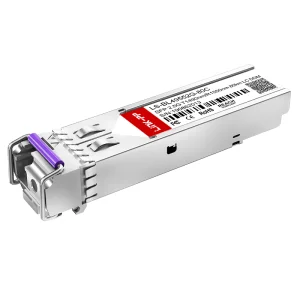
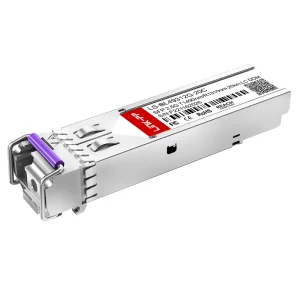
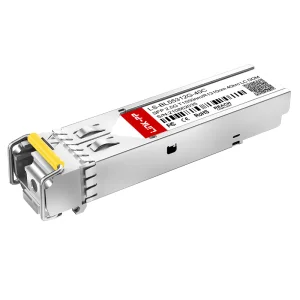
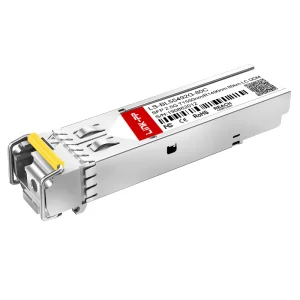
Fiber core rental or deployment in metropolitan areas like Biratnagar and Pokhara carries high capital expense. FiberNova's range of 2.5G Bidi SFP transceivers utilizes Wavelength Division Multiplexing (WDM) to transmit and receive signals over a single strand of fiber (typically pairing 1310nm-TX/1550nm-RX, 1310nm-TX/1490nm-RX, or 1490nm-TX/1550nm-RX). This effectively doubles capacity over existing fiber paths, resolving fiber scarcity in saturated distribution rings.
Standard 1310nm SFP modules are rated up to 15km or 20km, using Fabry-Perot (FP) or Distributed Feedback (DFB) lasers. For long-distance inter-city links crossing hilly terrain—such as Kathmandu-to-Trishuli routes—chromatic dispersion becomes a limiting factor. FiberNova offers long-reach (40km, 80km) 2.5G SFP transceivers equipped with high-power DFB or Electro-absorption Modulated Lasers (EML) and Avalanche Photodetector (APD) receivers, maintaining link integrity over high loss budgets exceeding 24dB.
Nepalese networks feature a mixed hardware architecture, where Core routers from Cisco, Huawei, or Juniper interface with distribution switches from MikroTik, Edge-core, and ZTE. Our 2.5G~6G modules support Digital Diagnostics Monitoring (DDM/DOM), allowing engineers in remote districts to read temperature, optical output power, receiver power, and supply voltage in real-time. Crucially, FiberNova custom-codes the SFP EEPROM to ensure 100% plug-and-play compatibility, avoiding vendor lock-in issues.
Leveraging state-of-the-art Chinese manufacturing precision to support Nepal's expanding telecom footprint.
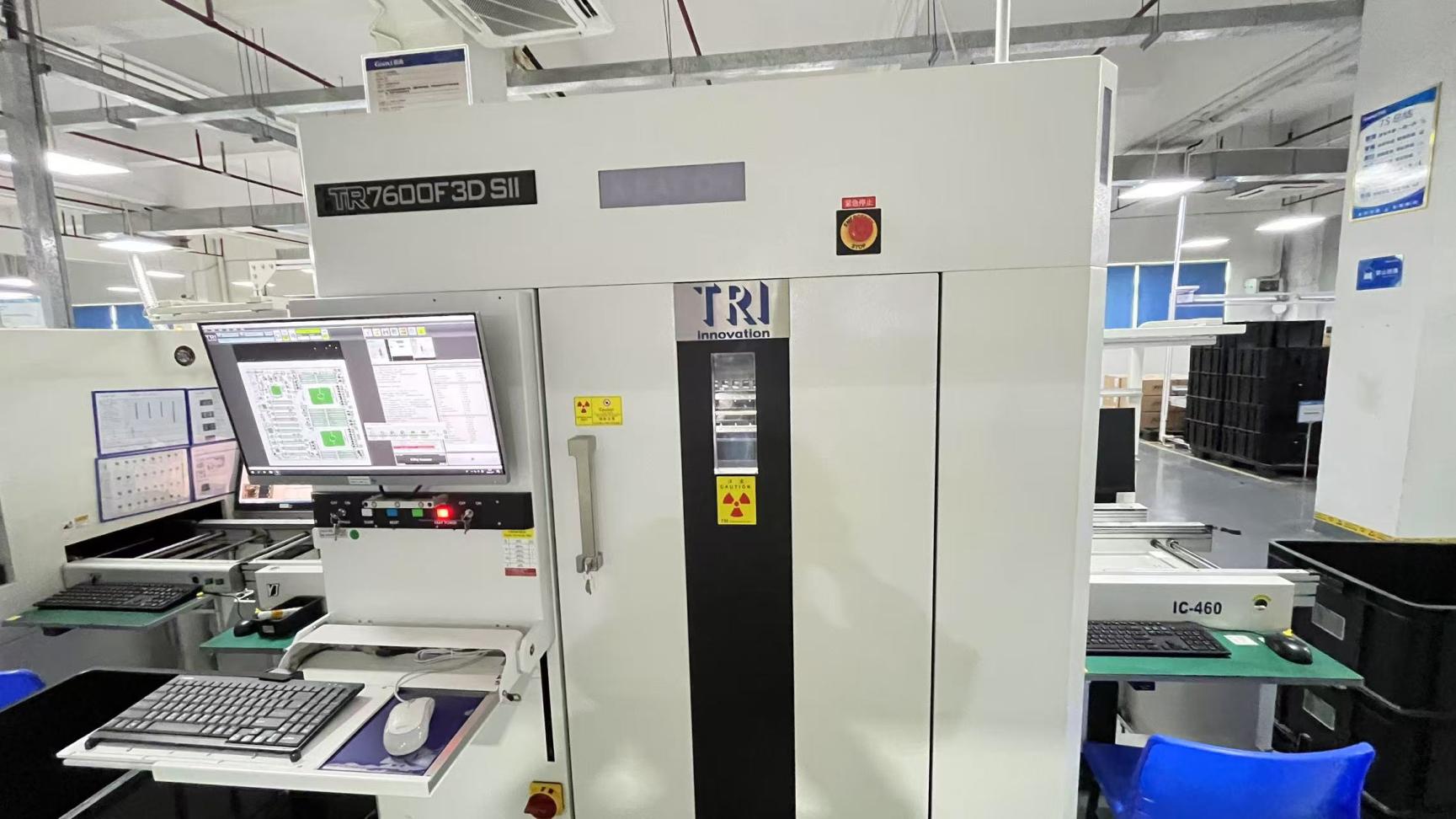
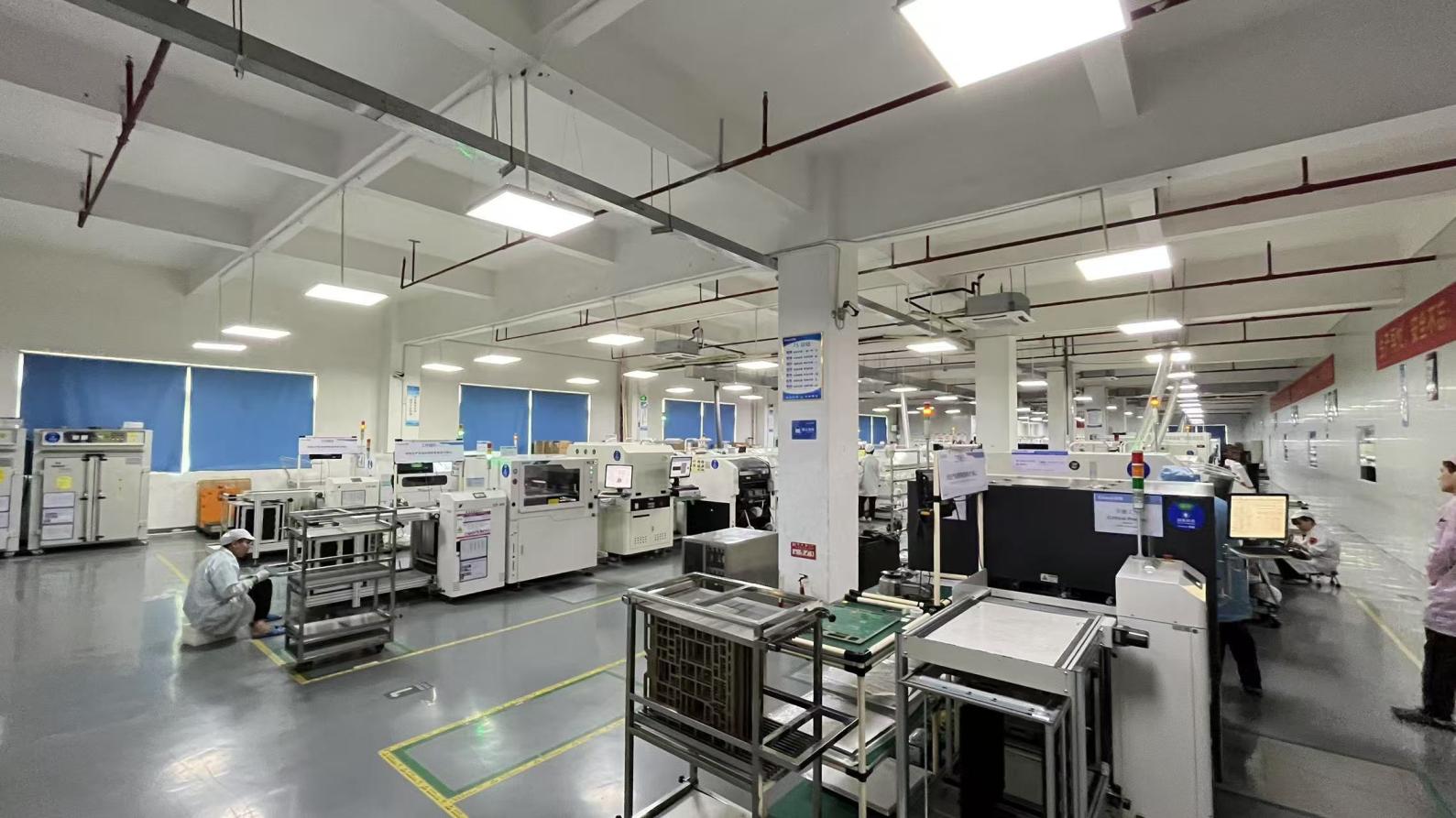
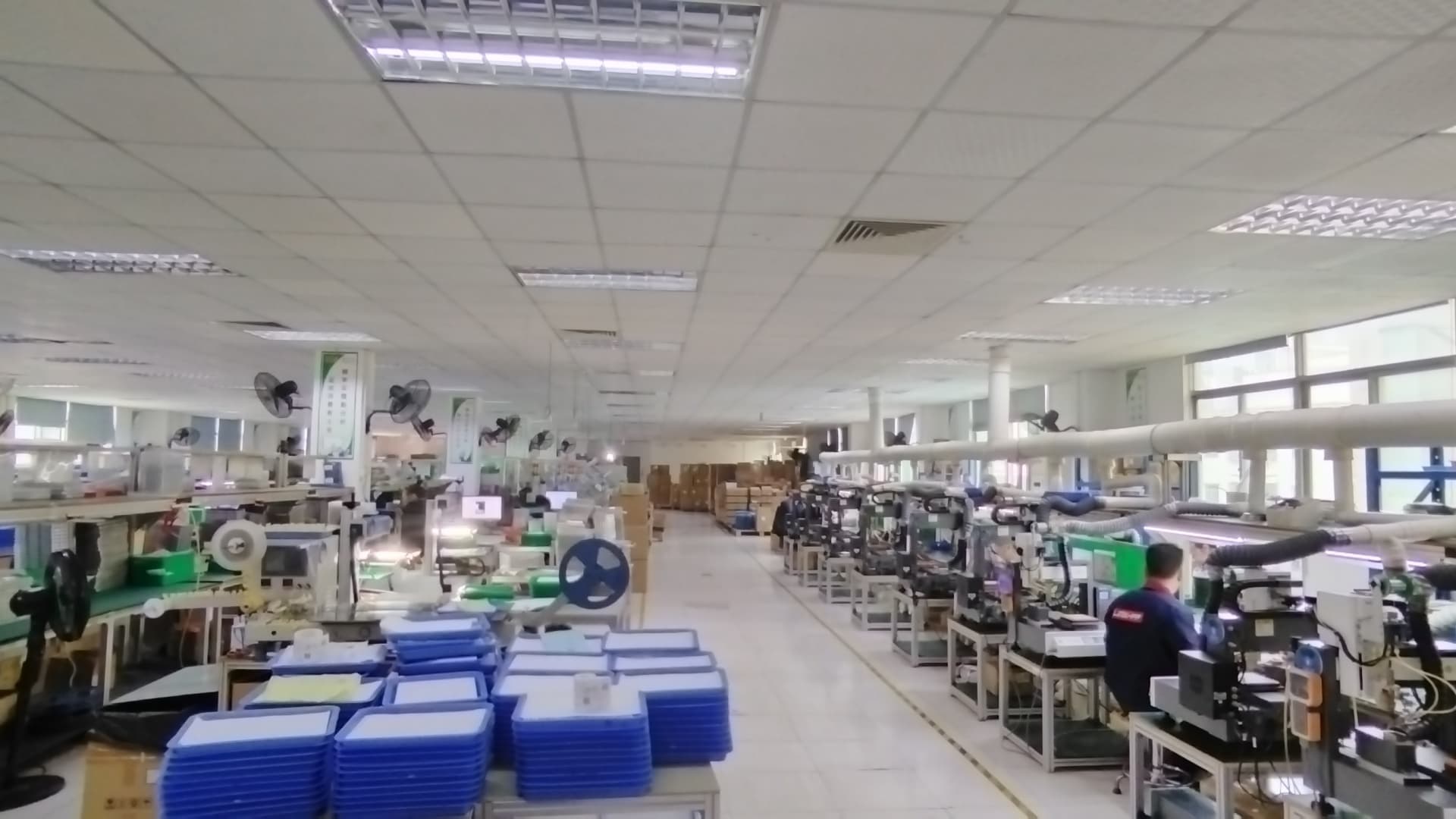
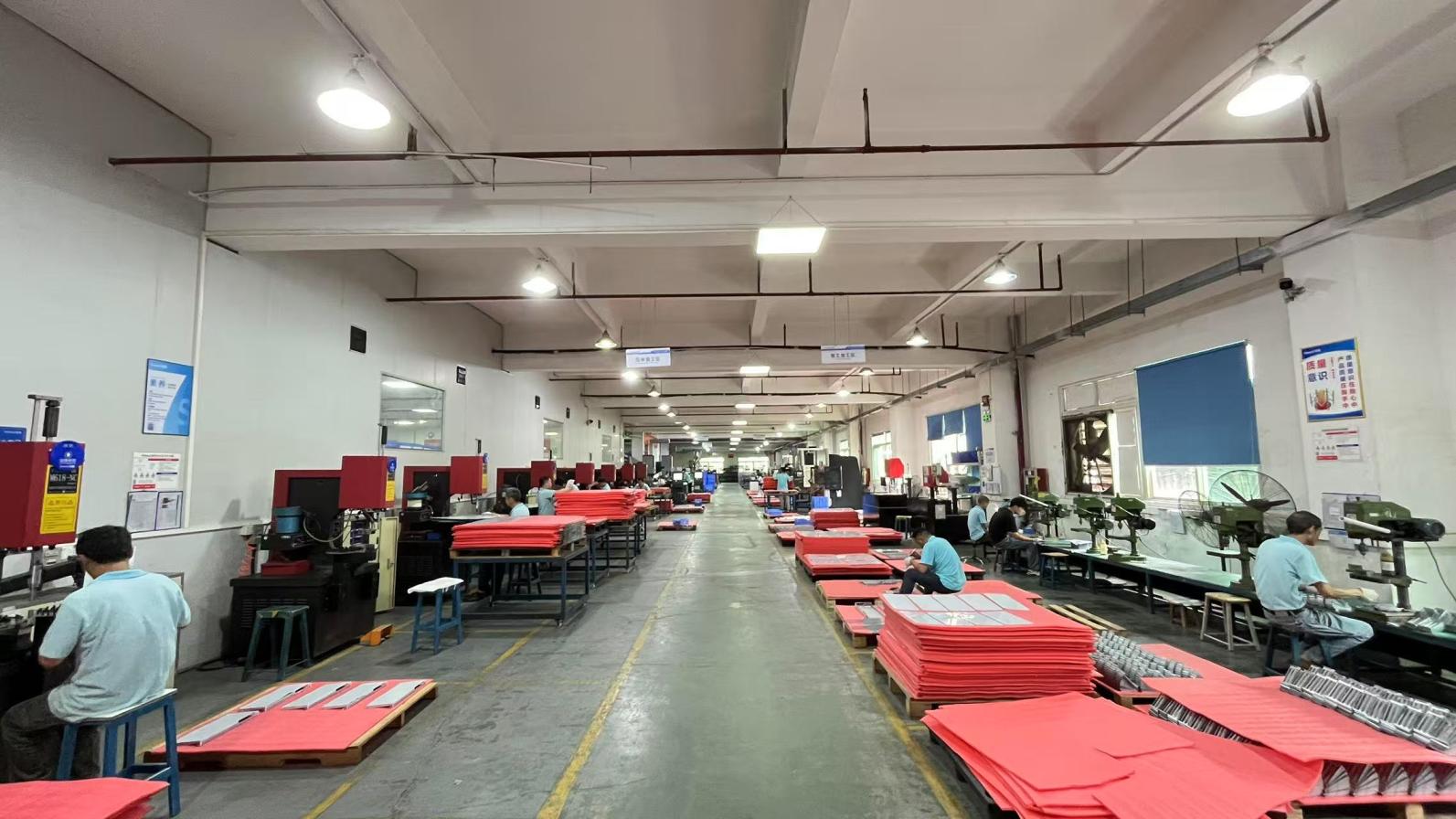
FiberNova Optical Communication Tech Co., Ltd. (FiberNovaTransceivers.com) is a professional optical transceiver manufacturer established in 2016, with a modern production facility covering approximately 380㎡. The company focuses on high-speed optical communication solutions, serving global data center and telecom customers with stable, high-performance products. With over 6 years of export experience and 12 years of industry expertise, FiberNova has developed strong capabilities in R&D, manufacturing, and international trade. The company achieves an annual export revenue of approximately USD 8–15 million, supplying customers across North America, Europe, Southeast Asia, and the Middle East.
FiberNova operates with a strict quality control system, including 100% optical performance testing, temperature cycling tests, and signal integrity inspection before shipment. The quality assurance team consists of around 45 professional QC staff, ensuring every transceiver meets international standards such as IEEE and MSA compatibility requirements.
The company maintains a solid trade background with experienced export teams handling OEM and ODM projects worldwide. Its main markets include the United States, Germany, Japan, South Korea, and the United Arab Emirates. FiberNova has established long-term partnerships with more than 1,200 supply chain partners, enabling stable procurement of chips, lasers, and optical components. FiberNova serves a wide range of clients, including telecom operators, cloud service providers, data center integrators, and network equipment distributors. The company has strong R&D capabilities, supported by 65 engineers, focusing on high-speed transmission technologies such as 10G, 25G, 100G, 400G, and 800G optical modules.
Customization is fully supported, including wavelength tuning, protocol compatibility, housing design, and labeling services. In the past year, FiberNova launched approximately 120 new products, continuously expanding its portfolio to meet fast-changing market demands. With innovation-driven development and strict quality standards, FiberNova aims to become a trusted global partner in optical communication solutions.
Navigating customs, HS codes, and transport corridors for reliable optical hardware procurement.
Proximity to China gives Nepalese ISPs a geographical advantage, but customs clearance and mountain logistics require specialized supply chain processes. At FiberNova, we handle international logistics for optical transceivers to ensure smooth transitions from our production facility to the heart of Nepal:
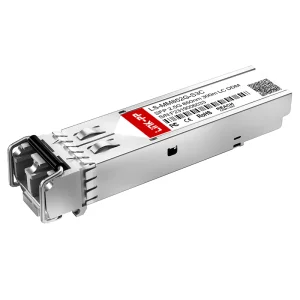
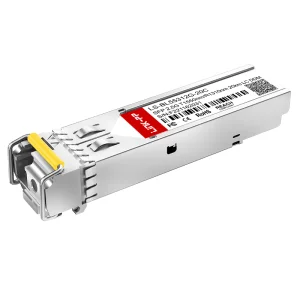
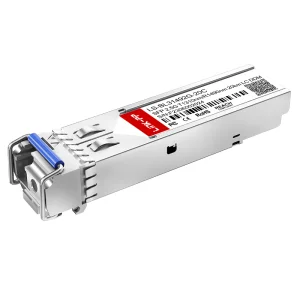
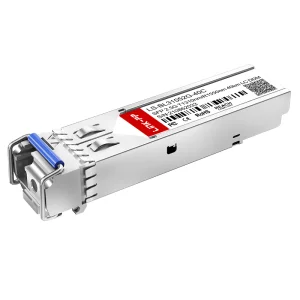
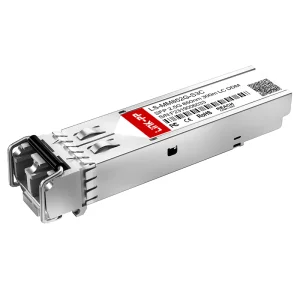
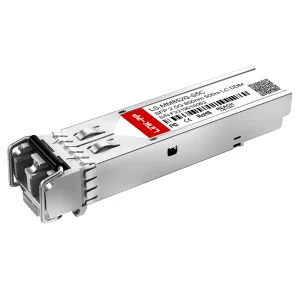
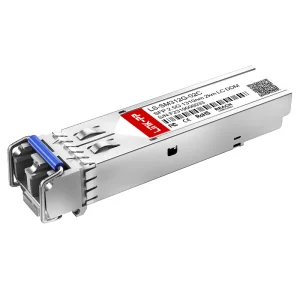
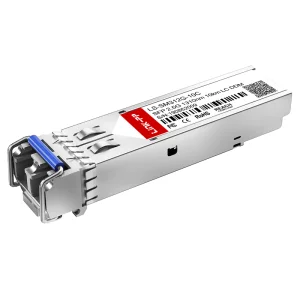
Full catalog of single-mode, multi-mode, duplex, and bidirectional transceiver configurations built to MSA specifications.
Take a virtual tour of our high-speed optical testing and assembly cleanrooms.




Common inquiries from network planners, system integrators, and ISP engineers in Nepal.
Ready to optimize your Nepalese networking infrastructure with reliable, direct-from-manufacturer optical modules?
Request Specifications & Pricing FiberNova