Direct sourcing from China's leading R&D factory. High-performance modules configured for multi-protocol compatibility and continuous operational uptime.
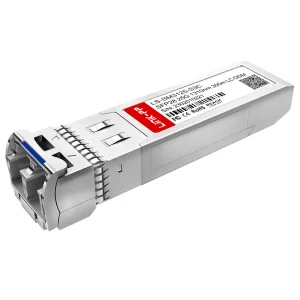
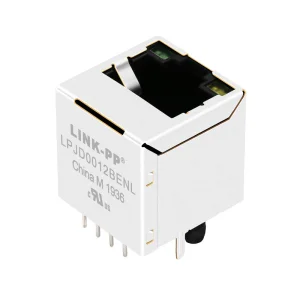
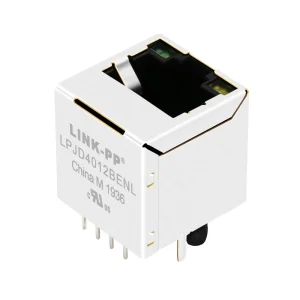
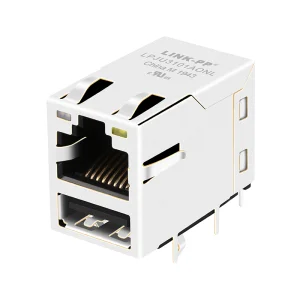
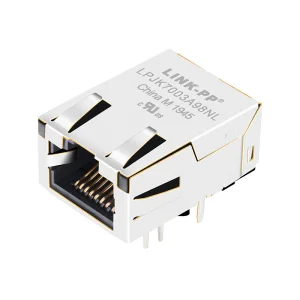
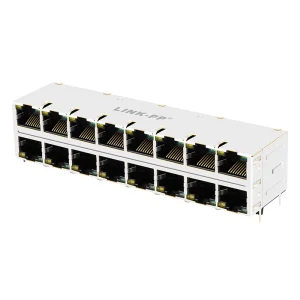
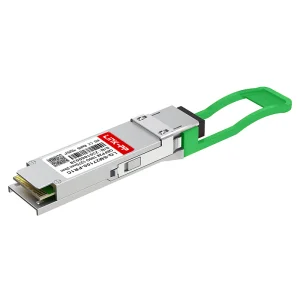
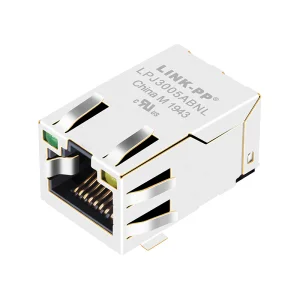
Analyzing the strategic imperatives behind the deployment of hardware-level loopback diagnostic architectures.
In modern high-speed enterprise telecommunications, ensuring consistent data integrity across physical layers is a critical operational standard. Network architects and quality control managers utilize Ethernet Loopback Connectors (also referred to as loopback plugs or adapters) as primary diagnostic instruments. These hardware-level components redirect outgoing electronic or optical transmissions directly back into the receiving channel of the host system. This loopback technique isolates communication failures, determining if performance deficits originate within the transmitter assembly, the network interface card (NIC), or the physical media link.
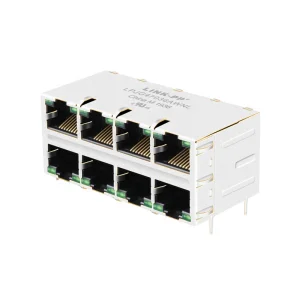
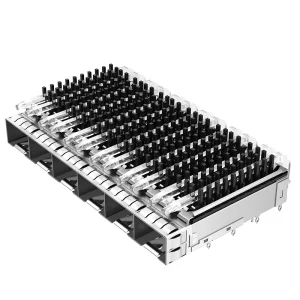
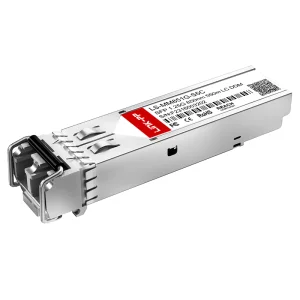
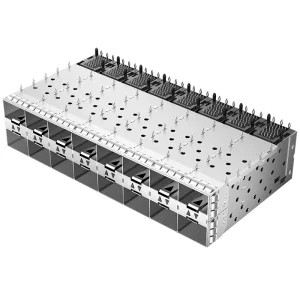
With global data traffic surging due to high-performance computing (HPC), AI processing, and distributed cloud computing systems, structural validation has shifted from periodic troubleshooting to continuous validation. Large-scale procurement demands are driven by network equipment manufacturers (NEMs), industrial automation integrators, and telecom infrastructure providers who require loopback devices to execute high-stress testing of RJ45 magnetic ports, SFP/SFP28 cages, and high-speed QSFP transceivers.
Procuring loopback solutions from established Chinese manufacturing nodes provides global buyers with significant structural cost advantages, custom design flexibility, and strict compliance with the Multi-Source Agreement (MSA) standards. Industrial buyers look for key parameters such as attenuation levels in optical loopback adapters (ranging from 0dB to 20dB) and precise pinout wiring configurations (such as Pin 1 to Pin 3 and Pin 2 to Pin 6 looping for standard RJ45 systems) to guarantee clean diagnostic loops without damaging sensitive optical receivers.
Demonstrating technical excellence, advanced production facilities, and global trade compliance.
Established in 2016, FiberNova Optical Communication Tech Co., Ltd. (operating globally at FiberNovaTransceivers.com) represents the vanguard of professional optical and copper interface manufacturing in China. With a highly optimized, state-of-the-art production facility spanning 380㎡, the company focuses exclusively on engineering, manufacturing, and exporting high-speed optical transceivers, loopback test systems, and advanced RJ45 magnetic assemblies.
Leveraging more than 12 years of industry experience and over 6 years of export experience, FiberNova has integrated its design, testing, and compliance pipelines to meet the high standards of global tier-one telecom and enterprise clients. This engineering-centric focus is reflected in the company's financial and physical operational structures:
FiberNova's global export reach includes long-term agreements in key technology markets including the United States, Germany, Japan, South Korea, and the United Arab Emirates. By maintaining partnerships with over 1,200 supply chain providers, FiberNova secures reliable access to premium lasers, high-speed photodetectors, specialized semiconductor chips, and shielded connector housings. This supply security allows for stable production times, even during volatile market cycles, and supports the rapid development of up to 120 new products per fiscal year.
How FiberNova maintains standard compliance and ensures reliability under extreme conditions.
Reliable diagnostics require that the test equipment itself is free of errors. An inaccurate loopback connector can produce false positives or mask system failures. To eliminate this variable, FiberNova employs a multi-tiered quality control system executed by 45 professional QC personnel. This system guarantees that every component, from high-speed 100G transceivers to simple RJ45 loopback adapters, conforms to international IEEE standards and custom customer configurations.
The standard verification testing protocol includes three key stages:
| Interface Type | Applicable Standards | Common Configurations | Primary Diagnostic Application |
|---|---|---|---|
| RJ45 Loopback | IEEE 802.3, Cat5e, Cat6, Cat6a | 1-3 / 2-6 Loopback Pinouts | NIC Port Testing, PoE Port Diagnostic, LAN Cable Validation |
| LC/SC Fiber Loopback | IEEE 802.3ae, TIA/EIA-568 | SMF (1310nm/1550nm), MMF (850nm) | Transceiver Port Verification, System Path Profiling |
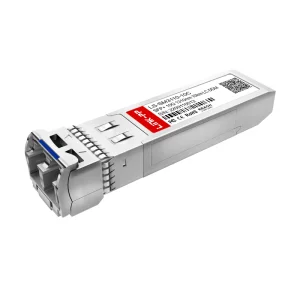
| SFP+ / SFP28 Loopback | MSA SFF-8431, SFF-8472 | 0dB, 5dB, 10dB Attenuation | High-Speed Switch and Router Port Testing (10G/25G) |
| QSFP28 Loopback | SFF-8665, InfiniBand EDR | Thermal Dissipation Options | Data Center Transceiver Port Calibration (100G) |
A look inside FiberNova's ISO-compliant cleanrooms, assembly areas, and automated testing labs.
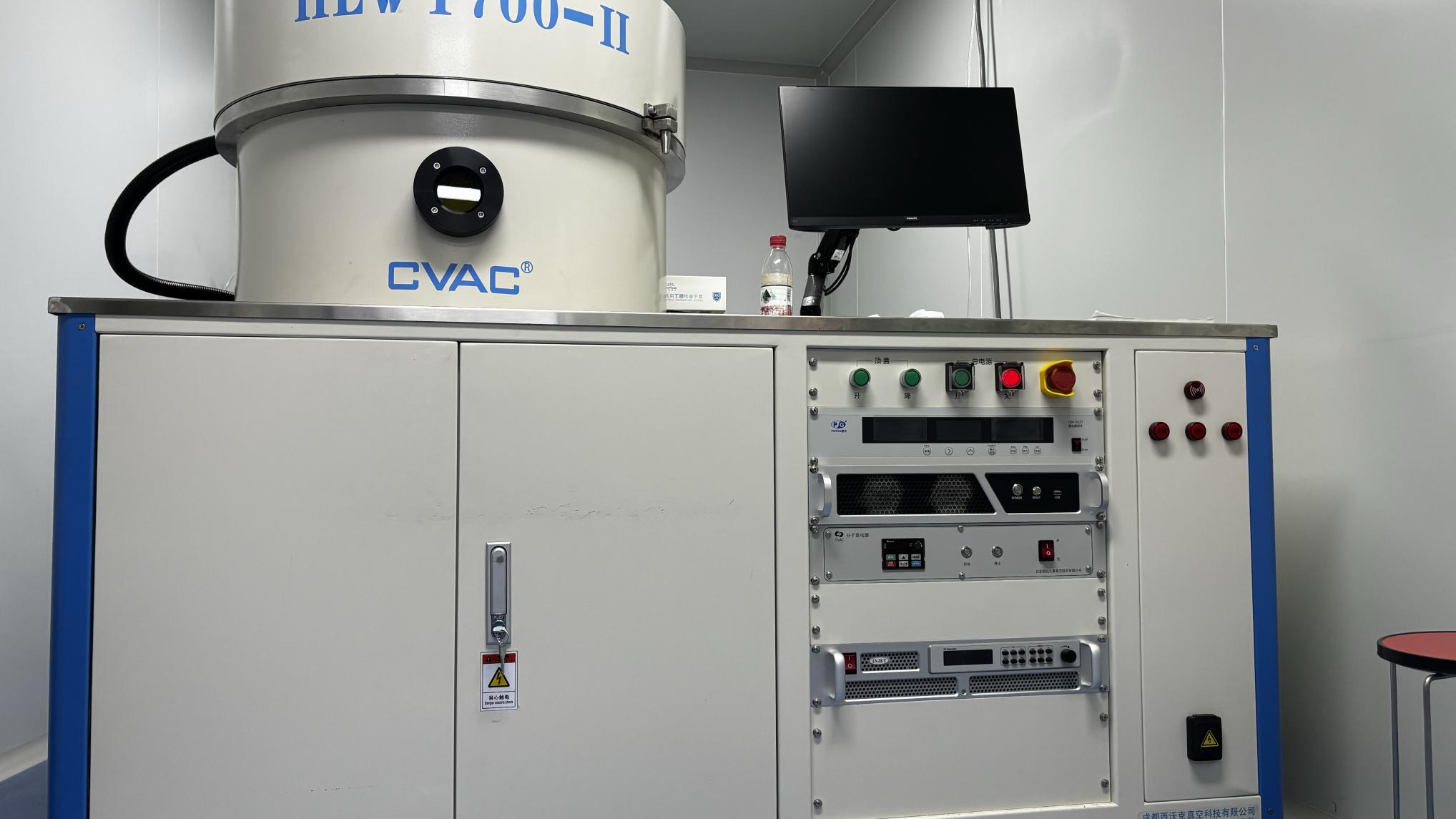
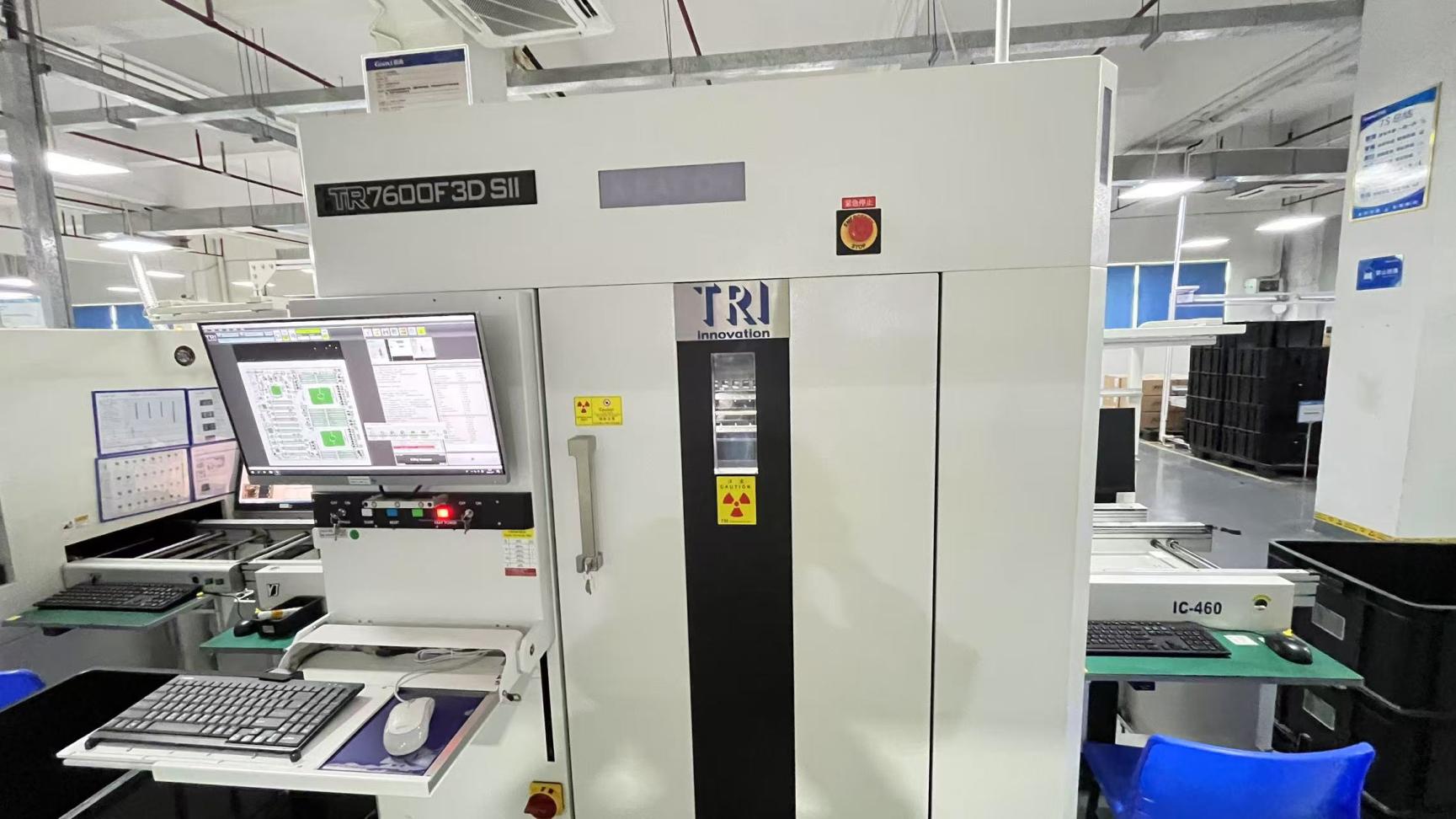
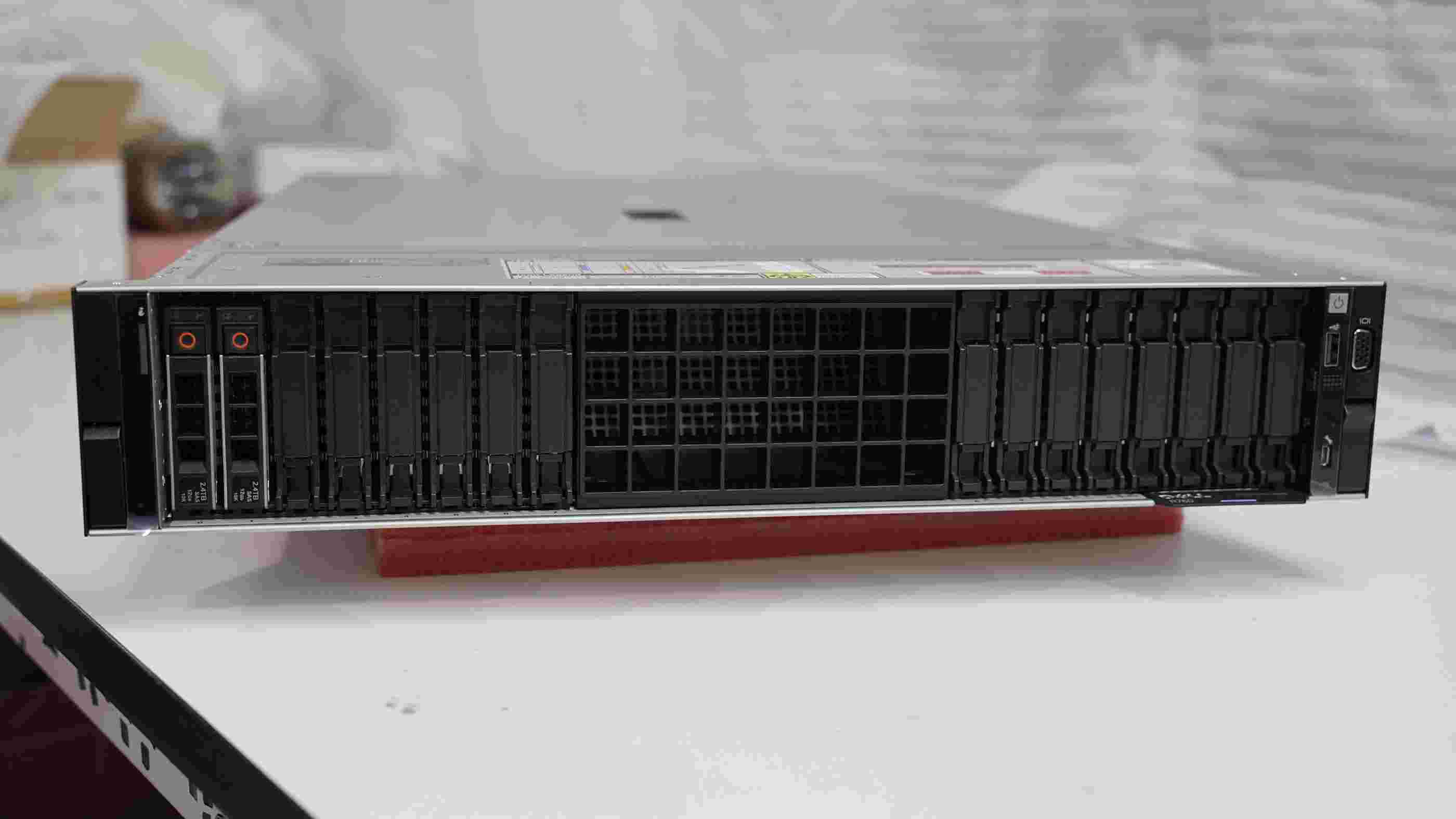

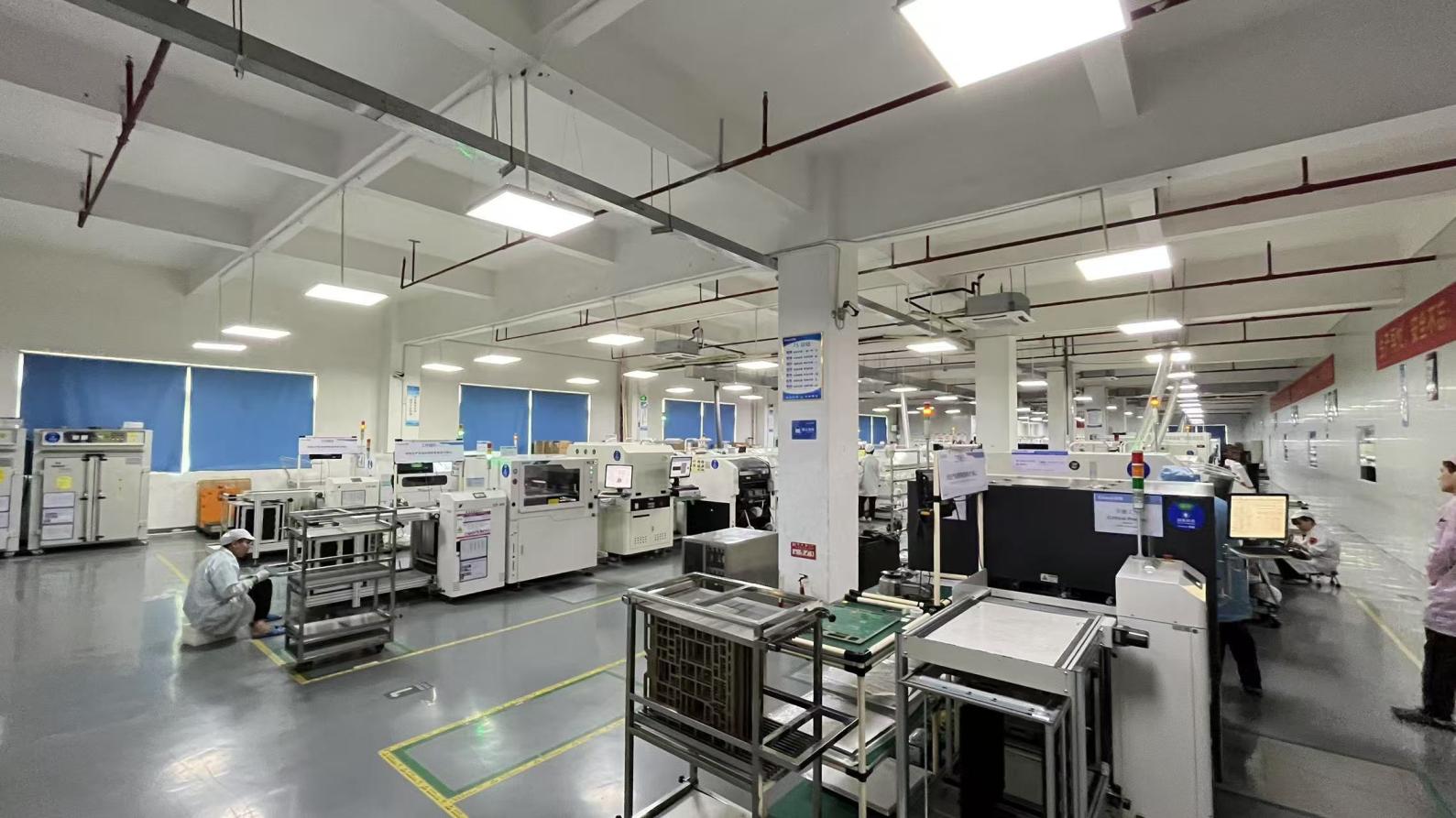
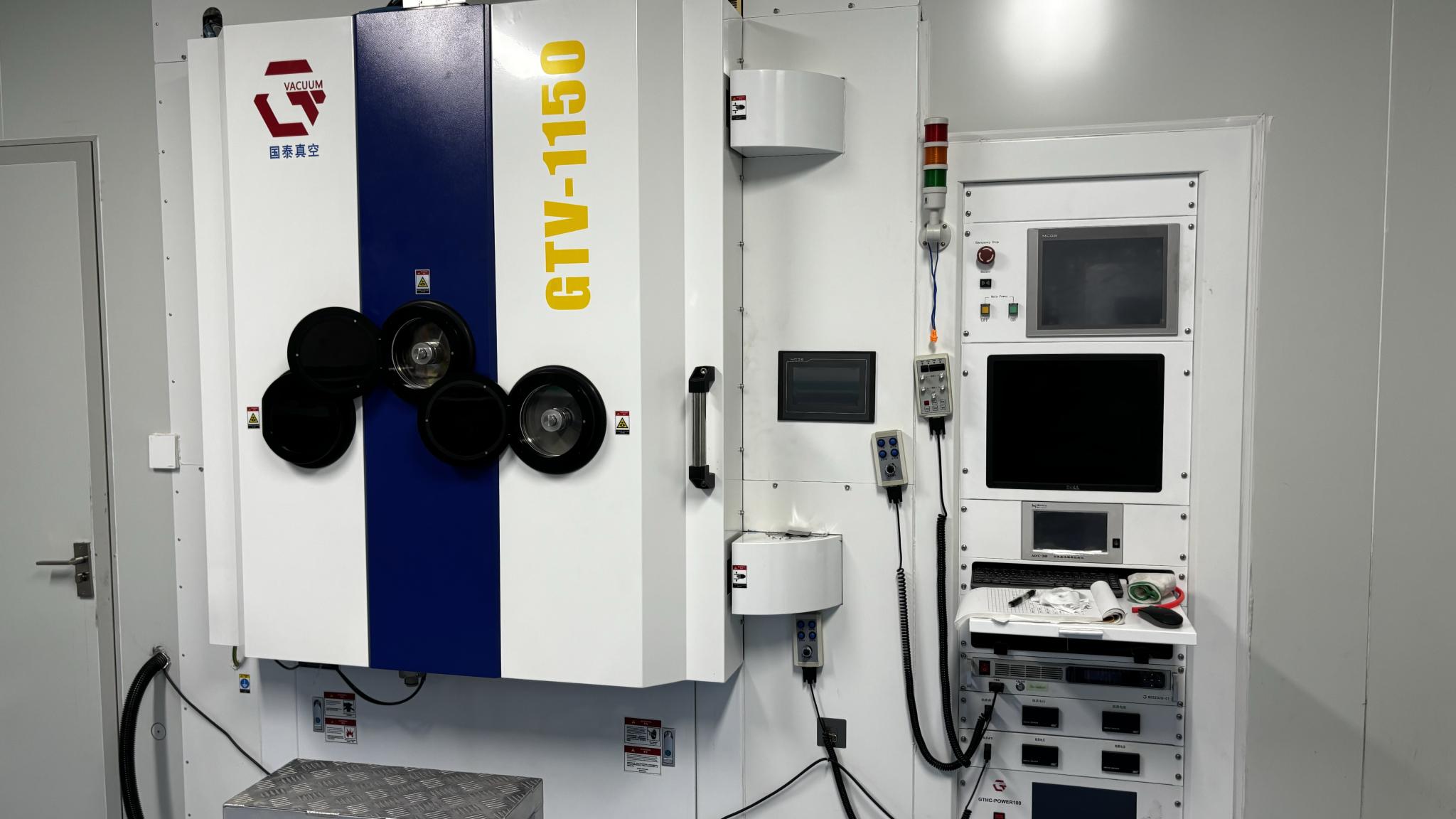
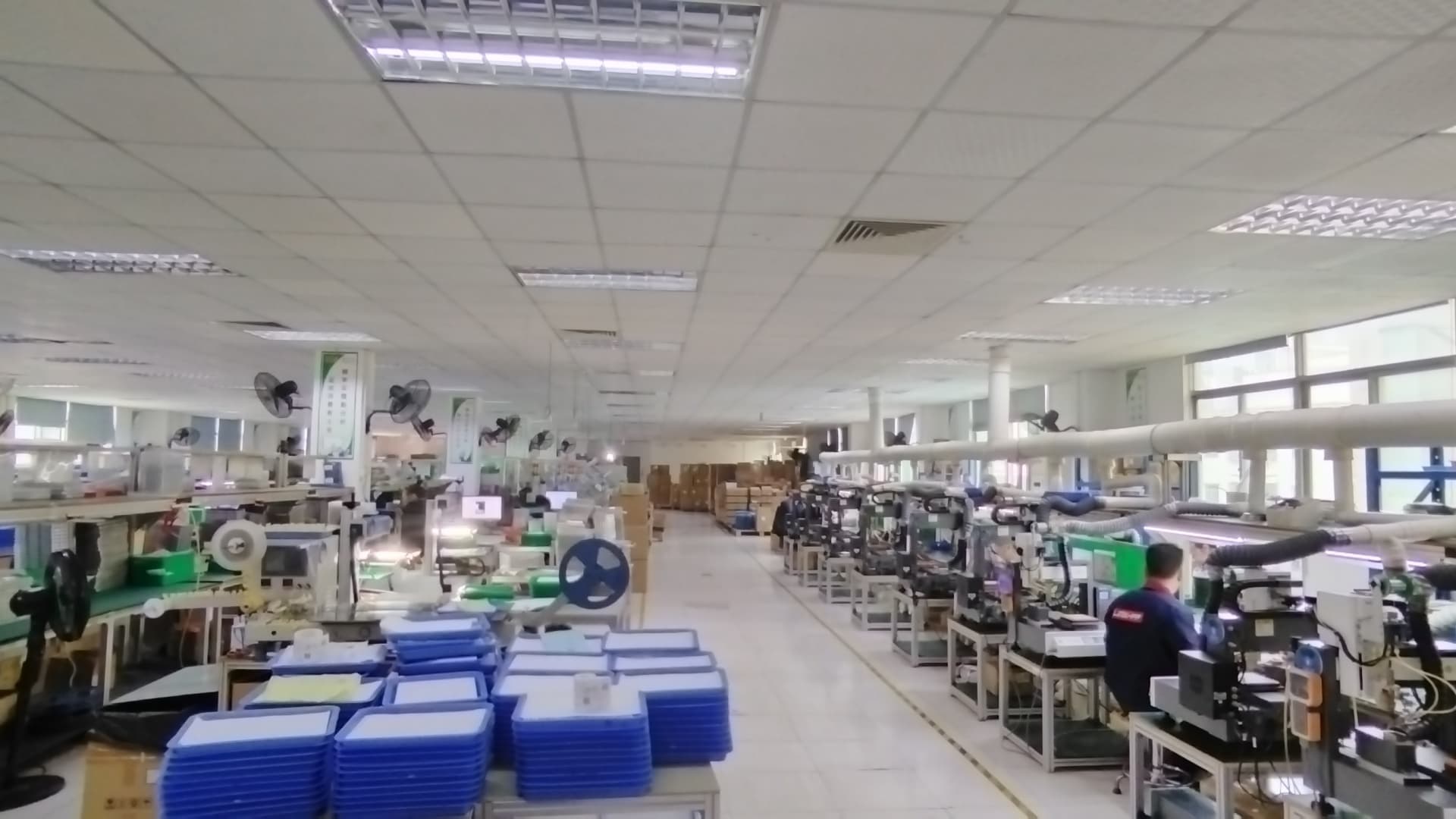
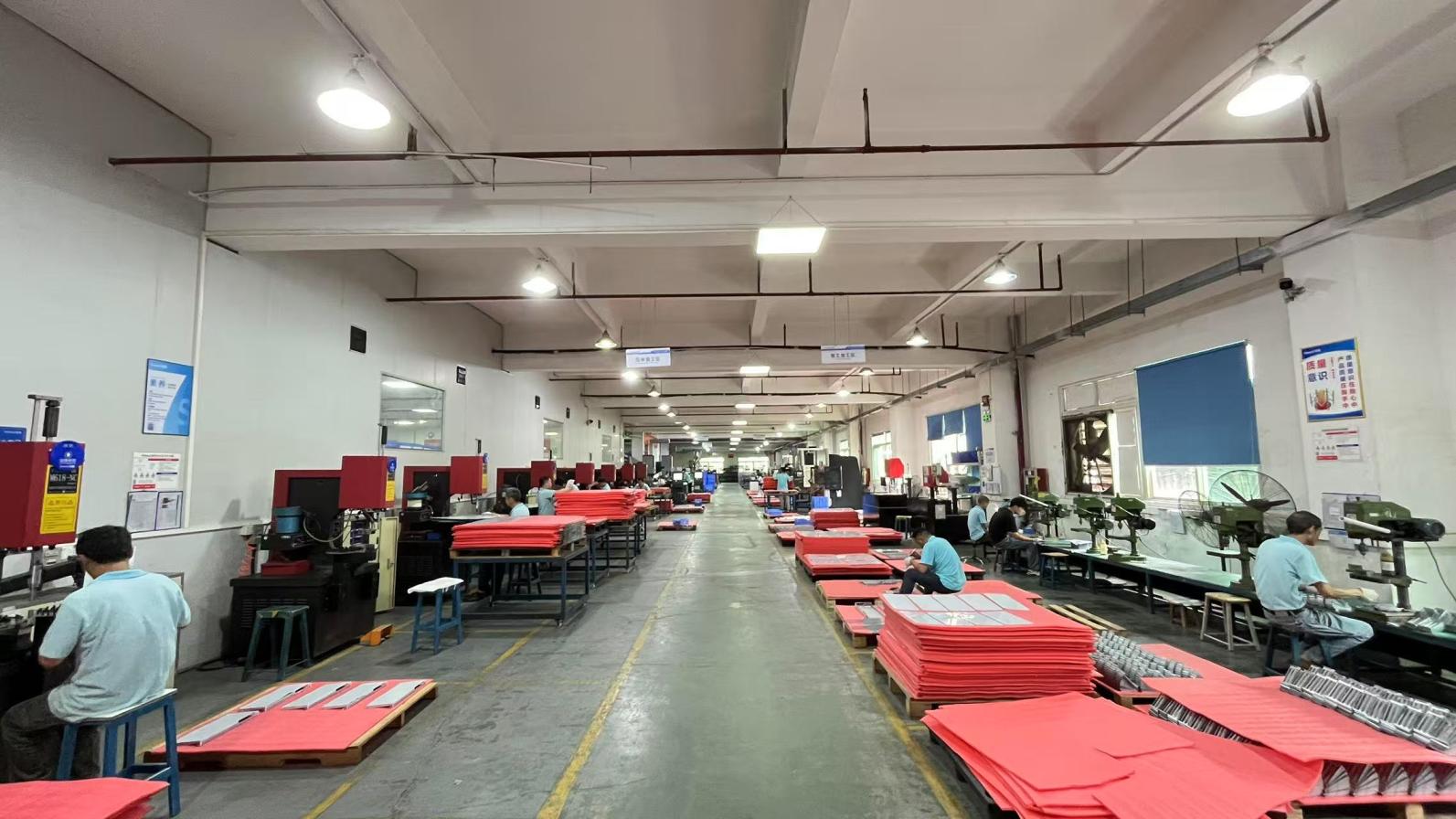
How global enterprises integrate diagnostic loopback architectures into production systems.
High-reliability loopback connectors are essential tools for large-scale enterprise network deployments. In hyperscale data centers, technicians install physical SFP+ or QSFP loopbacks in empty switch cages to run continuous diagnostics during new rack provisioning. By looping signals at the optical or physical interface, engineers can test the entire internal bus path (including PHY, MAC, and SerDes components) prior to installing expensive, active transceiver modules.
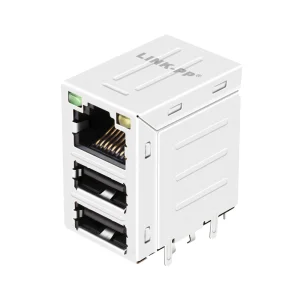
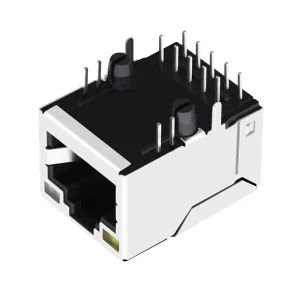
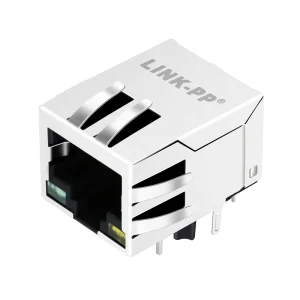
In industrial automation environments, electromagnetic interference (EMI) can corrupt communications over standard copper RJ45 connections. System integrators select shielded, vertical top-entry RJ45 connectors with integrated magnetics to isolate electrical noise. When commissioning these networks, test technicians install RJ45 loopback adapters to run stress tests on cables and ports near high-voltage equipment, ensuring clean transmissions before final setup.
Furthermore, telecom service providers rely on loopback interfaces for remote fault isolation. If a fiber link drops between remote cabinets, remote diagnostic software can command loopback transceivers to loop traffic at the customer premises. This allows network operations centers (NOCs) to isolate the fault to the fiber path or the client-side equipment, reducing unnecessary site visits and speeding up repair times.
Looking ahead at higher speeds, integrated diagnostics, and silicon photonics.
As the optical communication industry moves toward 400G and 800G transmission speeds, traditional passive loopback connectors must evolve. High-speed signals require advanced design to manage electrical losses and reflection. At these speeds, physical connectors must incorporate integrated microcontrollers to support the management interfaces (such as CMIS) required by next-generation switches. This ensures correct diagnostic port identification and link initialization.
To support this evolution, FiberNova is focusing its R&D efforts on key technology developments:
Technical guidance on using Ethernet loopbacks, transceiver compatibility, and manufacturing options.
Engineered to withstand harsh physical environments and electrical interference. Direct bulk ordering with complete design customization support.
 FiberNova