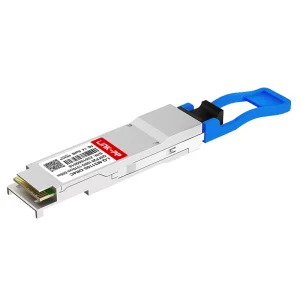
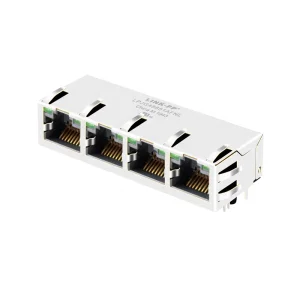
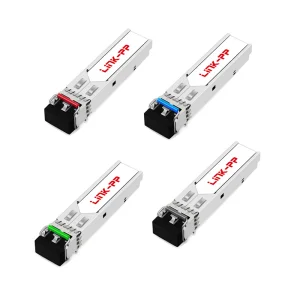
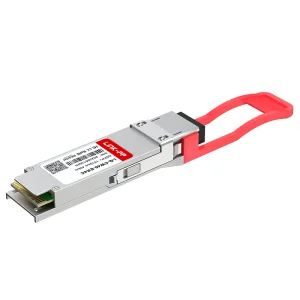
High-reliability optical components optimized for carrier-grade networks, enterprise datacenters, and telecommunication systems.
FiberNova Optical Communication Tech Co., Ltd. (FiberNovaTransceivers.com) bridges advanced R&D and high-volume lean manufacturing to support next-generation networks.
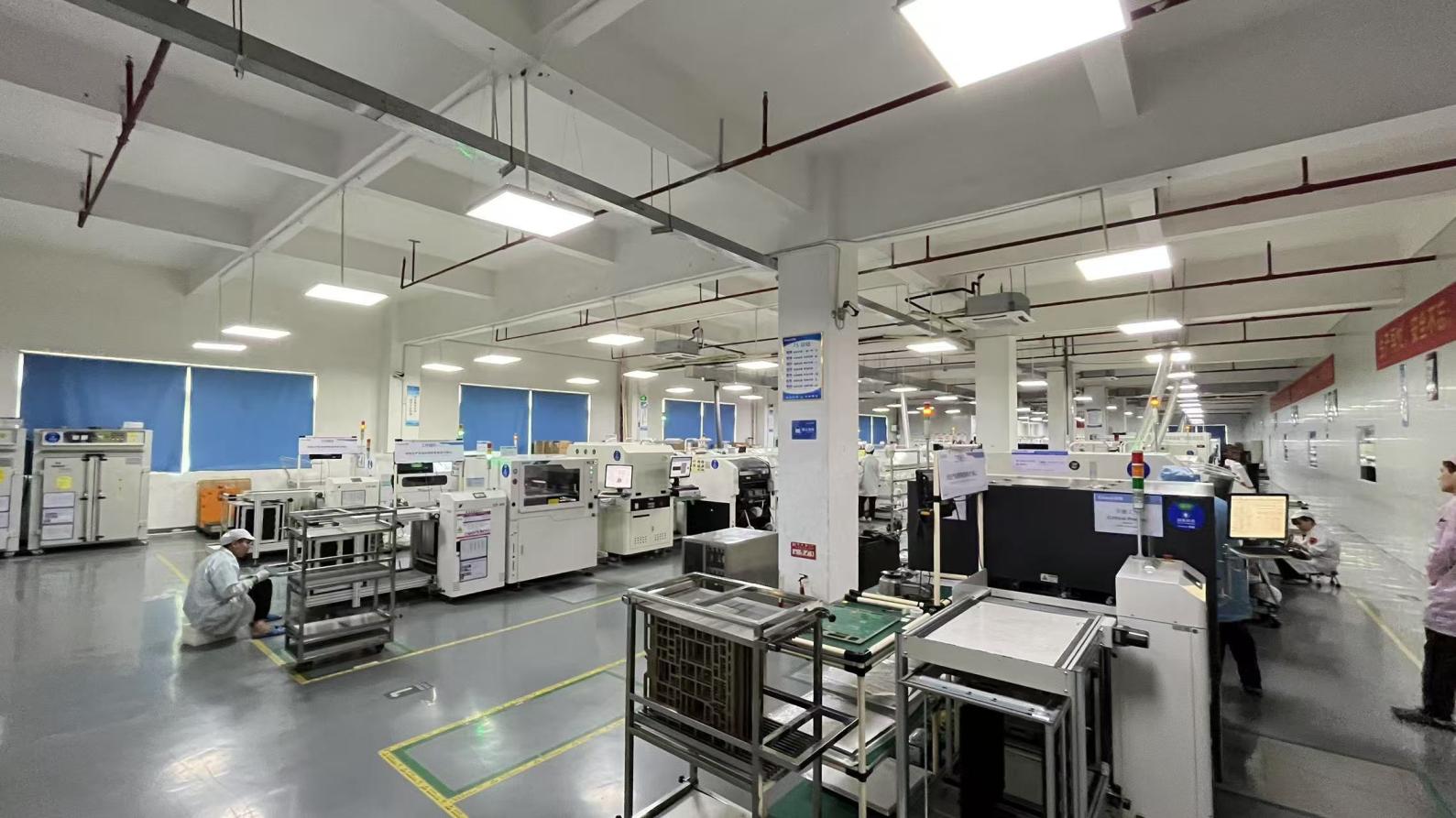
Founded in 2016, FiberNova Optical Communication Tech Co., Ltd. operates a specialized 380㎡ precision optical assembly, testing, and customization laboratory. By utilizing high-density cleanroom facilities and combining more than 12 years of core industry expertise with a robust export capability, FiberNova has transitioned from a localized component developer into a global supplier. Annually, our export operations yield between USD 8 million and USD 15 million, routing custom optical transceiver modules to Tier-1 infrastructure networks in North America, Europe, East Asia, and the Middle East.
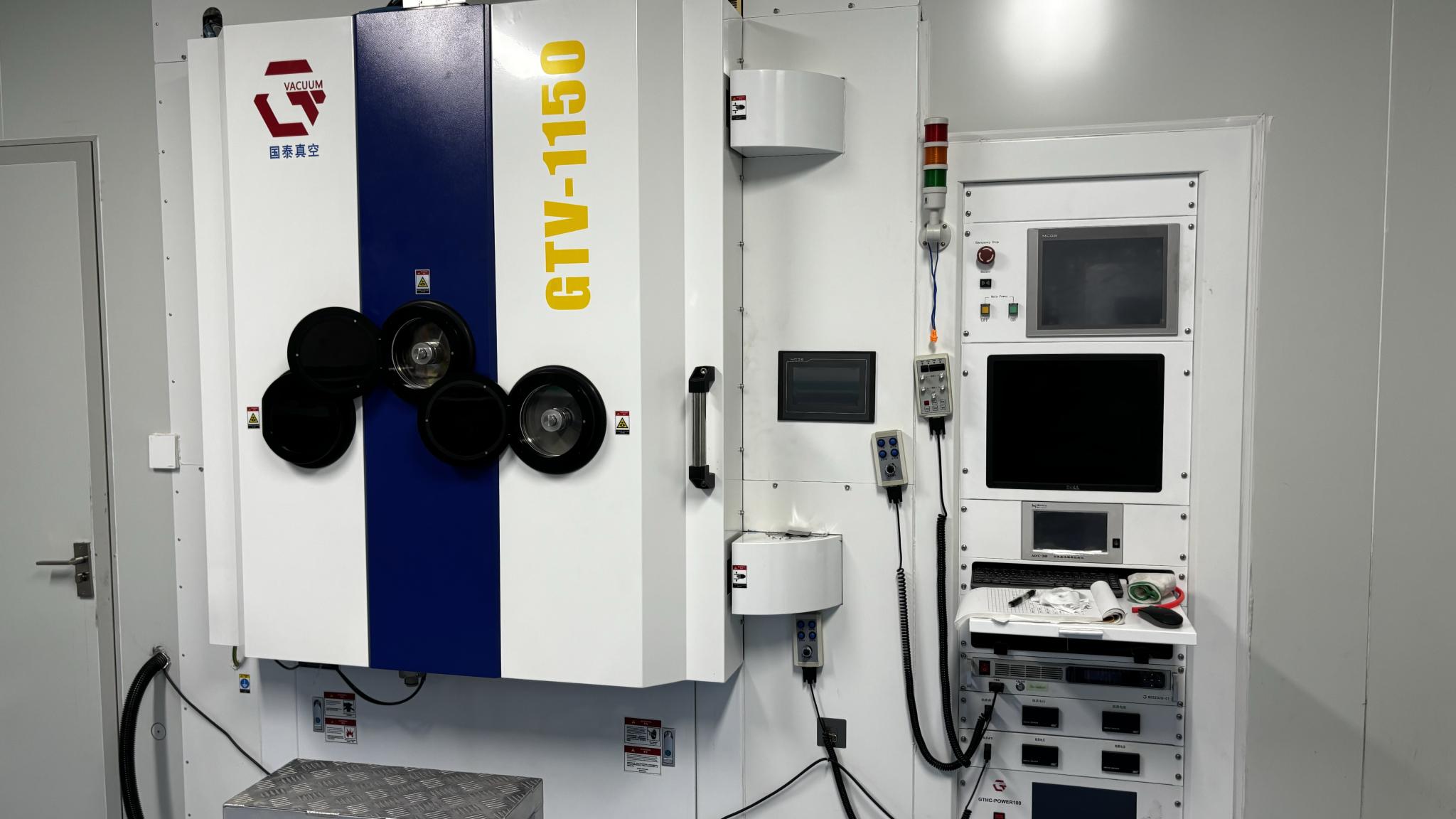
Optical physical layer performance is the foundation of network reliability. At FiberNova, we utilize specialized testing equipment to guarantee that every active module satisfies rigorous Multi-Source Agreement (MSA) standards. Our testing protocol includes 100% optical performance testing, real-switch compatibility validation across over 50 legacy and current network switches, extreme temperature cycling testing, and comprehensive Bit Error Rate (BER) analysis. Supported by 45 QA specialists, we run a tight compliance loop that guarantees seamless operation from the first deployment.
Our collaborative ecosystem features over 1,200 verified supply chain partners. This structured supply chain allows for reliable sourcing of high-frequency components, TOSA/ROSA lasers, packaging, and custom PCB assemblies. Furthermore, our 65-engineer R&D division ensures that we can design, build, and ship custom transceivers for unique requirements, having released 120 new products over the past year to keep pace with the shifting standards of the global interconnect market.
An analysis of spectral efficiency, transceiver architecture, and structural shifts in global networking environments.
The networking industry is hitting the limits of traditional pluggable modules due to electrical trace losses at high speeds. As data centers migrate from 400G to 800G and 1.6T configurations, traditional copper and even standard pluggable optical engines encounter thermal and physical limits. Silicon Photonics (SiPh) represents a key architectural shift. By printing optical waveguides directly onto silicon substrates, manufacturers can integrate the modulator, photodetector, and optical routing onto a single die. This co-packaging minimizes trace attenuation, decreases latencies, and cuts module power consumption by up to 30%. FiberNova is actively investing in SiPh validation technologies to ensure our next-generation transceiver modules line up with this low-power, high-performance future.
Power density in modern high-density switch chassis has made thermal management a primary design metric. Standard SFP+ and QSFP28 modules can generate significant heat, especially when stacked in 48-port, 1U configurations. To combat this, modern transceiver design utilizes low-power Digital Signal Processors (DSPs), optimized laser driver ICs, and high-conductivity thermal pads. Minimizing active power usage to less than 1.5W per 10G SFP+ and under 3.5W for 100G QSFP28 helps operators lower cooling requirements and extend the service life of network equipment. Our latest line of transceivers implements these low-power profiles, lowering the overall thermal load of datacenter line cards.
| Transceiver Form Factor | Standard Data Rate | Typical Wavelengths | Reach Capabilities | Max Power Target |
|---|---|---|---|---|
| SFP (Small Form-factor Pluggable) | 1.25 Gbps - 2.5 Gbps | 850nm / 1310nm / 1550nm | Up to 120 km (Single Mode) | < 1.0 W |
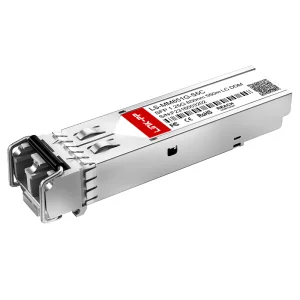
| SFP+ / SFP28 | 10 Gbps / 25 Gbps | 850nm / 1310nm / CWDM / DWDM | Up to 80 km (SFP+ DWDM) | < 1.5 W / 1.8 W |
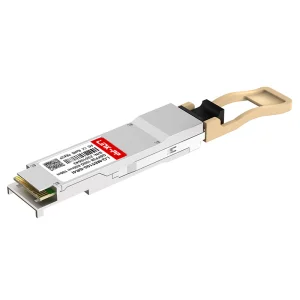
| QSFP+ / QSFP28 | 40 Gbps / 100 Gbps | 850nm / 1310nm / BiDi / CWDM4 | 100m (MMF) to 40km (SMF ER4) | < 3.5 W |
| QSFP-DD / OSFP | 400 Gbps / 800 Gbps | PAM4 modulated CWDM8 / DR4 | Up to 10 km (DR4+) | < 12.0 W |
System administrators need real-time performance insights to maintain high uptime. DDM (Digital Diagnostics Monitoring) or DOM (Digital Optical Monitoring) provides real-time tracking of parameters like laser temperature, bias current, transmitted power, received optical power, and transceiver supply voltage. Alarms can be set to flag deviations before they cause packet loss or link failure. FiberNova's transceivers come standard with DDM microcontrollers calibrated to deliver accurate diagnostic feedback via the switch OS, supporting preventative maintenance in mission-critical networks.
Why leading global network operators choose China as their strategic optical supply hub.
From die attachment and wire bonding to sub-assembly packaging (TOSA/ROSA/BOSA fabrication) and final automated optical testing, China's manufacturing clusters concentrate key components. This localized supply chain shortens lead times, reduces material transit risks, and speeds up product iteration cycles.
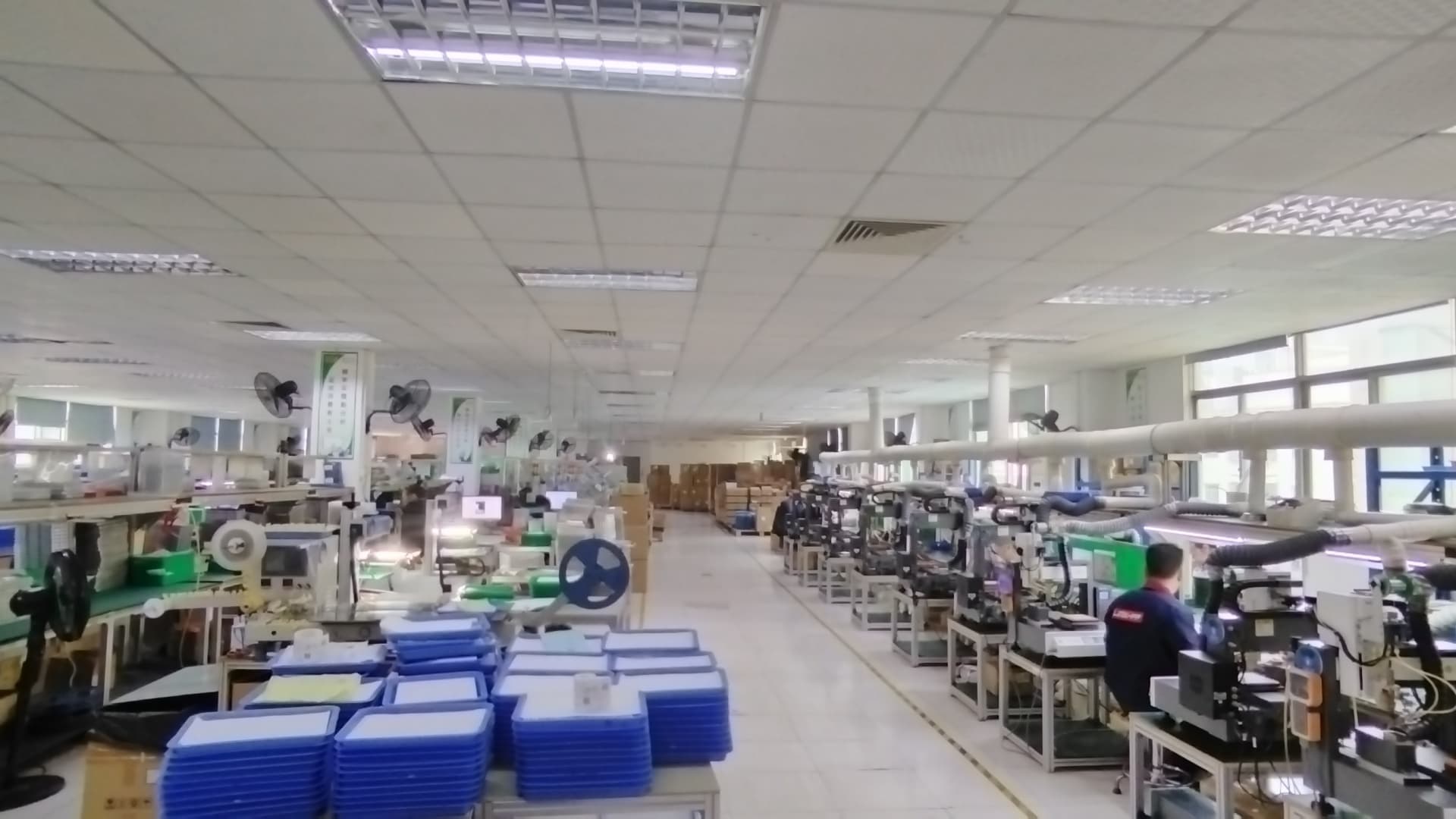
By using semi-automated high-yield assembly lines, specialized cleanroom operations, and optimized batch testing protocols, we can offer competitive pricing without sacrificing the build quality, long-term reliability, or compliance of the modules.
Many western suppliers focus only on high-volume standard units. Chinese manufacturers like FiberNova maintain dedicated lines for custom OEM configurations. This allows us to supply specialized wavelengths, custom enclosures, and legacy protocols on short notice.
How our products integrate into modern telecommunications, data centers, and enterprise environments.
Different networking environments present unique physical and operational challenges. Our transceiver solutions are engineered to meet these demands:
Supply chain reliability is a top priority for global procurement teams. FiberNova addresses this by maintaining direct relationships with component suppliers, keeping buffer stocks of key ICs, and offering flexible shipping options. This proactive approach helps protect our clients from supply chain disruptions, logistics bottlenecks, and unexpected tariff changes.
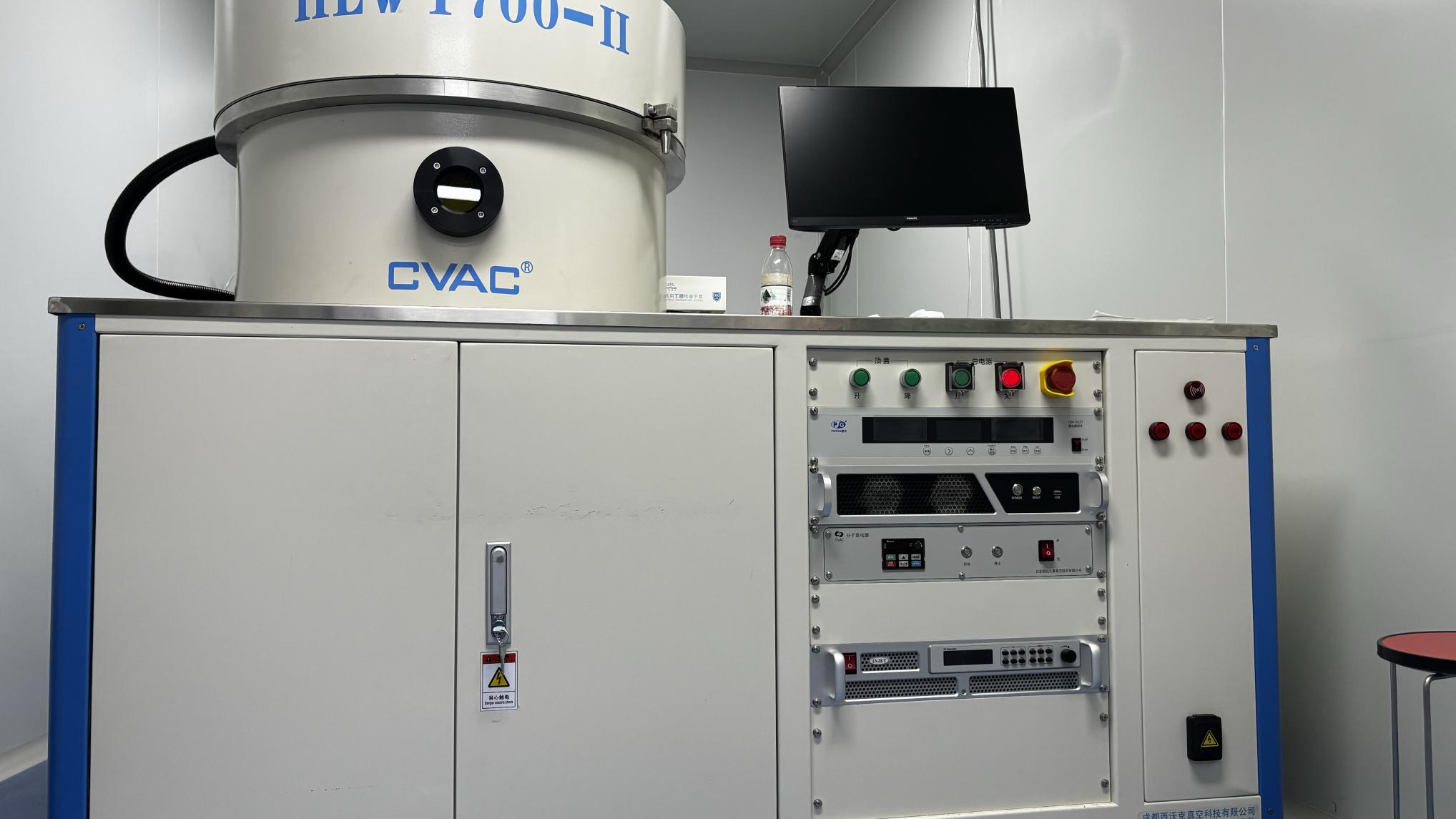
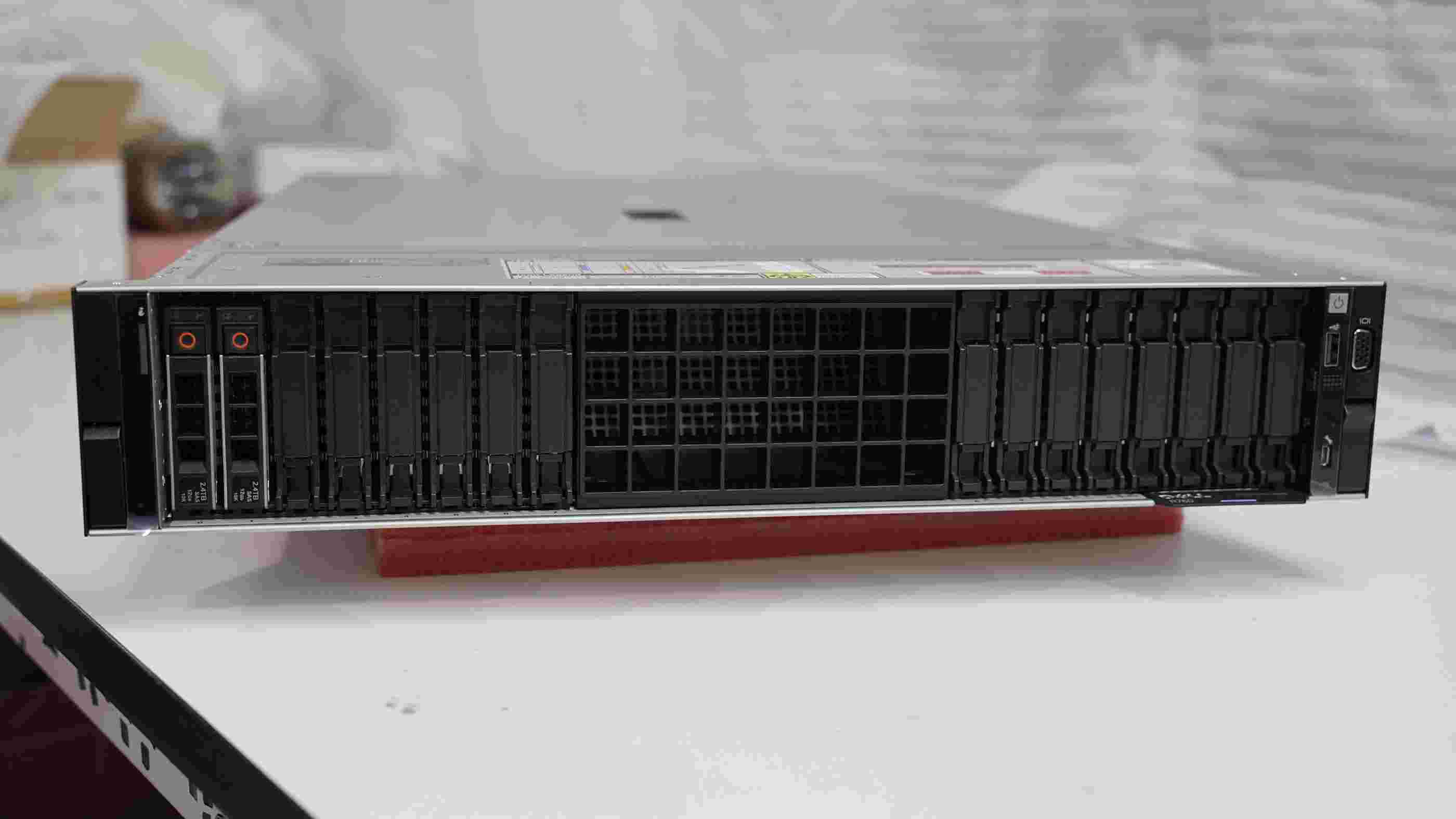
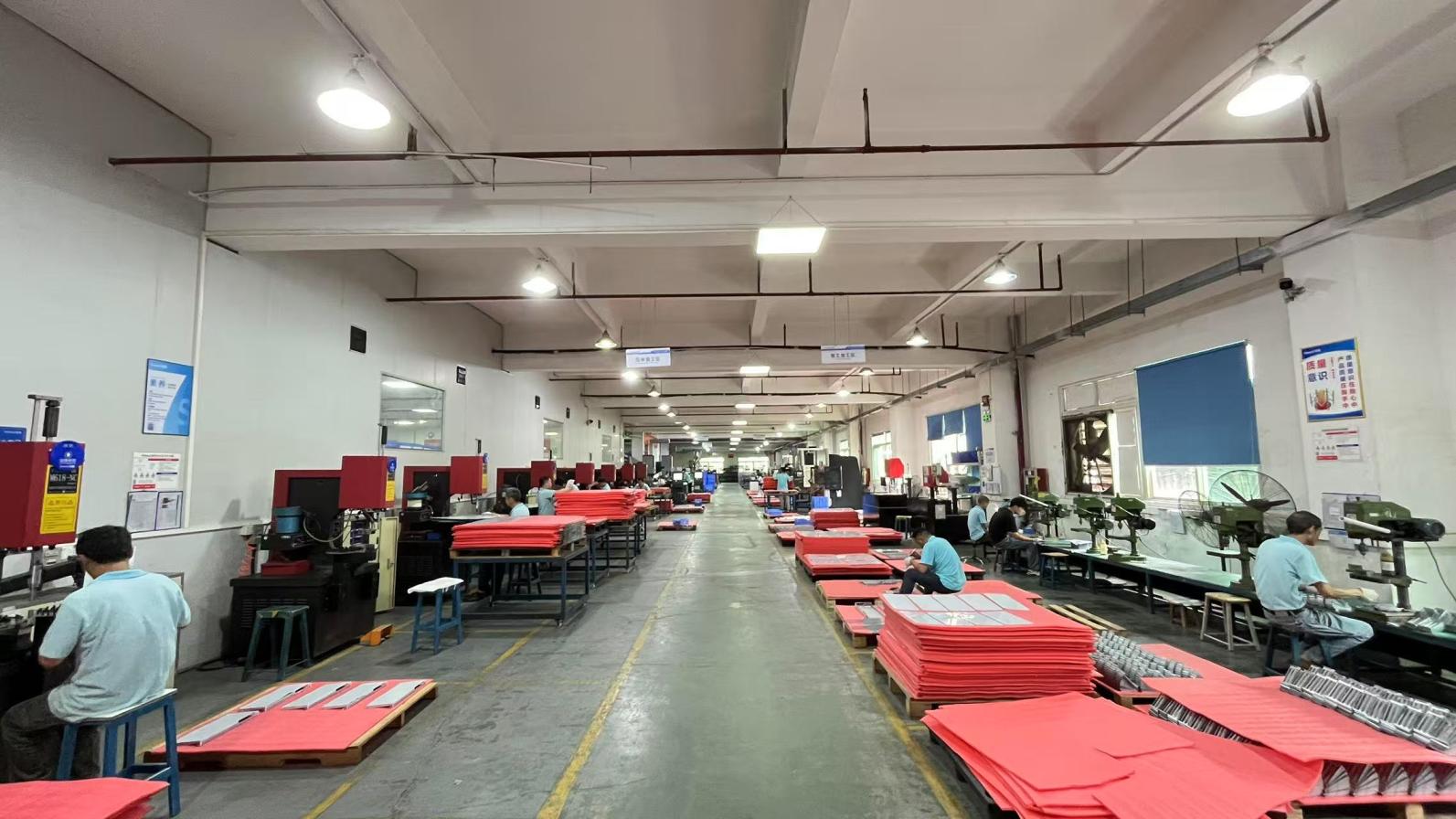
A look inside our facility, cleanroom assembly lines, and optical validation lab.


Answers to technical, compatibility, and procurement questions about our transceivers.
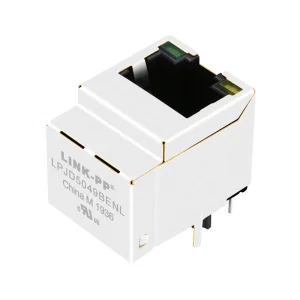
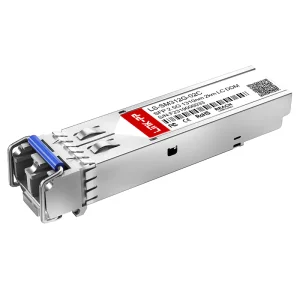
Explore our specialized RJ45 connectors, high-speed optical transceivers, and telecom magnetic modules.
 FiberNova