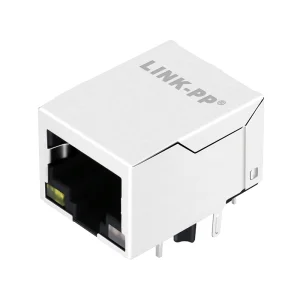
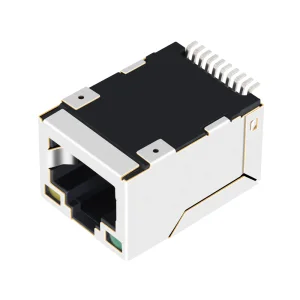
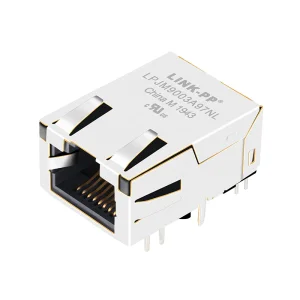
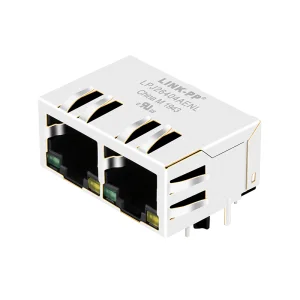
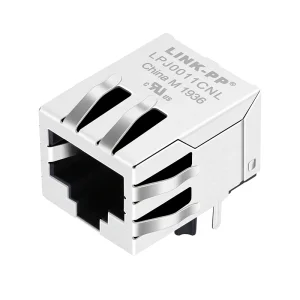
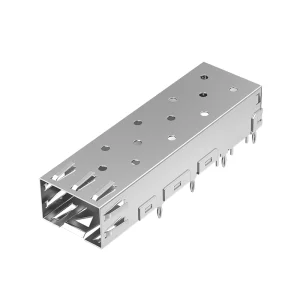
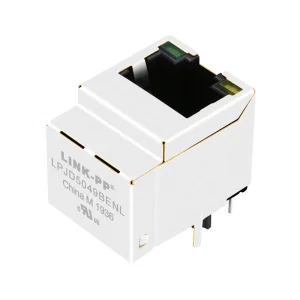
In the landscape of high-frequency gigabit networking, the physical properties of the electrical interface govern the ultimate limit of signal integrity. Silver-plated RJ45 connectors occupy a critical niche in industrial data transmission, telecom hubs, and server matrices. While gold is frequently utilized for its corrosion resistance in ambient environments, silver features the highest electrical and thermal conductivity of all metals (6.30 × 10⁷ S/m at 20°C).
At frequencies exceeding 100 MHz—common in Cat6A, Cat7, and Cat8 ethernet runs—the skin effect restricts current flow to the outermost shell of the conductor. By depositing a precise micro-inch layer of pure silver over a high-tensile phosphor bronze or copper alloy base, Chinese manufacturing facilities achieve exceptionally low contact resistance. This minimizes attenuation and insertion loss, enabling stable data rates across long runs and in harsh electromagnetically active spaces.
Technical Insight: Plating layers typically incorporate a nickel underplate (50–100 micro-inches) acting as a diffusion barrier, topped with 30 to 150 micro-inches of silver. This layout prevents copper migration while optimizing high-speed electron transport pathways across the contact mating surface.
As ethernet standards advance from 10G to 40G and beyond, insertion losses due to conductor surface roughness become more pronounced. Standard gold coatings have an electrical conductivity roughly 30% lower than silver. At high frequencies, this difference directly translates to reduced signal amplitude and phase distortion. Silver plating provides an optimal conduit that maximizes propagation velocity and minimizes jitter in critical network links.
The worldwide demand for robust RJ45 connectors is driven by three macro-trends: the deployment of 5G infrastructure, the expansion of hyper-scale cloud data centers, and the rise of industrial automation (Industry 4.0). Over the last decade, China has transitioned from a component assembler to a premium manufacturing hub, hosting sophisticated factories capable of nanoscale material processing and automated quality control.
For global importers, sourcing from specialized Chinese clusters ensures high production capacity, prompt supply-chain integration, and conformity to international testing baselines. Organizations like FiberNova Optical Communication Tech Co., Ltd. bridge the gap by combining localized component manufacturing with global logistics, ensuring compliance with strict European and American telecom standards.
| Material Configuration | Electrical Conductivity (MS/m) | Oxidation Characteristics | Ideal Application Scenario | Mating Cycle Reliability |
|---|---|---|---|---|
| Pure Silver Plating (Ag) | 63.0 | Sulfidation risk; mitigated by passivations | High frequency / high speed / PoE++ systems | > 1,000 cycles |
| Gold Plating (Au) | 41.0 | Extremely inert; no oxidation | Highly corrosive / marine environments | > 750 cycles |
| Copper Alloy Core (Cu) | 59.6 | Rapid oxidation in ambient atmosphere | Internal pin structures, not surface contacts | N/A (under layer) |
| Nickel Barrier Layer (Ni) | 14.3 | Highly stable diffusion barrier | Intermediate substrate layer | N/A (under layer) |
Established in 2016, FiberNova Optical Communication Tech Co., Ltd. (FiberNovaTransceivers.com) operates high-precision engineering facilities designed for high-density interconnect solutions and optical modules. The company leverages 12 years of industry experience and 6 years of international trade history to supply networks across the United States, Germany, Japan, South Korea, and the United Arab Emirates.
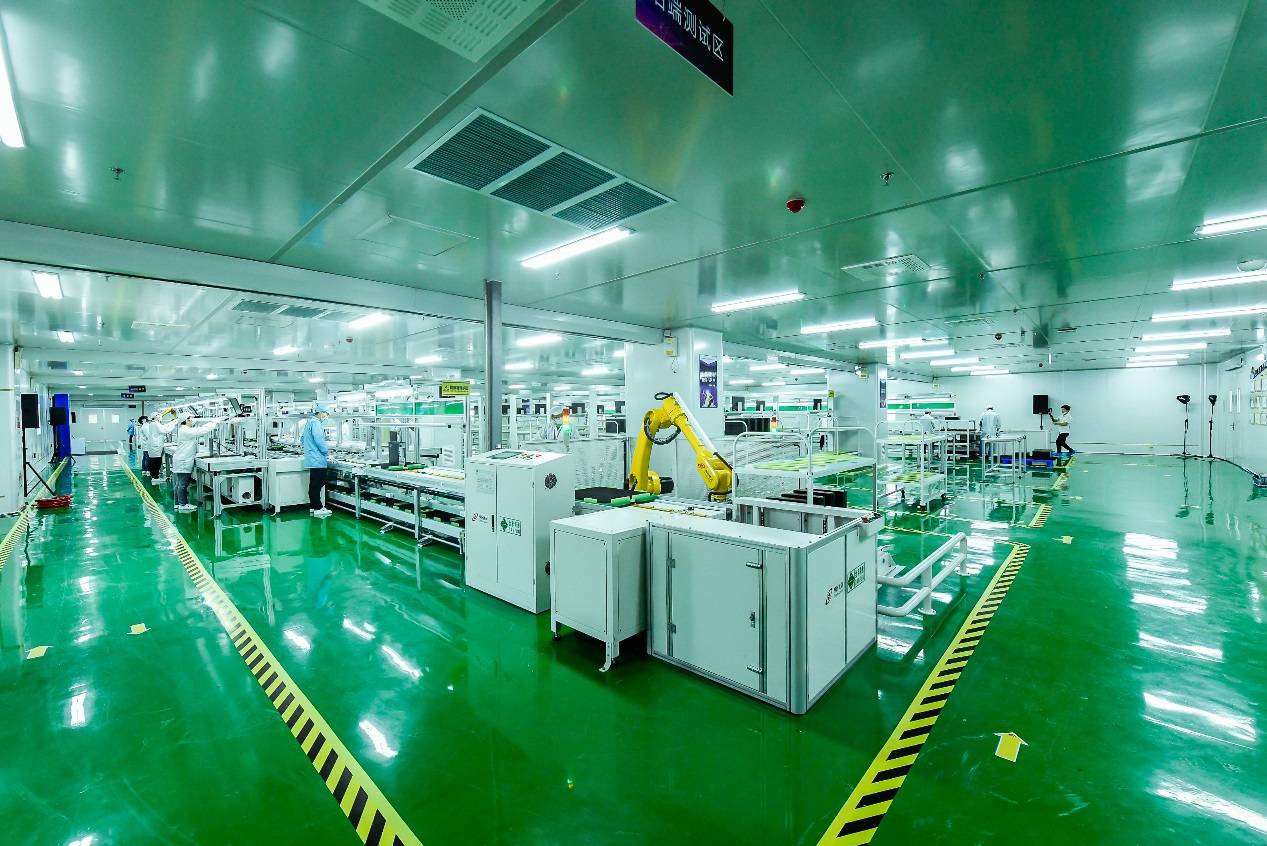
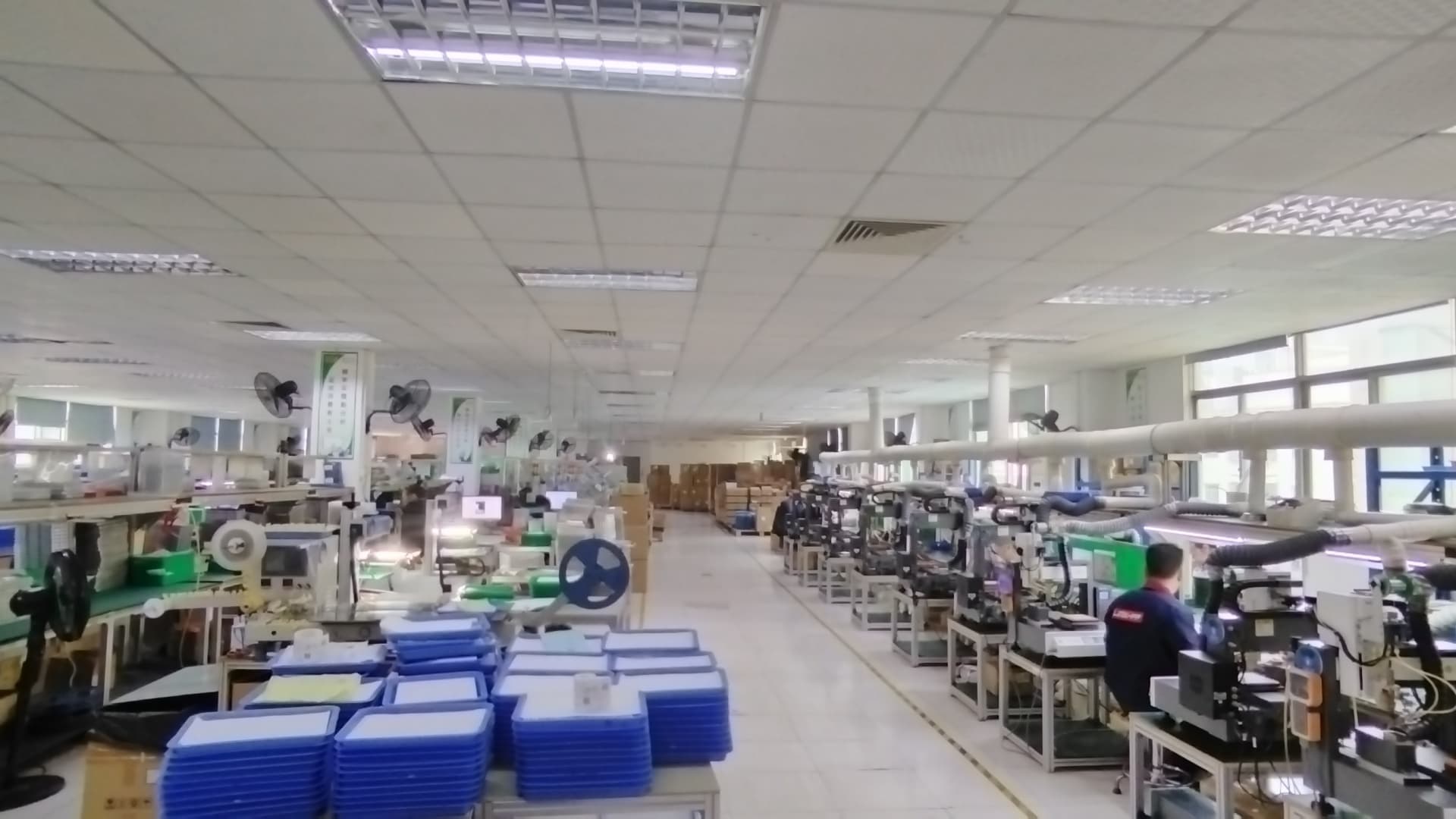
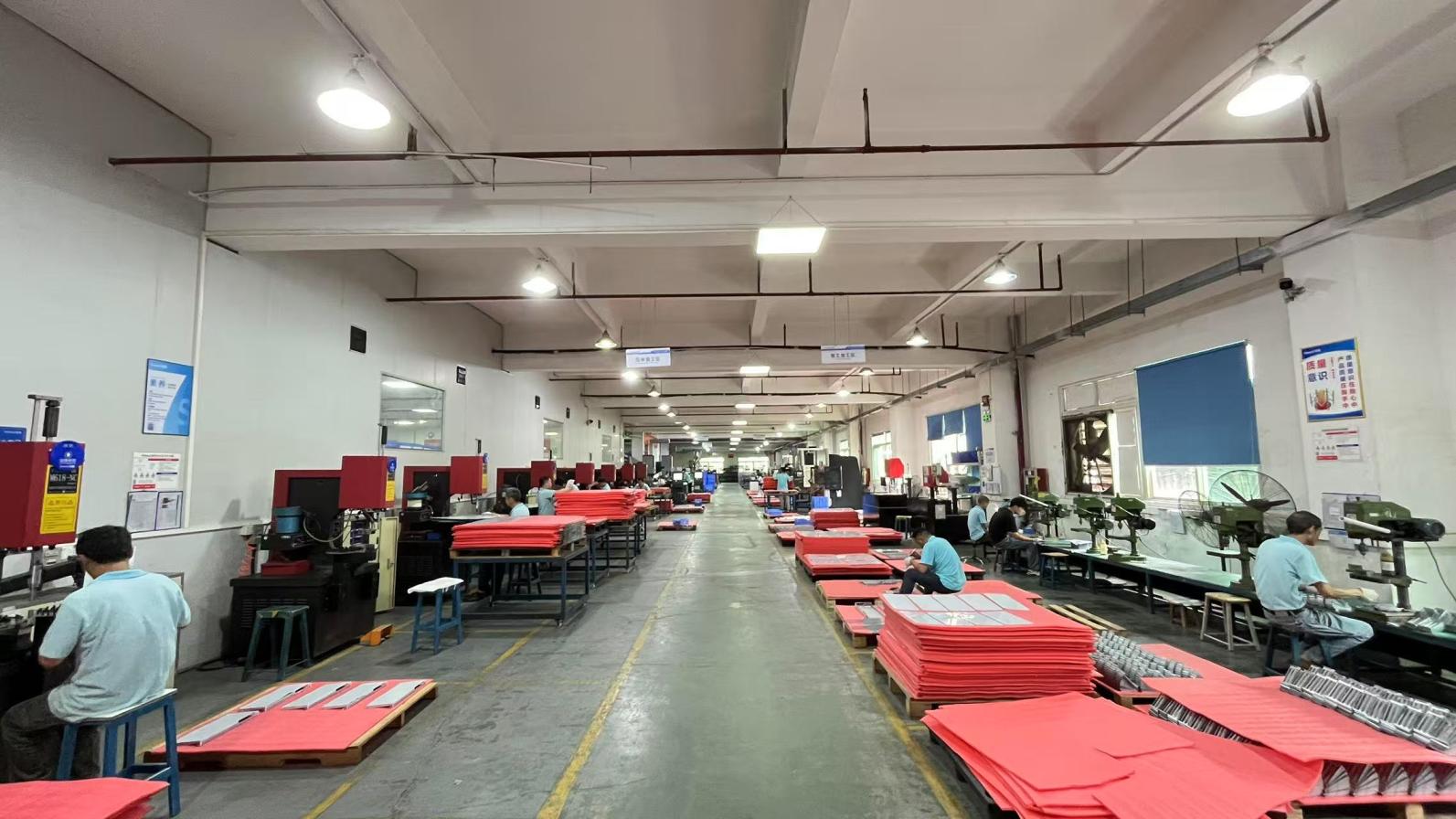
With a lean, highly automated cleanroom manufacturing layout, the production lines ensure component cleanliness and sub-micron tolerance control. Quality assurance is managed by 45 dedicated inspectors running 100% optical performance metrics, temperature cycle stress chambers, and signal integrity testing setups. Backed by 1,200 supply chain partners, FiberNova supports complex OEM/ODM projects with tailored mechanical tolerances, customized housing materials, and custom-tuned wavelengths.
Supply Chain Security: In the past year alone, FiberNova introduced approximately 120 new products to its catalog. This rapid development cycle ensures customers have early access to products supporting 400G and 800G optical and electrical system designs.
Silver-plated interfaces are used across demanding industrial and communication layouts. These applications rely on silver's low contact resistance to prevent signal dropouts and component degradation under thermal stress:
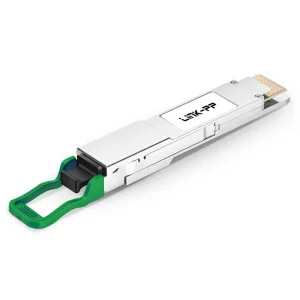
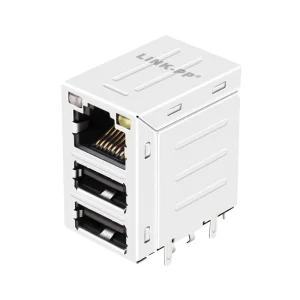
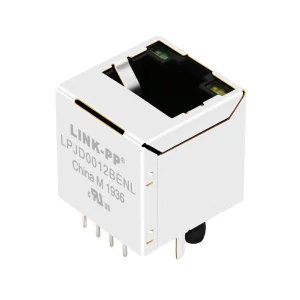
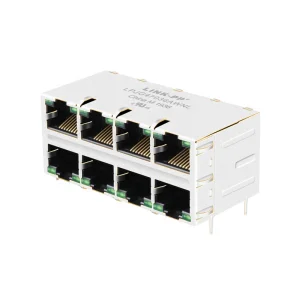
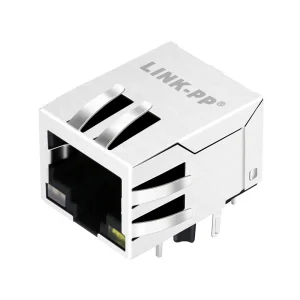
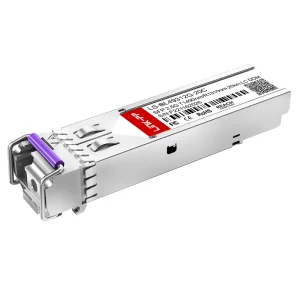
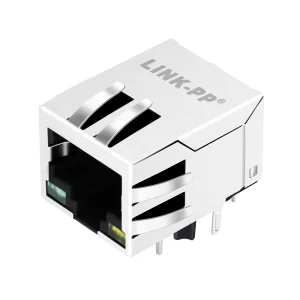
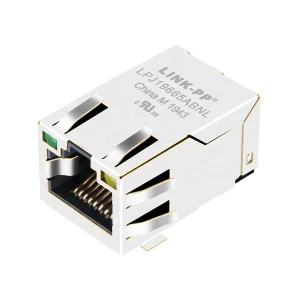
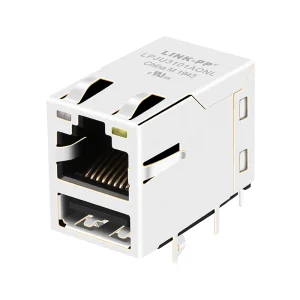
In high-density topologies, patch panel interfaces and optical transceiver module cages must handle rapid data transfers with minimal heat buildup. The integration of SMT modular RJ45 sockets alongside high-speed SFP/QSFP structures allows hardware designers to maintain signal integrity at 10G/40G ports while ensuring reliable physical connections over thousands of insert-extract operations.
Modern PoE systems supply up to 90W of DC power over Ethernet cables. When connectors are disconnected under load, small electrical arcs form at the contacts, causing wear and pitting. Silver's thermal conductivity quickly dissipates heat at these contact points, reducing localized thermal stress. This performance prevents carbon buildup and maintains low contact resistance over the connector's operating life.
Industrial environments subject connectors to persistent vibration, wide temperature variations, and chemical exposure. Silver-plated RJ45 modular jacks, paired with robust metal shielding, block electromagnetic interference (EMI) and resist micro-vibration contact fretting, helping prevent costly assembly line shutdowns.
To address silver's sensitivity to sulfur and oxygen compounds (which can form tarnish layers like Ag2S), Chinese manufacturing facilities utilize advanced metallurgical passivation methods. Instead of using raw silver surfaces, modern processes employ multi-layer deposits to balance performance and durability:
The Passivation Process: Plating layers are treated with organic self-assembled monolayers (SAMs) or gold-flash finishes. These nanometer-thin coatings seal the silver surface from moisture and sulfur, preserving its high electrical conductivity while preventing tarnishing.
Cobalt-Hardened Plating: Adding trace amounts of cobalt to the silver plating bath increases the surface hardness of the deposit. This treatment raises the hardness rating from roughly 80 HV (Vickers hardness) for pure silver to over 130 HV. This modification extends the mating life of the contacts, allowing them to withstand repeated insertions without degrading the metal interface.
Standards Compliance: Top-tier manufacturers verify all plating batches using X-ray fluorescence (XRF) analyzers to confirm thickness, and run ASTM B117 salt spray tests to ensure corrosion resistance in humid environments.
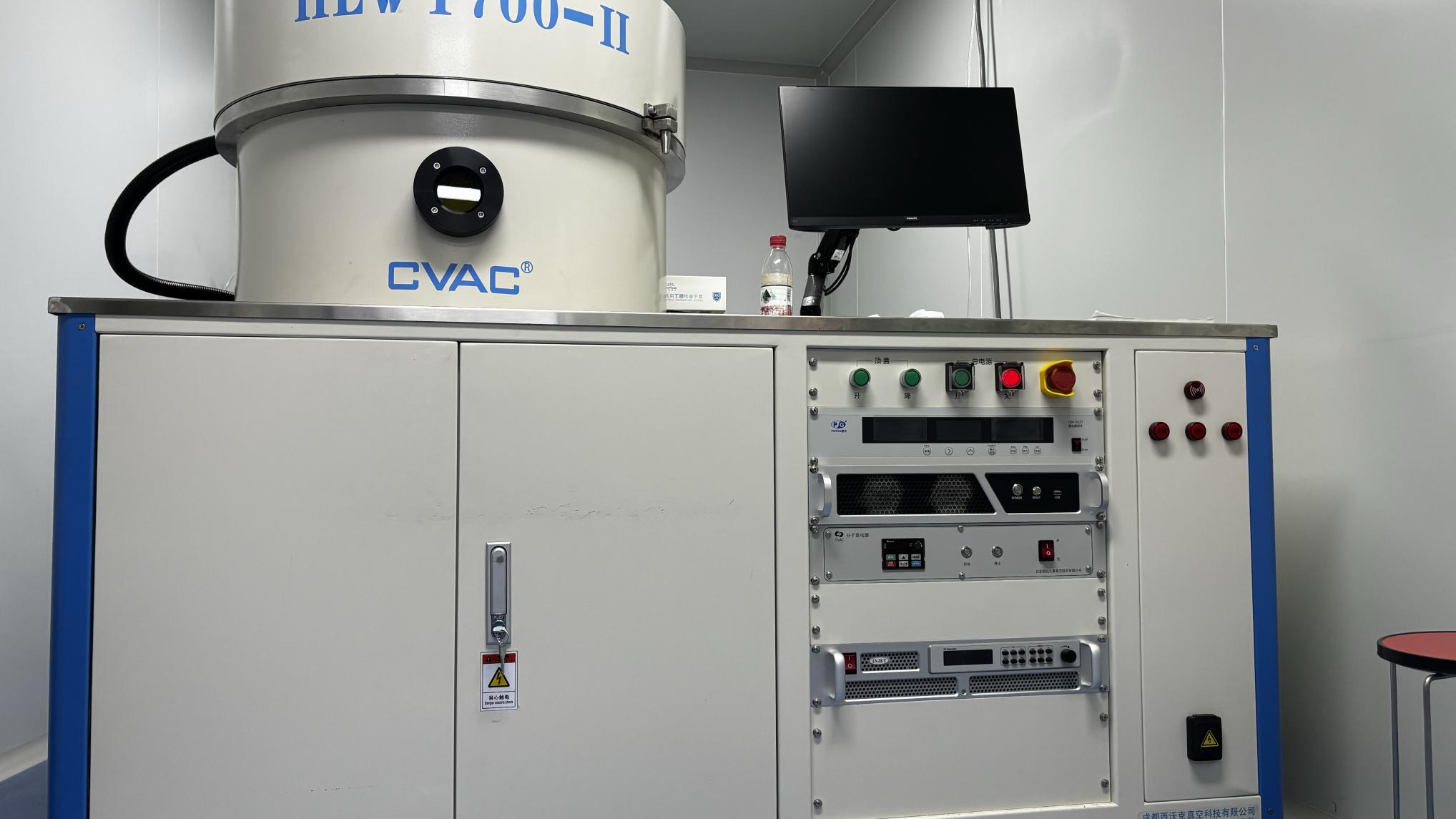
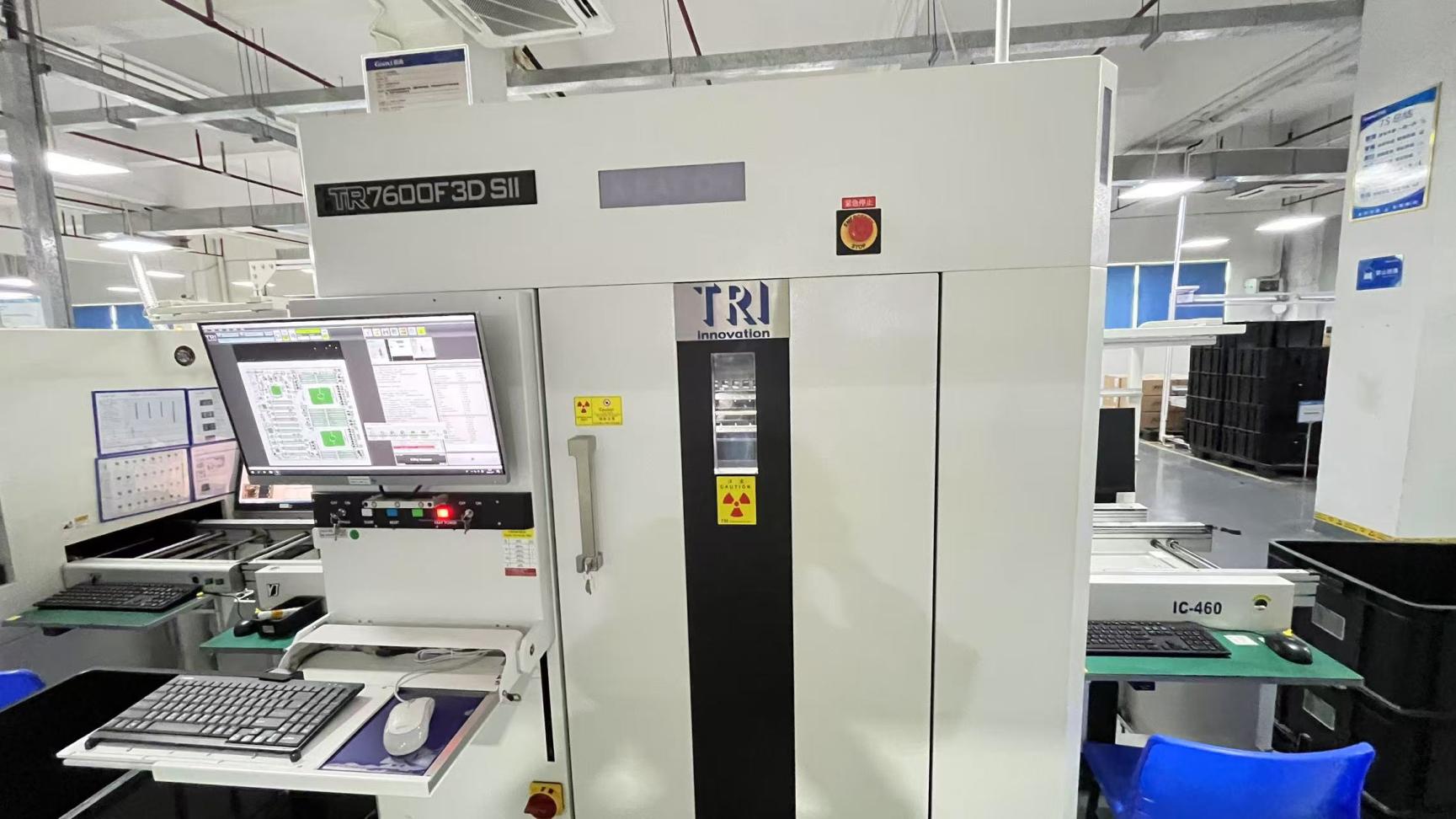
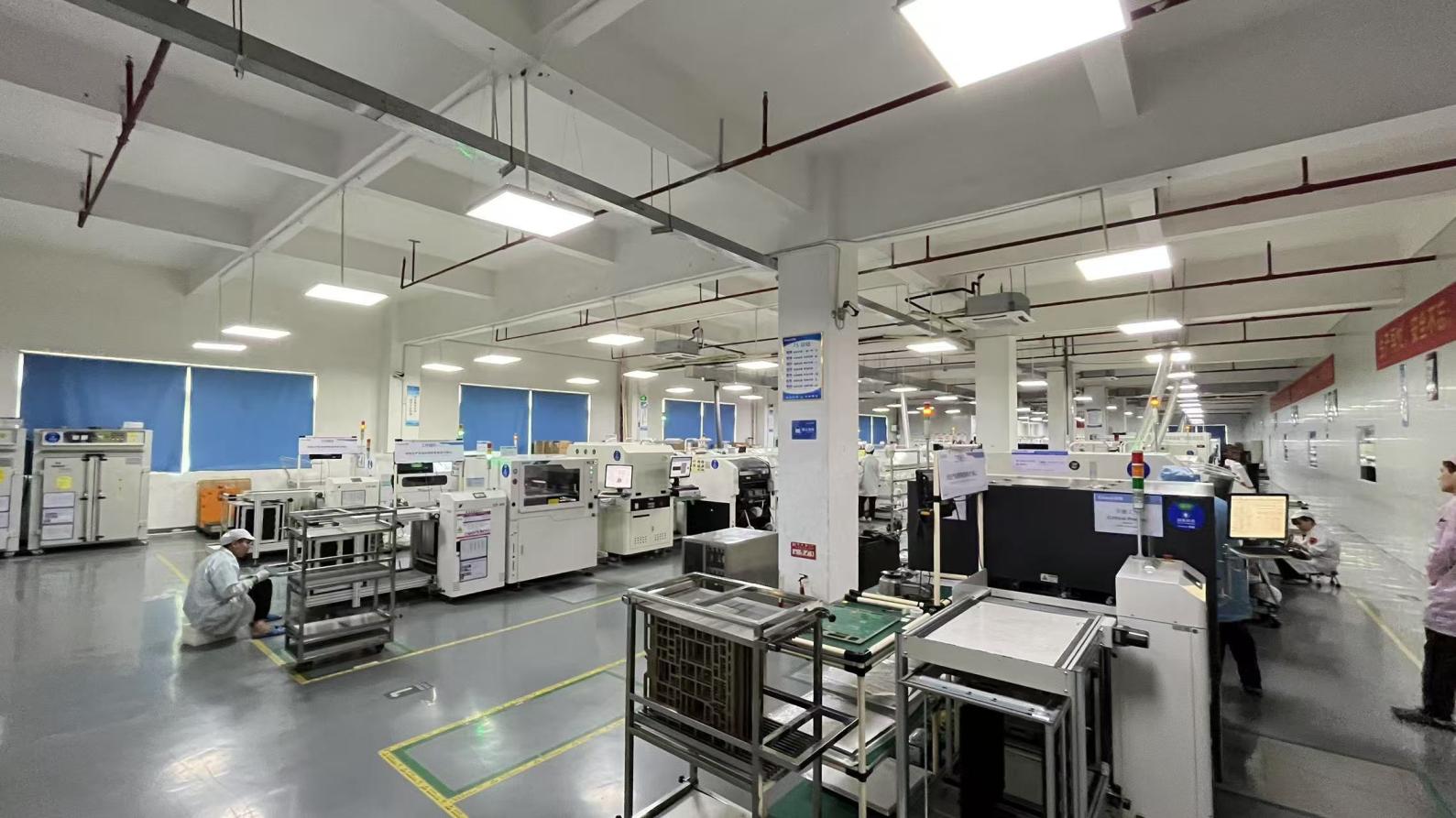
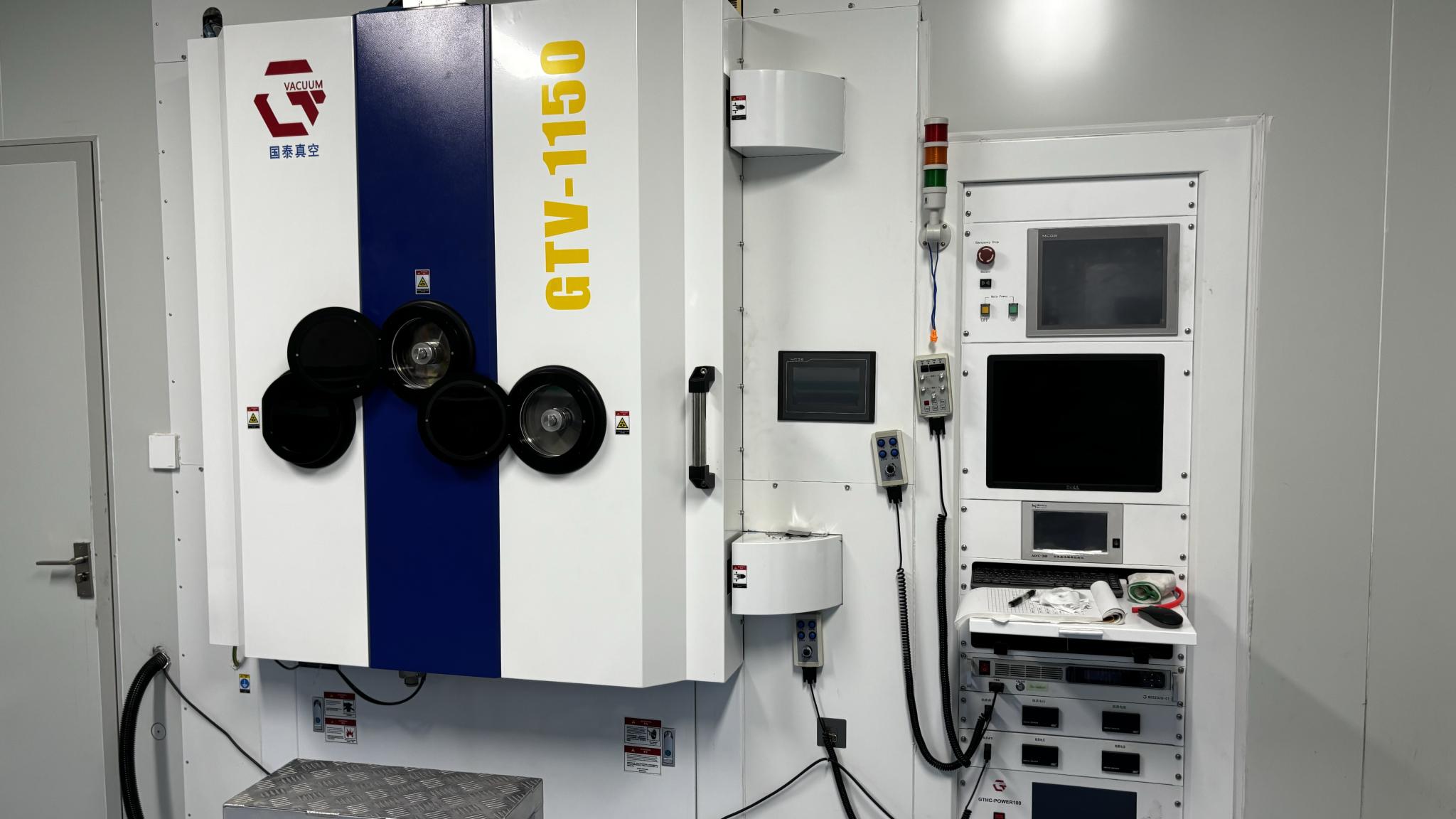
Our state-of-the-art testing laboratories and automated production areas guarantee compliance with telecom, industrial, and enterprise standards:

 FiberNova