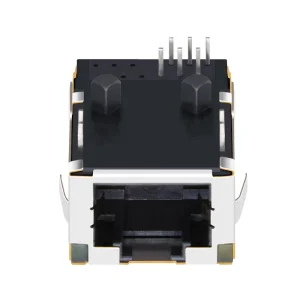
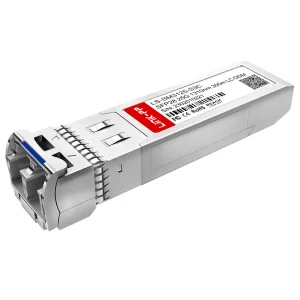
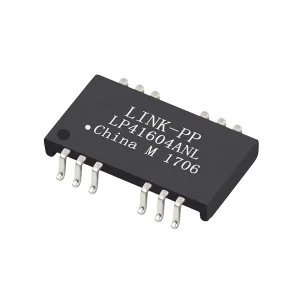
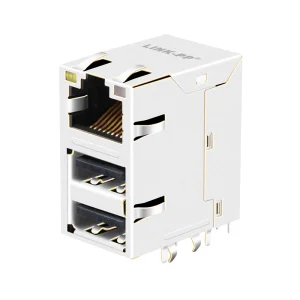
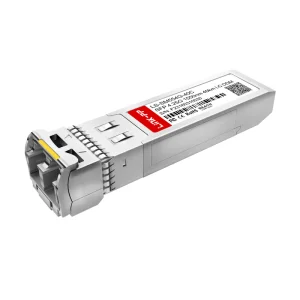
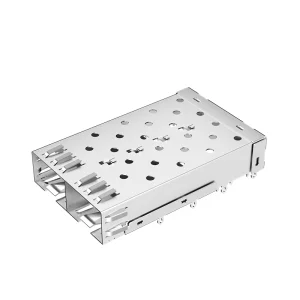
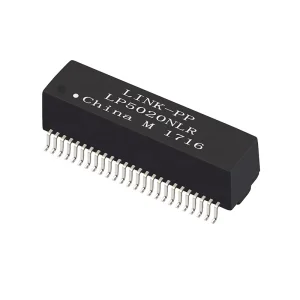
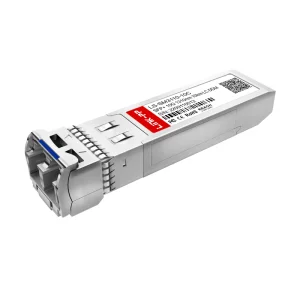
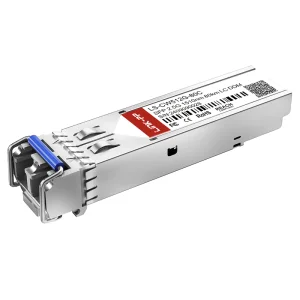
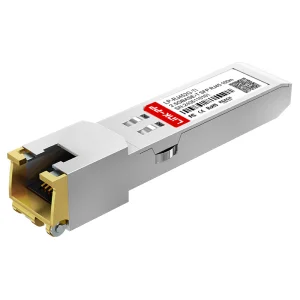
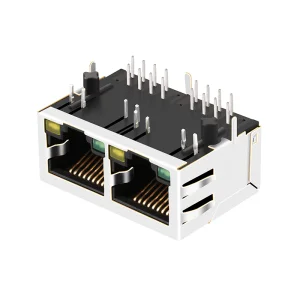
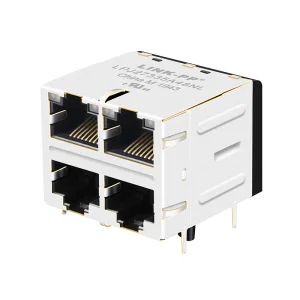
High-reliability modular components engineered to optimize signal path performance and reduce electromagnetic interference.
An in-depth analysis of how legacy copper infrastructure adapts to modern hybrid communication frameworks.
The standard RJ11 interface, historically utilized for analog voice lines, has undergone massive material upgrades. Modern requirements dictate higher insulation ratings and advanced thermoplastic housings to withstand hostile environmental conditions.
Globally, telecom standards are merging with utility smart grids. RJ11 jacks are increasingly integrated into smart gas and electricity meters, serving as robust, low-maintenance local serial bus interfaces for manual maintenance and diagnostics.
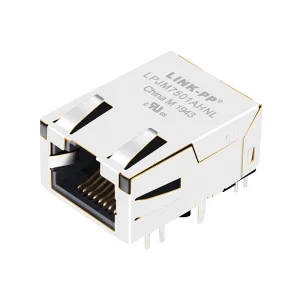
As modern workplaces install high-frequency equipment, electromagnetic interference (EMI) degrades low-voltage signal lines. Shielded RJ11 variants with integrated metallic shells prevent crosstalk, preserving signal integrity across industrial sites.
As Fiber-to-the-Home (FTTH) and high-speed data networks replace copper trunk lines, the demand for localized copper termination endpoints remains persistent. Legacy telephone equipment, emergency elevator lines, security alarm panels, and automated POS systems rely heavily on RJ11 interfaces.
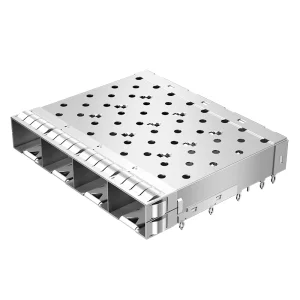
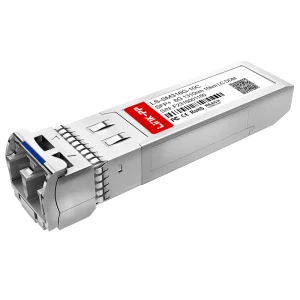
China's component manufacturers have transformed production methodologies to build hybrid connectors. Combining RJ11 structures within RJ45 frameworks or developing combined SFP-to-RJ11 interfaces ensures that state-of-the-art optical networks interface seamlessly with existing customer premises equipment (CPE).
How system integrators and distributors mitigate risk, evaluate tolerances, and select Tier-1 connectors.
The standard procurement pitfall is surface corrosion. Global buyers require precise engineering documentation showing phosphor bronze contacts plated with 3u", 15u", 30u", or 50u" of gold over nickel layers, preventing mechanical friction wear and oxidation in humid environments.
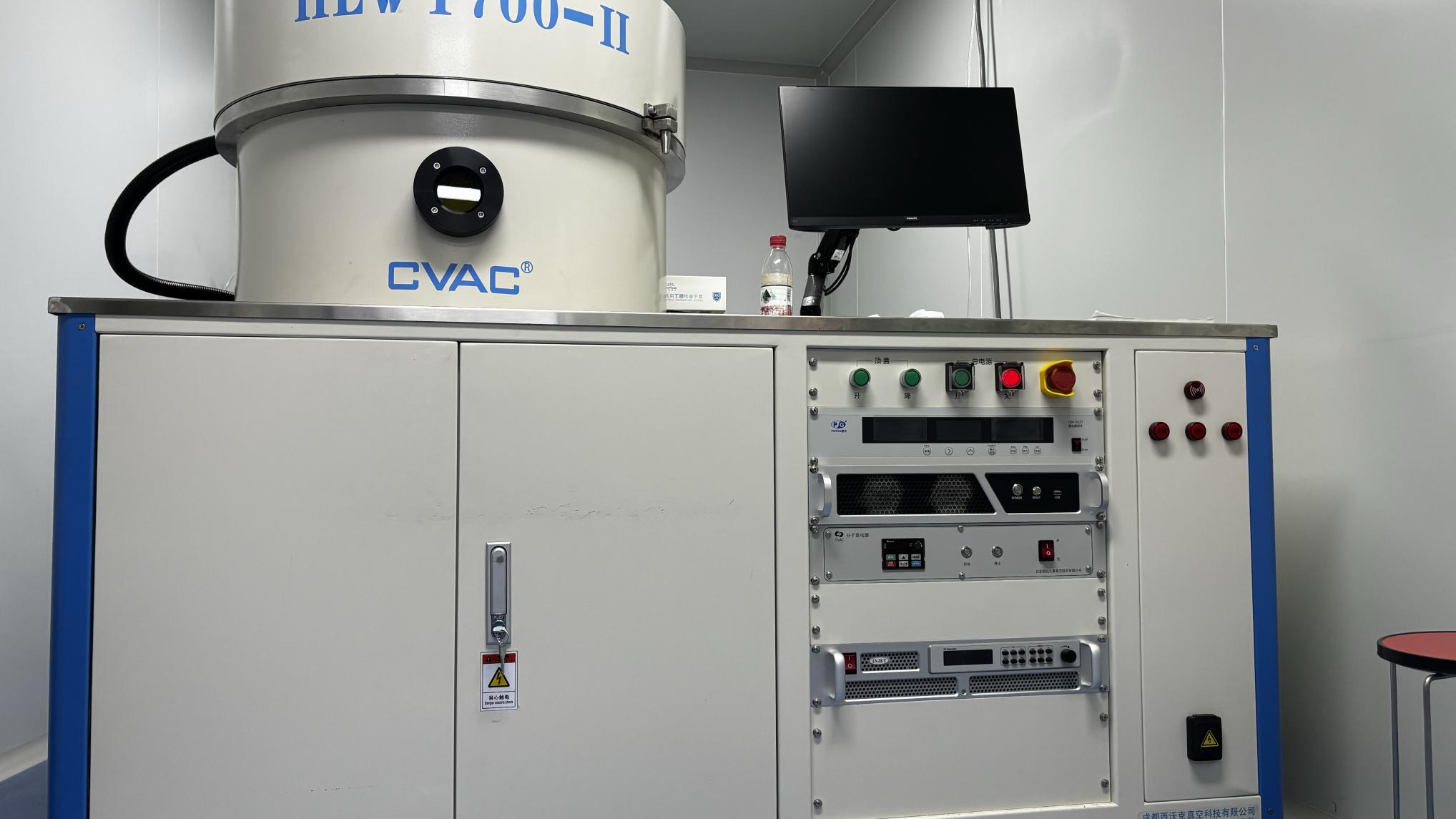
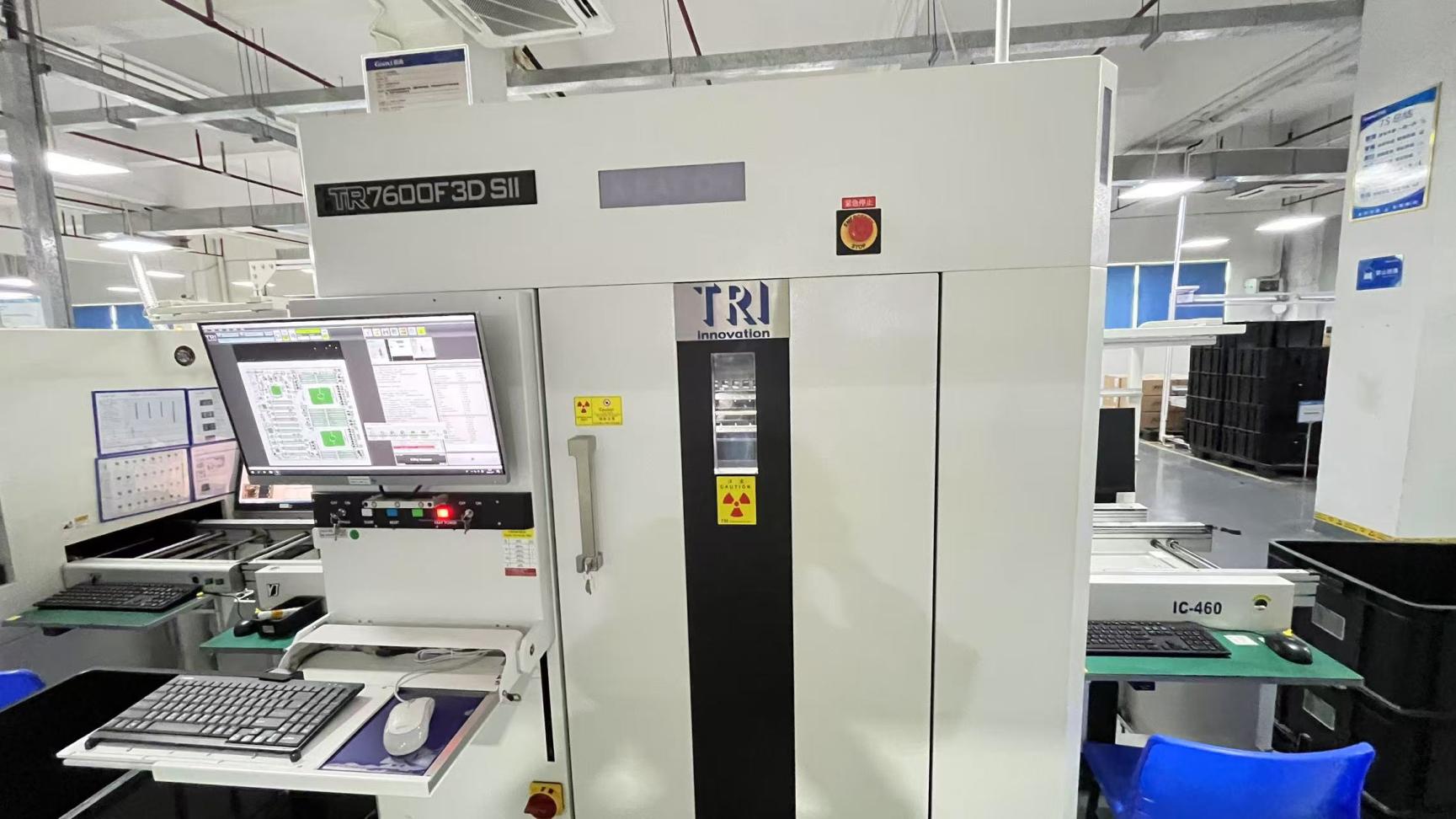
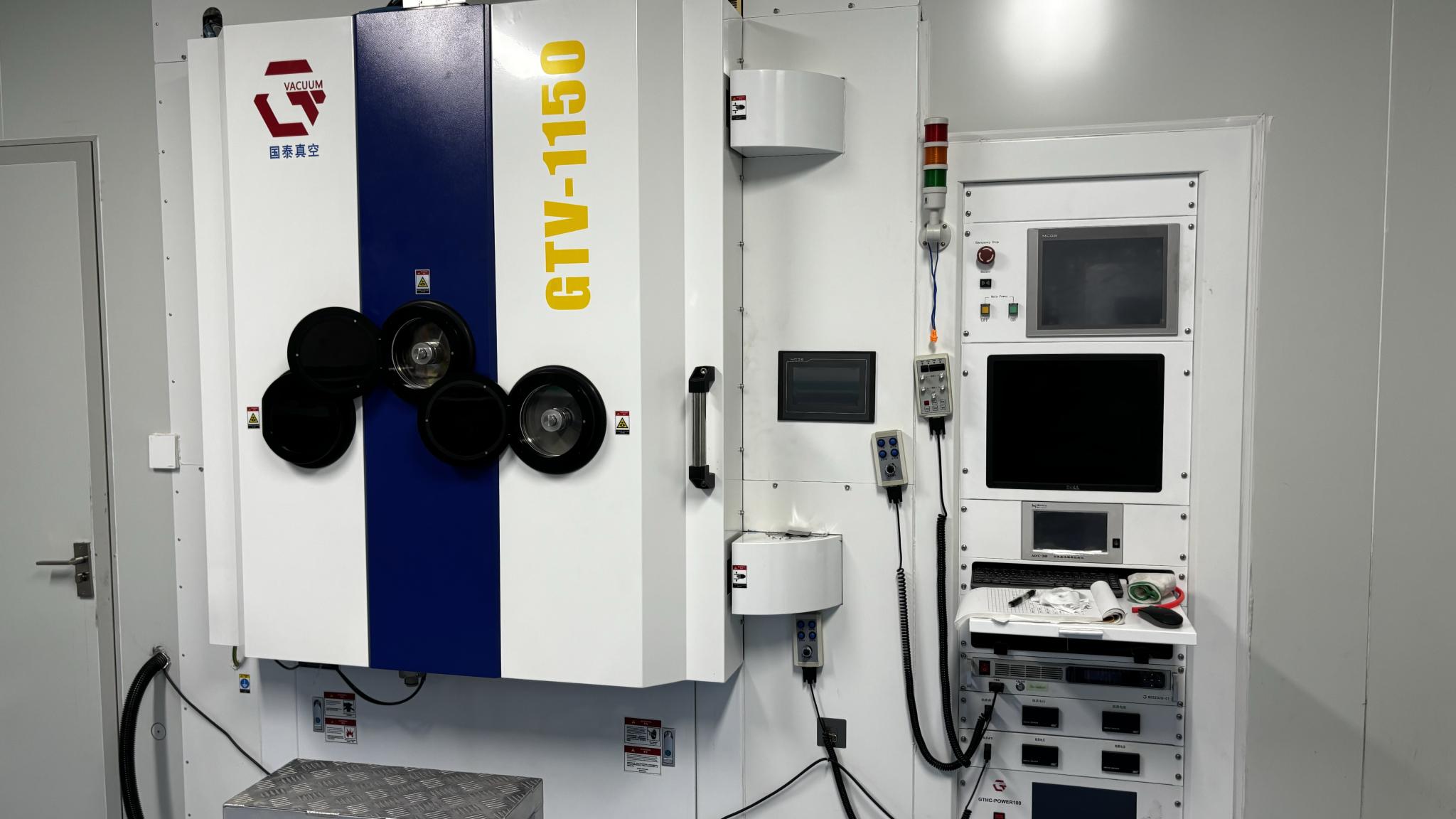
To access markets in North America and Western Europe, component materials must strictly adhere to RoHS, REACH, and UL94V-0 flammability ratings. Advanced manufacturers deploy X-Ray fluorescence (XRF) testing at raw material entry to prevent heavy metal contamination.
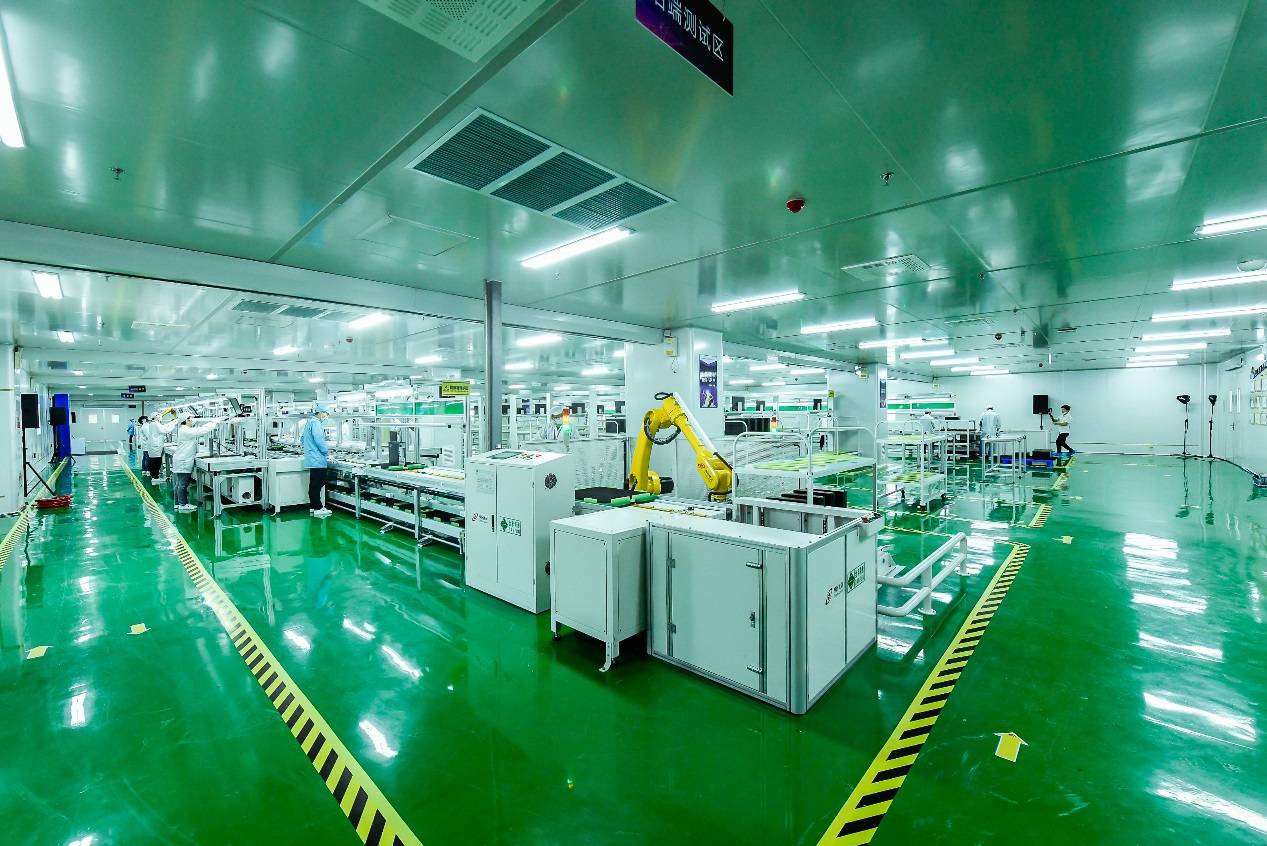
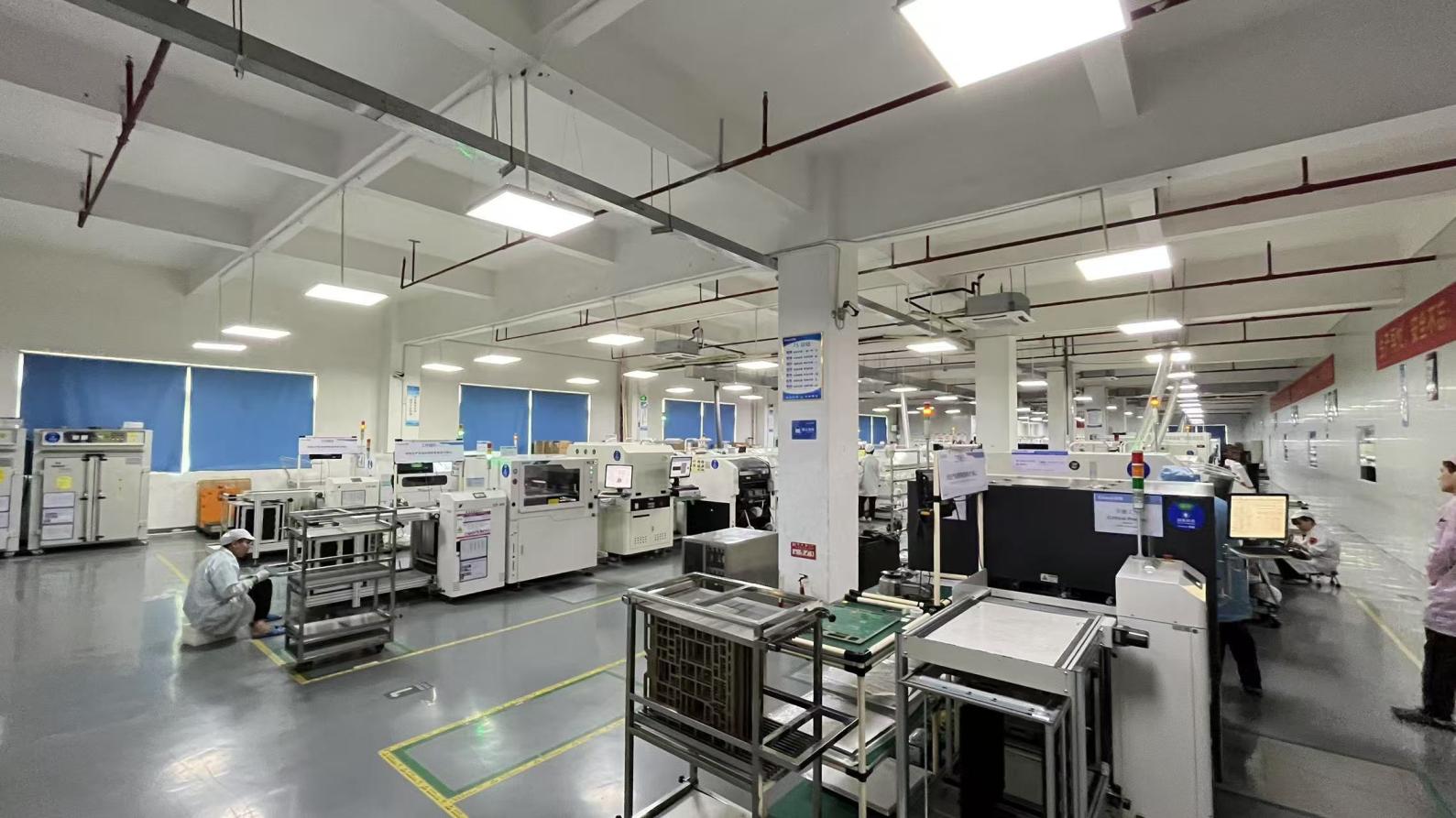
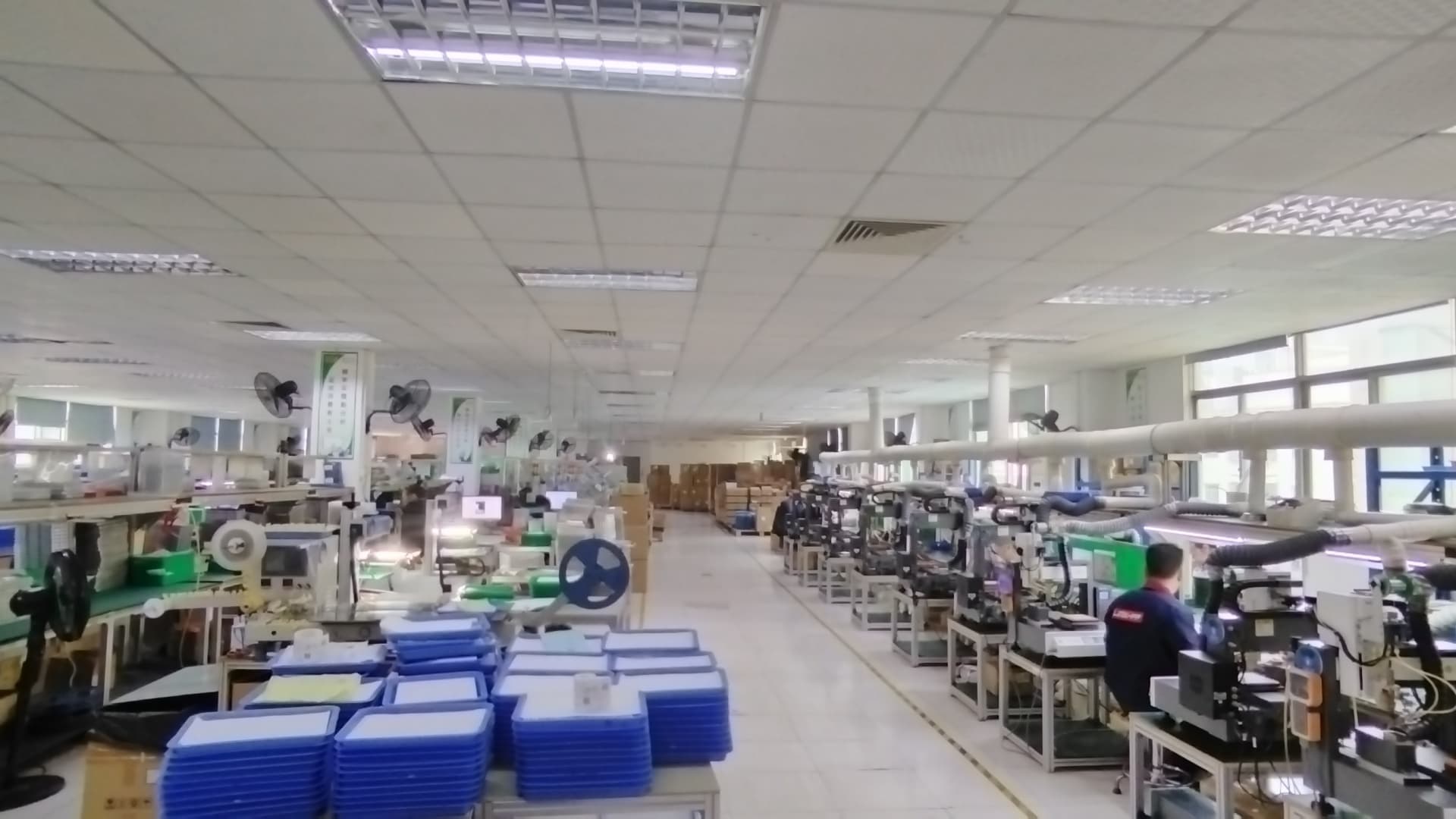
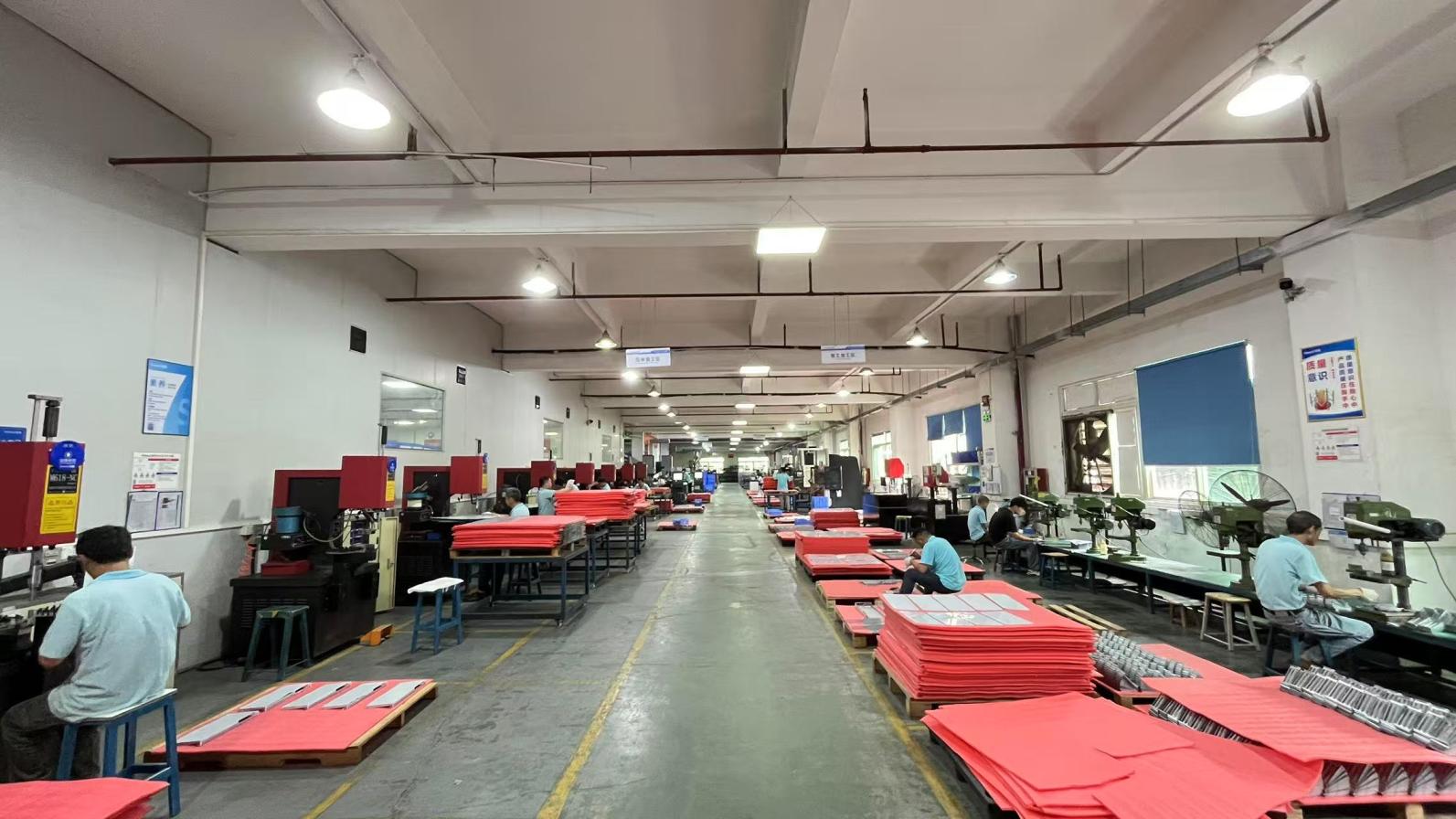
Modern electrical interconnect assembly lines cannot rely on manual labor if they are to maintain zero-ppm defect rates. In our production facilities, automation plays a central role. High-speed, multi-slide stamping machines compress production times for contact terminals while maintaining tolerances to within microns.
By using automated optical inspection (AOI) systems, every batch of RJ11 connectors undergoes real-time visual inspection. We monitor housing mold alignment, pin positioning, and gold-plating thickness uniformity. This structural precision guarantees that when our connectors are deployed in large-scale telecom infrastructures, insertion losses remain minimal and mechanical longevity is maximized.
Engineered for legacy PSTN installations, alarm lines, DSL splitters, and custom telecommunications patch panel configurations globally.
Rigorous environmental testing simulates decades of wear, extreme temperature fluctuations, and exposure to airborne industrial pollutants.
100% electrical continuity, dielectric strength, and contact resistance metrics validation prior to global packaging and shipping logistics.
Global Supplier Profile, R&D Strengths, and Production Infrastructure Capabilities
FiberNova Optical Communication Tech Co., Ltd. (FiberNovaTransceivers.com) is a professional optical transceiver manufacturer established in 2016, with a modern production facility covering approximately 380㎡. The company focuses on high-speed optical communication solutions, serving global data center and telecom customers with stable, high-performance products.
With over 6 years of export experience and 12 years of industry expertise, FiberNova has developed strong capabilities in R&D, manufacturing, and international trade. The company achieves an annual export revenue of approximately USD 8–15 million, supplying customers across North America, Europe, Southeast Asia, and the Middle East.
FiberNova operates with a strict quality control system, including 100% optical performance testing, temperature cycling tests, and signal integrity inspection before shipment. The quality assurance team consists of around 45 professional QC staff, ensuring every transceiver meets international standards such as IEEE and MSA compatibility requirements.
The company maintains a solid trade background with experienced export teams handling OEM and ODM projects worldwide. Its main markets include the United States, Germany, Japan, South Korea, and the United Arab Emirates. FiberNova has established long-term partnerships with more than 1,200 supply chain partners, enabling stable procurement of chips, lasers, and optical components.
FiberNova serves a wide range of clients, including telecom operators, cloud service providers, data center integrators, and network equipment distributors. The company has strong R&D capabilities, supported by 65 engineers, focusing on high-speed transmission technologies such as 10G, 25G, 100G, 400G, and 800G optical modules.
Customization is fully supported, including wavelength tuning, protocol compatibility, housing design, and labeling services. In the past year, FiberNova launched approximately 120 new products, continuously expanding its portfolio to meet fast-changing market demands.
Detailed insights to streamline decision-making for components and transceivers.
Advanced optical transceivers and discrete filter modules designed for high-throughput telecommunication networks.
 FiberNova