Explore our leading catalog of optical transceivers, telecom network transformers, and custom magnetic RJ45 interface modules engineered for mission-critical networking environments.
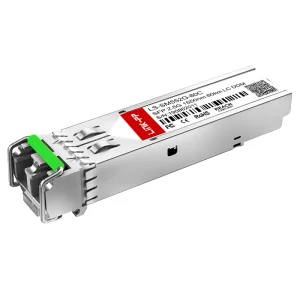
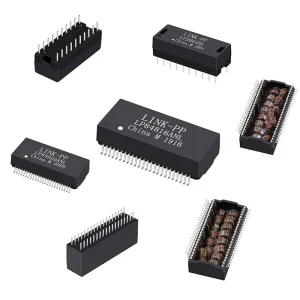
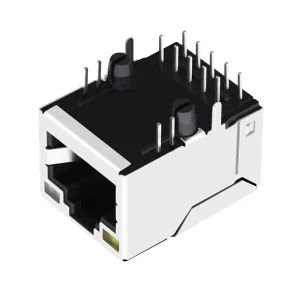
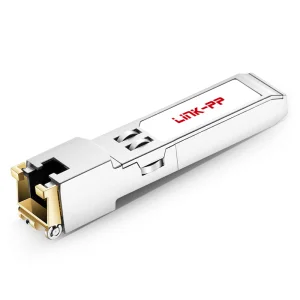
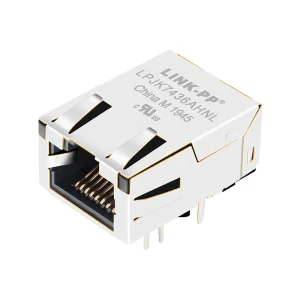
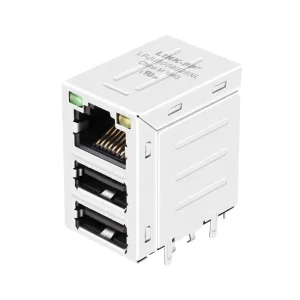
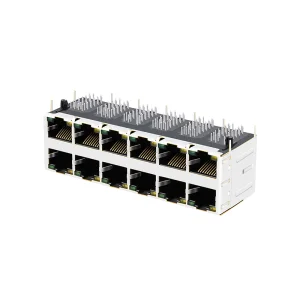
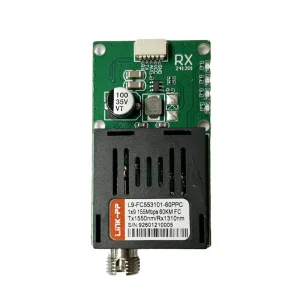
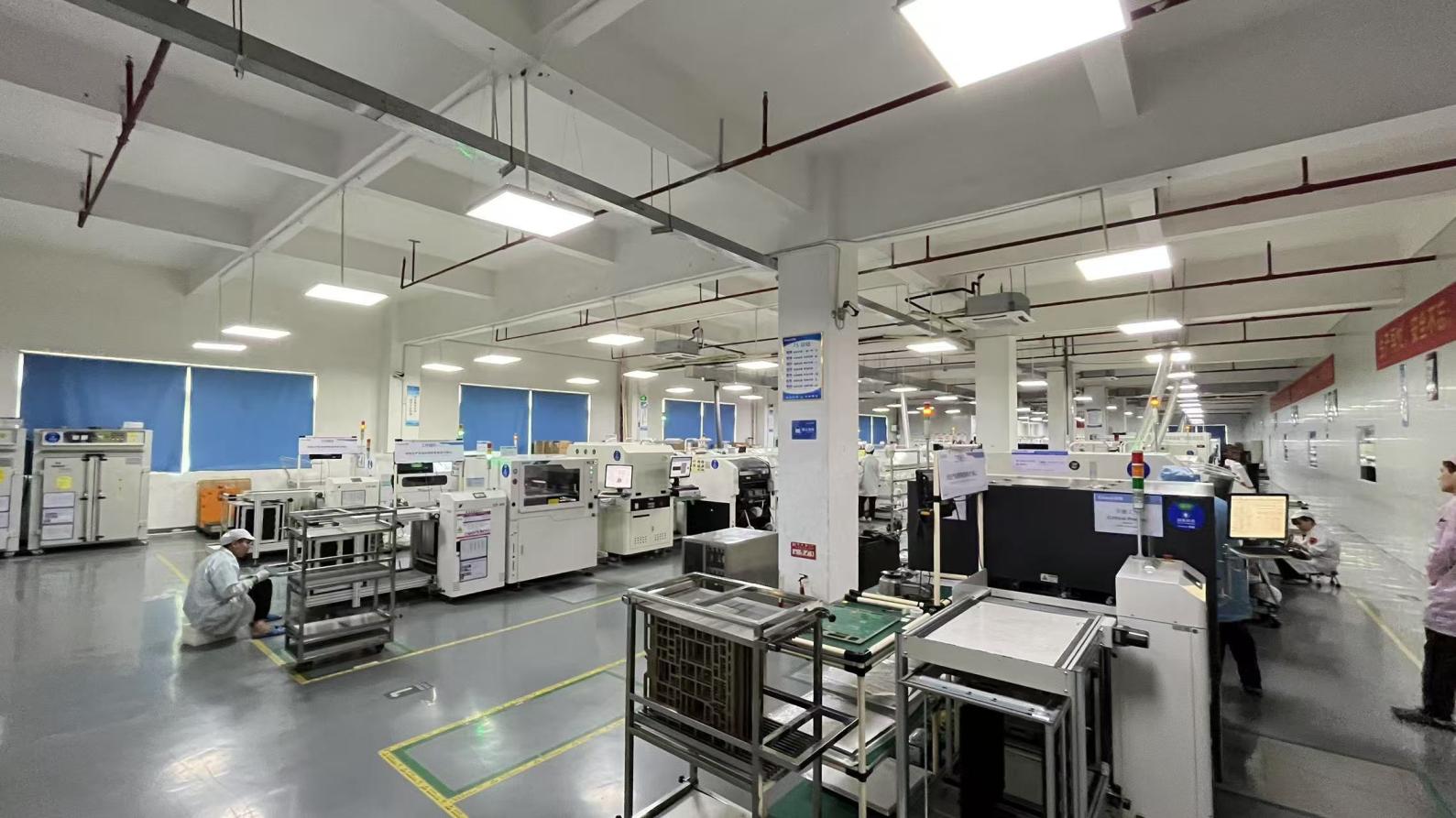
Established in 2016, FiberNova (FiberNovaTransceivers.com) has positioned itself as an industry-leading optical transceiver and high-speed interconnect manufacturer. Operating a modern production facility covering approximately 380㎡, we specialize in high-speed optical communication solutions serving global data center and telecom clients with stable, high-performance physical layer connectivity systems.
By integrating 6 years of export expertise and over 12 years of core industry experience, our engineers bridge the gap between design complexity and scalable manufacturing. Our global presence is represented by an annual export revenue of USD 8–15 million, supplying certified network hardware to Tier-1 infrastructure markets across North America, Europe, Southeast Asia, and the Middle East.
A technical assessment of physical copper interfaces and optical adapter architectures across global enterprise and carrier systems.
Modern enterprise networks rely on CE-certified RJ45 to Ethernet adapters and transceiver modules to handle interface conversion with minimal signal degradation. Procuring teams in the United States, Germany, Japan, and the UAE demand CE compliance, verifying electromagnetic compatibility (EMC) and low electrical emission profiles under IEEE 802.3 standards.
Carrier networks utilize hybrid copper-to-fiber distribution points. Interfacing SFP/SGMII transceivers with copper-based Ethernet drops requires magnetic RJ45 connectors featuring integrated impedance matching and telecom-grade transformers (like our HST-48006SR series) to shield ICs from line surges.
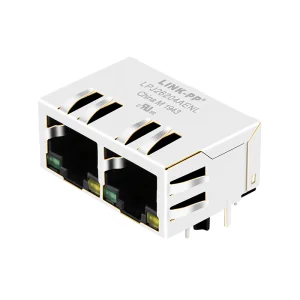
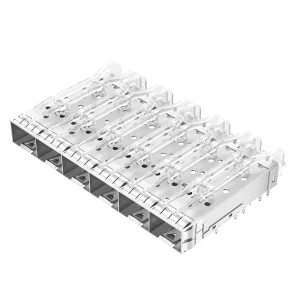
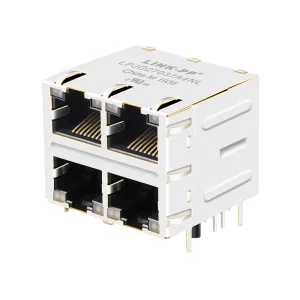
High-density racks are vulnerable to cross-talk. Our press-fit cages, stacked 2x6 ports, and RJ45 modules incorporate integrated EMI ground tabs and copper shielding, protecting high-frequency signals up to 10G and 100G configurations from external noise.
The progression of interface modules from standard copper physical layers to hybrid optical transceivers.
Stabilizing 1.25G to 2.5G transceivers and standard 100Base-T magnetic RJ45 connectors. Focus was on establishing baseline electrical isolation and simple EMI control.
Introduction of 10G SFP+ copper transceivers and high-density multi-port stacked RJ45 connectors. Implemented advanced temperature cycling tests and automated optical inspection.
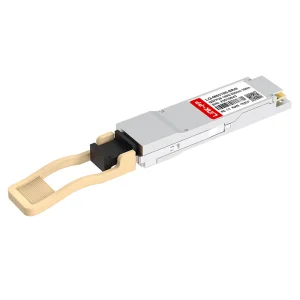
Launched 100G QSFP28 modules alongside complex magnetic modules supporting PoE++ (Power over Ethernet). Developed our active network of 1,200+ raw component supply partners.
Designing next-generation silicon photonics architectures, 800G optical interfaces, and highly integrated RJ45/USB combos engineered to optimize system power efficiency.
Within modern local area networks (LANs) and metropolitan networks (MANs), the physical interface plays a vital role in managing latency, preventing return loss, and mitigating electromagnetic interference (EMI). The standard RJ45 connector, when engineered for high-speed transmission (such as Gigabit and 10-Gigabit Ethernet), operates beyond a basic mechanical connection. It functions as a complex, tuned transmission line where impedance matching and magnetic isolation are necessary to prevent packet loss.
To understand the function of adapters and network interface cards, we must look at the isolation transformer. Under IEEE 802.3 requirements, galvanic isolation of at least 1500V AC is necessary to protect sensitive semiconductor chips (such as physical layer transceivers or PHYs) from common-mode voltages, static discharges, and lightning surges along the copper cable.
Our telecom network transformers (e.g., the HST-48006SR and HST-48029SCR series) utilize precise toroidal cores wound with high-permeability magnetic wire. This setup establishes magnetic coupling that passes differential data signals while blocking high-frequency common-mode noise. Without this magnetic isolation, high-frequency signals attenuate over longer cable runs, resulting in packet corruption and lower network throughput.
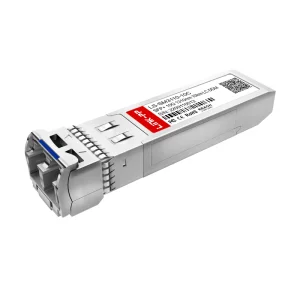
For systems bridging copper infrastructure with fiber-optic switches, SGMII (Serial Gigabit Media Independent Interface) copper SFP modules serve as a key conversion layer. These transceivers pack a media converter, PHY, and transformer into a hot-pluggable SFP metal cage.
The system relies on converting the SGMII host interface (which uses low-voltage differential signaling) to the 1000Base-T physical copper interface. This conversion requires careful thermal management, as copper SFP modules generate more heat than optical transceivers due to the DSPs running the line-side equalization algorithms. FiberNova's R&D team implements thermal dissipation pathways in our copper SFP transceivers, enabling reliable operation across extended commercial and industrial temperature ranges.
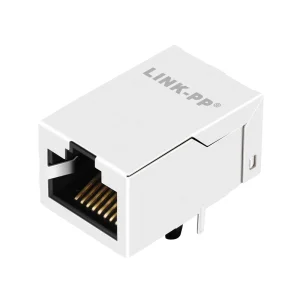
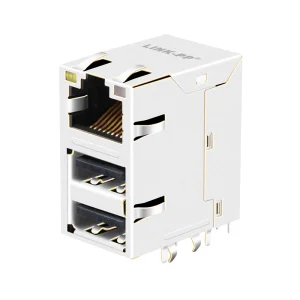
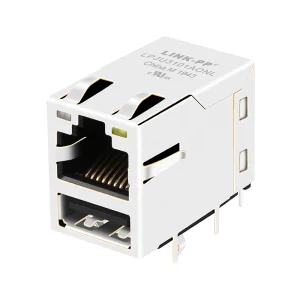
Mechanical configurations such as Tab-Up and Tab-Down, stacked designs, and integrated USB combos dictate the physical layout of network switches. Mechanical stability and contact durability are vital. Our shielded 8P8C RJ45 modular jacks feature gold plating (typically 30u" to 50u") over nickel-plated phosphor bronze contacts. This design prevents contact resistance degradation over hundreds of insertion-withdrawal cycles.
Additionally, EMI shielding tabs, or "EMI fingers," establish continuous electrical contact with the chassis frame. This path routes high-frequency electrical fields directly to ground, preventing noise from radiating outward and ensuring compliance with strict FCC and CE Class B emission standards.
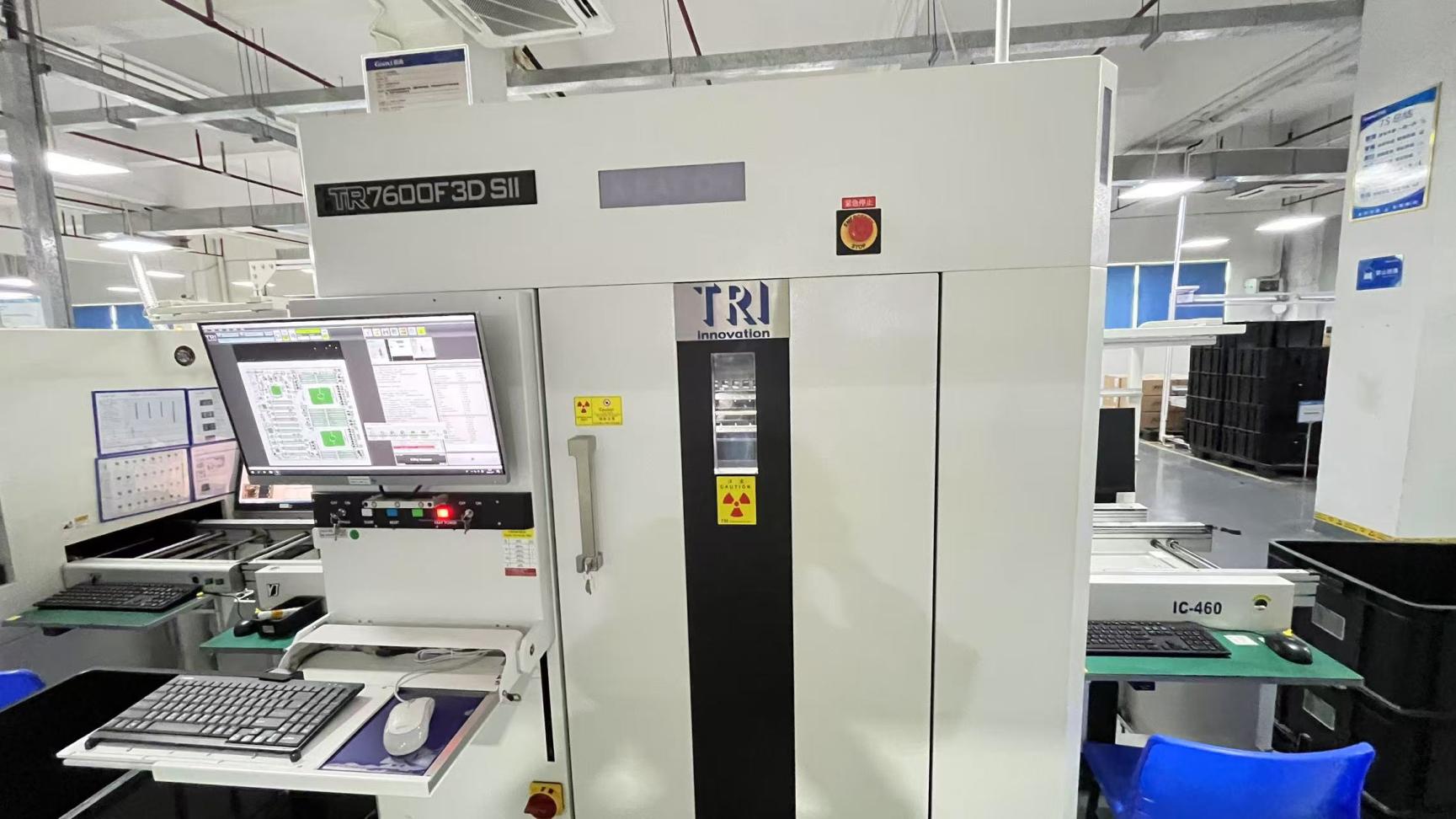
A strict quality control pipeline is necessary to maintain signal integrity in large-scale networking hardware deployments. At FiberNova, our 45-person QC department subjects every adapter, transformer, and transceiver to a thorough testing matrix:
Expert answers addressing the design, certification, and deployment of RJ45 adapters and transceivers.
CE certification confirms that the adapter complies with European Union safety, health, and environmental protection standards. For high-speed networking, this indicates the device meets electromagnetic compatibility (EMC) regulations, ensuring it will not emit disruptive radio frequency interference (RFI) or experience failures due to standard electrostatic discharges (ESD) present in server racks.
Internal magnetics (such as 1:1 isolation transformers and common-mode chokes) provide galvanic isolation, protect physical layer chips (PHY) from common-mode voltages and electrical surges, and filter out high-frequency EMI. This maintains signal integrity over long Ethernet cable runs (up to 100 meters) and prevents ground loops between connected systems.
The distinction lies in the physical orientation of the connector's retaining latch slot. A "Tab-Up" connector positions the latch receiver on the top edge of the jack, whereas "Tab-Down" places it on the bottom. Circuit board designers select between these orientations based on LED placement constraints, clearance height, and PCB layout preferences.
Copper SFP transceivers (1000Base-T or 10GBase-T) typically consume more power (often 1.5W to 2.5W) because of the DSP energy required to drive electrical signals over copper wires. They are limited to a maximum range of 100 meters. Optical transceivers (using single-mode or multi-mode fiber) consume less power and can transmit signals over distances ranging from 300 meters to over 80 kilometers.
We provide extensive customization services for OEM and ODM projects. This includes tailoring EEPROM firmware for compatibility with specific networking equipment, customizing LED colors in RJ45 jacks, modifying transformer winding turns ratios, designing custom housings, and applying private labels to meet our customers' exact integration needs.
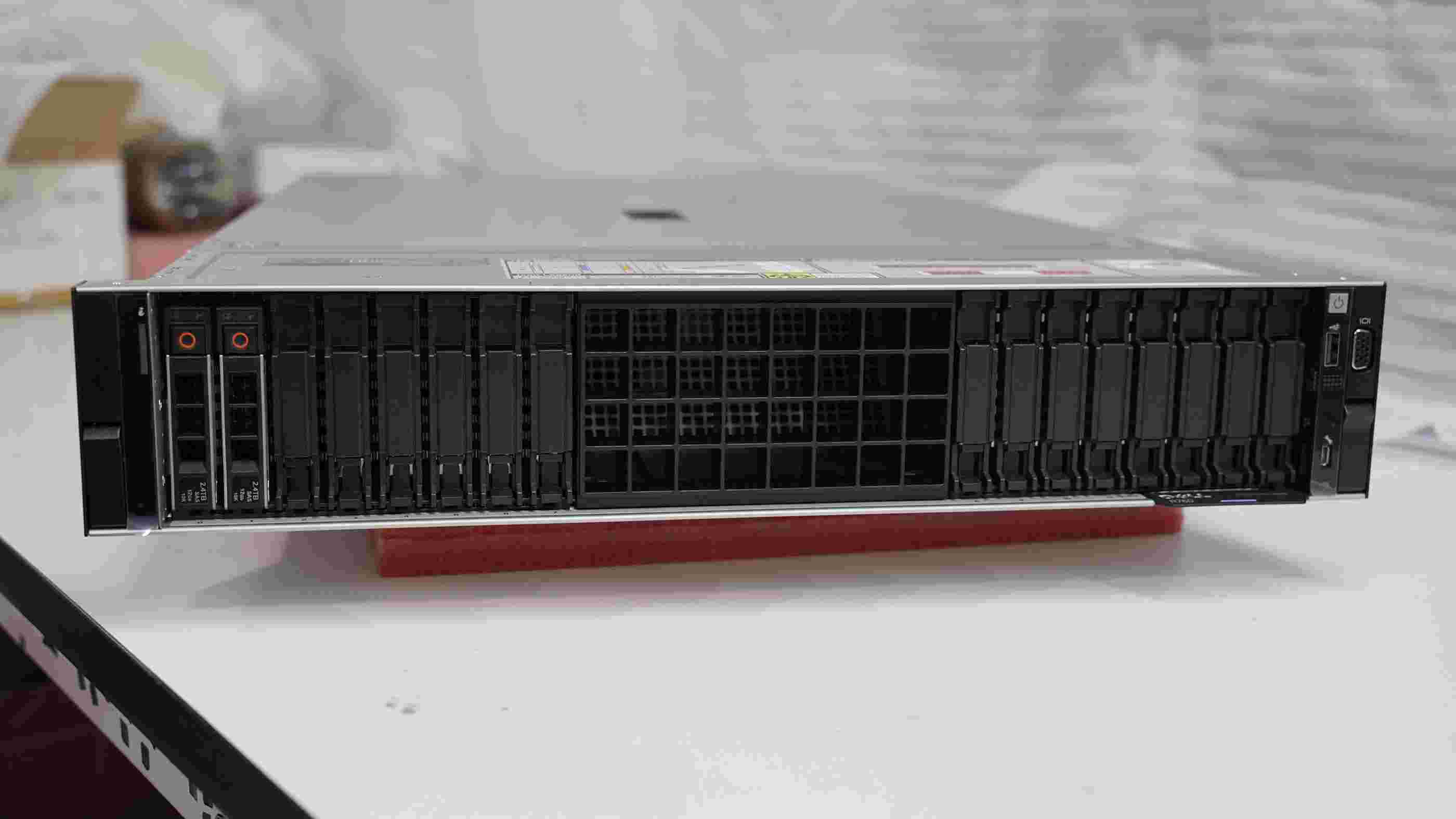
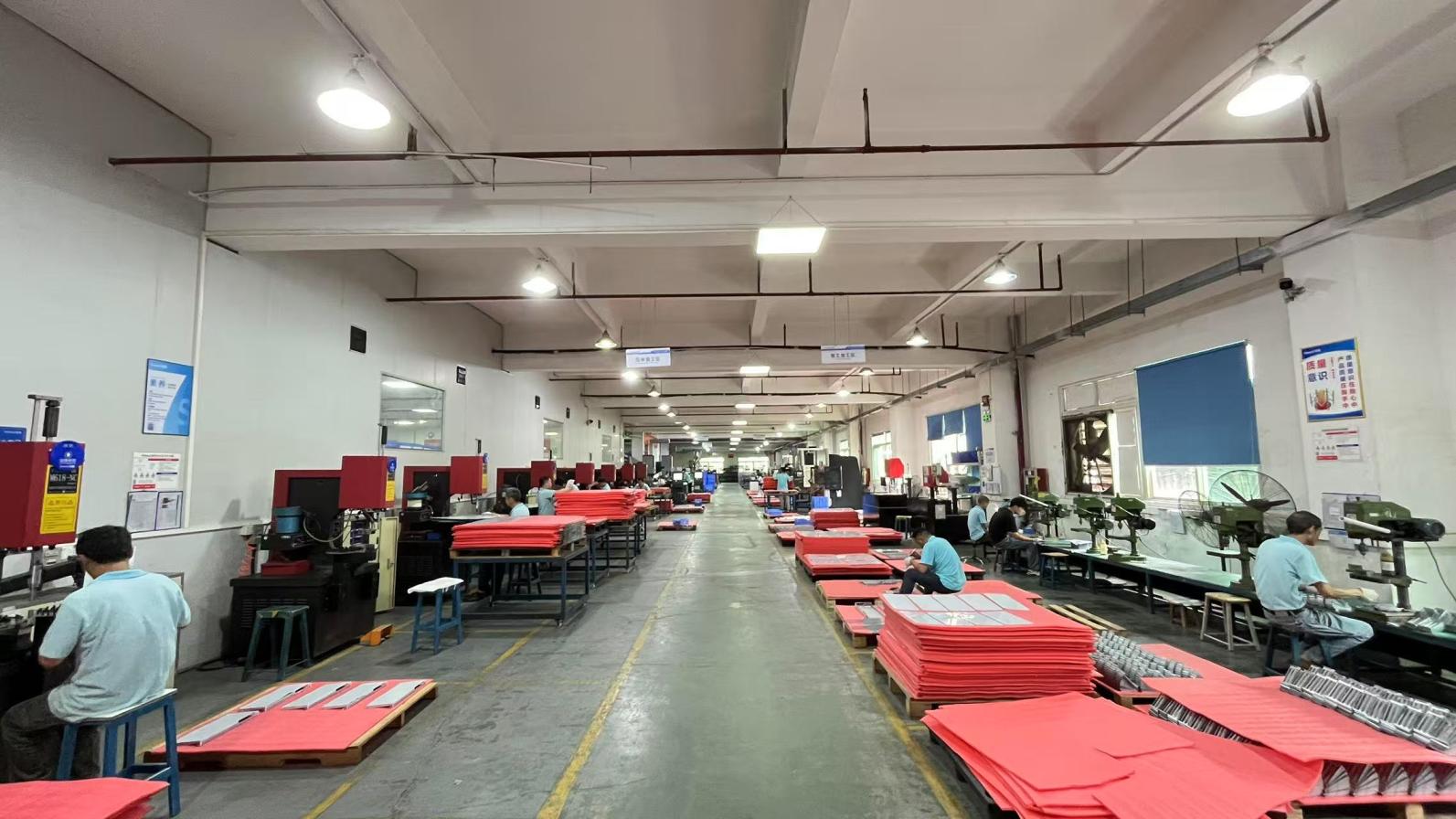
Inside FiberNova's modern production lines and testing laboratories.




Complete your deployment configurations with our high-density jacks, compatible transceivers, and EMI-shielded cage components.
 FiberNova