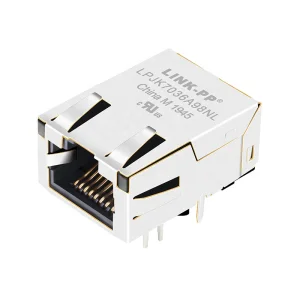
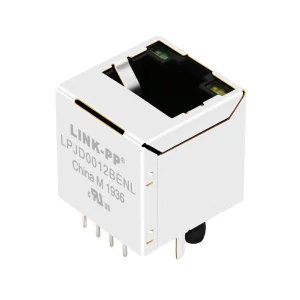
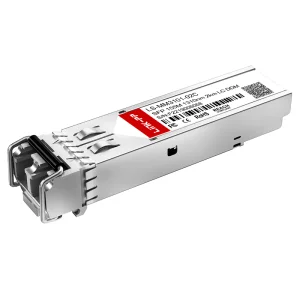
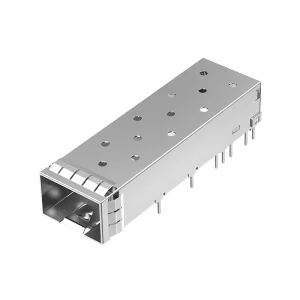
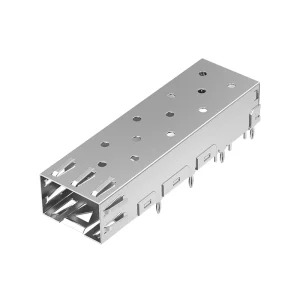
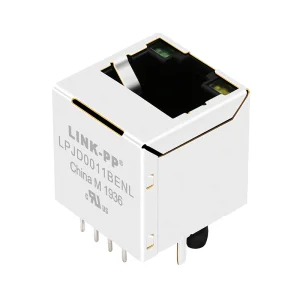
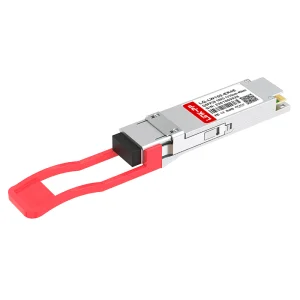
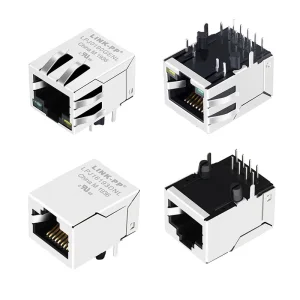
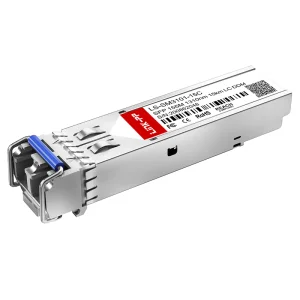
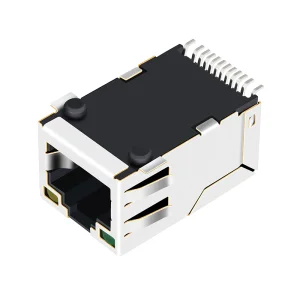
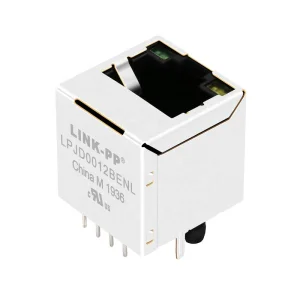
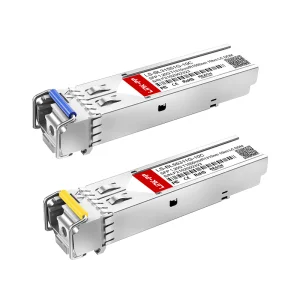
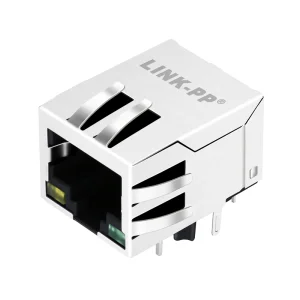
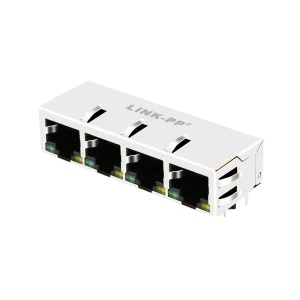
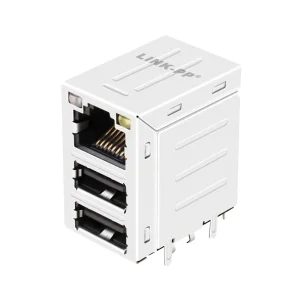
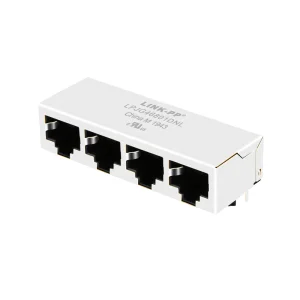
Explore our leading selection of RJ45 modular jacks, optical transceivers, and EMI-shielded cage solutions optimized for global enterprise networks.
In modern telecommunications, data centers, and industrial automation networks, copper interconnect system stability represents a critical variable for operational continuity. The RJ45 inline coupler, once viewed as a simple utility accessory, has evolved into a highly engineered hardware component. As high-speed protocols migrate from Fast Ethernet to 10GBASE-T, and further to Cat6A and Cat8 parameters, the signal integrity, return loss, and crosstalk margins of inline interconnects have become tightly defined parameters.
Specifying a reliable CE certified RJ45 inline coupler manufacturer requires an understanding of electrical design, mechanical endurance, and international compliance architectures. This whitepaper evaluates the engineering frameworks, quality control paradigms, and structural requirements that distinguish industrial-grade RJ45 couplers from standard consumer components.
Ethernet channels in manufacturing and industrial automation have historically been prone to vibration, electromagnetic interference (EMI), and ambient temperature fluctuations. While standard modular plugs are directly terminated onto horizontal cables, real-world installation requirements frequently necessitate extensions, distribution patches, or bulkhead interfaces. This is where high-integrity inline couplers are utilized.
Industry Engineering Expertise
EMC & LVD Quality Tested
Supply Chain Partners Globally
Annual Global Export Revenue
CE Certification serves as a declaration that a product complies with the safety, health, and environmental protection requirements of the European Economic Area (EEA). For electrical components such as RJ45 inline couplers, connectors, and transceivers, this compliance relies on three primary legislative directives:
| Directive | Technical Focus Areas | Critical Compliance Criteria for RJ45 Components |
|---|---|---|
| RoHS Directive (2011/65/EU) | Restriction of Hazardous Substances | Lead, Mercury, Cadmium, and PBBs within plastics and solder points must remain below defined PPM thresholds. |
| EMC Directive (2014/30/EU) | Electromagnetic Compatibility | Ensures shielding performance prevents EMI emissions and maintains immunity to ambient field disruptions. |
| LVD Directive (2014/35/EU) | Low Voltage Equipment Safety | Evaluates insulation resistance, dielectric strength, and heat dissipation tolerances under sustained high PoE current loads. |
A certified manufacturer must execute verification testing, utilizing tools such as Network Analyzers (for insertion loss/NEXT validation) and environmental chambers. This guarantees compliance not only in design documents, but across high-volume production lots.
Enterprise procurement teams in North America, Western Europe, and Japan look beyond unit pricing. They analyze total cost of ownership (TCO) and risk mitigation across three main areas:
Discover how FiberNova integrates optical and copper expertise to deliver certified, high-performance components globally.
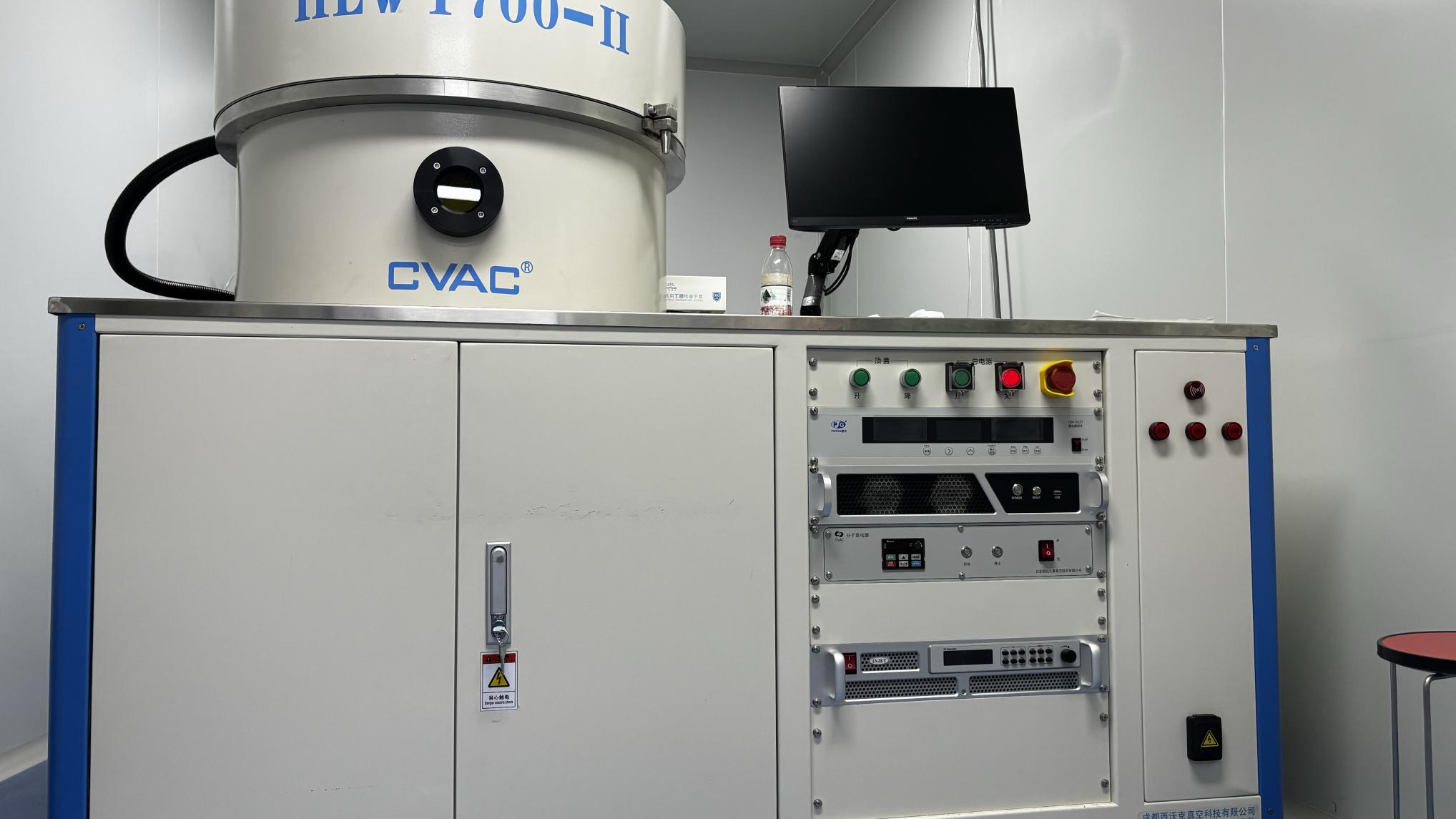
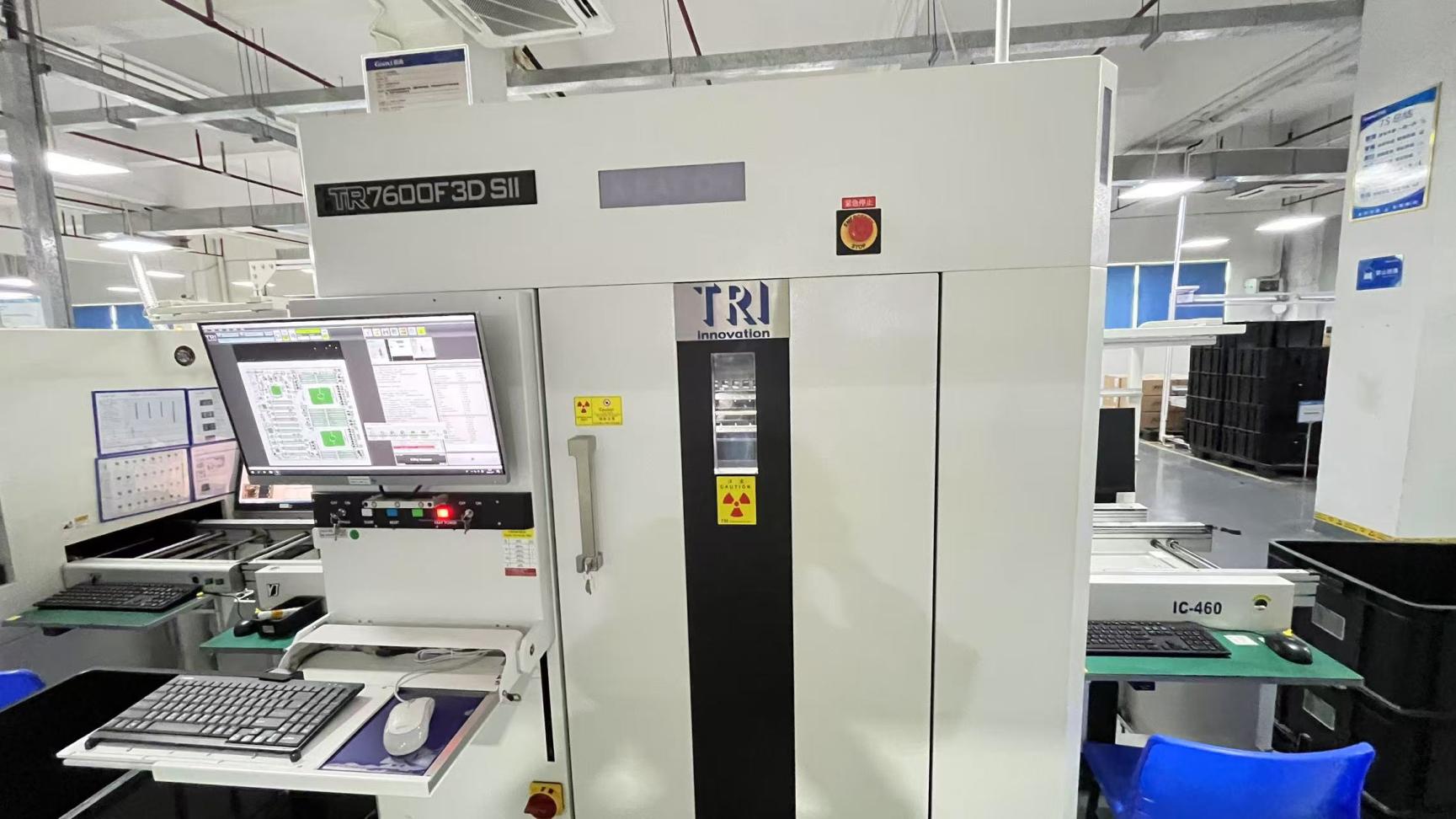
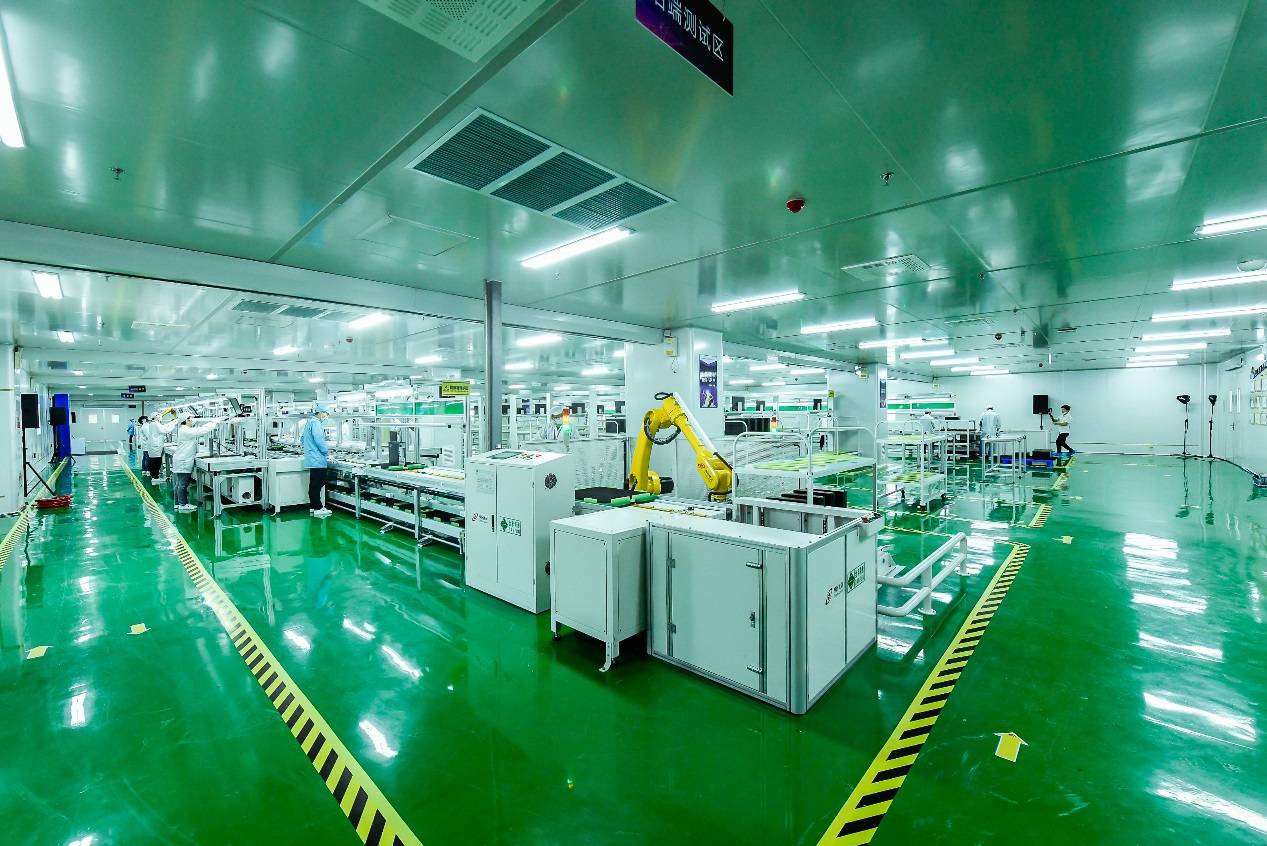
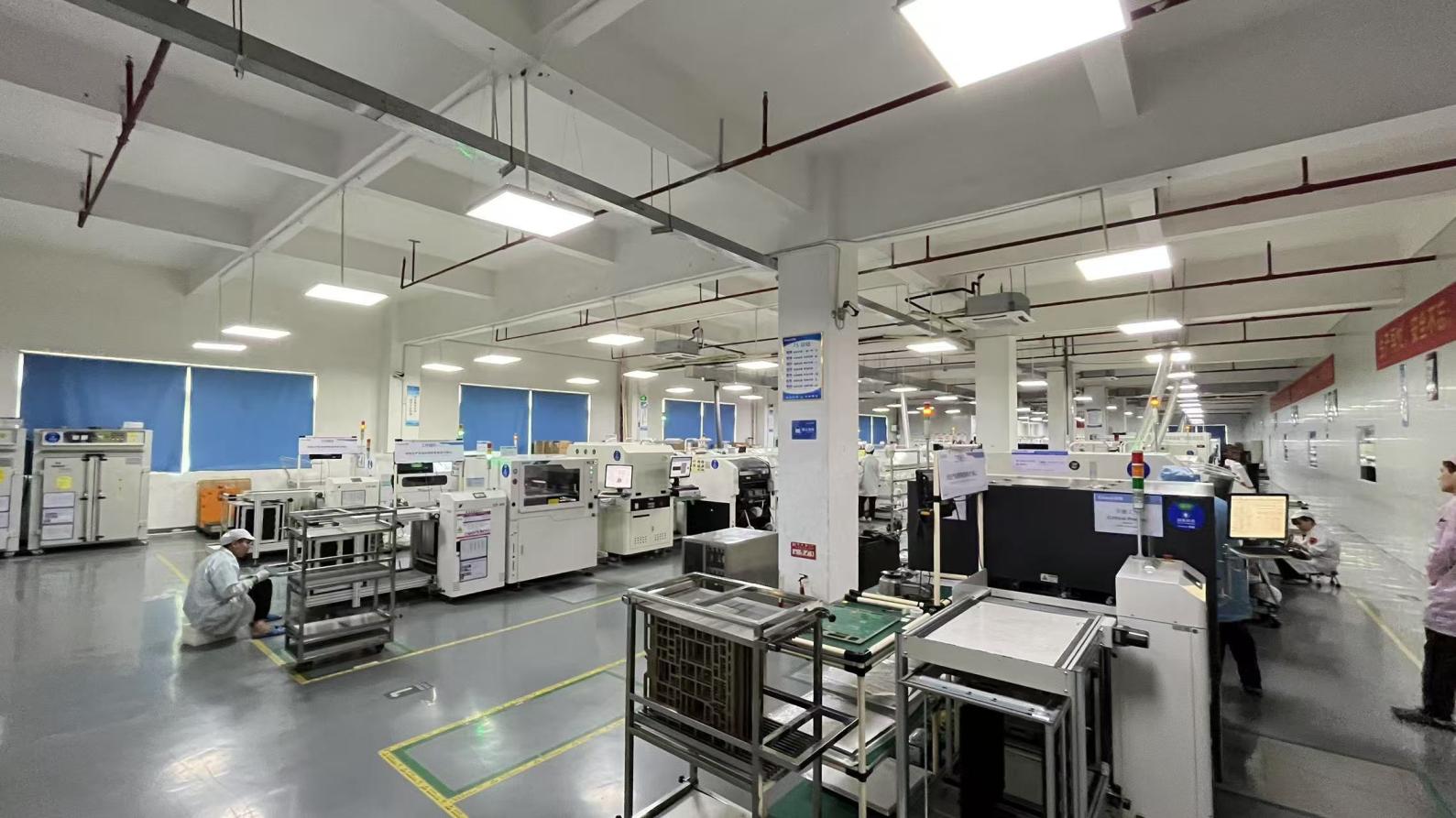
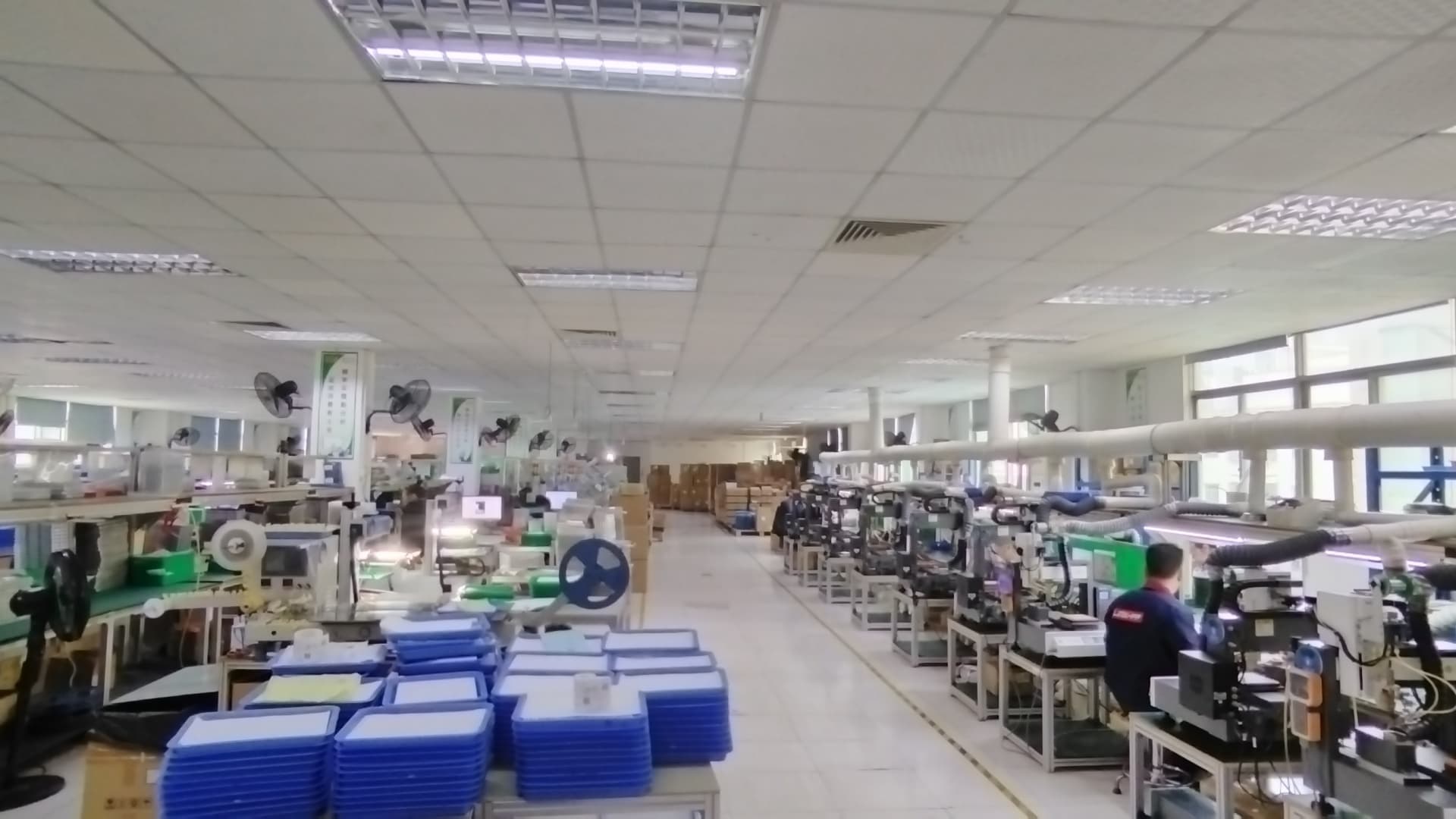
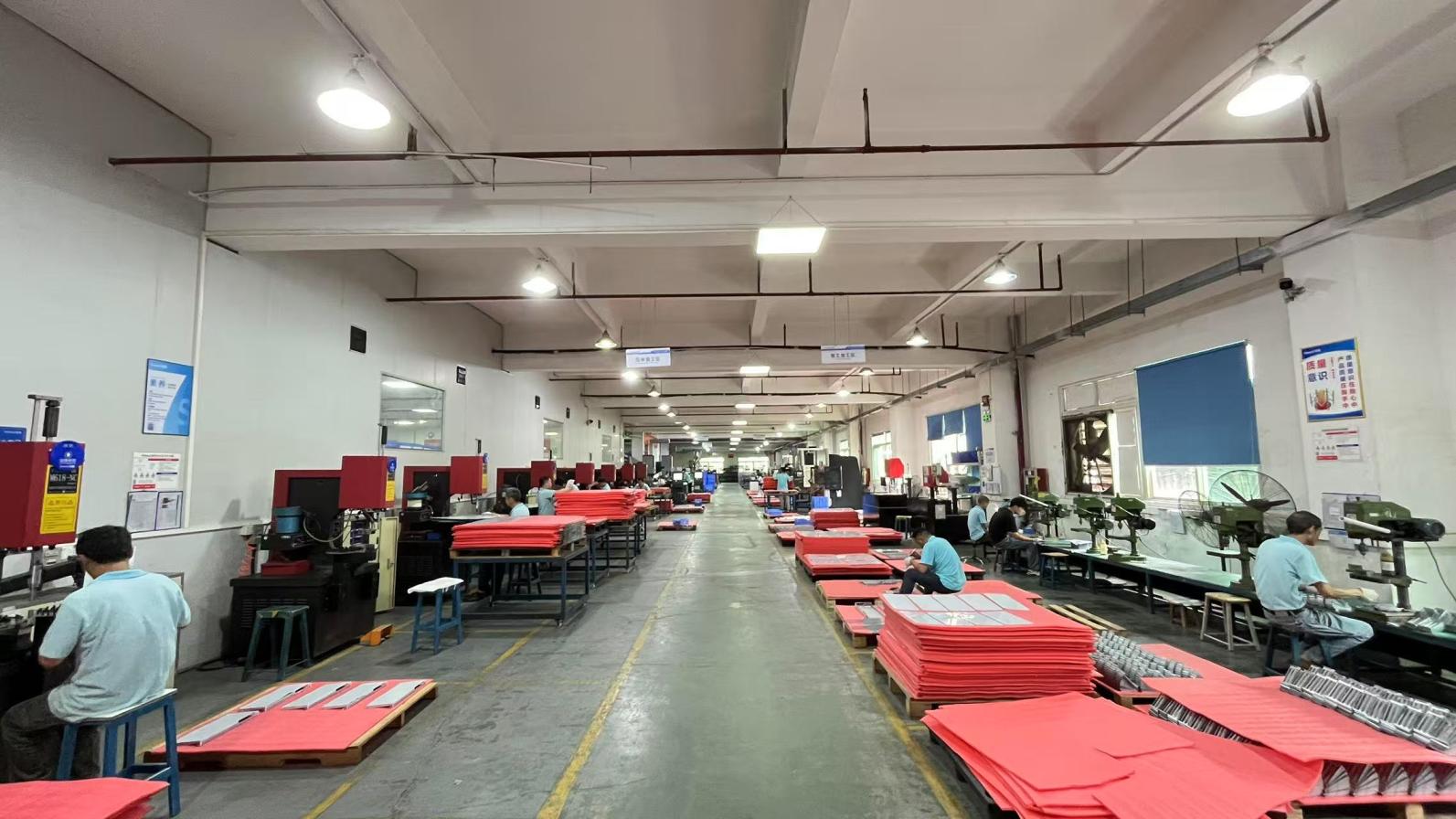
Our manufacturing utilizes automated assembly, visual inspection systems, and integrated ERP supply chain monitoring to secure components and ensure stable, high-yield production.
Backed by 12 years of industry experience and 45 dedicated QC staff, we perform 100% optical performance testing, temperature cycling, and signal integrity inspection before shipment.
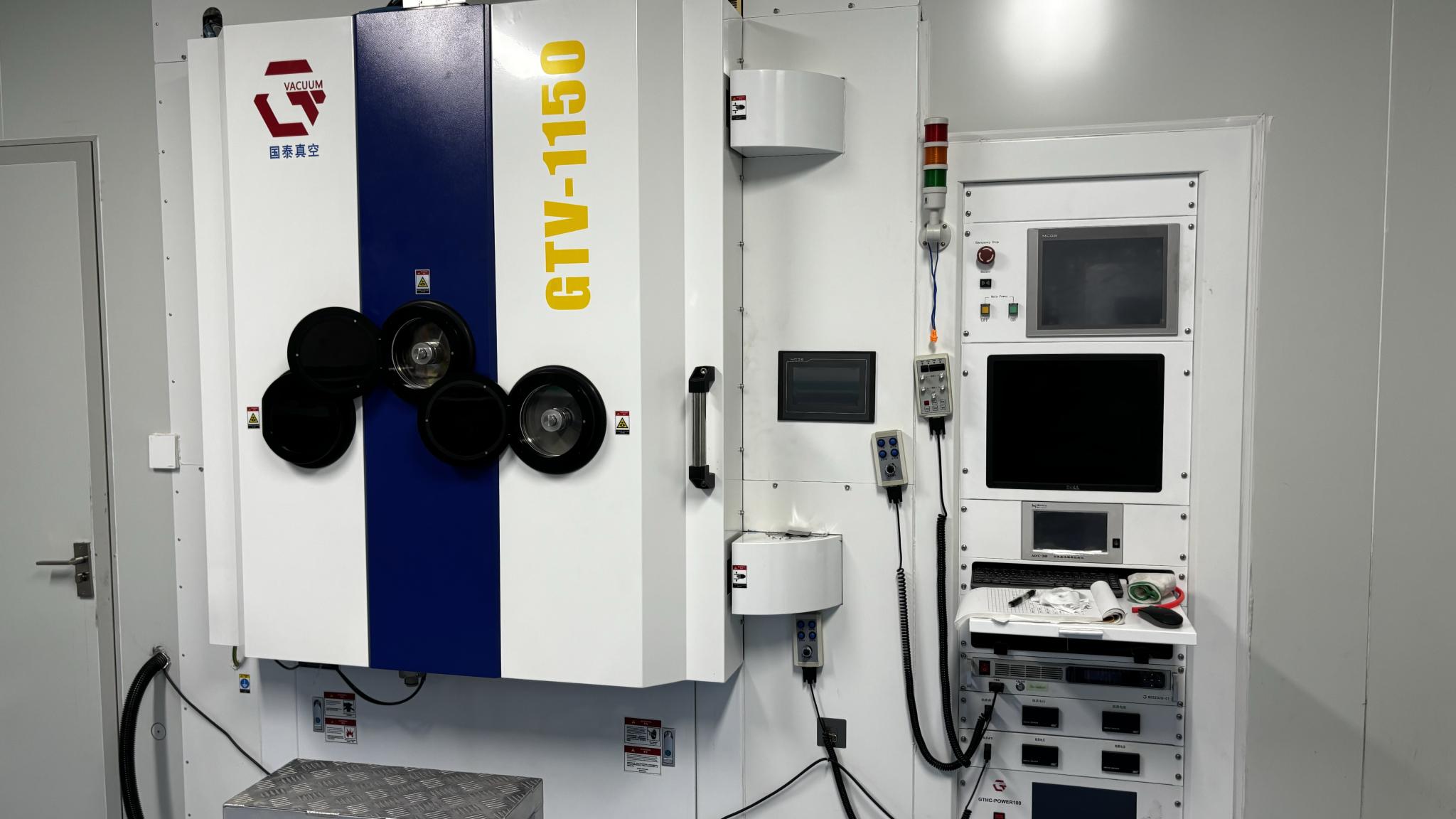
Supported by 65 engineers, our labs continuously develop high-speed transmission tech (10G to 800G) and customized hardware housings for demanding telecom operators and data centers.
The global interconnect industry relies on Chinese manufacturing infrastructure for its scaling capabilities, cost efficiencies, and technical quality. The adoption of Factory 4.0 principles across Chinese operations has transformed production environments from high-labor factories into automated centers of precision engineering.
Key pillars of this modern manufacturing infrastructure include:
RJ45 inline couplers are deployed across a variety of demanding network environments, each requiring distinct physical and electrical properties:
Deployed in outdoor enclosures and micro-data centers, couplers must endure extreme temperature ranges (-40°C to +85°C). Industrial-grade engineering ensures the plastic housing does not degrade, crack, or warp under thermal stress.
Salt mist corrosion quickly degrades standard network connections. Outdoor couplers must feature IP67-rated waterproof shells with protective gaskets and threaded locks, protecting the interior pins from moisture ingress and salt-induced oxidation.
In high-density server racks, space constraints require slim-profile couplers. Keystone-compatible inline couplers allow engineers to easily insert and swap connections on standard 24-port or 48-port 1U patch panels, streamlining cable management.
FiberNova Optical Communication Tech Co., Ltd. (FiberNovaTransceivers.com), established in 2016, serves as a high-technology manufacturing partner. Operating a modern facility of 380㎡, FiberNova has cultivated 12 years of industry expertise and 6 years of export experience, generating USD 8–15 million in annual export revenue across North America, Europe, Southeast Asia, and the Middle East.
To ensure consistent output, FiberNova implements a rigorous quality control program featuring 100% optical performance testing, temperature cycling tests, and signal integrity inspections. Backed by a team of 45 professional QC staff, FiberNova products are engineered to exceed international standards, including IEEE compliance and MSA requirements.
Supported by 65 engineers, our R&D department focuses on high-speed transmission technologies including 10G, 25G, 100G, 400G, and 800G optical modules, as well as customized physical shielding housings. Our global logistics and component sourcing are secured through partnerships with more than 1,200 supply chain partners, enabling stable procurement of chips, lasers, and precision raw plastics. In the past year alone, FiberNova introduced approximately 120 new products, reinforcing our ability to quickly address evolving market demands.
Get answers to critical engineering, testing, and standard compatibility questions for RJ45 connectors and inline couplers.
Maintaining signal integrity at high frequencies (such as Cat6A at 500 MHz) requires a balanced lead-frame design inside the coupler. By crossing over the internal contact paths, we cancel out capacitive and inductive coupling between adjacent pairs, keeping NEXT and return loss within TIA/EIA-568-C.2 limits.
Gold is highly resistant to oxidation and corrosion. 50-micro-inch (50µ") gold plating represents the industrial standard for telecom applications, ensuring the contacts withstand mechanical wear and electrical arcing from PoE++ current loads over hundreds of mating cycles.
Yes. All Cat6A and Cat6 RJ45 inline couplers, jacks, and connectors are designed in accordance with standard RJ45 physical parameters (IEC 60603-7). This guarantees backward compatibility with Cat5e and Cat5 copper cabling systems.
Each production lot undergoes inspection by our 45-person QC team. This includes 100% optical performance verification, signal integrity tests via network analyzers, temperature cycling from -40°C to +85°C, and physical mating endurance testing.
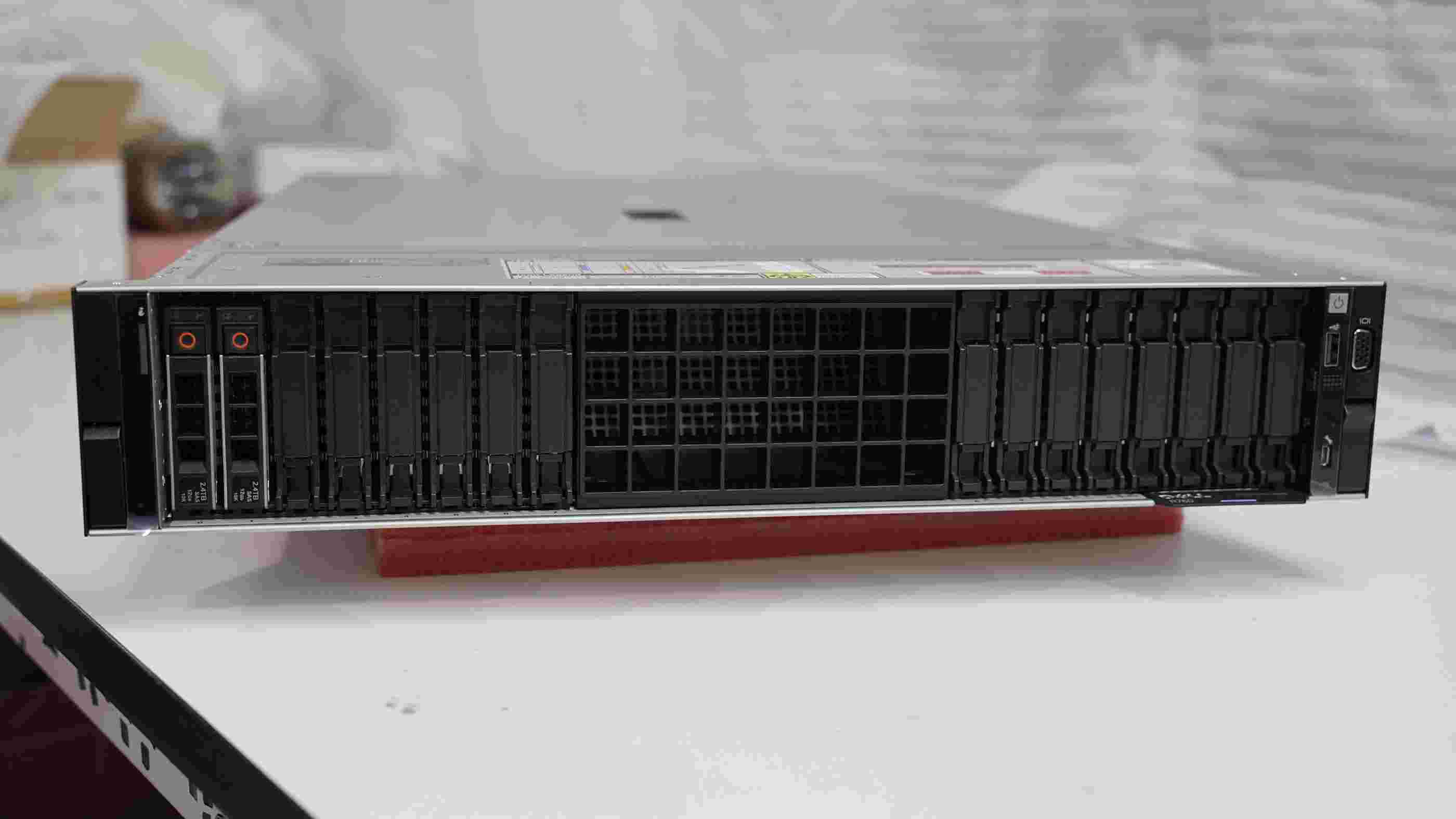
Inside our modern facility: Advanced R&D labs, production lines, and quality control systems.
Browse our additional range of optical modules, vertical jacks, and modular plugs for reliable network expansions.
 FiberNova