As global data centers shrink their physical footprint while pushing for multi-gigabit throughput, standard connector sizes present severe mechanical bottlenecks.
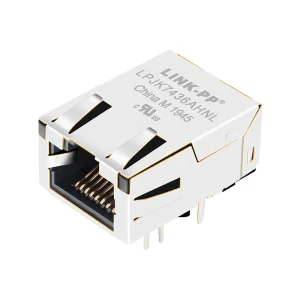
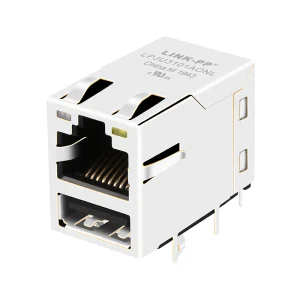
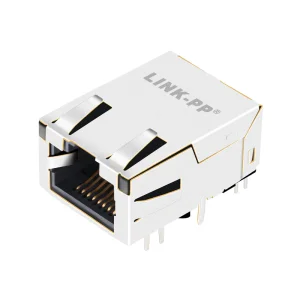
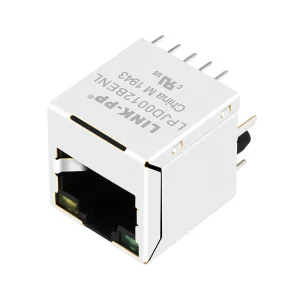
Modern telecommunication infrastructure, industrial processing centers, and edge computing nodes demand interconnect interfaces that combine extremely low vertical clearances with superior signal integrity. A Low Profile Ethernet Connector is specifically engineered to reduce vertical height, allowing PCB designers to stack boards more densely or construct ultra-thin rack-mounted hardware without compromising on electromagnetic compatibility or PoE capacity.
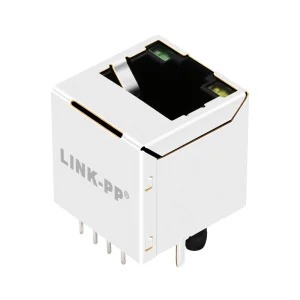
By shifting to an inverted tab layout (Tab-Up configurations) or integrating low-clearance LEDs directly into the housing, manufacturers can optimize airflow and heat dissipation inside compact network switches. As certified partners, we assure that our entire portfolio meets strict CE Mark and IEEE specifications, satisfying both engineering requirements and strict compliance standards worldwide.
Across regional hubs in North America, Western Europe, and East Asia, procurement teams are adopting high-density Ethernet and optical interconnects for diverse, specialized applications.
Cloud and edge data centers require low-profile structures to support multi-layered modular switches. Reduced connector heights enable double-sided assembly layout on PCBs, effectively doubling connection ports within 1U server racks.
Industrial machinery cabinets operate under harsh, high-vibration conditions with limited space. Specialized low profile RJ45 and M12-format Ethernet connecters provide vibration-resistant mechanical housing with secure snap locks.
Telecom operators and network integrators rely on consistent, standardized components. CE, FCC, and RoHS certifications guarantee that systems satisfy national electric codes, expediting approval for international deployment.
Choosing standard height RJ45 modules instead of low-profile variants in a 1U system often restricts internal ventilation by up to 30%. Low-profile designs preserve air circulation pathways, dropping thermal load across high-density transceivers by 5°C to 8°C without external cooling arrays.
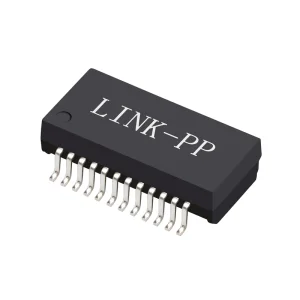
Understanding physical parameters, contact metallurgy, and signal performance data is critical when integrating RJ45 magnetic modules and high-speed cages into hardware boards.
| Feature Parameter | Standard Ethernet RJ45 | Low Profile RJ45 Series (FiberNova) | Impact on System Architecture |
|---|---|---|---|
| Vertical Component Height | 15.0 mm to 16.5 mm | 11.3 mm to 13.5 mm (Up to 30% reduction) | Permits placement of component boards in sub-1U chassis and slim enclosures. |
| Integrated Magnetics | External or basic internal winding | Built-in high-isolation transformers (Gigabit Base-T) | Eliminates discrete PCB components, saving up to 250mm² of precious board space. |
| EMI Shielding Configuration | Single-sided steel wrap | Multi-finger grounding tabs, copper alloy nickel plated | Provides superior containment of radiated electromagnetic interference in multi-card cages. |
| Contact Plating Specs | 15u" or 30u" Gold Flash | 50u" Selective Gold Plating over Nickel base | Ensures high signal integrity over 750 mating cycles in humid and corrosive conditions. |
| Thermal Range | 0°C to +70°C | -40°C to +85°C (Extended Industrial grade) | Supports heavy outdoor telecom nodes and automotive applications. |
Reduced height often changes internal path lengths, raising issues with Near-End Crosstalk (NEXT) and insertion loss. Our engineering team addresses these challenges through precision lead-frame designs and simulated impedance matching. Additionally, our IEEE 802.3af/at/bt PoE-compliant magnetic modules support high currents (up to 90W) without compromising physical components or causing magnetic saturation in the transformer cores.
Based on 12 years of industry experience and 6 years of active export operations, FiberNova Optical Communication Tech Co., Ltd. (FiberNovaTransceivers.com) delivers reliable interconnect components to clients globally.
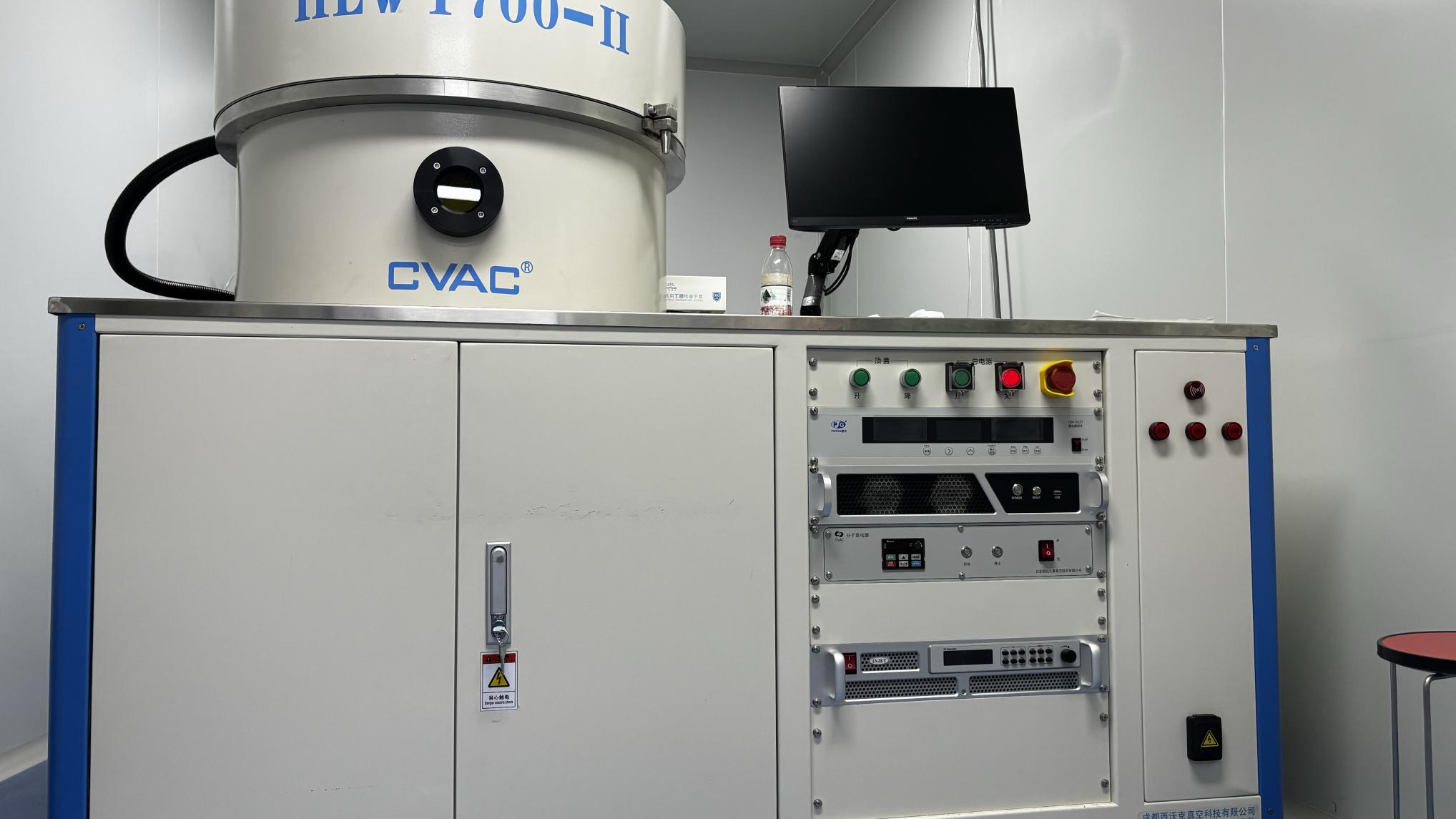
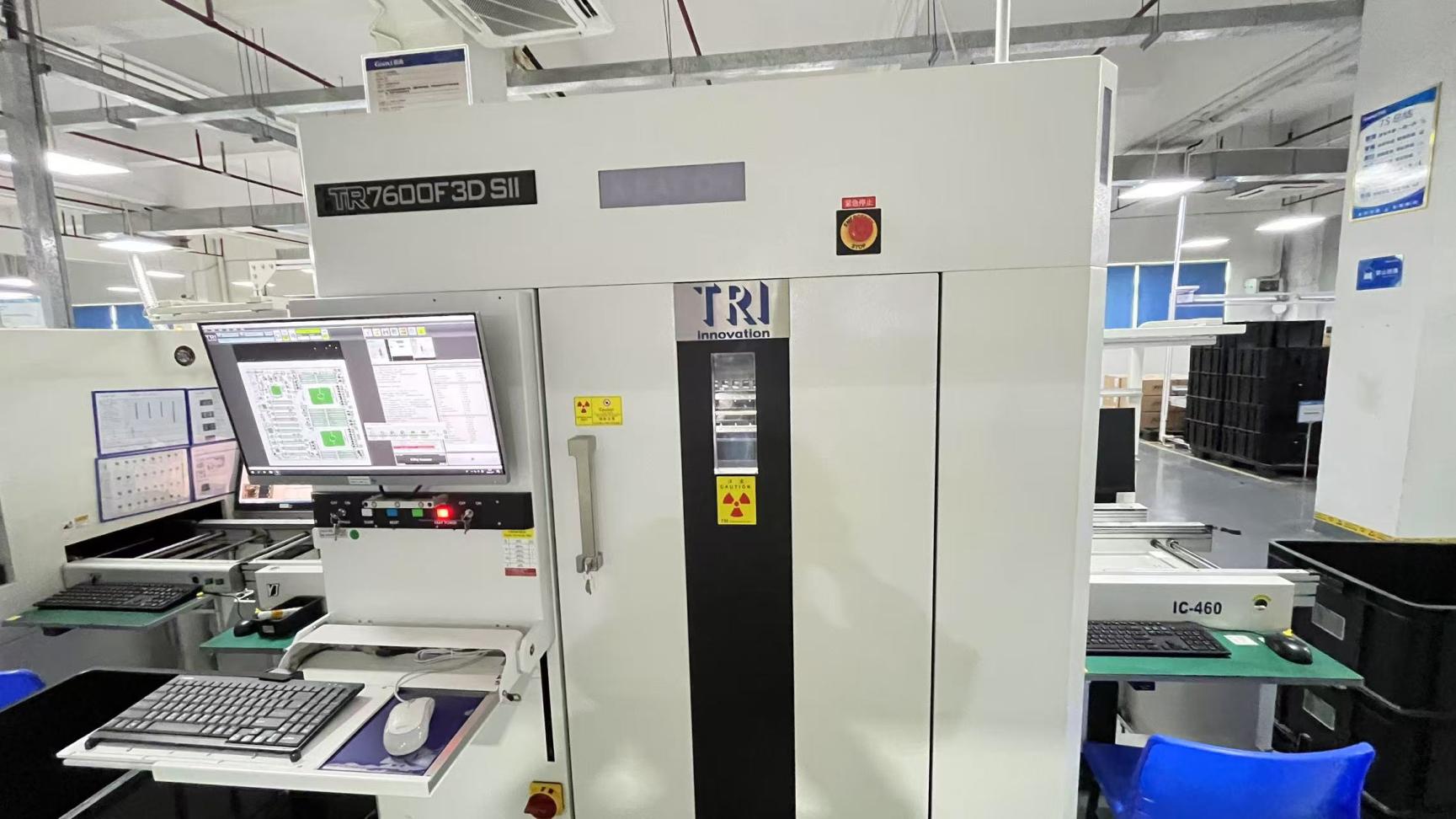
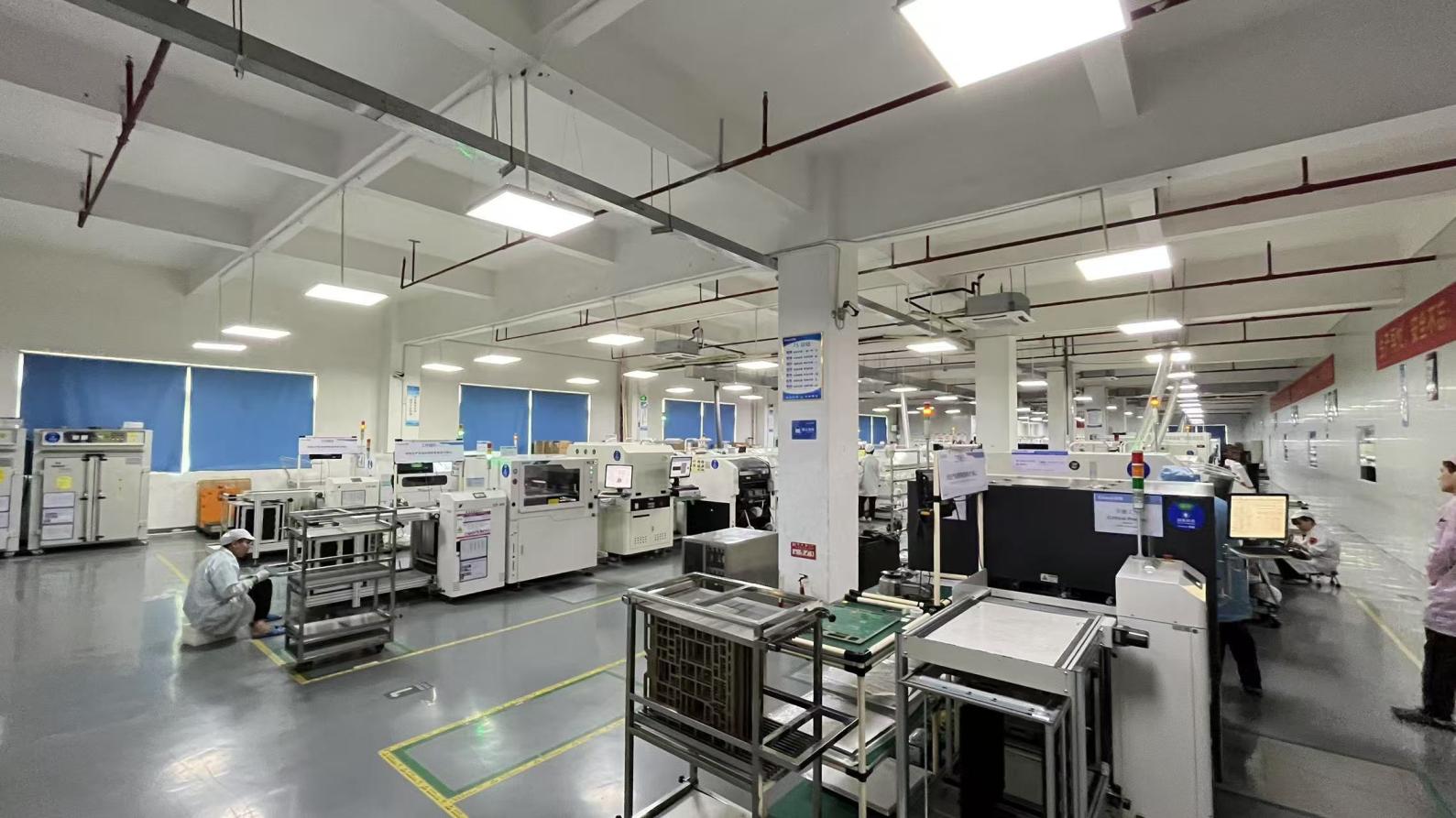
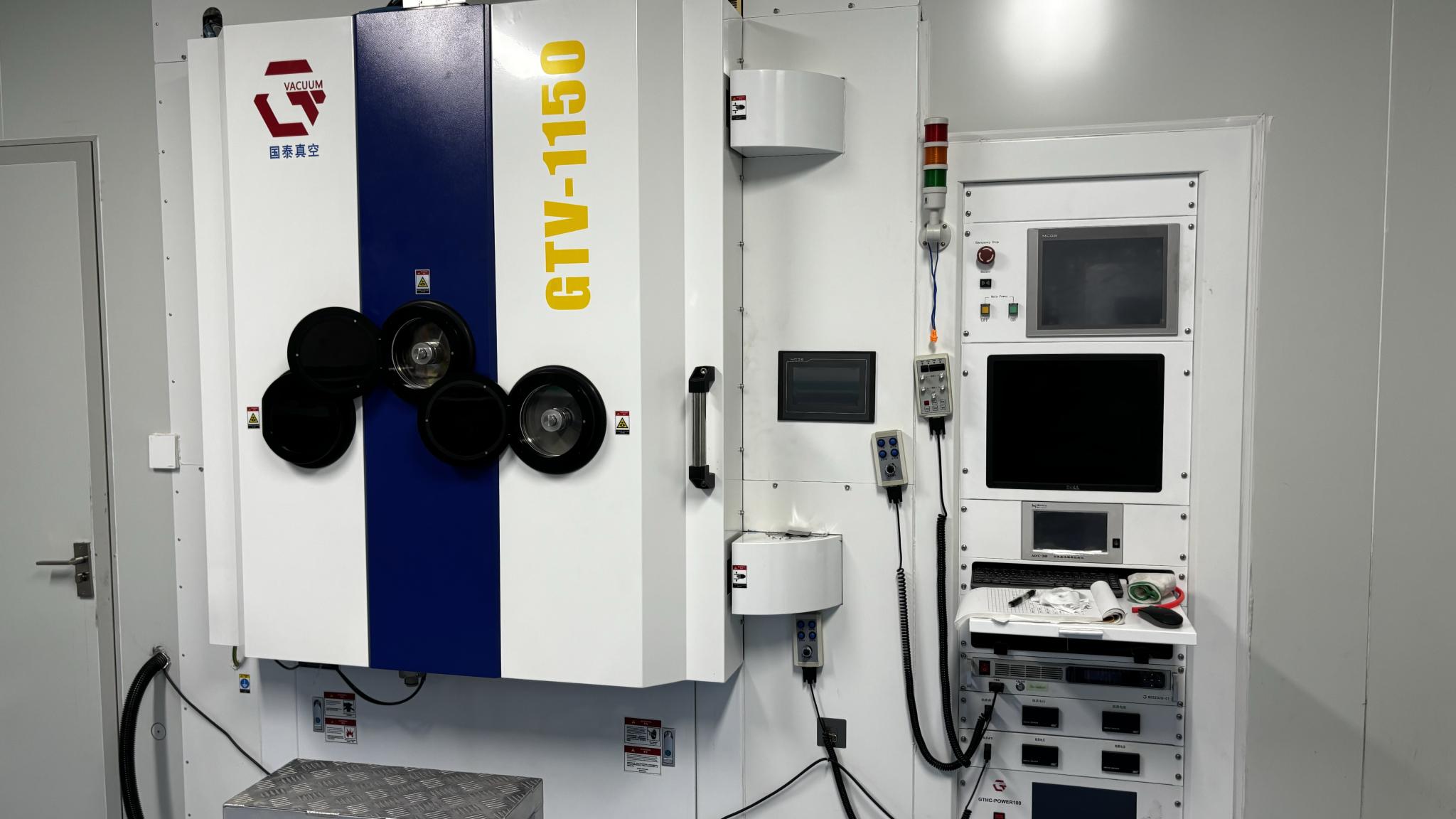
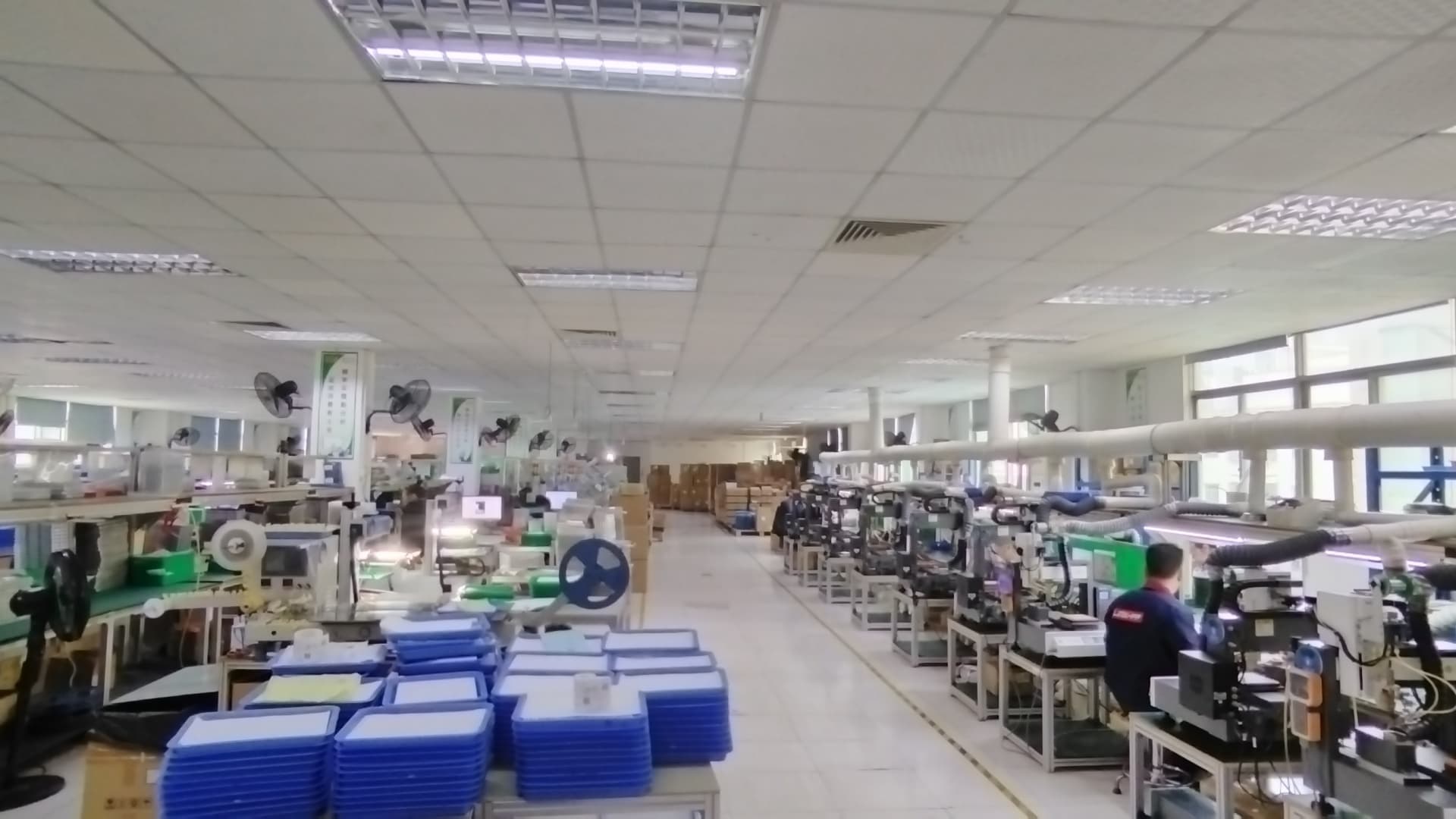
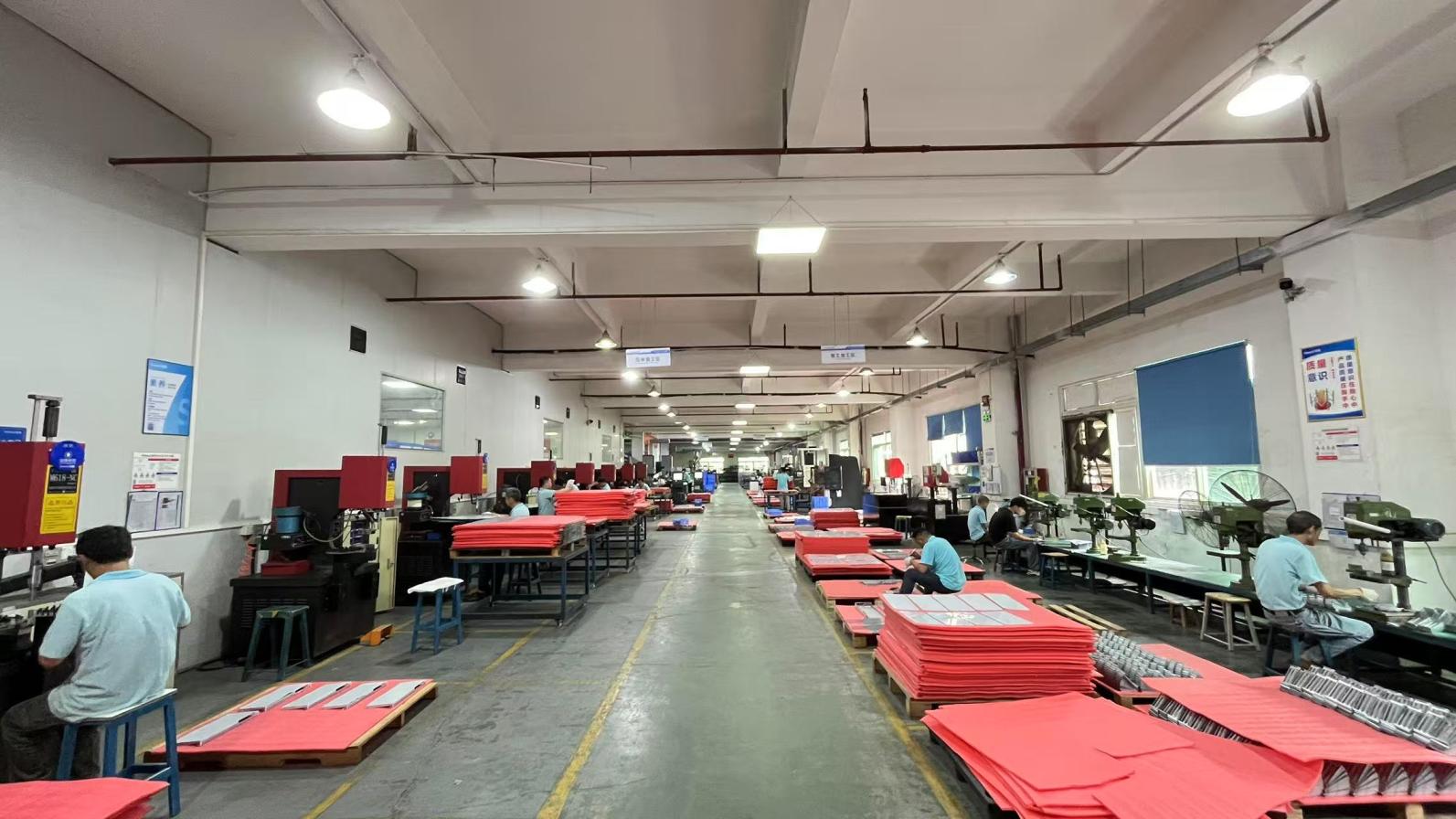
Established in 2016, our modern manufacturing facility spans over 380㎡ and is optimized for manufacturing optical transceiver modules and high-speed vertical and horizontal Ethernet jacks. Our facility operates a strict quality inspection framework containing:
With an annual export value between USD 8 million and USD 15 million, our logistics and operations support high-priority orders for telecom operators, industrial equipment distributors, and cloud platform builders in the USA, Germany, Japan, South Korea, and the UAE.

The evolutionary path of Ethernet connectivity is driven by the shift toward high-speed edge computing networks, demanding modular upgrades in connectors and optical transceivers.
As 10Gbps interfaces become common in home gateways and industrial PLC components, low-profile connectors are evolving to minimize transmission loss at higher frequencies (up to 500MHz for Category 6A). Our research and development focuses on the following primary fields:
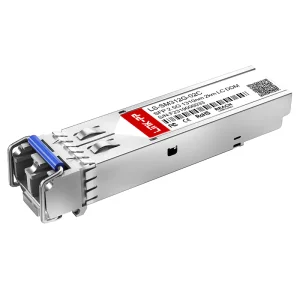
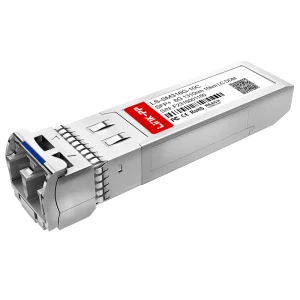
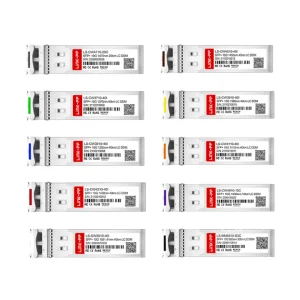
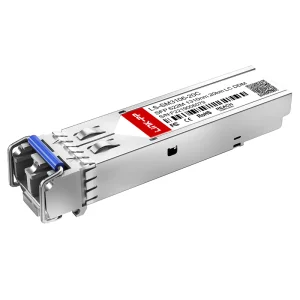
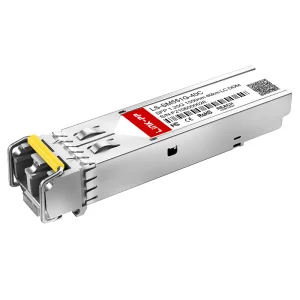
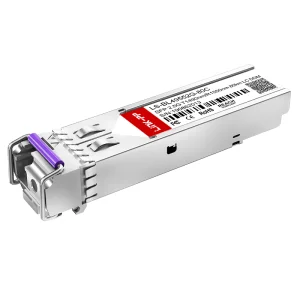
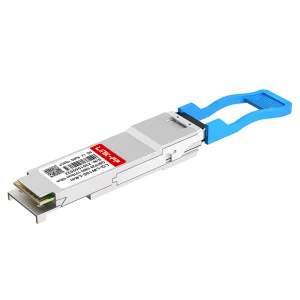
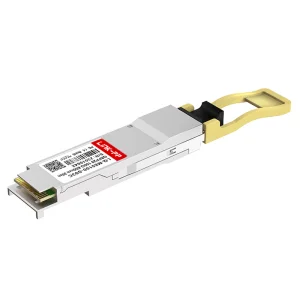
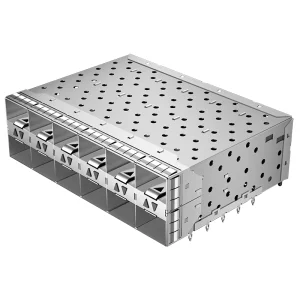
By pairing low-profile RJ45 configurations alongside optical cages (SFP28, QSFP28) within unified multi-port structures, we enable equipment to toggle between short-range copper feeds and long-haul single-mode fiber links.
Integrating Transient Voltage Suppressors (TVS) directly inside the connector housing prevents damage from high-voltage surges, which is crucial for rugged industrial installations and outdoor nodes.
Aligning with updated European RoHS and REACH directives, our new connector product lines replace traditional brominated flame retardants with bio-sourced polymer liquid crystal plastics (LCP).
 FiberNova