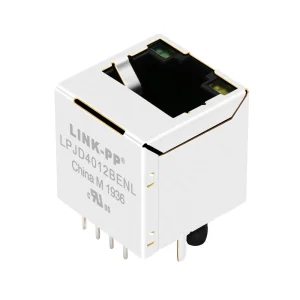
Optical Transceivers Manufacturers & Factory in Muharraq

High-reliability SFP+, QSFP28, and high-speed optical module solutions tailored for Bahrain Economic Vision 2030 & hyper-scale GCC networks.

Muharraq's Strategic Position in GCC Digital Infrastructure

As the historic gateway of Bahrain and a growing logistics center adjacent to the Bahrain International Airport, Muharraq is playing a critical role in the Kingdom’s industrial and technological evolution. Guided by the Bahrain Economic Vision 2030, the country is migrating rapidly towards a digital economy. This transformation has triggered a significant demand for hyper-scale data hubs, enterprise edge computing, and reliable physical layer telecommunication components.

Undersea optical fiber systems terminate locally to link Bahrain with global backbones, making high-efficiency optoelectronics a key priority for telecom operators such as Batelco, stc Bahrain, and Zain. By deploying localized data capabilities, Muharraq reduces latency for critical logistics, financial services, and aviation infrastructure. In high-density network systems, optical transceivers and secure SFP+ cage assemblies are indispensable for keeping signal loss and electromagnetic interference to a absolute minimum.

12+
Years Industry Expertise
65
R&D Engineers
USD 15M
Max Annual Export
1,200+
Supply Chain Partners

Climate Adaptability & Localized Engineering Support

Deploying optoelectronic hardware in the Middle East poses serious environmental challenges. The ambient conditions of Muharraq and the broader GCC region feature high summer temperatures peaking above 45°C, high relative humidity, and airborne dust particles. Standard network hardware can suffer from thermal throttling and accelerated laser degradation if not properly built.

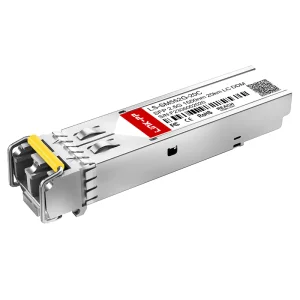
To counter these challenges, FiberNova designs optical transceivers with Industrial Operating Temperature ranges (-40°C to 85°C), compared to standard commercial modules limited to 70°C. By implementing advanced internal thermal dissipation materials and low-power-consumption chipsets, our transceivers generate less self-heating, extending their operating lifespan under heavy loads. Additionally, our optical cages feature rugged physical latching mechanisms and customized dust protection covers, shielding sensitive internal components from environmental degradation.

FiberNova offers extensive localization support, providing system integrators across Bahrain with specialized EEPROM coding services. This ensures that every optical module behaves natively with local telecom environments (including Cisco, Huawei, Juniper, and HP network switch matrices), eliminating configuration friction.

Leveraging the China Factory Supply Chain for GCC Deployment

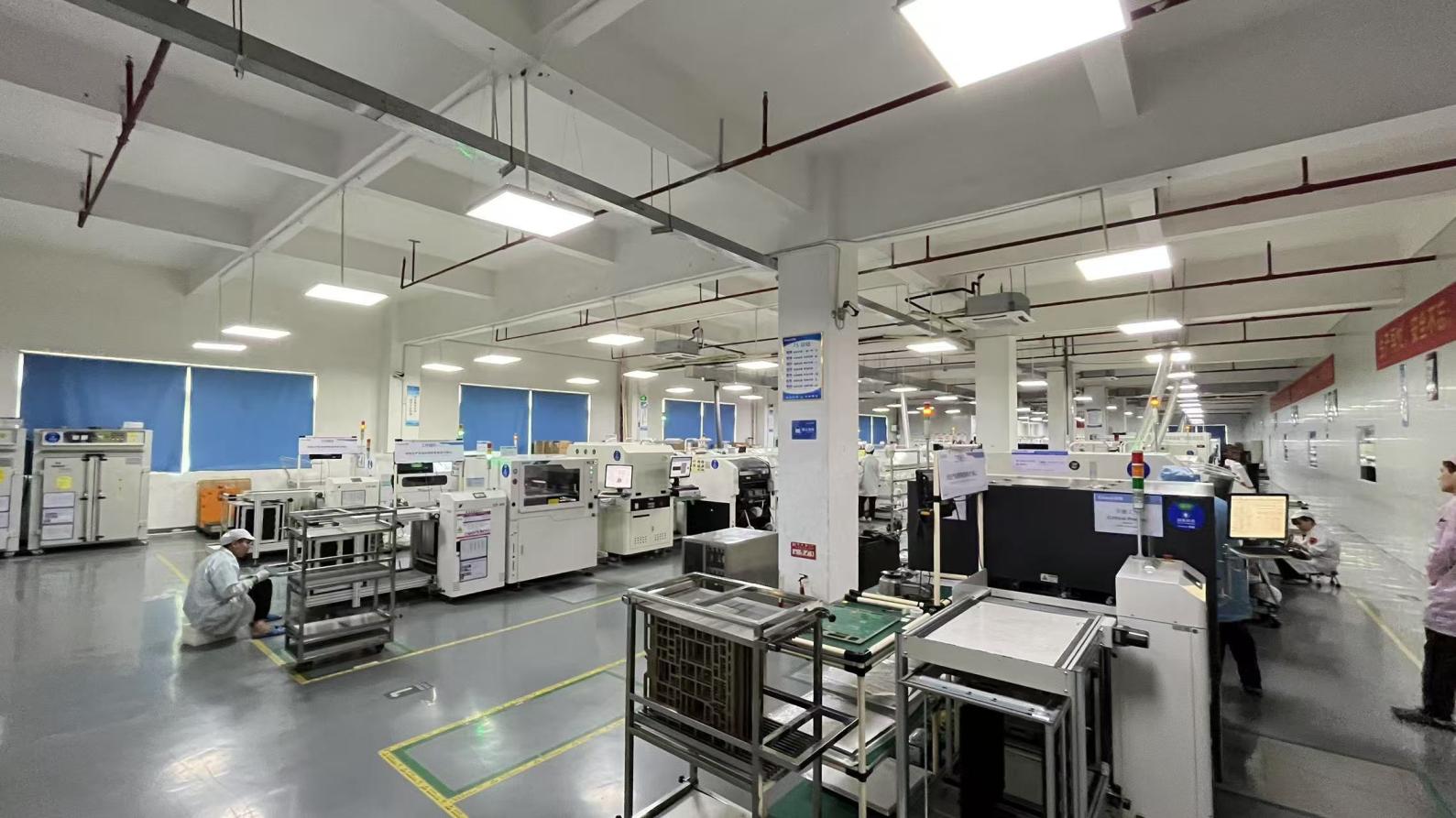
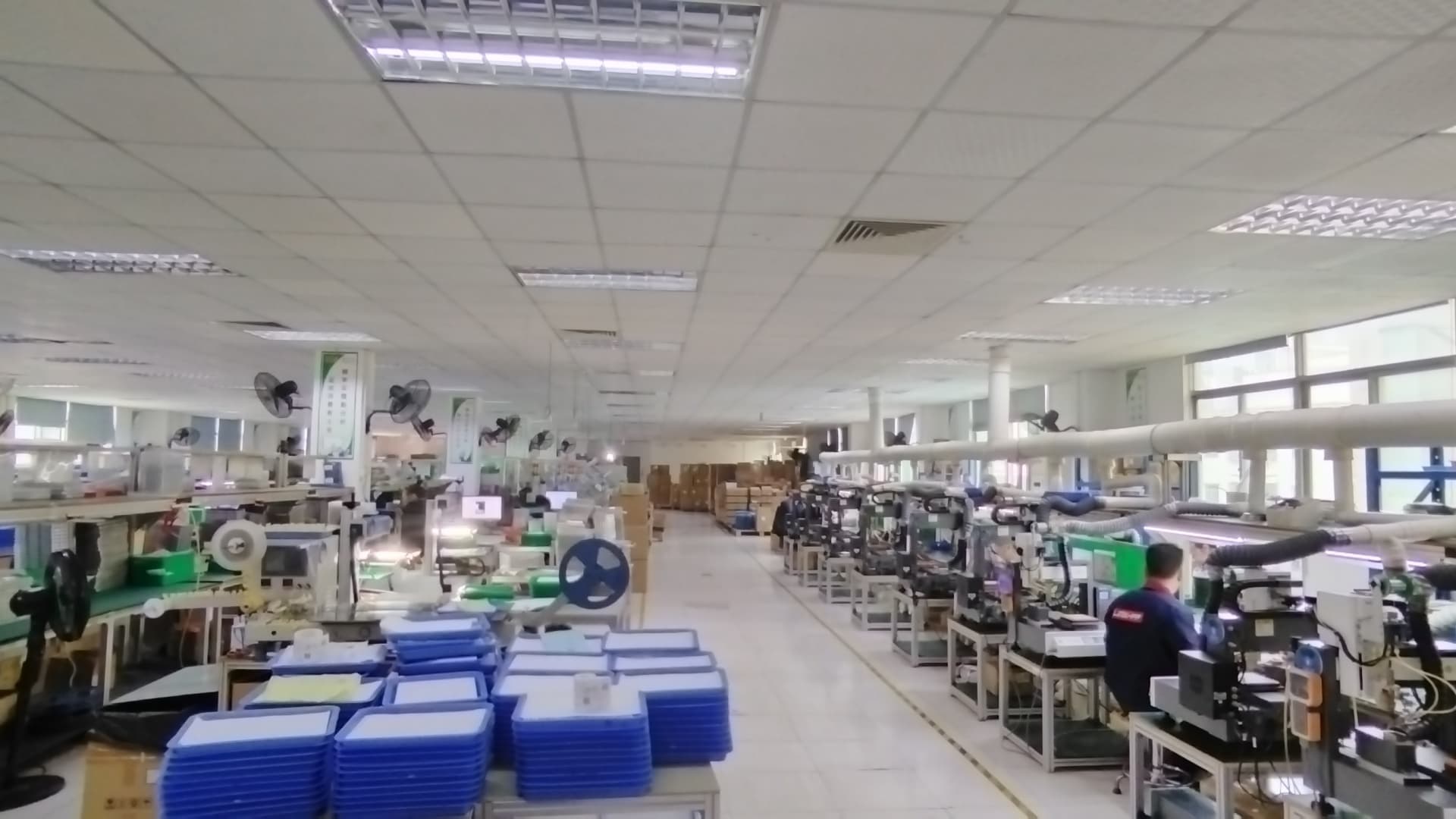
Procuring networking equipment through FiberNova bridges China’s advanced optoelectronic production ecosystem with localized project execution in Muharraq. Established in 2016, our modern production facility stretches over 380㎡. It is geared for fast, customized R&D and high-mix, low-volume specialist fabrication.

Our production benefits from deep integration with over 1,200 supply chain partners, granting us reliable access to premium laser diodes (DFB and EML), advanced transimpedance amplifiers (TIA), and high-frequency connectors. This reliable ecosystem shields our global clients from component shortages, ensuring stable pricing and predictable lead times.

We conduct a range of strict testing protocols on every unit before shipment, including:

  • 100% Optical Performance Verification (Optical power, extinction ratio, eye diagram metrics)
  • Temperature cycling stress tests matching Middle Eastern climate standards
  • High-speed Signal Integrity checking for zero-frame-loss thresholds
  • Strict MSA (Multi-Source Agreement) dimensions check for reliable cage fits

Our Manufacturing & Export Profile

With over 12 years of industry experience and 6 years of export expertise, FiberNova generates between USD 8 million and USD 15 million in annual export revenue. Our technical team features 65 specialized R&D engineers alongside a 45-person Quality Control division, guaranteeing that every component arriving at Muharraq is built to international standards.

Company Profile Snapshot:
• Established: 2016 (8+ years of steady growth)
• Main Export Markets: USA, Germany, Japan, South Korea, UAE, Bahrain
• New Product Launches: Over 120 specialized designs introduced yearly
• OEM/ODM Capability: Full physical housing customization, custom wavelengths, and multi-vendor EEPROM firmware coding.

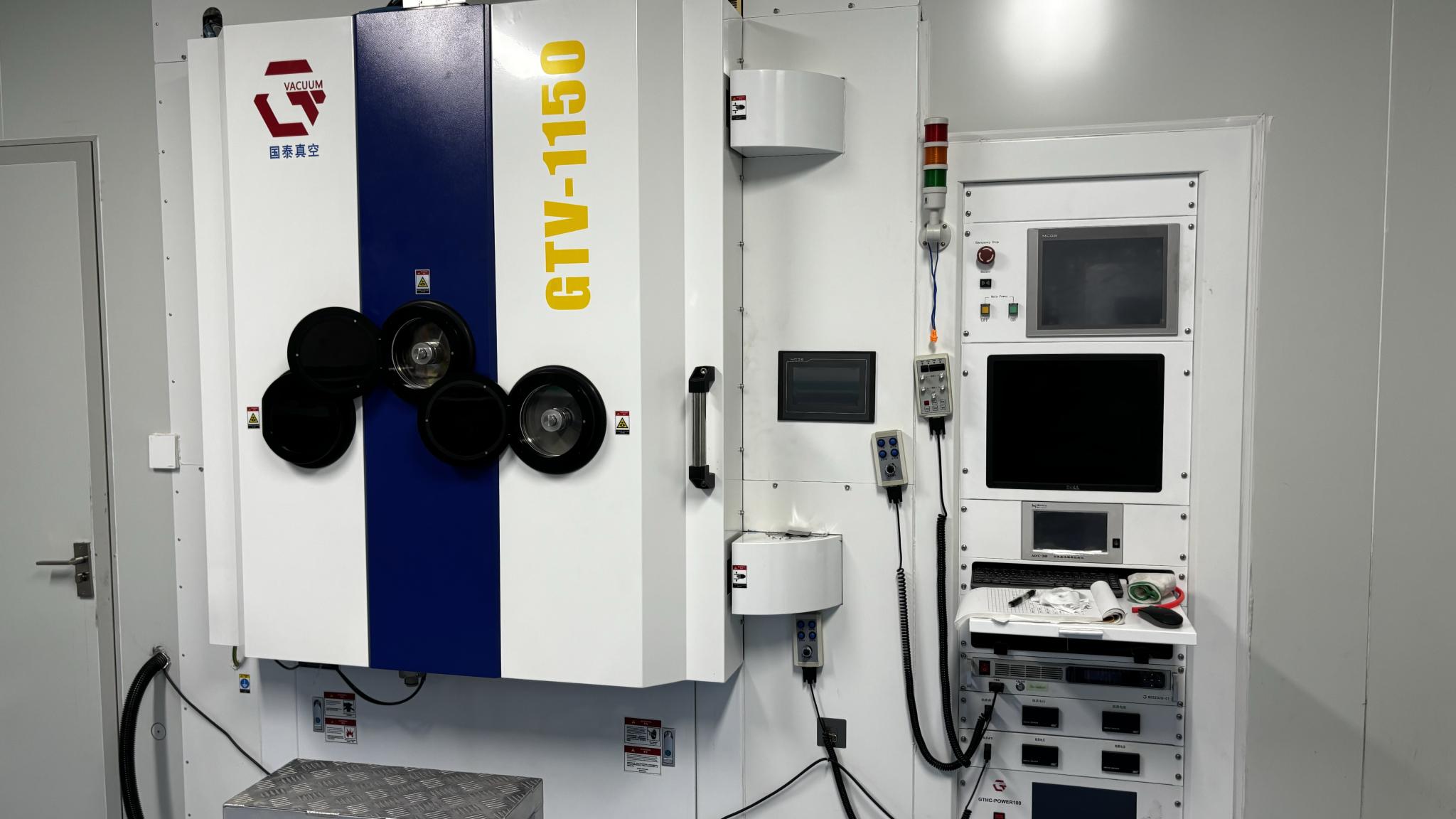
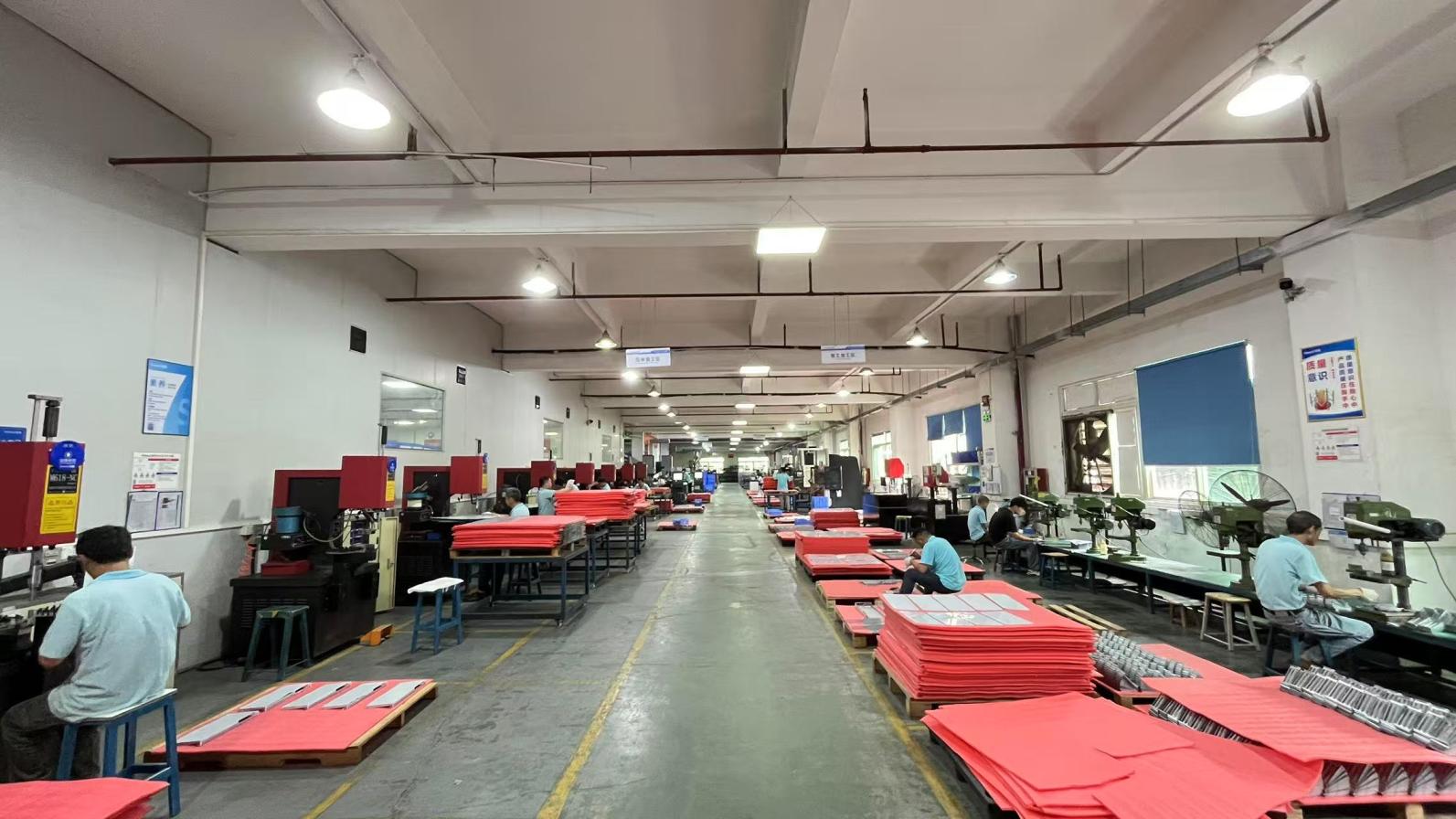
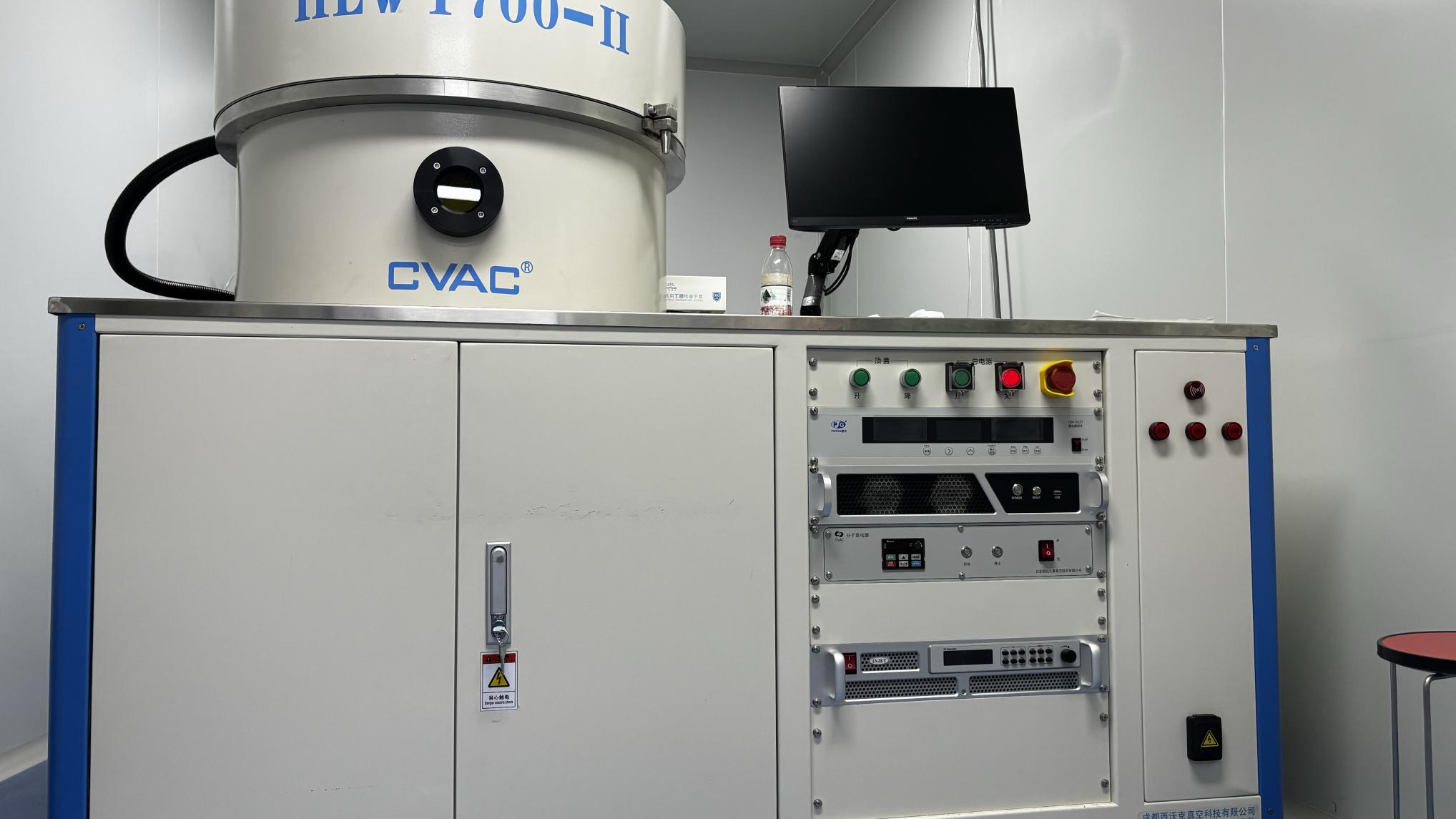
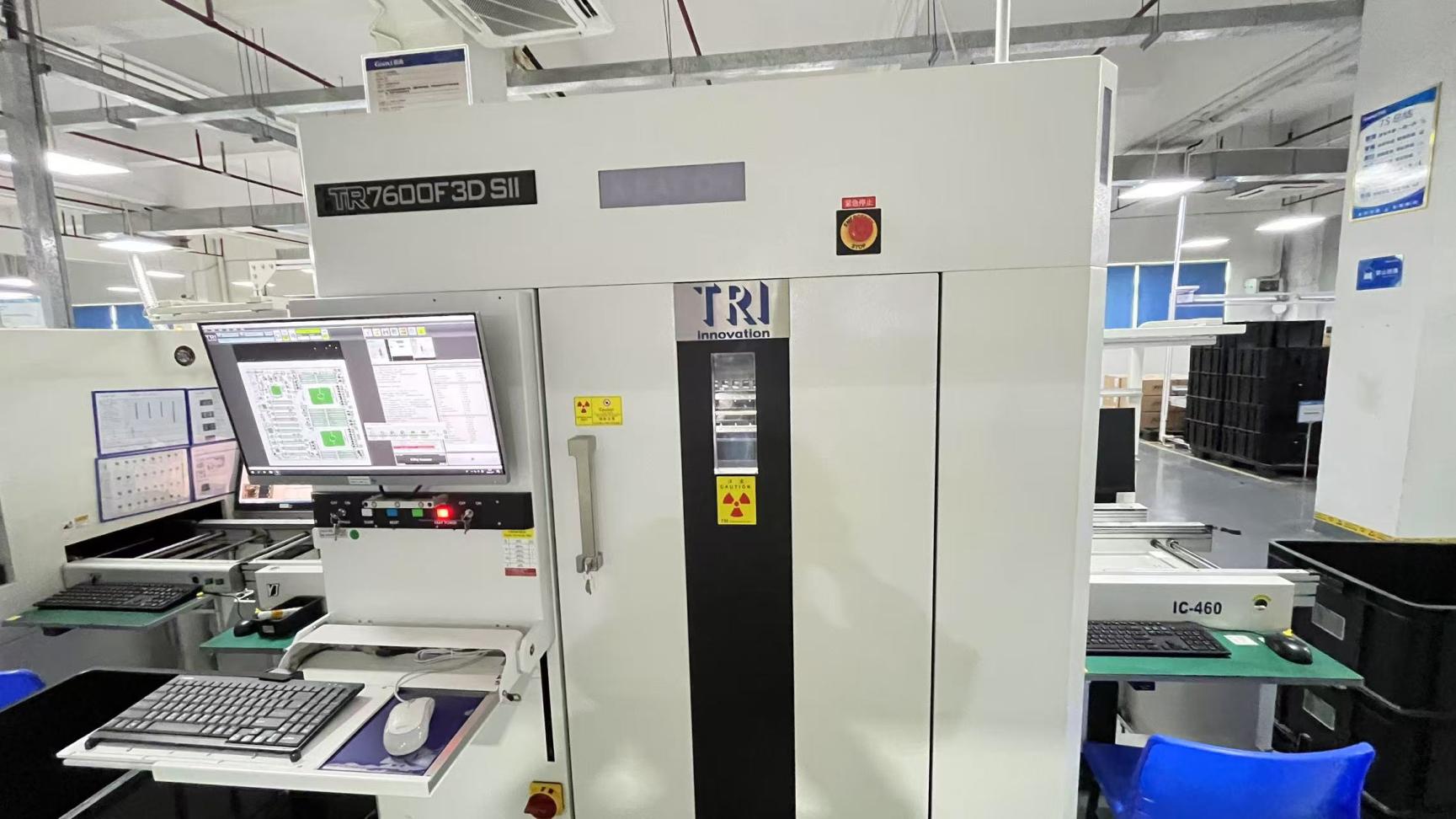
FiberNova Manufacturing & QA Facilities

Inside our testing rooms and cleanroom environment, where every optical transceiver is engineered for precision.
Sourcing Demands & Optical Interconnect Architecture Trends

Global buyers are raising their standards for optoelectronic suppliers. Procurement managers require not only cost efficiency, but also strict adherence to interoperability standards and fast supply chains. Key demands include MSA (Multi-Source Agreement) alignment, RoHS environmental certifications, and zero-defect quality thresholds to prevent costly network outages.

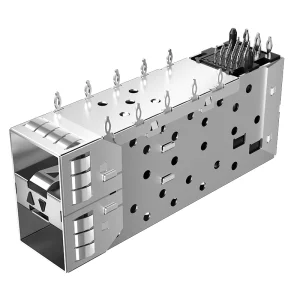
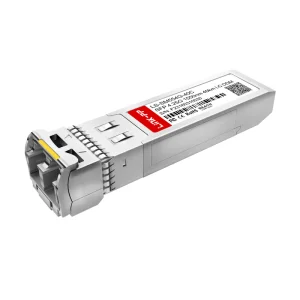
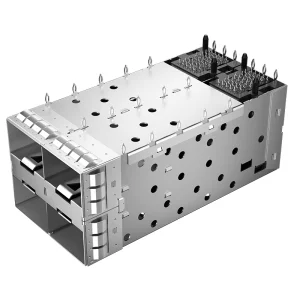
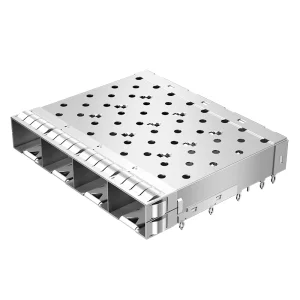
Within the data center space, bandwidth demands are shifting the industry from legacy 10G/25G structures to 100G, 400G, and 800G designs. These high-speed optical modules rely on advanced PAM4 signaling and Silicon Photonics to optimize throughput. However, to handle these high-speed signals without degradation, the underlying physical connections—such as SFP/QSFP cages, optical connectors, and RJ45 jacks—must be built with superior electromagnetic shielding. FiberNova’s line of press-fit EMI-shielded cages provides the necessary electrical containment to isolate high-frequency noise in next-generation switches and routers.

Technical FAQ & Procurement Insights

Get answers to common technical queries about optoelectronic components and deployment guidelines in the Middle East.

1. Why is EMI shielding critical for SFP+ receptacle cages in dense data center environments? +
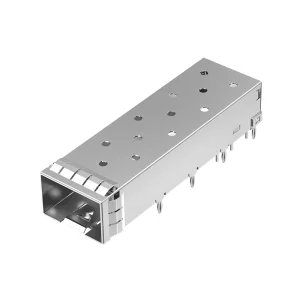
High-speed optical transceivers generate significant electromagnetic interference (EMI) during gigabit data transfers. When multiple SFP+ modules are closely packed in a switch matrix, high-frequency radiation can escape, degrading signal integrity and causing data loss. EMI-shielded cages (like the 1-2007492-6 and 2007132-1) use built-in ground fingers, conductive gaskets, and secure press-fit pins to contain radiation. This grounds any stray electromagnetic currents directly to the system PCB, keeping nearby high-speed connections clean and stable.
2. How do FiberNova's transceivers handle the high summer temperatures of Muharraq, Bahrain? +
Standard transceivers are built for commercial ranges (0°C to 70°C). In contrast, FiberNova designs industrial-grade transceivers rated for -40°C to 85°C. These modules feature high-efficiency laser drivers with low power draw, reducing localized heat generation. They also utilize advanced thermal paste and heat-conducting housings to pull heat away from the laser diode, preventing thermal runaway and protecting signal stability in ambient environments common to the GCC region.
3. Can FiberNova custom-program transceivers to work with Cisco, Juniper, and Huawei equipment? +
Yes. Modern switches check the module's internal EEPROM for vendor-specific signatures and compatibility codes. FiberNova’s engineers custom-write the EEPROM code for each customer order. This allows our modules to run seamlessly with major vendors (Cisco, Juniper, Huawei, HP, stc-approved hardware) without triggering "unsupported transceiver" warnings.
4. What advantages does a China-based factory supply chain offer to buyers in Bahrain? +
FiberNova operates out of a specialized factory in China, backed by a network of over 1,200 supply chain partners. This close integration ensures steady access to raw materials, optics, lasers, and silicon wafers. It bypasses the supply chain delays common with smaller assembly operations, allowing us to deliver custom-engineered components quickly and at a competitive cost.
5. What is the difference between SFP+ press-fit mounting and solder through-hole mounting? +
Press-fit cages (such as the 2007251-1) feature elastic pin headers that seat directly into PCB plated-through holes under mechanical pressure, creating a gas-tight electrical seal without solder. This speeds up assembly, makes repairs simpler, and eliminates thermal stress on the board during production. Solder through-hole designs, on the other hand, provide a more traditional mechanical bond that is ideal for devices subjected to constant vibration or rough handling.
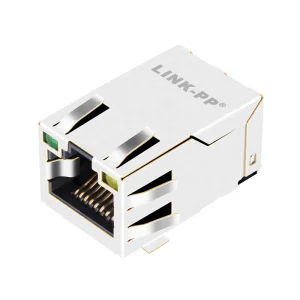
6. Why does FiberNova integrate magnetic isolation (Magjack) into RJ45 connectors? +
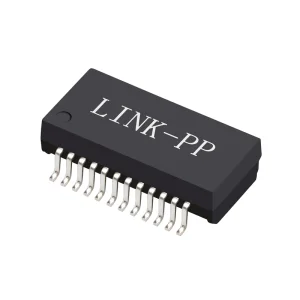
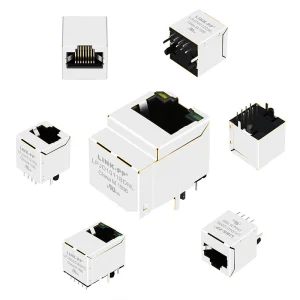
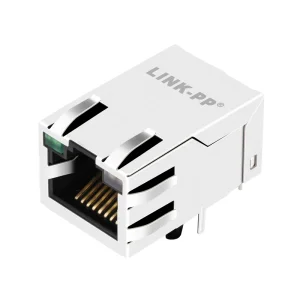
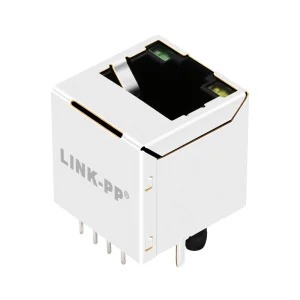
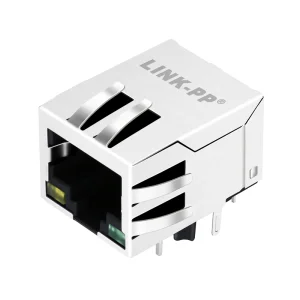
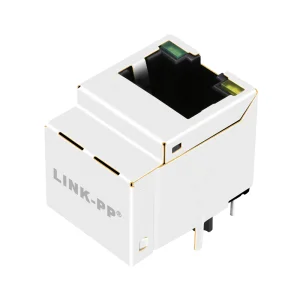
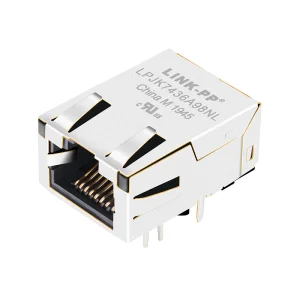
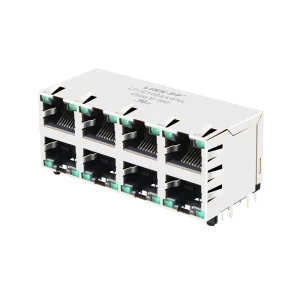
Traditional RJ45 connectors are susceptible to common-mode noise and ground loops over copper lines. SMT RJ45 Magjack connectors build isolation transformers and common-mode chokes directly into the connector housing. This filters out electromagnetic noise, provides 1500V AC isolation to protect sensitive internal components from static and surges, and ensures clean data transmission on the physical layer.
7. What quality control steps are performed prior to export shipment? +
Our 45-person QC division conducts a series of exhaustive checks: 100% optical performance profiling (including power level, wavelength stability, and eye-diagram validation), high-temperature aging chambers to detect early failures, and network switch testing to verify zero packet loss. Finally, physical tolerances are checked to ensure they align with MSA physical cage dimensions.
8. Does FiberNova support custom labeling and custom laser-engraved housings for OEM orders? +
Yes. We offer complete OEM services, including custom labels, pull-tab colors, and laser-engraving on the metal housing. This is ideal for system integrators, distributors, and telecom providers in the Middle East looking to build out their own branded product lines.
9. How does FiberNova ship components to Muharraq and the wider GCC region? +
We work with international logistics providers (DHL, FedEx, UPS) to ship air freight directly to Bahrain International Airport (BIA) in Muharraq. We handle the export export paperwork, component categorization, and supply the necessary certificates of origin to keep customs clearance quick and simple.
10. Can FiberNova provide replacement cages for legacy TE Connectivity footprints? +
Absolutely. Our TE-compatible product lines (including the 2007417-8 replacement and 2007251-1) are designed to fit the exact mechanical footprints, pin spacings, and grounding paths of the original TE Connectors. This allows engineering teams to drop our components directly into existing PCB designs without having to modify their layout.