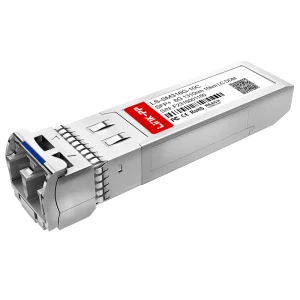
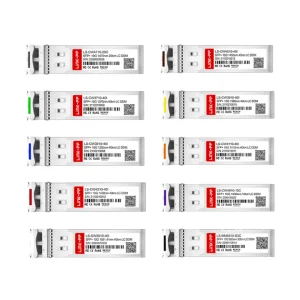
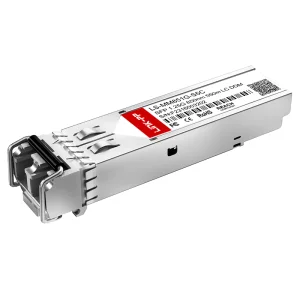
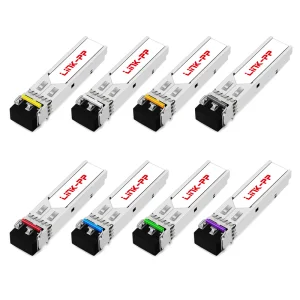
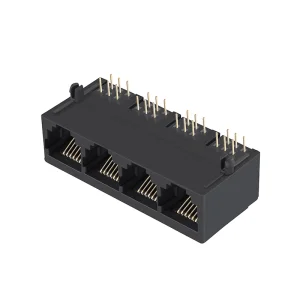
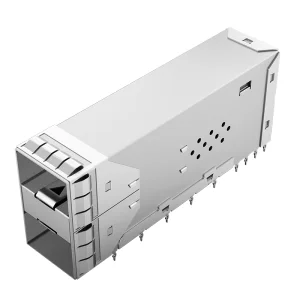
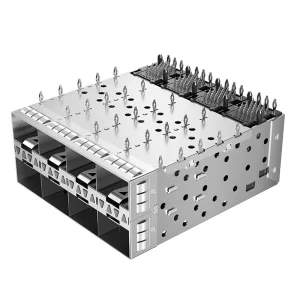
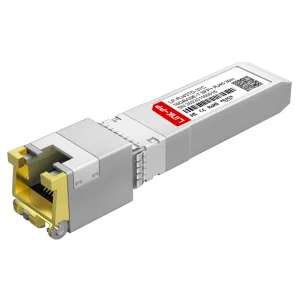
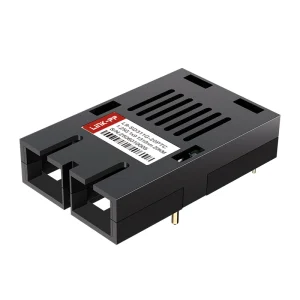
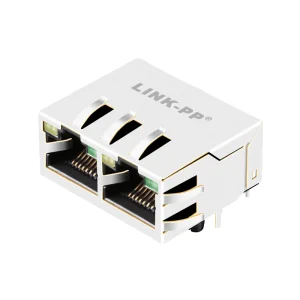
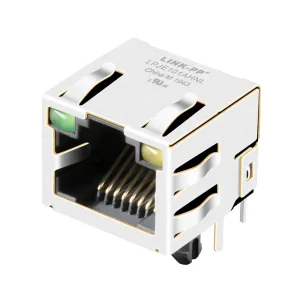
High-performance active modules engineered for key cloud computing hubs, high-capacity enterprise backbones, and smart city networks throughout Riyadh.
Riyadh is undergoing one of the most rapid and comprehensive digital transformations in the world. As the center of gravity for Saudi Arabia's Vision 2030, the Riyadh market is experiencing an unprecedented demand for data center expansion, hyper-scale cloud computing hubs, and national telecommunication backbones. Driven by major initiatives from the Ministry of Communications and Information Technology (MCIT), global cloud operators (such as Google Cloud, Oracle, and Microsoft Azure) are rapidly building local cloud regions to comply with Saudi data residency regulations.
This massive physical infrastructure expansion depends fundamentally on the reliability, compatibility, and latency limits of optical fiber links. Optical transceivers serve as the vital highway junctions in these networks, bridging switches, routers, and high-performance server farms. In Riyadh's extreme high-temperature climate, the operational stability of optical transceivers, custom fiber cages, and passive interconnect accessories must meet rigorous industrial-grade guidelines to prevent thermal throttling and structural package failures.
Mapping the transition from legacy gigabit interfaces to next-generation silicon photonics in Middle Eastern markets.
With data requirements expanding exponentially in Riyadh's economic corridors, network architects are shifting their priorities from legacy 10G/25G structures towards 100G, 400G, and early-stage 800G infrastructure. This technological evolution requires high-efficiency transceivers capable of high-density multiplexing (such as CWDM/DWDM) and advanced modulation techniques (such as PAM4 and Coherent transmission).
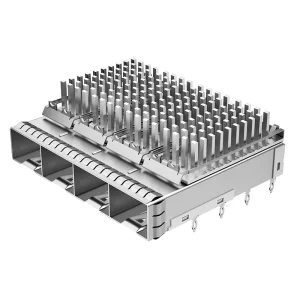
Additionally, optical connection form factors have evolved significantly. Small Form-factor Pluggable (SFP) configurations have transitioned into SFP28, QSFP28, and QSFP-DD formats to support dense port layouts on core switches. These changes require advanced cooling solutions (such as ganged and stacked SFP cages integrated with heat sinks) to handle high power densities while maintaining clean eye-diagram metrics and low Bit Error Rates (BER).
Silicon Photonics represents a major architectural shift, integrating optical components directly onto silicon substrates. For Riyadh's system integrators, securing MSA-compliant transceivers ensures multi-vendor interoperability. Standard multi-source agreements protect companies from manufacturer lock-in, enabling operators to combine transceivers, network interface cards (NICs), and switches from various brands seamlessly.
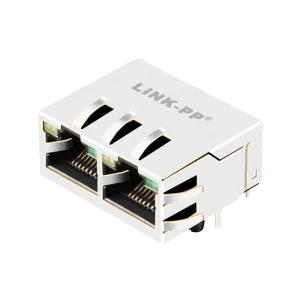
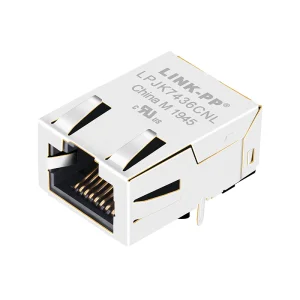
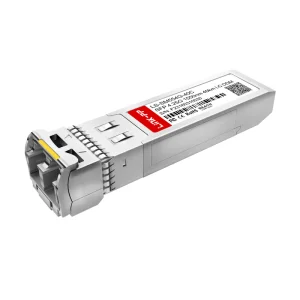
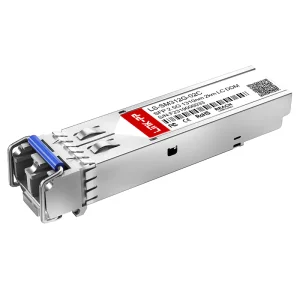
From active SFP28 transceivers to passive copper shielding and modular RJ11 systems, these components ensure robust performance for local networks.
How high-grade optical transceivers and interface structures support critical economic sectors in the Kingdom.
Providing zero-packet-loss, high-bandwidth communication lines connecting major cloud computing facilities within Riyadh's industrial zones. Supporting high-density configurations to maximize throughput and minimize latency.
Empowering network operators (such as STC, Mobily, and Zain) with 25G CWDM and 100G LR4 transceivers. Our designs maintain transmission performance across long distances under harsh desert environments.
Supporting regional smart city initiatives, municipal control centers, and corporate headquarters with reliable SFP+ modules and structured connector interfaces for high-speed fiber-to-the-desk configurations.
Modern telecommunications networks demand reliable manufacturing partners. FiberNova Optical Communication Tech Co., Ltd. (FiberNovaTransceivers.com) represents the next generation of Optical Transceiver manufacturing. Established in 2016, FiberNova operates a specialized facility covering 380㎡, fully optimized for advanced manufacturing, inspection, and high-speed assembly processes.
Supported by 12 years of industry expertise and over 6 years of export experience, the company maintains stable relationships with over 1,200 supply chain partners. This strong network ensures a steady supply of high-grade lasers, silicon photonics dies, and precision metal frames, even during periods of global supply chain disruption.
FiberNova's technical team includes 65 specialized engineers focused on high-speed transmission platforms. The company regularly introduces new products, launching approximately 120 new models in the past year alone. This fast-paced development enables operators in Riyadh to adopt the latest networking technologies quickly.
With an annual export revenue of USD 8–15 million, FiberNova supports operators and integrators in the United States, Germany, Japan, South Korea, and the United Arab Emirates, and is expanding its logistics footprints in the Saudi Arabian market.
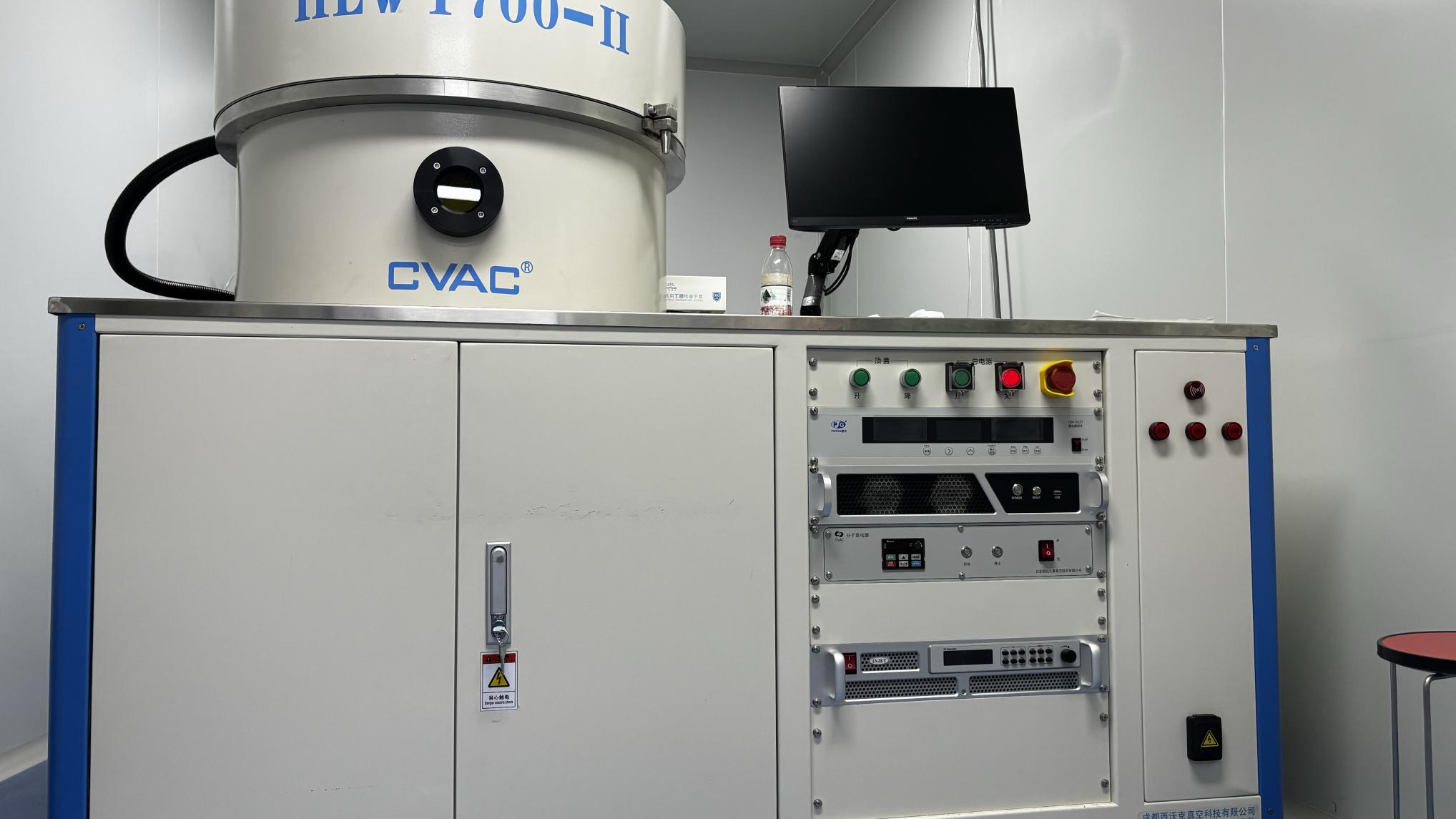
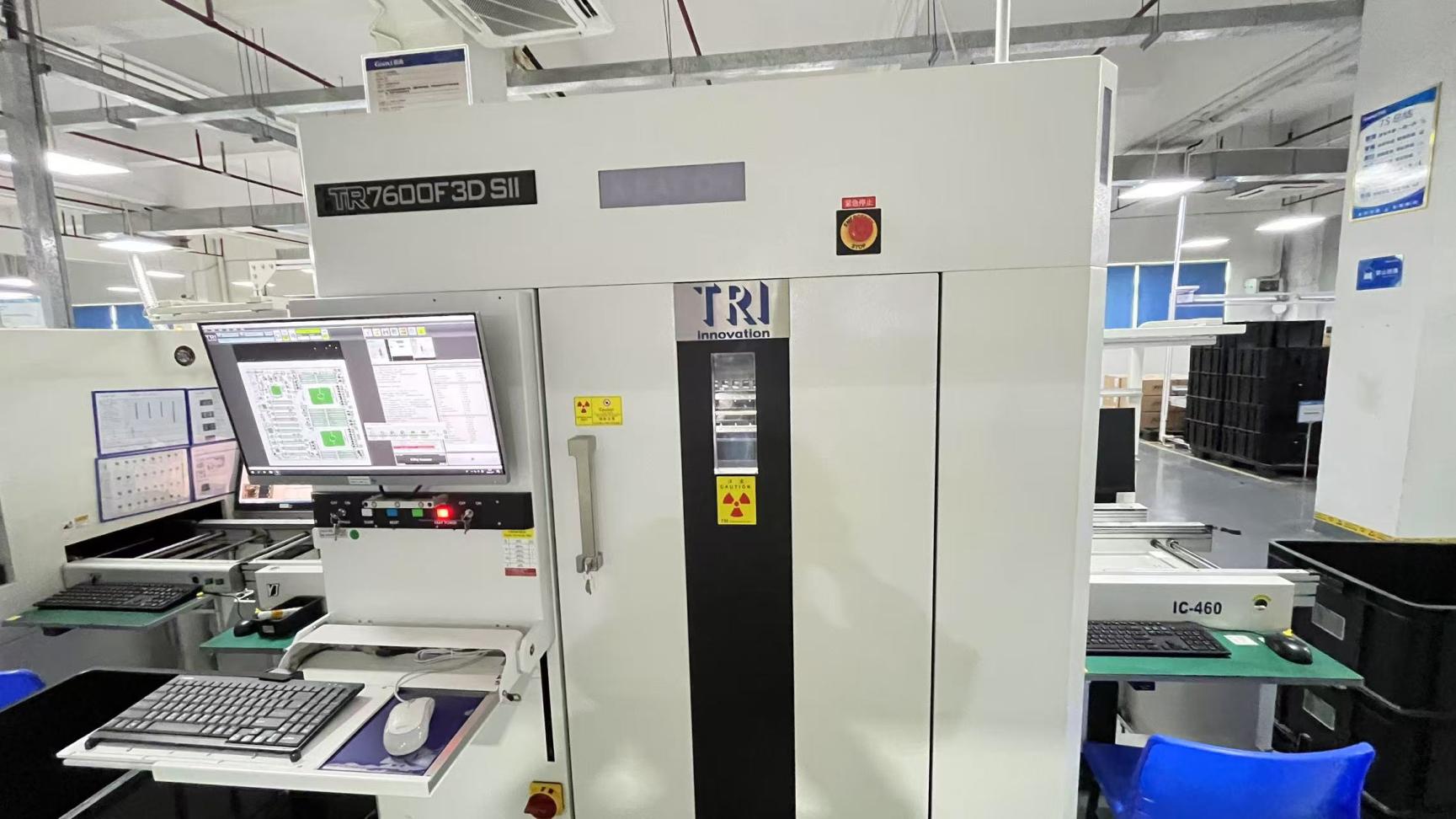
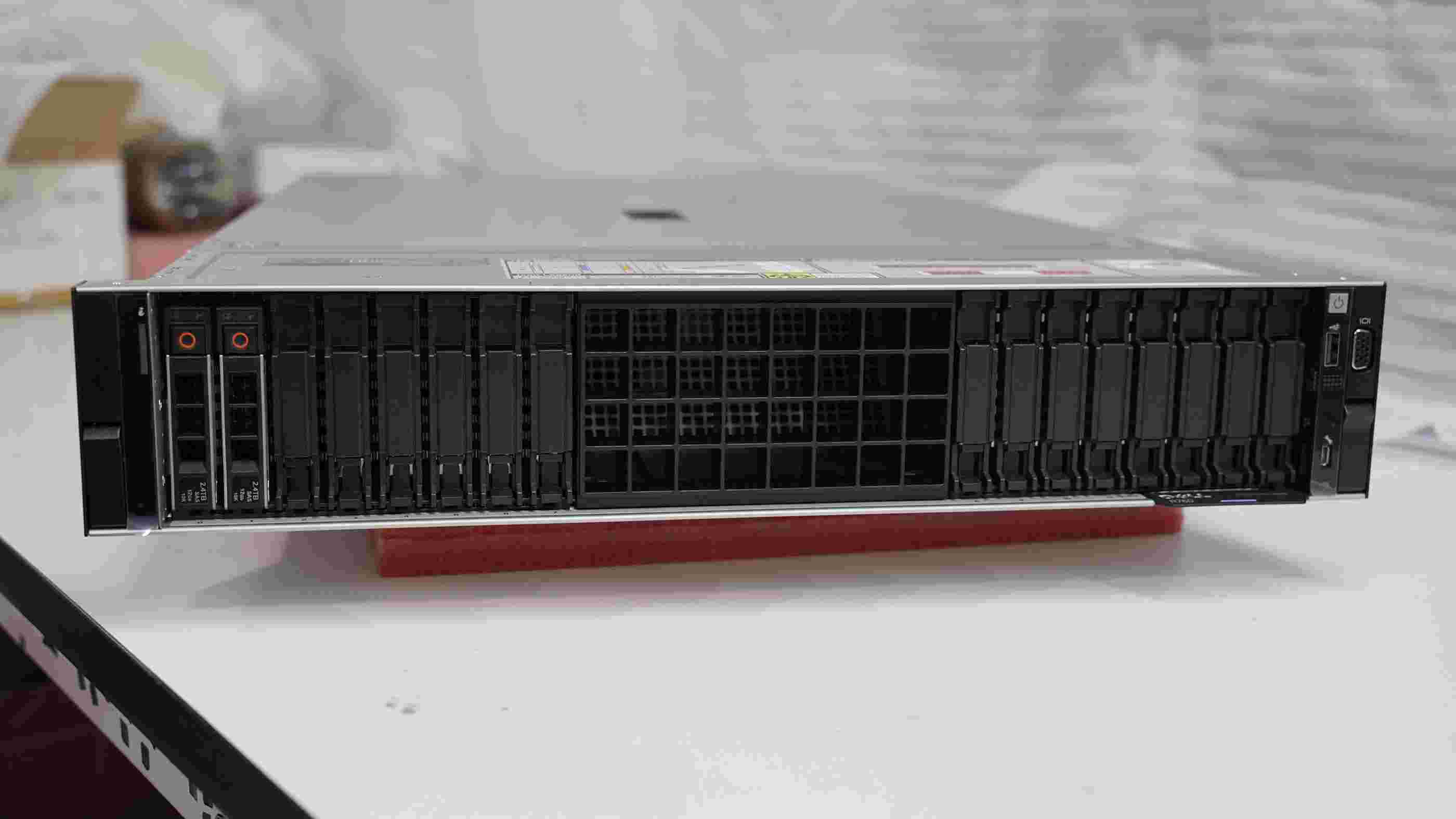

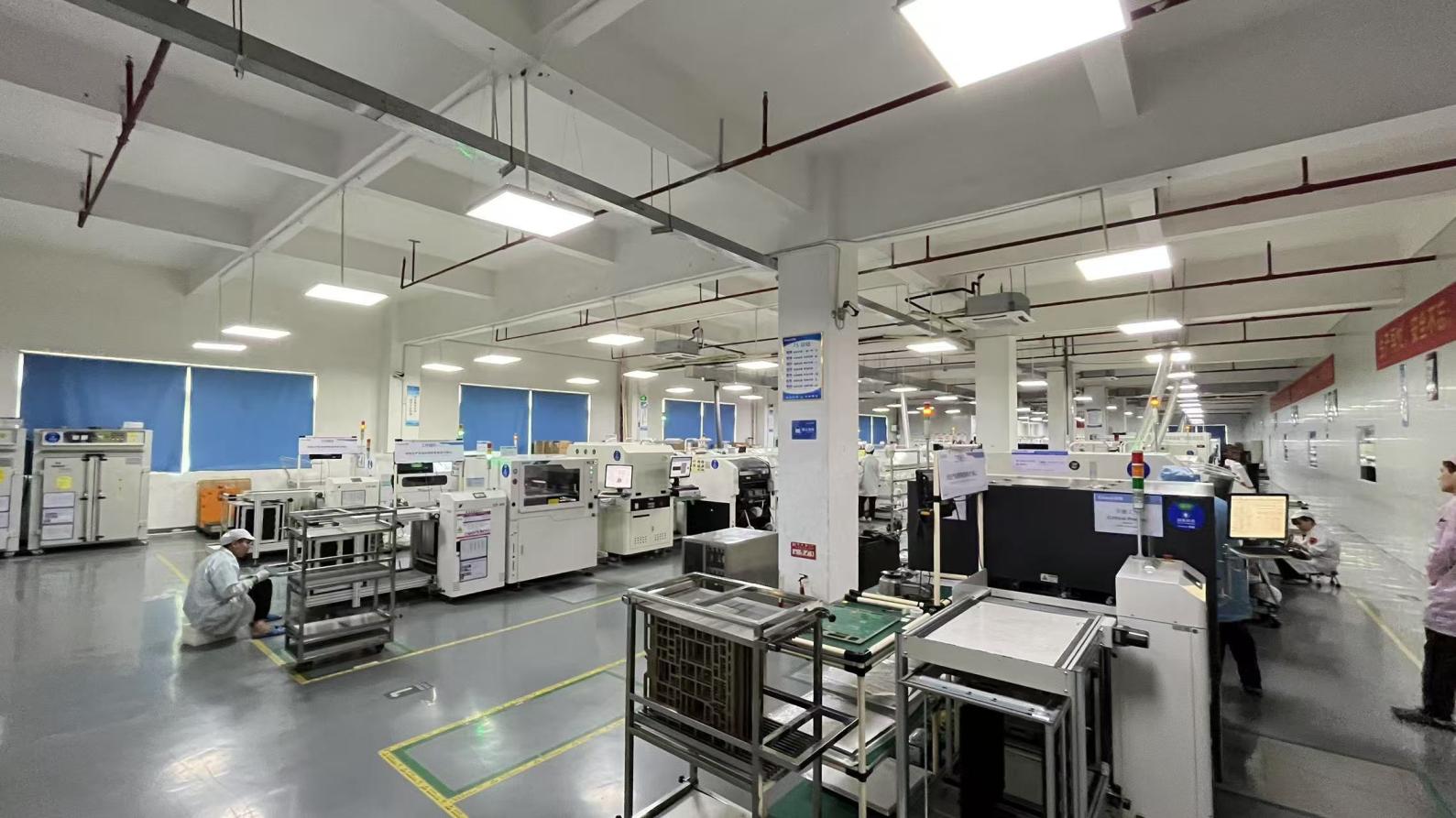
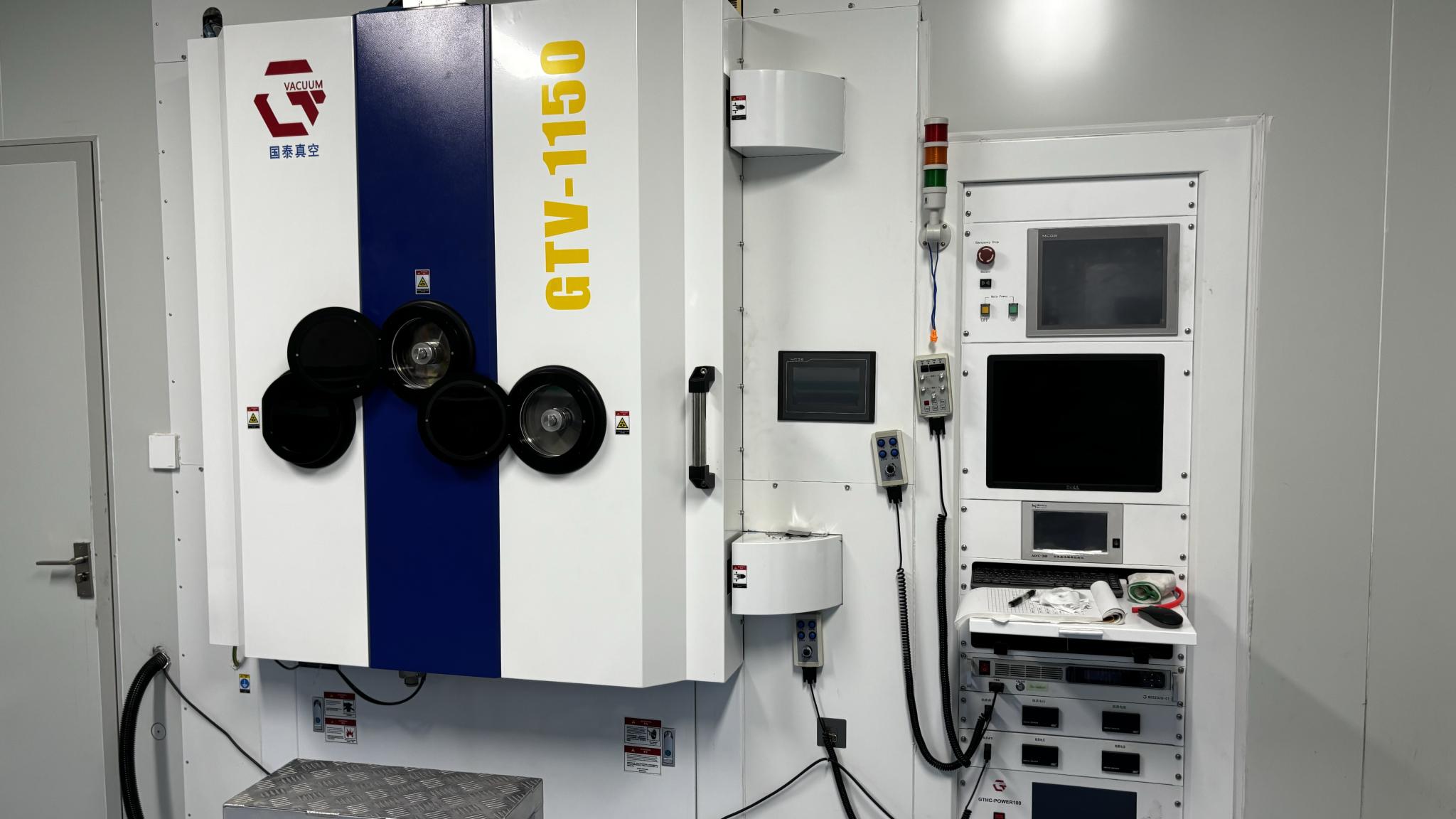
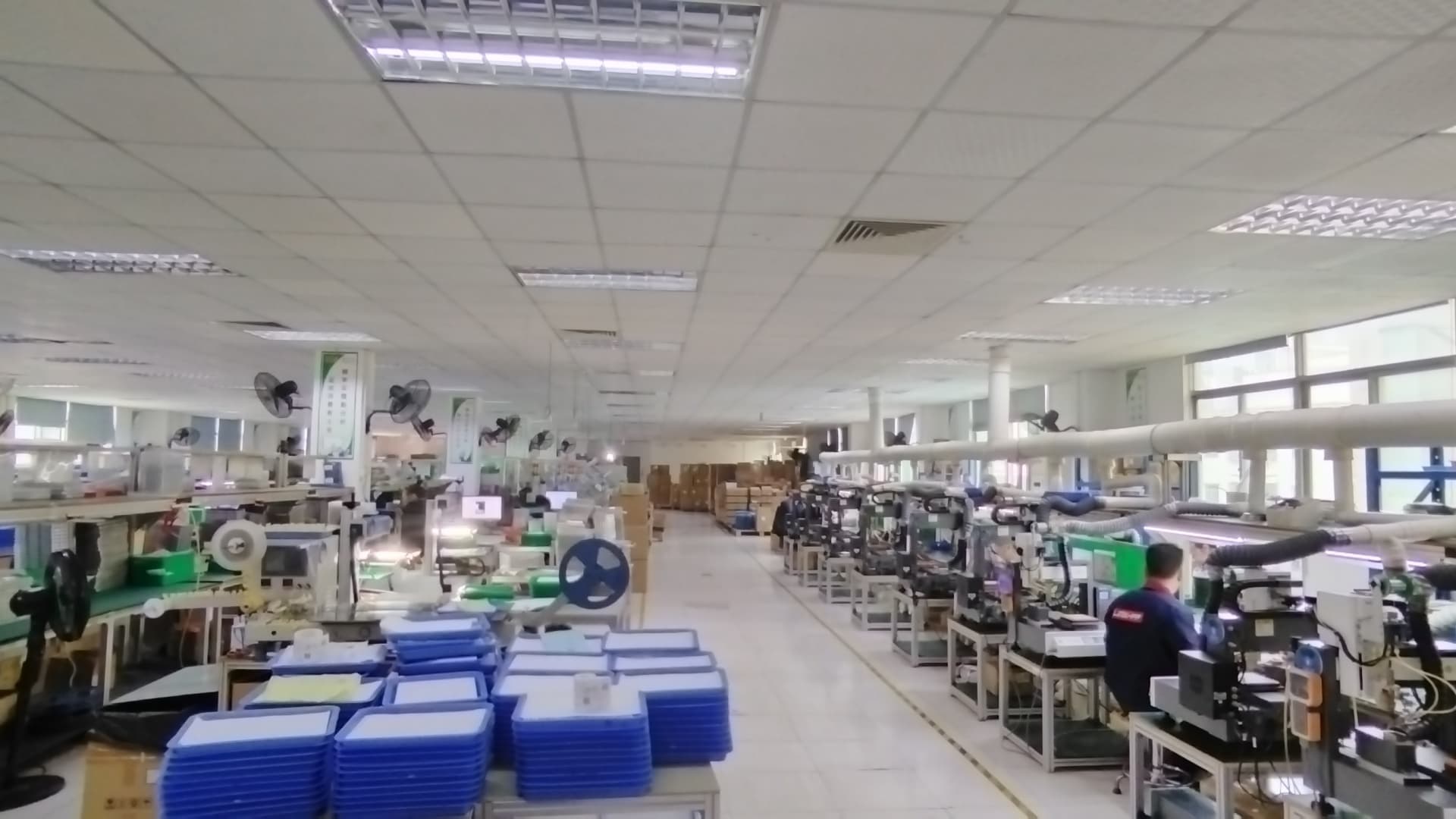
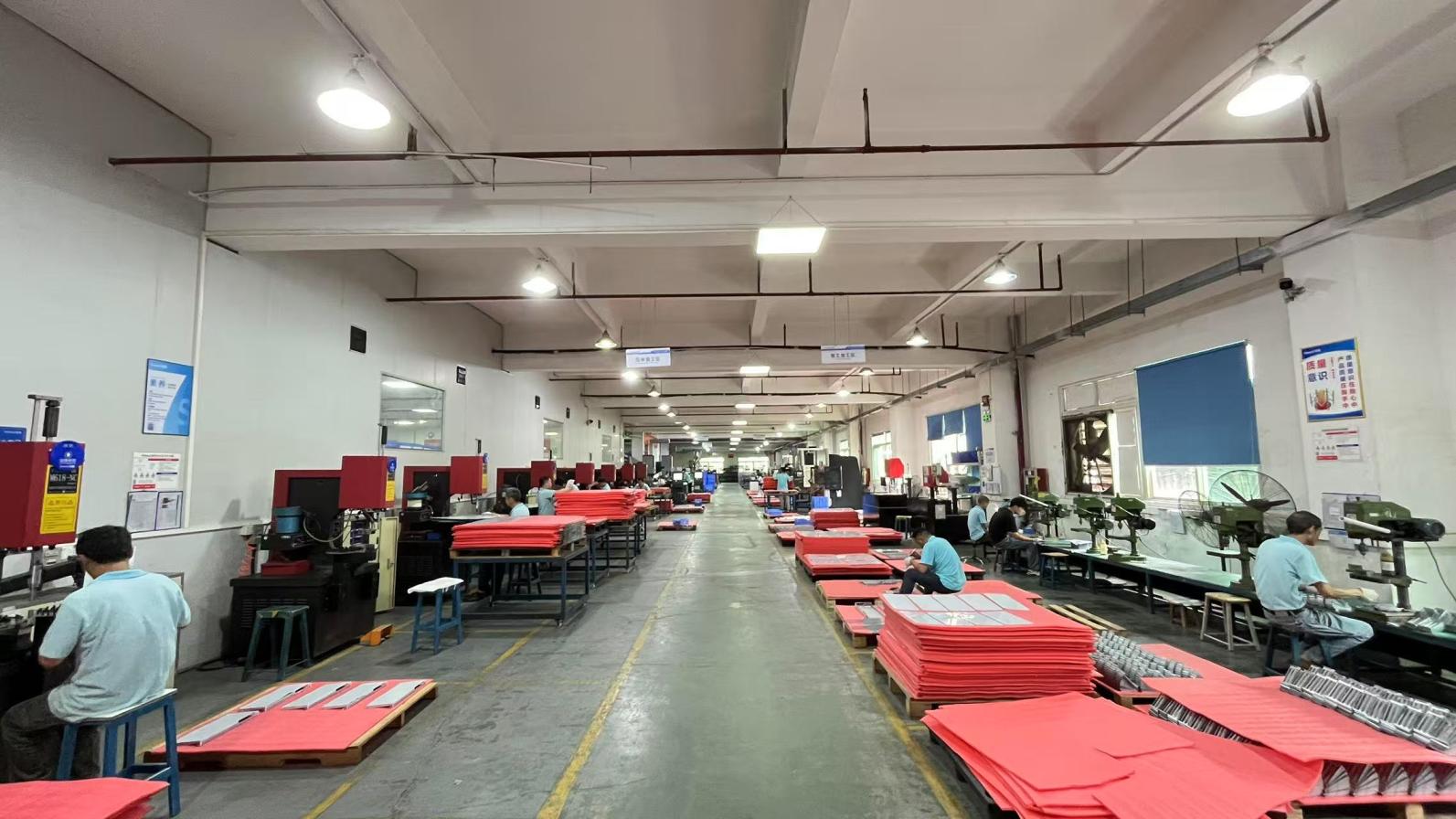
Every module undergoes a strict testing regimen designed to withstand Middle Eastern operational conditions:
Procuring active networking products in the Kingdom of Saudi Arabia requires adherence to local regulatory frameworks. Imported hardware must meet the safety and performance standards established by the Saudi Standards, Metrology and Quality Organization (SASO) and the Communications, Space and Technology Commission (CST).
Working with an experienced global manufacturer like FiberNova simplifies compliance. FiberNova supports the SABER platform registration process and provides the necessary documentation (such as IEC, CE, RoHS, and FCC test certificates) to ensure smooth customs clearance through King Khalid International Airport (RUH) and other entry points.
Our quality assurance team of 45 professional QC specialists ensures all active modules and passive connection hardware comply with international standards and local regulations. This helps operators avoid shipment delays and ensures network hardware functions reliably upon deployment.
Explore our full line of compatible transceivers, structured modular jacks, and high-density connection accessories.
Understanding supply chain management, compliance checks, and specifications for enterprise network rollouts.
For network operators, procurement is not just about unit price. System design teams look for suppliers that offer strong technical support, consistent manufacturing standards, and custom compatibility engineering. With rapid changes in optical speeds, suppliers must adapt products to work with existing hardware architectures.
Compatibility remains a key requirement. Network backbones in Riyadh often combine hardware from multiple manufacturers (such as Cisco, Juniper, Huawei, and Hewlett Packard Enterprise). Utilizing transceivers that are programmed and verified to match these vendors' software criteria ensures stable deployments and simplifies network troubleshooting.
High-quality construction helps lower long-term operating costs. Selecting transceivers with high-efficiency lasers and durable heat dissipation structures reduces power consumption, lowering cooling requirements in dense server facilities. Working directly with established factories allows buyers to negotiate custom packaging, labeled wavelengths, and batch testing protocols that align with their operational requirements.
Find answers to common questions about transceiver compatibility, environmental performance, and procurement processes.
 FiberNova