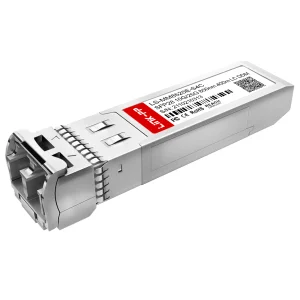
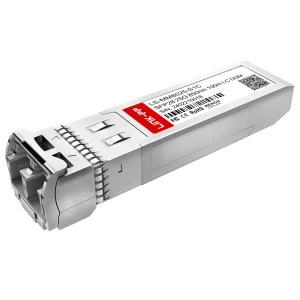
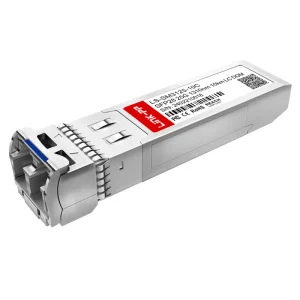
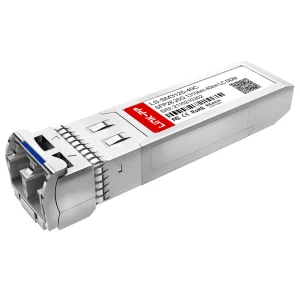
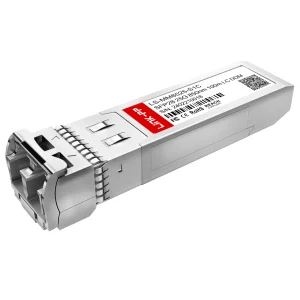
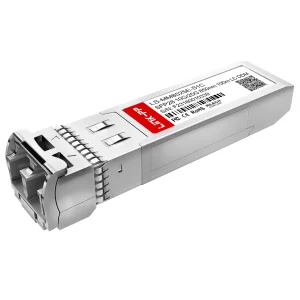
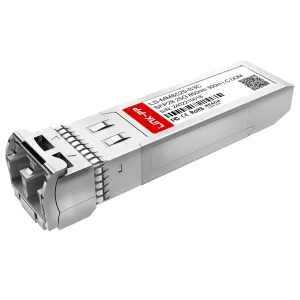
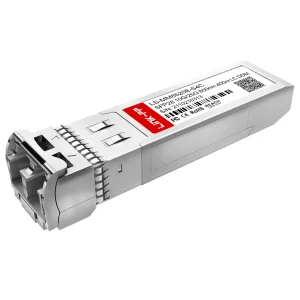
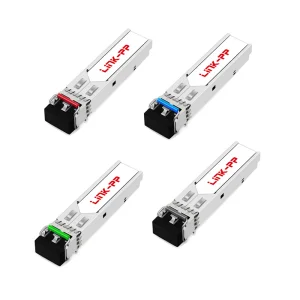
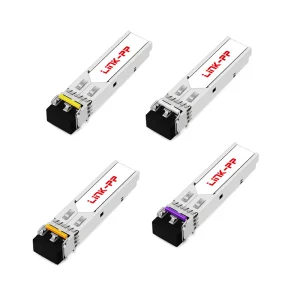
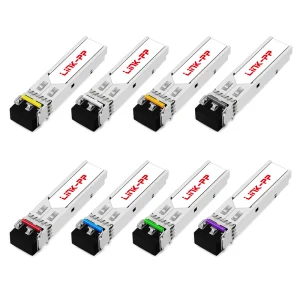
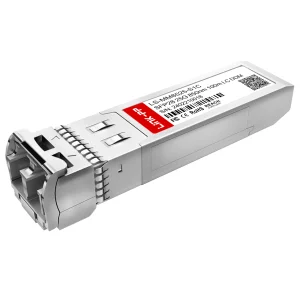
Namibia is rapidly positioning itself as the primary logistics and digital hub for the Southern African Development Community (SADC). Driven by the Harambee Prosperity Plan II and the national Vision 2030, the demand for robust, high-bandwidth telecommunications infrastructure has surged exponentially. The landing of Google's high-capacity Equiano submarine cable in Swakopmund, combined with the West Africa Cable System (WACS), has opened up massive backhaul traffic pipelines, requiring local operators like Telecom Namibia and MTC to upgrade their municipal networks, mining grids, and regional exchanges from legacy 10G pathways to scalable 25G and 32G interfaces.
Deploying 25G SFP28 and 32G SFP28 Fibre Channel optical transceivers offers the most logical, cost-effective migratory path. By retaining existing LC duplex fiber plants (both OS2 single-mode and OM3/OM4 multi-mode), network architects can quadruple bandwidth density without undergoing disruptive and capital-intensive civil construction. Our specialized transceivers provide the critical link required to bridge Namibia’s coastal entry points to inland datacenters in Windhoek and remote industrial nodes across the country.
Namibia's economic core relies heavily on resource extraction—ranging from onshore uranium mines in the Namib Desert (such as Husab and Rössing) to offshore diamond recovery operations off the coast of Lüderitz. Modern mining relies on automation, real-time IoT sensory feedback, and high-definition video feeds. These applications require high-speed networks that can operate reliably under harsh environmental conditions, where temperatures routinely swing from freezing desert nights to midday heat exceeding 45°C.
For these demanding industrial applications, standard commercial-grade optical transceivers are inadequate. Our SFP28 line features dedicated Industrial-Grade modules designed to withstand extreme thermal fluctuations (-40°C to 85°C), high dust loads, and constant mechanical vibrations. Furthermore, our 32G Fibre Channel modules are optimized for storage area networks (SANs) operating within the heavy shipping terminals of Walvis Bay Port, facilitating real-time automated logistics and customs processing.
A comparative overview of 25G and 32G SFP28 optical modules deployed to support telecommunication backbone routing, remote mining networks, and municipal switching infrastructure.
| Module Type | Wavelength | Fiber Type | Max Reach | Typical Application | Namibian Deployment Context |
|---|---|---|---|---|---|
| 25G SFP28 SR | 850nm VCSEL | MMF (OM4) | 100m | Intra-rack Data Center interconnects | Windhoek core telecom switches and banking SANs |
| 25G SFP28 LR | 1310nm DFB | SMF (OS2) | 10km | Metro Area Networks & FTTH backhaul | Connecting suburban hubs to metropolitan rings |
| 25G SFP28 ER | 1310nm EML | SMF (OS2) | 40km | Long-haul transmission, rural towers | Linking remote mine sites to regional backhaul nodes |
| 25G SFP28 BiDi | 1270nm-TX / 1330nm-RX | Simplex SMF | 10km - 40km | Single-fiber save networks, 5G fronthaul | Maximizing fiber utilization in capacity-limited desert runs |
| 25G SFP28 CWDM/DWDM | ITU Grid Grid C-band | SMF (OS2) | 10km - 40km | Multi-channel dense multiplexing | Scaling existing fiber cables along B1 national highway corridors |
| 32G Fibre Channel | 850nm / 1310nm | MMF / SMF | Up to 10km | High-speed Storage Area Networks (SAN) | High-frequency data replication for financial and maritime databases |
Manufactured strictly under SFF-8402, SFF-8431, and SFF-8472 agreements. This guarantees seamless compatibility with switches, routers, and host bus adapters (HBAs) from manufacturers like Cisco, Juniper, Arista, Huawei, Mikrotik, and Dell.
Integrated Digital Diagnostic Monitoring allows operators in central network operating centers (NOCs) to remotely monitor laser temperature, optical output power, receiver power, and supply voltage in real time.
Optimized internal circuits restrict module power draw to less than 1.0W (and under 1.5W for extended-reach ER modules). Reduced thermal dissipation protects sensitive host switches from overheating in hot climates.
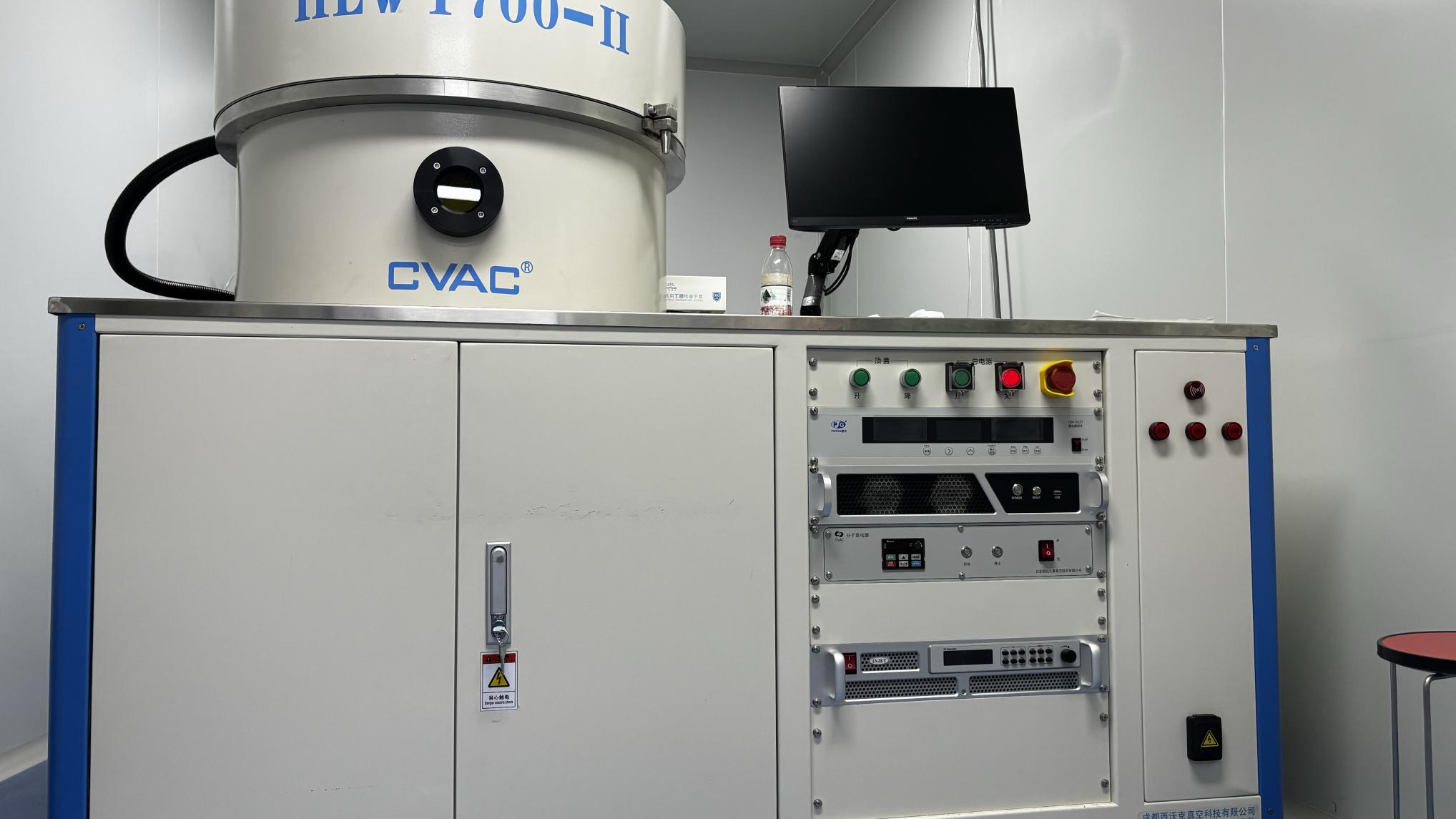
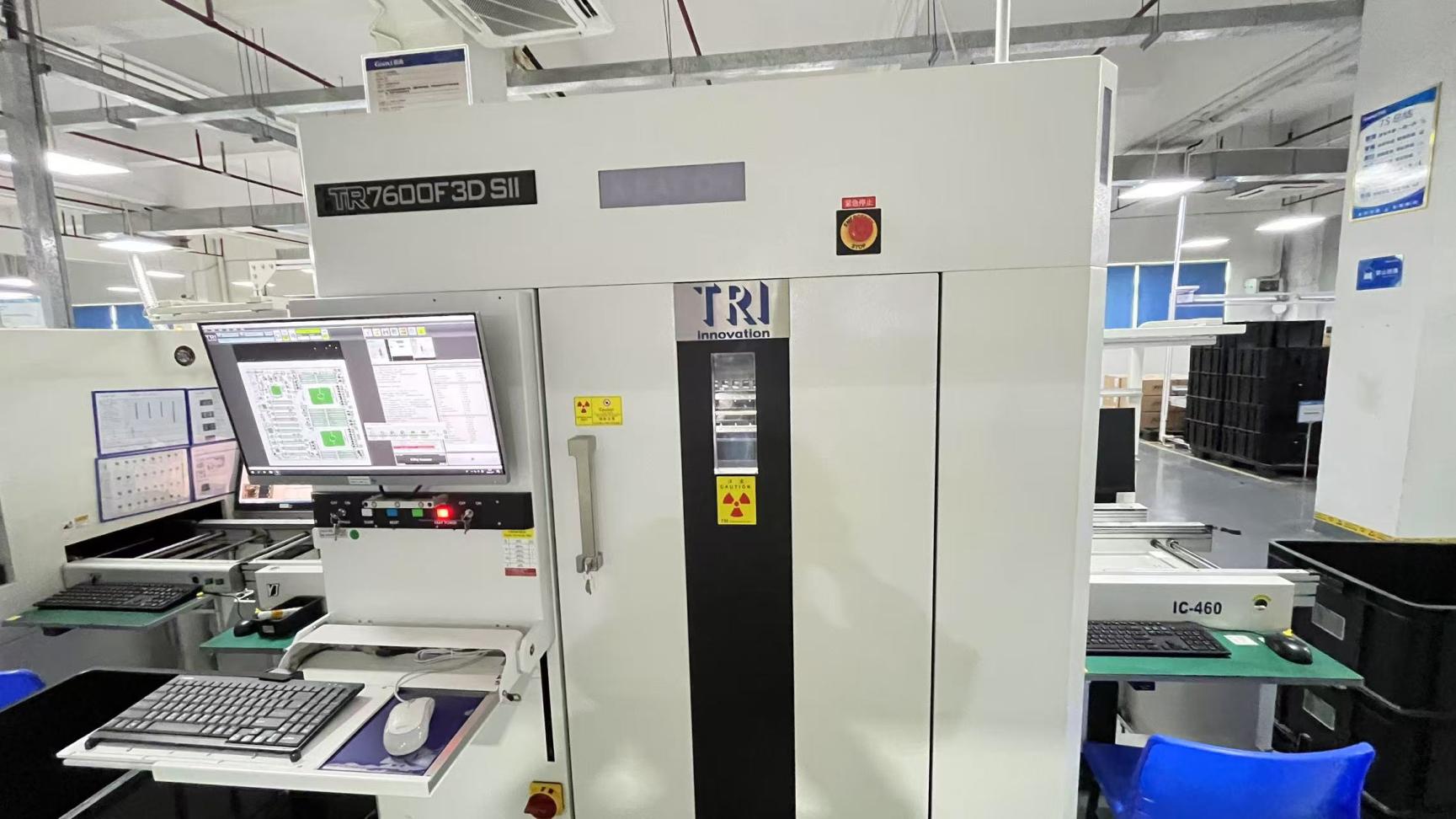
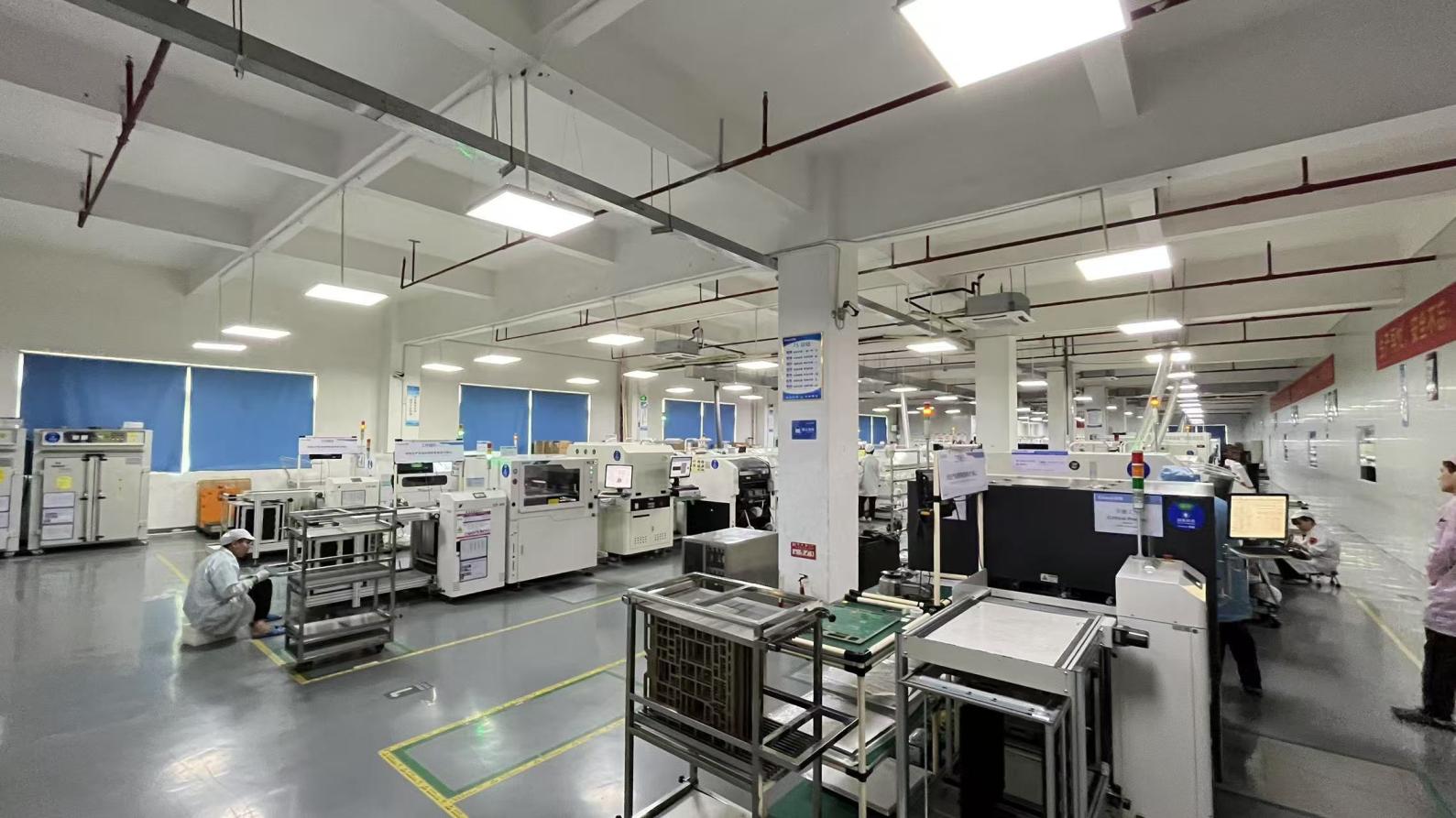
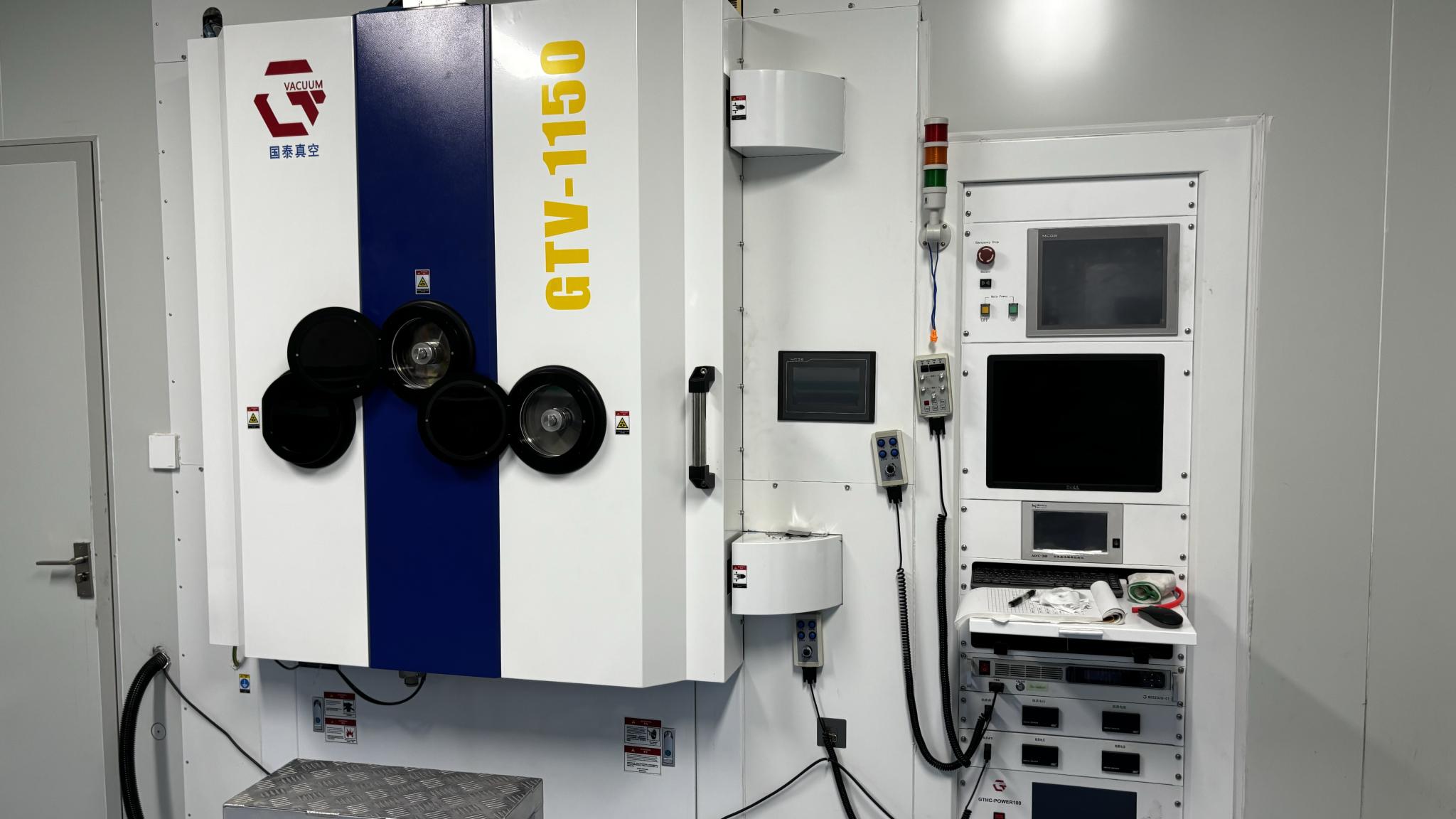
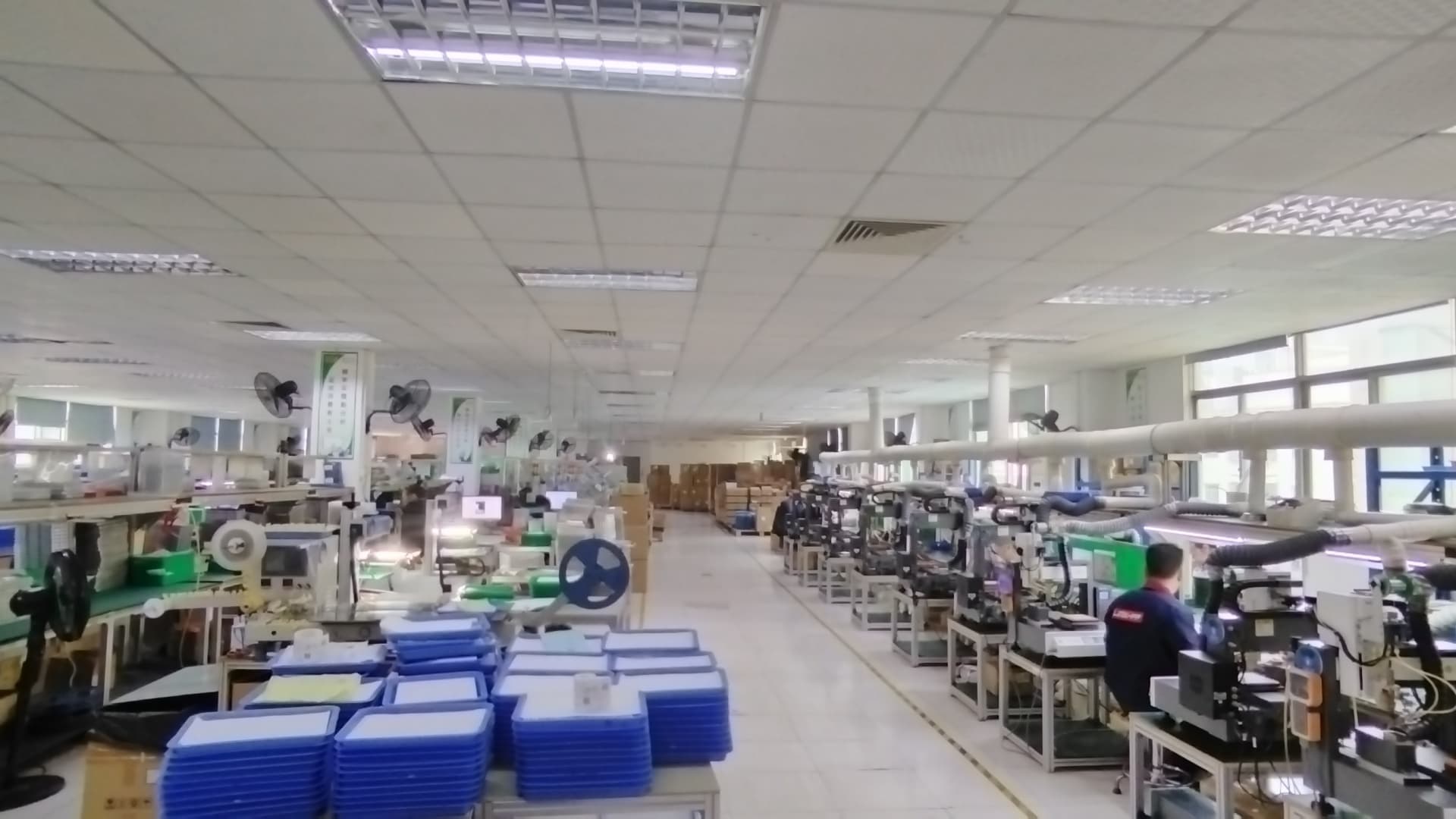
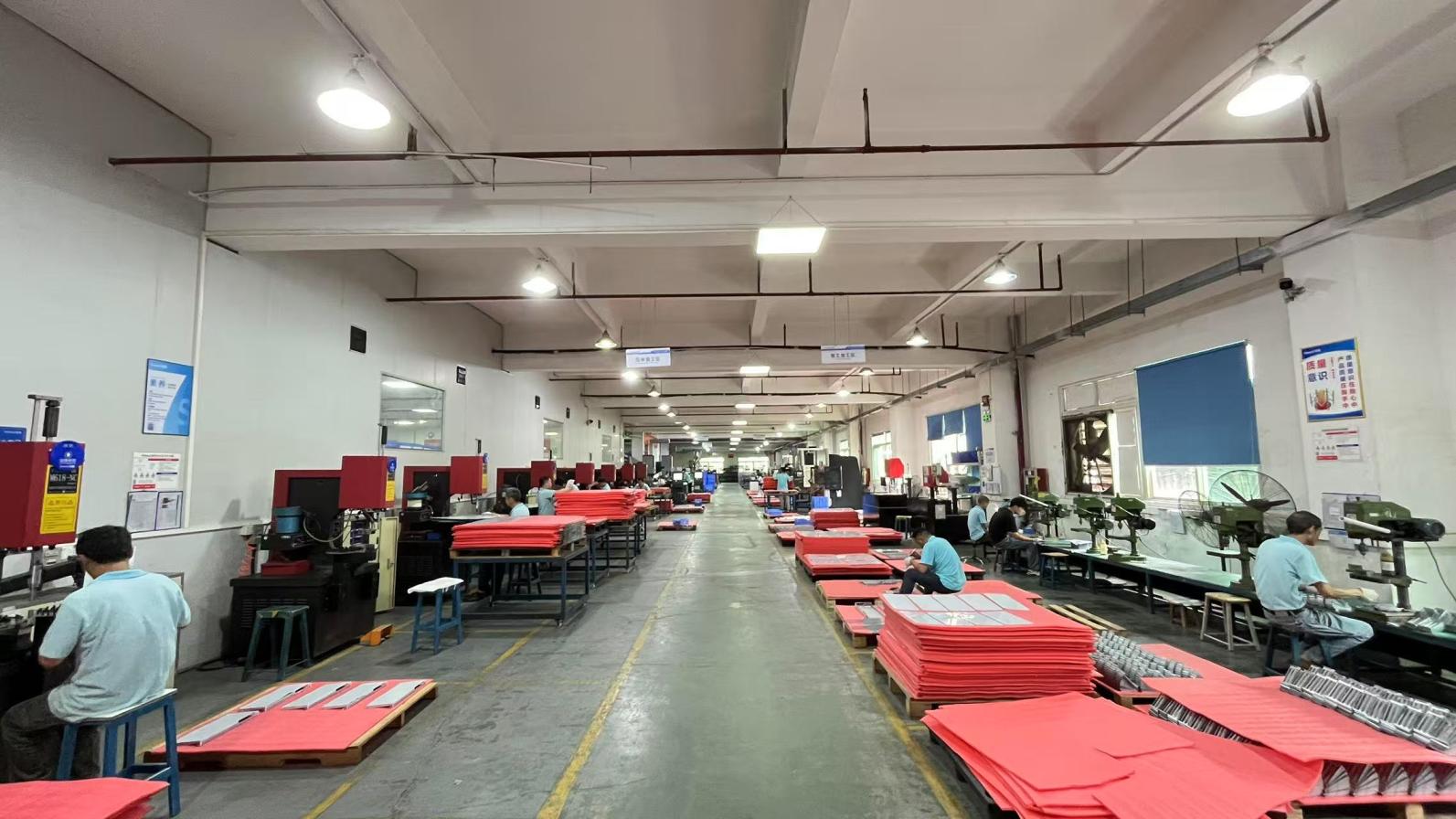
In our modern facility, we combine automated manufacturing with strict quality control protocols to ensure every transciever meets high industry standards. Operating with Industry 4.0 principles, our cleanroom environment features high-speed automated die attachment, precision wire bonding, and automated optical alignment systems. By minimizing manual interventions, we consistently produce modules with low failure rates and high signal uniformity.
Our supply chain resilience is built on partnerships with top-tier laser diode (VCSEL, DFB, and EML) and photodetector (PIN, APD) manufacturers. This ensures stable procurement and steady production timelines, even during global component shortages. For our clients in Namibia and throughout Africa, this translates to consistent lead times, scalable production capacity, and predictable shipping schedules, bypassing regional distributor markups and logistical delays.
Every module undergoes rigorous testing before packaging. Our quality assurance team of 45 professionals enforces a multi-phase testing protocol:
FiberNova Optical Communication Tech Co., Ltd. (FiberNovaTransceivers.com) is an optical transceiver manufacturer established in 2016. Operating a modern production facility, we focus on high-speed optical communication solutions, serving global data centers, enterprise networks, and telecom operators with high-performance products.
With over 6 years of export experience and 12 years of industry expertise, FiberNova has developed robust capabilities in R&D, manufacturing, and international trade. The company achieves an annual export revenue of approximately USD 8–15 million, supplying customers across North America, Europe, Southeast Asia, the Middle East, and rapidly growing African markets like Namibia.
Our quality control system includes 100% optical performance testing, temperature cycling tests, and signal integrity inspection before shipment. The quality assurance team consists of around 45 professional QC staff, ensuring every transceiver meets international standards such as IEEE and MSA compatibility requirements.
FiberNova maintains a solid trade background with experienced export teams handling OEM and ODM projects worldwide. Our main markets include the United States, Germany, Japan, South Korea, and the United Arab Emirates. FiberNova has established long-term partnerships with more than 1,200 supply chain partners, enabling stable procurement of chips, lasers, and optical components.
We serve a wide range of clients, including telecom operators, cloud service providers, data center integrators, and network equipment distributors. Our R&D team of 65 engineers focuses on high-speed transmission technologies such as 10G, 25G, 100G, 400G, and 800G optical modules.
Customization is fully supported, including wavelength tuning, protocol compatibility, housing design, and labeling services. In the past year, FiberNova launched approximately 120 new products, continuously expanding our portfolio to meet fast-changing market demands.

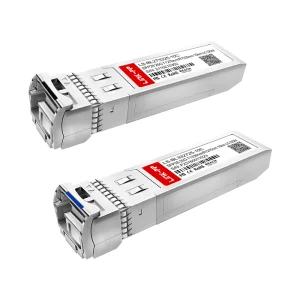
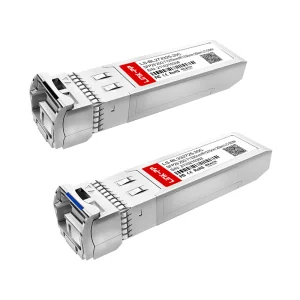
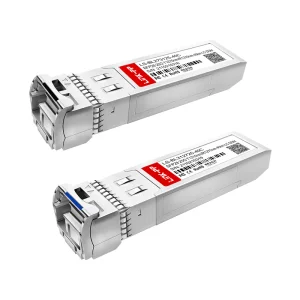
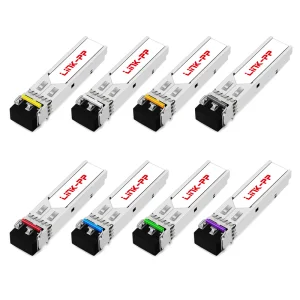
Specialized single-fiber BiDi, CWDM, and DWDM SFP28 modules designed for efficient capacity expansion across municipal and rural Namibian networks.
Migrating to 25G SFP28 allows network operators to increase bandwidth 2.5-fold using existing single-mode (OS2) or multi-mode (OM3/OM4) LC cabling systems. SFP28 modules share the same mechanical footprint as 10G SFP+ transceivers. This migration path provides a cost-effective solution for local enterprises and operators to upgrade their core capacity without upgrading their entire physical cable plant.
Yes. We offer industrial-grade versions of our SFP28 transceivers specifically rated for operating temperatures from -40°C to +85°C. These modules feature robust internal laser casings and thermal dissipation designs, making them suitable for outdoor cabinets, roadside nodes, and mining networks in warm climates like the Erongo Region or the Kalahari Desert.
Yes. All FiberNova modules are programmed at the firmware level using compatible EEPROM configurations. We test each batch with host equipment from manufacturers like Cisco, Juniper, Huawei, Mikrotik, and Dell to ensure compatibility and correct system recognition.
For standard stock items, order processing and shipment occur within 3–5 business days. Transit time via major air express services (DHL, FedEx, UPS) to Windhoek Hosea Kutako International Airport is typically 5–9 working days. For bulk orders, sea freight options are available through the Port of Walvis Bay.
BiDi SFP28 transceivers combine transmit and receive channels onto a single fiber strand using two distinct wavelengths (e.g., 1270nm and 1330nm). By utilizing a single strand rather than a duplex fiber pair, operators can double the bandwidth capacity of their existing fiber plant without laying new optical cables.
Yes. We offer complete OEM and ODM customization services. This includes private labeling, custom laser marking on transceivers, programming custom EEPROM vendors IDs, and designing specialized retail or bulk packaging to align with your brand standards.
Connect with our technical support team today to request compatibility sheets, engineering samples, or customized quotes tailored to your telecommunication project requirements.
Send Inquiry Now FiberNova