Optimized optical interfaces engineered for seamless integration with Manila's primary carrier networks and enterprise cloud links.
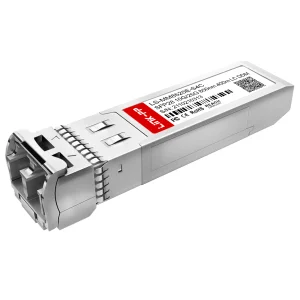
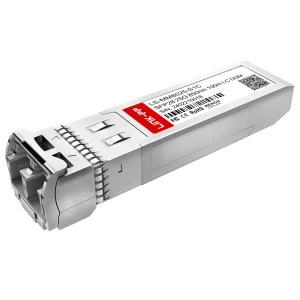
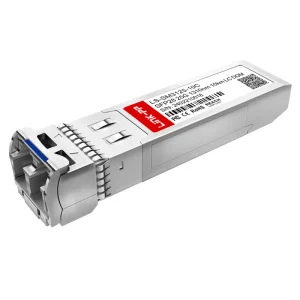
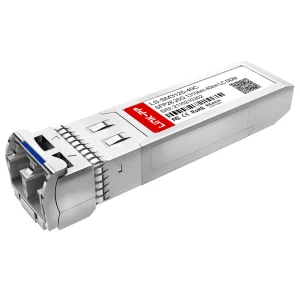
Metro Manila, encompassing economic powerhouses like Makati, Bonifacio Global City (BGC), Ortigas, and Quezon City, is undergoing an unprecedented digital infrastructure revolution. Driven by the explosive growth of the Business Process Outsourcing (BPO) sector, fintech platforms, and aggressive hyperscale data center construction, the region has transitioned from legacy 10G backbones to modern high-speed architectures.
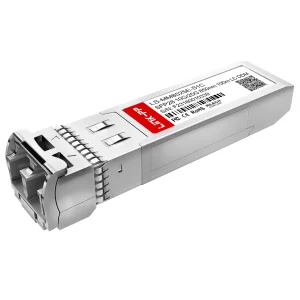
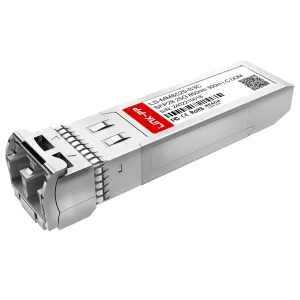
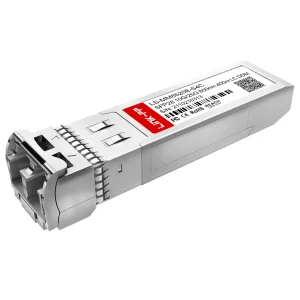
With major carriers like PLDT, Globe Telecom, and DITO Telecommunity expanding fiber footprints and deploying extensive 5G networks, the necessity for robust, low-latency, and high-density optical transceivers has reached a critical peak. 25G SFP28 and 32G SFP28 optical modules have emerged as the standard infrastructure building blocks, striking the perfect balance between implementation cost, power consumption, and bandwidth headroom.
Whether linking local SAN arrays in banking headquarters, connecting edge computing centers in regional logistics corridors, or provisioning 5G fronthaul CPRI/eCPRI interfaces, our optical components deliver the strict latency profiles and thermal tolerances required by the Philippines' tropical climate and power grid dynamics.
Understanding the engineering mechanics, protocol standards, and physical layer advantages of modern high-speed optical form factors.
Historically, network operators scaled capacity by bundling multiple 10Gbps channels or migrating directly to 40Gbps QSFP+ form factors. However, 40G transceivers require four lanes of 10G, which consumes significant physical space and increases cabling complexity. The introduction of SFP28 (Small Form-factor Pluggable 28) revolutionized this model.
Operating on a single-lane physical layer, 25G SFP28 delivers 2.5 times the bandwidth of 10G SFP+ while maintaining the exact same port density and form factor. This enables data centers in the Philippines to upgrade their port speeds without replacing their high-density rack switch chassis, significantly reducing CapEx. Furthermore, 32G Fibre Channel SFP28 modules support backward compatibility with 16G and 8G SAN networks, ensuring a seamless migration path for enterprise storage setups.
| Parameter | 10G SFP+ | 25G SFP28 | 40G QSFP+ |
|---|---|---|---|
| Physical Lanes | 1 Lane | 1 Lane | 4 Lanes | Max Data Rate | 10.3125 Gbps | 25.78125 Gbps | 41.25 Gbps |
| Form Factor | SFP+ | SFP28 | QSFP+ |
| Power (Typical) | < 1.0W | < 1.2W | < 3.5W |
| Fiber Efficiency | Baseline | 2.5x Higher | Requires 4x Fibers |
Leveraging deep technological expertise and state-of-the-art production facilities to supply reliable network equipment globally.
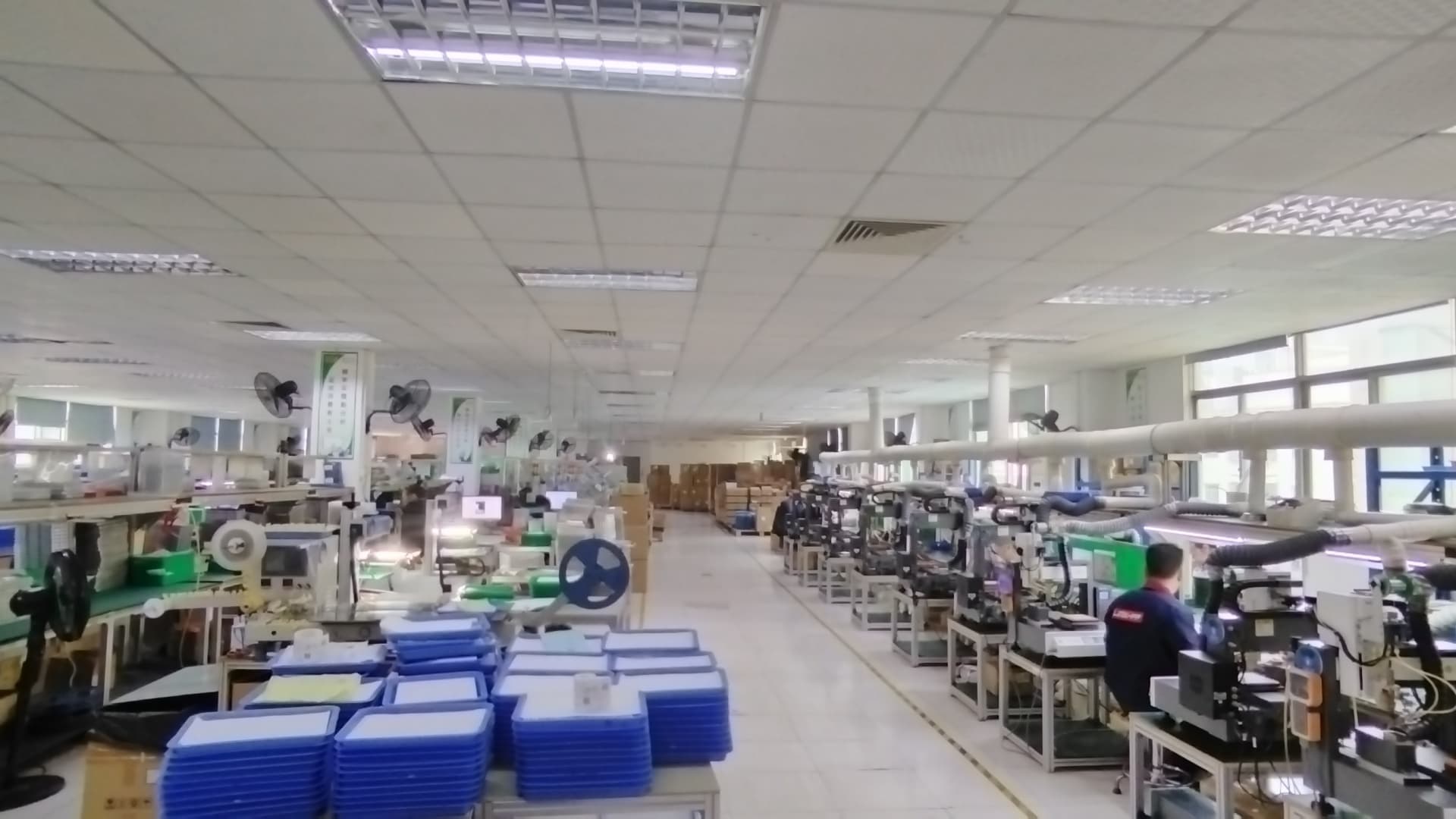
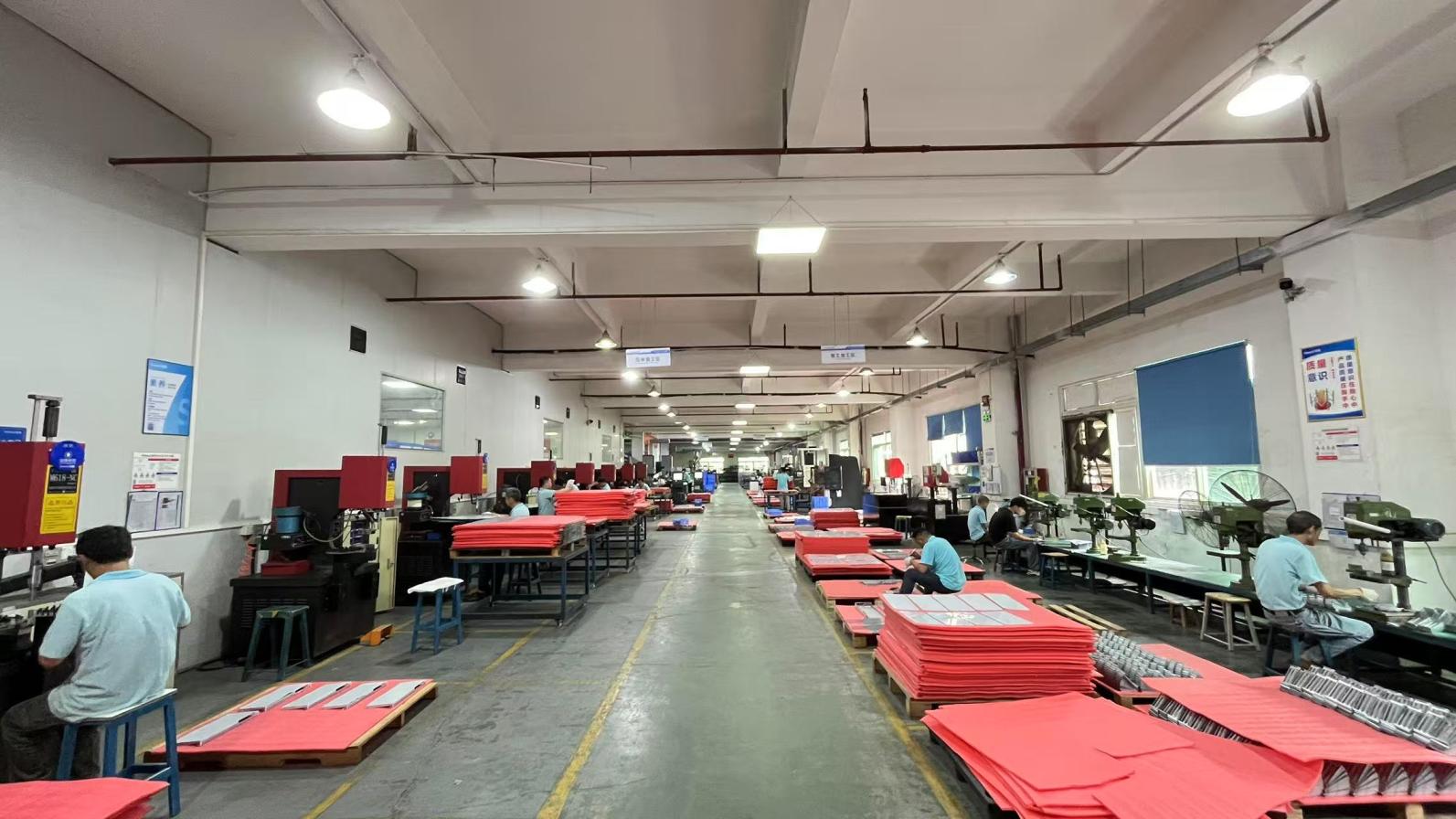
Established in 2016, FiberNova Optical Communication Tech Co., Ltd. (FiberNovaTransceivers.com) has grown into a premier manufacturer of high-performance optical transceivers. We service leading telecom companies, enterprise data center operators, and cloud service networks globally, delivering compatible, reliable optical interconnect solutions.
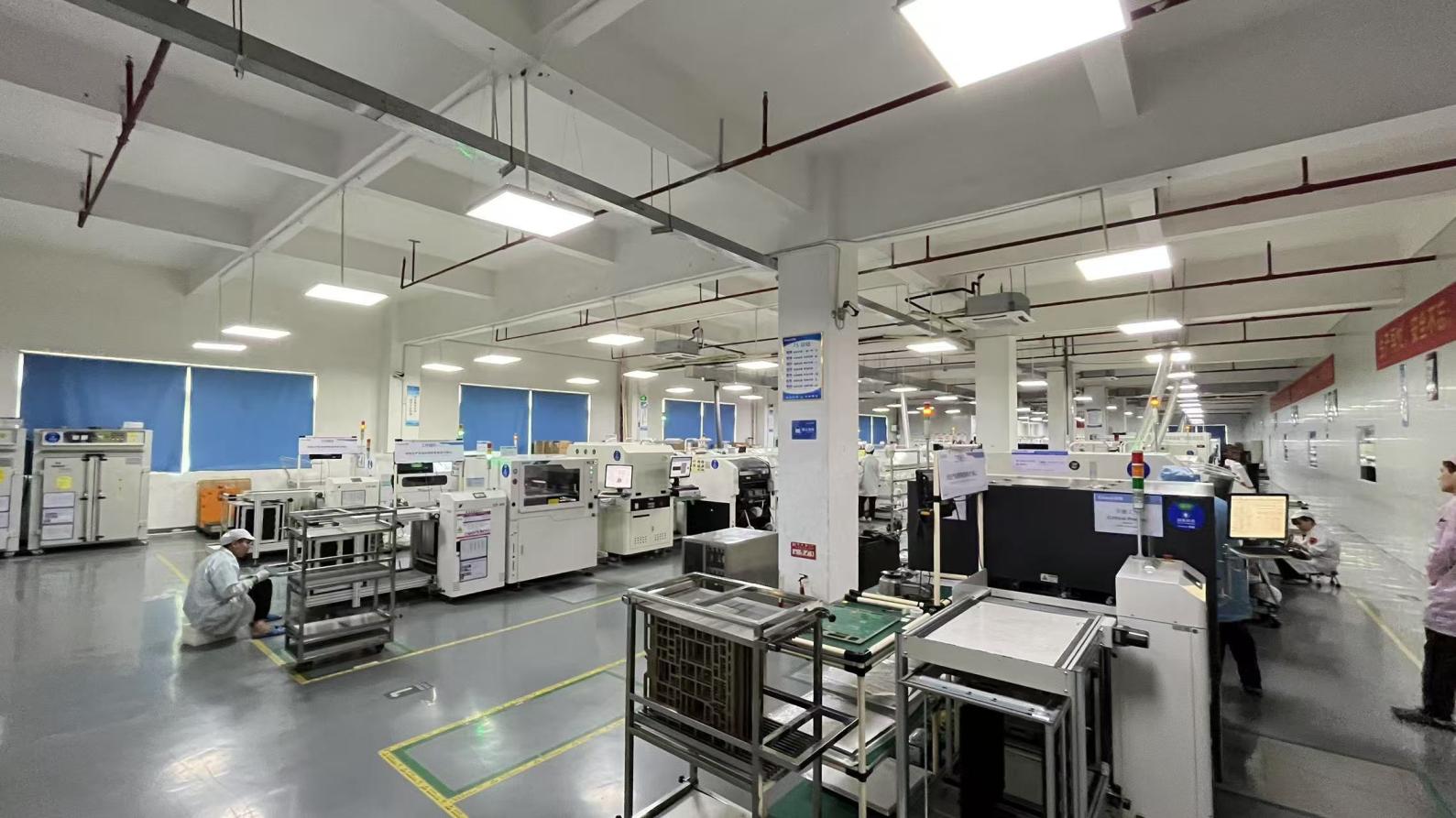
Supported by a dedicated research and development team of 65 engineers, FiberNova stays at the cutting edge of optical communication technology. Our active R&D pipeline enables us to continuously roll out next-generation transceivers—releasing approximately 120 new products in the past year alone. We manage a robust supply ecosystem with over 1,200 trusted partners to guarantee component availability, covering laser diodes, photodetectors, optical sub-assemblies, and digital signal processors (DSPs) even during global supply tight spots.
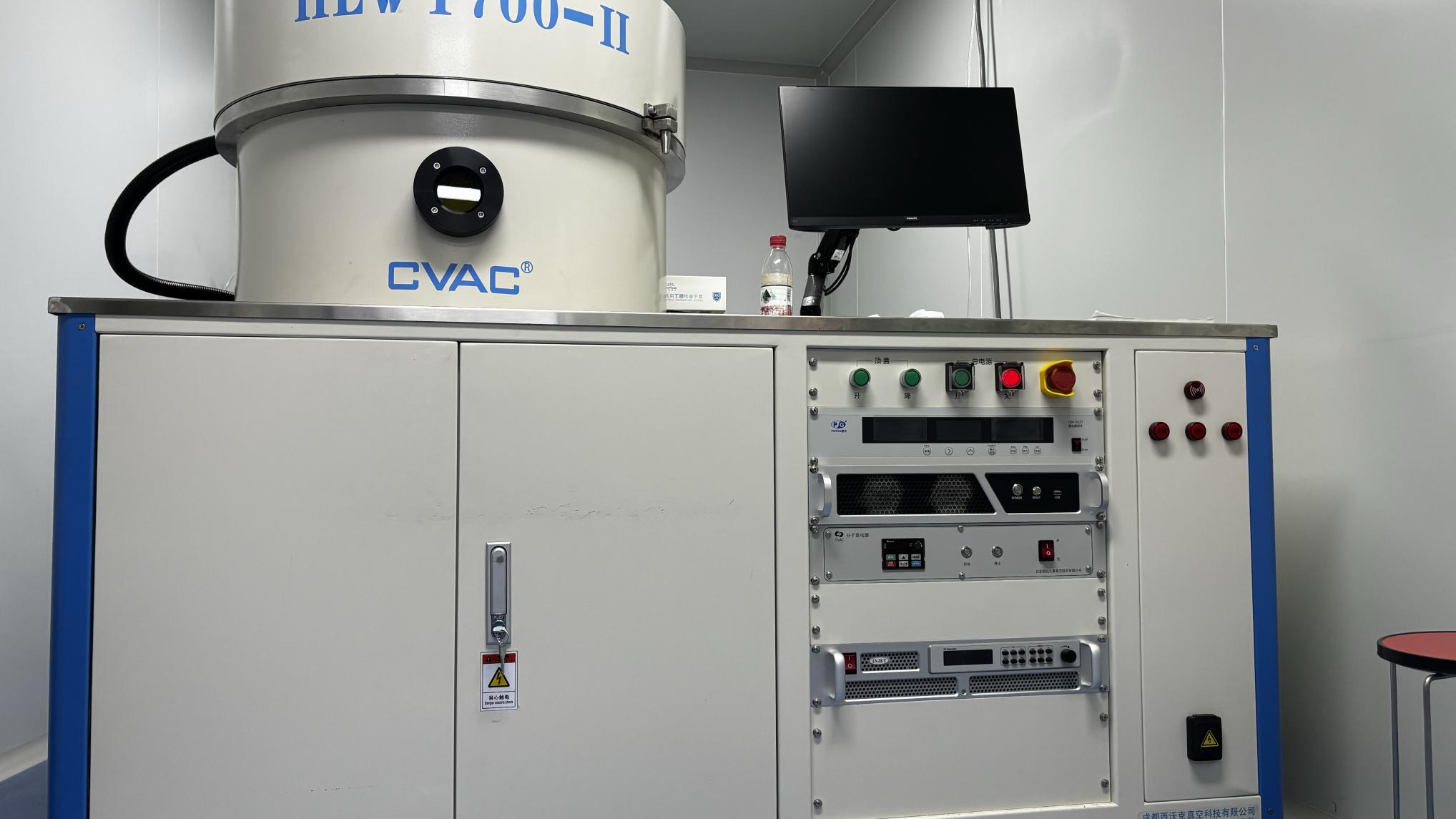
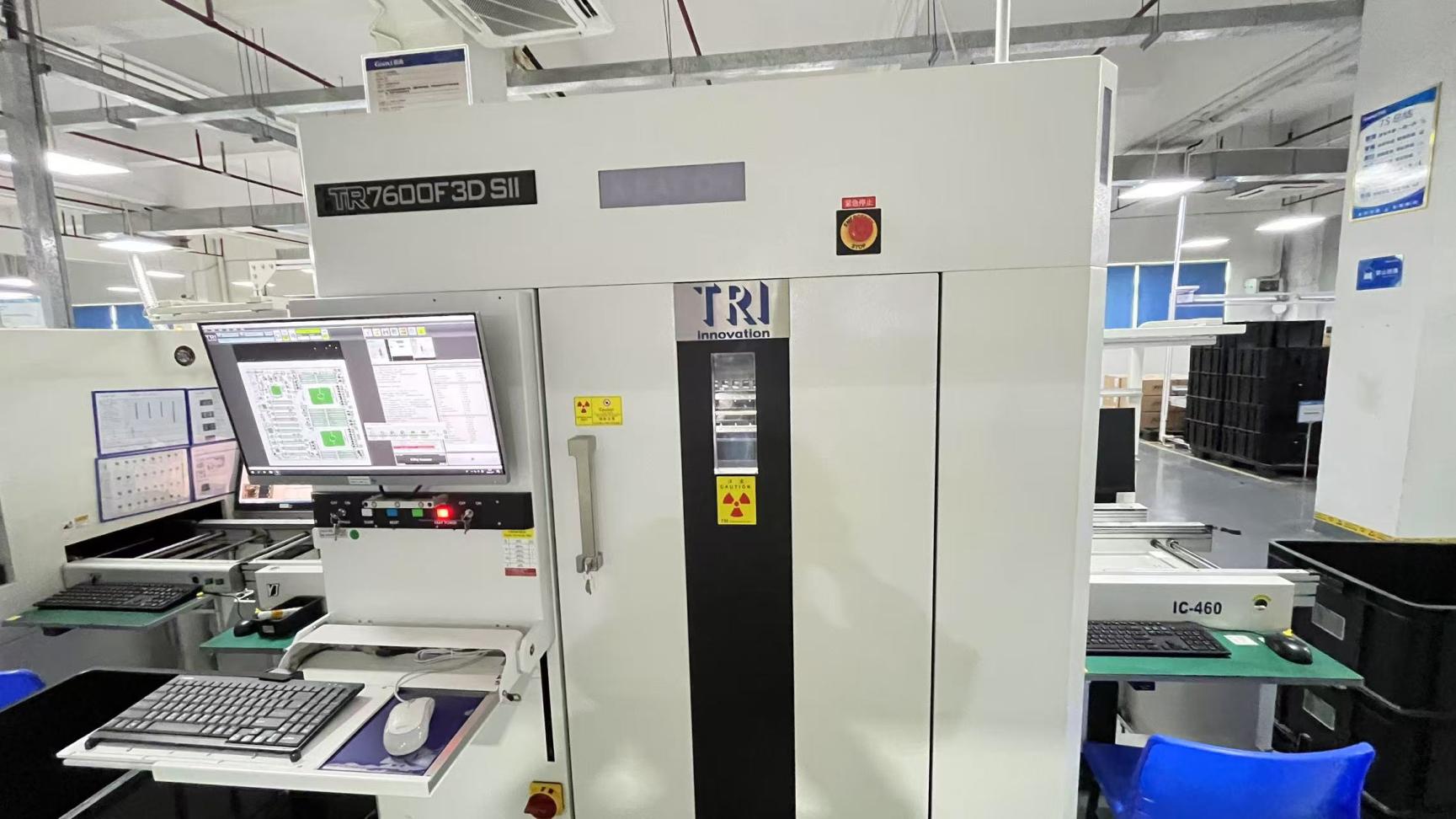
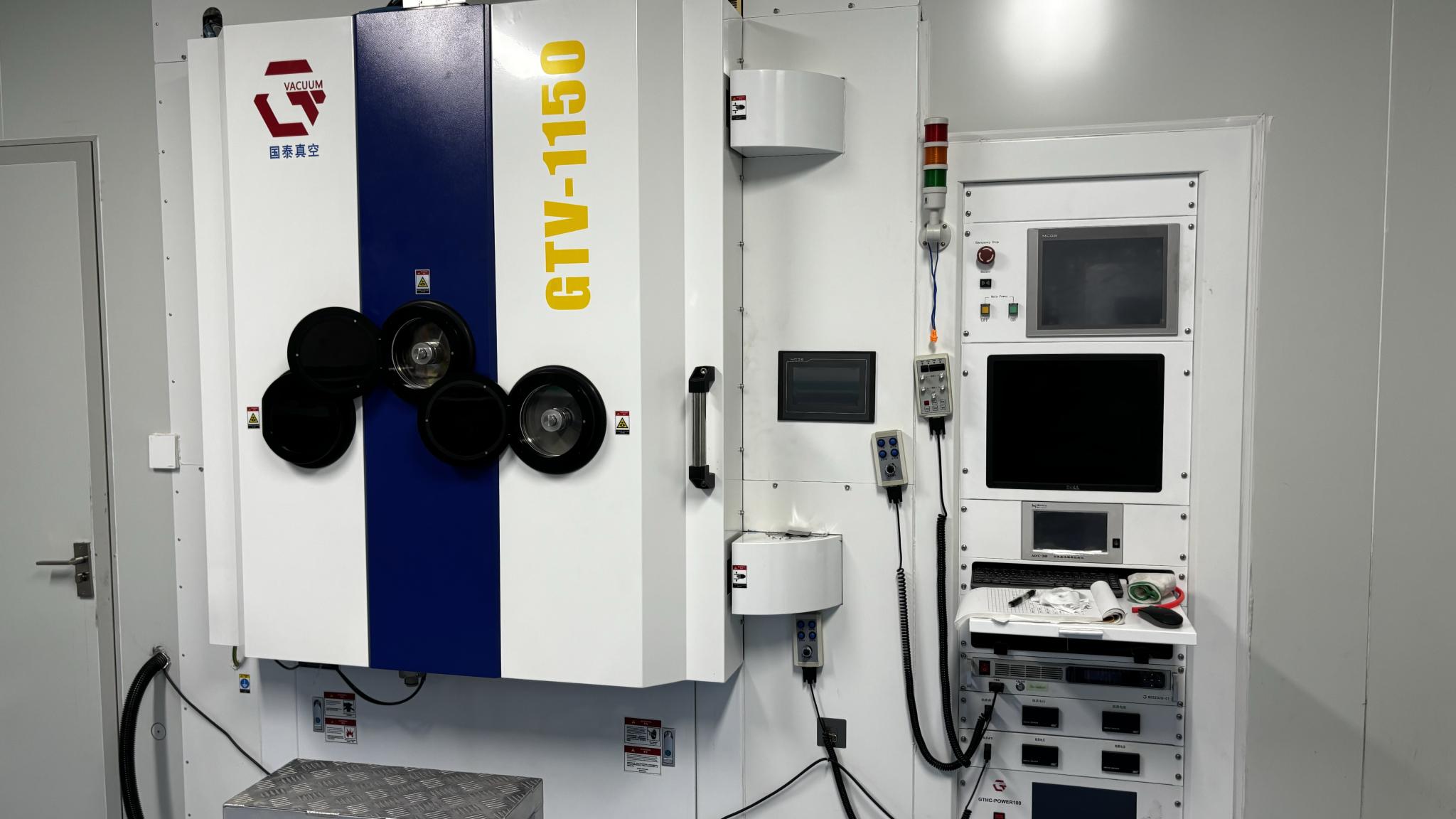
To ensure maximum network uptime for critical links in Manila, FiberNova operates a strict, multi-stage quality control process. Every single 25G/32G SFP28 module is subjected to intensive electrical and optical verification before it is cleared for export.
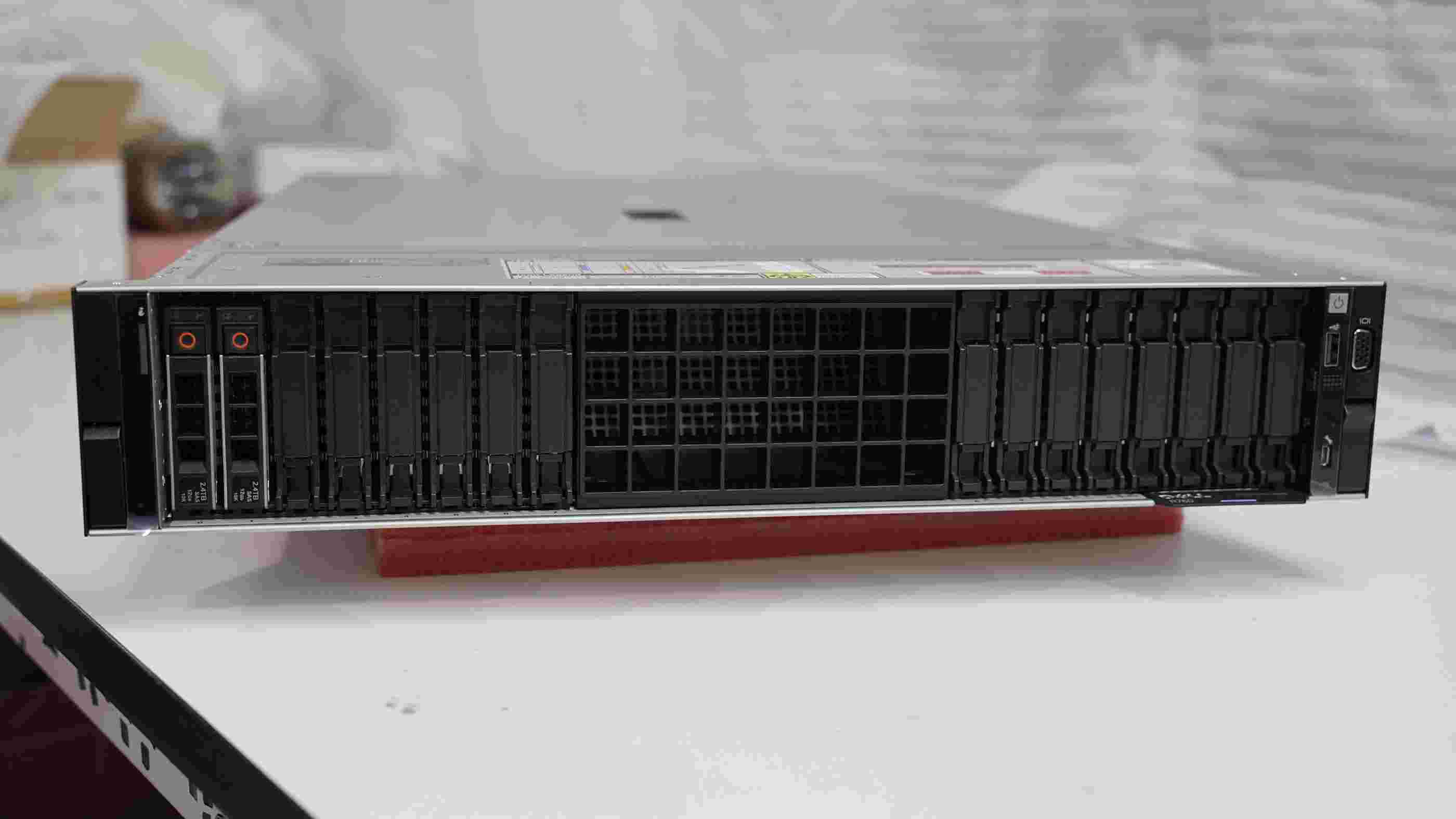
Our dedicated team of 45 professional QC specialists runs real-time diagnostic checks, including 100% optical performance testing, high/low temperature cycling tests (essential for operations in high humidity/ambient temperature environments like Manila), and signal integrity inspections. In our hardware verification lab, we test compatibility across major switch and router vendors, ensuring our transceivers function flawlessly with Cisco, Arista, Juniper, HP, and Huawei equipment.

Shipping high-frequency optical transceivers into the Philippines requires deep familiarity with local customs regulations, NTC (National Telecommunications Commission) guidelines, and regional duties. FiberNova handles the complete documentation package, ensuring rapid clearance at the Port of Manila and Ninoy Aquino International Airport (NAIA).
Our export operations team partners with top international couriers (DHL, FedEx, UPS) and air freight consolidators to deliver components to Manila-based system integrators, telecom installers, and corporate offices with minimal lead times. We support flexible trade terms (FOB, CIF, EXW) and guarantee secure ESD packaging to protect the sensitive optical components during long-distance transits.
We guarantee seamless firmware configuration to match your host hardware brand:
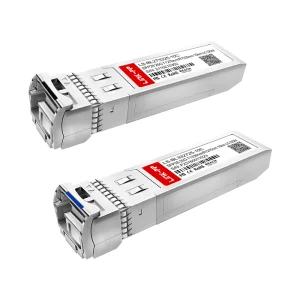
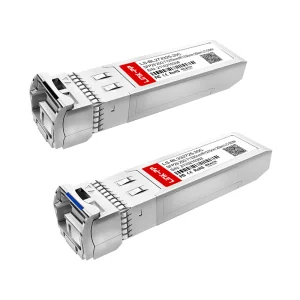
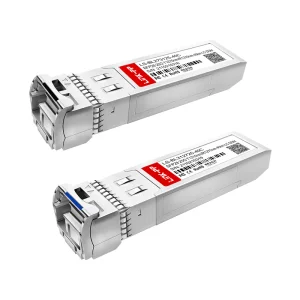
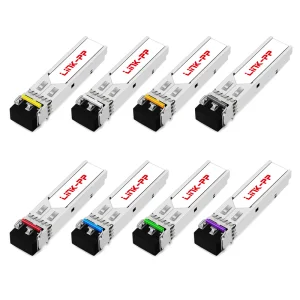
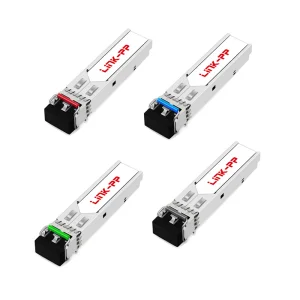
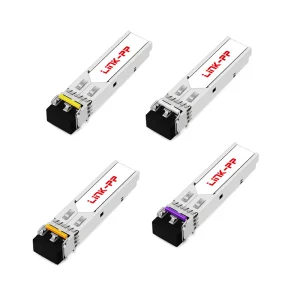
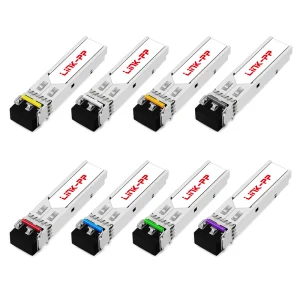
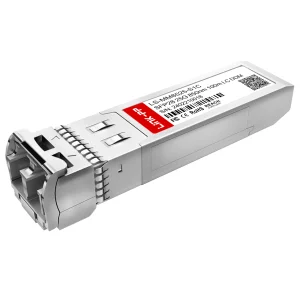
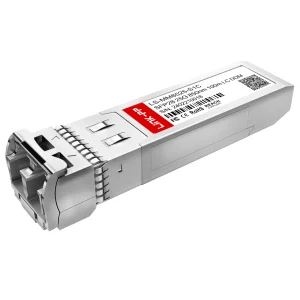
Explore our full line of 25G/32G Single-Mode, Multi-Mode, BiDi, CWDM, DWDM, and LWDM optical modules engineered for target networks.
Technical answers, logistics guides, and engineering tips for deploying SFP28 optical modules in the Philippines.
Looking to upgrade your data center backbone in Makati or scale 5G distribution networks across the Philippines? Contact FiberNova for custom compatibility configs, bulk discount quotes, and priority shipping schedules.
 FiberNova