High-reliability pluggable transceivers engineered for immediate implementation in high-capacity fiber optical networks.
Bridging the geographical divide in the Central Pacific via advanced fiber optic infrastructure.
Kiribati, an archipelagic nation consisting of 33 atolls and islands scattered over 3.5 million square kilometers of the central Pacific Ocean, faces unique telecommunications challenges. The transition from satellite-dependent backhaul to high-speed subsea optical fiber networks has become a national priority. Key projects, including the Southern Cross NEXT cable landing in Tarawa, have transformed the bandwidth profile of the islands, demanding a localized, robust approach to physical infrastructure layer upgrades.
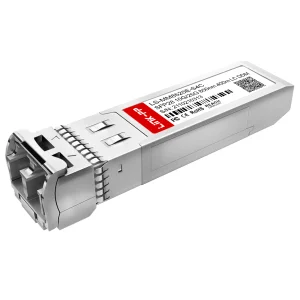
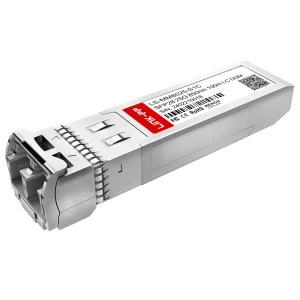
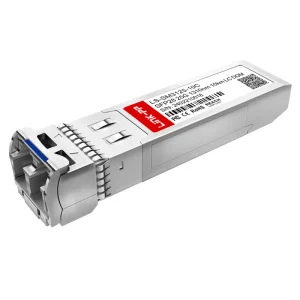
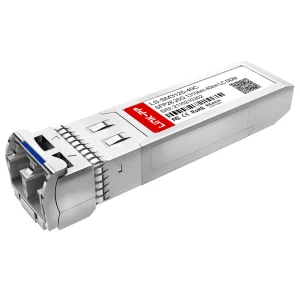
To fully utilize this subsea infrastructure, local telecommunications authorities and enterprise networks in South Tarawa and Kiritimati (Christmas Island) require high-density, reliable transceivers. 25G and 32G SFP28 optical modules are crucial components in modernizing these connection links. Whether upgrading mobile backhaul systems to handle LTE-Advanced and future-proofed networks or upgrading internal local area networks within critical government, educational, and financial institutions, these modules provide the high throughput required.
“In remote oceanic environments, physical infrastructure resilience is paramount. Standard commercial modules fail prematurely due to high humidity and salt aerosols. Our marine-optimized SFP28 range is engineered to bypass these environmental hazards while keeping latency below critical thresholds.”
| Active Subsea Links | Southern Cross NEXT (Tarawa Landing) |
| Primary Local Medium | Single-Mode Fiber (SMF) & Microwave Backhaul |
| Climatic Challenges | High Salinity, Constant Humidity (80%+), Elevated Temperatures |
| Critical Wavelengths | 1310nm (LR), 1270-1330nm (CWDM/BiDi), 1550nm (ER) |
| Target Topologies | FTTH Aggregation, Government MANs, Offshore Telemetry |
Aligning IEEE 802.3by Ethernet standards and FC-PI-6 Fibre Channel specifications for maximum interoperability.
Support for both 25G Ethernet (25.78 Gbps) and 32G Fibre Channel (28.05 Gbps) protocols allows operators to standardize hardware profiles across both enterprise storage SANs and telecom switching environments.
Real-time optical diagnostic monitoring (SFF-8472) enables local IT teams in Kiribati to remotely audit tx/rx power levels, transceiver internal temperatures, and laser bias current metrics, minimizing site visits.
Integrated EEPROM compatibility coding matches strict host validation checks of major OEMs (Cisco, Juniper, Huawei, HPE). Our modules bypass warning alerts on the host CLI seamlessly.
Choosing the correct transmitter technology defines the performance envelope and cost structure for local deployments in Tarawa or outer islands. For short-reach interconnects within a local central office or server room (under 400m), **VCSEL (Vertical-Cavity Surface-Emitting Laser)** at 850nm paired with Multi-Mode Fiber (MMF) is the standard cost-effective approach. However, for backhauling data across remote facilities or linking multiple administrative offices, **DFB (Distributed Feedback)** lasers operating at 1310nm (LR, up to 10km) or 1550nm (ER, up to 40km) over Single-Mode Fiber (SMF) are required to counter the high signal attenuation and atmospheric dispersion.
For critical inter-atoll fiber segments or high-speed links over 40km, **EML (Externally Modulated Laser)** engines provide superior chirp suppression and minimal chromatic dispersion, ensuring clean signal paths even in environments subject to thermal fluctuations and high environmental vibration.
How FiberNova Optical Communication Tech Co., Ltd. delivers absolute quality with global export capabilities.
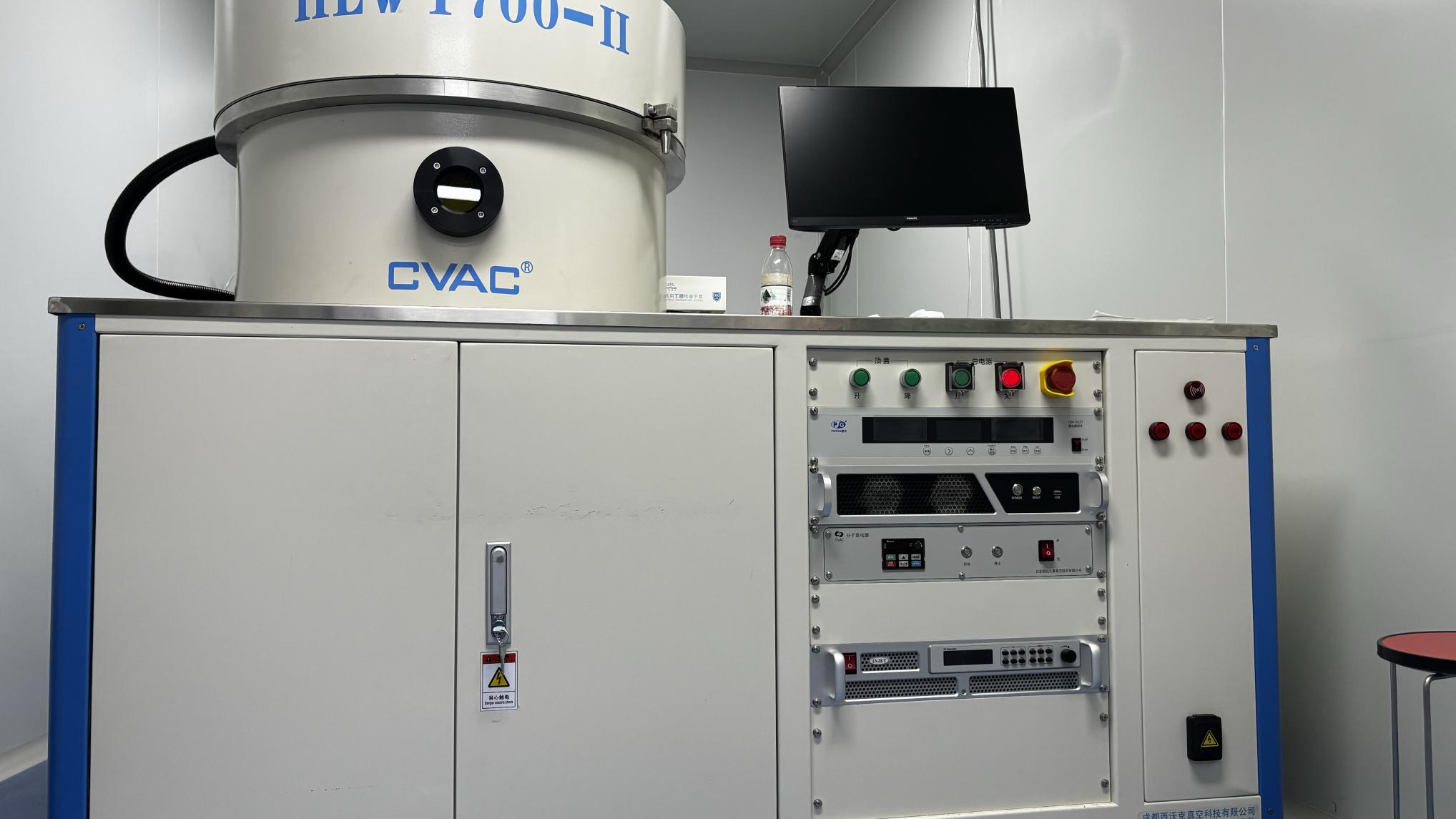
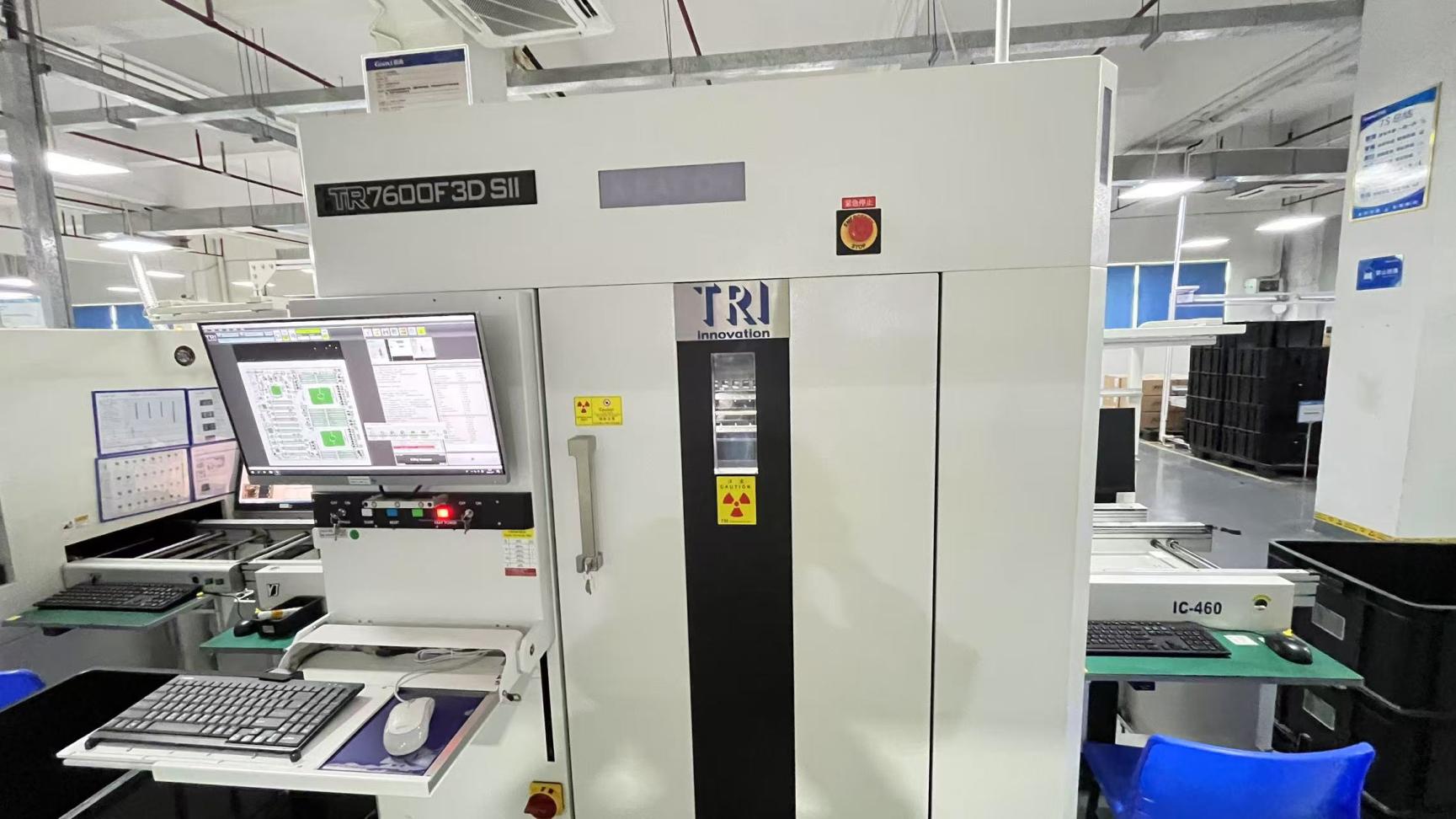
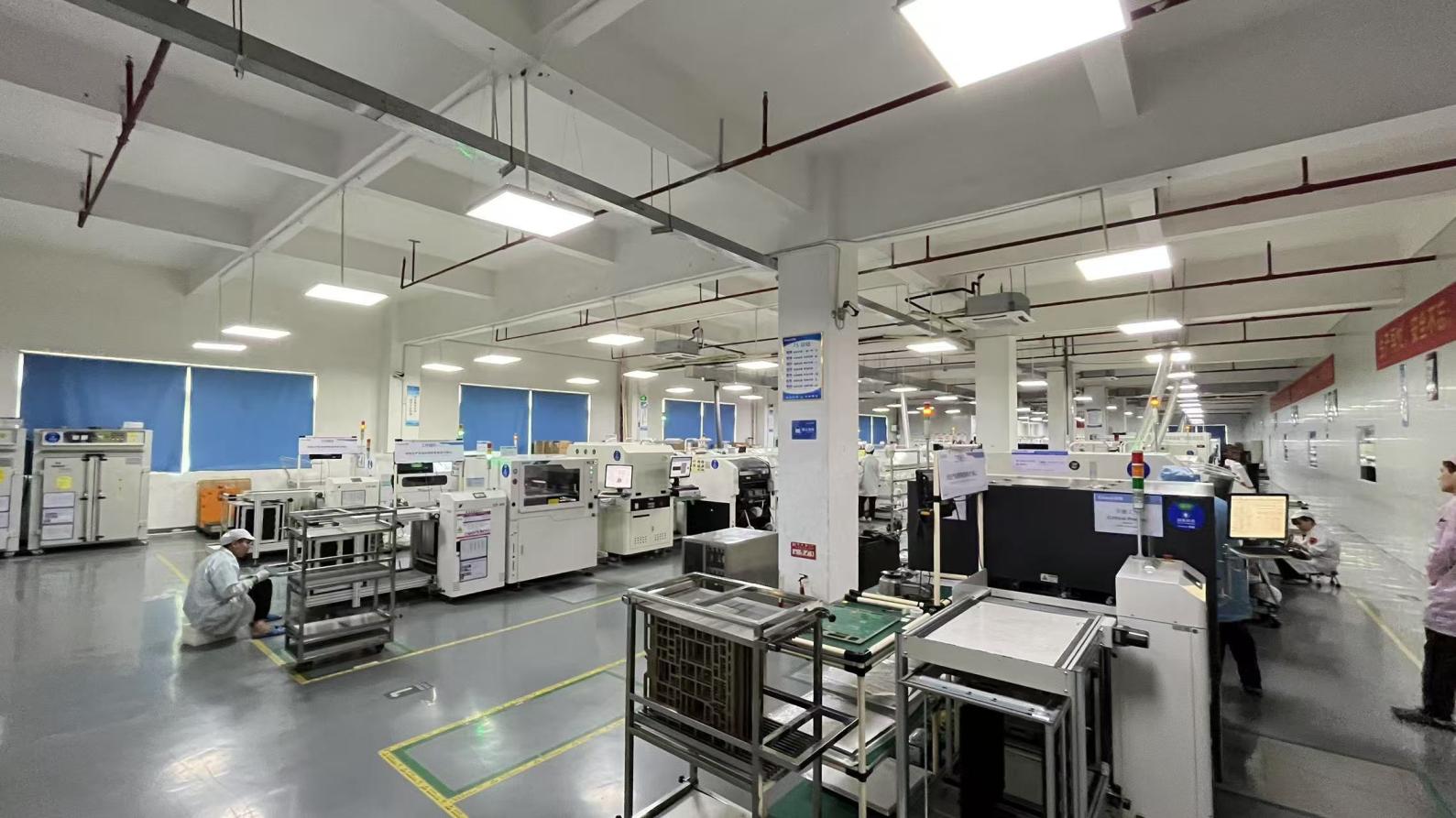
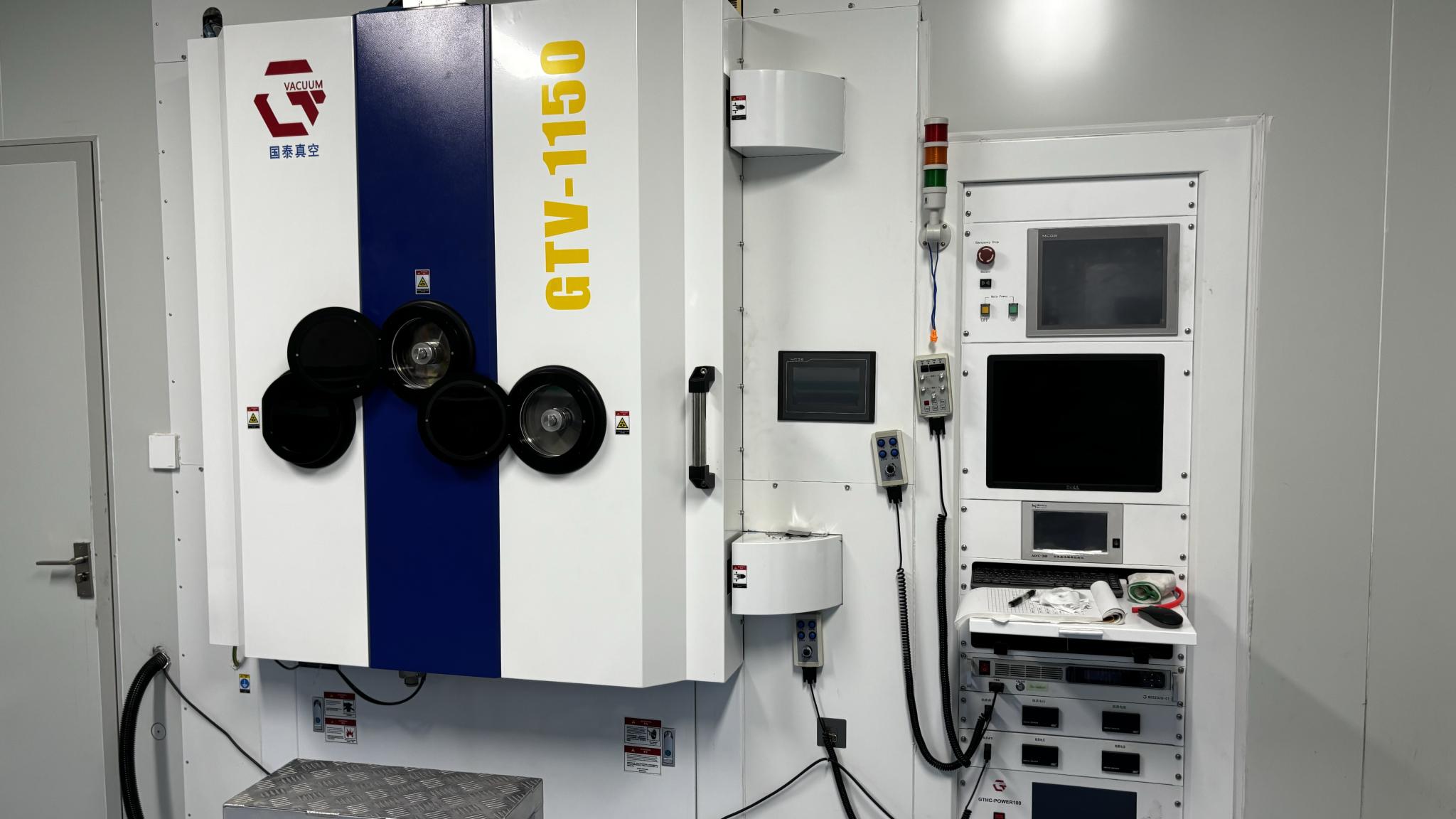
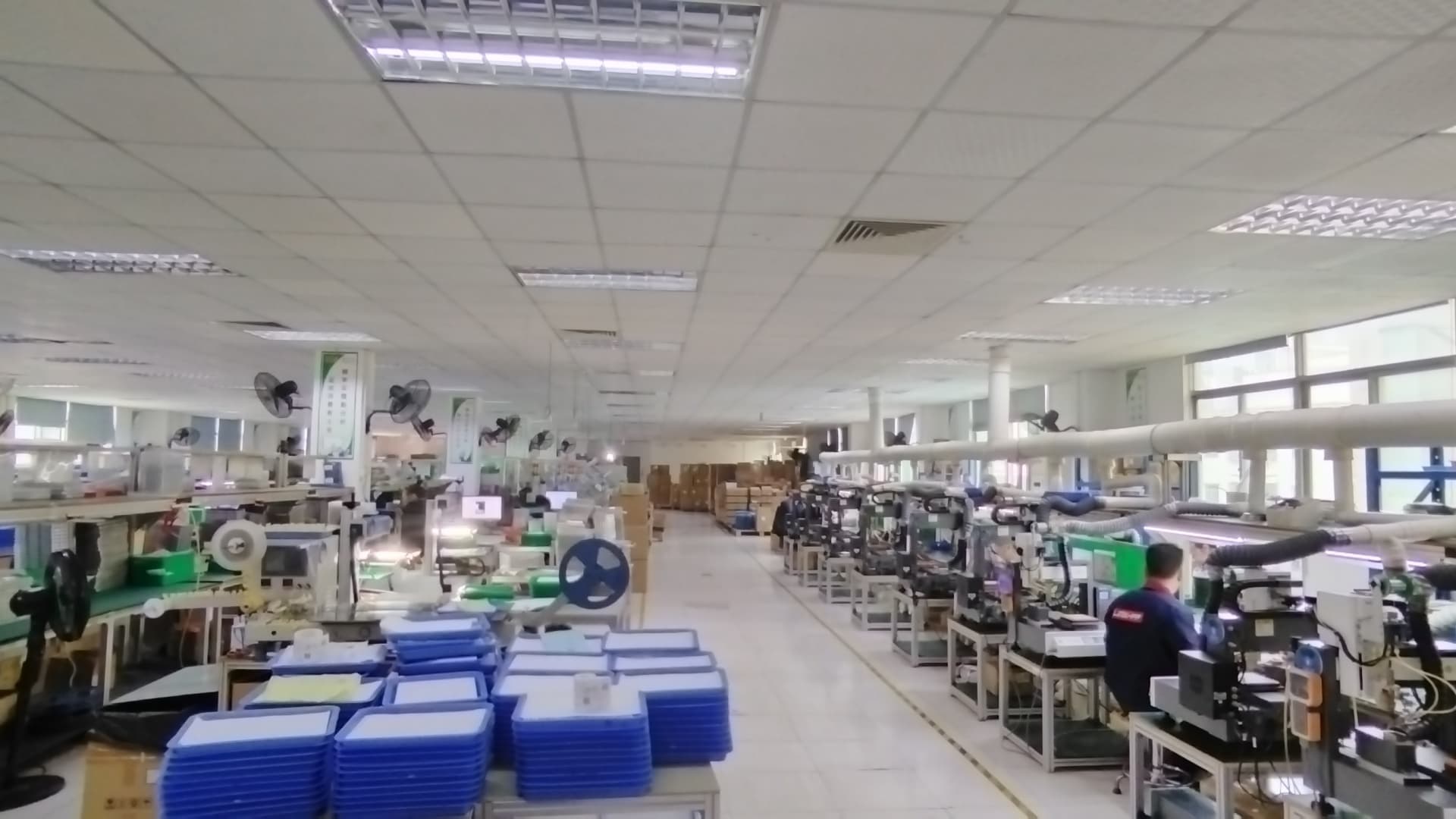
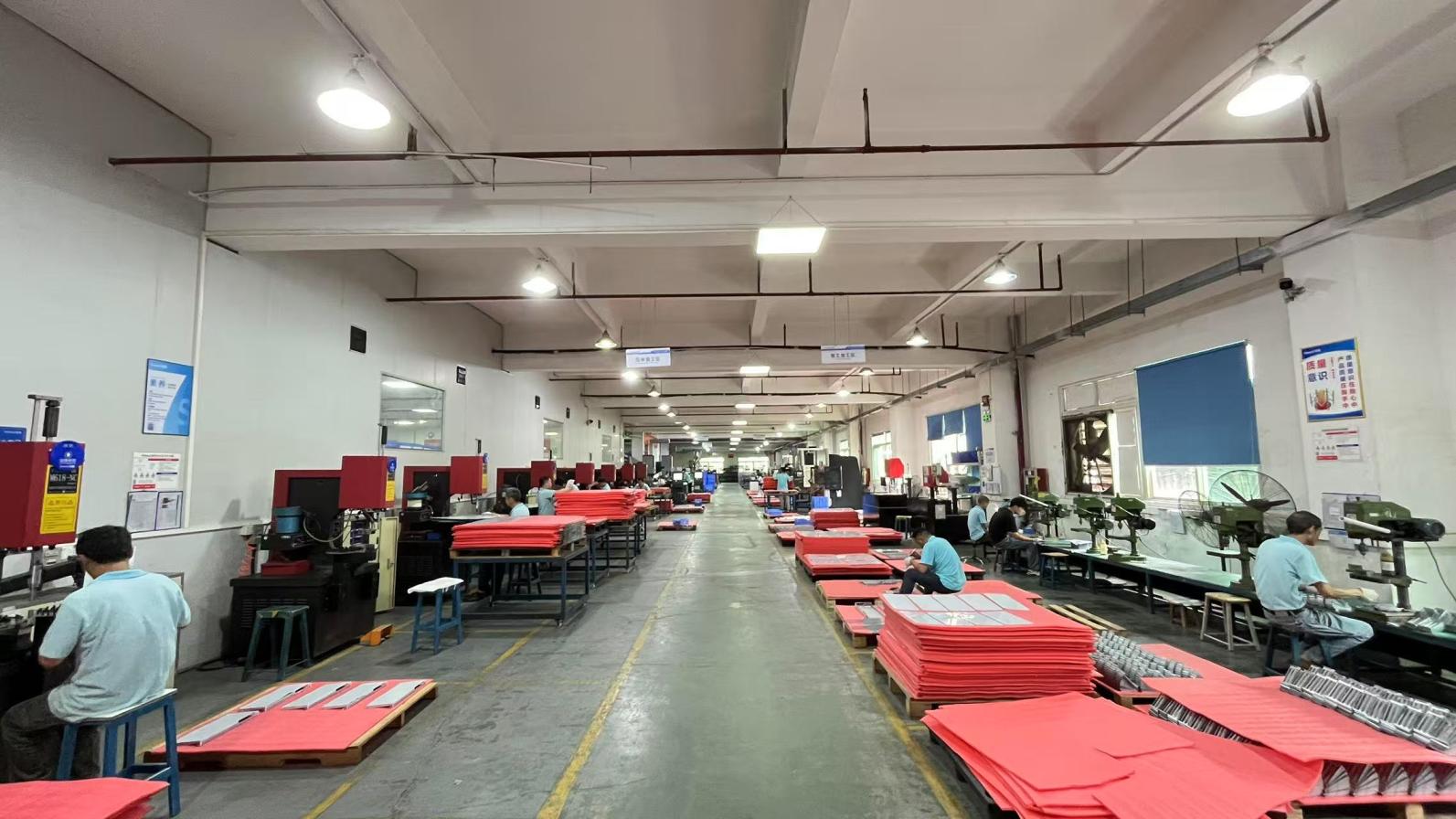
At FiberNova, our 380㎡ production facility is built on absolute quality control. To ensure every 25G/32G SFP28 transceiver operates flawlessly in challenging oceanic conditions, our QC program includes:
Leveraging our 6+ years of dedicated export experience and 12 years of core industry expertise, we manage the logistics pipelines to Pacific Hubs. From customs documentation, regional compliance clearance (FCC, CE, RoHS), to specialized hermetic packaging designed to keep moisture and saline air out during transport, we guarantee secure transit.
We also provide full OEM/ODM services, including customer-specified EEPROM coding for specific host systems, custom casing designs, and customized channel spacing for dense CWDM and DWDM deployments.
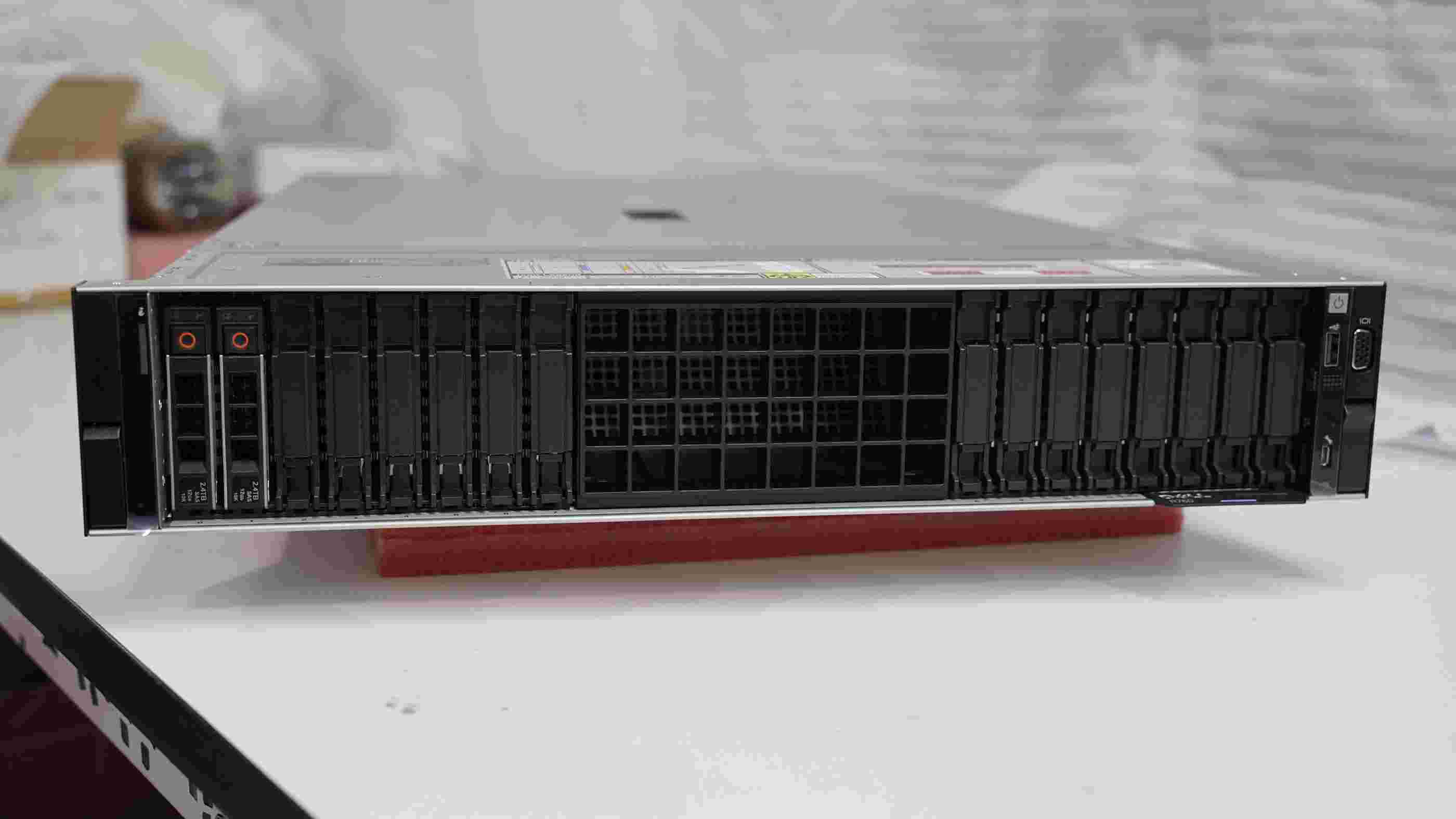

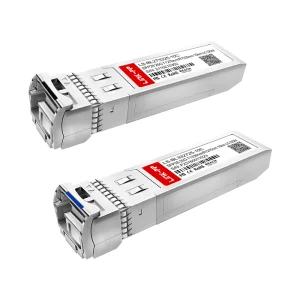
A comprehensive range of Single-Mode, BiDi, CWDM, DWDM, and Cisco Compatible SFP28 modules for diverse networking environments.
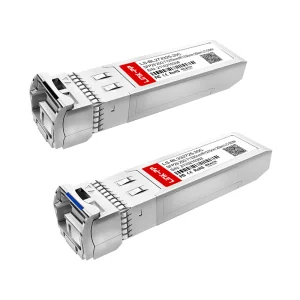
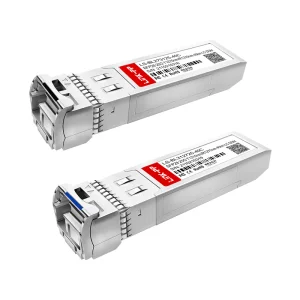
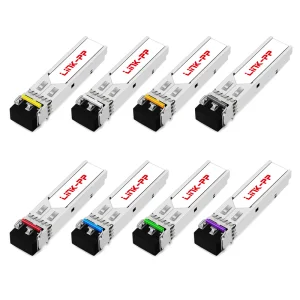
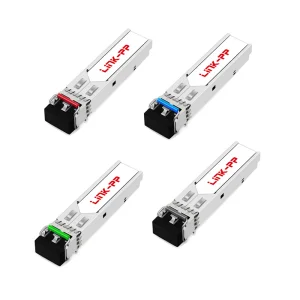
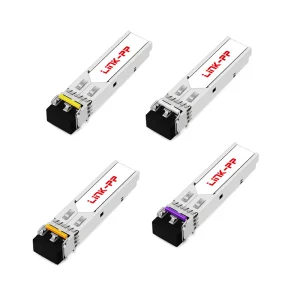
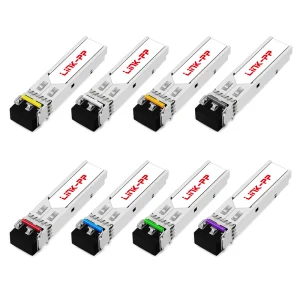
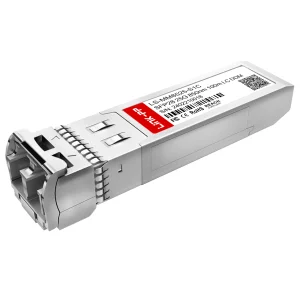
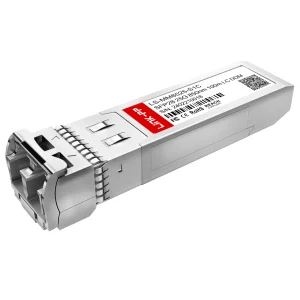
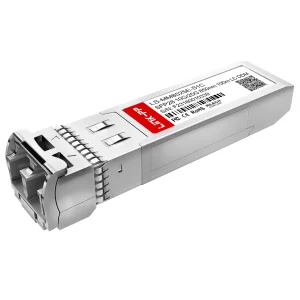
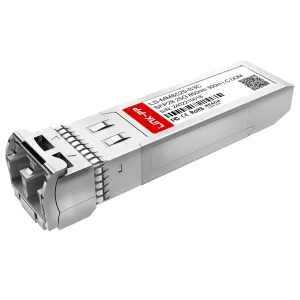
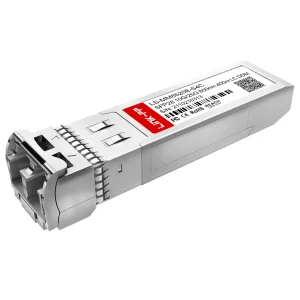
Modern optical communication topologies rely heavily on selecting the correct wavelength configuration to optimize transmission efficiency and link loss budgets. Under the MSA (Multi-Source Agreement) requirements, SFP28 designs leverage multiple light manipulation models to achieve varying distance profiles.
BiDi (Bidirectional) optical engines represent a paradigm shift in saving fiber infrastructure. Traditional networks rely on a duplex fiber configuration: one fiber for transmitting (TX) and another for receiving (RX). BiDi transceivers combine TX and RX onto a single fiber using Wavelength Division Multiplexing (WDM) diplexers. For example, our 25G BiDi modules operate on complementary wavelengths, such as 1270nm TX / 1330nm RX at one end, and 1330nm TX / 1270nm RX at the other. This configuration doubles the capacity of existing fiber backbones in Kiribati without requiring new cable installations, providing a cost-effective solution for fiber-constrained installations.
For backhaul connections that aggregate multiple services (e.g., government data, local LTE networks, and residential broadband) onto a single fiber pair, spectral multiplexing is essential.
While 25G Ethernet is the standard for IP network transit, 32G Fibre Channel (32GFC) is key for high-speed storage area networks (SANs). 32GFC modules support 28.05 Gbps line rates and offer backward compatibility with 16G and 8G FC networks. This feature is particularly useful for upgrading backup systems and databases in secure financial networks, government registries, and data centers.
Comprehensive technical and logistical advice for network engineers and purchasing managers.
Consult with our engineers to configure custom wavelengths, compatibility profiles, and secure logistics pipelines for your deployments.
Send Inquiry Now FiberNova