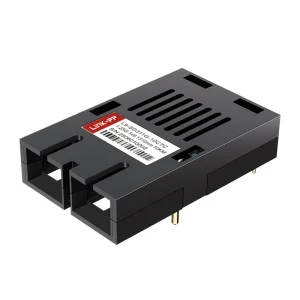
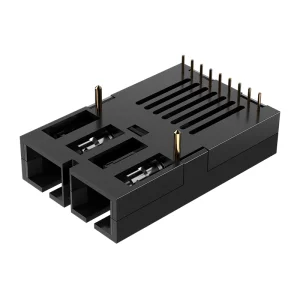
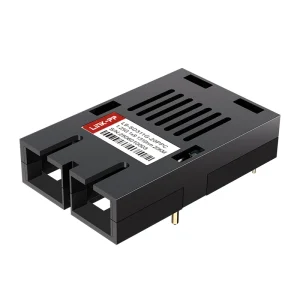
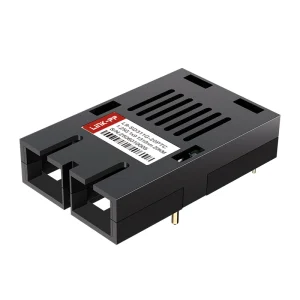
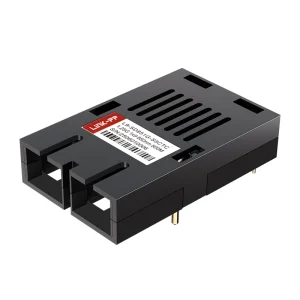
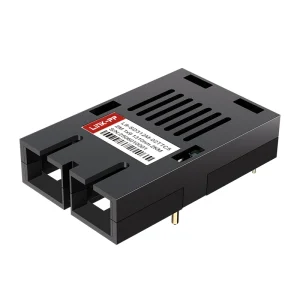
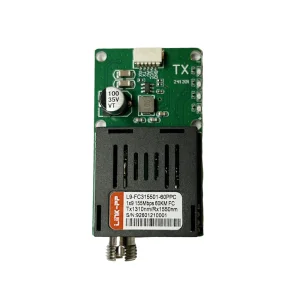
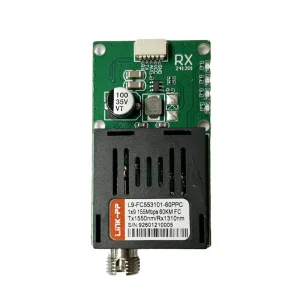
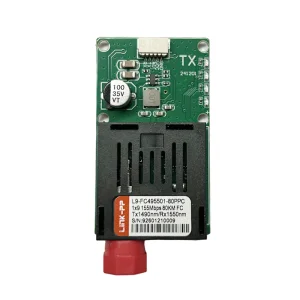
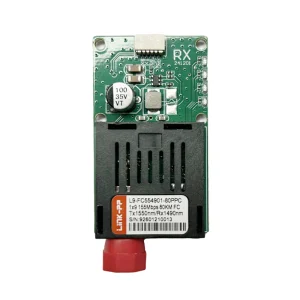
High-performance, ruggedized 1x9 optical modules engineered to withstand the extreme environmental conditions of the Port of Antwerp-Bruges and local petrochemical plants.
As home to the Port of Antwerp-Bruges, the second-largest port in Europe, Antwerp acts as the global gateway for chemical giants, container logistics, and steel production. In this highly automated environment, any network downtime translates into massive financial loss. The modern maritime terminals and the sprawling chemical clusters along the Scheldt River depend on legacy-to-modern industrial switches, media converters, and SCADA control panels that still deploy 1x9 optical transceivers for robust point-to-point data transmission.
These legacy pin-through-hole modules are critical in industrial environments because they offer distinct advantages over hot-pluggable options: they are soldered directly to PCBs, preventing mechanical failure caused by constant engine vibrations, crane operations, and severe marine thermal cycles. As Antwerp transitions towards "Smart Port" technologies, maintaining high-performance fiber links with specialized 1x9 modules remains a cornerstone of physical-layer stability.
Petrochemical clusters in Antwerp require hardware that adheres to rigorous explosion safety standards. Because 1x9 modules are securely soldered on board, they minimize electrical sparking risks compared to dynamically swapped pluggables, ensuring structural compliance inside hazardous ATEX zones.
Procurement heads and network system integrators in Europe demand more than just raw components. They require continuous supply, validated technical specifications, compatibility, and a clear path toward system upgrades.
While chip manufacturers phase out older communication ICs, FiberNova guarantees production lifecycles for custom 1x9 transceivers, eliminating critical end-of-life (EOL) risks for municipal and utility companies.
Our 1x9 devices feature custom EEPROM coding to match major European industrial switch brands like Siemens, Hirschmann, Phoenix Contact, and Moxa, ensuring plug-and-play operation immediately.
Every shipment to Antwerp is certified with CE, RoHS, and WEEE marks, accompanied by full traceability records and test reports demonstrating optical budget compliance.
FiberNova Optical Communication Tech Co., Ltd. (FiberNovaTransceivers.com) is a professional optical transceiver manufacturer established in 2016. Over the years, we have scaled our production facilities to deliver high-precision fiber optic components. Operating a specialized 380㎡ cleanroom facility, we focus on producing stable, high-performance optical communication solutions that serve data centers, maritime operators, and industrial enterprises worldwide.
With over 6 years of export experience and 12 years of industry expertise, our engineering and commercial teams possess the depth of knowledge required to execute complex ODM/OEM orders. Currently, FiberNova registers an annual export revenue of USD 8–15 million, supplying network components across North America, the European Union, Southeast Asia, and the Middle East.
To support global supply chains, we maintain strategic partnerships with over 1,200 raw material and component suppliers, securing reliable pipelines for premium lasers (such as II-VI, Broadcom, and Mitsubishi) and optical transimpedance amplifiers.
Quality control is fundamental to our reliability. We utilize a strict multi-tier quality assurance system backed by 45 professional QC personnel. Our protocols include 100% optical performance testing, extreme temperature cycling tests, and signal integrity inspections to ensure compliance with IEEE standards and MSA agreements.
Our dedicated engineering department consists of 65 R&D engineers, focusing on developments in transceiver speeds ranging from legacy 155M/1.25G up to cutting-edge 10G, 25G, 100G, 400G, and 800G optical modules. To meet changing customer specifications, we introduced 120 new custom products in the past year alone.
The 1x9 form factor features a single row of 9 pins to handle electrical interface, signaling, and power requirements. Understanding these specifications helps Antwerp network designers implement optimal configurations.
1x9 transceivers utilize a standard 9-pin layout. The pins provide the ground path, Tx bias, Tx data lines (supporting Differential PECL or TTL inputs), Rx data output lines, and Vcc power. Unlike pluggable modules, the direct solder connection ensures there is no contact oxidation or fretting corrosion under high-humidity conditions typical of marine environments like the Port of Antwerp.
Choosing the correct wavelength is critical for managing optical budgets. For short-range automation links within a facility (up to 500m or 2km), 850nm and 1310nm multi-mode fiber (MMF) solutions are typically deployed. For long-haul links, single-mode fiber (SMF) configurations operating at 1310nm or 1550nm easily traverse distances from 10km up to 80km without requiring inline regeneration.
BiDi transceivers transmit and receive signals over a single strand of fiber by utilizing different wavelengths (e.g., 1310nm Tx / 1550nm Rx, or 1490nm Tx / 1550nm Rx). This technology allows operators in Antwerp to double their optical network capacity without laying new physical cables, significantly reducing infrastructural and trenching costs.
We provide multiple Signal Detect (SD) options, including TTL and PECL levels, ensuring compatibility with both modern and legacy physical layer chips. Correct SD matching prevents false packet loss and link-down indications on industrial host devices.
Vessel traffic services, gantry crane control units, and automated terminal cameras must operate in high-humidity, high-saline environments. Our 1x9 transceivers utilize robust optical components and corrosion-resistant housing to extend service life.
Chemical plants require intrinsic safety and electromagnetic interference (EMI) isolation. By replacing electrical copper wiring with optical fiber and robust 1x9 modules, refineries achieve complete galvanic isolation and eliminate ground loops.
European railway signal systems and power grids deploy 1x9 interfaces inside trackside telemetry systems. With support for extended operating temperatures (-40°C to +85°C), our modules remain operational in sub-zero winters.
While the optical industry focuses heavily on high-density pluggables like QSFP-DD and OSFP for hyperscale data centers, industrial automation and public utility sectors face a different challenge: legacy lifecycle preservation. Industrial assets such as power stations, water treatment systems, and rail signaling networks are designed for 25- to 30-year lifespans. Upgrading entire switch frameworks simply because a transceiver is discontinued is not economically viable.
FiberNova’s technical roadmap bridges this gap. We continue to invest in 1x9 assembly line automation while upgrading the internal optical engines. By using newer, more energy-efficient laser drivers and silicon optics within the legacy 1x9 package, we help operators reduce power consumption and heat dissipation inside sealed outdoor enclosures.
At the same time, we offer conversion adapters and media converter systems that allow legacy 1x9 networks to interface with modern SFP/SFP+ fiber rings. This hybrid approach enables Antwerp enterprises to selectively upgrade critical network nodes while keeping core legacy assets intact, optimizing overall capital expenditure.
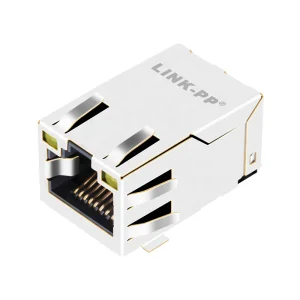
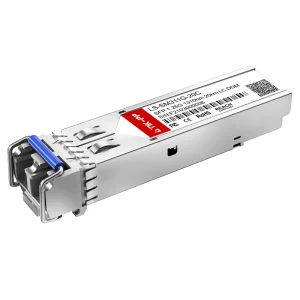
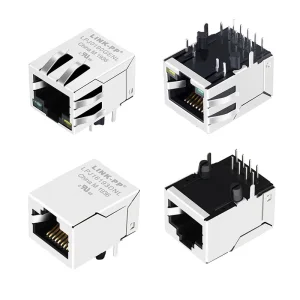
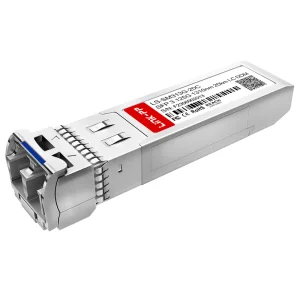
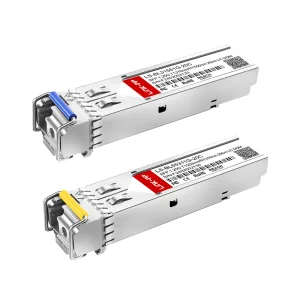
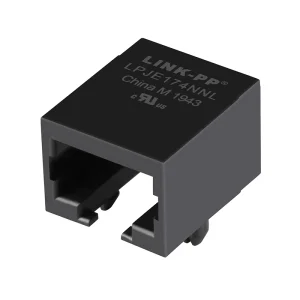
Explore our wider catalog of 1x9 transceivers, SFP modules, and structural networking connectors designed for high-availability enterprise applications.
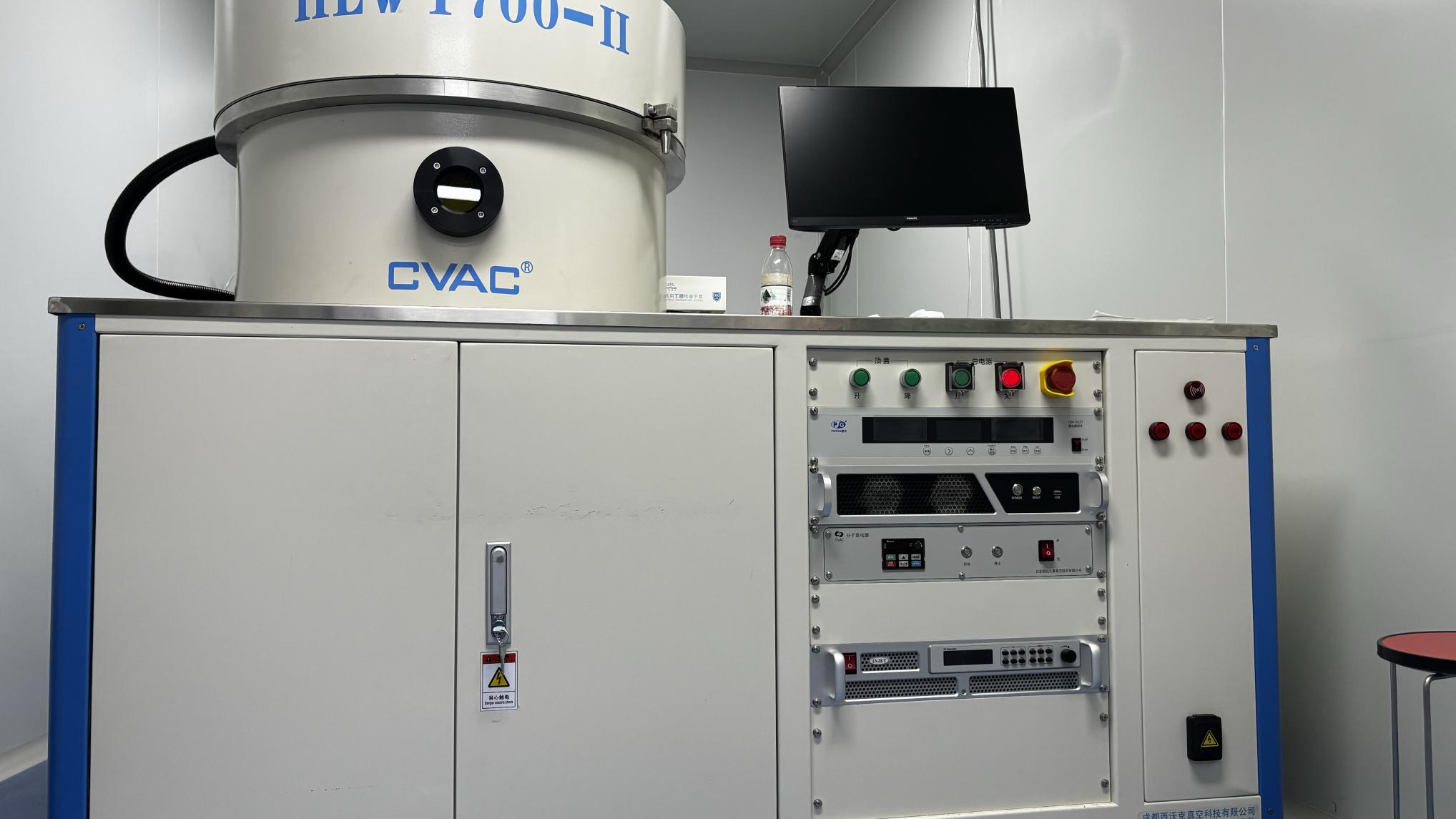
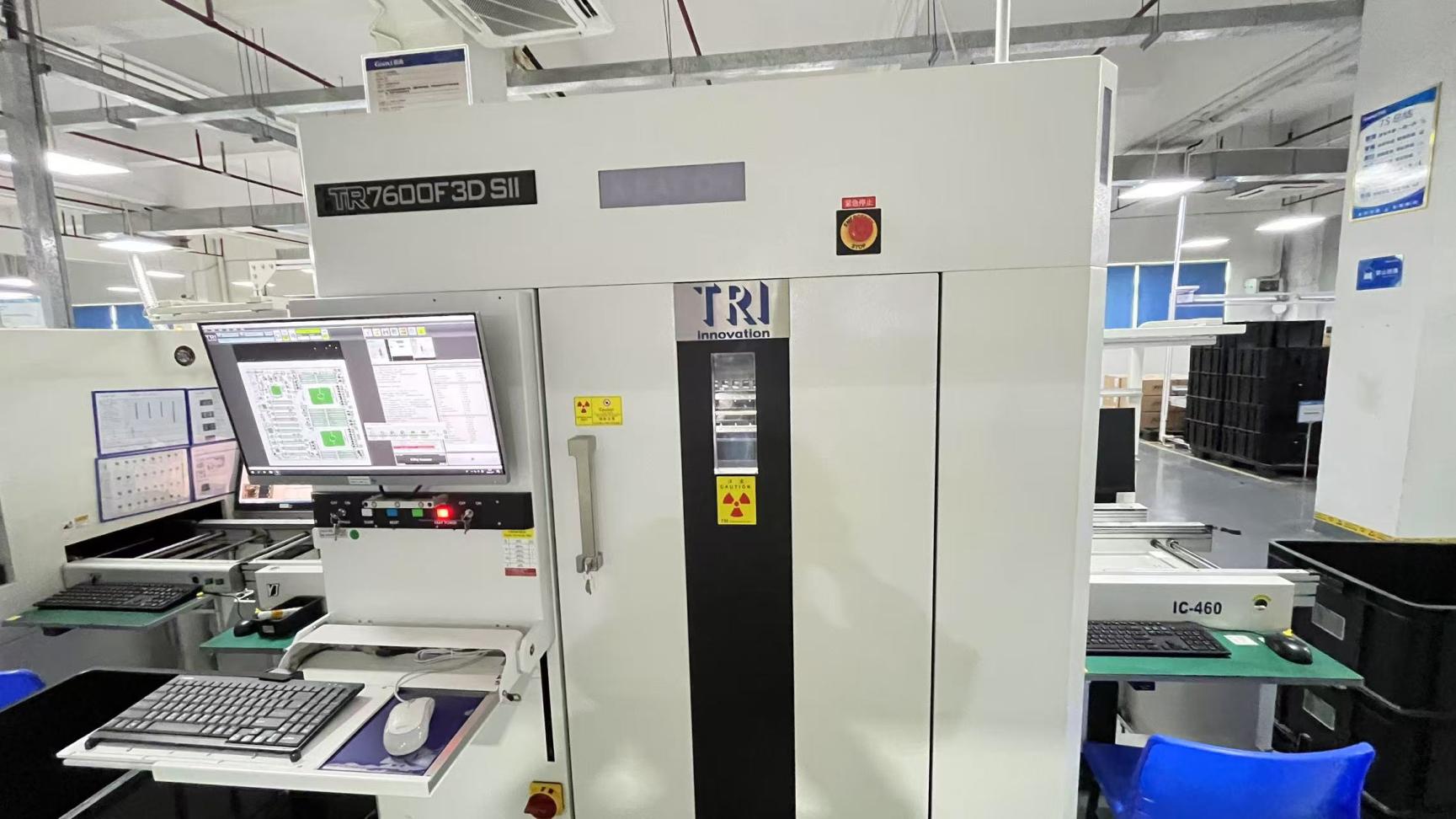
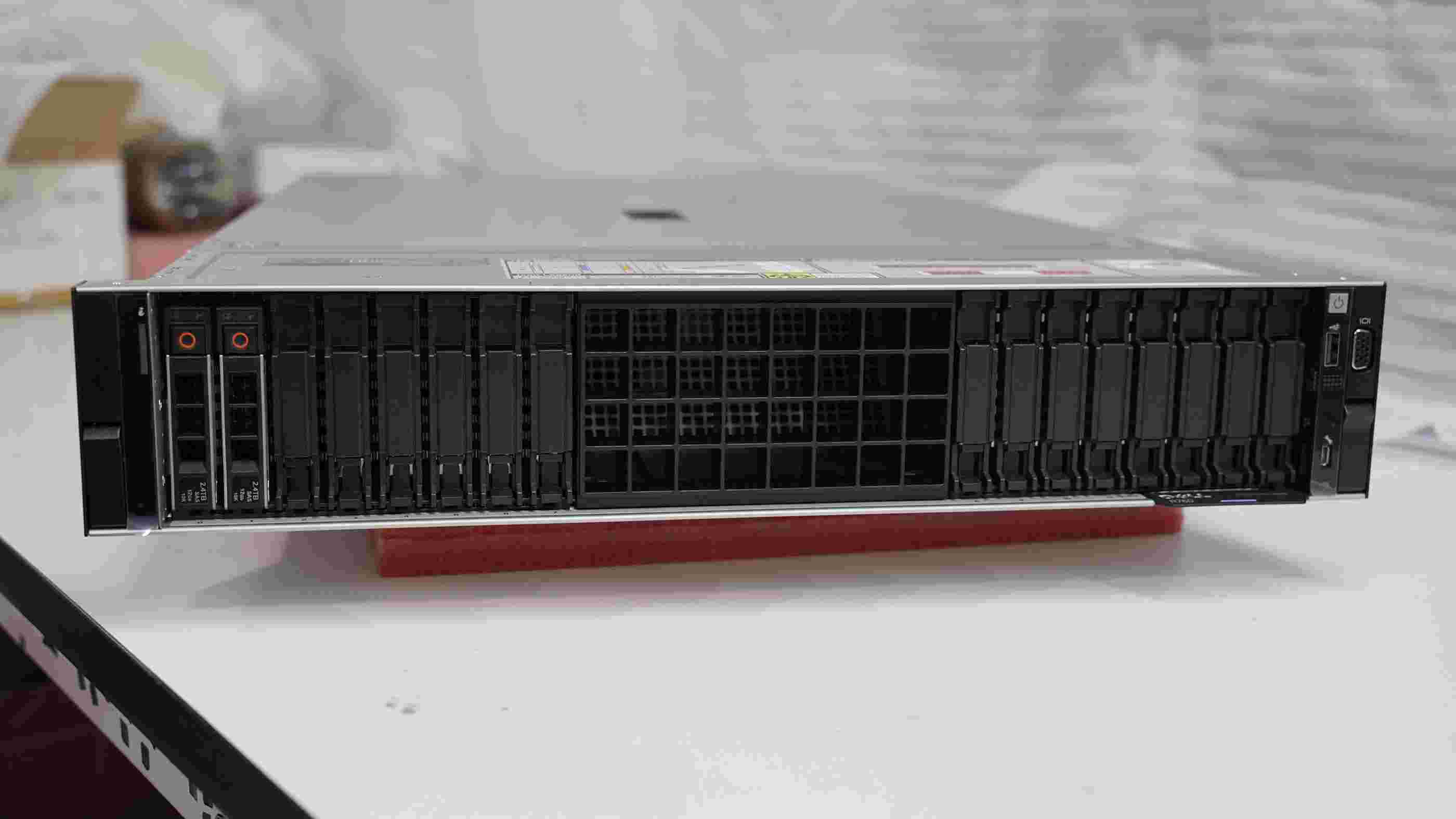
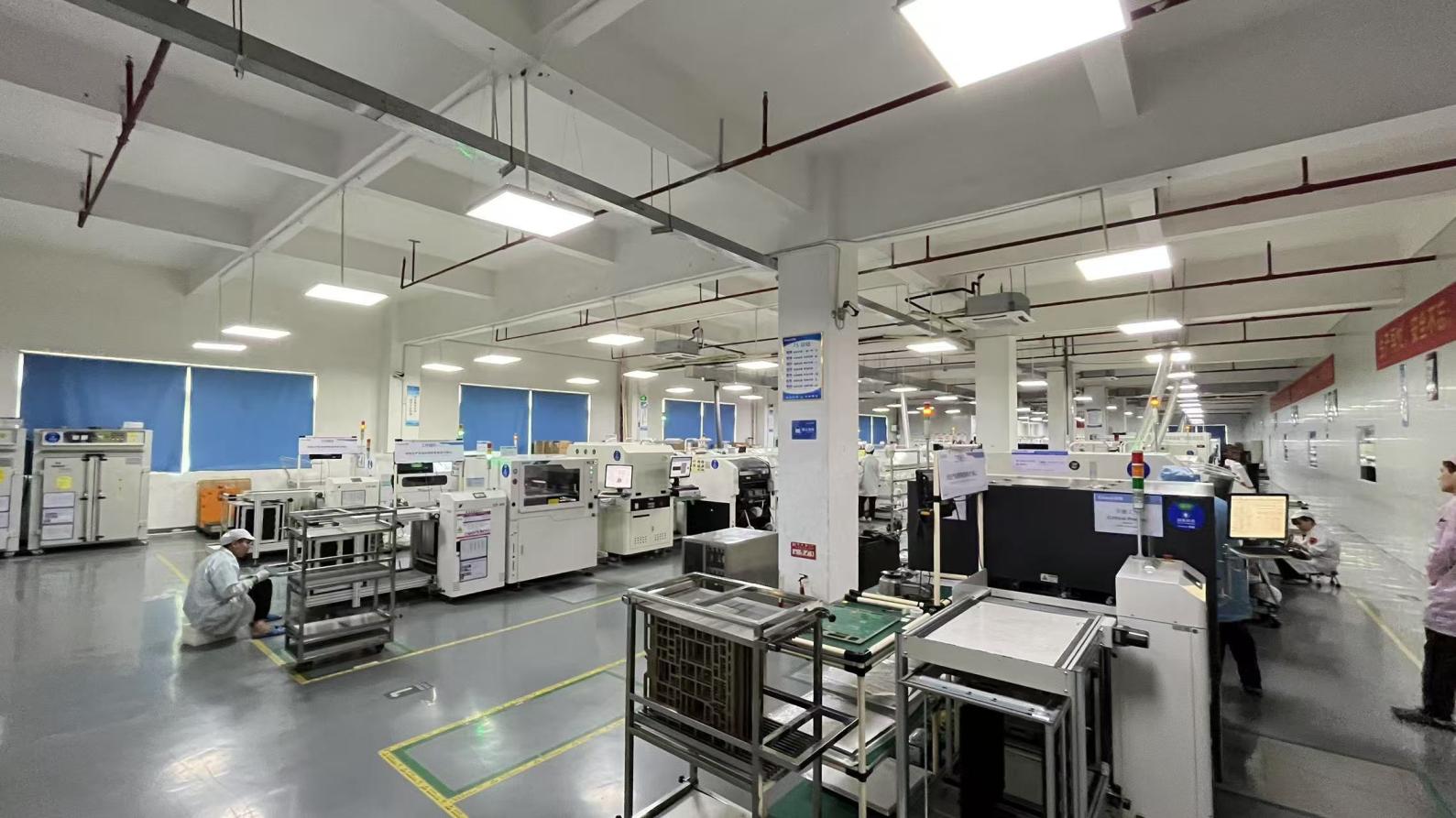
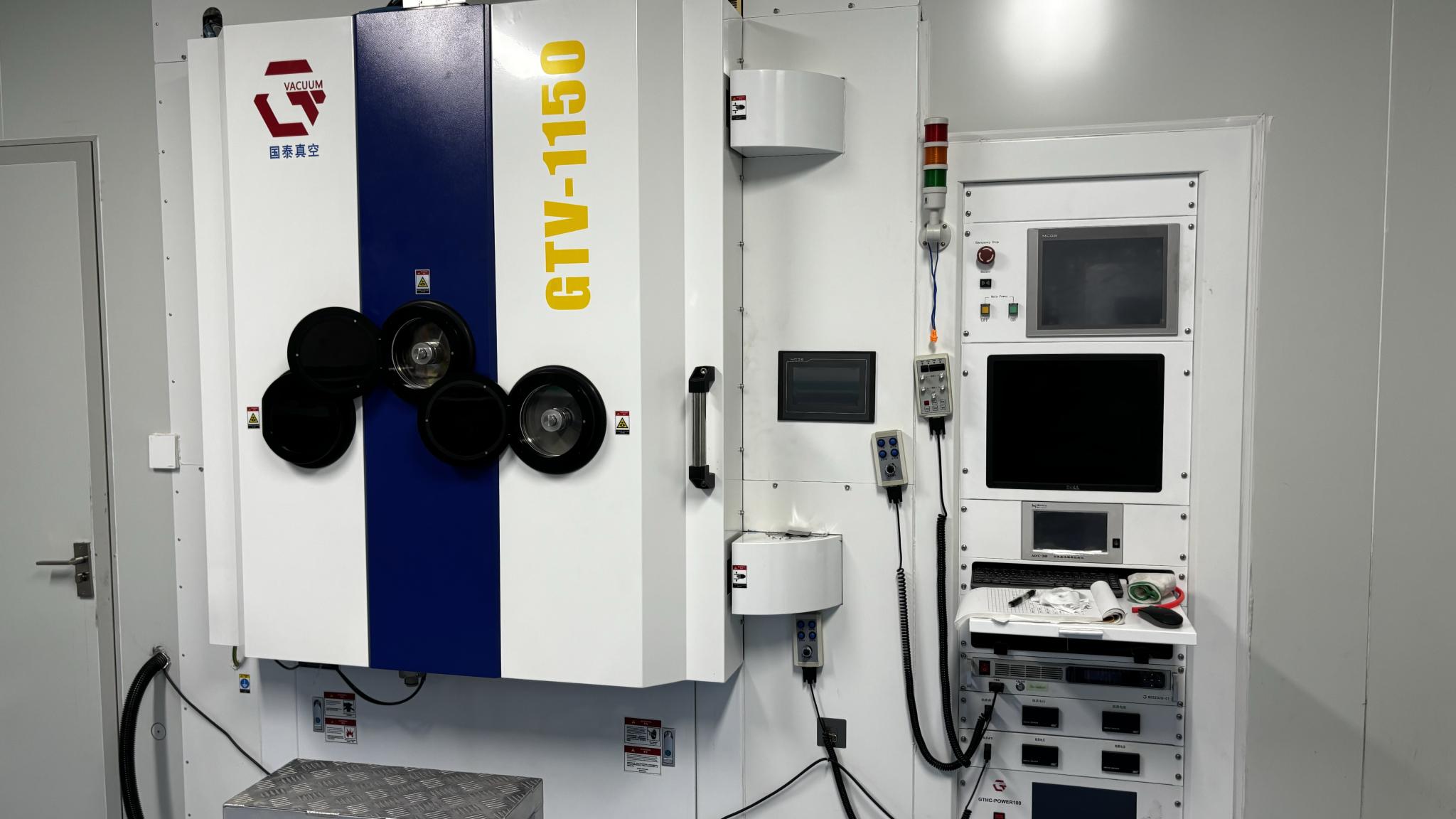
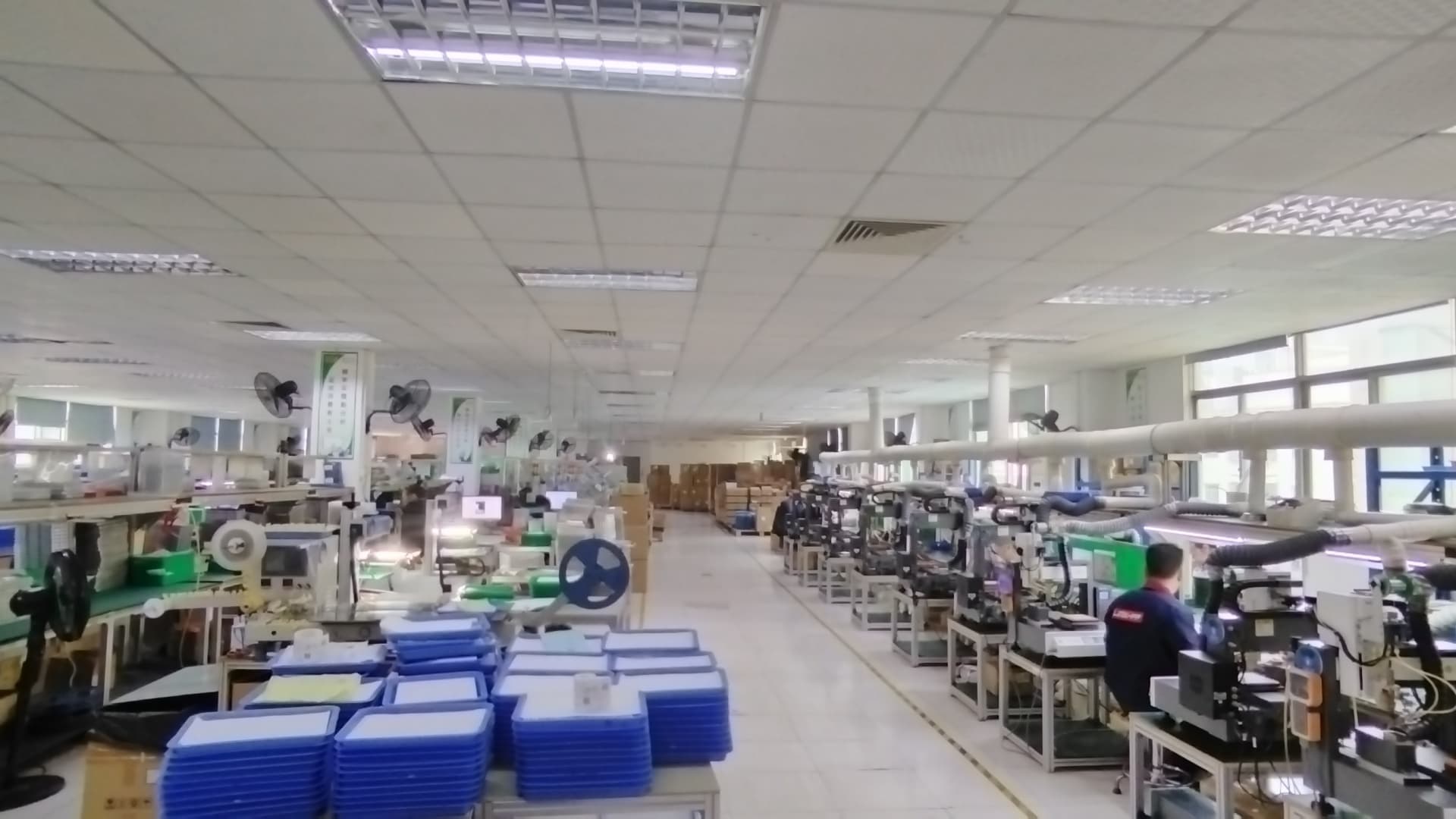
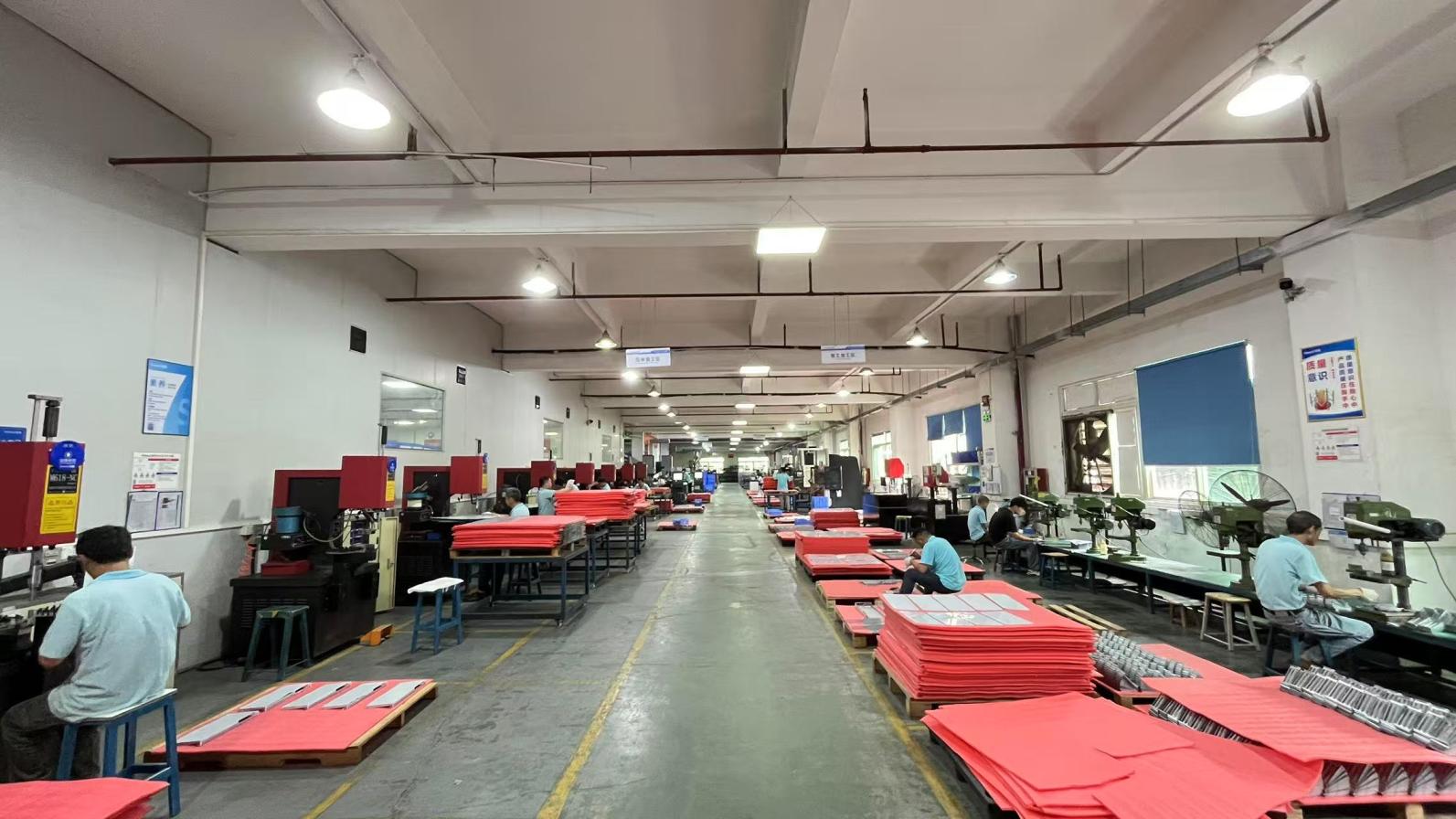
A look inside FiberNova’s precision manufacturing assembly cleanrooms, quality testing labs, and warehousing divisions.

Leveraging direct cargo networks from our logistics center to Brussels Airport (BRU) and Liege Airport (LGG), we ensure customs-cleared transit times to your warehouse in Antwerp within 5 to 7 business days.
All hardware components comply with Directive 2011/65/EU (RoHS 2) and CE directives. Detailed chemical compliance files are available upon request for municipal and governmental auditing.
Our European tech specialists assist local system integrators with layout design, configuration troubleshooting, and optical budget calculations during critical implementation phases.
Partner with a professional optical transceiver manufacturer. Get certified quality, guaranteed lifecycles, and reliable compatibility.
 FiberNova