Explore our primary array of network interfaces engineered for high signal integrity, speed, and standard compatibility.
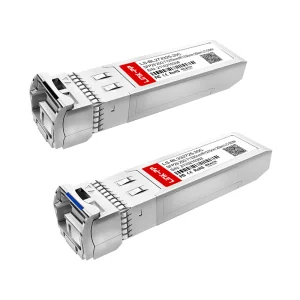
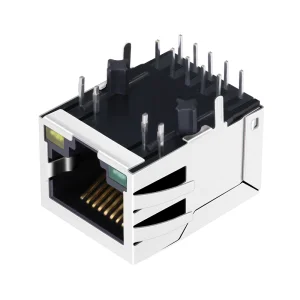
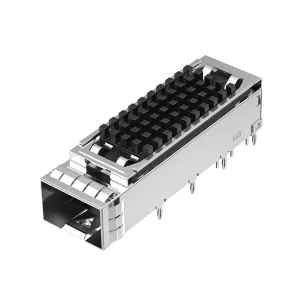
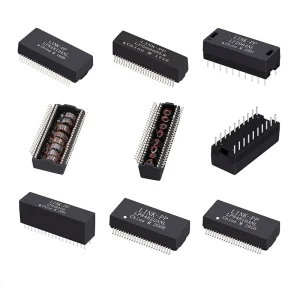
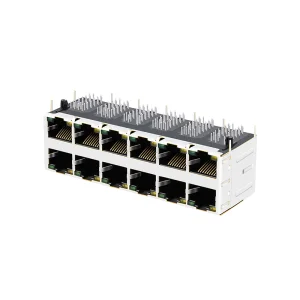
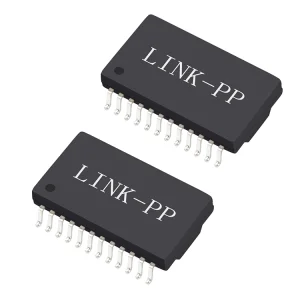
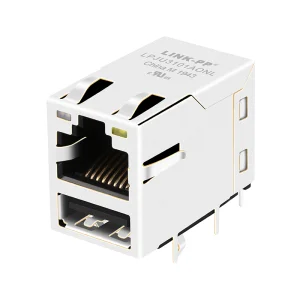
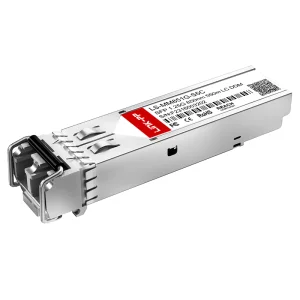
As the digital landscape transitions into an era of massive AI clusters, edge computing, and 5G/6G deployments, the physical layer remains the most critical component of the data communication chain. Wired network connectors—ranging from copper modular RJ45 interfaces with integrated magnetic transformers to sophisticated SFP, SFP28, and QSFP28 optical transceivers—act as the nervous system of modern data transmission. Ensuring maximum data throughput, low insertion loss, and mitigation of electromagnetic interference (EMI) is paramount for global network stability.
Historically, copper and optical designs evolved independently. However, today’s networks require integrated hybrid topologies where copper handles localized power delivery (via Power over Ethernet or PoE++) and local low-latency switching, while high-density optical transceivers bridge long-haul carrier pathways and hyper-scale data center nodes. The performance of these connection interfaces defines the practical limits of bandwidth, power efficiency, and hardware durability.
The connector industry is undergoing rapid transformations to meet the requirements of broadband expansion. Key technical trends include:
Global procurement agents face complex decisions when sourcing interconnect devices. Unlike consumer peripherals, enterprise-grade connectors must sustain uninterrupted operations over multi-decade lifecycles. Key considerations driving selection include:
Procurement teams require components that strictly adhere to international agreements. Optical modules must align with Multi-Source Agreements (MSA), and copper ports must match IEEE 802.3 and ANSI/TIA-568 standards. This guarantees that third-party transceivers can seamlessly replace OEM components in switches from Cisco, HPE Aruba, Juniper, and other major vendors without compatibility issues.
While low initial unit cost is appealing, long-term stability determines total ROI. Sub-standard connectors generate packet loss, high Bit Error Rates (BER), and unexpected network downtime. Purchasing components with 30u" gold plating, strict EMI shielding, and ruggedized housing guarantees structural integrity, minimizing costly maintenance calls.
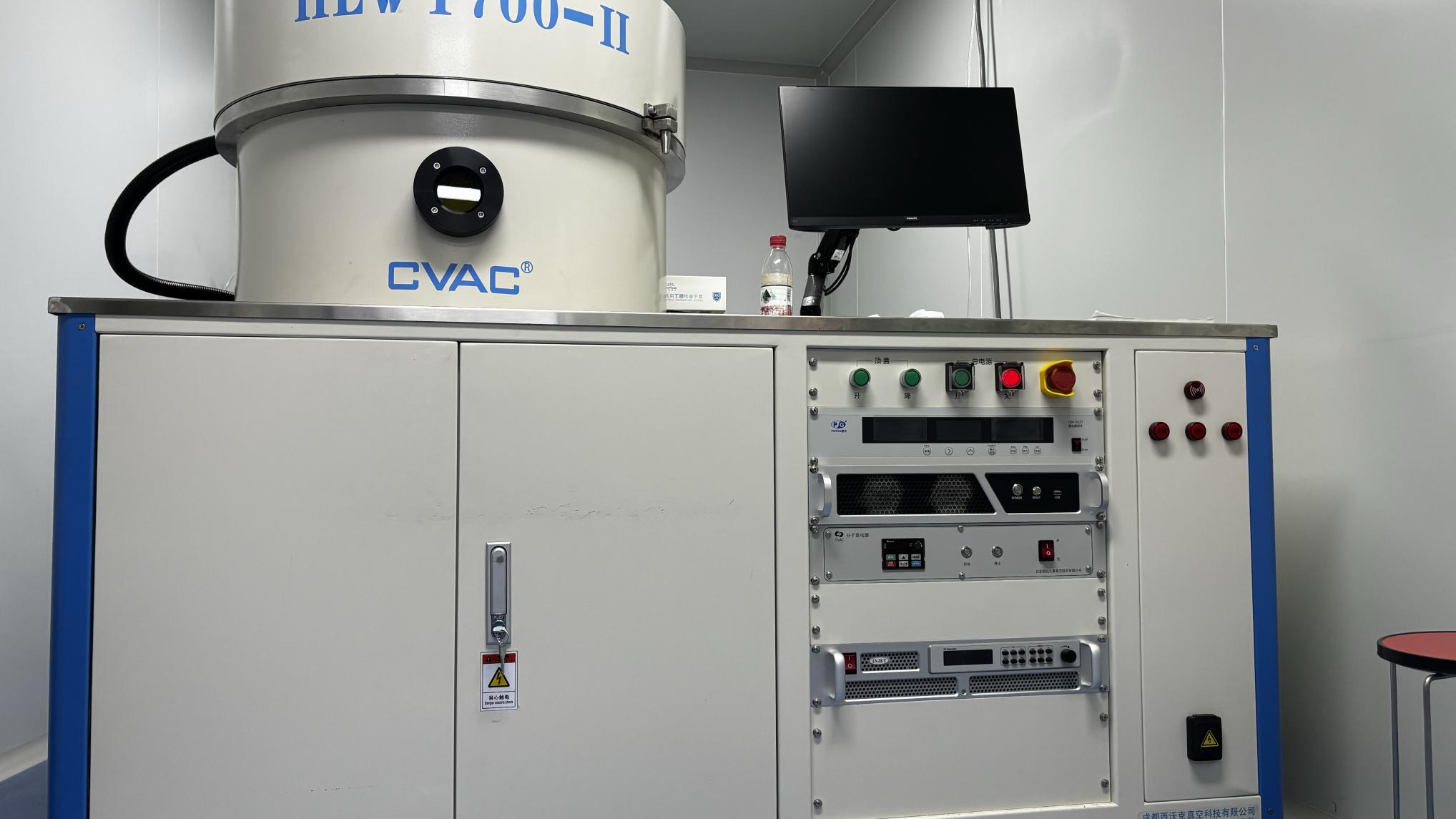
Our engineering teams design physical-layer components optimized for specific operational ecosystems and environmental demands.
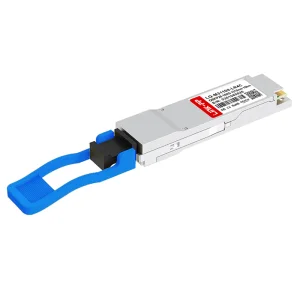
Leaf-spine architectures require high port-density and minimal latencies. We supply SFP28 25G and QSFP28 100G optical modules, paired with low-profile EMI-shielded cages, to maximize cooling efficiency and ensure reliable data routing across high-speed servers.
For carrier backhaul and FTTH deployments, we provide single-mode BiDi (Bidirectional) optical transceivers. These enable simultaneous transmission and reception over a single fiber strand, doubling data capacity without the expense of laying new optical fiber.
Industrial settings require components that resist dust, humidity, and extreme vibration. Our customized IP67 waterproof RJ45 modular jacks, paired with integrated PoE magnetic transformers, deliver both reliable signal connectivity and power delivery (up to 90W) to outdoor cameras and edge units.
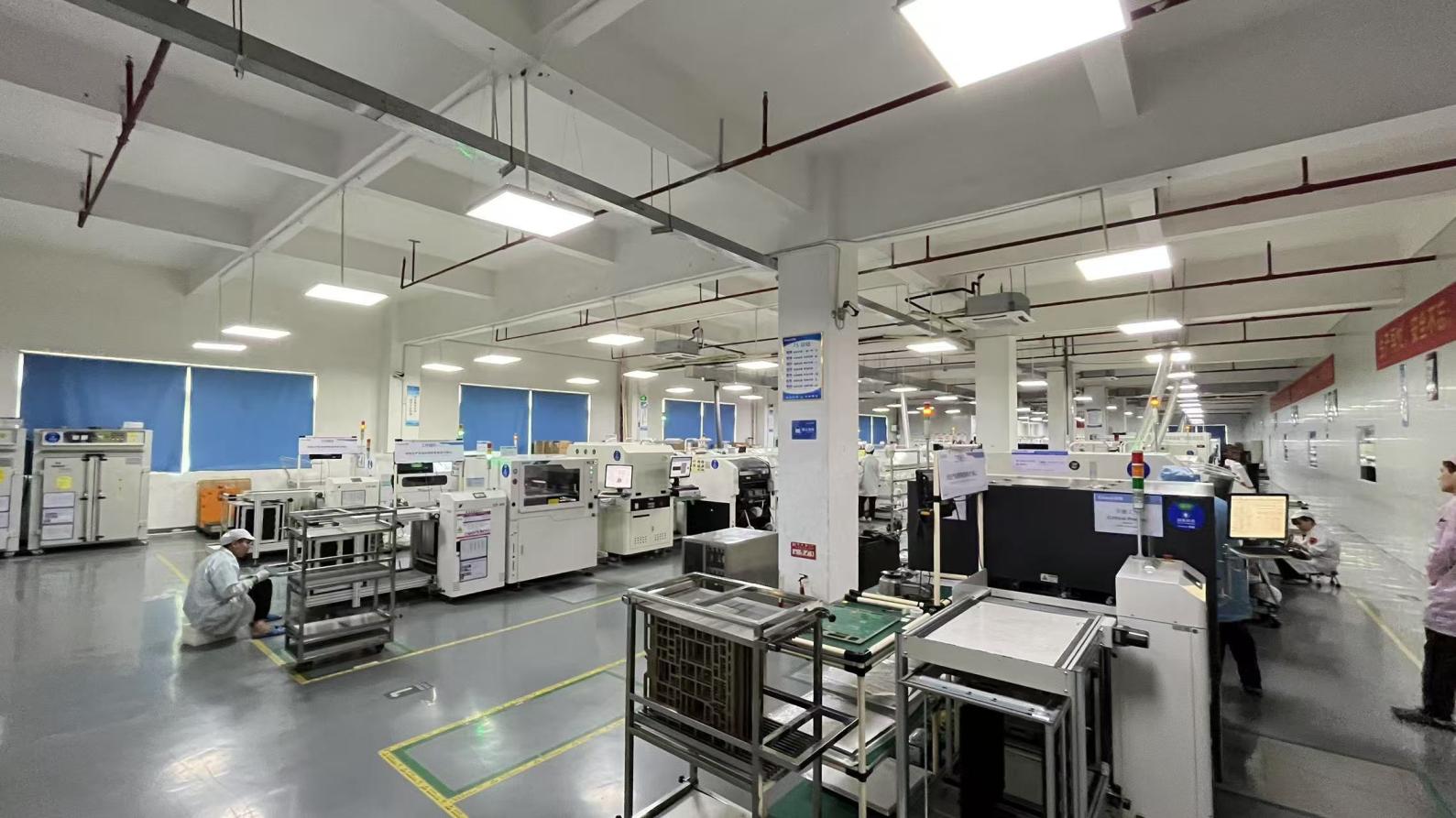
Established in 2016, FiberNova Optical Communication Tech Co., Ltd. (FiberNovaTransceivers.com) is a professional optical transceiver and network connector manufacturer. Operating from a modern production facility spanning approximately 380㎡, we specialize in developing stable, high-performance optical communication interfaces for enterprise clients.
With 12 years of industry expertise and 6 years of specialized export experience, FiberNova has created a robust system for R&D, quality verification, and international supply chain distribution. Our annual export revenue ranges between USD 8–15 million, serving critical infrastructure deployments across North America, Europe, Southeast Asia, and the Middle East.
Customization is at the core of our business model. Supported by 65 dedicated R&D engineers, we continuously develop optical modules from 10G and 25G up to 800G, and customize physical dimensions, housing options, and wavelength metrics. In the past year alone, our engineering team introduced approximately 120 new products to meet fast-evolving market requirements.
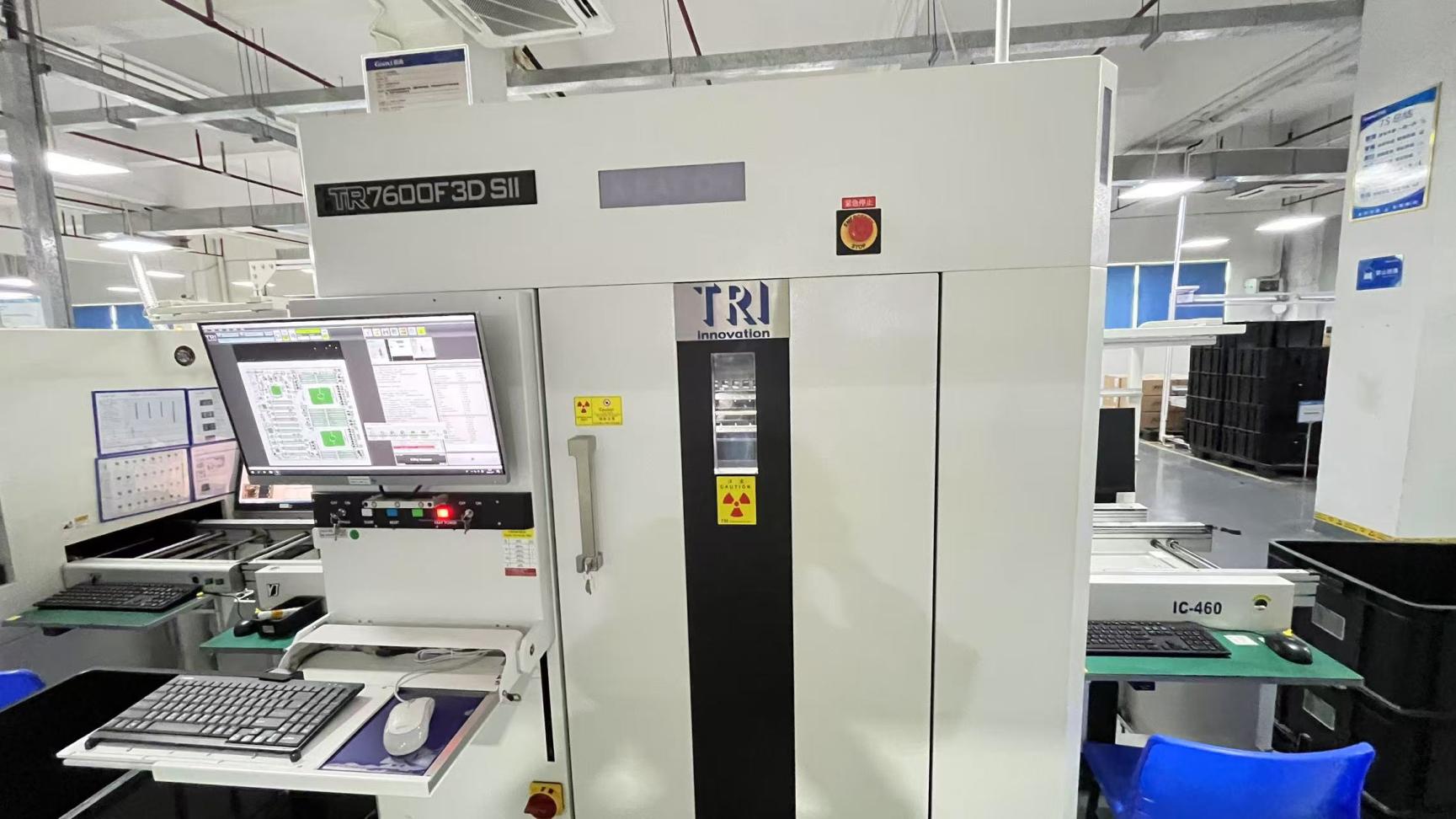
FiberNova operates with a zero-tolerance quality policy. Every single connector and transceiver is subjected to comprehensive testing before packaging. Our quality team consists of 45 professional QC specialists who verify compliance with IEEE, MSA, RoHS, and REACH guidelines.
Our testing labs utilize high-end oscilloscopes and Bit Error Rate Testers (BERT) to confirm that our optical modules and magnetic RJ45 connectors operate with low jitter, low attenuation, and a Bit Error Rate (BER) that exceeds industry baseline standards.
Components deployed in outdoor environments or telecom cabinets must tolerate extreme temperatures. All products undergo thermal cycling tests ranging from -40°C to +85°C to guarantee mechanical and electrical stability across varying conditions.
High-density networking environments are prone to electromagnetic cross-talk. Our cages and RJ45 jacks feature nickel-plated brass and stainless-steel shielding designs, which are ground-tested to verify effective isolation of external interference.
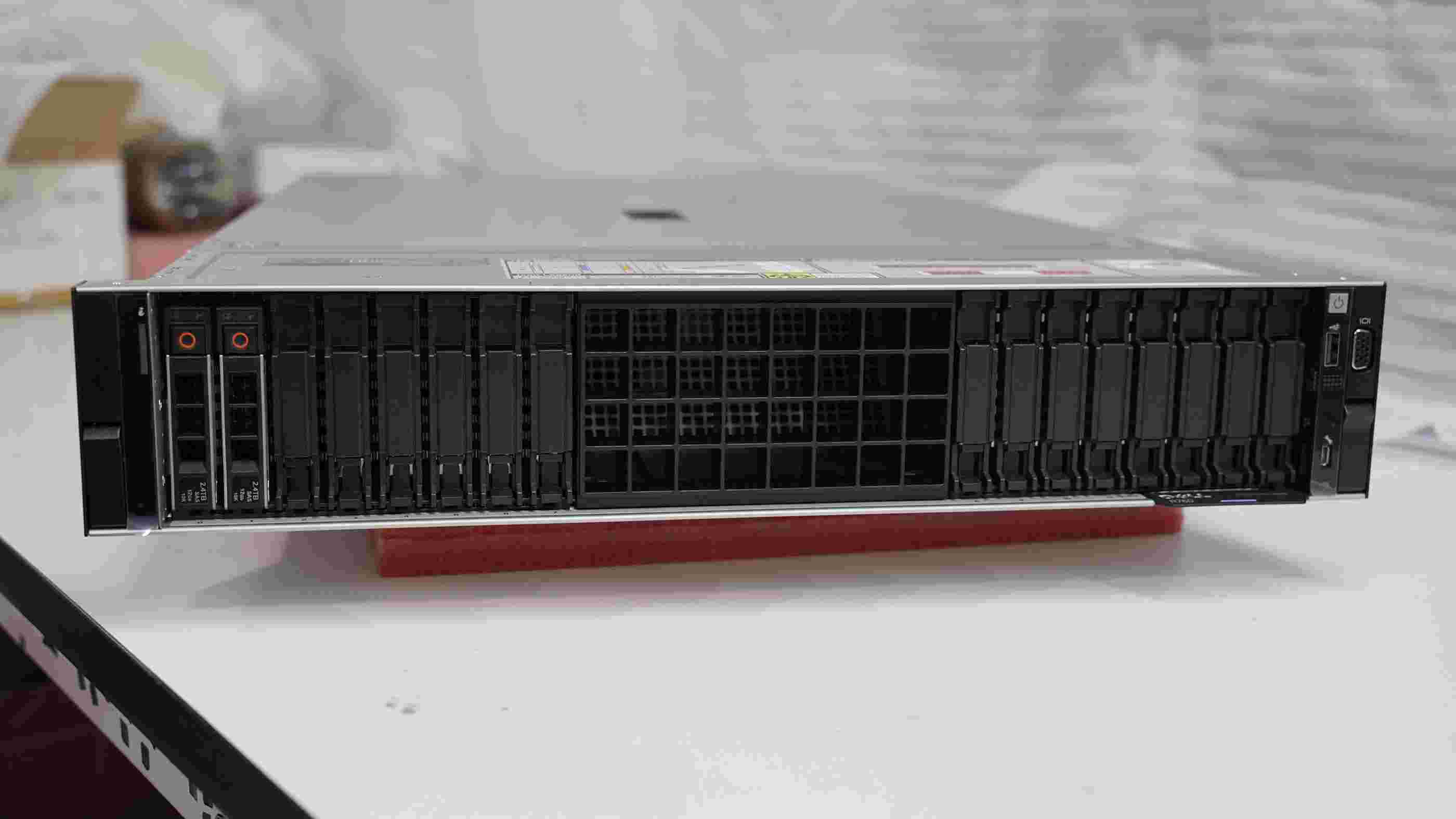
To ensure 100% compatibility, our transceivers undergo firmware verification matching the specific configuration parameters of major networking systems, including HPE Aruba, Cisco, Juniper, and Dell switches.
As the demand for network bandwidth scales, FiberNova’s R&D team is developing next-generation connectivity standards to address future bottlenecks. Our technology roadmap focuses on three key areas:
Detailed answers to key technical questions encountered by network architects and procurement specialists.
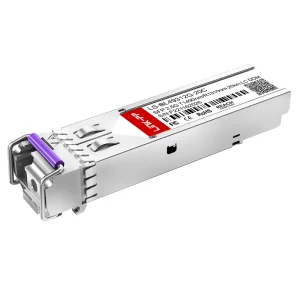
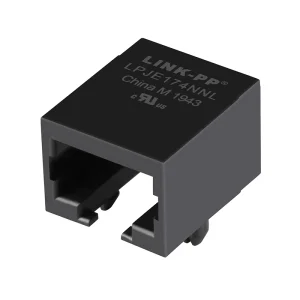
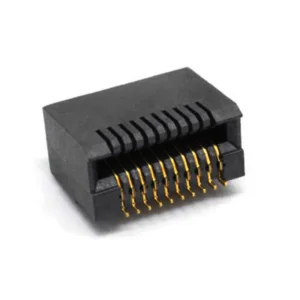
Explore our selection of SFP, SFP+, copper interfaces, and magnetic transceivers for industrial applications.
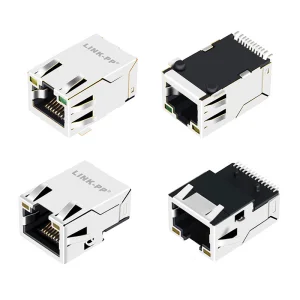
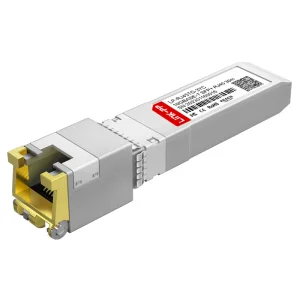
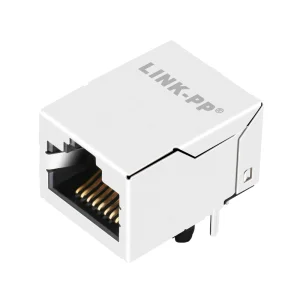
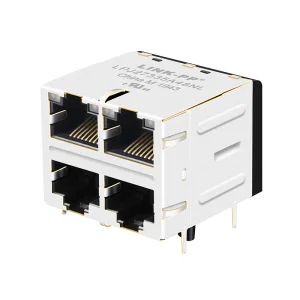
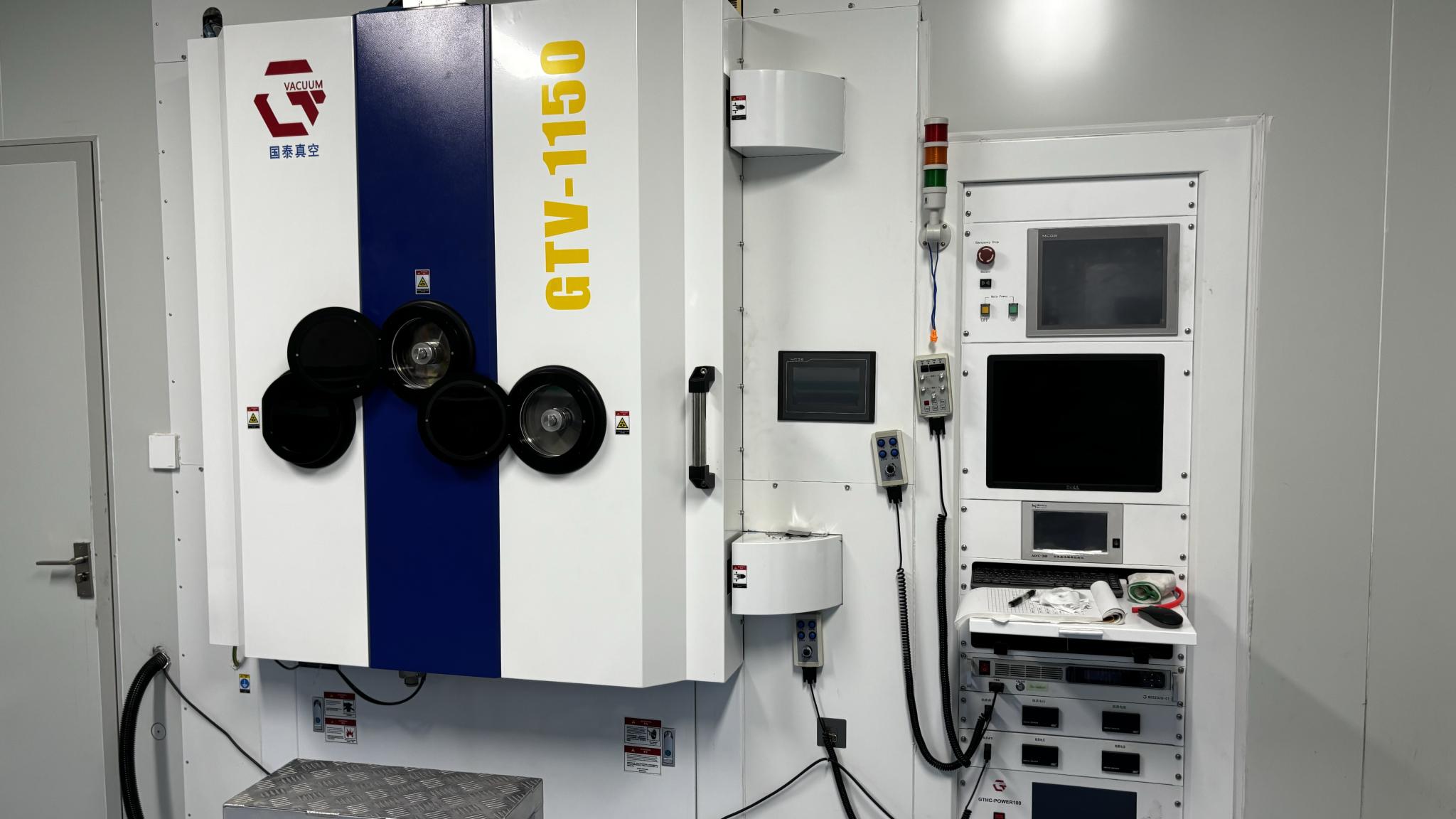
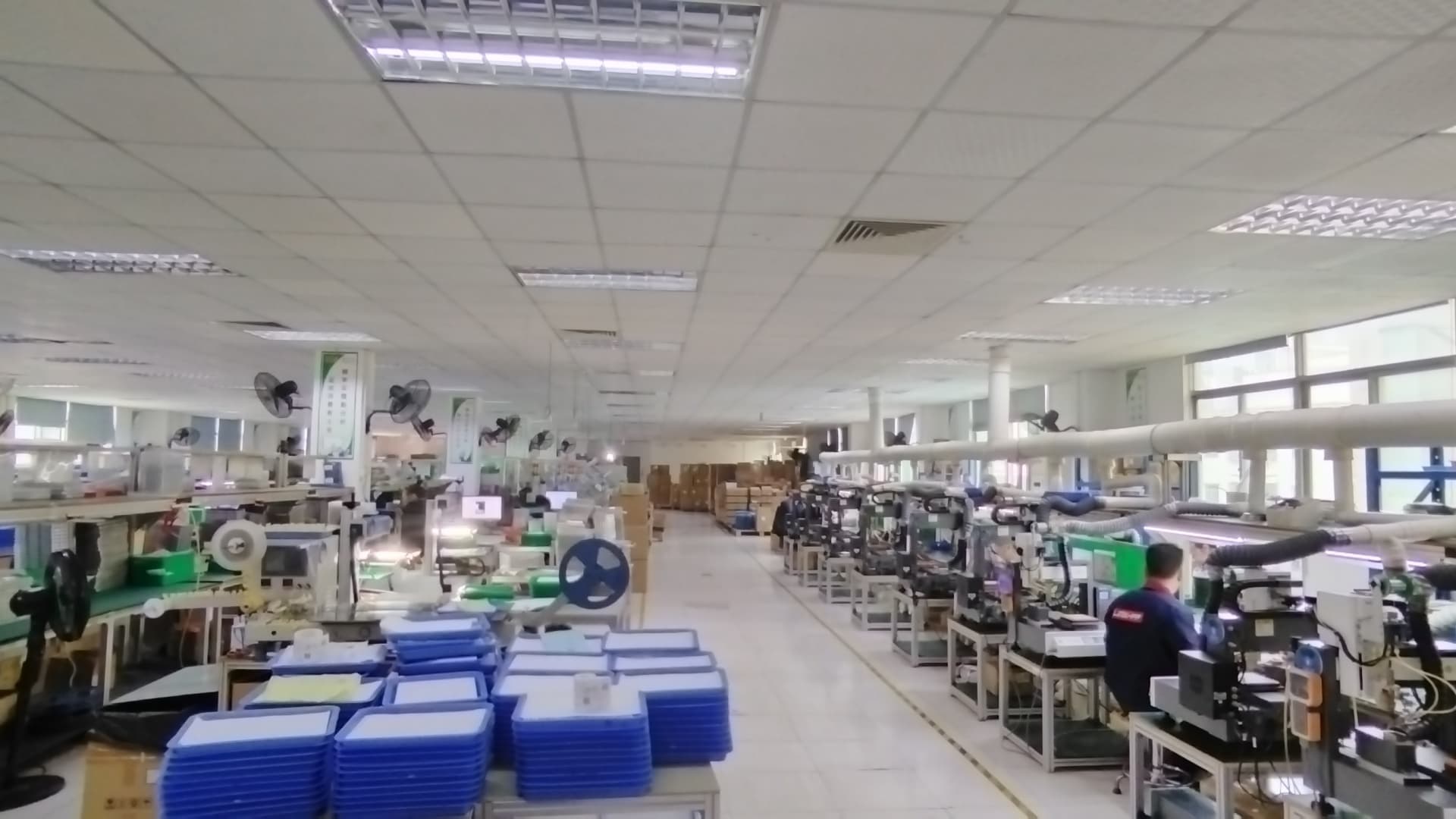
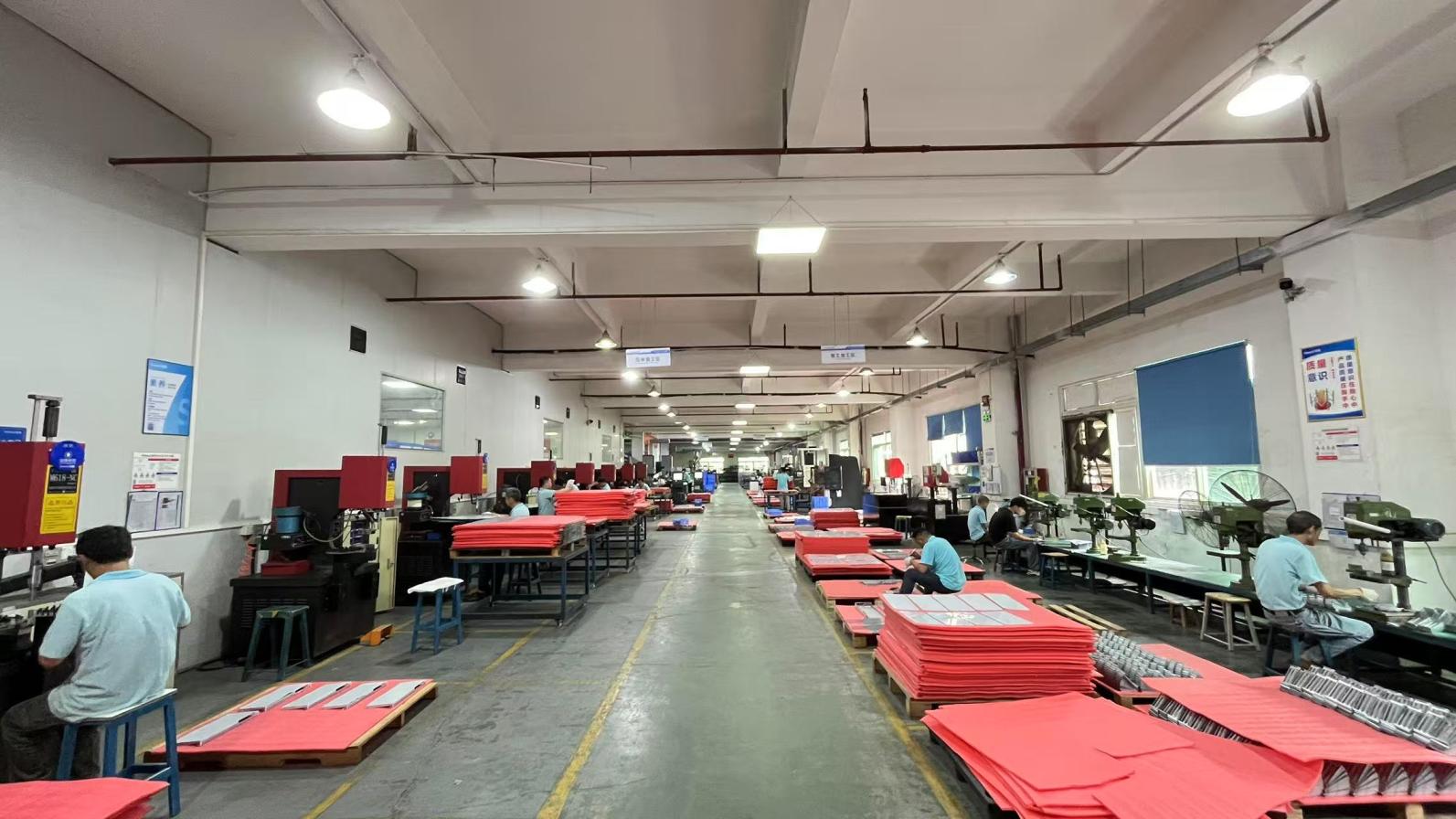
A view inside our testing facilities, automated assembly lines, and warehouse operations.

 FiberNova