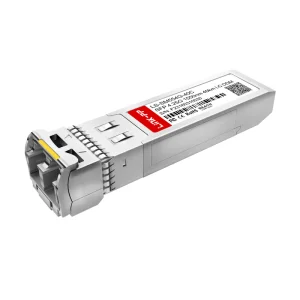
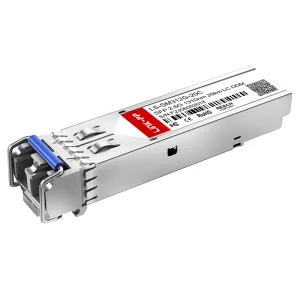
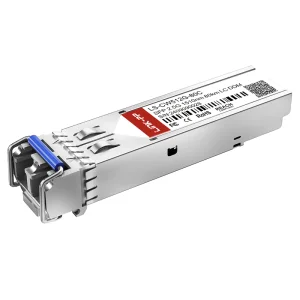
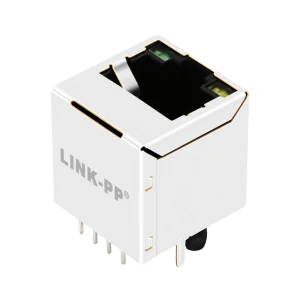
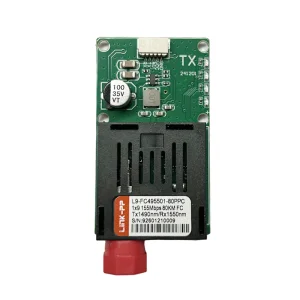
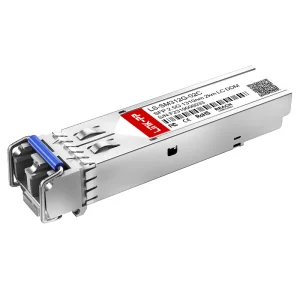
Explore our core selection of high-speed SMT connectors, optical transceivers, and modular RJ45 receptacles engineered to preserve signal integrity across demanding industrial and data center communication lines.
In the era of hyper-connected environments, high-speed Ethernet systems operating over copper media are continuously exposed to harsh electromagnetic fields. Modern networking infrastructures require robust protection mechanisms to maintain signal integrity and prevent data loss. The RJ45 Inline Filter (and its integrated counterpart, the filtered RJ45 connector/Magjack) stands as the primary defensive barrier against Electromagnetic Interference (EMI), Radio Frequency Interference (RFI), and transient voltage surges.
As data rates escalate from 10/100 Mbps to 2.5G, 5G, and 10G Base-T, transmission lines become increasingly susceptible to high-frequency noise. Without effective filtering, common-mode noise can couple into differential signal pairs, causing packets to drop, CRC errors to spike, and physical layer links to drop completely. This whitepaper analyzes the global state of the filtering component market, highlights China's manufacturing advantages, details localized integration scenarios, and outlines procurement methodologies for technical buyers globally.
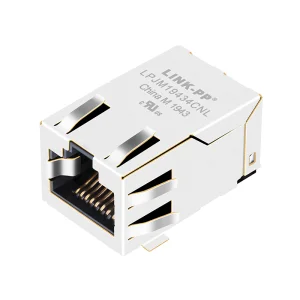
An RJ45 inline filter or an Integrated Connector Module (ICM) merges standard RJ45 physical connectivity with passive magnetics. These magnetics typically comprise isolation transformers, common-mode chokes, and shunt resistors/capacitors (often referred to as Bob Smith terminations) to manage high-frequency impedance matching.
| Component Type | Primary Function | Key Performance Metric | Target Frequency Range |
|---|---|---|---|
| Isolation Transformer | Galvanic isolation, prevents DC current leakage and ground loops. | 1500 Vrms Isolation Voltage | 1 MHz - 100 MHz |
| Common Mode Choke | Attenuates common-mode noise while allowing differential data to pass. | > 35 dB Common-Mode Rejection | 30 MHz - 500 MHz |
| Bob Smith Termination | Dissipates common-mode currents, impedance matching to reduce reflections. | 75 Ohm Termination Resistors | Broadband Match |
| ESD Protection Diodes | Clamps high-voltage electrostatic discharge pulses. | < 1 ns Response Time | Transient Events |
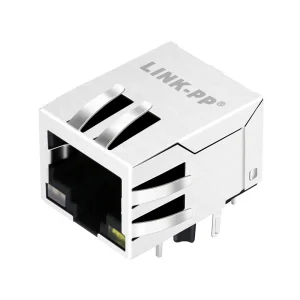
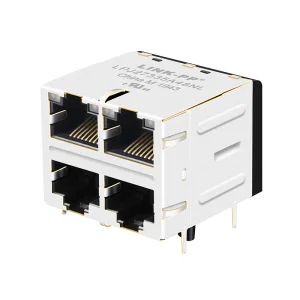
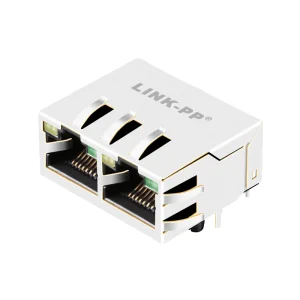
When routing Cat5e, Cat6, or Cat6a cables near power cables, machinery, or lighting arrays, cross-talk and external noise penetrate the unshielded twisted pairs (UTP). By implementing a shielded RJ45 connector integrated with internal magnetics, like the JX20-0252NL 2X2 Port Integrated Magjack, engineers establish a Faraday shield around the signal path. This suppresses common-mode noise prior to the physical layer transceiver (PHY) chip, minimizing Bit Error Rates (BER) and extending hardware lifespans.
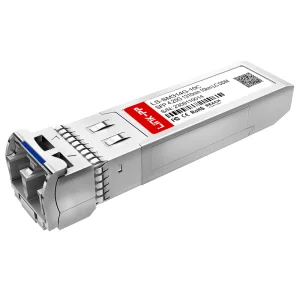
The worldwide demand for high-bandwidth copper connections remains exceptionally strong despite the widespread adoption of fiber optics. Modern enterprise setups utilize hybrid copper-optical models where SFP+ transceivers drive core network backbones, while 2.5G/5G/10G Base-T RJ45 connections run edge nodes, Wi-Fi 6E/7 Access Points, and Power over Ethernet (PoE) installations.
This dual dependency creates a critical market requirement: network devices must achieve flawless high-frequency filtering. In North America and Europe, stringent compliance standards like FCC Part 15 and EN 55032 enforce limits on electromagnetic emissions. Under these regulations, systems must utilize qualified RJ45 inline filters or shielded connectors with integrated filtering to prevent electromagnetic leakage. This dynamic drives continuous procurement demand for high-density SMT and THT filtered modular jacks from industrial device manufacturers, telecommunications providers, and data center system builders.
For global enterprise buyers, supply chain reliability is as critical as component electrical performance. Chinese manufacturing centers offer high-efficiency output and integrated supply chains. As a prominent manufacturer in this space, FiberNova Optical Communication Tech Co., Ltd. (FiberNovaTransceivers.com) demonstrates the strengths of this manufacturing model.
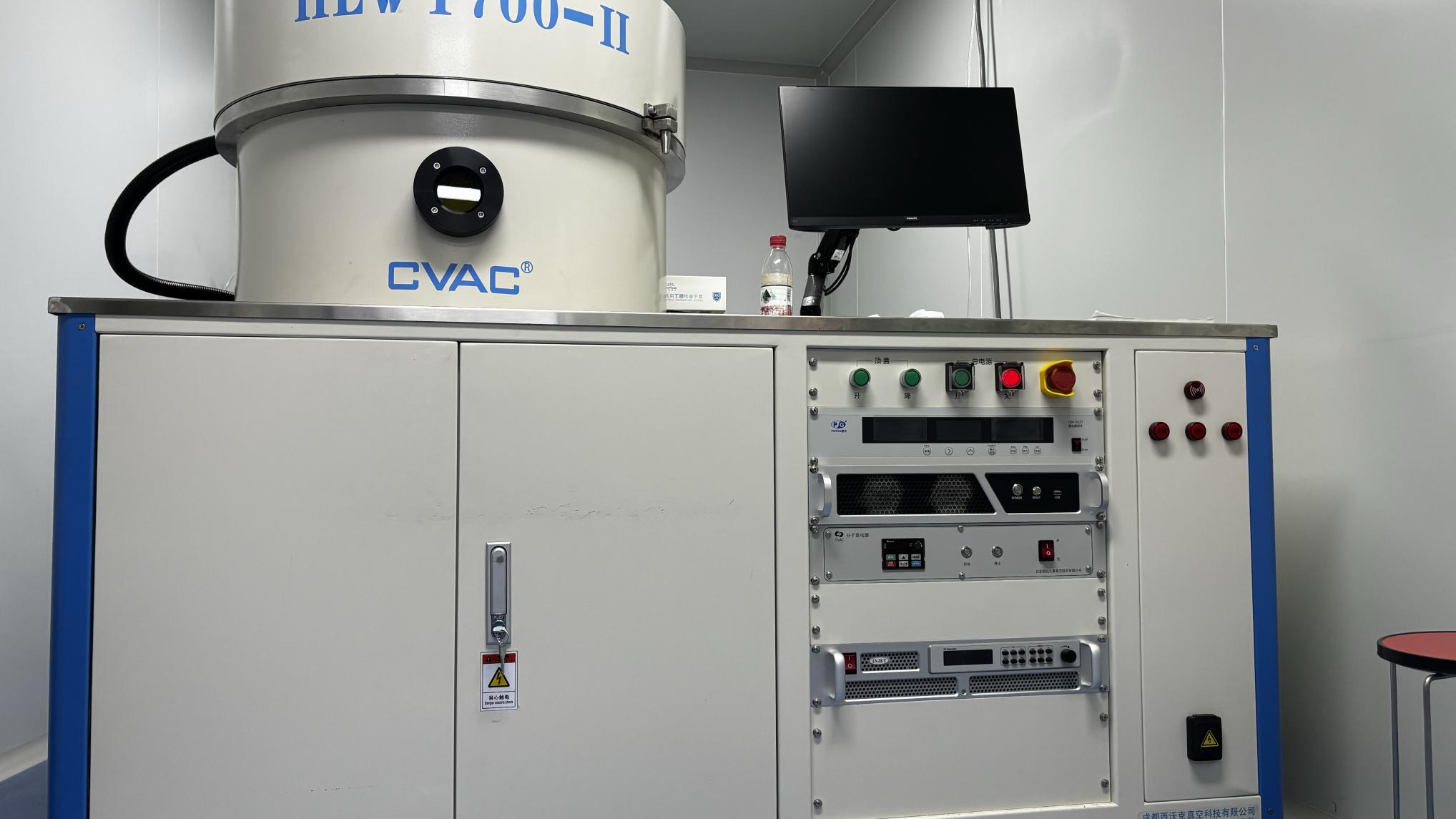
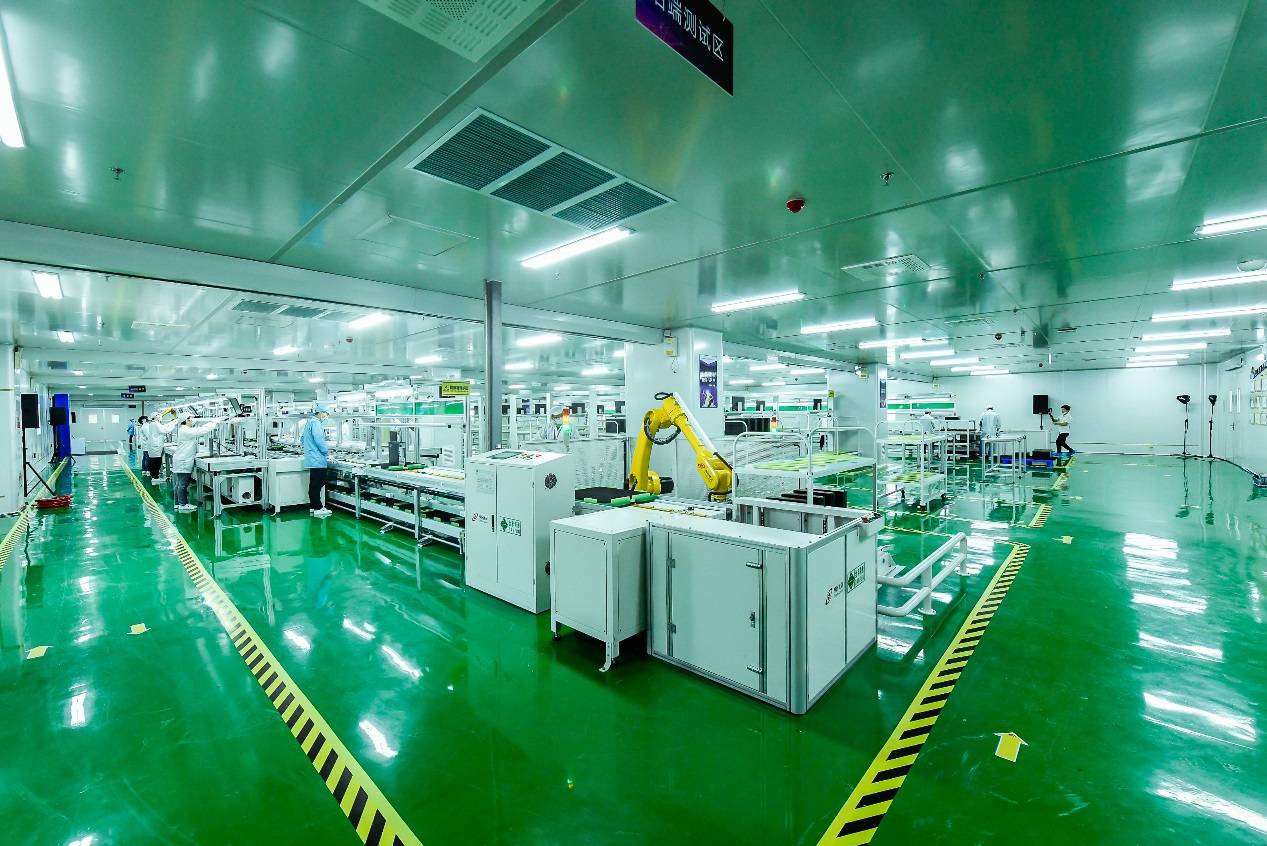
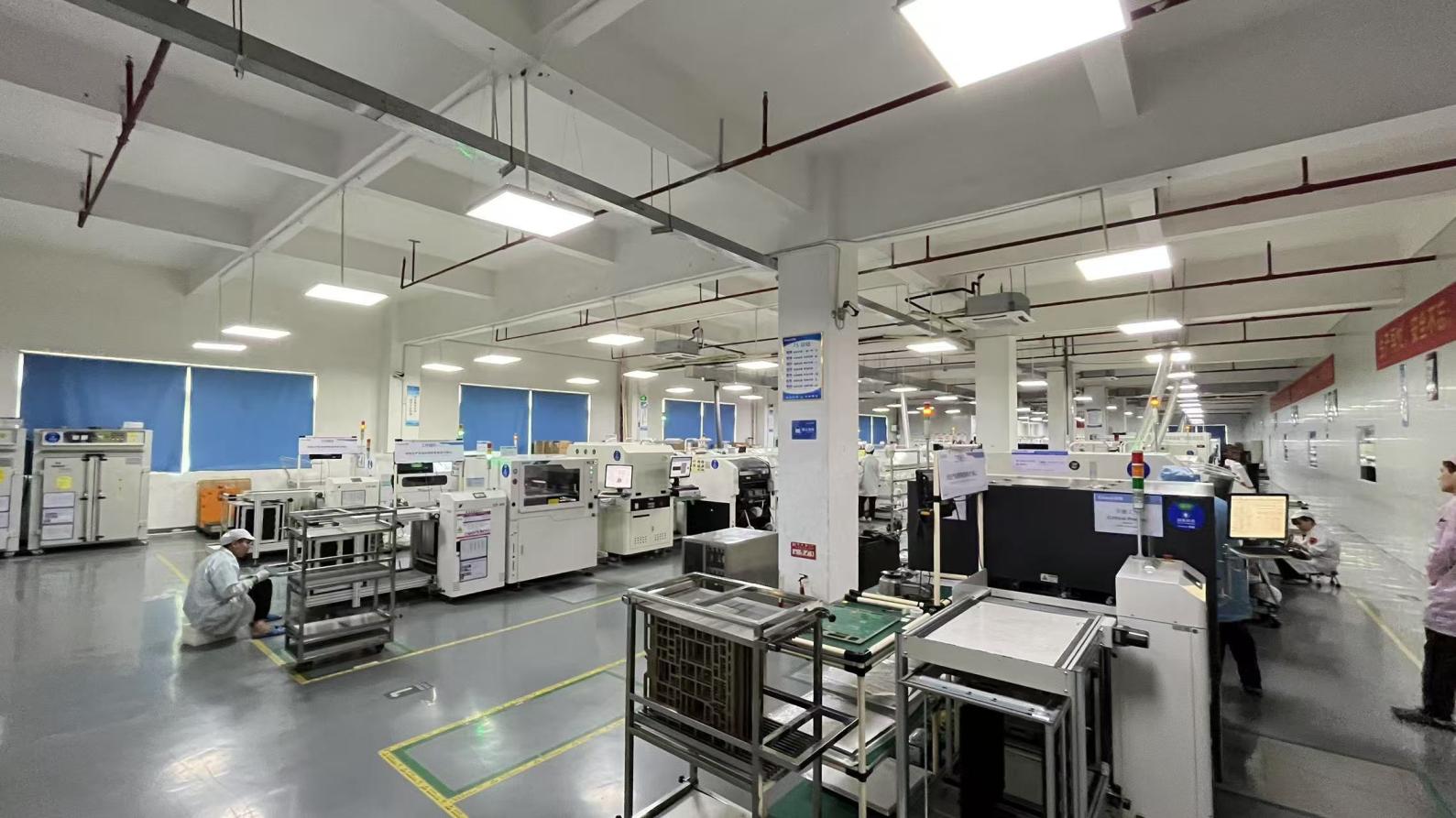
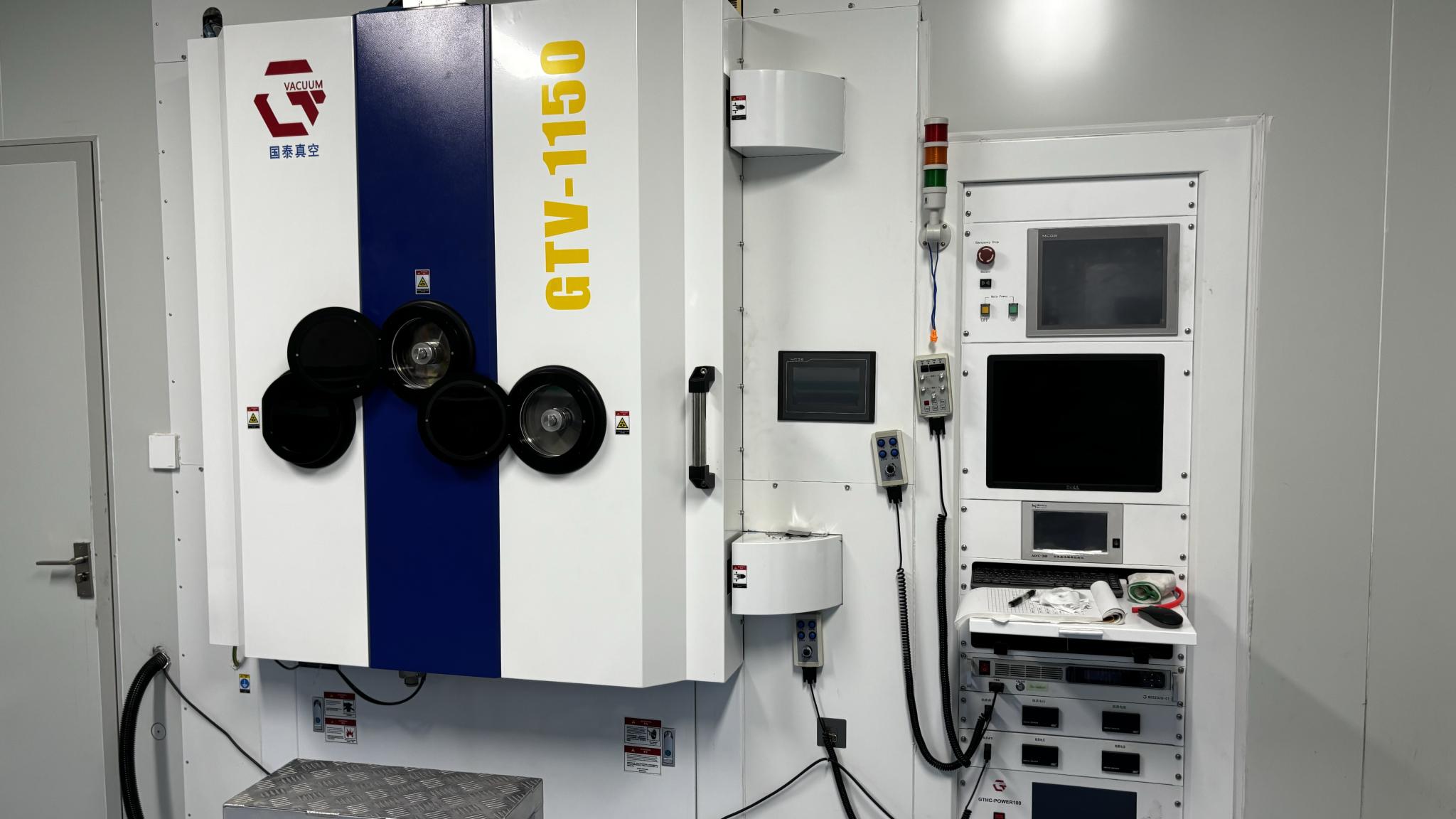
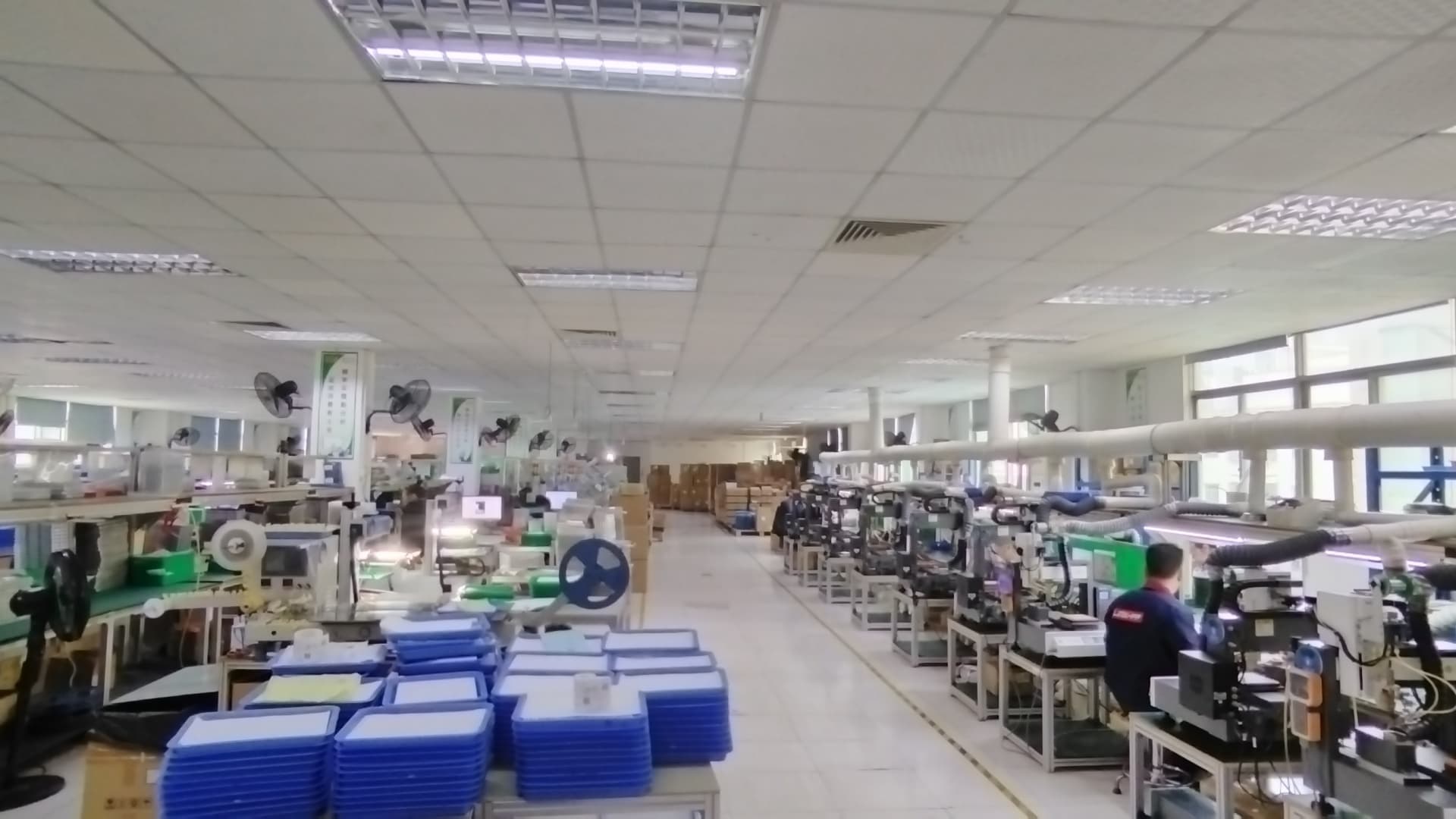
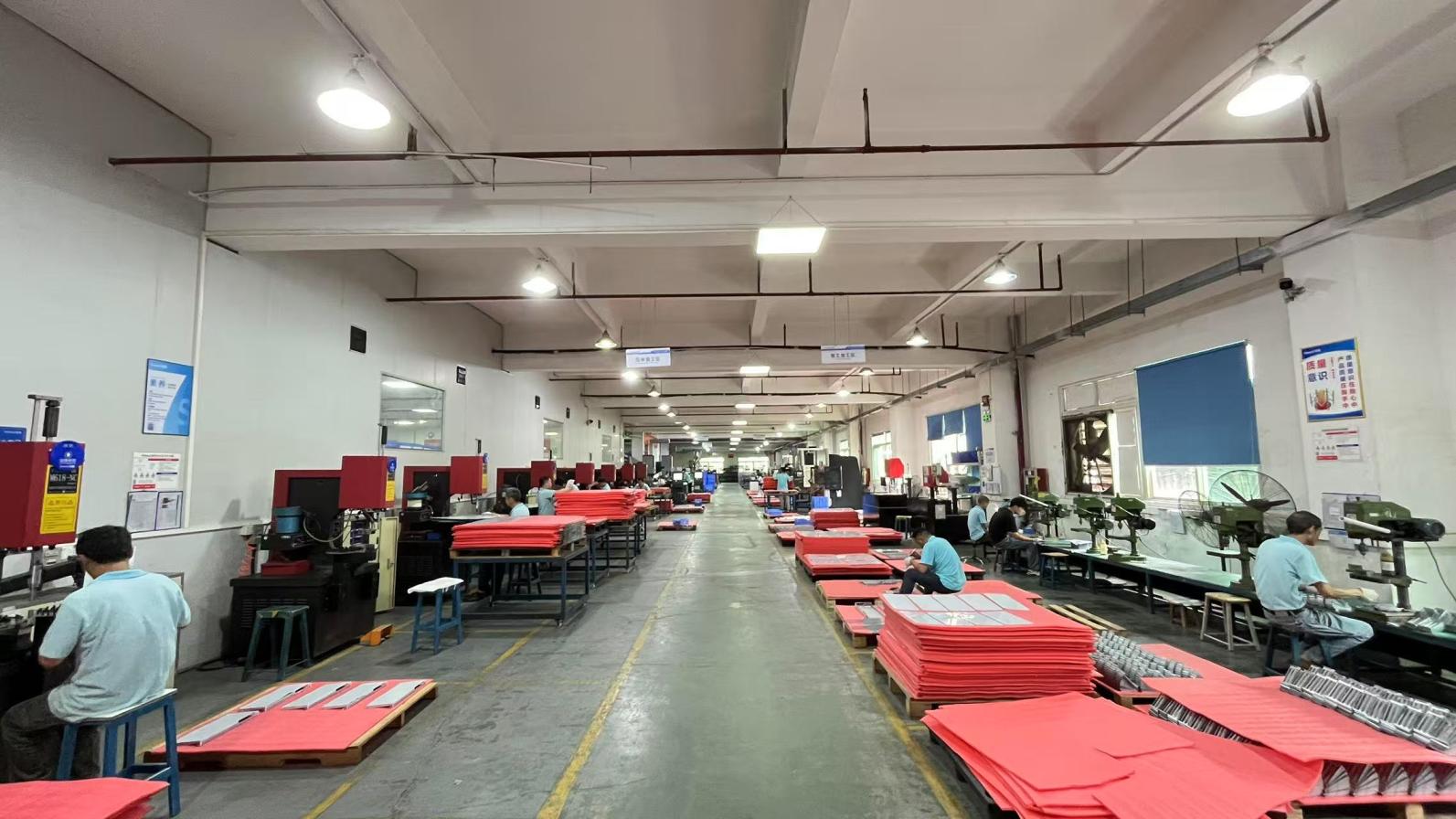
Founded in 2016, FiberNova maintains a modern production facility designed for precision component assembly. Supported by an experienced R&D team of 65 engineers, FiberNova manages product lines extending from high-speed optical transceivers to complex integrated connectors. The factory handles custom designs, compatibility adjustments, and custom packaging to meet specialized technical demands.
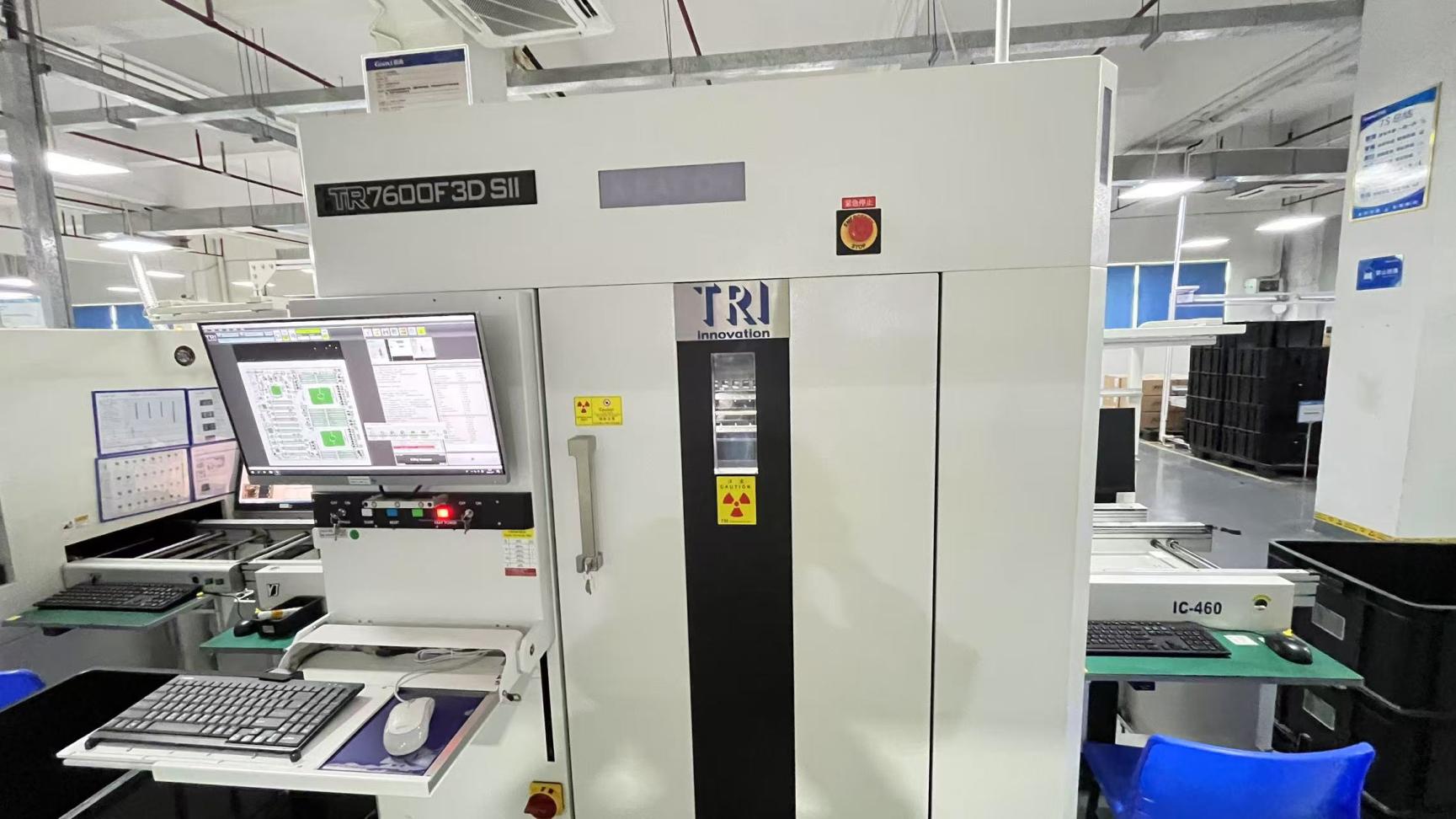
A key component of FiberNova's operating model is its strict quality assurance system. With approximately 45 dedicated QC staff, the company implements 100% optical performance testing, temperature cycling, and signal integrity inspection prior to shipment. By maintaining relationships with over 1,200 supply chain partners, FiberNova secures reliable raw material access, ensuring consistent component supply even during global market fluctuations.
RJ45 Inline Filters and integrated filtering connectors are deployed across diverse operating environments. In each case, specific environmental factors require careful component selection:
Industrial production floors present harsh electrical environments due to high-voltage electric motors, variable frequency drives (VFDs), and heavy-duty relays generating continuous electromagnetic fields. Ethernet connections routing to Programmable Logic Controllers (PLCs) and robotic arms require inline filters to isolate electromagnetic noise. The use of robust metal-shielded ports prevents common-mode noise from disrupting automation commands, helping to avoid costly line stoppages.
Medical diagnostic areas containing MRI machines, CT scanners, and X-ray systems generate significant radiofrequency energy. These medical devices require high galvanic isolation to ensure patient safety and prevent signal degradation on sensitive diagnostic feeds. Filtered RJ45 connections help suppress high-frequency noise, maintaining clean signal lines for critical real-time imaging systems.
Outdoor telecommunications masts and base stations are vulnerable to lighting transients and static buildup. Using ruggedized inline RJ45 surge filters and shielded modular connectors provides essential protection for costly baseband processing units. This filtering safeguards against voltage spikes and common-mode current surges caused by weather events, helping maintain network uptime.
The future of Ethernet filtering is defined by the demand for higher bandwidth and greater component density. The industry is currently transitioning from standard 10/100/1000M designs to 2.5G and 10G Base-T architectures. This transition requires filtering modules to manage higher frequencies without introducing signal distortion or excessive return loss.
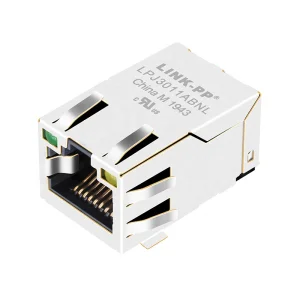
Additionally, the growth of Internet of Things (IoT) edge devices drives the demand for space-saving components, prompting manufacturers to utilize Surface Mount Technology (SMT) for RJ45 connectors. The SMT RJ45 Modular Jack J3011G21DNL exemplifies this trend, packing advanced magnetics into a compact, reflow-compatible housing. Concurrently, Power-over-Ethernet (PoE++ / IEEE 802.3bt) expansion demands that magnetic components handle up to 90W of power while maintaining clean data paths, pushing filter manufacturers to innovate with high-saturation magnetic materials.
When evaluating suppliers for RJ45 inline filters and integrated magnetics, procurement departments should assess vendors using these core criteria:
1. Electrical Compatibility and Verification: Verify that components comply with IEEE 802.3 standards for insertion loss, return loss, and crosstalk. Suppliers should provide testing reports covering high-frequency performance metrics up to the targeted bandwidth limits.
2. EMI and Transient Suppression Quality: Components must offer reliable protection against high-voltage surges. Verify that the supplier's products meet standard isolation ratings, such as a minimum of 1500 Vrms dielectric withstand voltage.
3. Pin-to-Pin Compatibility: For hardware upgrades, check that replacement connectors match existing board footprints. FiberNova's products are designed for direct compatibility with standard industry footprints (e.g., Amphenol, Pulse, Bel Fuse), facilitating straightforward drop-in replacements.
4. Supply Chain Security and Capacity: Partner with manufacturers that maintain diversified supply lines. A reliable supplier should offer flexible OEM/ODM options, consistent lead times, and comprehensive quality control processes.
A passive inline filter is an external accessory added between an Ethernet cable and a device's port. An ICM (or Magjack) integrates the filter transformers, common-mode chokes, and capacitors directly inside the RJ45 metal connector housing, saving PCB space and improving EMI performance.
The common-mode choke features dual windings on a single magnetic core. Common-mode noise travels in the same direction on both wires, generating opposing magnetic fields that cancel each other out. The differential data signal passes through the choke with minimal attenuation.
This isolation rating is required by the IEEE 802.3 standard to protect equipment and users from high-voltage hazards, ground loops, and electrical surges that can occur across long cable runs.
Yes, but the filter must be specifically designed for PoE. The internal transformers must handle the DC bias current (up to 350mA for PoE, and higher for PoE+/PoE++) without saturating the magnetic cores, which would degrade signal filtering.
2.5G Base-T connectors, such as the SMT Female RJ45 Jack, are engineered to operate at higher frequencies (up to 100 MHz or higher) with tighter crosstalk control and optimized return loss compared to standard 10/100M designs.
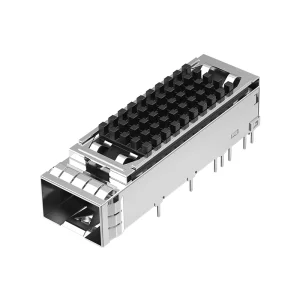
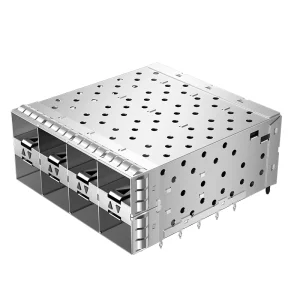
SFP/SFP+ cages house the transceivers that convert electrical signals to optical signals. Metal cages with integrated heatsinks, like the U77-E16D3-3001, shield the transceiver interface from electromagnetic noise and help dissipate heat in high-density port layouts.
Surface Mount Technology (SMT) allows automated pick-and-place assembly, reducing manufacturing costs and enabling double-sided PCB designs. This is useful for compact IoT and edge computing devices with limited space.
FiberNova conducts 100% optical performance testing, temperature cycling, and signal integrity verification for all components. The company's QA procedures are managed by a 45-person QC team to ensure compliance with international standards.
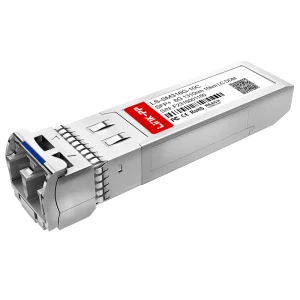
Review our range of optical transceivers, CWDM modules, multi-port RJ45 connectors, and SFP+ cages designed for high-density telecommunication systems and enterprise networks.
 FiberNova