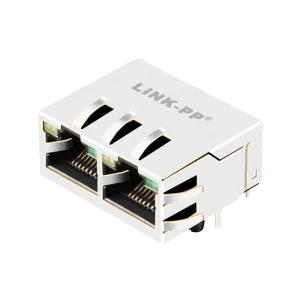
Premium optical interconnect solutions designed for high-density, low-latency enterprise and data center networks.
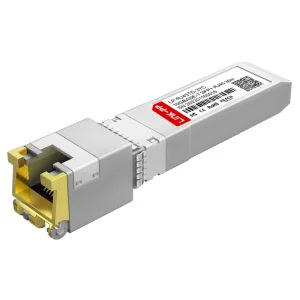
Understanding the internal optics, signal transmission paradigms, and performance factors that govern multimode SFP systems.
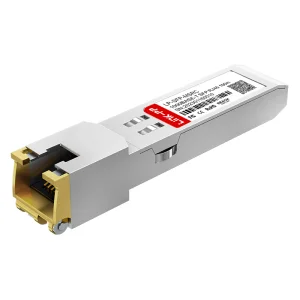
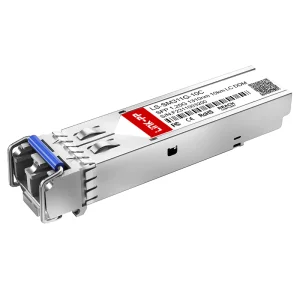
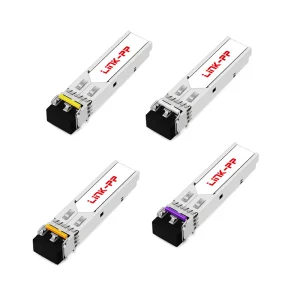
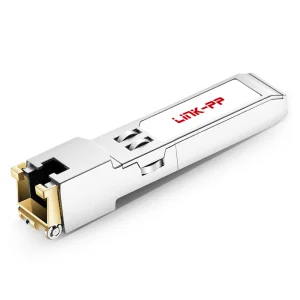
In modern local-area networks (LANs), data center fabrics, and high-performance computing (HPC) nodes, the multimode SFP (Small Form-factor Pluggable) module acts as the central interface converting electrical signals to optical signals. Utilizing cost-efficient vertical-cavity surface-emitting laser (VCSEL) arrays operating primarily at the 850nm window, multimode transceivers are optimized for short-reach systems where system deployment cost is prioritized.
Unlike single-mode transceivers that use standard laser diodes to send a single spatial ray through a narrow 9µm core, multimode transceivers feed light down a wider 50µm or 62.5µm core fiber. This design yields a larger numerical aperture, allowing the use of cheaper VCSEL emitters and simplified connector designs. However, this structure causes multiple light modes to travel down the core simultaneously. Each mode has a slightly different path length, leading to a phenomenon known as modal dispersion. This physical limitation dictates the trade-off between signaling speed and maximum link distance.
To guide infrastructure architecture design, it is critical to compare how fiber grades—from legacy OM1 to modern OM5—impact the performance and reach of multimode transceivers:
| Fiber Grade | Core Size (µm) | Typical Emitter | 1G Ethernet (SX) Max Reach | 10G Ethernet (SR) Max Reach | 25G/100G (SR/SR4) Max Reach |
|---|---|---|---|---|---|
| OM1 | 62.5 / 125 | LED / 850nm | 220 meters | 33 meters | Not Recommended |
| OM2 | 50 / 125 | LED / 850nm | 550 meters | 82 meters | Not Recommended |
| OM3 | 50 / 125 (Laser Optimized) | VCSEL / 850nm | 1,000 meters | 300 meters | 70 meters |
| OM4 | 50 / 125 (Laser Optimized) | VCSEL / 850nm | 1,100 meters | 400 meters | 100 meters |
| OM5 | 50 / 125 (Wideband MMF) | VCSEL / 850nm-953nm | 1,100 meters | 400 meters (SWDM4) | 150 meters |
Leveraging engineering expertise and quality management systems to supply optical solutions worldwide.
Analyzing the industrial supply chain, logistical networks, and cost structures that make Chinese suppliers global leaders.
China's optical communications cluster (centered in Wuhan's "Optical Valley" and Shenzhen's manufacturing ecosystems) produces a significant share of the world's optical transceivers. FiberNova Optical Communication Tech Co., Ltd. (FiberNovaTransceivers.com) operates from these specialized hubs, providing several key advantages for global buyers:
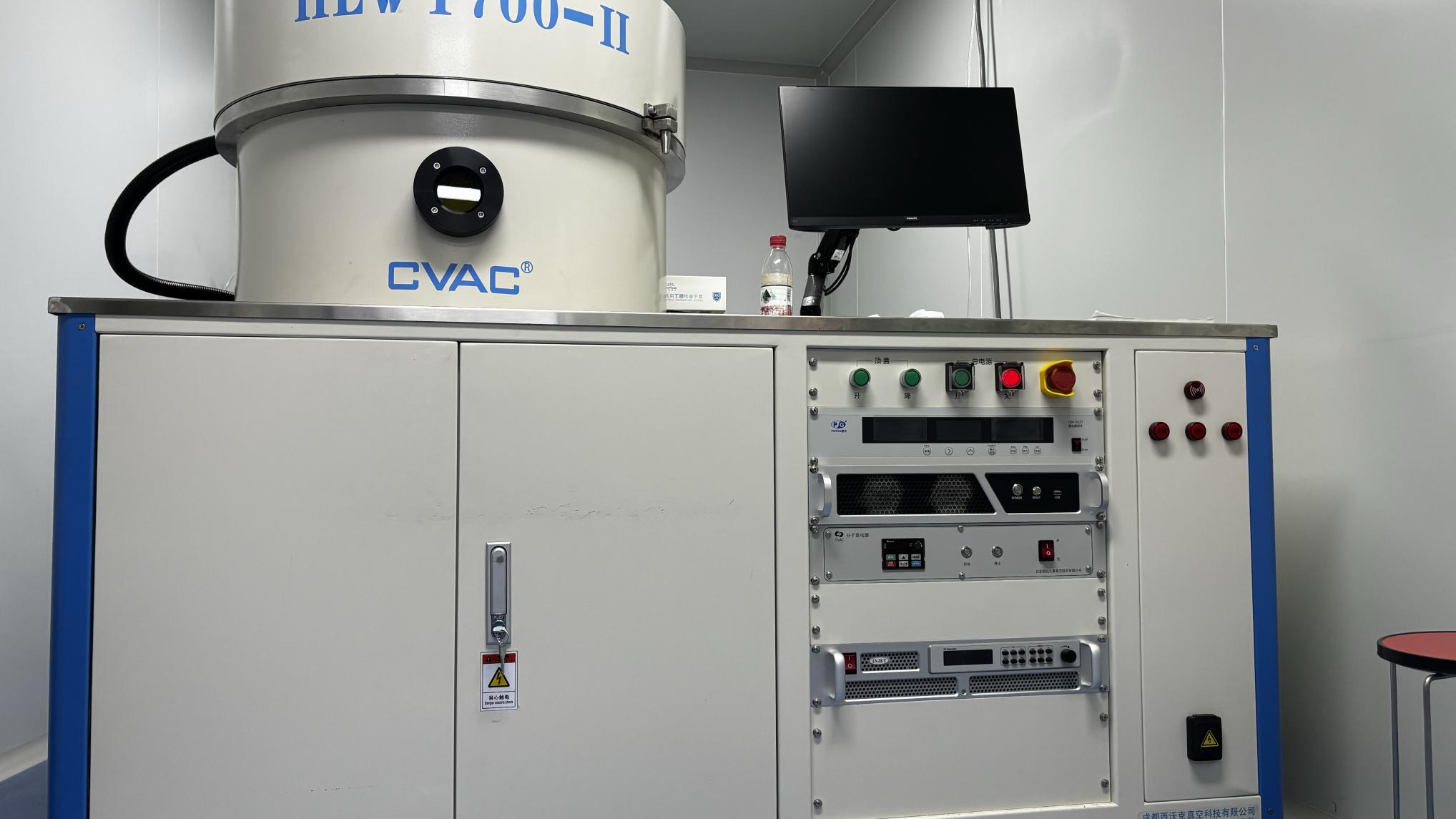
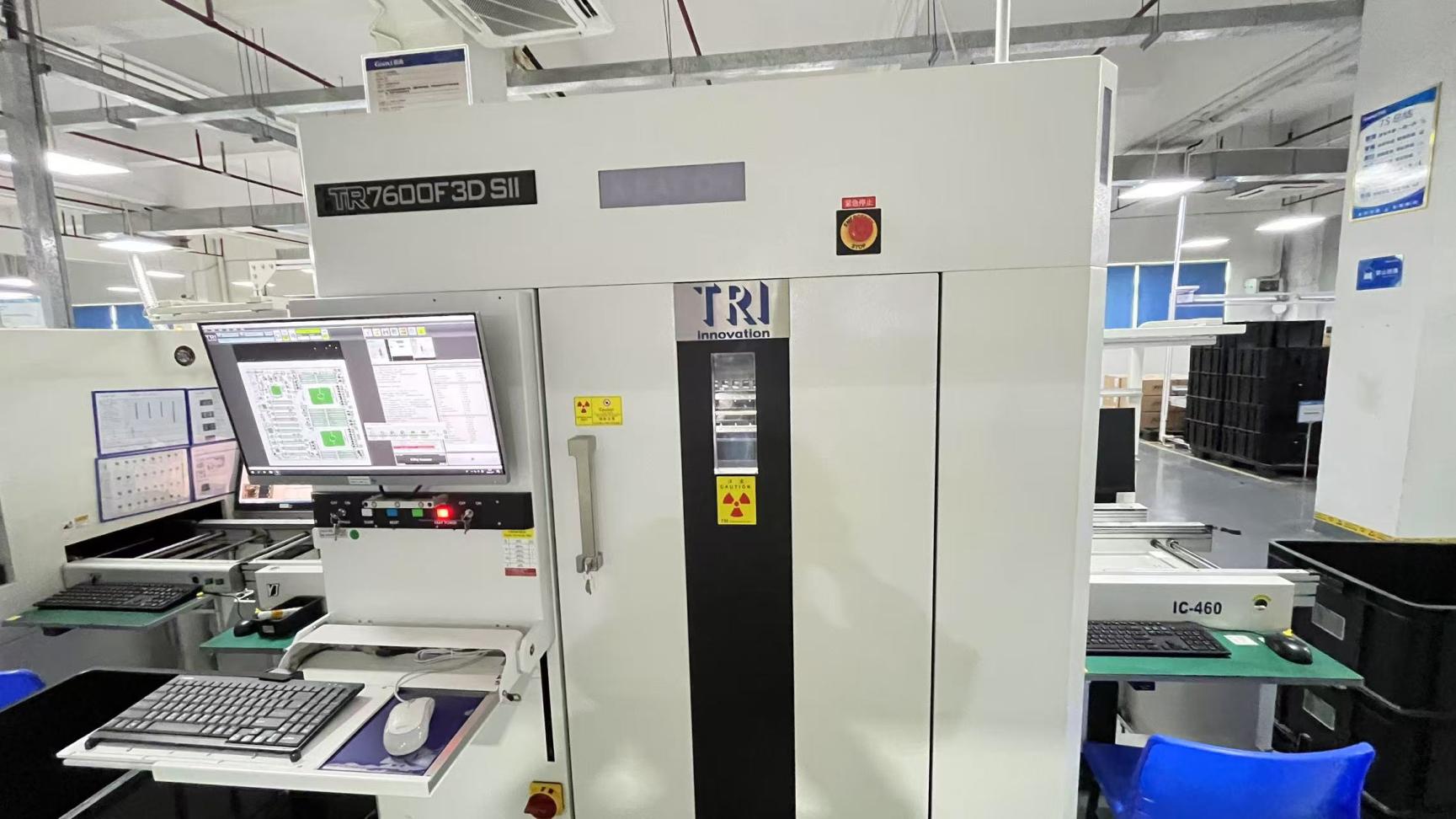
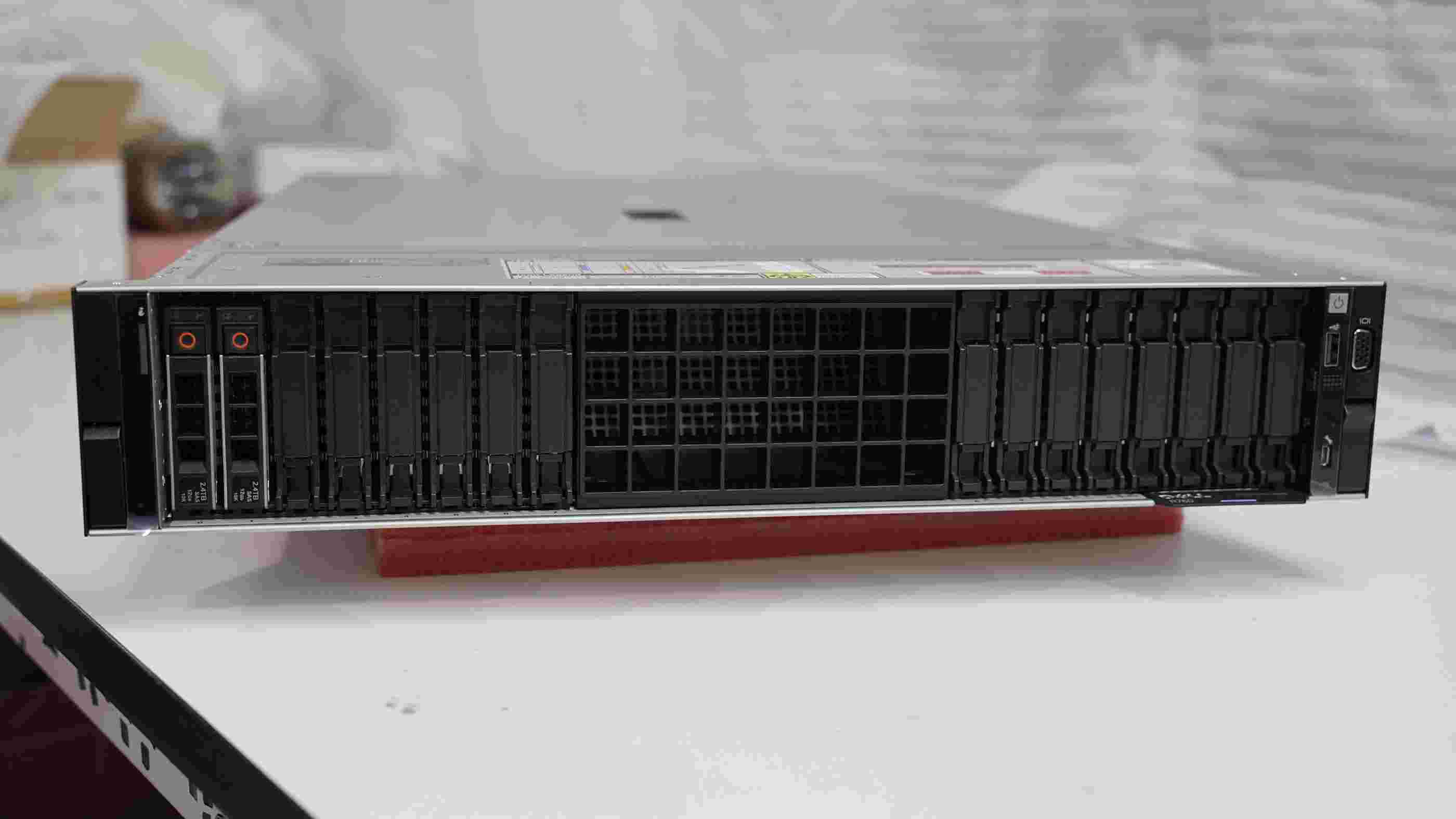
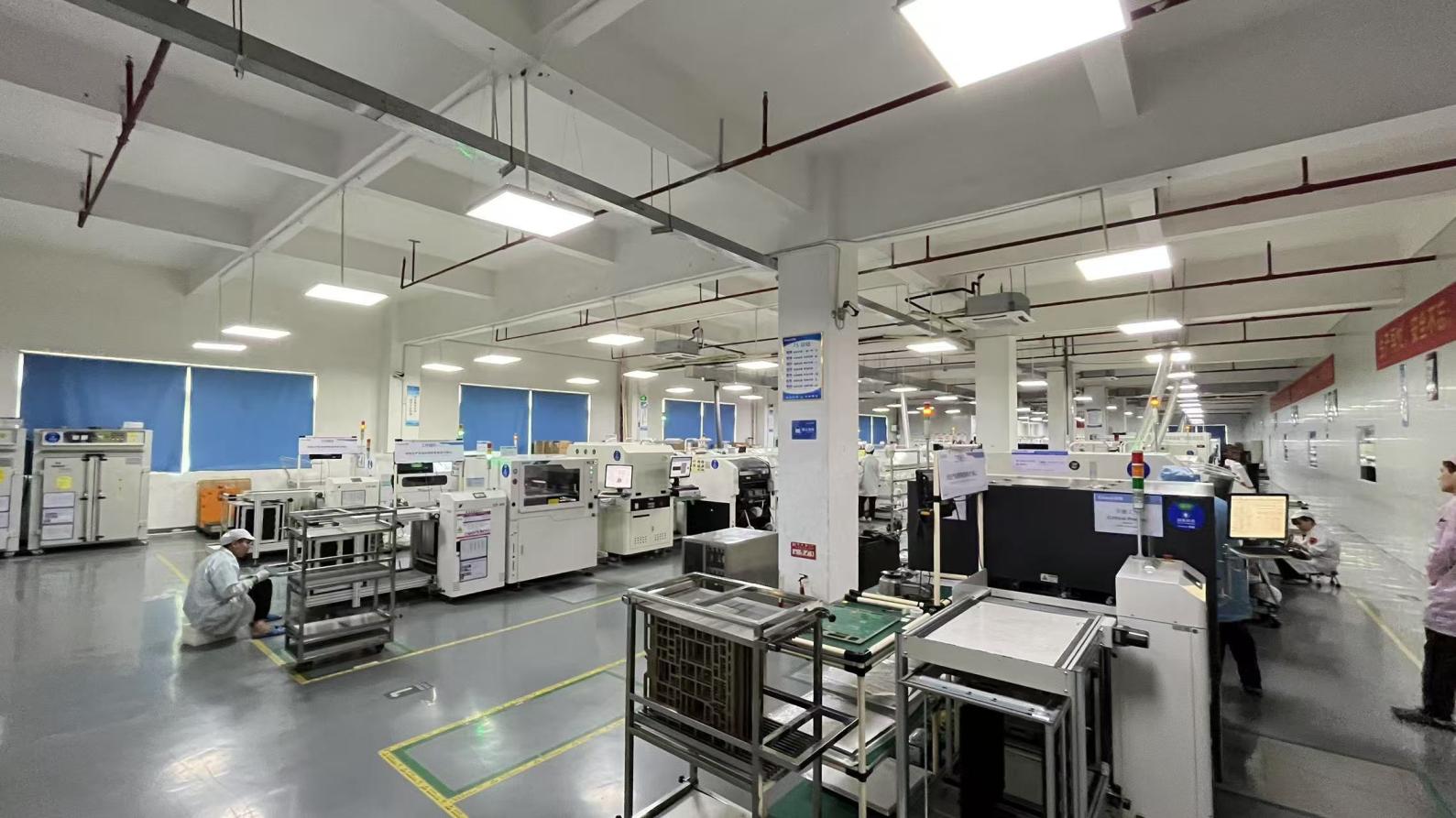
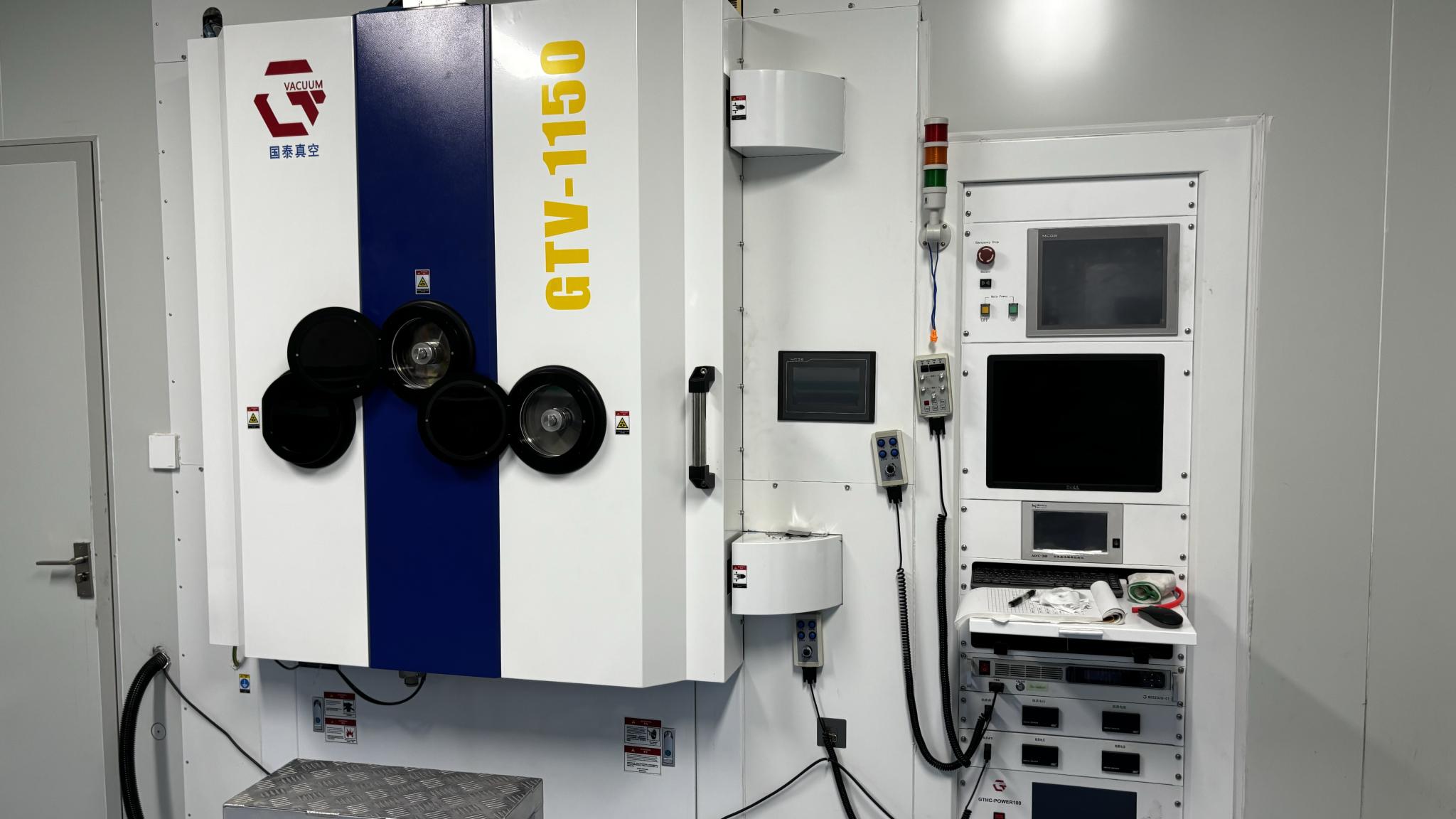
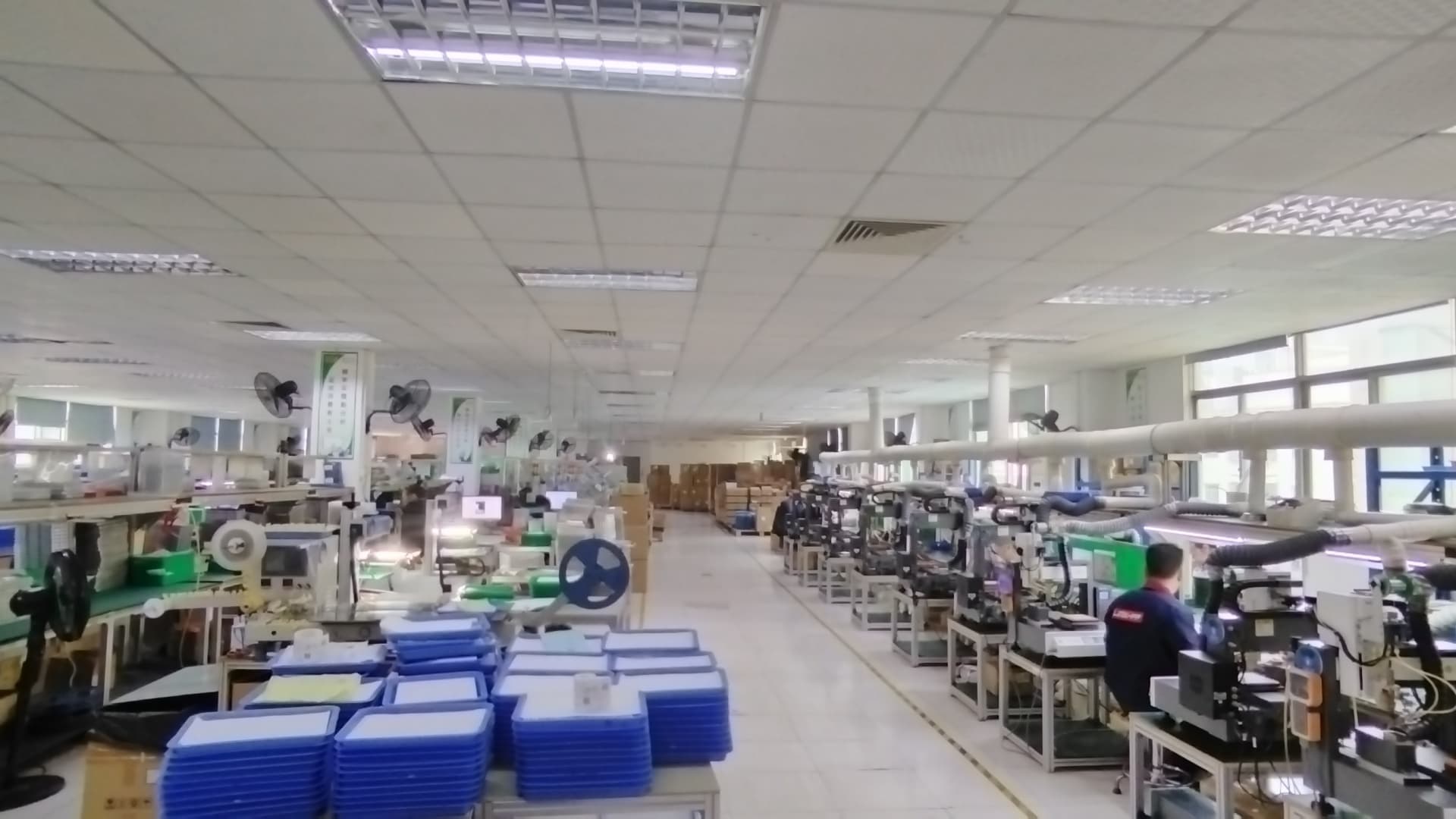
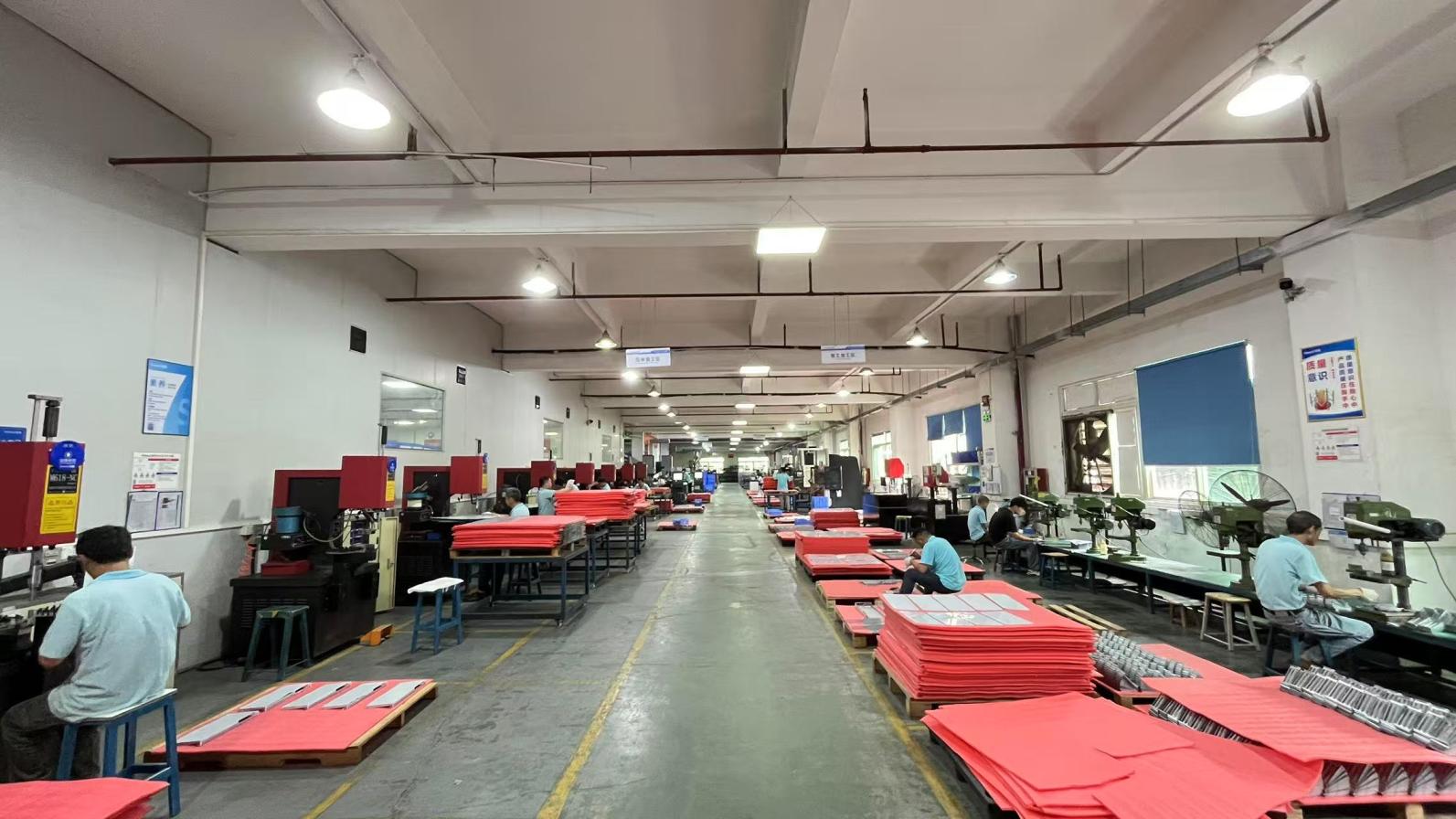
Below is a look inside FiberNova's cleanrooms, quality testing facilities, and production stages. These images show the manufacturing environment behind our optical and electronic components:

How systems designers deploy multimode SFP modules across various physical network typologies.
In modern flat data center architectures, leaf-spine designs replace traditional three-tier structures to guarantee predictable, low-latency east-west traffic flow. Multimode transceivers (like 10G SFP+ SR and 25G SFP28 SR) connect leaf switches to top-of-rack (ToR) compute units. The short distances involved (typically under 100 meters using OM3 or OM4) make multimode fiber a cost-efficient alternative to single-mode optics.
In financial trading, latency is measured in nanoseconds. Single-mode lasers can introduce slight propagation delays due to active wave alignment mechanisms. Direct-modulation VCSELs inside multimode SFP modules, combined with ultra-low-dispersion MMF, help optimize short physical link runs between compute hosts and regional broker switches.
Industrial sites often experience severe electromagnetic interference (EMI) from motors and heavy equipment, rendering traditional copper UTP cables unreliable over long distances. High-quality multimode SFP modules (such as those from FiberNova) provide absolute immunity to EMI, maintaining stable 1G or 10G link backbones across factory floors.
How the market is evolving to address higher bandwidth demands and environmental sustainability.
The optical transceiver market is undergoing structural shifts driven by AI workloads, hyperscale cloud growth, and sustainability targets. For infrastructure planners, keeping pace with these changes is essential:
Ensuring system interoperability and optical reliability through strict test procedures.
Enterprise IT buyers face a common risk: purchasing third-party optical transceivers only to experience host-device lockouts or port-dropping under high workloads. High-quality manufacturing practices help mitigate these risks:
1. EEPROM Coding and Switch Interoperability: Major network equipment vendors implement vendor-lockout mechanisms inside their switch operating systems. Third-party transceivers must be flashed with correct EEPROM data, including vendor names, part numbers, serial codes, and CRC checksums. FiberNova's R&D department maintains compatibility profiles for major switch ecosystems, including Cisco, HPE, Juniper, Arista, and Aruba.
2. Eye Diagram and Jitter Analysis: The shape of the optical pulse dictates how easily the receiving photodetector can decode the data stream. Clean eye diagrams with wide openings indicate low jitter, low dispersion, and low bit error rates (BER), ensuring stable link margins over longer cable runs.
Answers to common questions regarding compatibility, optical performance, and implementation.
No, it is not recommended. Connecting a multimode SFP transceiver (which typically uses an 850nm VCSEL laser designed for a 50µm core) to a single-mode fiber (with a 9µm core) results in high coupling loss. The light from the wider VCSEL beam cannot efficiently enter the narrow single-mode core, causing the link to fail.
These form factors represent different speed classes. Standard SFP modules support speeds up to 1.25Gbps. SFP+ supports up to 10Gbps. SFP28 runs up to 25Gbps over a single channel. QSFP (Quad SFP) combines four parallel channels to deliver 40Gbps (QSFP+) or 100Gbps (QSFP28) throughput.
DDM provides real-time access to operating parameters such as optical output power, receiver sensitivity, operating temperature, and supply voltage. Monitoring these metrics allows network administrators to spot laser degradation or connection issues before they cause unexpected downtime.
OM1 and OM2 fibers are older standards optimized for LED light sources, which limits their bandwidth over longer distances. OM3 and OM4 are laser-optimized multimode fibers (LOMMF) designed for 850nm VCSELs, allowing them to support 10G, 25G, and 100G speeds with lower signal loss.
FiberNova tests each module's EEPROM coding in a dedicated compatibility lab using host switches from brands like Cisco, HPE, Juniper, and Arista. This step ensures the module's identification codes match the expectations of the host operating system.
Standard commercial-grade SFP modules operate from 0°C to 70°C. Industrial-grade modules are designed for harsher environments, supporting an operating temperature range of -40°C to 85°C.
Explore our selection of connection components, SFP cages, and long-range transceivers.
 FiberNova