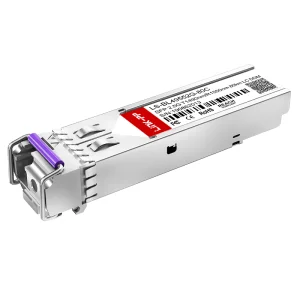
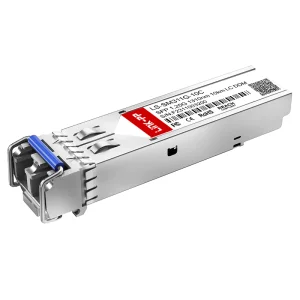
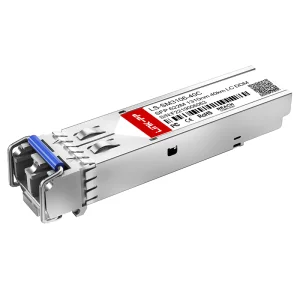
Engineered to extend connectivity parameters across diverse environments with zero-latency signal propagation.
Standard Ethernet cabling (Copper Cat5e/Cat6) is bound by a strict physical limitation: the 100-meter (328 feet) distance barrier. Beyond this threshold, signal attenuation, cross-talk, and electromagnetic interference compromise packet integrity, inducing packet drop and severe latency. To support smart industrial networks, IoT edge processing, and wide-area telecom infrastructure, advanced engineering necessitates the deployment of high-performance transmission links.
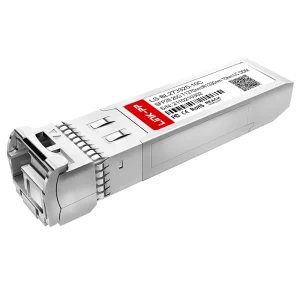
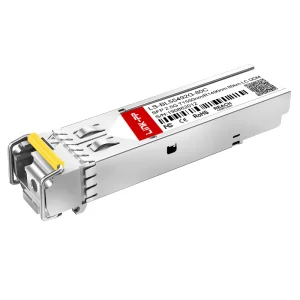
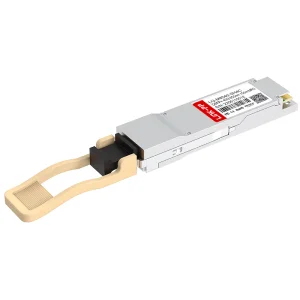
As a premier Ethernet extension manufacturer, we engineer systems that span distances up to 80 kilometers and beyond. By converting electrical signals into optical signals via advanced Single Mode Fiber (SMF) transceivers, our components allow network architects to circumvent legacy copper physical constraints. Incorporating state-of-the-art SFP, SFP28, QSFP+, and QSFP28 modules, our systems preserve bandwidth throughput while minimizing power usage and overall deployment footprint.
Every modular interface undergoes extreme Bit Error Rate (BER) analysis, physical temperature cycling, and optical eye-diagram calibration before packaging.
Engineered to comply with MSA parameters, ensuring universal compatibility with equipment from Cisco, Juniper, Huawei, and other Tier-1 manufacturers.
Operating streamlined supply channels across North America, the European Union, the Middle East, and APAC to guarantee timely delivery.
Established in 2016, FiberNova Optical Communication Tech Co., Ltd. (FiberNovaTransceivers.com) operates a state-of-the-art 380㎡ facility dedicated to high-speed optical communications. With over 12 years of industry experience and 6 years of global export experience, our technical teams possess the specialized knowledge required to manufacture networks that operate continuously under demanding workloads.
Through stable component sourcing backed by over 1,200 supply chain partners, we produce durable hardware using premium lasers, photodiodes, and integrated circuits. Annually, our R&D team introduces roughly 120 new products to market, ensuring our portfolio matches the speed of modern cloud computing and telecommunication developments.
High-performance long-distance transmission relies on precise physical layer design. Whether using copper interfaces or high-speed fiber transceivers, electrical signals must undergo modulation to survive dispersion over long runs.
| Transmission Medium | Standard Maximum Distance | Extended Distance Capacity | Bandwidth Capabilities | Key Applications |
|---|---|---|---|---|
| UTP Copper (Cat6/Cat6A) | 100 Meters | Up to 150 Meters (At reduced speed) | 10 / 100 / 1000 Mbps | Local office LAN, CCTV endpoints, IP Intercoms |
| Multi-Mode Fiber (MMF) | 300 Meters | Up to 2 Kilometers | 1 Gbps / 10 Gbps / 40 Gbps / 100 Gbps | Intra-Data Center links, backbone campus networking |
| Single-Mode Fiber (SMF) | 10 Kilometers | 40 Kilometers to 80 Kilometers | 1.25G to 400G / 800G Coherent | Metropolitan networks, long-distance backhaul, ISP networks |
To maximize single-strand fiber runs, our modules employ BiDi (Bidirectional) Technology. By transmitting and receiving on distinct wavelengths (e.g., 1270nm-TX/1330nm-RX or 1310nm-TX/1550nm-RX) over a single optical core, BiDi modules double the efficiency of existing fiber infrastructure. This cuts installation costs while maintaining full-duplex Gigabit and 25G Ethernet data rates.
Different regions face distinct environmental challenges. Our products are engineered to meet specialized regional requirements, ensuring stable performance globally.
Designed to support high-density hyperscale data centers. Features low-latency 40G, 100G, and 400G optical links optimized for AI training clusters and real-time cloud computing nodes.
Built for industrial automation and smart grid integration. Connectors feature heavy shielding to resist electromagnetic interference (EMI) in high-voltage environments.
Engineered with industrial-grade components to withstand wide temperature variations (-40°C to +85°C), ensuring reliable outdoor operation in desert heat.
Beyond standard commercial installations, our solutions are used in specialized applications like deep-sea offshore platforms, high-speed rail control lines, and isolated mining facilities. In these environments, fiber-optic converters isolate equipment from ground loop currents and surge hazards.
As data demands increase, network design is shifting toward high-density, low-power solutions. The migration from 10G/25G structures toward 100G, 400G, and 800G architectures requires advancements in optical component integration.
FiberNova is actively investing in Silicon Photonics Integration. By combining active optical circuits onto silicon substrates, we can produce transceivers with reduced power consumption and lower heat dissipation. This technology will allow future Ethernet extenders and transceivers to support faster data rates in standard SFP and QSFP footprints.
Our research also focuses on green networking technologies. By using intelligent power management circuits, our latest transceivers automatically adjust laser drive currents based on link length, reducing power usage by up to 25% on shorter optical runs.
Answers to common technical queries from network engineers and system integrators.
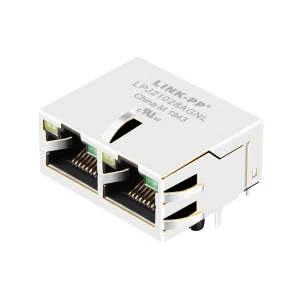
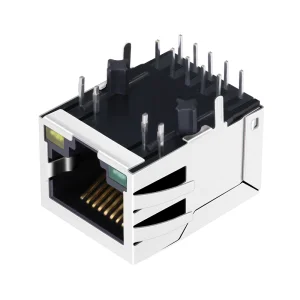
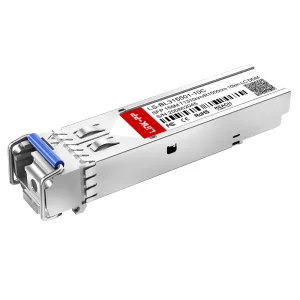
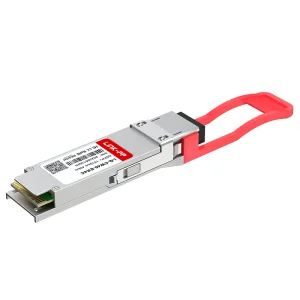
Complete optical modules and shielded interfaces designed for low attenuation and long service life.
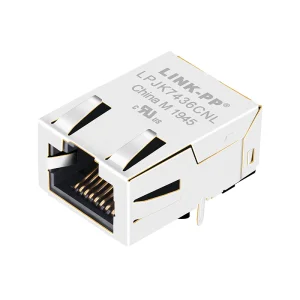
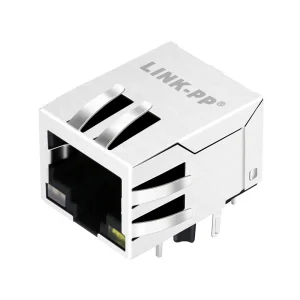
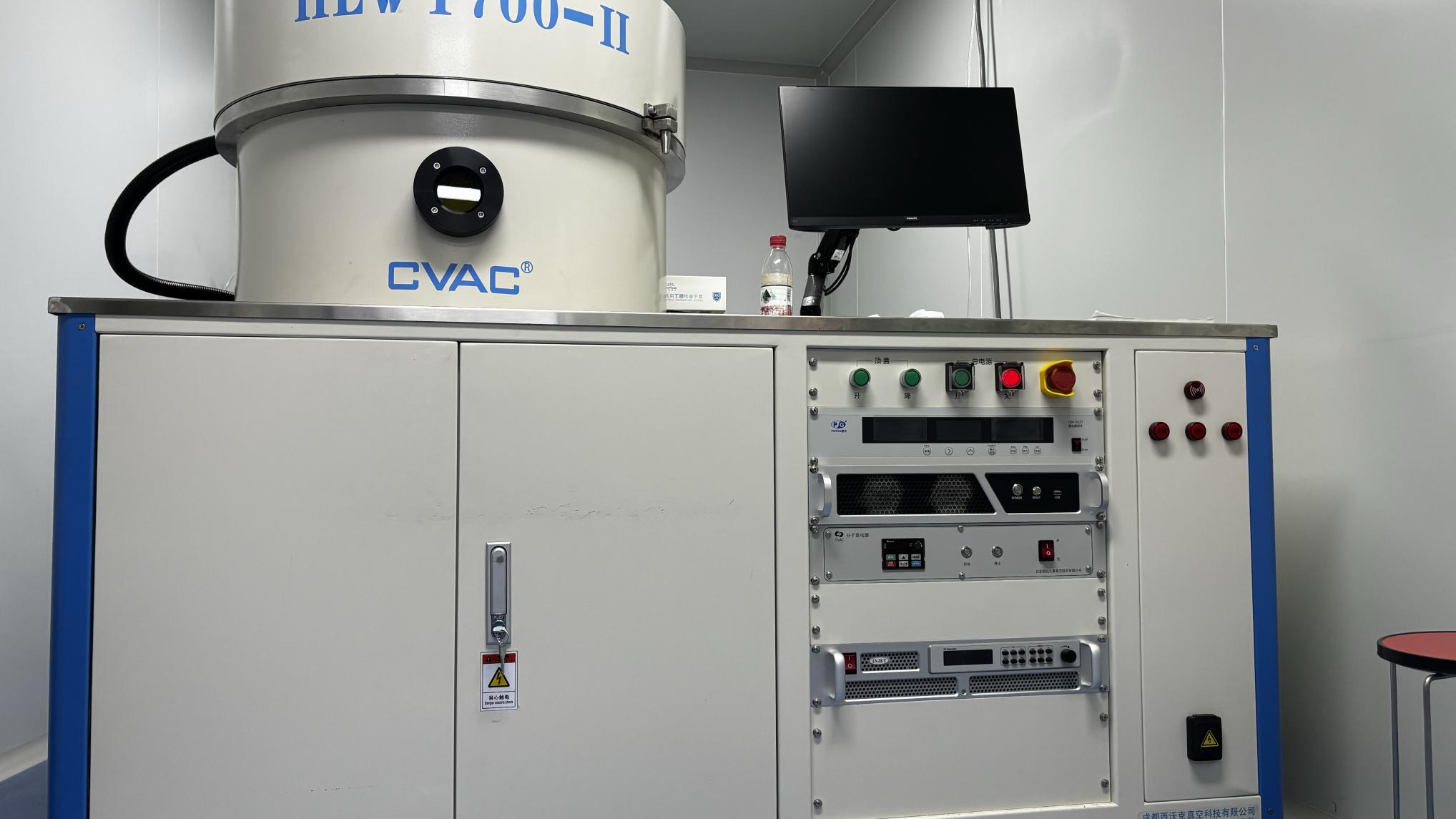
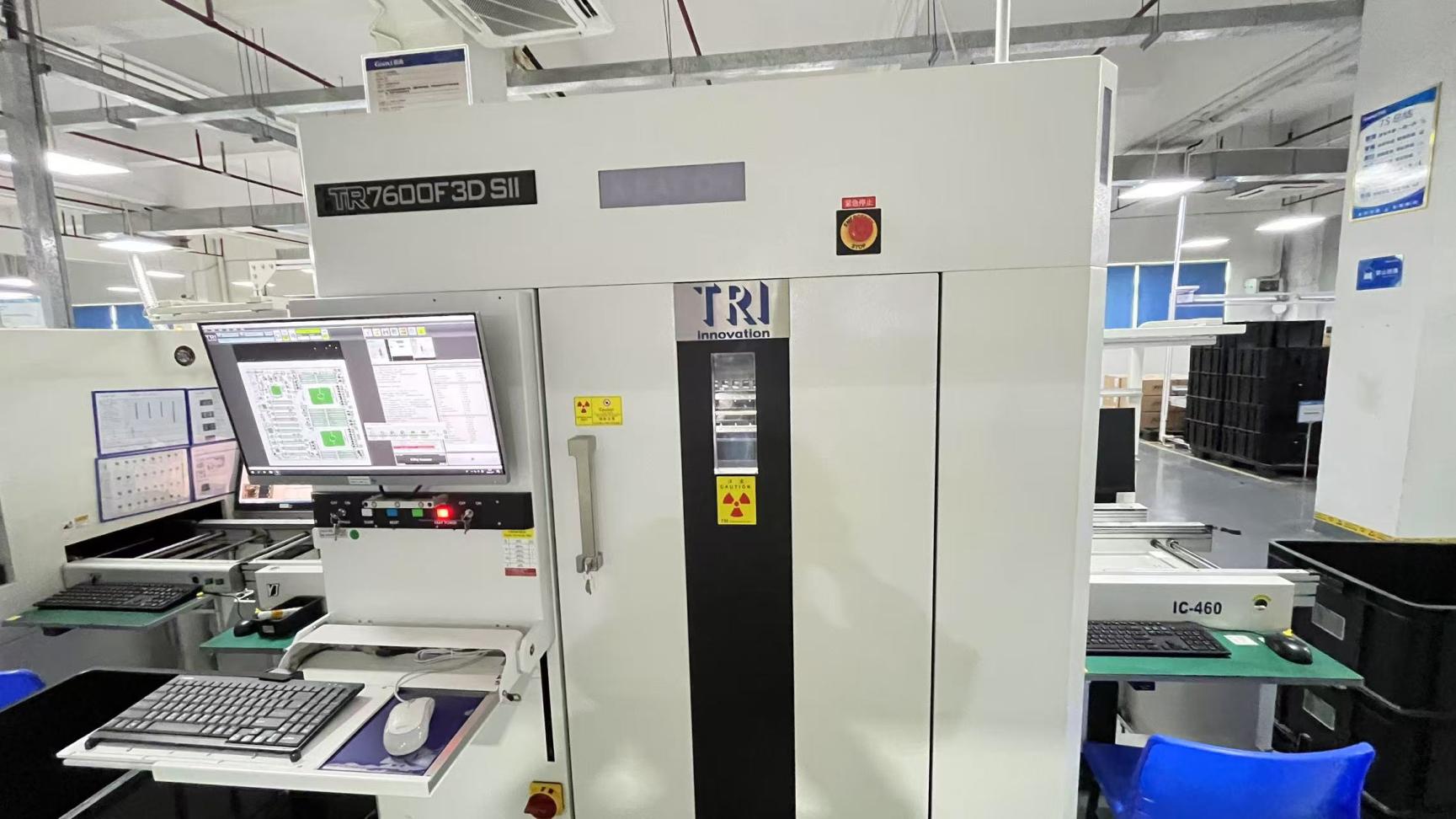
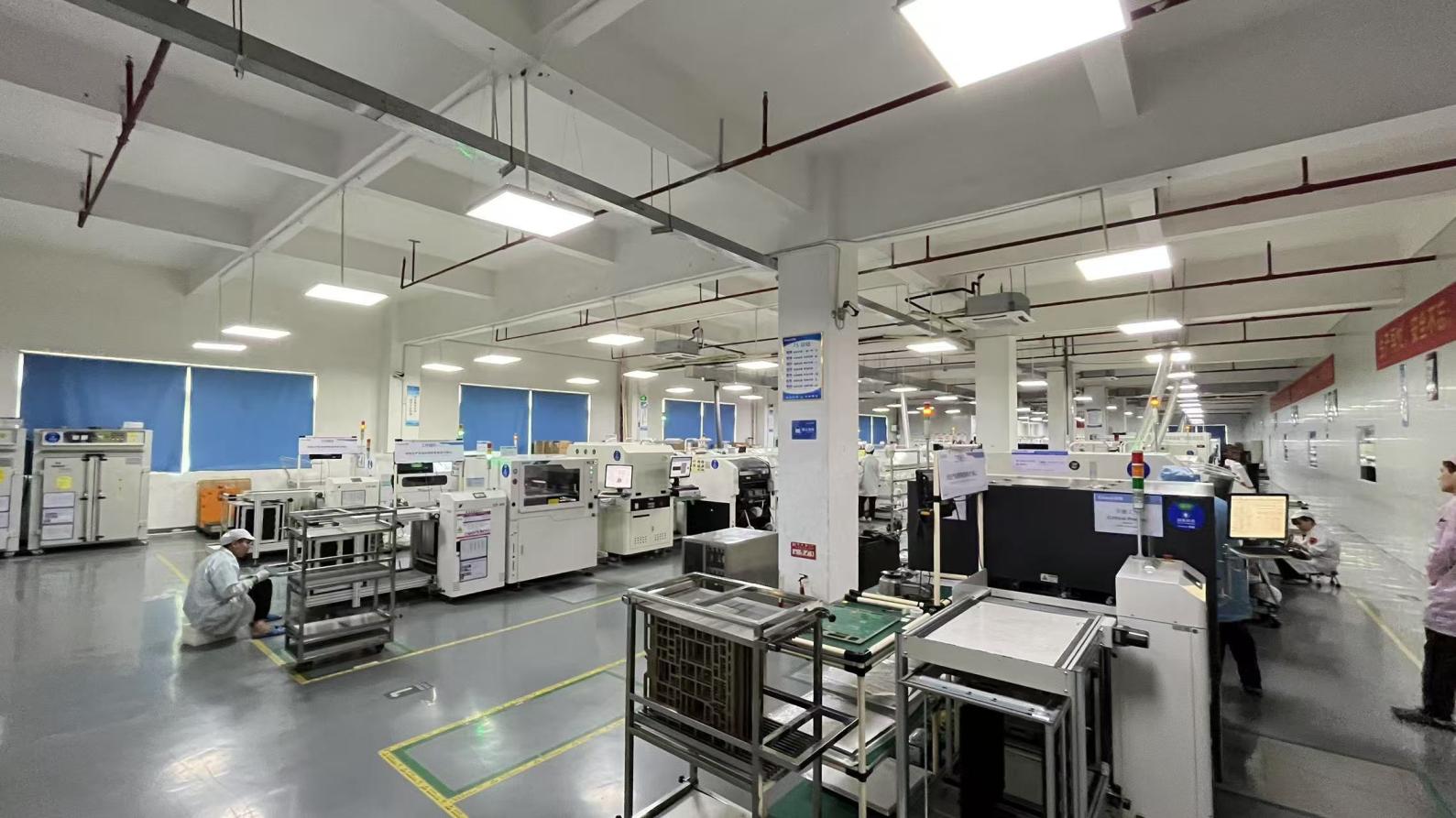
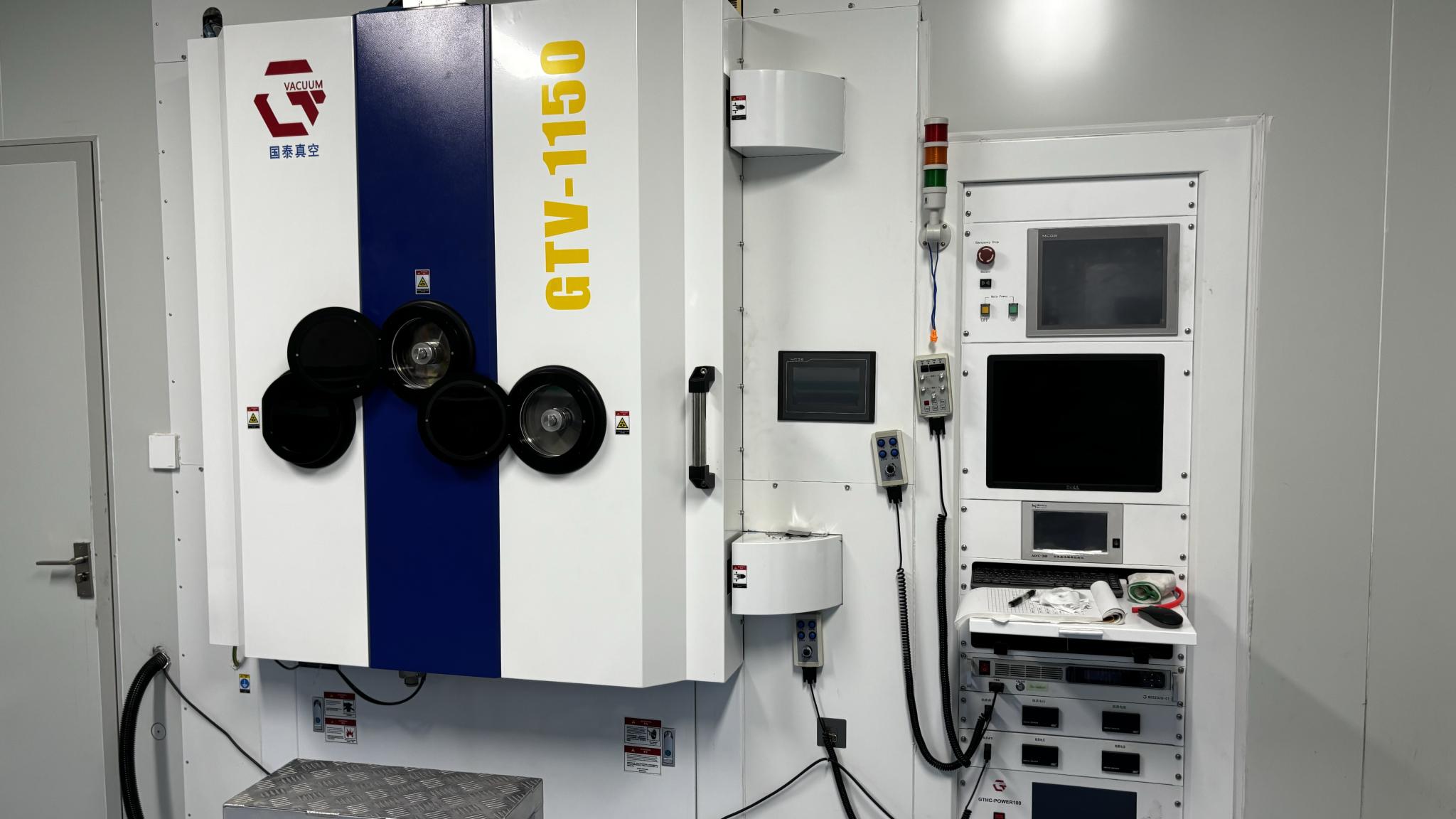
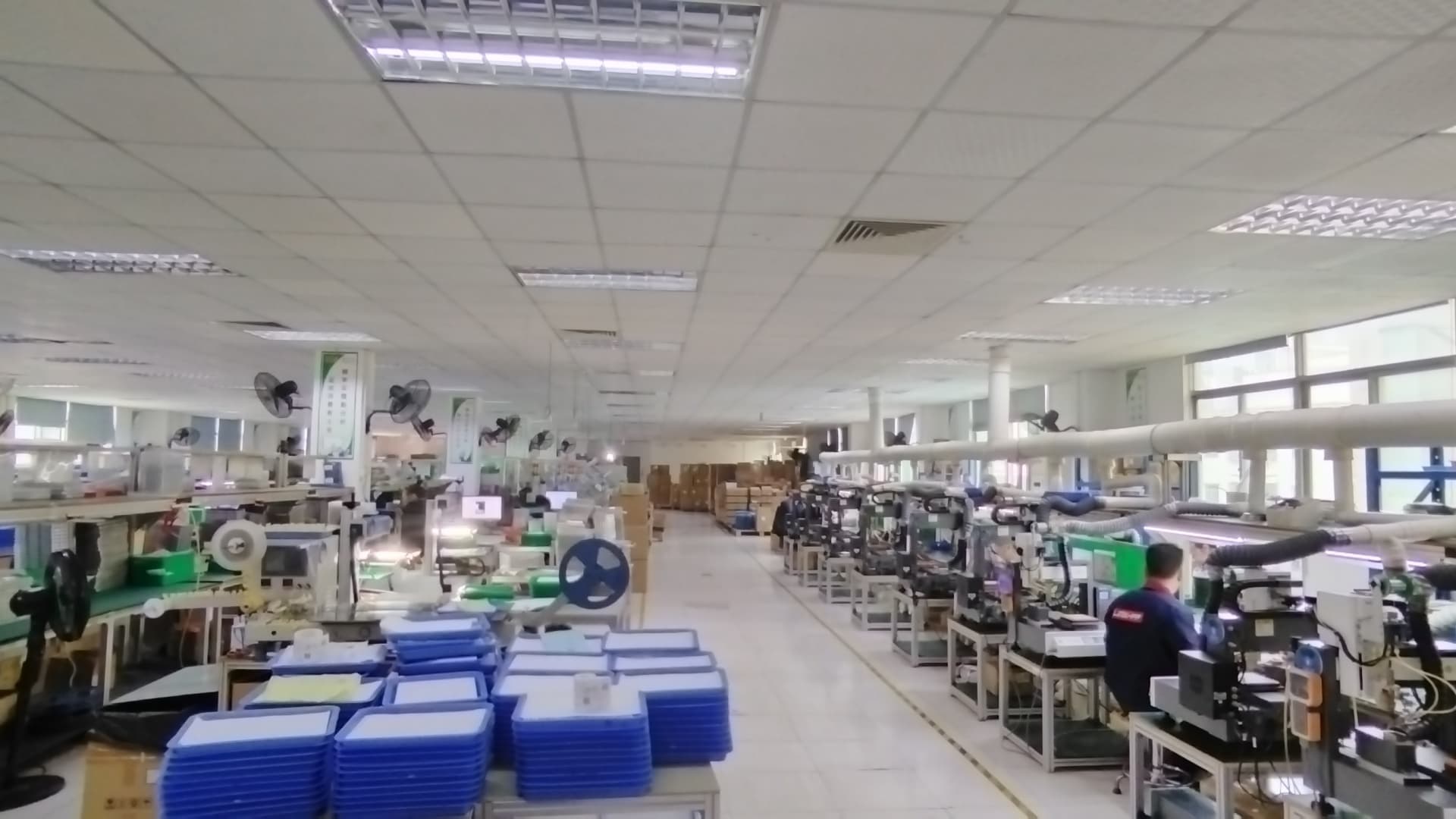
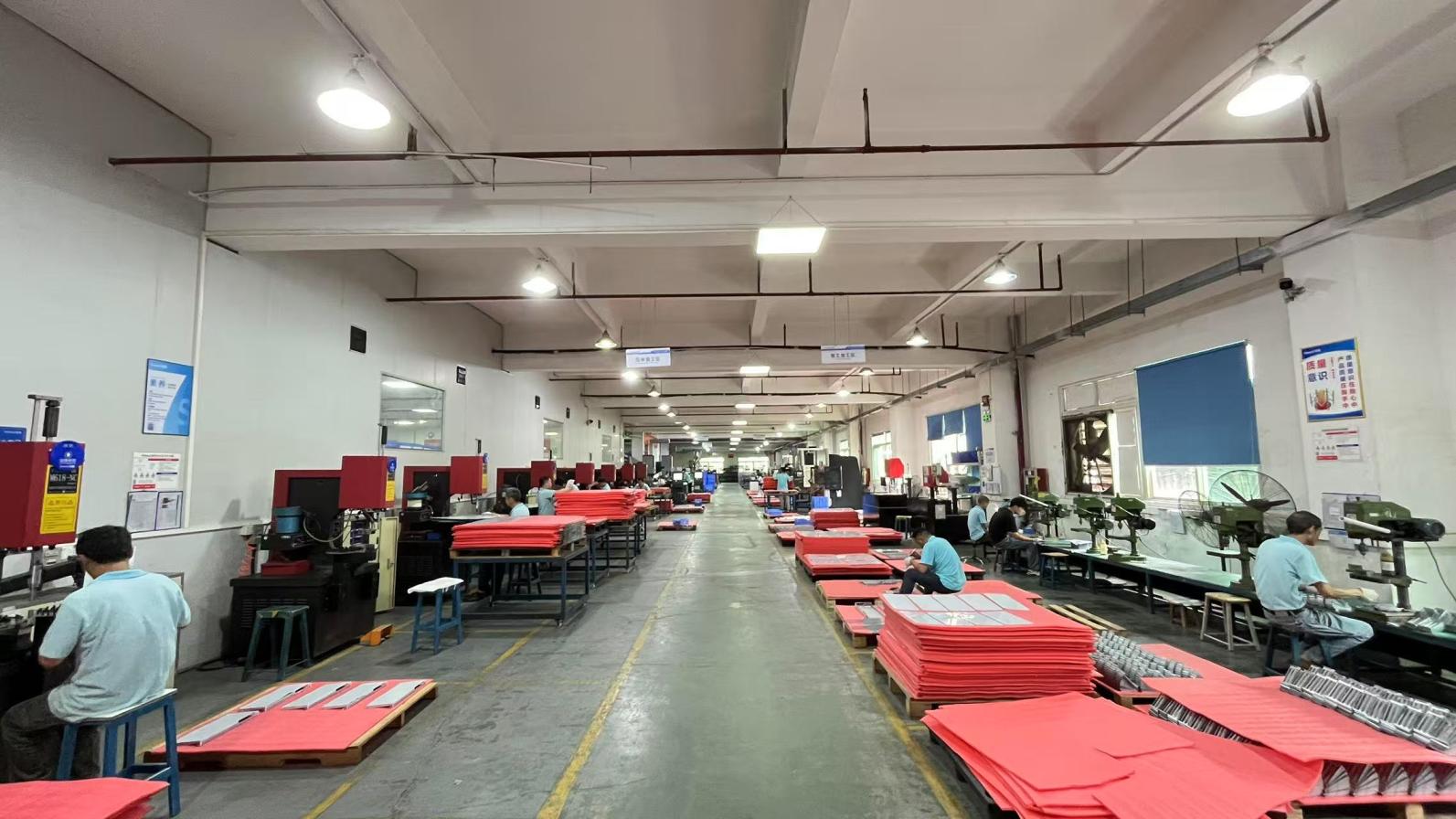
Quality assurance is central to our production process. FiberNova operates high-precision assembly lines, automatic optical alignment systems, and environmental chambers. This testing setup ensures that every transceiver, RJ45 modular jack, and custom connector meets relevant standards before shipment.

 FiberNova