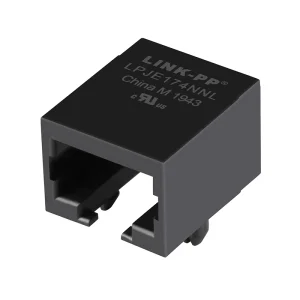
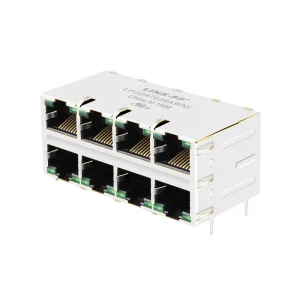
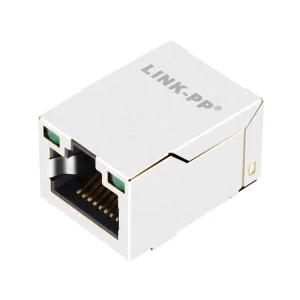
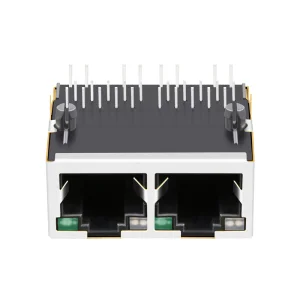
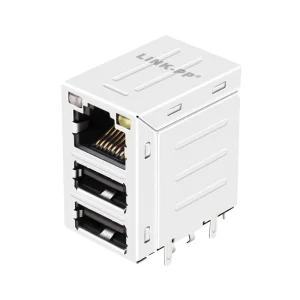
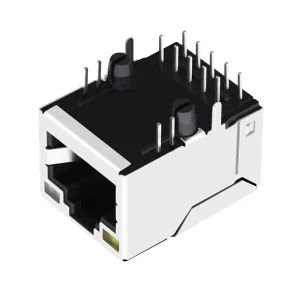
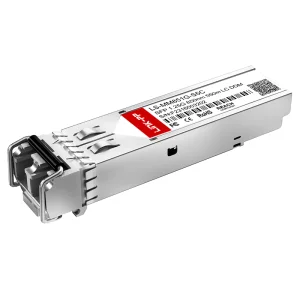
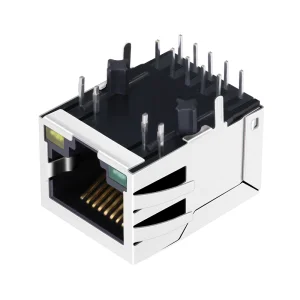
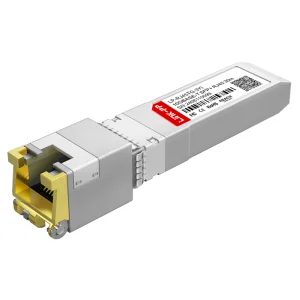
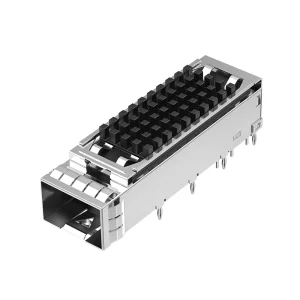
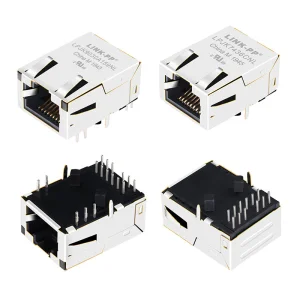
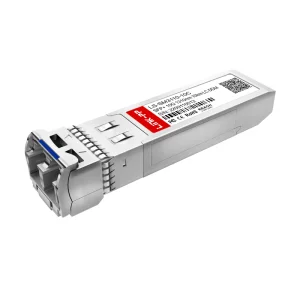
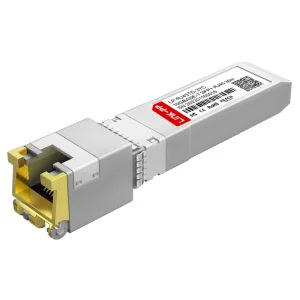
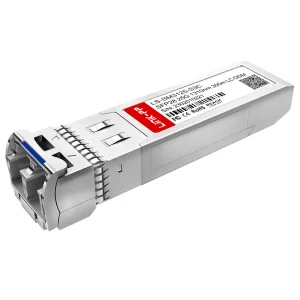
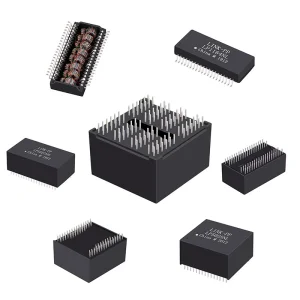
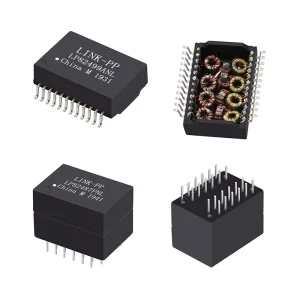
Explore our advanced catalog of low profile RJ45 connectors, integrated magnetics, and optical transceiver modules engineered for space-constrained industrial systems and telecom networks.
In the rapidly changing landscape of high-performance computing, the physics of design space have become one of the biggest bottlenecks. Standard RJ45 connector form factors—historically standardized to accommodate generic network interfaces—typically protrude significantly off printed circuit boards (PCBs). This presents structural problems for modern physical layers. In response, Low Profile Ethernet Jacks have emerged as a critical engineering solution. They reduce the vertical clearance required on PCBs, allowing hardware design engineers to shrink chassis designs while maximizing signal integrity.
These components are no longer just passive connectors. Advanced models integrate complex magnetics, noise-suppression chokes, and electrostatic discharge (ESD) shield gaskets into a ultra-slim profile. This is crucial for environments where structural height is constrained, such as:
In 1U enterprise rackmount platforms and blade architectures, every millimeter counts. Lower profile connectors prevent physical interference with adjacent expansion cards, daughterboards, or ventilation channels.
Rugged, outdoor, or din-rail mounted edge computing gateways require low clearance and flat form factor integration to shield components against extreme industrial vibration and dust ingress.
Modern 5G small cells and base stations require high data throughput (up to 10G Base-T) within weather-proof, highly integrated metal enclosures that limit structural component height.
Low-profile ethernet jacks now utilize advanced materials, including Liquid Crystal Polymers (LCP) capable of surviving reflow-soldering temperatures above 260°C. They also use high-performance copper alloys with thick gold plating (up to 50 micro-inches) to guarantee contact resistance over thousands of mating cycles.
Modern supply chain operations require more than just low-cost components. Procurement teams at top-tier network and industrial companies prioritize Quality, Logistics Resilience, and Standards Compliance.
Procuring for next-generation equipment means specifying connectors rated for 2.5G, 5G, and even 10G Base-T transmission speeds. Standard Cat5e connectors are no longer sufficient for enterprise switches or high-end industrial automation controllers.
Products must carry globally recognized certifications. Compliance with UL safety standards, FCC Part 68 requirements, RoHS directive for hazardous substances, and REACH chemical safety is a strict prerequisite for importing into the US and European markets.
To save valuable space, enterprises demand jacks with built-in isolation transformers (MagJacks) that support Power over Ethernet (PoE/PoE+ under IEEE 802.3at/bt). This eliminates discrete filters and power components on the main PCB.
In the global interconnect supply chain, China-based manufacturing hubs have transitioned from high-volume assembly lines to advanced, automated engineering centers. FiberNova Optical Communication Tech Co., Ltd. (FiberNovaTransceivers.com) represents this transition. Established in 2016, FiberNova operates a high-speed optical and copper interface production facility covering approximately 380㎡, optimized for low-latency optical transceiver solutions and integrated magnetic connector modules.
FiberNova has over 6 years of export experience and 12 years of industry expertise, establishing a strong foundation in R&D, manufacturing, and international trade operations. The company achieves an annual export revenue of approximately USD 8–15 million, supplying customers across North America, Europe, Southeast Asia, and the Middle East. Its key markets include the United States, Germany, Japan, South Korea, and the United Arab Emirates.
To maintain reliability under harsh operating conditions, FiberNova enforces a strict quality control system. This includes 100% optical performance testing, temperature cycling tests, and signal integrity inspection before shipment. The dedicated quality assurance team consists of around 45 professional QC staff, ensuring every connector and transceiver conforms to strict international regulations, MSA (Multi-Source Agreement) requirements, and IEEE compatibility standards.
With a robust network of over 1,200 supply chain partners, FiberNova ensures stable procurement of chips, lasers, and precision metal alloys, mitigating supply chain disruptions. The company’s R&D capabilities, supported by 65 engineers, focus on high-speed transmission technologies such as 10G, 25G, 100G, 400G, and 800G optical and copper systems. Customization is fully supported, including wavelength tuning, custom protocol compatibility, special housing designs, and private labeling. Demonstrating rapid innovation, FiberNova launched approximately 120 new products over the past year to address fast-changing market demands.
When choosing a low-profile RJ45 connector, design engineers must evaluate several key physical and electrical characteristics:
Standard RJ45 jacks typically have a height of 13mm to 15mm above the PCB. Low profile variants reduce this to under 11.5mm, or even under 9.5mm, using mid-board mounting or offset designs that recess the connector body into a cutout on the PCB.
High-speed data lines are susceptible to electromagnetic interference. Integrating full-metal brass shields with nickel or tin plating, complete with ground tabs, helps redirect stray currents to the chassis ground, minimizing EMI leakage.
Surface Mount Technology (SMT) demands strict coplanarity (typically within 0.1mm) across all solder contacts. Deviation can cause open circuits during reflow soldering, reducing production yields on high-volume SMT lines.
Integrating green/yellow LEDs into the low profile housing allows real-time link activity and status diagnosis without requiring external LEDs on the front panel, saving PCB space and assembly labor.
Low Profile Ethernet Jacks are optimized for specific physical layouts. Below are common real-world application scenarios where standard connectors fail:
Get expert technical answers regarding design, compatibility, customization, and sourcing of low profile ethernet jacks.
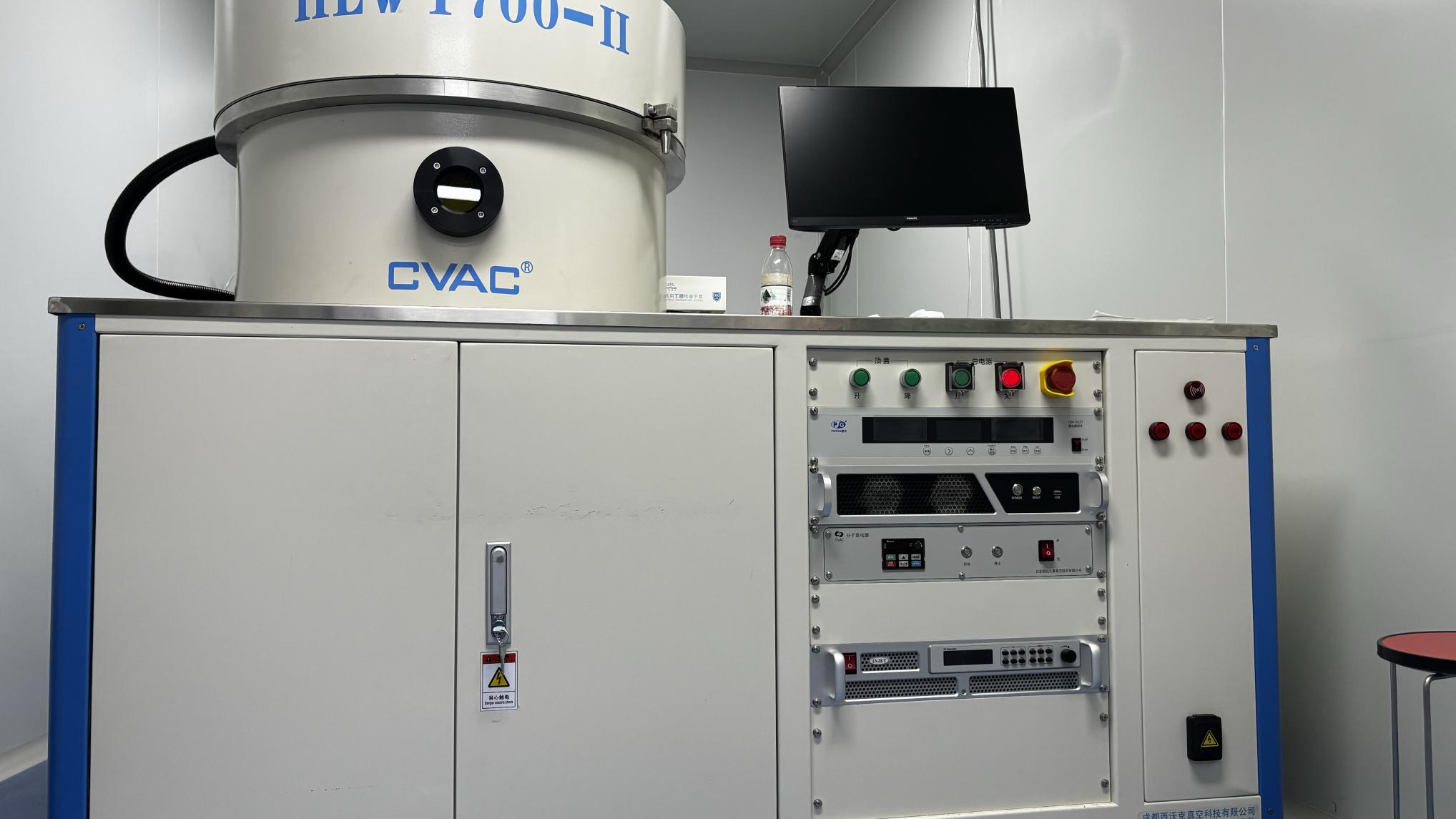
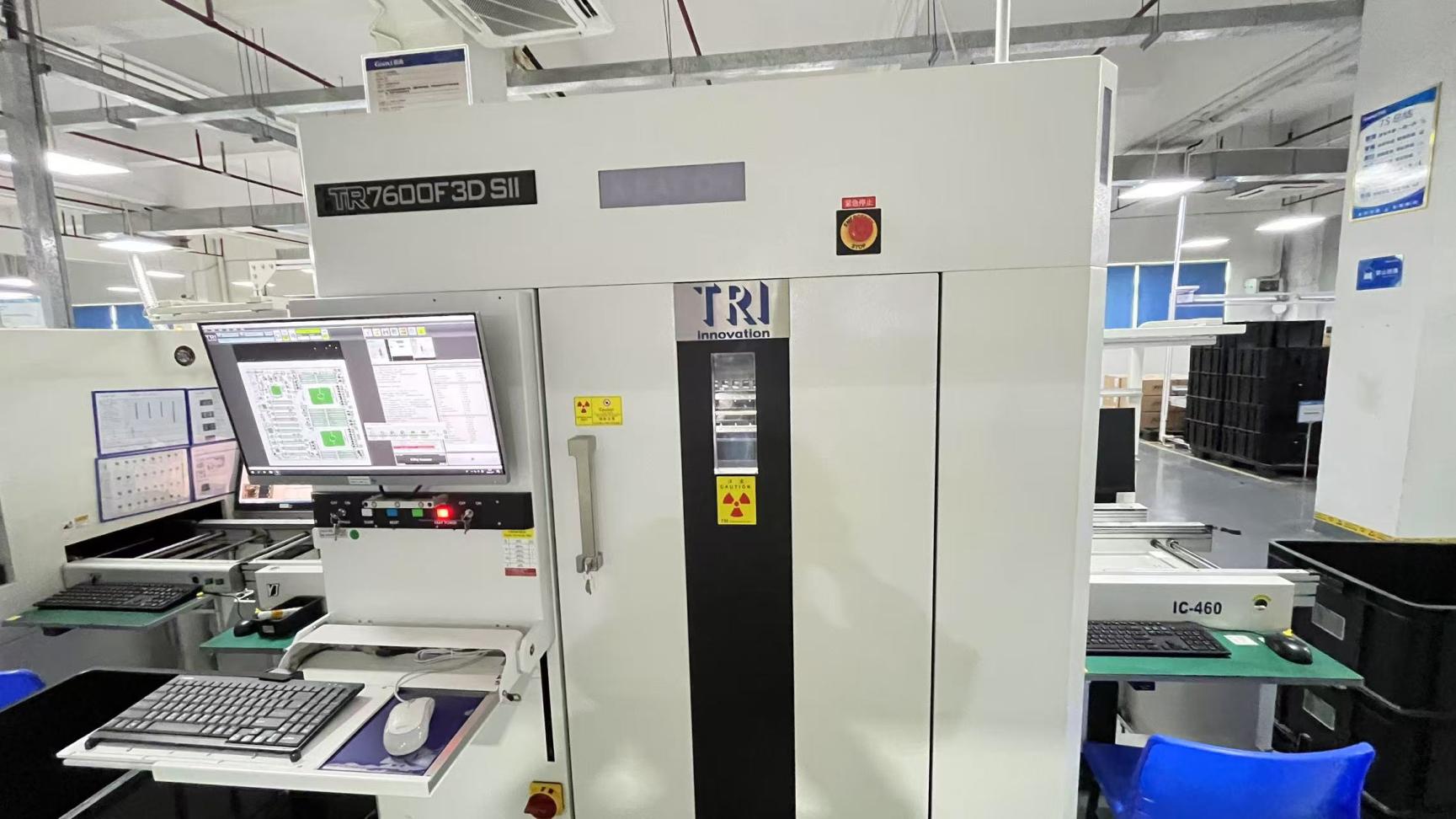
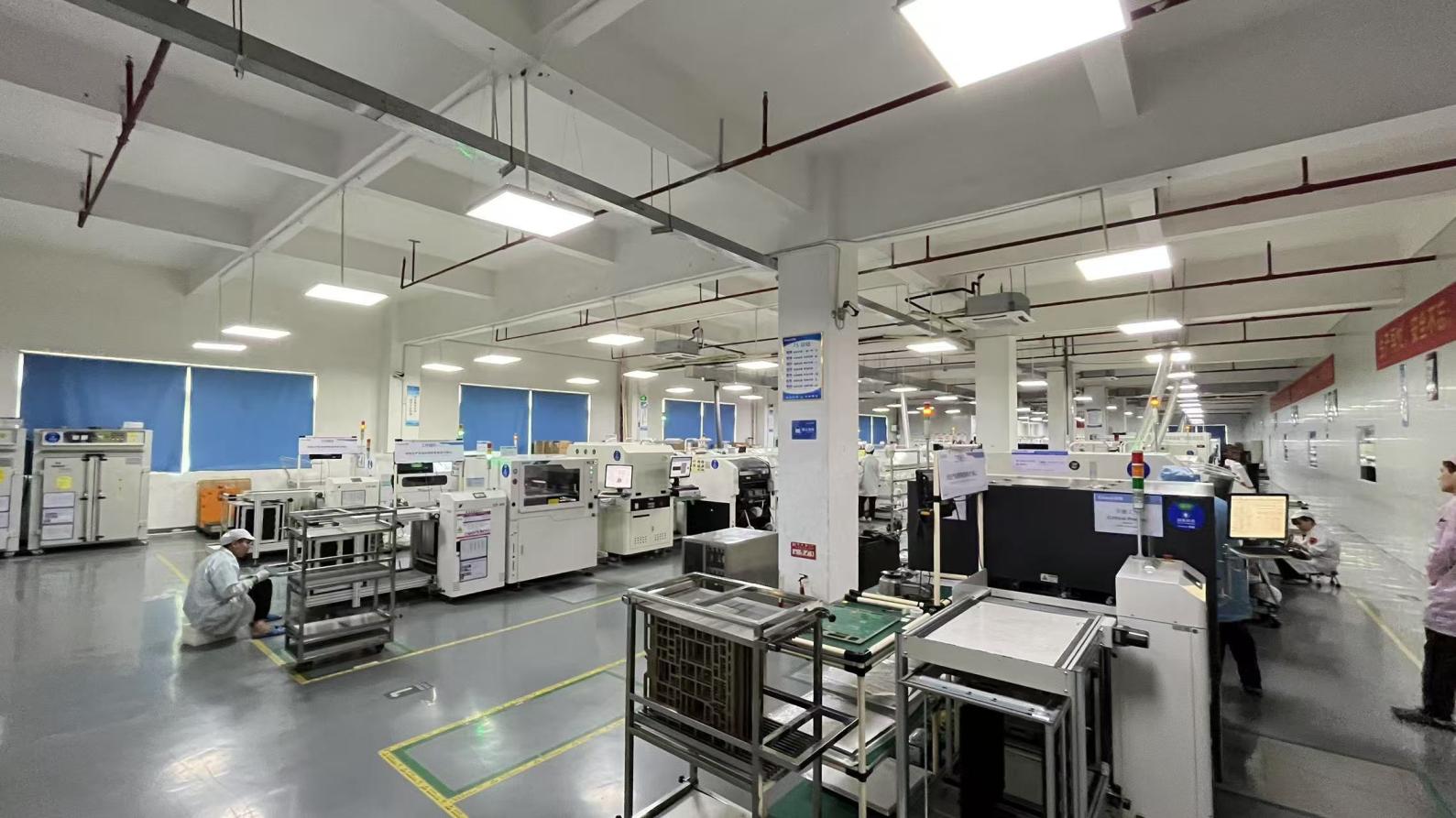
A visual look inside FiberNova's automated SMT lines, cleanroom test areas, and quality control departments.

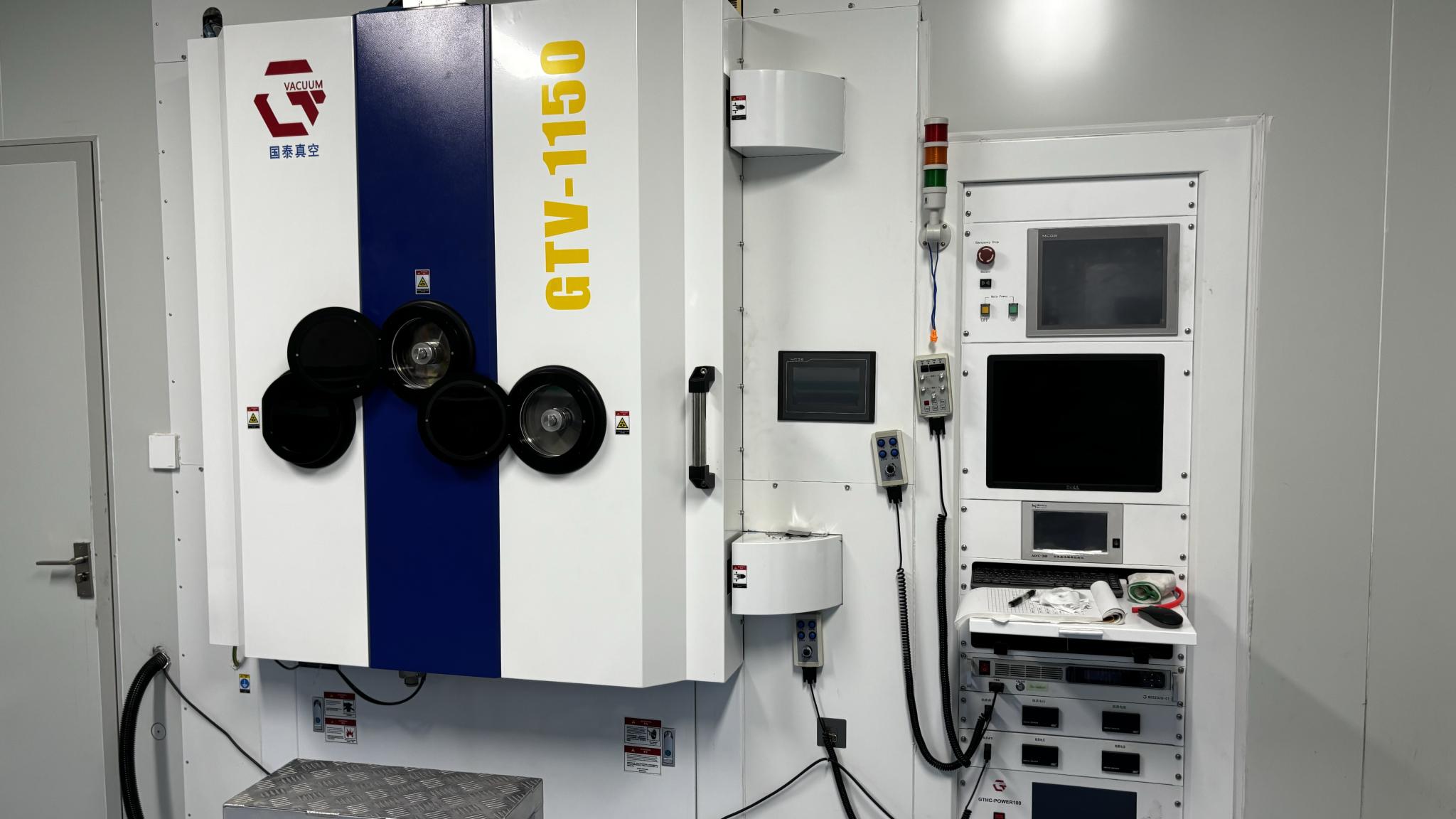
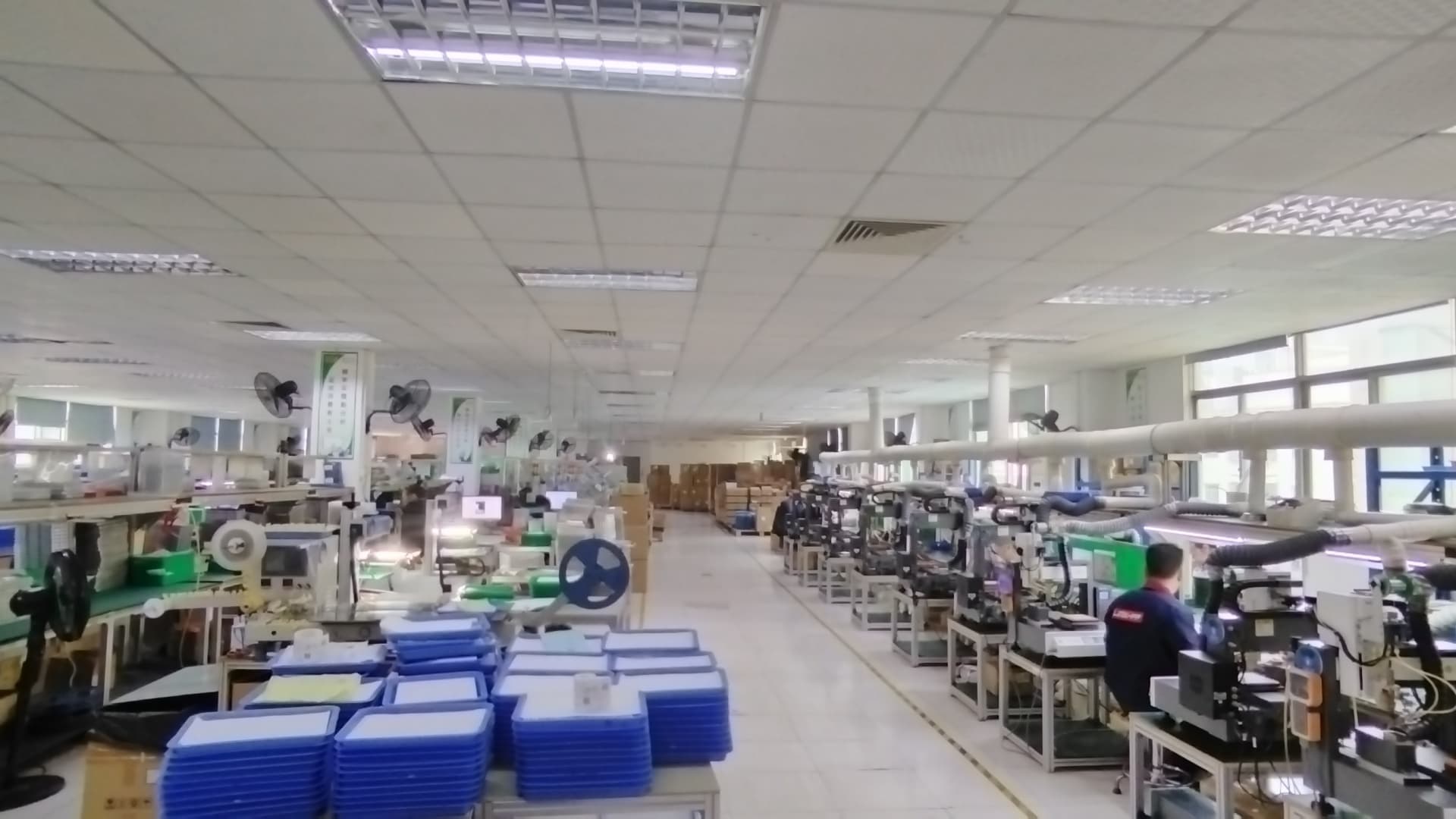
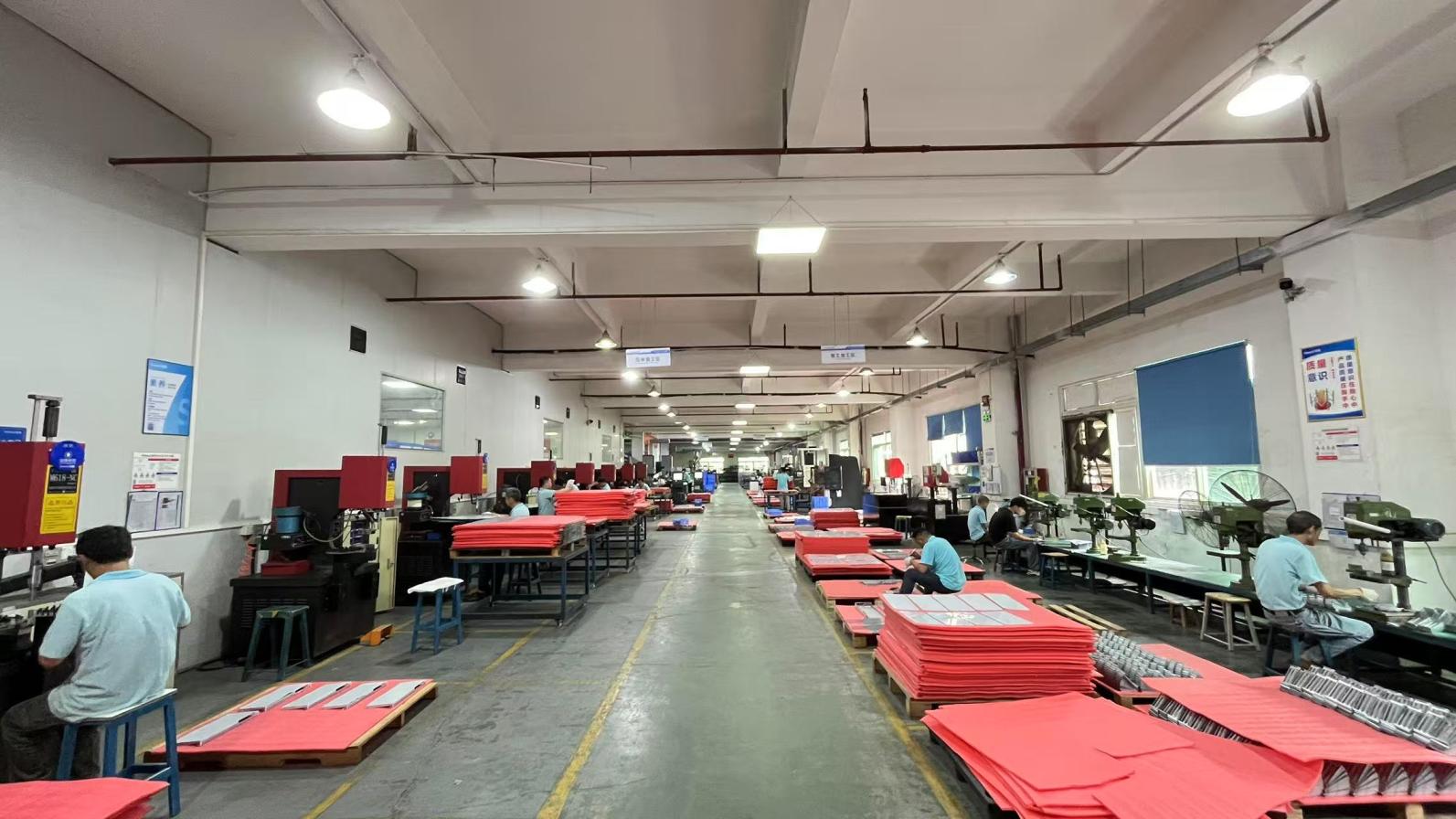
Browse our selection of performance optical transceivers, multi-port SFP cages, SMT RJ45 connectors, and VoIP telecom transformers.
 FiberNova