Industrial-grade network interfaces engineered for next-generation IoT gateways, telecom backbones, and edge computing nodes.
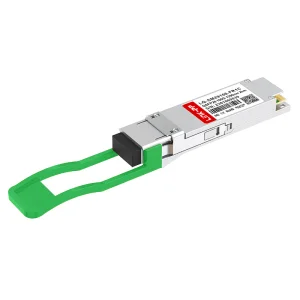
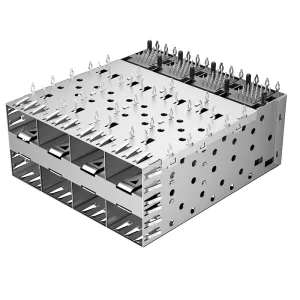
An in-depth whitepaper analysis of hardware manufacturing, fiber backbone integration, enterprise procurement metrics, and supply chain scalability.
Modern industrial IoT gateways are no longer simple protocol converters. They integrate edge compute modules with high-speed optical transceivers (SFP+, QSFP28) and isolated magnetic Ethernet interfaces (RJ45 Base-T) to handle dense data aggregation from smart sensors to multi-cloud hubs.
Enterprise buyers require audited OEM/ODM factories capable of demonstrating component-level traceability. Key criteria include 100% optical performance testing, signal integrity validation, temperature cycling, and compliance with MSA (Multi-Source Agreement) standards.
The global IoT market relies heavily on tier-1 manufacturing clusters in China. Direct OEM partnerships reduce lead times for custom PCB magnetics, custom optical wavelengths (1270nm-1550nm), and specialized physical interface housings.
A comprehensive overview of production capability, export infrastructure, quality engineering, and technical competence (FiberNovaTransceivers.com).
FiberNova Optical Communication Tech Co., Ltd. is a professional optical transceiver manufacturer established in 2016, operating a high-precision production facility spanning approximately 380㎡. The company specializes in high-speed optical communication solutions, delivering robust, enterprise-grade hardware to global telecom operators, data center integrators, and industrial IoT equipment vendors.
With over 6 years of specialized export experience and 12 years of industry domain expertise, FiberNova maintains strict quality assurance controls across all production stages. The quality control organization is powered by a team of 45 dedicated QC professionals who enforce 100% optical performance testing, rigorous temperature cycling, and signal integrity inspection prior to dispatch.
Their R&D department features 65 specialized engineers driving advancements in next-generation high-speed interconnects, including 10G, 25G, 100G, 400G, and 800G optical architecture.
FiberNova has engineered a robust international trade footprint, supplying premium connectivity hardware across key tier-1 markets, including the United States, Germany, Japan, South Korea, and the United Arab Emirates.
Full customization is offered to support complex OEM/ODM client demands: including specialized wavelength tuning (BiDi 1270nm/1330nm, 1310nm/1550nm), multi-vendor protocol EEPROM flashing, custom enclosure design, and private labeling. Over the past year alone, FiberNova introduced approximately 120 new products to meet dynamic market standards.
How enterprise procurement teams evaluate factories, OEM suppliers, and component exporters under E-E-A-T metrics.
Factories must guarantee full compliance with FCC Part 15, CE RED (Radio Equipment Directive), RoHS 3.0, REACH, and UL94-V0 flame retardancy for all internal connectors and transceivers.
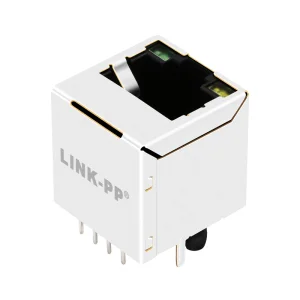
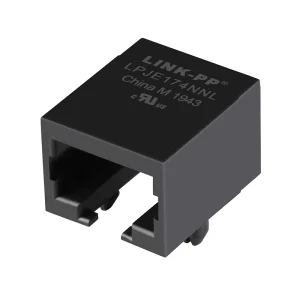
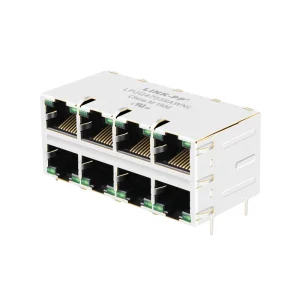
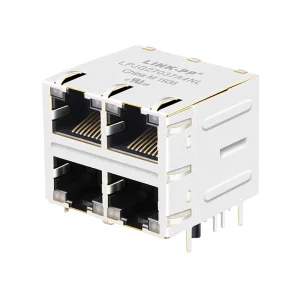
Assessment of interface variety: RJ45 SMT magnetics, press-fit SFP cages, tab-down modular jacks, and high-density terminal blocks tailored for industrial automation environments.
Verified capability to operate under extreme temperature ranges (-40°C to +85°C industrial grade), high electromagnetic interference (EMI), and continuous mechanical vibration.
Evaluation of raw material component sourcing, optical chip procurement partnerships, factory lead times, NRE cost transparency, and continuous lifecycle maintenance support.
Deploying robust connectivity solutions across critical infrastructure, smart cities, and automated industrial plants.
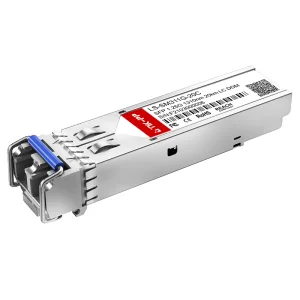
Outdoor IoT gateways located at traffic intersections utilize low-profile tab-down RJ45 connectors and BiDi 20km SFP transceivers to stream high-definition video telemetry to traffic management command centers with minimal latency.
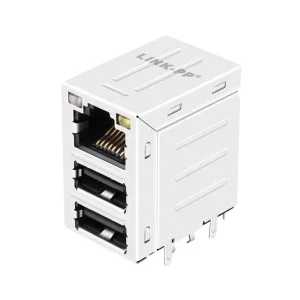
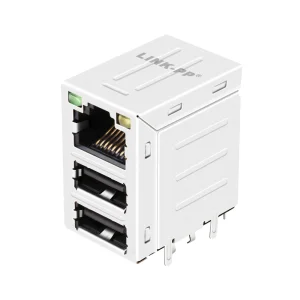
Industrial edge computing gateways deployed on assembly lines require isolated magnetics (such as 1000 Base-T dual USB RJ45 jacks) to shield microcontrollers from high-voltage motor electromagnetic noise while executing real-time ML inference.
Telecom edge data centers leverage high-density QSFP28 100G optical transceivers and press-fit SFP cages to aggregate localized 5G small cell data into regional fiber backbones.
Market forecasts, bandwidth escalation, and hardware innovations over the next five years.
5G Reduced Capability (RedCap) is lowering power consumption and modem costs for industrial gateways. In parallel, uplinks are transitioning from 1G/10G interfaces to 25G/100G optical links to handle massive data processing at localized aggregation points.
Gateways are evolving into AIoT nodes. Hardware manufacturers are embedding Neural Processing Units (NPUs) directly alongside Ethernet switches, demanding modular jacks with higher thermal resistance and enhanced ESD protection.
With regulations like the EU Cyber Resilience Act, IoT gateway exporters must implement secure boot elements, hardware Root of Trust (RoT), and tamper-evident physical housings across all exported hardware lots.
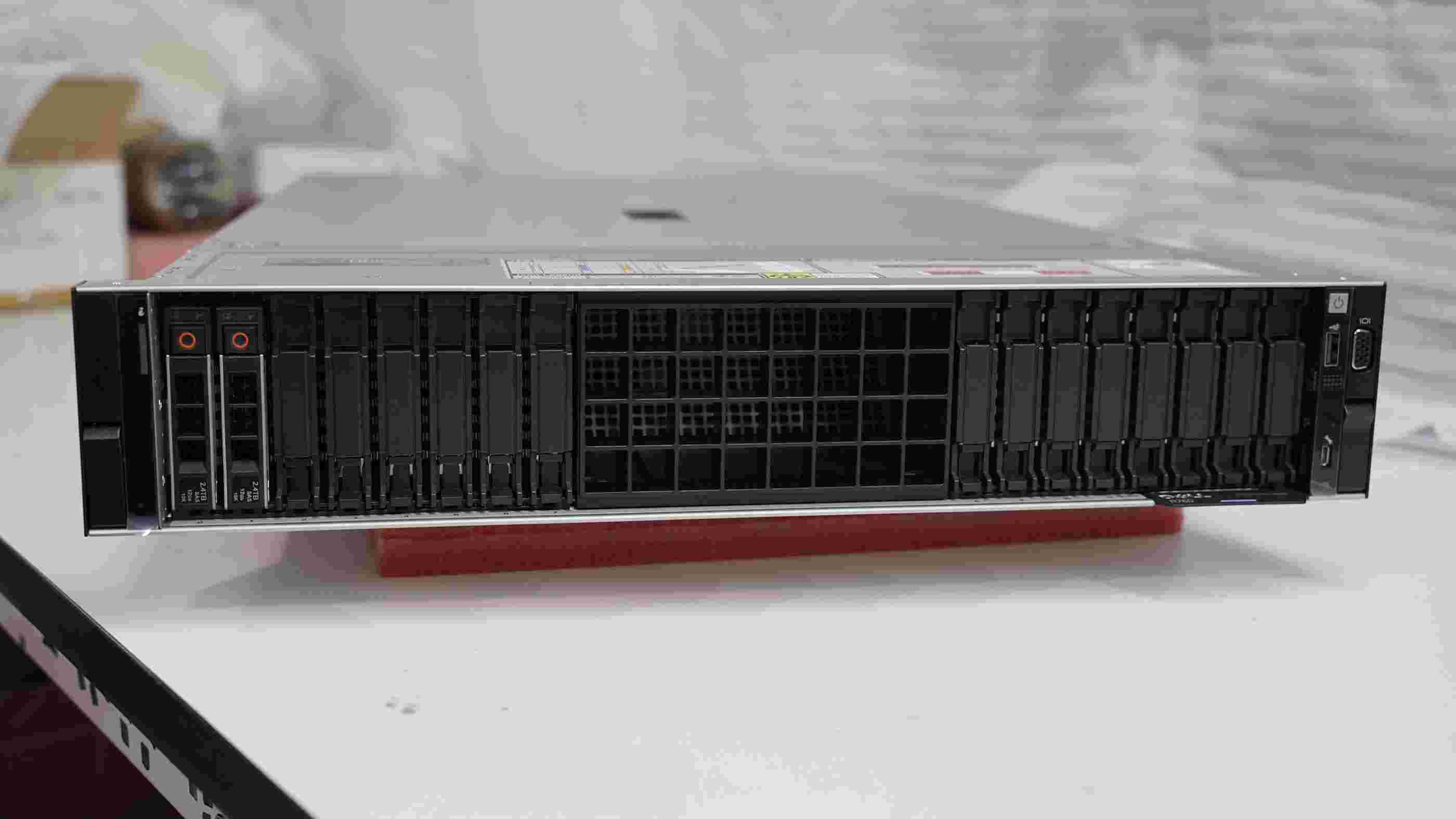
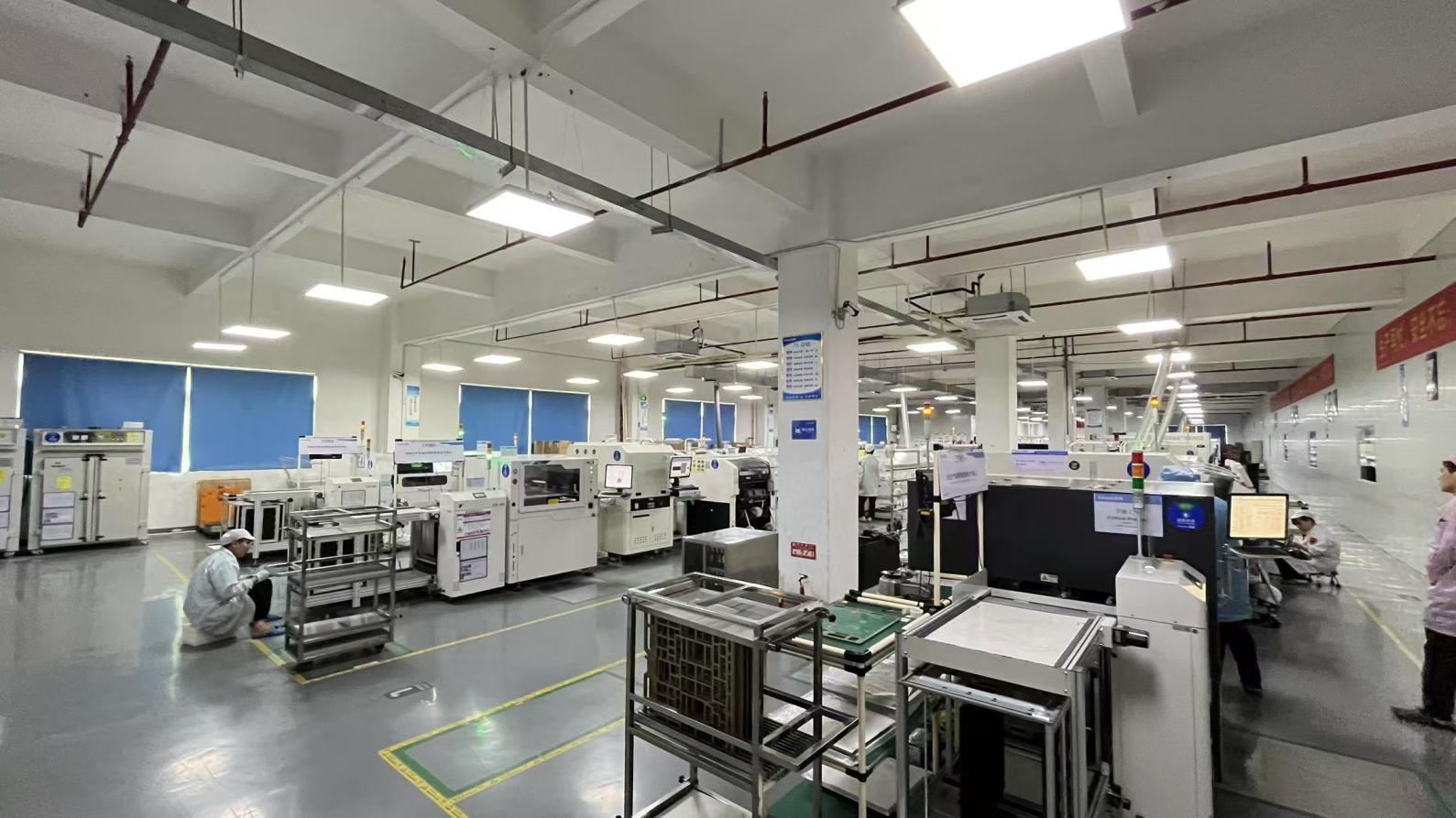
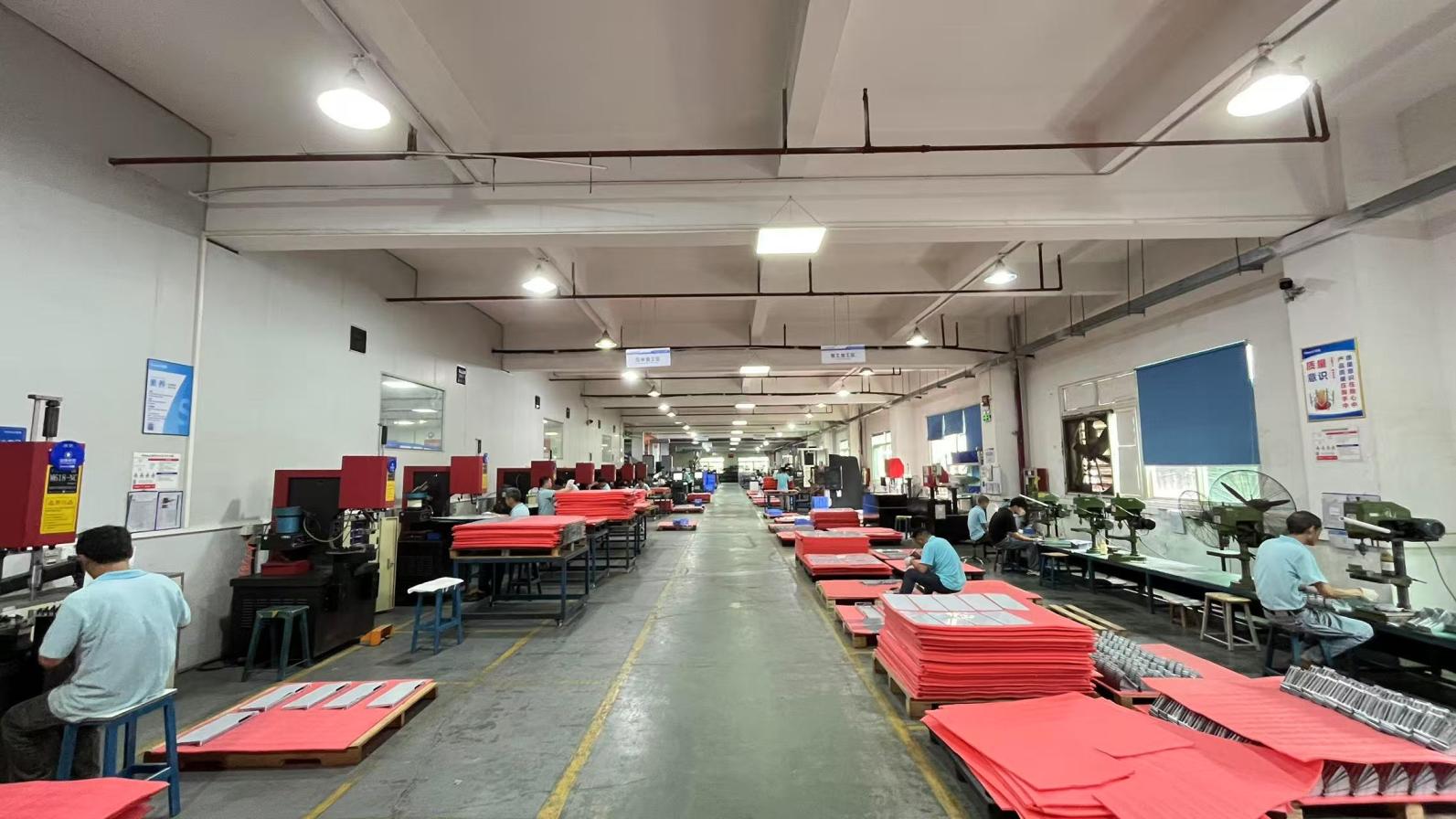
A visual look inside state-of-the-art optical transceiver cleanrooms, high-speed SMT assembly, and automated test stations.
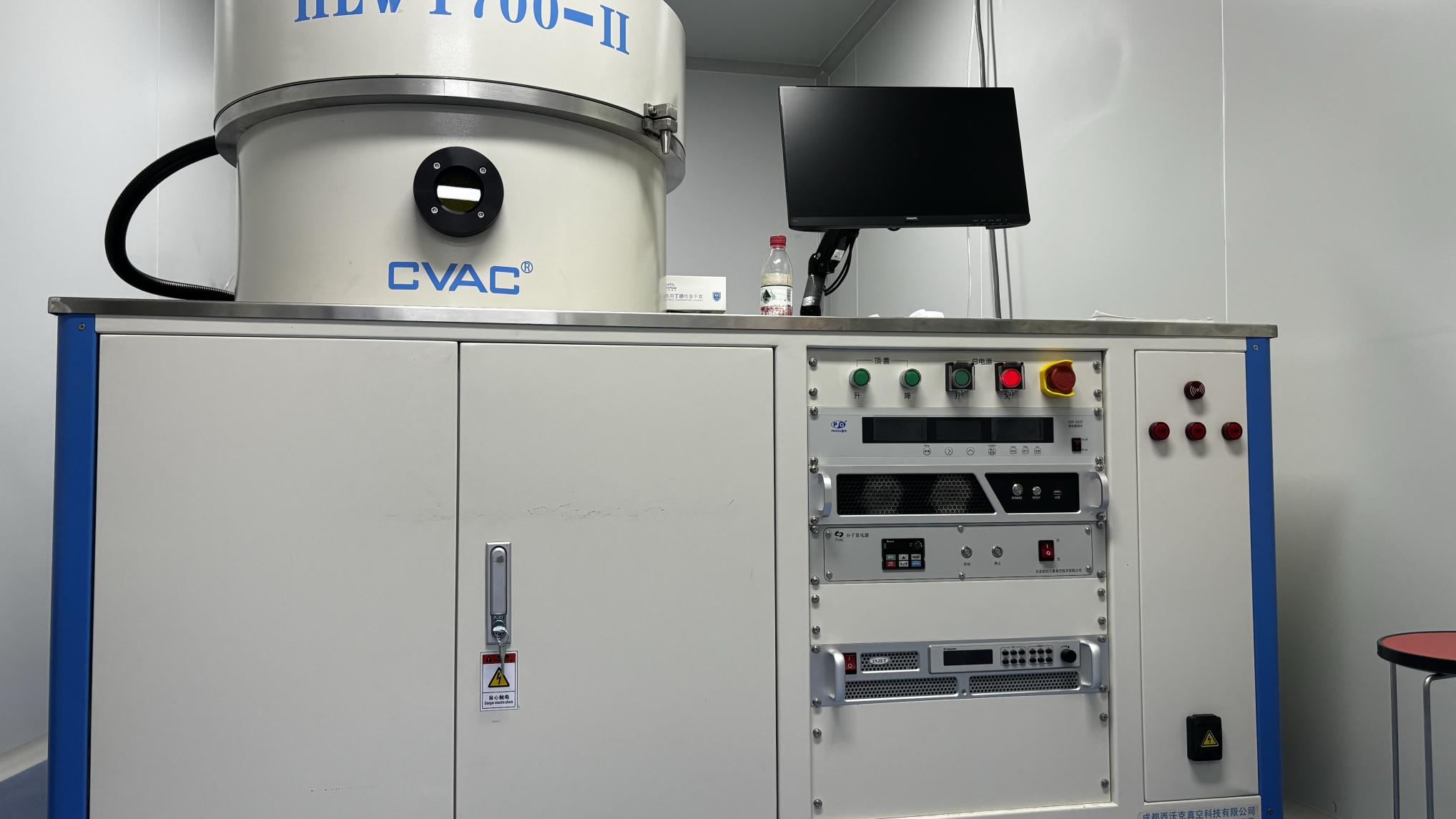
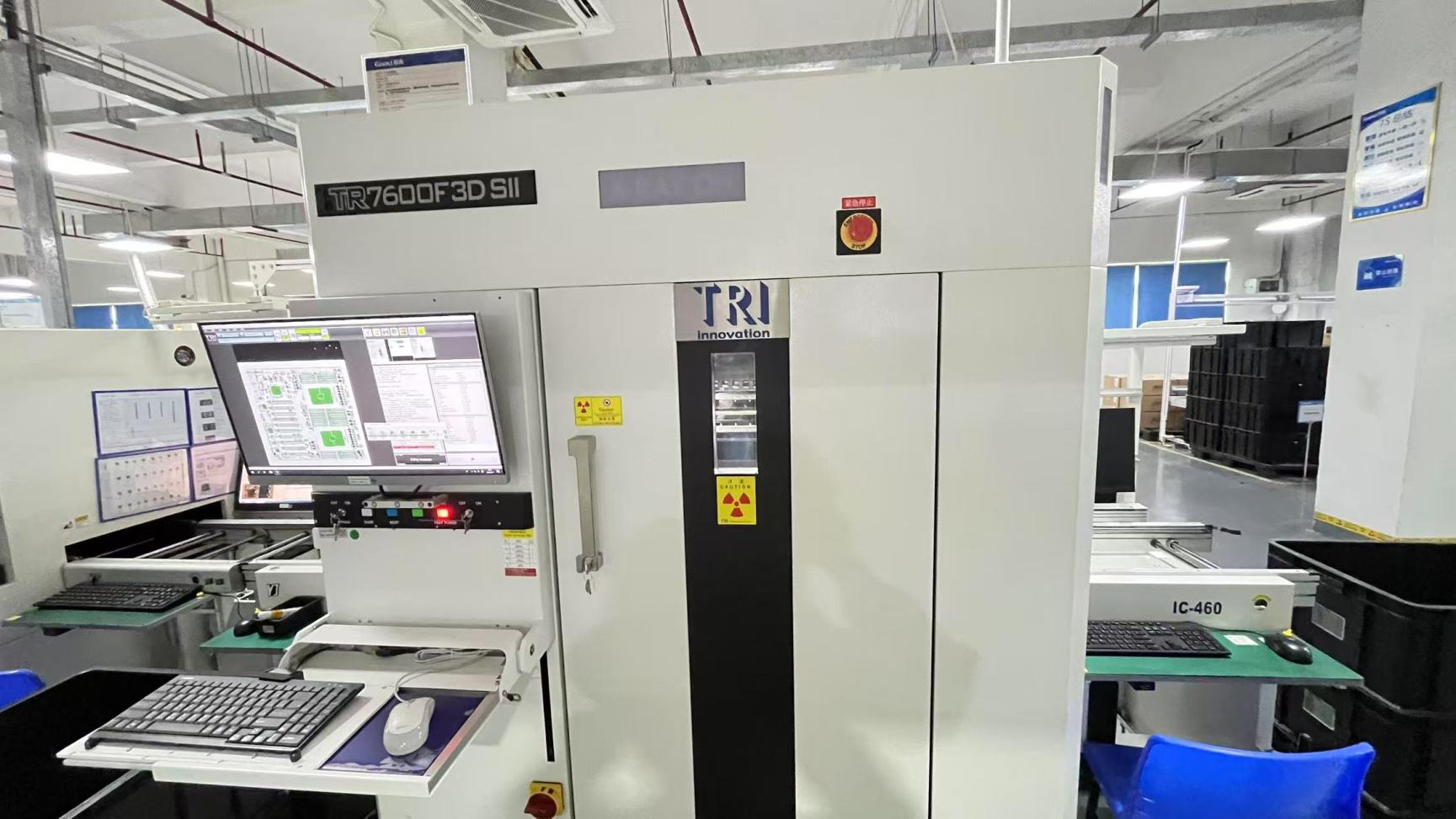



Expert answers regarding technical procurement, customization, regulatory standards, and optical compatibility.
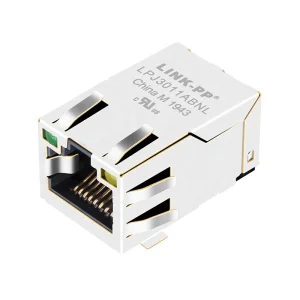
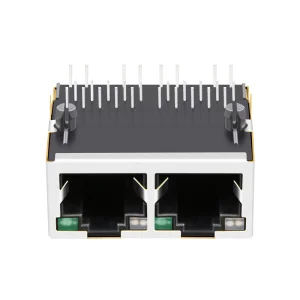
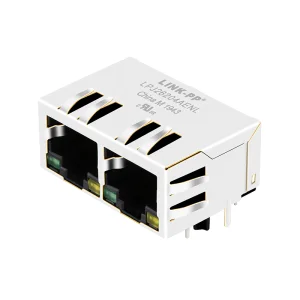
A high-reliability industrial IoT gateway comprises three major physical building blocks: a industrial-grade host processor/SoC, robust physical interface hardware (such as isolated magnetic RJ45 connectors with integrated LEDs), and high-speed optical transceivers (SFP+, QSFP28) for long-distance network backhaul. Additional critical elements include surge protection, ESD suppression circuits, and rugged metal shielding.
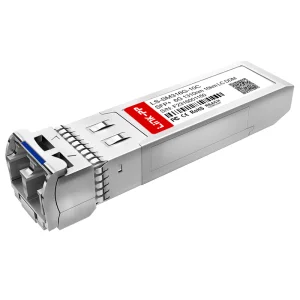
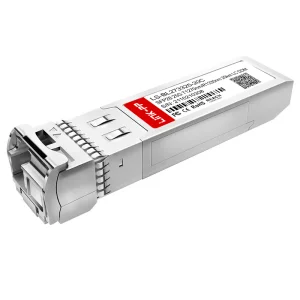
Integrating optical transceivers (such as 10G SFP+ or BiDi 25G SFP28 modules) directly into gateway hardware allows edge systems to transmit bandwidth-intensive data across distances up to 20km or more without signal degradation or susceptibility to industrial electromagnetic interference (EMI) that commonly plagues standard copper cabling.
Leading Chinese exporters like FiberNova implement stringent multi-layer testing regimes. Buyers should expect 100% optical performance verification, eye-diagram signal integrity validation, high-low temperature cycling tests (-40°C to +85°C), and full compliance with Multi-Source Agreements (MSA) and IEEE standards.
Yes. Customization includes EEPROM coding to guarantee seamless compatibility with major switch and router vendors (e.g., Cisco, Huawei, Juniper), custom wavelength configuration (BiDi LC simplex), specialized label design, and bespoke shell designs for compact gateway enclosures.
Integrated magnetic RJ45 connectors house internal isolation transformers and common mode chokes. They isolate sensitive PHY transceiver chips on the gateway PCB from common-mode voltage spikes, electrostatic discharge (ESD), and ground loop currents commonly present in harsh industrial environments.
Explore the full range of certified optical modules and ethernet connector components for OEM gateway manufacturing.
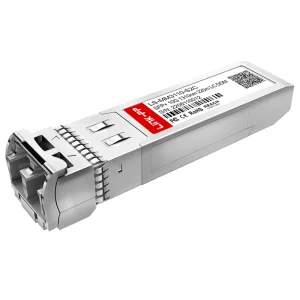
 FiberNova