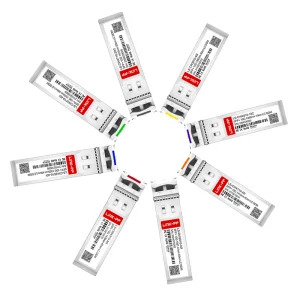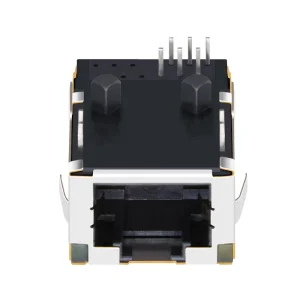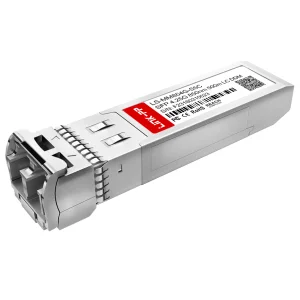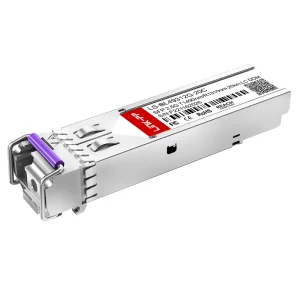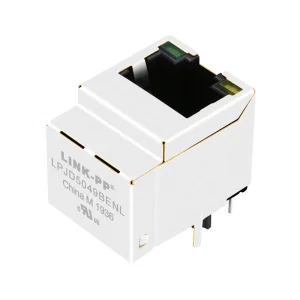
Custom OEM Ethernet Interface Connector Factories & Factory

Premium OEM/ODM Manufacturing for Next-Generation Ethernet Interface Connectors & High-Speed Optical Transceiver Modules

Industrial Report

A Deep Dive into Custom OEM Ethernet Interface Connector Manufacturing

In modern high-speed telecommunications and datacenter networks, the physical layer is the bedrock of system reliability. Within this layer, Ethernet interface connectors, RJ45 jacks with integrated magnetic components, and SFP/QSFP cage receptacles serve as critical intersections for electrical-to-optical signal conversion. For global original equipment manufacturers (OEMs), locating a highly specialized factory capable of custom engineering these interfaces is not merely a sourcing decision; it is a critical optimization of hardware signal integrity, electromagnetic interference (EMI) containment, and long-term mechanical resilience.

As transmission standards shift rapidly from 1G and 10G toward 100G, 400G, and even 800G structures, the demand for precise impedance matching and cross-talk mitigation has intensified. This whitepaper analyzes the manufacturing landscape of Chinese Ethernet connector factories, outlining key trends, local application paradigms, and the engineering methodologies that govern high-reliability interconnect design.

12+ Years Industry Expertise
65+ R&D Engineers
100% Optical & Signal QC Tested
1200+ Supply Chain Partners

1. E-E-A-T Paradigm: Authoritative Engineering & Manufacturing

Expert-level engineering of Ethernet connectors requires a deep understanding of RF (Radio Frequency) design principles, signal attenuation, and material science. Leading custom OEM factories, such as FiberNova Optical Communication Tech Co., Ltd., employ sophisticated 3D Electromagnetic Field Simulation software (like ANSYS HFSS) to analyze the Insertion Loss, Return Loss, and Near-End Crosstalk (NEXT) of RJ45 magnetic modules and SFP cages prior to physical fabrication. With 12 years of industry experience and an established footprint since 2016, our engineering teams ensure that every product complies with the multi-source agreement (MSA) standards, FCC part 68 requirements, and IEEE 802.3 network specifications.

Information Gain Insight: Standard connectors often suffer from impedance mismatches at the PCB interface due to trace transition inconsistencies. An advanced custom OEM factory will perform customized pin-length optimizations and trace-layout recommendations for your specific PCB stackup to preserve the 100-ohm differential impedance throughout the entire transmission path.

2. The Competitive Advantages of Chinese Ethernet Connector Factories

The concentration of raw material processors, precise stamping facilities, and plastic injection molding shops in China's industrial hubs (such as Dongguan, Shenzhen, and Suzhou) creates a uniquely agile ecosystem. This proximity allows for:

  • Integrated Tooling and Mold Design: Tooling modification cycles that take months in Western markets are completed in days, allowing rapid prototyping of custom connector profiles, vertical mounting variations, or low-profile designs.
  • Advanced Stamping and Gold Plating Control: Signal reliability in Ethernet contacts depends heavily on the thickness and quality of the gold plating. Chinese OEM factories utilize automated continuous plating lines capable of applying precise 3u", 6u", 15u", 30u", or 50u" gold layers over nickel-plated phosphor bronze pins, ensuring thousands of mating cycles without contact degradation.
  • Localized Component Sourcing: By integrating local suppliers for toroidal magnetic cores, LEDs, and EMI spring fingers, factories minimize lead times and shield clients from global logistics bottlenecks.

Next-Gen Speed Scaling

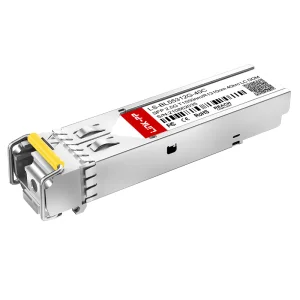
From legacy 10/100 Base-T magnetics to cutting-edge 10G Base-T and high-speed 32G Fibre Channel optical cages, our design architectures support a massive spectrum of bandwidth requirements.

Integrated EMI Shielding

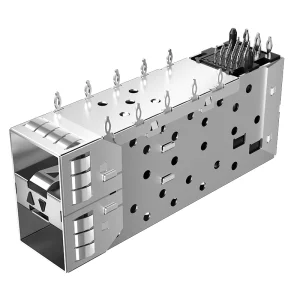
Through-hole press-fit configurations with multi-point grounding tabs ensure optimal electromagnetic shielding, suppressing radiated emissions in dense server rack deployments.

100% Quality Audited

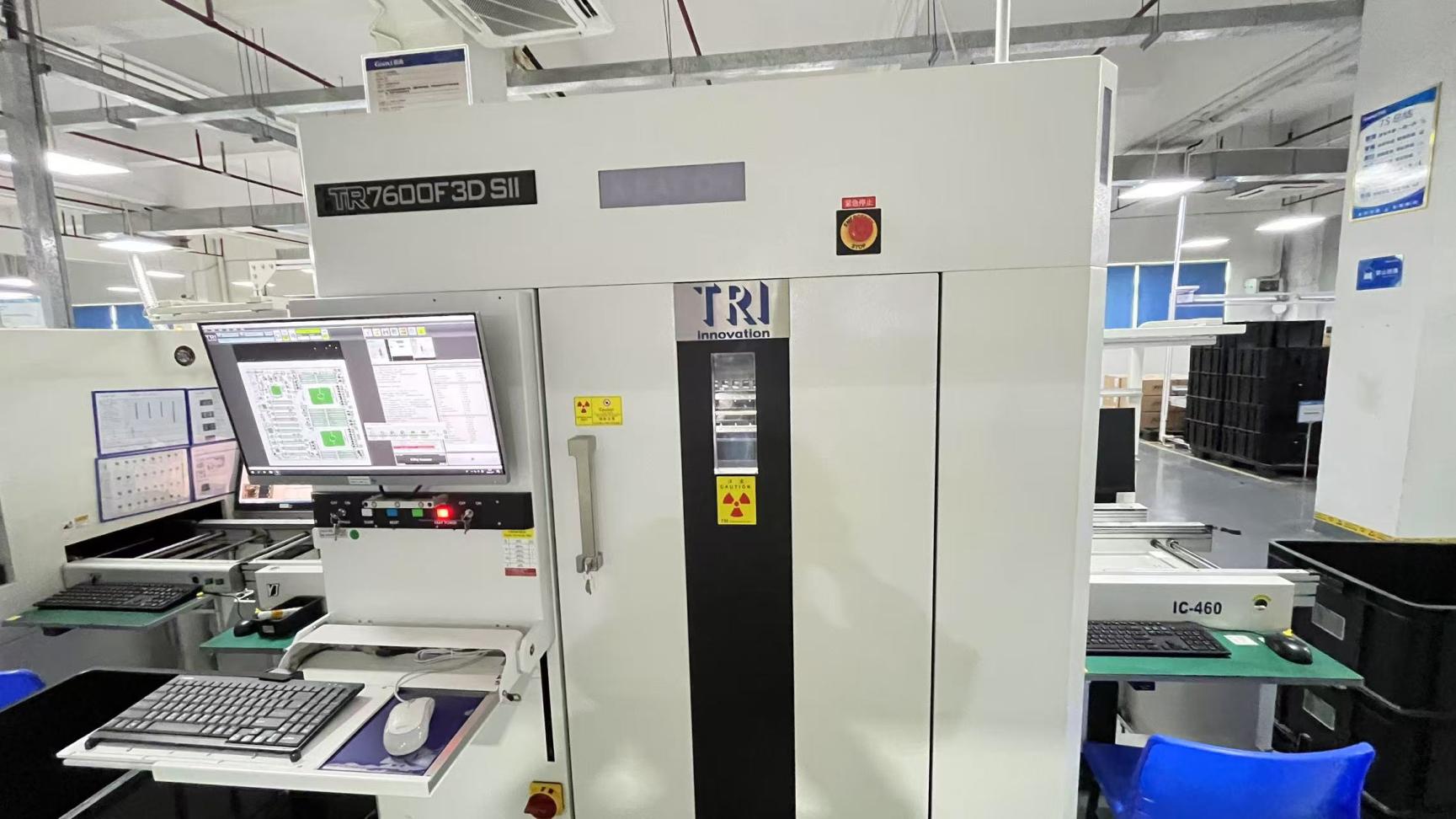
Each production run undergoes comprehensive mechanical tolerances, dielectric strength testing, and 100% optical performance verification on our 45-staff QC assembly floor.

3. Micro and Macro Market Application Scenarios

Custom Ethernet interfaces are deployed across a vast array of high-stress industries. Rather than using generic consumer-grade jacks, industrial applications demand specialized form factors:
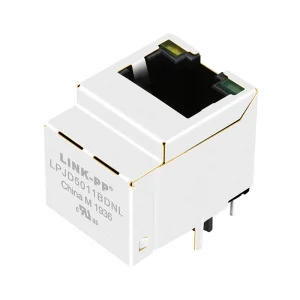
  • Industrial Automation (EtherCAT & Profinet): High-vibration environments require vertical top-entry connectors with secure locking tabs and integrated PoE (Power over Ethernet) magnetics to deliver data and up to 90W of power directly to robotic arms and field sensors.
  • Automotive Ethernet (BroadR-Reach): Connectors configured for in-vehicle networking must withstand extreme operating temperatures (-40°C to +125°C) and provide low weight and minimal footprint while maintaining absolute signal fidelity under electromagnetic interference from electric motors.
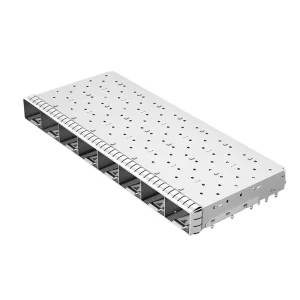
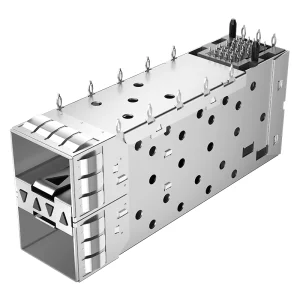
  • Cloud and Edge Computing Nodes: In high-density server blades, low-profile and multi-port (such as 1x8 or 2x1 ganged) SFP+ and zSFP+ cages with EMI gaskets are necessary to achieve optimal airflow, thermal dissipation, and high port-density ratios.
Technical FAQ

Frequently Asked Questions on OEM Ethernet Connectors

Why are integrated magnetics (MagJacks) preferred over discrete magnetic setups?
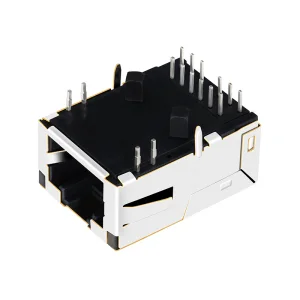
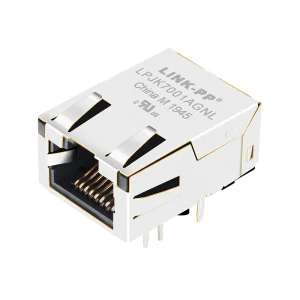
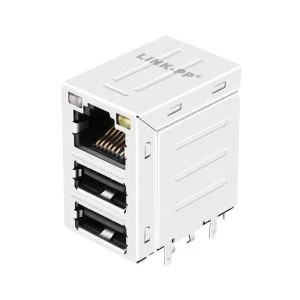
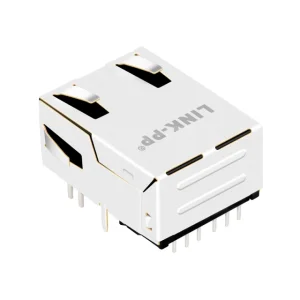
Integrated magnetics (often referred to as MagJacks) consolidate the RJ45 connector housing, isolation transformers, common-mode chokes, and termination resistors into a single shielded module. This reduces the PCB footprint by up to 50%, improves EMI performance by shielding the magnetic components directly inside the metal housing, and ensures consistent signal matching since the electrical characteristics are tuned and tested by the factory before deployment.
What parameters dictate high-speed SFP+ cage EMI shielding effectiveness?
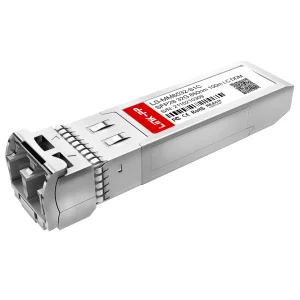
EMI shielding is dictated by three primary factors: the choice of housing material (typically nickel silver or copper alloy), the design of the grounding tabs (multi-point contact fingers along the bezel opening), and the connection interface to the PCB (press-fit pins versus through-hole solder pins). Press-fit pins provide a superior electrical connection with less parasitic inductance, which significantly reduces electromagnetic leakage at frequencies up to 10GHz and above.
How does FiberNova support Custom OEM design verification?
FiberNova leverages its R&D team of 65 engineers to perform extensive simulation and testing. We provide detailed 3D step files, simulate board-level signal routing, and produce high-resolution stereolithography (SLA) prototypes within 5-7 business days. Electrical performance is validated using high-bandwidth Vector Network Analyzers (VNAs) and digital oscilloscopes to generate Eye Diagrams and measure Bit Error Rates (BER).
What are the key differences between standard and PoE+ / PoE++ RJ45 connectors?
Power over Ethernet (PoE) connectors require specific internal design modifications to carry high currents (up to 1A per pair for PoE++ / IEEE 802.3bt) without overheating or causing signal degradation. This includes thicker copper wire diameters in the magnetic coils, contact pins engineered to prevent electrical arcing during hot-unplugging events, and thermally optimized housing plastics (such as high-temperature LCP) that can withstand sustained high-temperature operations.
Factory Presentation

Inside our High-Precision Production Facility

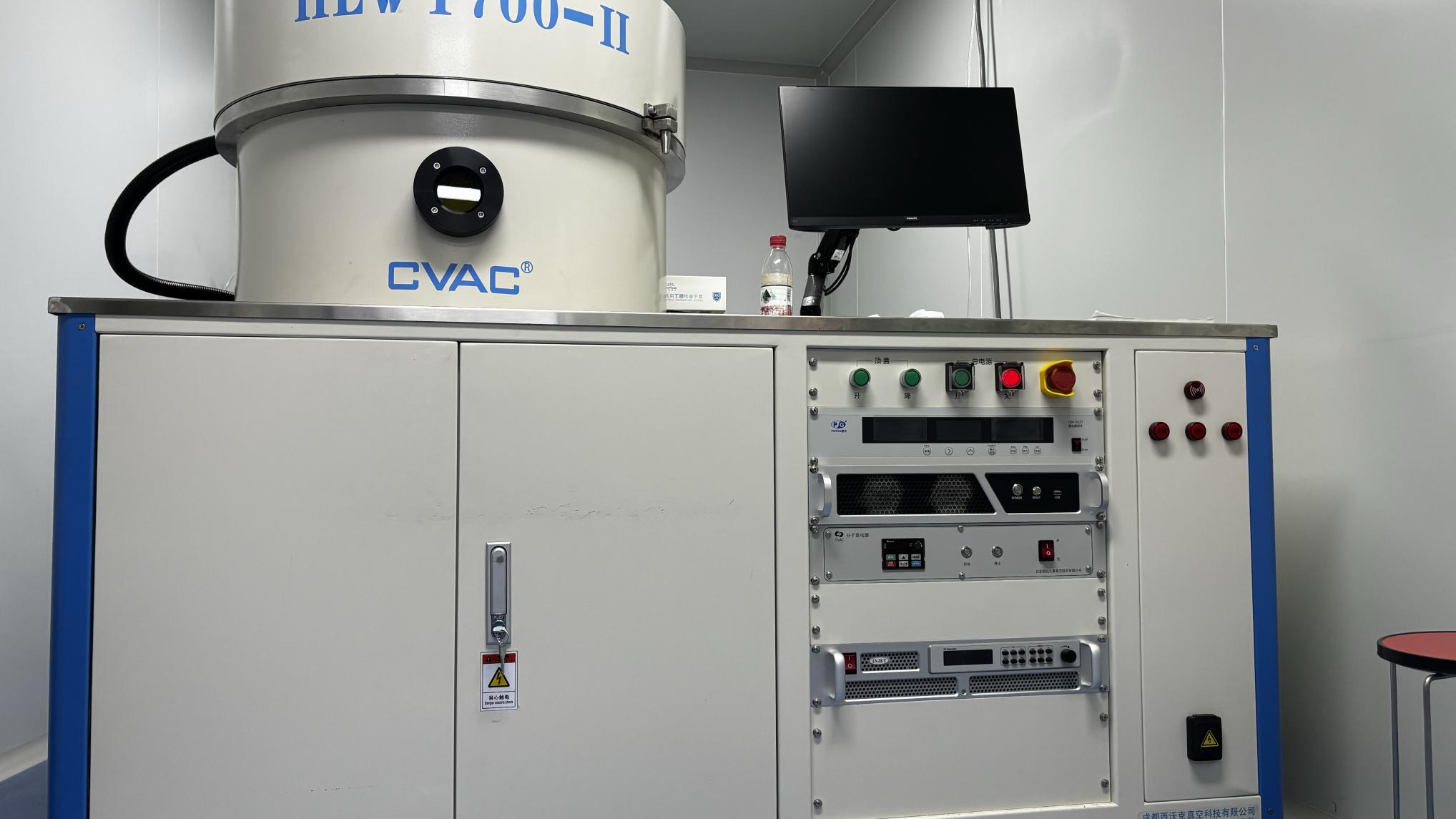
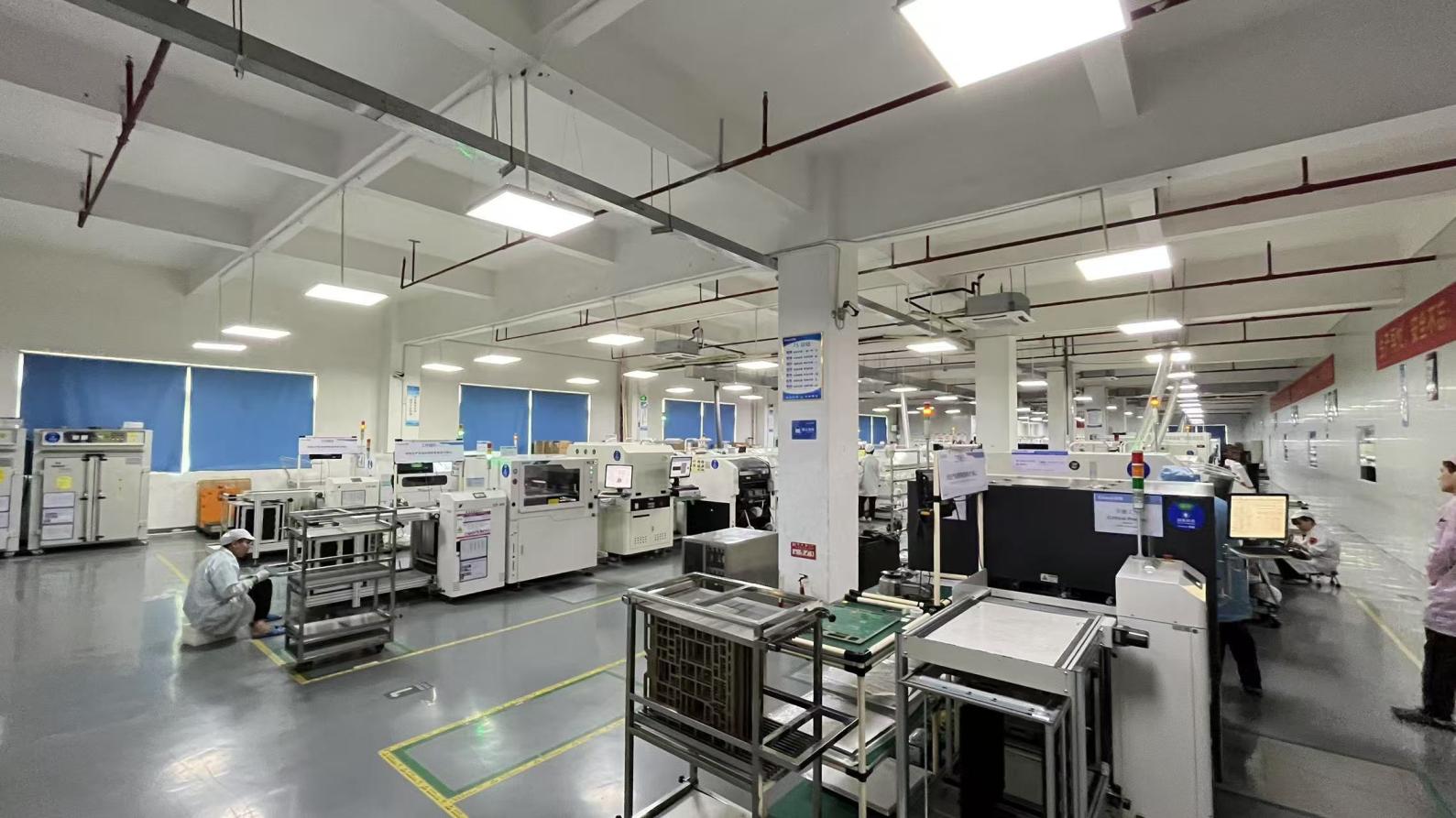
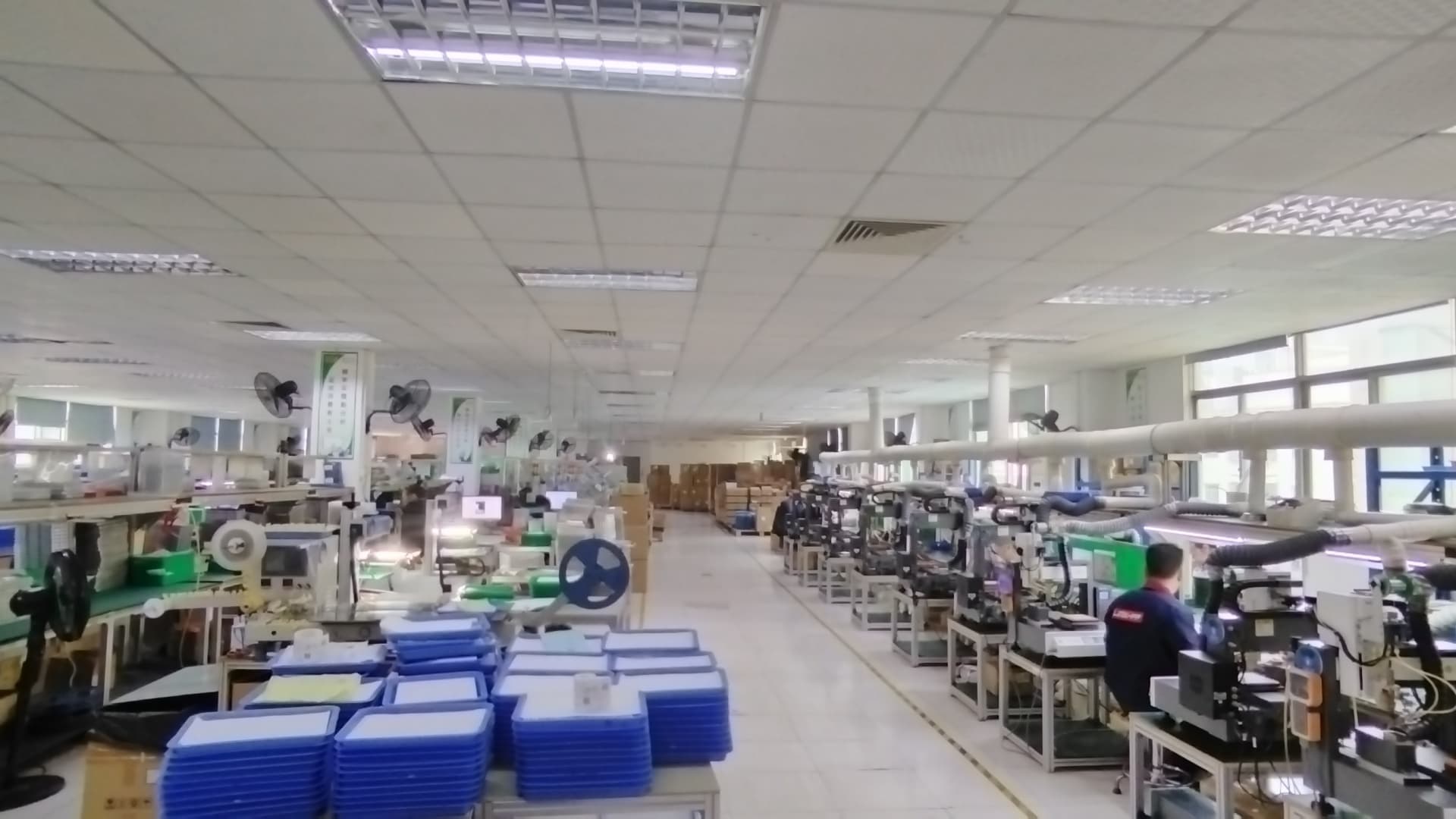
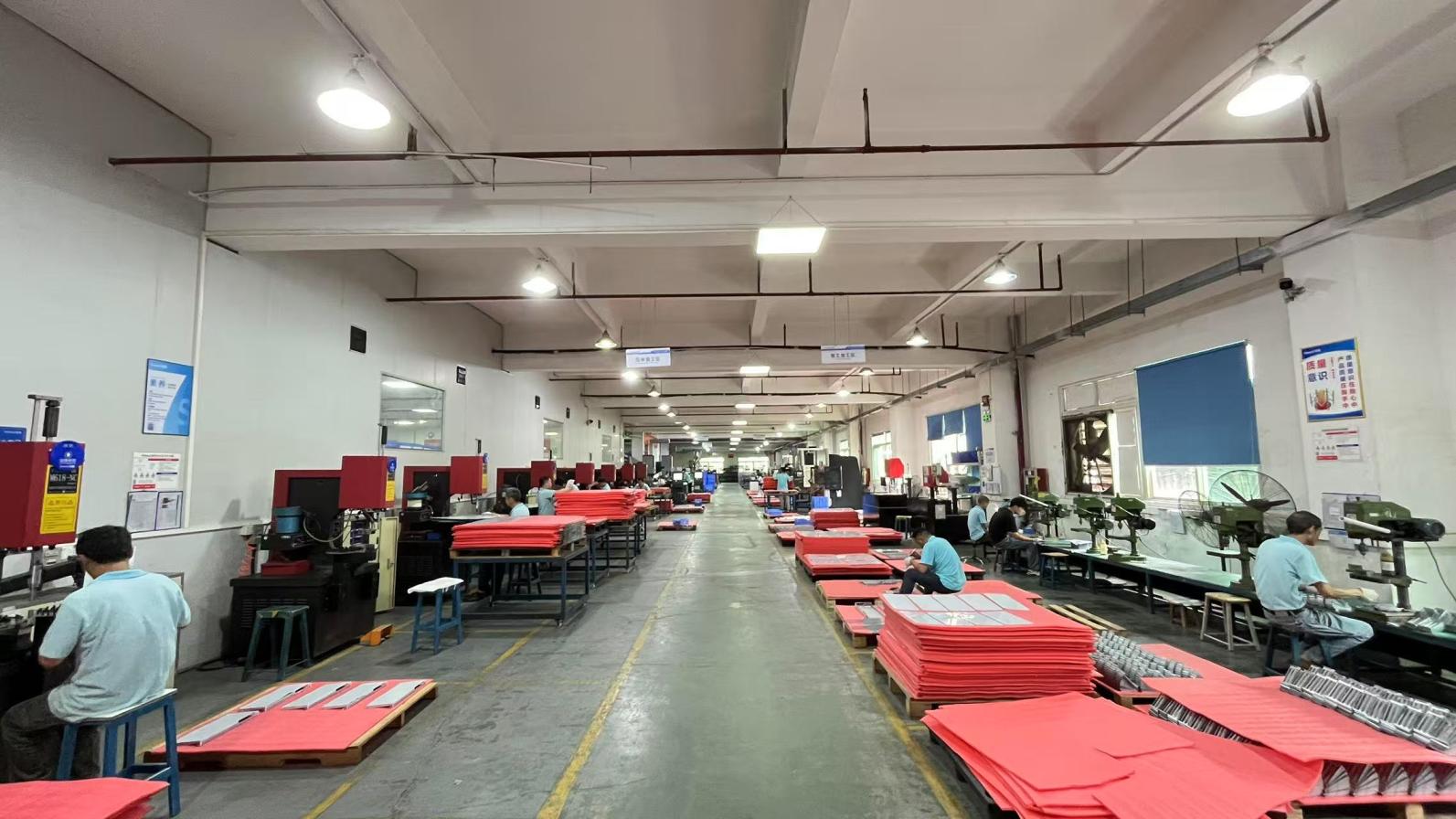
FiberNova Optical Communication Tech Co., Ltd. (FiberNovaTransceivers.com) is an industry-recognized pioneer in the high-speed optoelectronic interconnect space. Established in 2016, our modern manufacturing workshop spans a dedicated 380㎡ area optimized for high-mix, low-volume and high-volume custom production runs. Backed by over 12 years of industry expertise and a highly professional export network built over 6 years, we facilitate seamless international trade resulting in an annual export revenue of USD 8–15 million.

Our quality verification workflows include 100% optical performance metrics, precise temperature cycling, and complex signal integrity checks monitored by 45 specialized QC auditors. Together with our 1,200 supply chain partners, we ensure reliable, continuous raw material sourcing for long-term project stability.