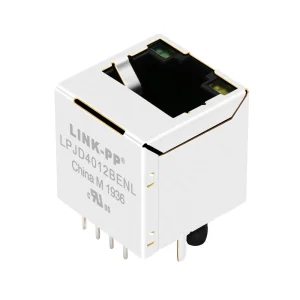
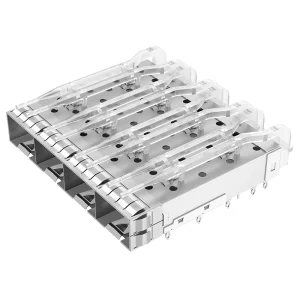
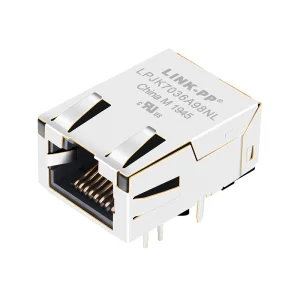
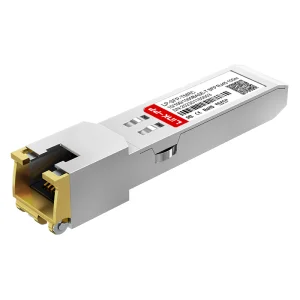
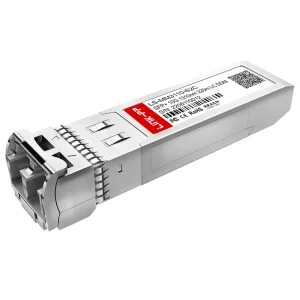
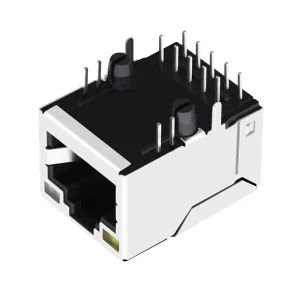
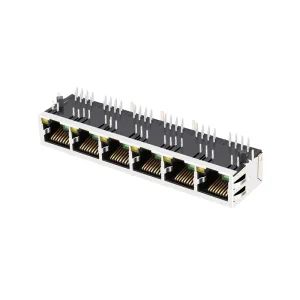
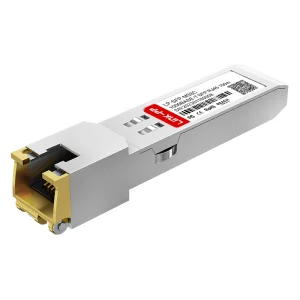
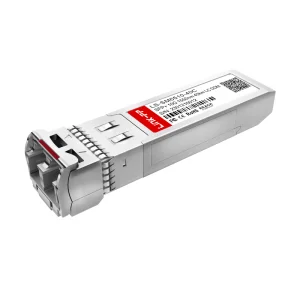
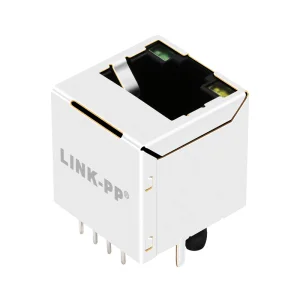
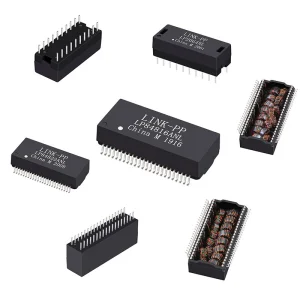
Explore our industrial-grade Ethernet connectors, high-speed SFP transceivers, and electromagnetic-shielded cage assemblies designed for rugged communication infrastructures.
Technical Insights into Legacy Integration, Active Conversion, and Signal Preservation in Mission-Critical Systems.
In modern industrial automation and telecommunications infrastructures, the requirement to interface legacy serial communications with standard Ethernet configurations remains critical. The RJ45 to RS232 Adapter serves as a physical-layer bridge between the TIA/EIA-561 / Cisco console standard pinout configurations and the classic EIA/TIA-232-F serial ports. This structural interface provides a reliable method for connecting modern consoles, managed switches, routers, and programmable logic controllers (PLCs) with older diagnostic units and peripheral instrumentation.
Understanding this conversion requires an appreciation of two entirely different signal typologies. Standard Ethernet ports utilizing RJ45 modular jacks send balanced, differential signals designed to handle high frequencies over twisted-pair lines (e.g., Cat5e or Cat6). In contrast, RS232 is an unbalanced, single-ended transmission standard operating on higher voltage swings (typically between +/-3V and +/-15V). This electrical divergence necessitates specialized magnetic components, shielded cages, and occasionally active level-shifting transceivers to prevent interface degradation and catastrophic equipment failure due to ground loops or high electrostatic discharges (ESD).
The transition path from basic physical media conversion to intelligent, active, and software-defined industrial communication interfaces.
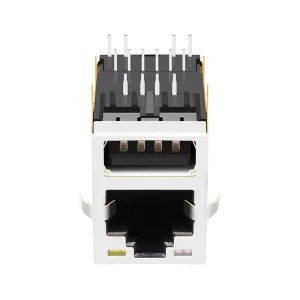
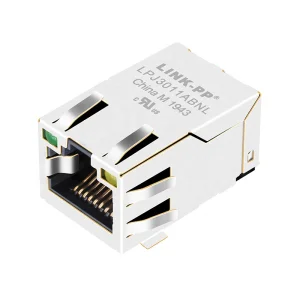
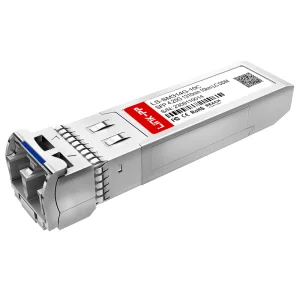
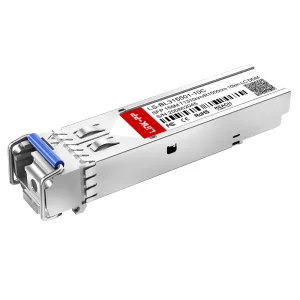
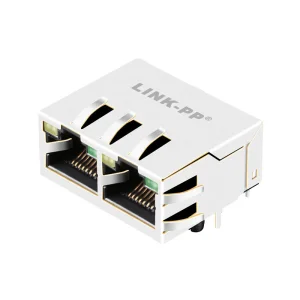
Integrating high-efficiency press-fit SFP cages and multi-port RJ45 housings with inner metal shield structures prevents environmental electromagnetic interference in loud industrial spaces.
Tailored configuration services mapping proprietary pin assignments (such as Cisco console models, APC configurations, or custom Siemens industrial PLCs) straight to DB9/DB25 connector layouts.
Moving beyond passive cabling into integrated transceiver modules that utilize high-performance internal charge pumps to step up signals securely without external power sources.
| Specification Metric | Passive Adapter Configuration | Active Isolated Transceiver | FiberNova Enhanced Solution |
|---|---|---|---|
| Max Baud Rate Supported | 115.2 Kbps | up to 1 Mbps | 2 Mbps / Custom Tune |
| ESD Protection Rating | None (Physical Path Only) | 8kV (Contact Discharge) | 15kV (Air/Contact ESD) |
| Isolation Voltage | 0V (Common Ground Required) | 1000V DC | 1500Vrms Magnetic Isolation |
| Compliance Standards | RoHS | CE, RoHS, FCC Class B | IEEE, MSA, CE, FCC, RoHS, REACH |
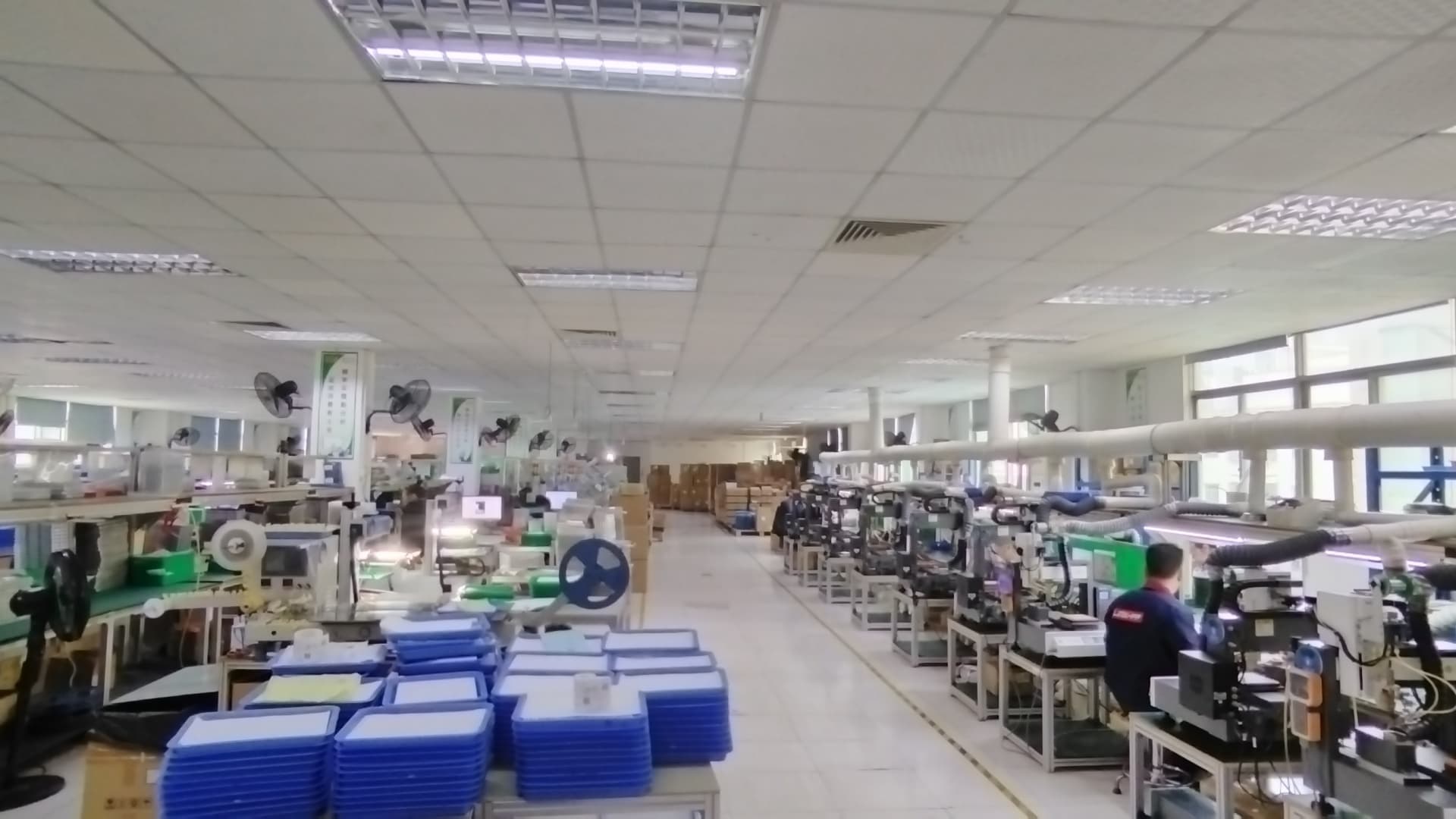
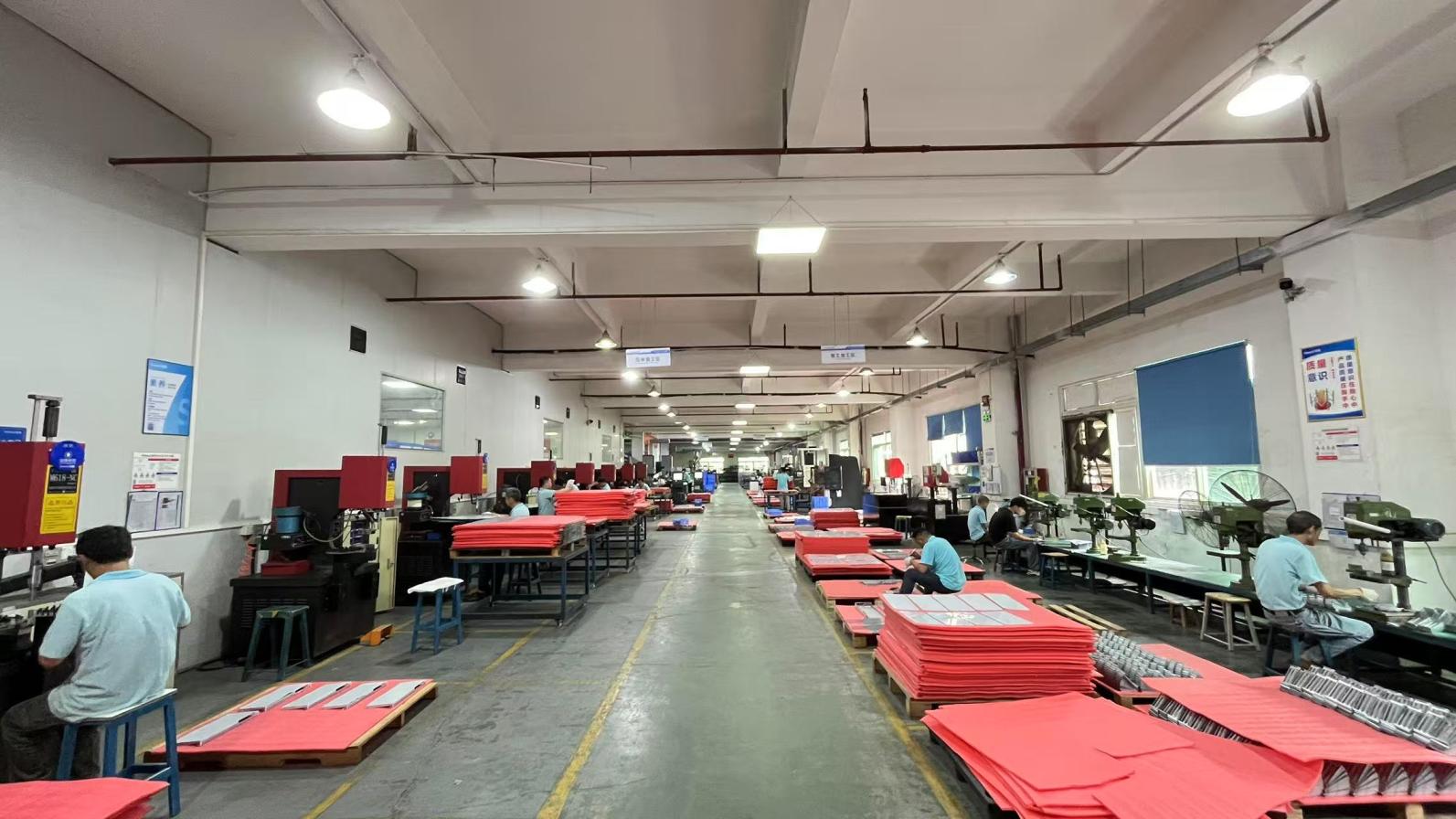
Established in 2016, FiberNova Optical Communication Tech Co., Ltd. (FiberNovaTransceivers.com) has developed into a premier designer and manufacturer of high-performance physical connectivity solutions. With a modern production facility spanning approximately 380㎡, we specialize in high-speed optical transceivers, active network interface components, and custom structural connector units supporting global telecommunications and data centers.
Backed by over 12 years of industry expertise and 6 years of global export experience, FiberNova maintains a powerful trade operation delivering approximately USD 8–15 million in annual export revenue. Our main target regions include the United States, Germany, Japan, South Korea, and the United Arab Emirates, where our products serve Tier-1 telecom operators, web-scale cloud services, and complex industrial systems integration companies.
Quality assurance represents the absolute core of our operating philosophy. We employ a dedicated, professional QA/QC team consisting of 45 specialized personnel. Before any shipment leaves our facility, we conduct 100% optical performance validation, extreme temperature cycling chambers (-40°C to +85°C), and signal integrity testing to ensure full compatibility with MSA and IEEE standards.
Our research and development team, led by 65 veteran engineers, is constantly pushing technological boundaries, designing advanced high-speed solutions from 10G and 25G up to 400G and 800G optical modules. This same technical rigor is applied to our custom magnetic RJ45 connectors, SFP cages, and industrial serial converters, launching over 120 new products annually to solve actual engineering challenges.
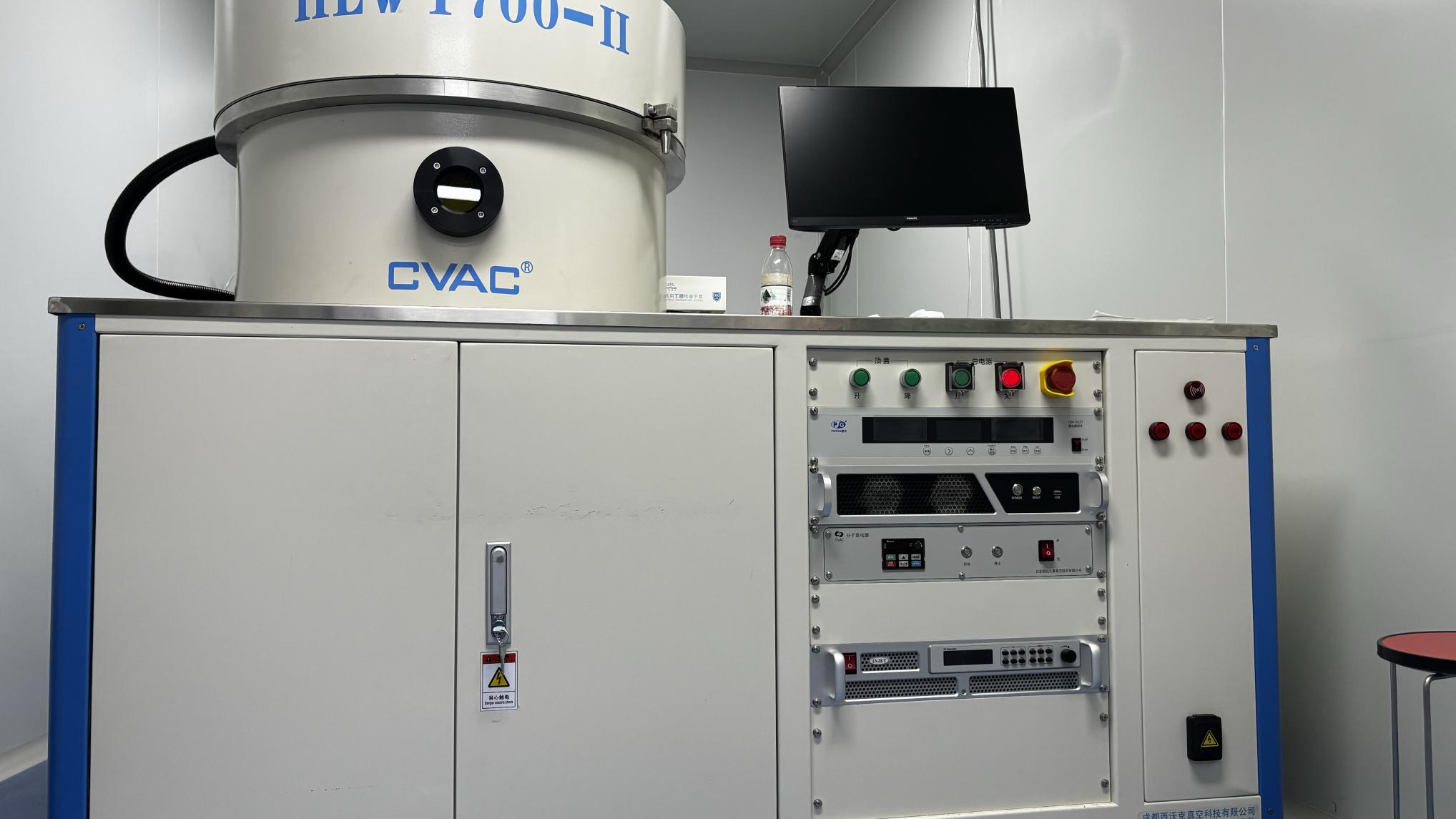
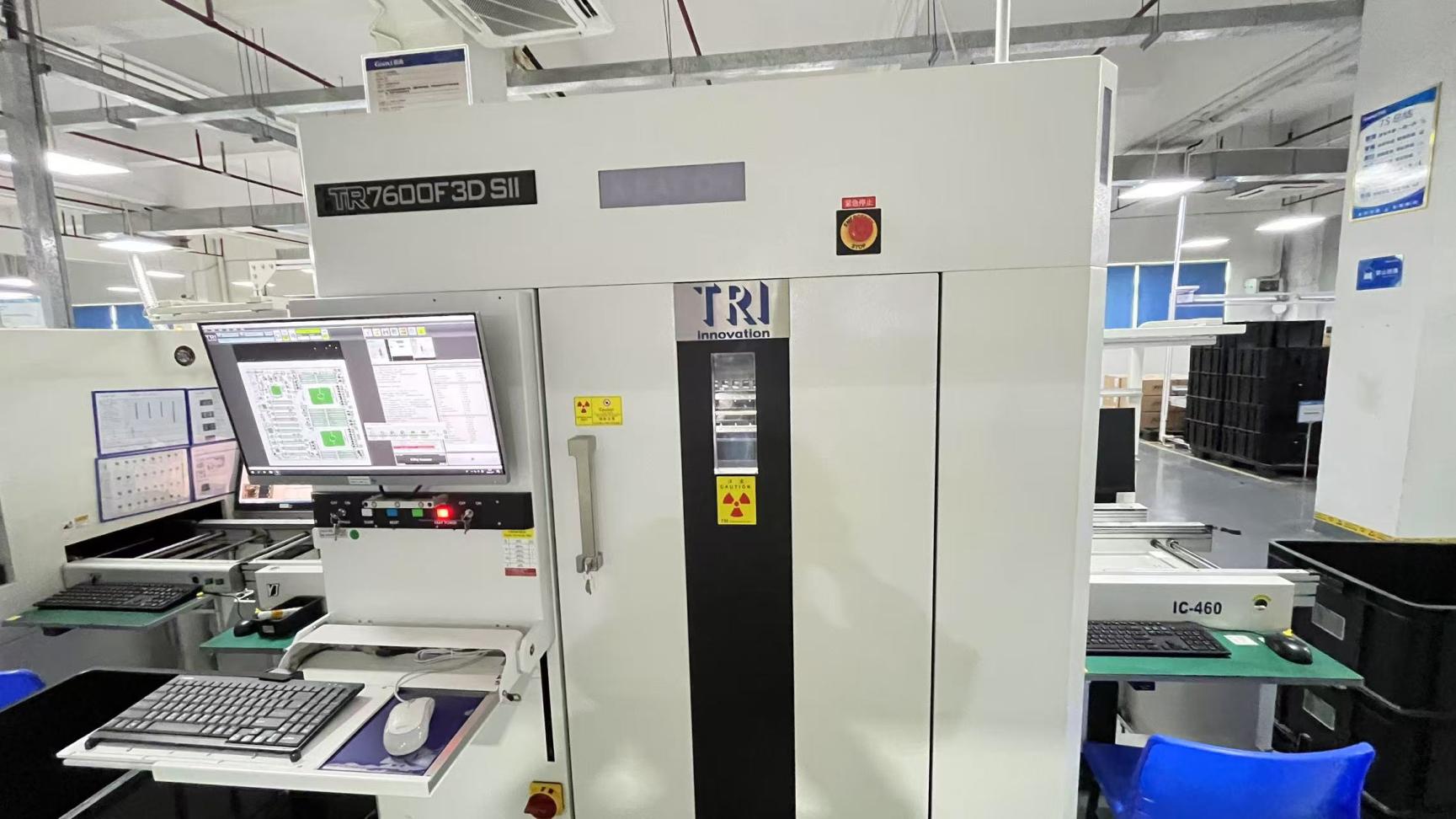


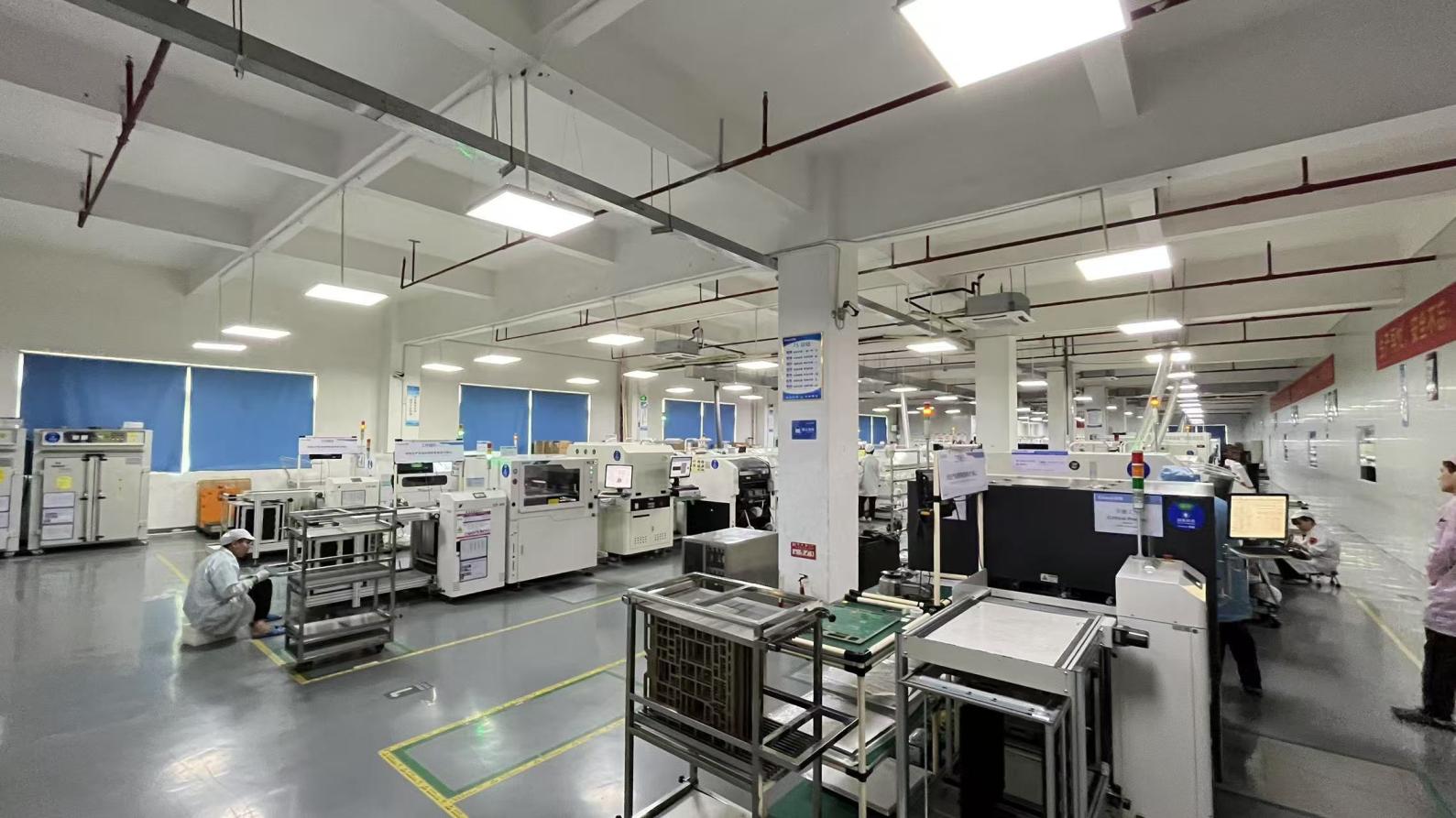
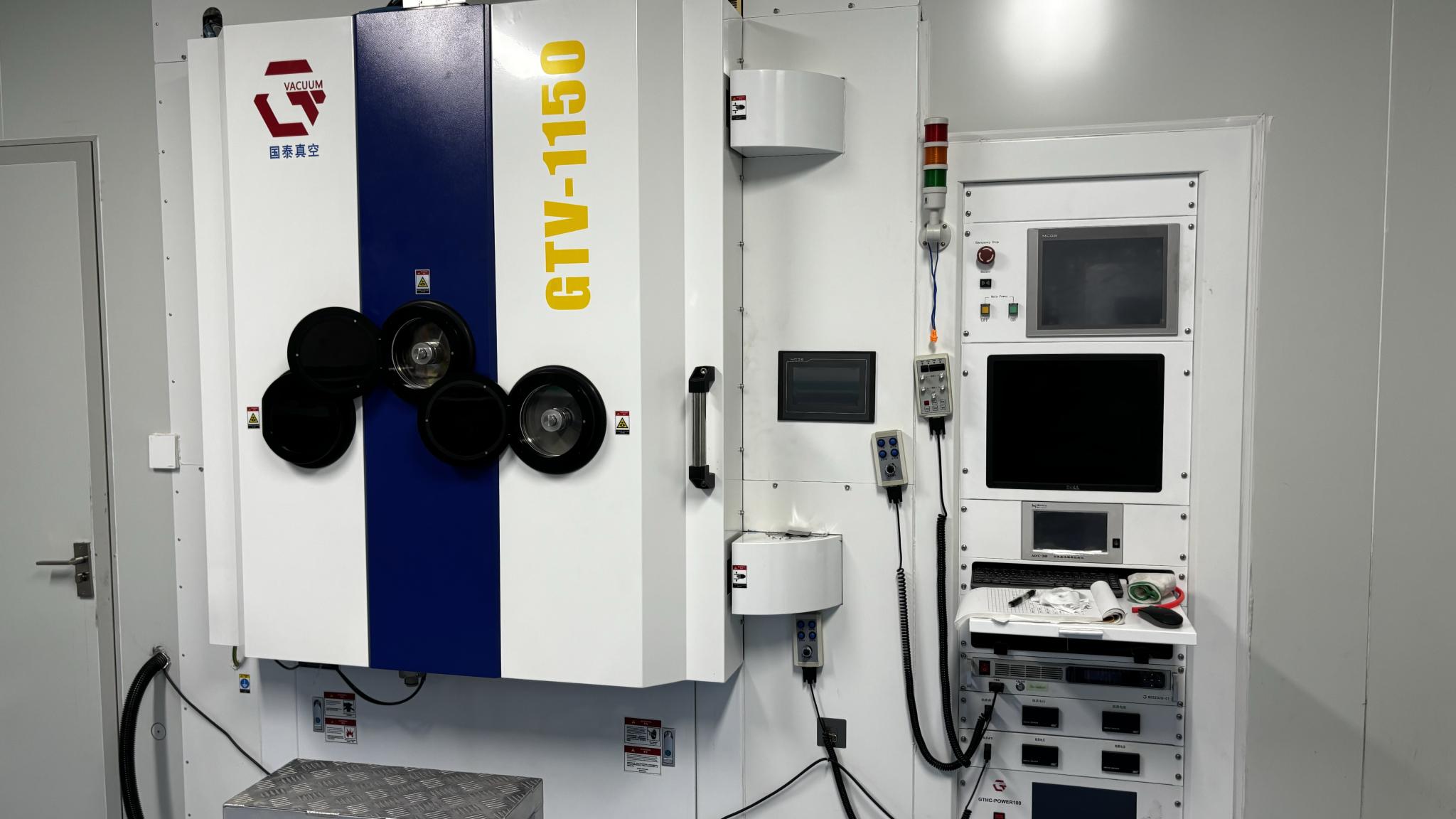
A strategic guide for hardware engineering procurement leads sourcing serial-to-ethernet interconnects.
Procuring network interface units from manufacturing hubs like China requires focusing on more than just the lowest unit price. Engineering teams must review technical parameters to prevent long-term maintenance issues or device dropouts in industrial settings. Below are the core factors procurement managers must scrutinize when evaluating international connector suppliers:
By operating an expansive supply network of over 1,200 partners, FiberNova secures top-tier active chips, high-purity silicon lasers, and robust copper alloys. This helps us maintain lead times, stable supply lines, and consistent unit costs for customized OEM/ODM projects.
Get answers to common technical, mechanical, and compliance questions faced by network engineers.
The most widely accepted configuration is the EIA/TIA-561 standard, commonly referred to as the Cisco console pinout. In this layout, Pin 1 is RTS, Pin 2 is DTR, Pin 3 is TXD, Pin 4 is GND, Pin 5 is GND, Pin 6 is RXD, Pin 7 is DSR, and Pin 8 is CTS. Correctly mapping these lines is essential when routing signals from modular Ethernet lines to standard DB9/DB25 serial interfaces.
Yes, because standard Cat5e and Cat6 solid copper wire conductors are rated up to 125V or higher. However, physical signal distortion and crosstalk (NEXT) can occur if the serial lines are run over long distances alongside high-frequency digital lines without shielding.
Magnetic isolation (typically 1500Vrms) protects system circuitry from ground loops, high electrostatic discharges (ESD) caused by physical friction, and transient voltage spikes. This prevents physical component failures and keeps signals stable over extended physical line distances.
Every transceiver is engineered in compliance with Multi-Source Agreements (MSA) and standard IEEE network frameworks. We verify compatibility across major brands using host systems in our testing laboratory. We also provide customized EEPROM coding to resolve software handshake locks.
The RS232 standard specifies a maximum cable length based on a load capacitance of 2500pF. With low-capacitance Category 5e/6 UTP cables, serial signals can reliably travel up to 15 to 30 meters at typical speeds (e.g., 9600 bps). Higher baud rates will decrease this effective range.
Complete your deployment specifications with high-performance copper adapters, fiber-optic transceivers, and discrete magnetic components.
 FiberNova