High-performance optical transceivers, RJ45 magnetic modules, and press-fit SFP housing components engineered for hyper-scale networks.
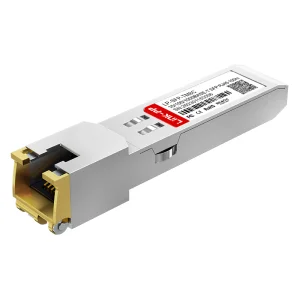
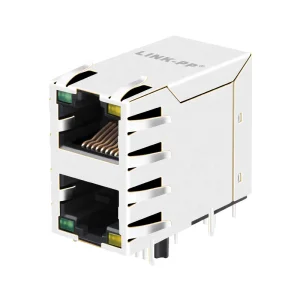
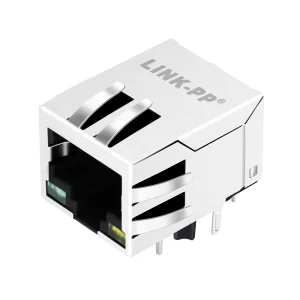
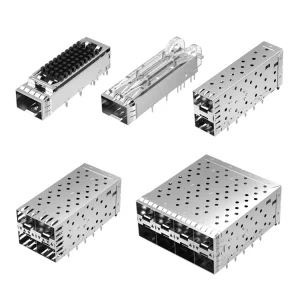
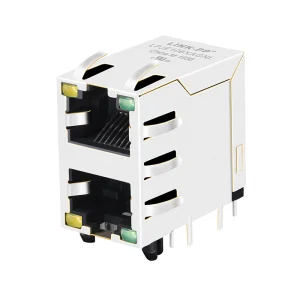
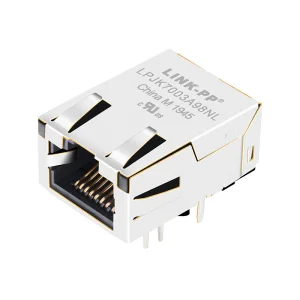
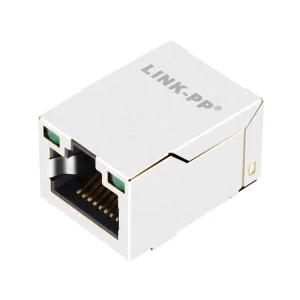
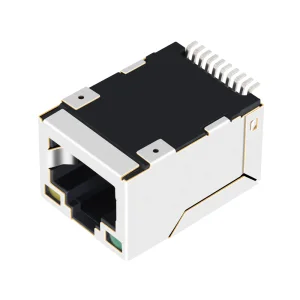
The modern digital economy demands unprecedented throughput, minimal latency, and rock-solid architectural reliability. At the center of this transformation lies the Network Interface Card (NIC) and its supporting physical layer connectivity. As data centers migrate from legacy gigabit lines to 10G, 25G, 100G, and ultimately 400G/800G pathways, hardware components such as optical transceivers, SFP cages, and magnetic RJ45 connectors act as the vital backbone of system interconnectivity.
For global procurement managers, identifying top-tier manufacturing hubs in China is no longer simply about cost containment. Today, search intent pivots on finding suppliers that deliver significant information gain: granular compatibility matrixing, MSA (Multi-Source Agreement) compliance, signal integrity preservation, and superior thermal dissipation profiles. High-speed networking cards demand component parts that can withstand demanding physical workloads while keeping transmission errors down to zero.
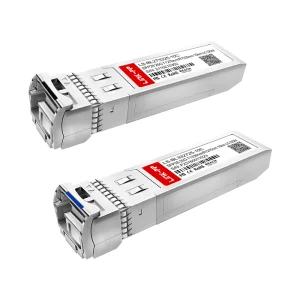
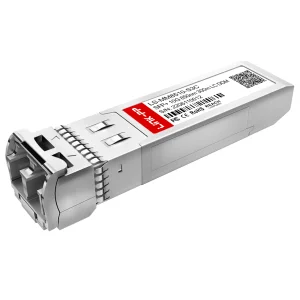
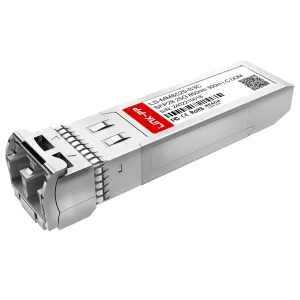
AI workloads, machine learning clusters, and high-frequency trading platforms require high-bandwidth infrastructure. Standard copper wiring meets physical limitations at higher frequencies, leading to a massive spike in optical transceiver integration. Modules like the 25G SFP28 and 10G SFP+ duplex transceivers bridge the gap between high-density server configurations and core switch boards, offering the low attenuation and minimal EMI profile needed for modern architectures.
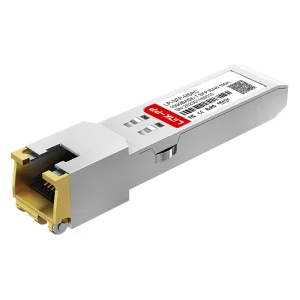
Simultaneously, for shorter copper runs, high-grade SFP copper transceivers (like the Cisco GLC-TE and Moxa compatible modules) allow operators to utilize existing Cat6a cabling topologies without expensive upgrades to full optical frameworks. This hybrid approach helps companies scale their data centers efficiently while maintaining cost control.
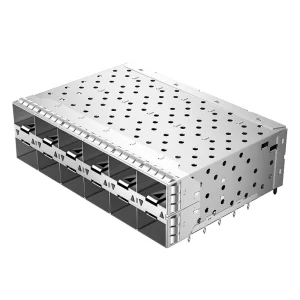
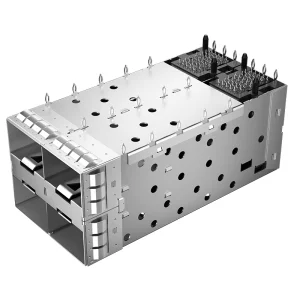
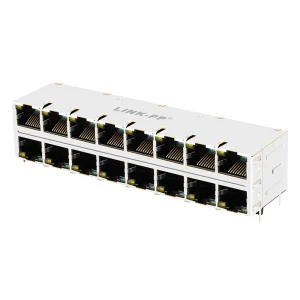
As server chassis pack more ports per rack unit, EMI (Electromagnetic Interference) leakage and thermal loads escalate exponentially. This requires specialized mechanical engineering, such as press-fit SFP cages complete with built-in heatsinks and specialized light pipes. Without robust shielding, crosstalk can corrupt high-frequency digital signals, rendering even the most sophisticated network adapter cards ineffective. Our custom SFP cages are engineered to mitigate these high-speed transmission challenges.
Under the hood of FiberNova's high-speed fabrication facility and supply chain ecosystem.
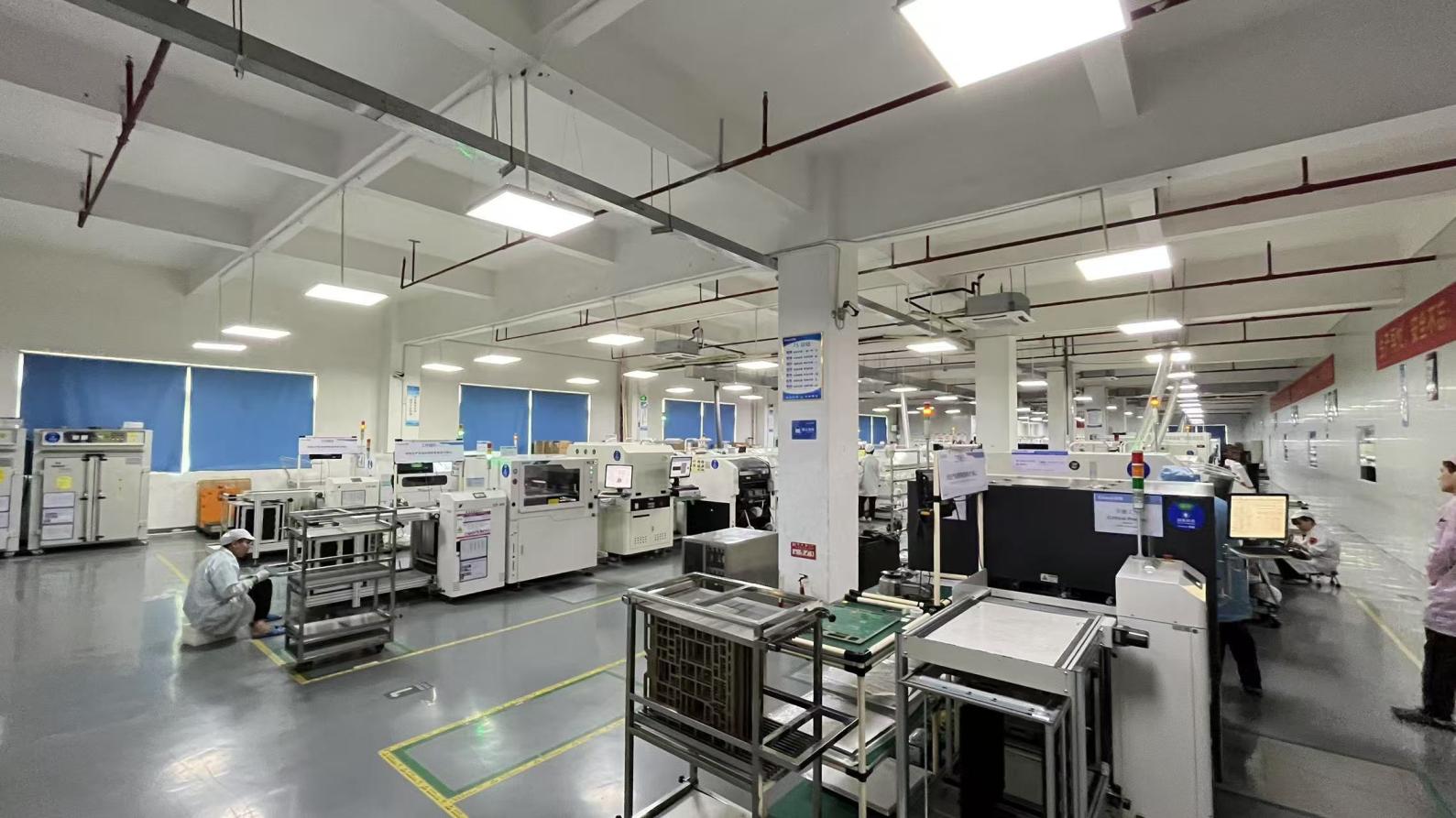
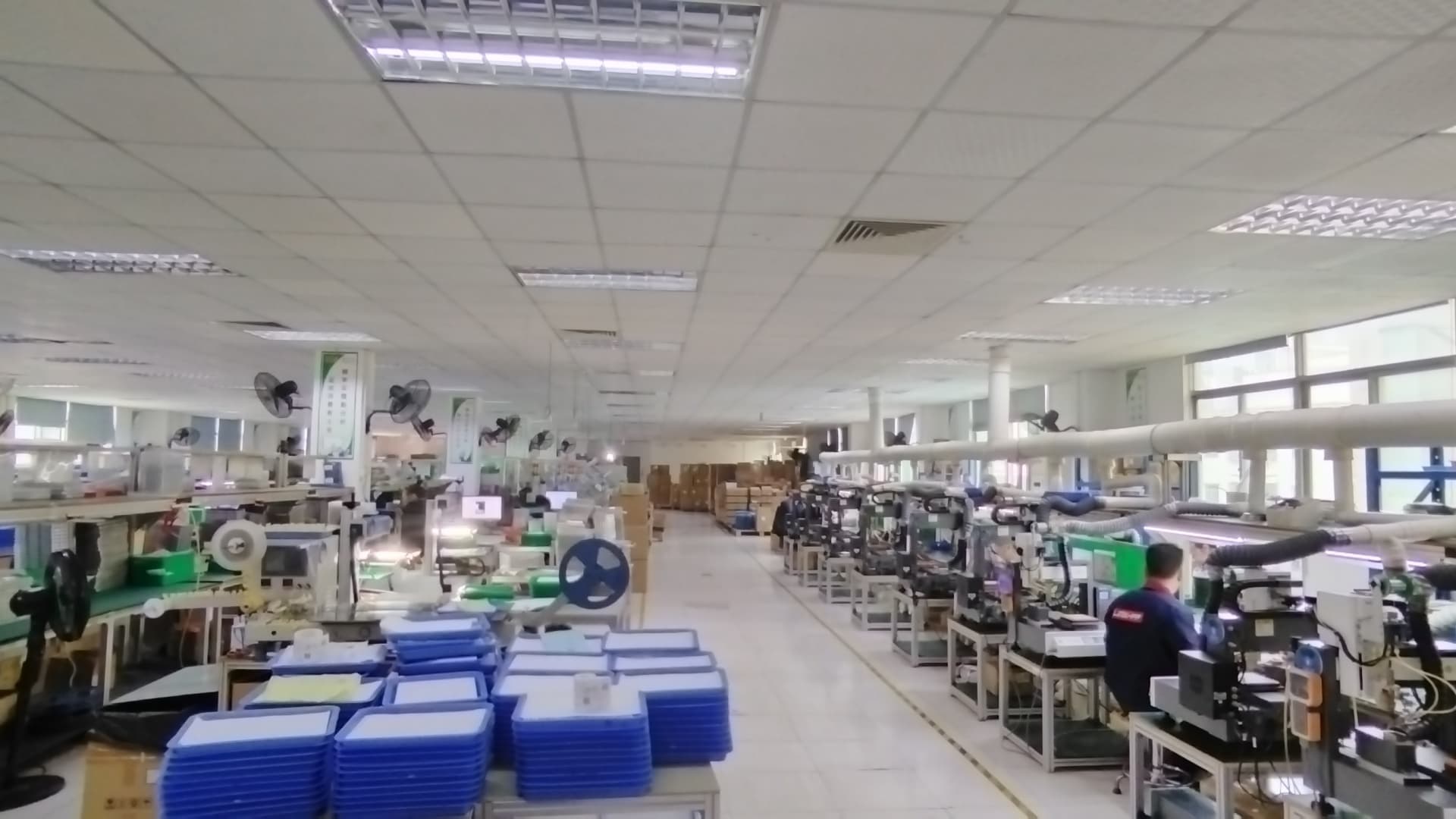
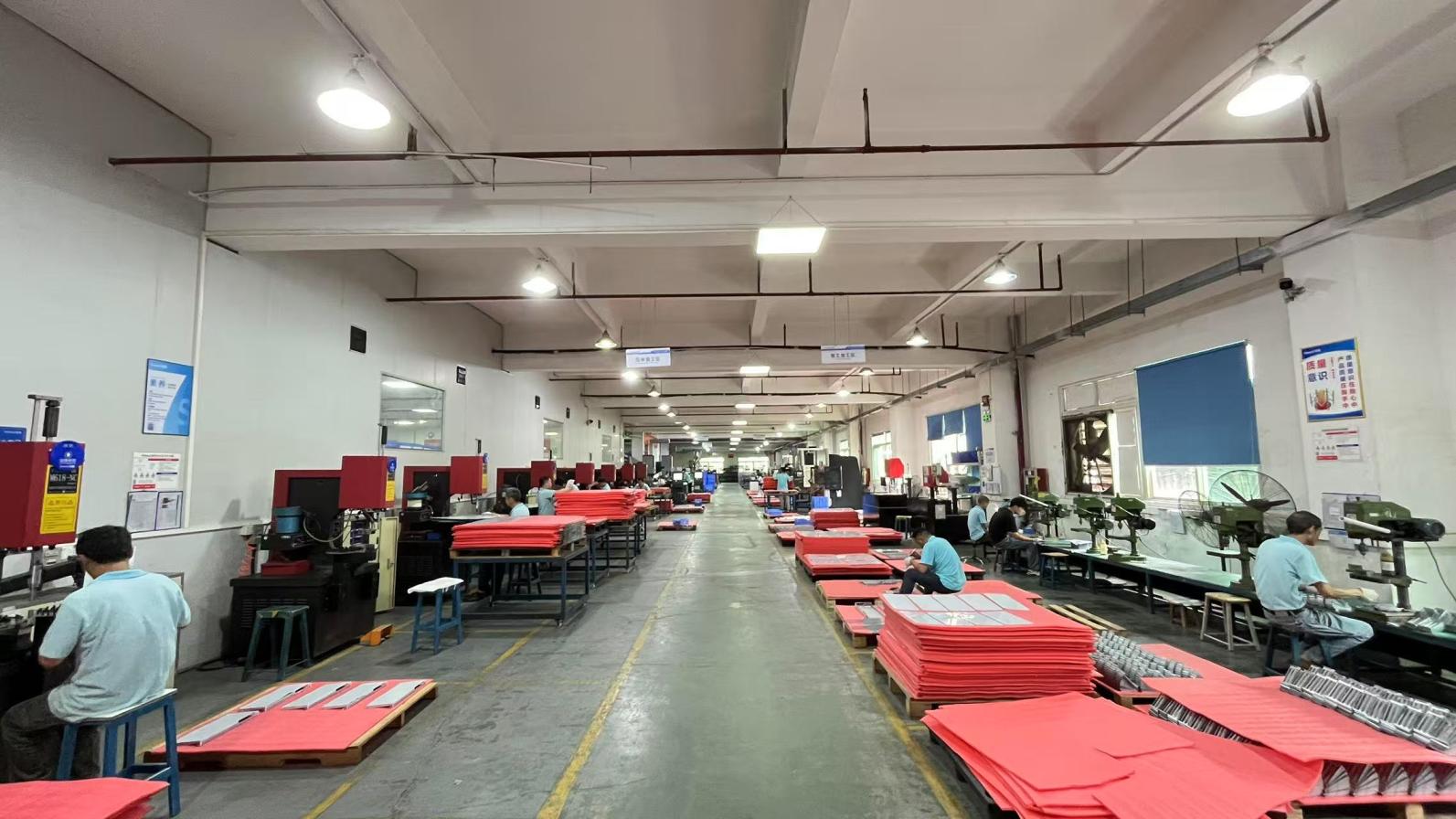
Established in 2016, FiberNova Optical Communication Tech Co., Ltd. operates a modern 380㎡ production facility. Through integration with over 1,200 supply chain partners, FiberNova secures reliable procurement of raw materials, including chips, lasers, and optical components. This network stability helps buffer operations against global component shortages, maintaining predictable lead times for international clients.
Supported by 65 research and development engineers, FiberNova specializes in high-speed optical module solutions, focusing on 10G, 25G, 100G, 400G, and 800G technologies. In the past year alone, the company introduced approximately 120 new products to keep pace with evolving Ethernet standards. In international markets, the company achieves an annual export revenue of USD 8–15 million, serving major markets in the United States, Germany, Japan, South Korea, and the United Arab Emirates.
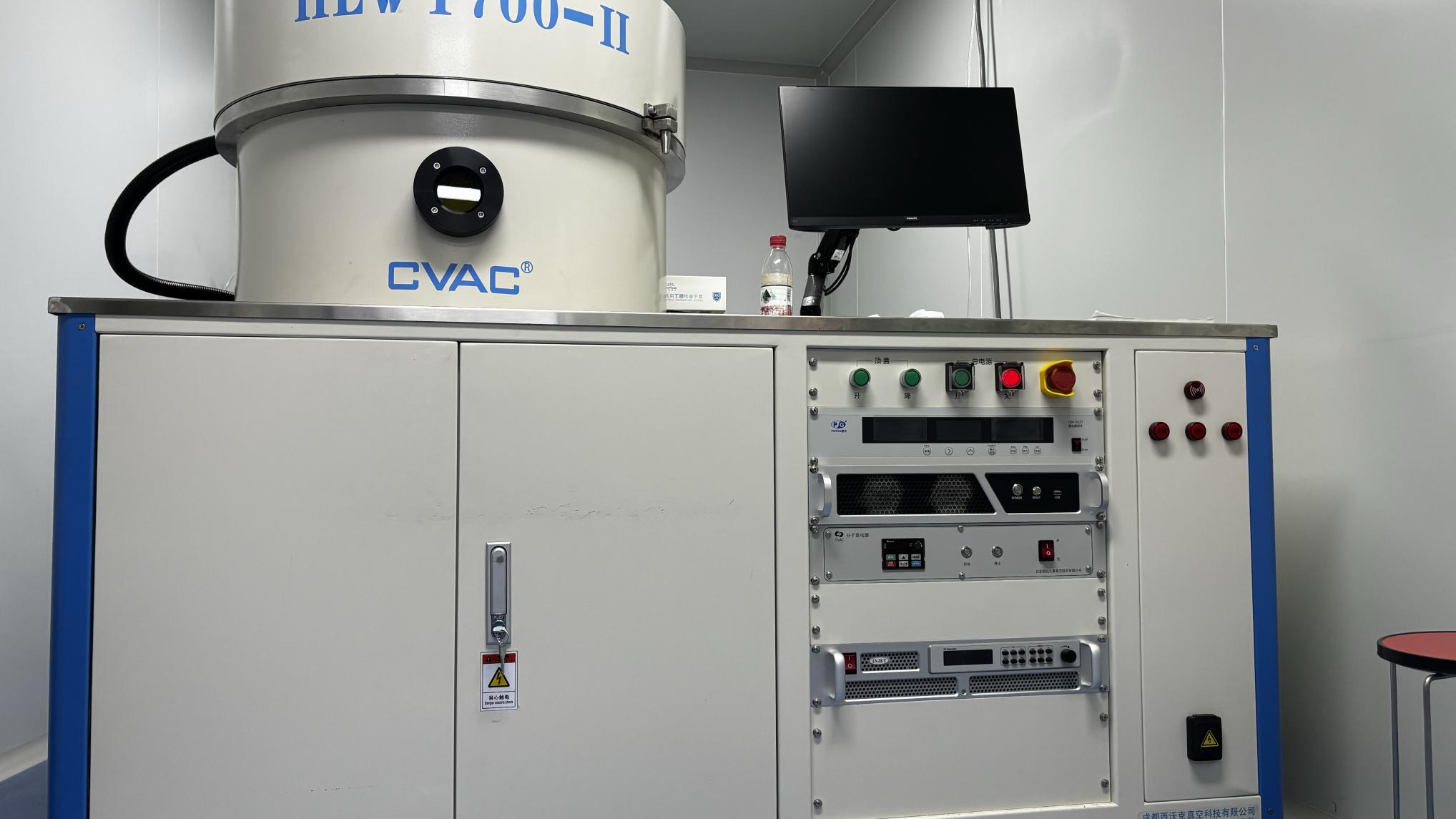
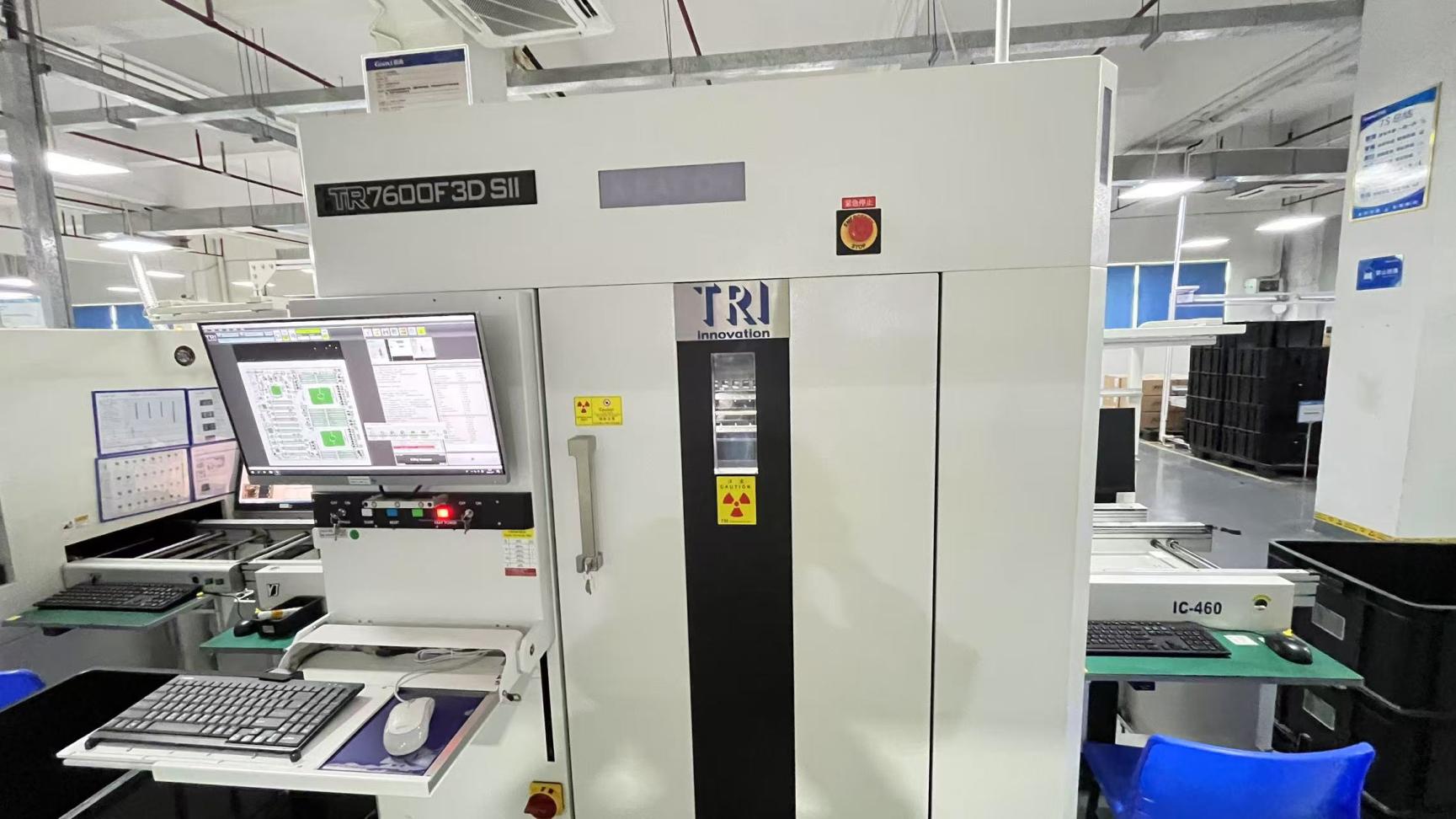
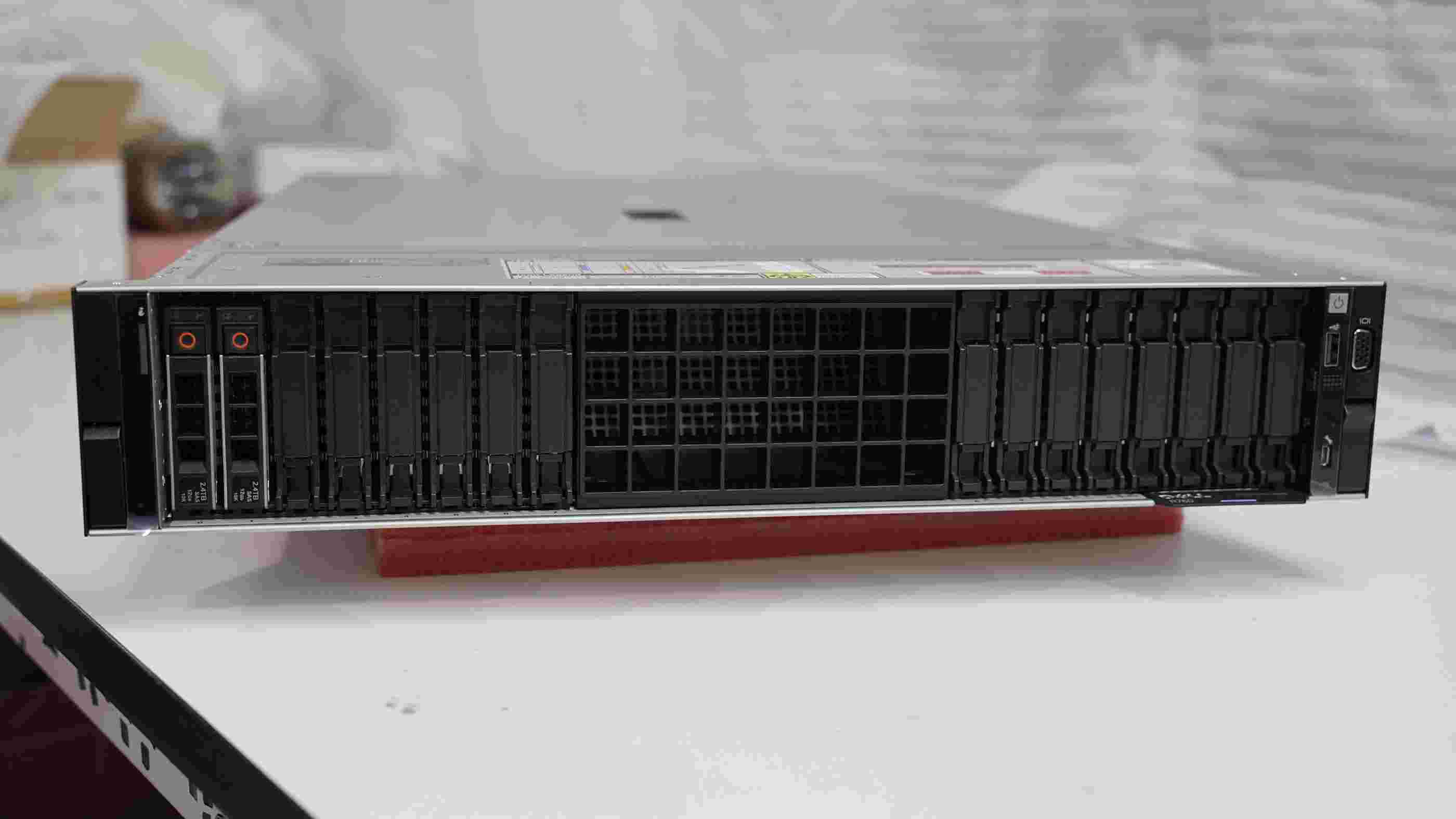
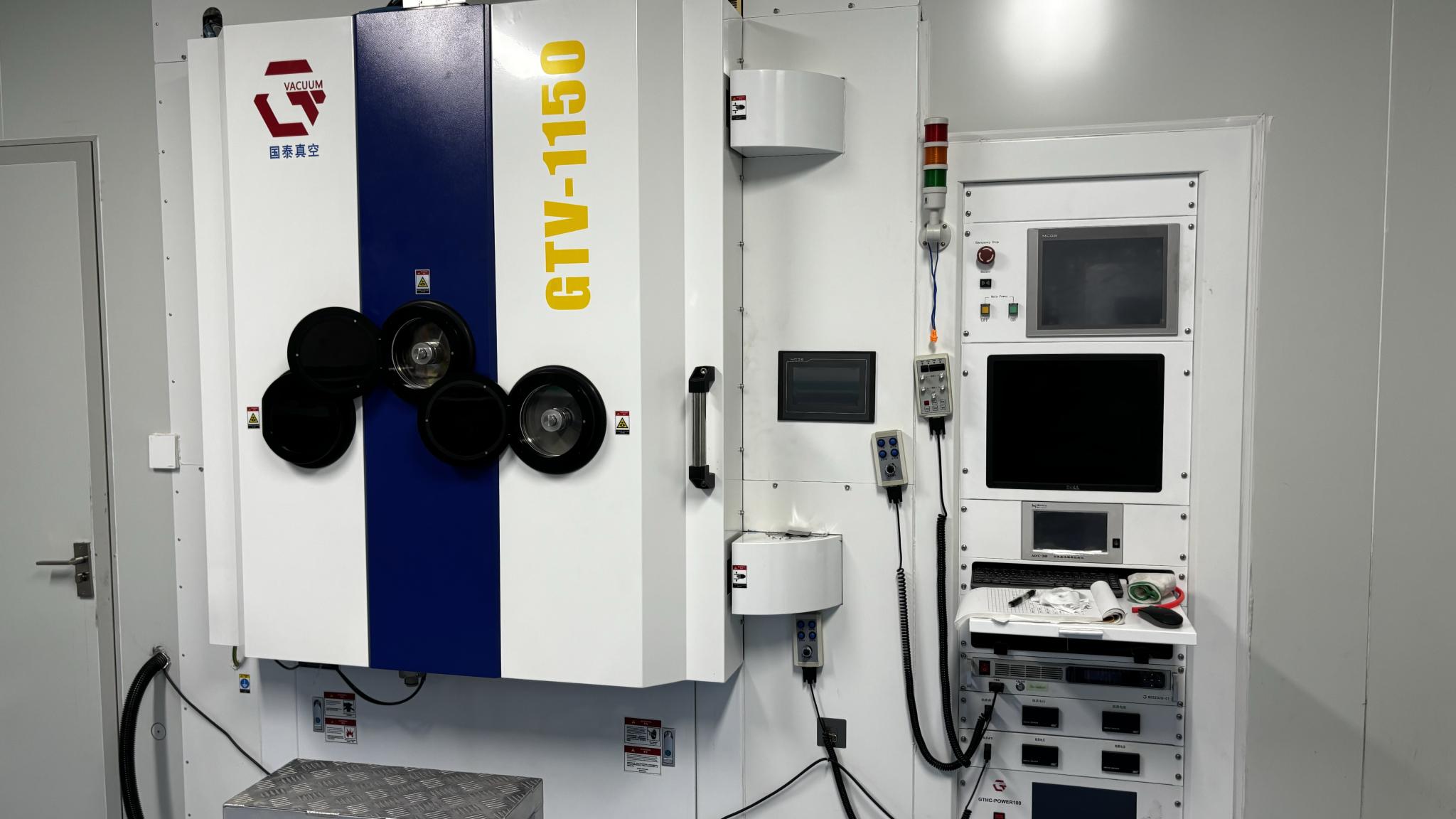
Our quality control system utilizes a specialized team of 45 QC technicians. Before leaving the factory, every optical transceiver and connector undergoes rigorous performance validation:

From edge computing nodes to enterprise clouds, our hardware supports key global industry verticals.
Integrating SFP28 25G BiDi and multimode LC modules to increase rack density while minimizing cabling complexity and cost.
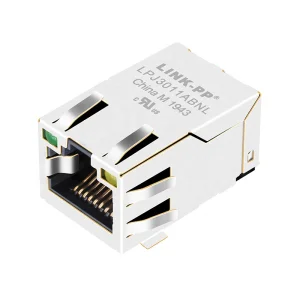
Supplying industrial-grade RJ45 transceivers designed for high-vibration, high-temperature manufacturing environments.
High-frequency SFP+ cage connectors and press-fit EMI assemblies engineered for telecom optical distribution units.
Engineering the physical layer for next-generation 400G and 800G transmission rates.
As transmission demands shift towards 800G and 1.6T protocols, the structural design of network interface systems faces engineering challenges. Higher transmission rates lead to higher signal degradation across copper paths. To address this, FiberNova is developing two key technological tracks:
Higher thermal loads require specialized cage assemblies. By integrating micro-engineered heat sinks directly onto multi-port SFP housings (such as 2x2 and 2x6 port configurations), thermal energy is dissipated directly away from the optical sub-assembly (OSA). This maintains stability and prevents performance drops during peak traffic.
Over the next decade, traditional pluggable transceivers will merge with the host processor substrate. FiberNova's R&D division is exploring silicon photonics integration to lower power consumption per gigabit of data transmitted. This helps network operators manage power use as data centers scale up.
Meeting international standards and providing tailored customization services for global network operators.
Exporting high-speed communication hardware requires strict adherence to international regulatory frameworks. FiberNova products conform to MSA standards, ensuring physical and electrical compatibility with third-party switch fabrics, including Cisco, Moxa, and other global brands.
We provide full customization services, including protocol optimization, wavelength tuning, custom housing layouts, and private labeling. Whether deploying equipment in North America, Europe, or the Asia-Pacific region, our compliance program ensures all components meet regional environmental and safety standards, such as RoHS, FCC, CE, and UL.
Technical guidance and procurement assistance for network interface components.
High-performance optical transceivers, RJ45 magnetic modules, and press-fit SFP housing components engineered for hyper-scale networks.
 FiberNova