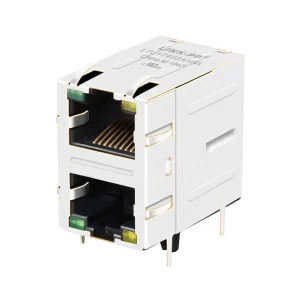
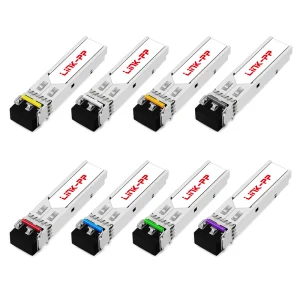
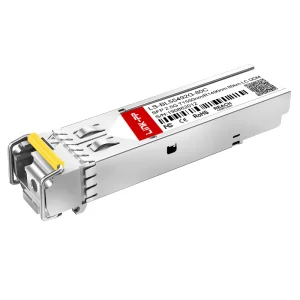
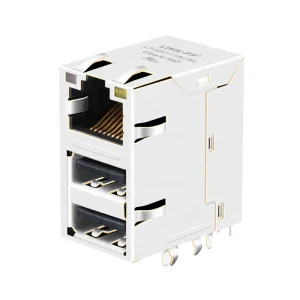
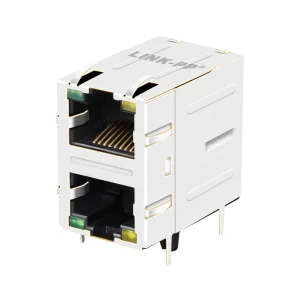
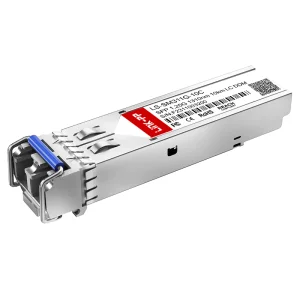
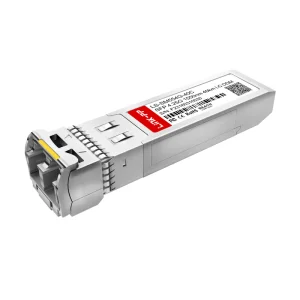
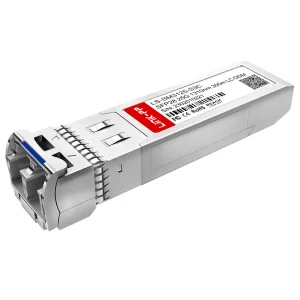
Discover our highly specialized selection of MSA-compliant transceiver modules, industrial RJ45 electromagnetic interference (EMI) shielded housings, and custom connector components.
Understanding the engineering boundaries that differentiate light-duty administrative cables from ruggedized industrial channels.
In high-voltage environments, manufacturing complexes, and outdoor telecommunication nodes, electromagnetic interference (EMI) and radio frequency interference (RFI) present persistent risks to signal integrity. Standard copper cabling suffers from cross-talk, packet loss, and high signal attenuation when run adjacent to heavy machinery or high-current power conduits.
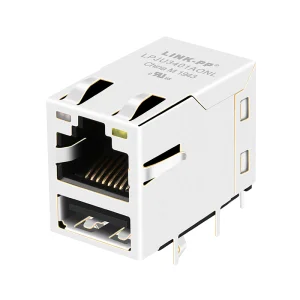
Rugged copper systems implement multi-stage shielding profiles including S/FTP (Shielded/Foiled Twisted Pair) configurations. Individually foil-wrapped twisted pairs combined with an outer tinned copper braid shield achieve greater than 90dB of electromagnetic isolation. This is coupled with precision-manufactured EMI-shielded RJ45 connector housings that ground high-frequency noise through specialized chassis termination tabs.
The external jacket of a standard Ethernet cable will easily crack, swell, or disintegrate when exposed to ultraviolet (UV) radiation, petroleum-based lubricants, extreme temperatures, or continuous mechanical flexing. Rugged Ethernet cables use advanced sheath compounds engineered to survive environmental extremes:
Liquid ingress is the primary cause of connection dropouts and long-term corrosion inside electrical cabinets and junction boxes. Solid-state rugged Ethernet assemblies integrate threaded IP67 and IP68 coupling rings that compress fluorocarbon O-rings to form an airtight, water-resistant seal.
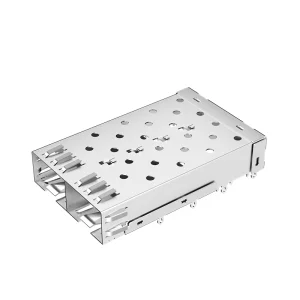
These industrial couplers protect internal copper contacts and delicate optical components, such as SFP cages and LC optical transceivers, ensuring stable operational parameters even under high-pressure water washdowns or complete, continuous liquid immersion.
How procurement executives, network architects, and system integrators evaluate physical layer technology to mitigate risk and guarantee system uptime.
Global engineering teams classify environmental severity utilizing the M.I.C.E. (Mechanical, Ingress, Climatic, Electromagnetic) guidelines set forth under TIA-568.3-D and ISO/IEC 11801. A rugged Ethernet installation must meet specific ratings across all four criteria:
Navigating global border controls and site-specific certifications requires absolute compliance with international directives. Top-tier rugged Ethernet cable manufacturers ensure that every export product aligns with current standards:
Leveraging the structural ecosystem of China's optical and copper manufacturing hubs to deliver high-reliability connectivity products worldwide.
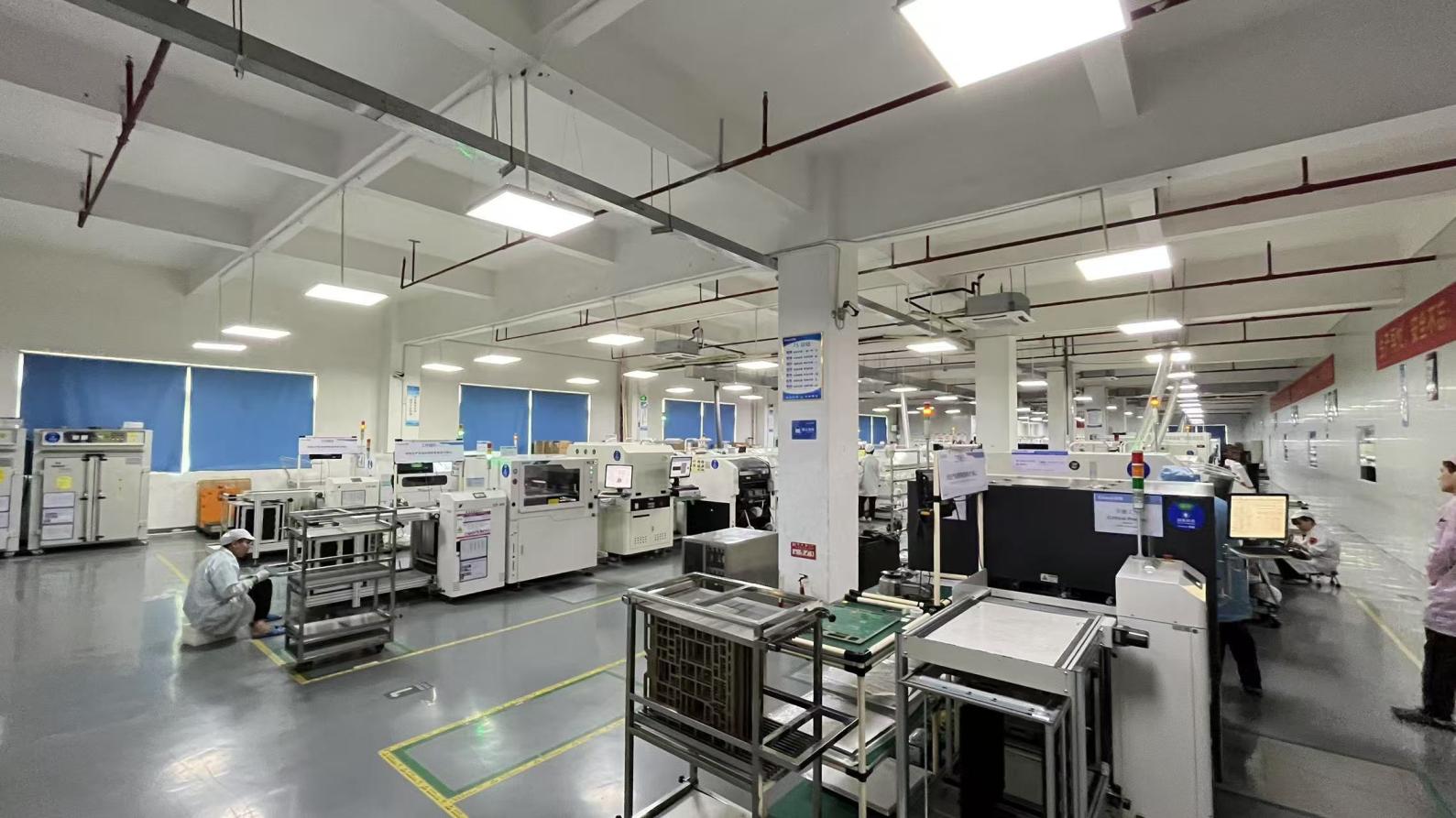
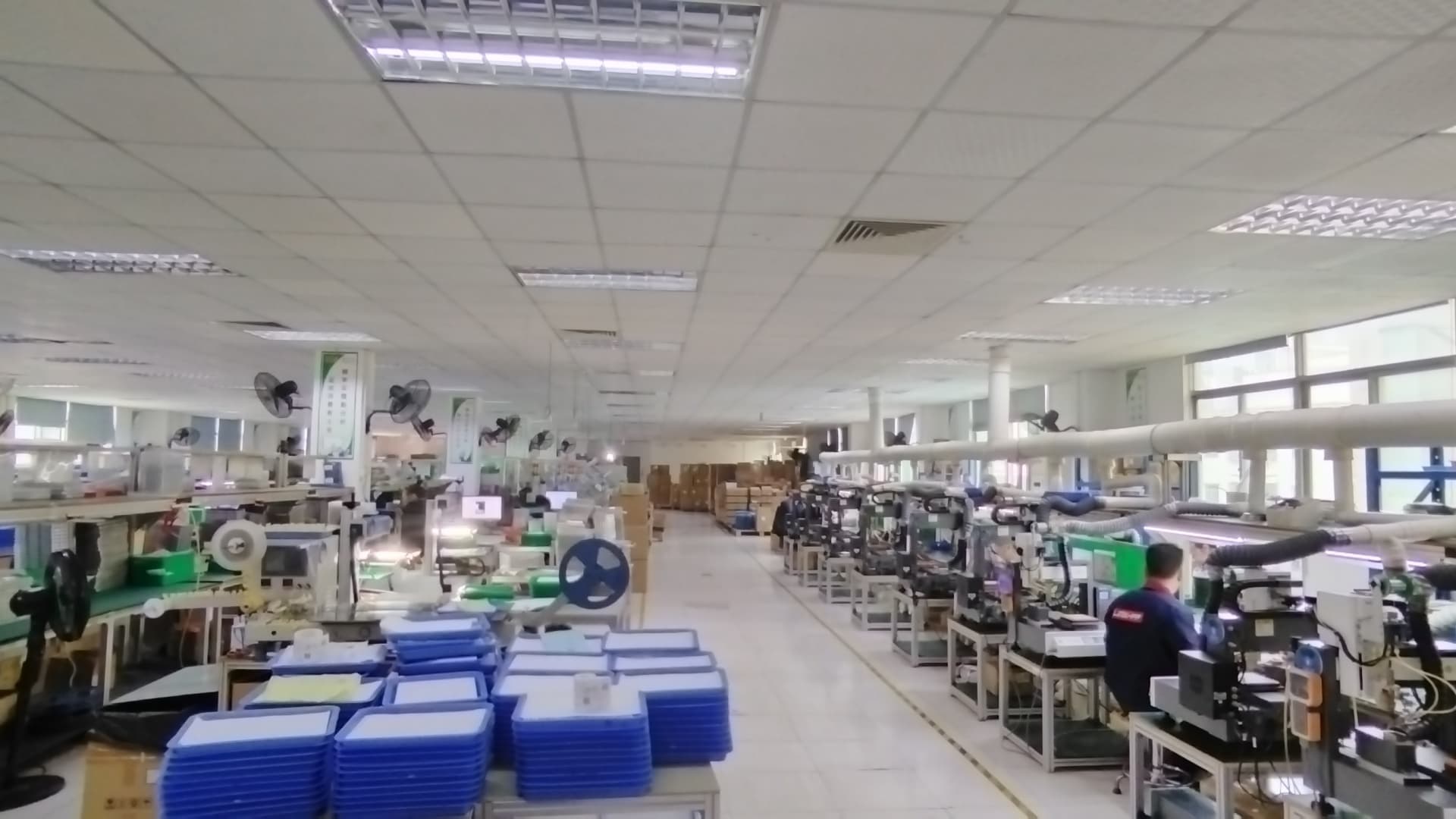
FiberNova Optical Communication Tech Co., Ltd. (FiberNovaTransceivers.com) is an industry-leading manufacturer and developer of advanced optical transceiver modules and rugged connectivity systems. Established in 2016, our modern production facility covers approximately 380㎡, optimized for micro-assembly, optical testing, and high-frequency testing environments.
With over 6 years of export experience and 12 years of industry expertise, our engineering and commercial teams possess deep insight into global network architectures. Our annual export revenue has scaled to USD 8–15 million, supplying high-performance interconnect solutions to demanding customers in North America, Europe, Southeast Asia, and the Middle East.
FiberNova keeps a strong team of 65 professional engineers dedicated to high-speed transmission technologies such as 10G, 25G, 100G, 400G, and 800G optical modules. We launched approximately 120 new products in the past year alone, demonstrating our rapid adaptation to emerging hardware trends.
Our quality assurance workflow runs under a rigorous, multi-tier inspection matrix. Supported by 45 specialized QC staff members, we guarantee that every shipped batch undergoes:
Located in the heart of China’s primary electronics and communication manufacturing cluster, FiberNova maintains active partnerships with over 1,200 supply chain partners. This dense network allows us to consistently source premium chips, high-speed lasers, and top-grade polymer raw materials, ensuring stable pricing and reliable delivery lead times even in fluctuating markets.
Exploring localized environments that rely on ruggedized Ethernet cables and high-performance transceiver architectures to secure operational continuity.
Modern smart factories rely on high-speed machine vision systems, real-time PLC loops, and multi-axis robotic arms. Constant high-frequency movement combined with EMI from high-voltage electric motors will quickly degrade ordinary cables. Ruggedized S/FTP Ethernet cords with polyurethane jackets ensure continuous, low-latency control commands without EMI-induced packet loss.
Telecom operators and remote utility networks deploy cells, microwave towers, and optical nodes in deserts, high-altitude regions, and arctic zones. Extreme cold causes standard PVC insulation to crack, while heat leads to severe signal degradation. FiberNova’s temperature-hardened optical transceivers and double-shielded outdoor copper cables resist UV radiation and thermal extremes from -40°C up to +85°C.
Offshore oil platforms, cargo container fleets, and subsea monitoring facilities operate in highly corrosive salt-spray environments. Saltwater quickly corrodes metal connectors and damages non-sealed jackets. Our IP68-certified RJ45 waterproof housings and corrosion-resistant optical module transceivers prevent moisture ingress, preserving critical connection links.
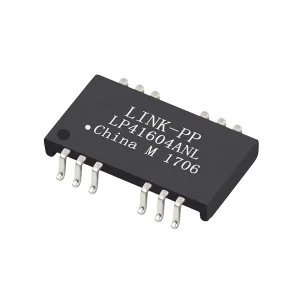
High-durability board-mount connectors, magnetic integrated components, and long-range single-mode optical interfaces engineered for high system reliability.
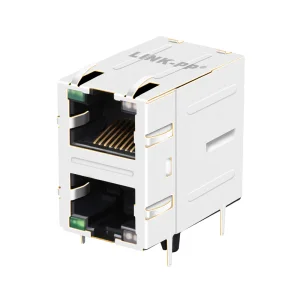
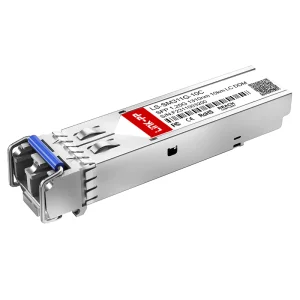
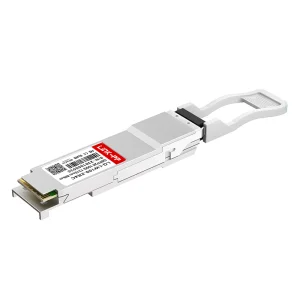
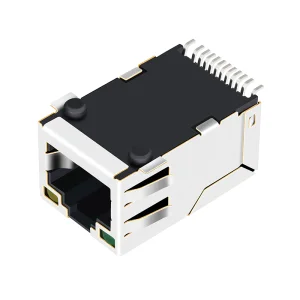
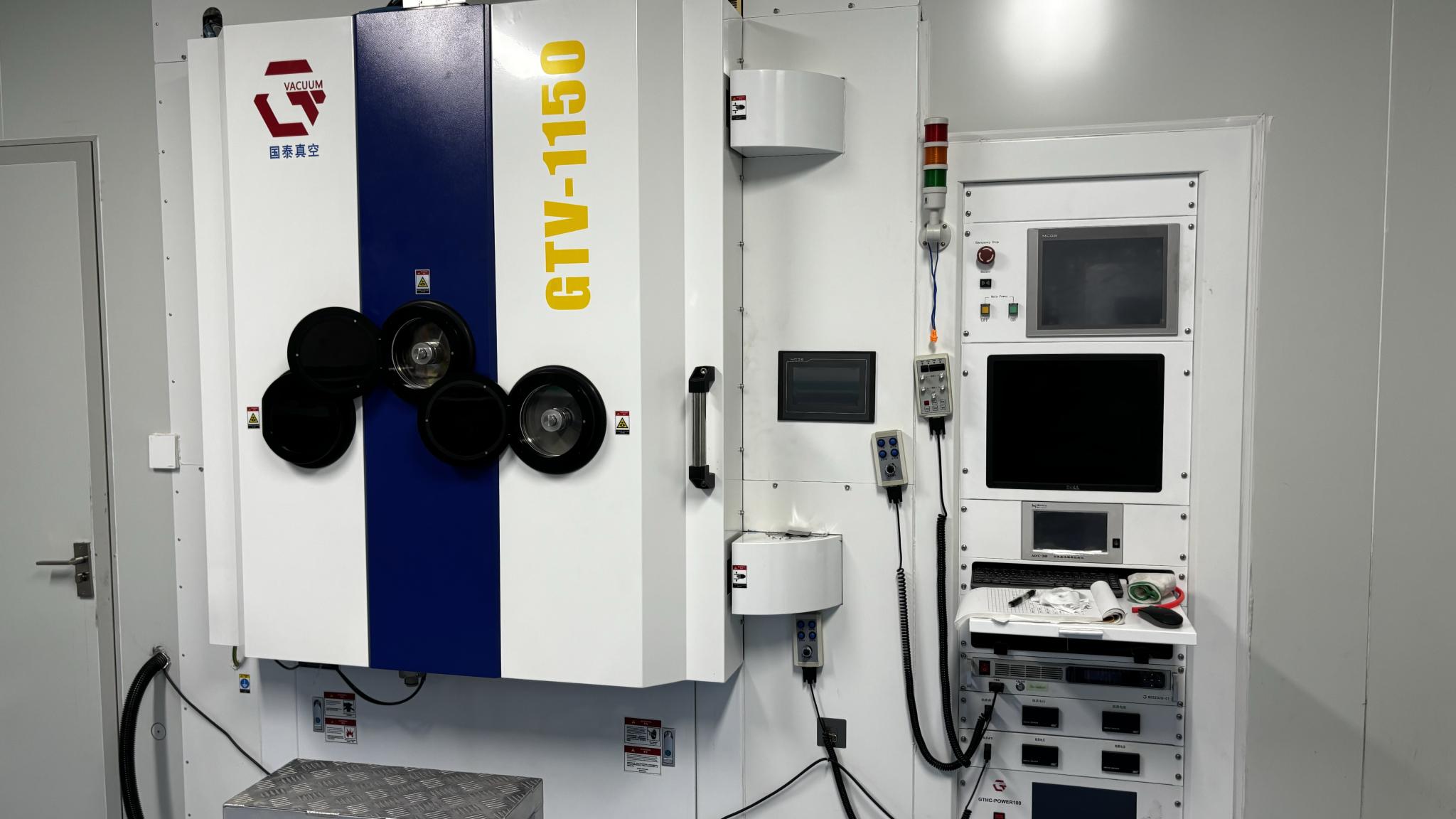
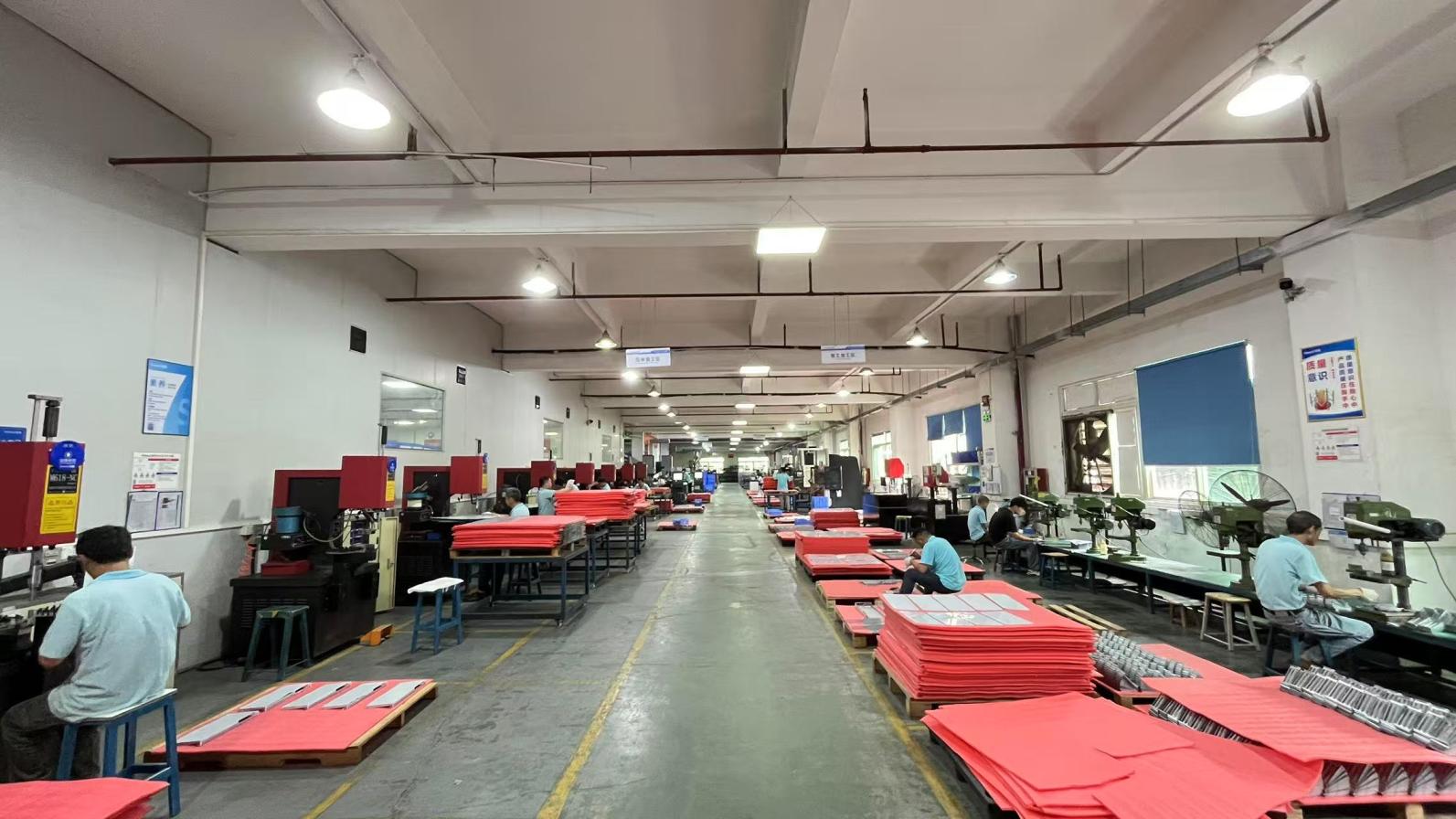
A visual look into our high-precision assembly lines, automated optical testing labs, and high-frequency testing equipment.
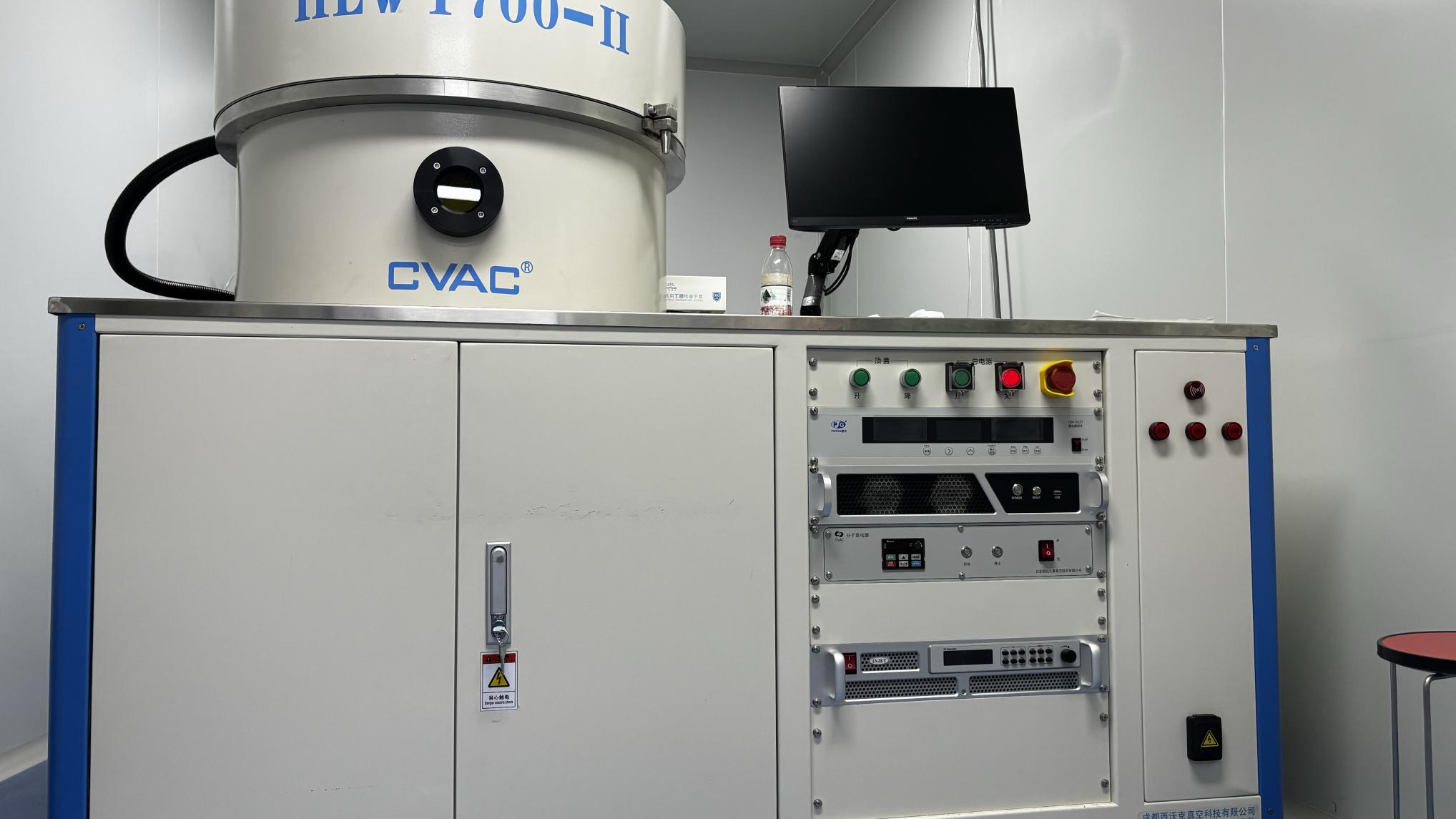
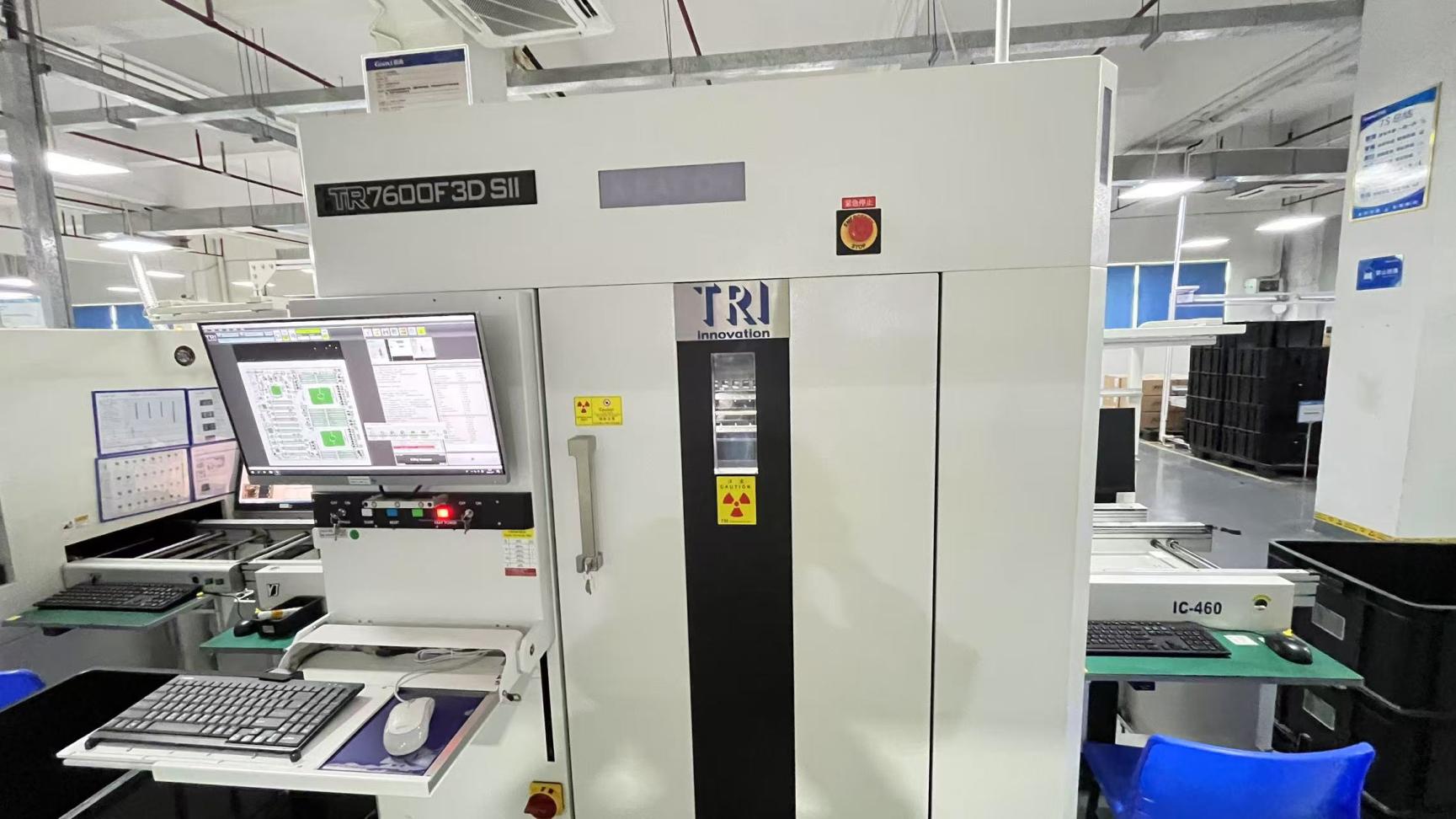
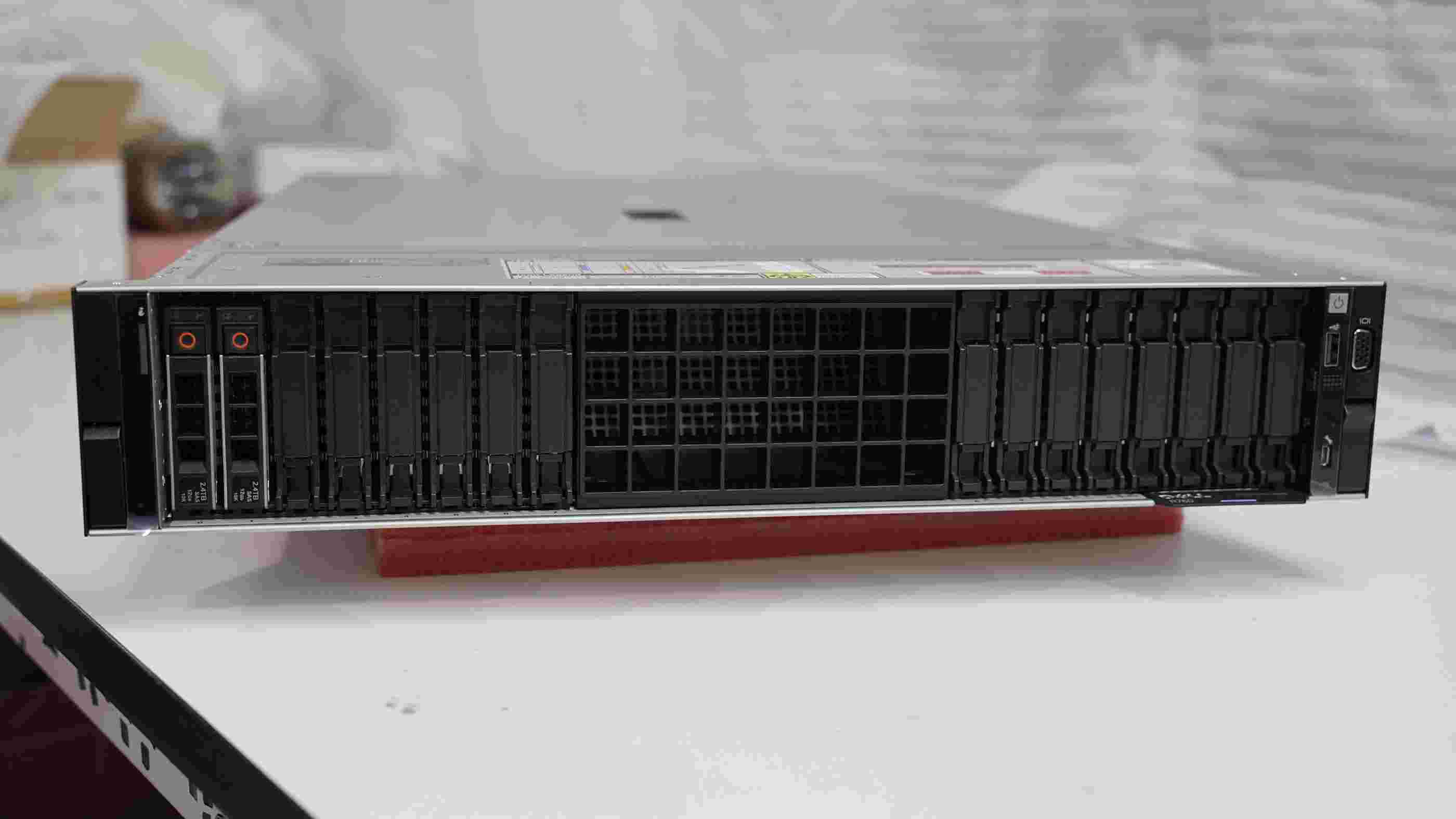
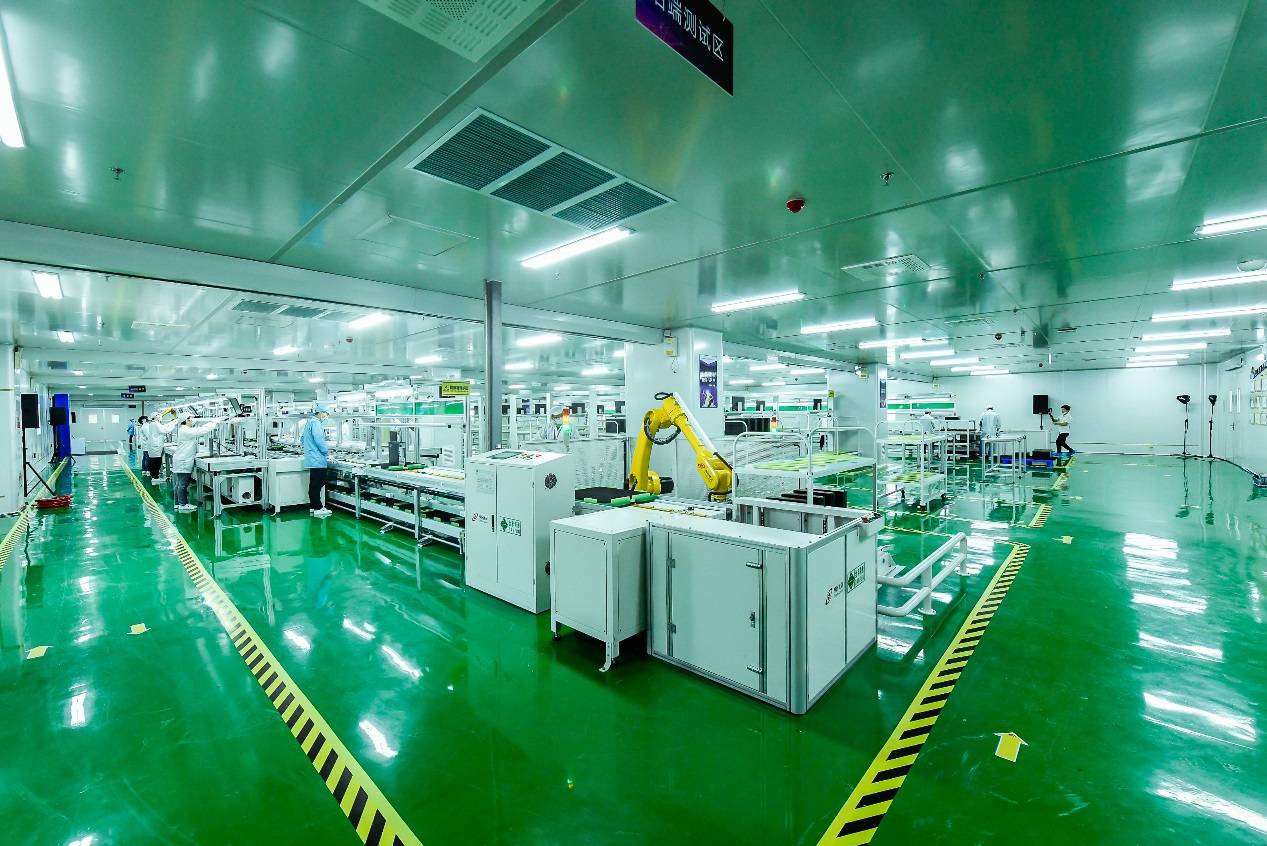
How our technical and regional networks support global projects with quick response times and specialized configuration engineering.
Industrial communications are transitioning from traditional low-speed serial fieldbuses to Unified Ethernet backbones running Time-Sensitive Networking (TSN) protocols. Automated environments now generate gigabytes of telemetry data that must be processed instantaneously. This shift requires industrial Cat6A and Cat7 copper cables to support up to 10Gbps bandwidth, alongside high-speed optical fiber uplinks at 25G, 100G, and 400G configurations.
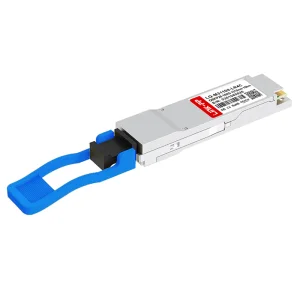
FiberNova keeps pace with this transition by manufacturing high-speed transceivers (such as our 25G LWDM and 100G QSFP28 modules) alongside heavy-duty, shielded copper RJ45 patch cables to provide a unified physical layer solution from edge sensors to enterprise cloud storage platforms.
Deploying major networks internationally requires fast logistical coordination, specialized custom engineering, and compliance with local electrical safety regulations. FiberNova addresses these challenges by offering:
Answers to critical questions regarding cable configurations, shielding choices, and optical system compatibility.
 FiberNova