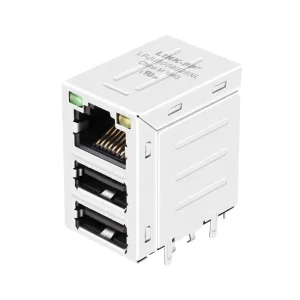
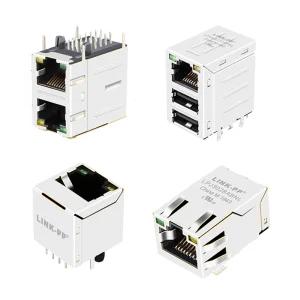
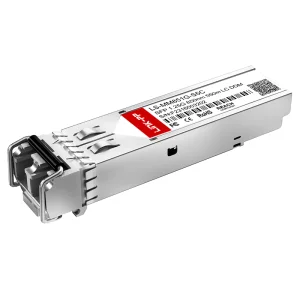
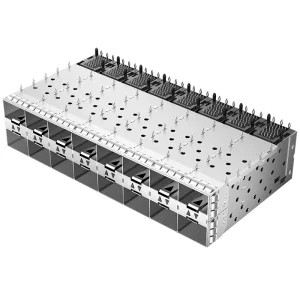
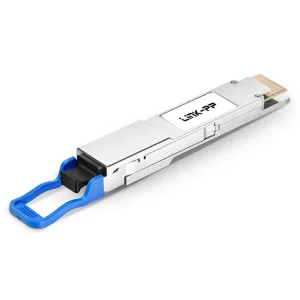
Engineered for low signal loss, extreme durability, and full industrial compliance.
In high-speed telecommunications and data center operations, the physical layer interface serves as the foundation of network integrity. As a premier manufacturer established in 2016, FiberNova Optical Communication Tech Co., Ltd. (FiberNovaTransceivers.com) blends over 12 years of industry expertise with a state-of-the-art production footprint of 380㎡ to deliver world-class connectivity solutions.
Our operational framework focuses on high-speed copper interconnect systems, SFP cages, and advanced optical modules designed for the global marketplace. With an annual export capacity generating between USD 8 million and 15 million, our focus on standardizing CE-certified RJ45 sockets ensures signal integrity, mechanical reliability, and electromagnetic compatibility across major digital systems.
Enterprise Reliability Metrics:
The Ethernet socket is no longer just a plastic housing containing raw copper terminals. Today, RJ45 ports must mitigate severe high-frequency interference, handle elevated power distribution protocols, and remain compatible with ever-shrinking PCB architectures. Let us evaluate the primary developmental trajectories driving physical layer designs:
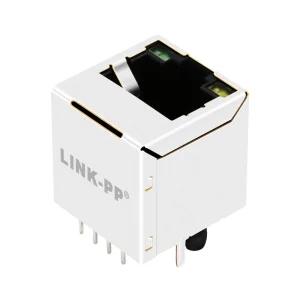
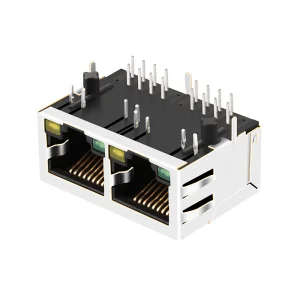
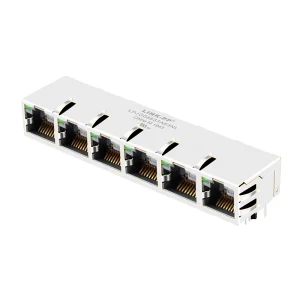
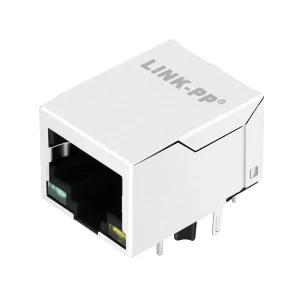
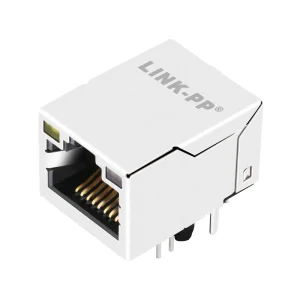
By moving the magnetics (isolation transformers, common-mode chokes, and Bob Smith terminations) inside the physical RJ45 metal shield, engineers achieve outstanding EMI attenuation, reduce board space requirements, and lower overall parasitics on high-speed traces.
Sourcing components capable of managing PoE++ (IEEE 802.3bt) means handling up to 90W–100W of electrical power. This requires high-purity gold plating (up to 50 micro-inches) and specialized terminal alloys to counter contact arcing during hot-plugging sequences.
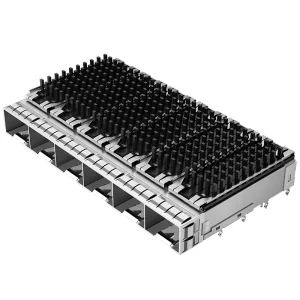
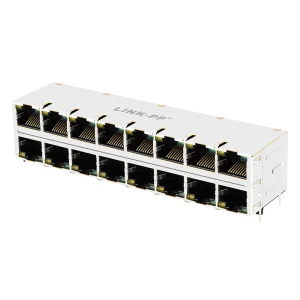
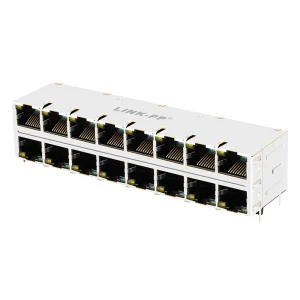
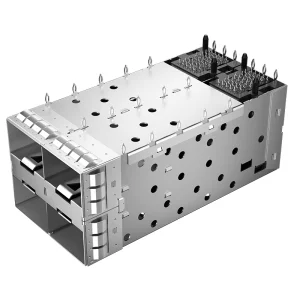
Modern routers and enterprise switches require high-density hybrid configurations. Designing modular RJ45 ports that align with adjacent SFP+ cages and thermal heat sinks ensures low latency and thermal dissipation in multi-gigabit setups.
Global logistics, supply chain stability, and component compliance are critical parameters when sourcing RJ45 sockets and transceiver ports. Sourcing teams look for three core criteria to verify factory competence:
Our deep network of over 1,200 supply chain partners allows us to source raw materials, silicon components, and optical components without delays. Our export infrastructure serves networks in the United States, Germany, Japan, South Korea, and the United Arab Emirates. With multi-lingual technical support and direct engineering contact channels, OEM/ODM projects move quickly from concept to shipment.
FiberNova products are engineered to function across diverse infrastructure scenarios, matching physical reliability with reliable performance.
In virtualization environments, low latency is critical. Our multi-port RJ45 connectors and SFP cages enable high-density configurations, providing reliable transmission lines that reduce packet loss and keep server clusters synchronized.
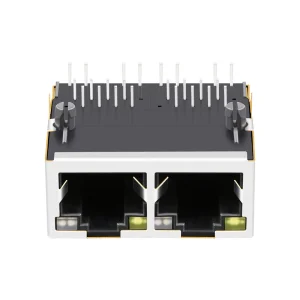
Factory environments expose electronics to vibration, dust, and electrical noise. Our CE-certified RJ45 connectors feature robust shielding cages, PCB ground tabs, and high mechanical retention to withstand rugged industrial environments.
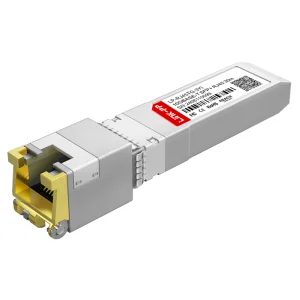
Optical-to-copper conversion points require thermal stability. Our SFP+ copper modules and vertical ports support continuous, high-speed data transmission over a wide operating temperature range (-40°C to +85°C).
Explore our high-performance transceivers, shielding cages, and modular sockets built to IEEE specifications.
Deploying networking equipment in international markets requires compliance with local regulatory frameworks. For EU markets, CE certification is mandatory to verify safe low-voltage operation and electromagnetic compatibility.
Our RJ45 sockets undergo creepage and clearance distance calculations to ensure absolute dielectric isolation, protecting operators from hazardous voltages even under surge conditions.
To reduce unwanted RF emissions and resist external electromagnetic fields, our shielding structures incorporate copper-alloy housings, multi-point ground pins, and option-specific inner magnetics.
Every batch of CE-certified RJ45 sockets, SFP modules, and high-speed cages undergoes rigorous mechanical and electrical validation:
As networks transition from gigabit baselines toward 10G, 25G, and 400G/800G, connectivity designs must adapt to higher speeds and tighter spaces.
We are expanding research into SPE technologies (IEEE 802.3cg/ch). SPE enables transmission speeds up to 1Gbps over a single twisted pair, reducing cabling weight and volume for modern industrial IoT setups.
We are developing next-generation hybrid SFP cages and integrated Magjacks to optimize heat dissipation, matching the power needs of high-speed copper and optical links.
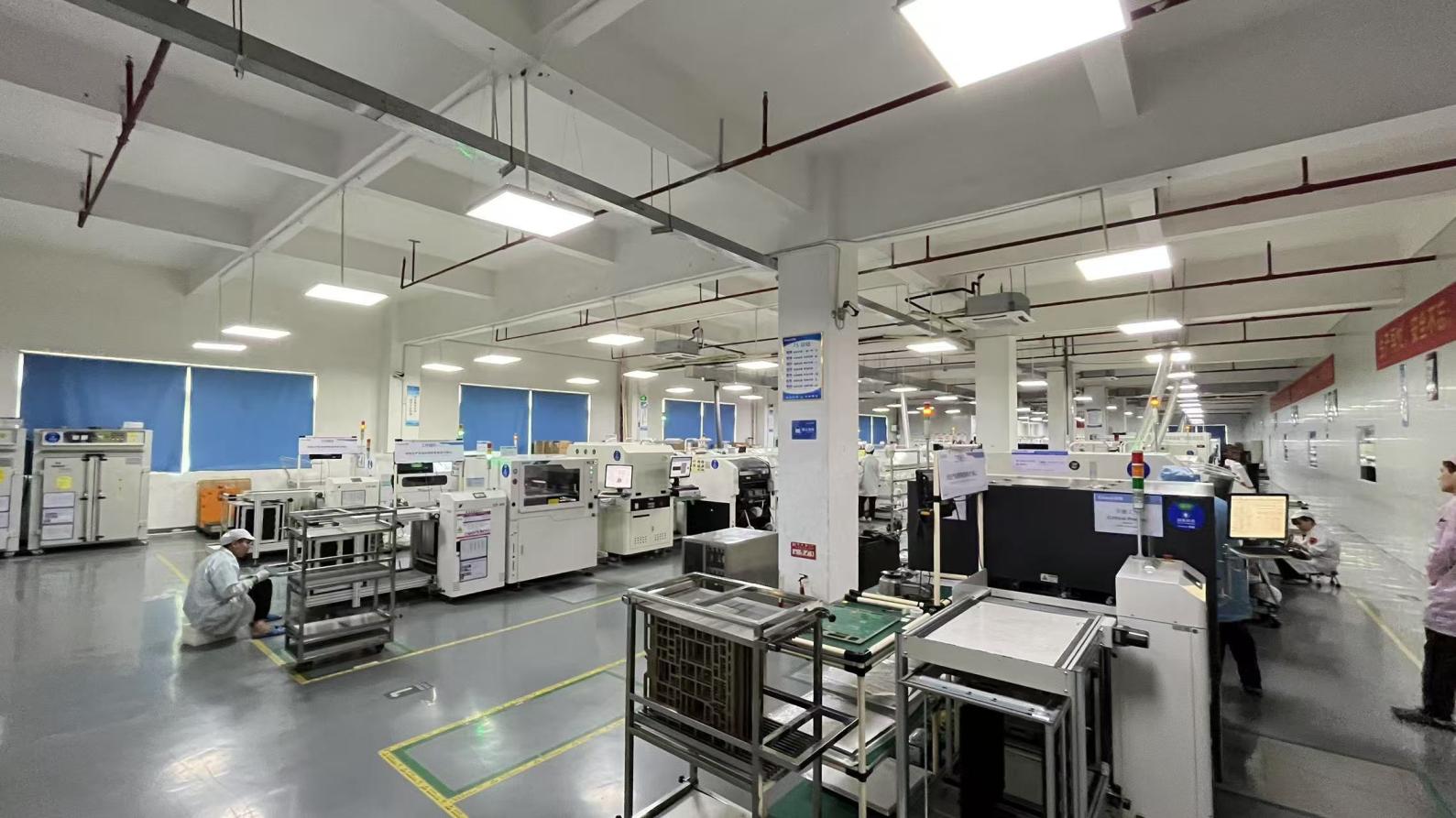
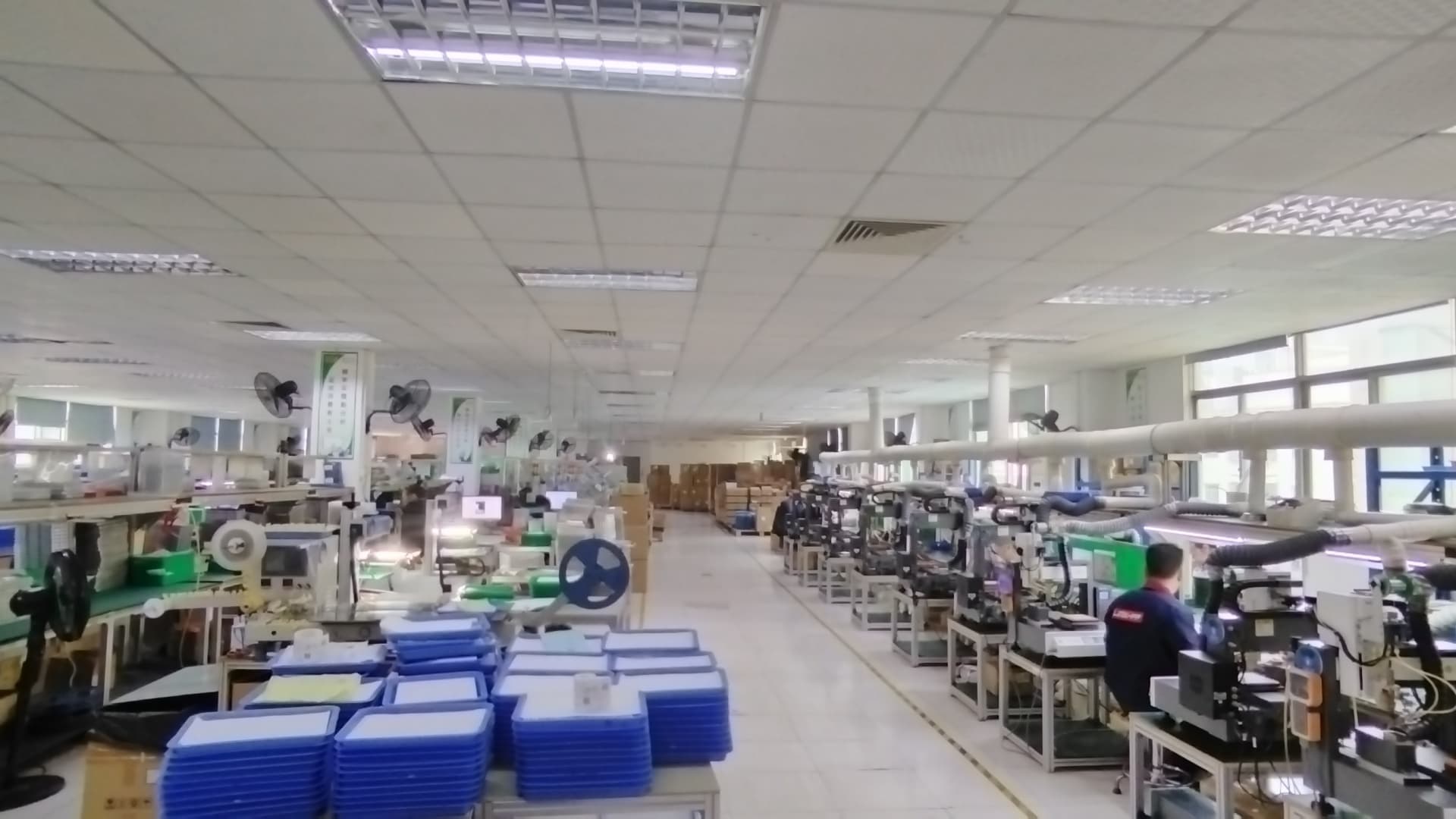
We continue to upgrade our production lines with automated terminal inserting machinery and automated optical inspection (AOI) to support scaling production volumes.
Expert answers to common engineering, procurement, and deployment questions.
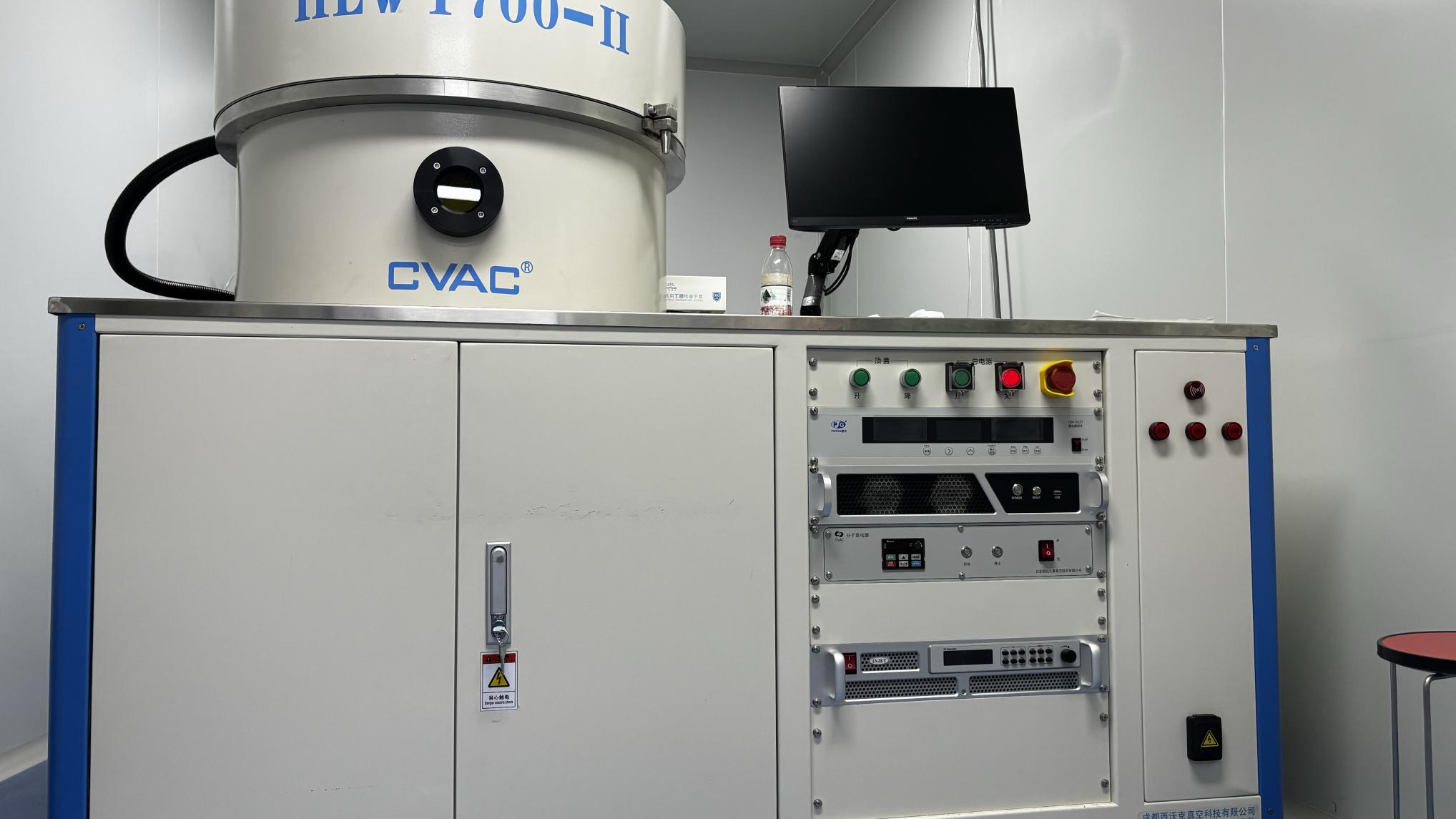
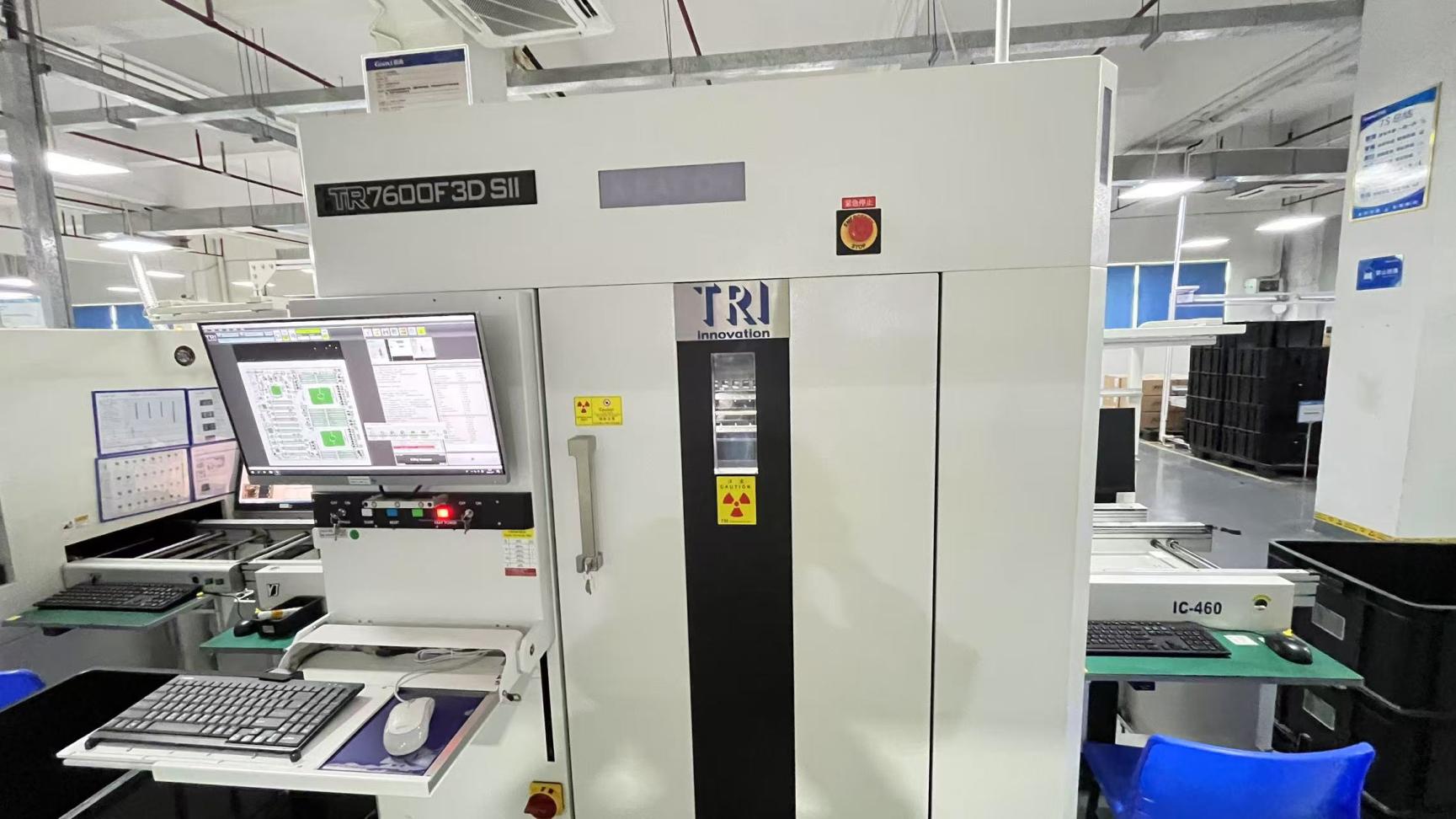
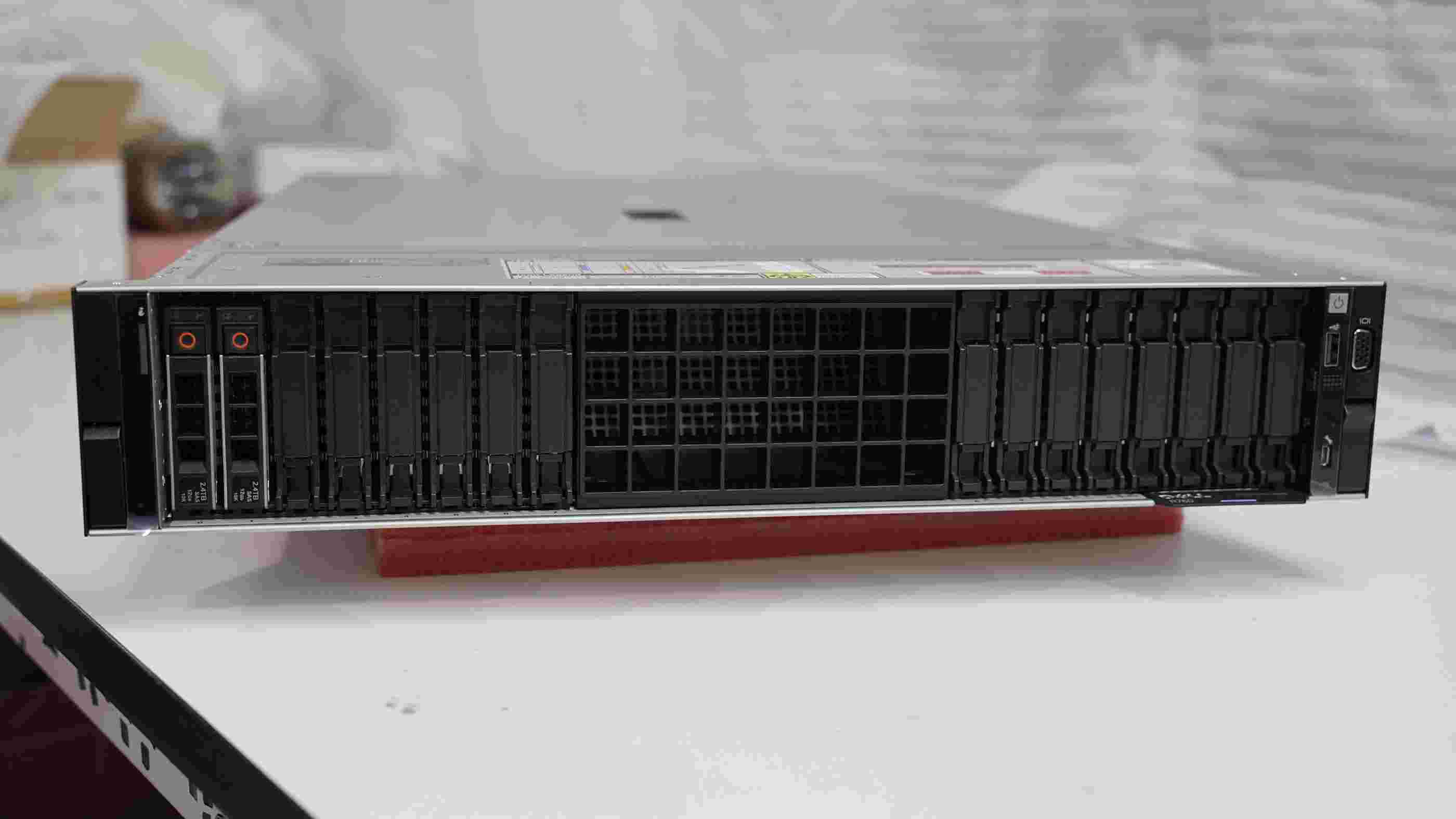
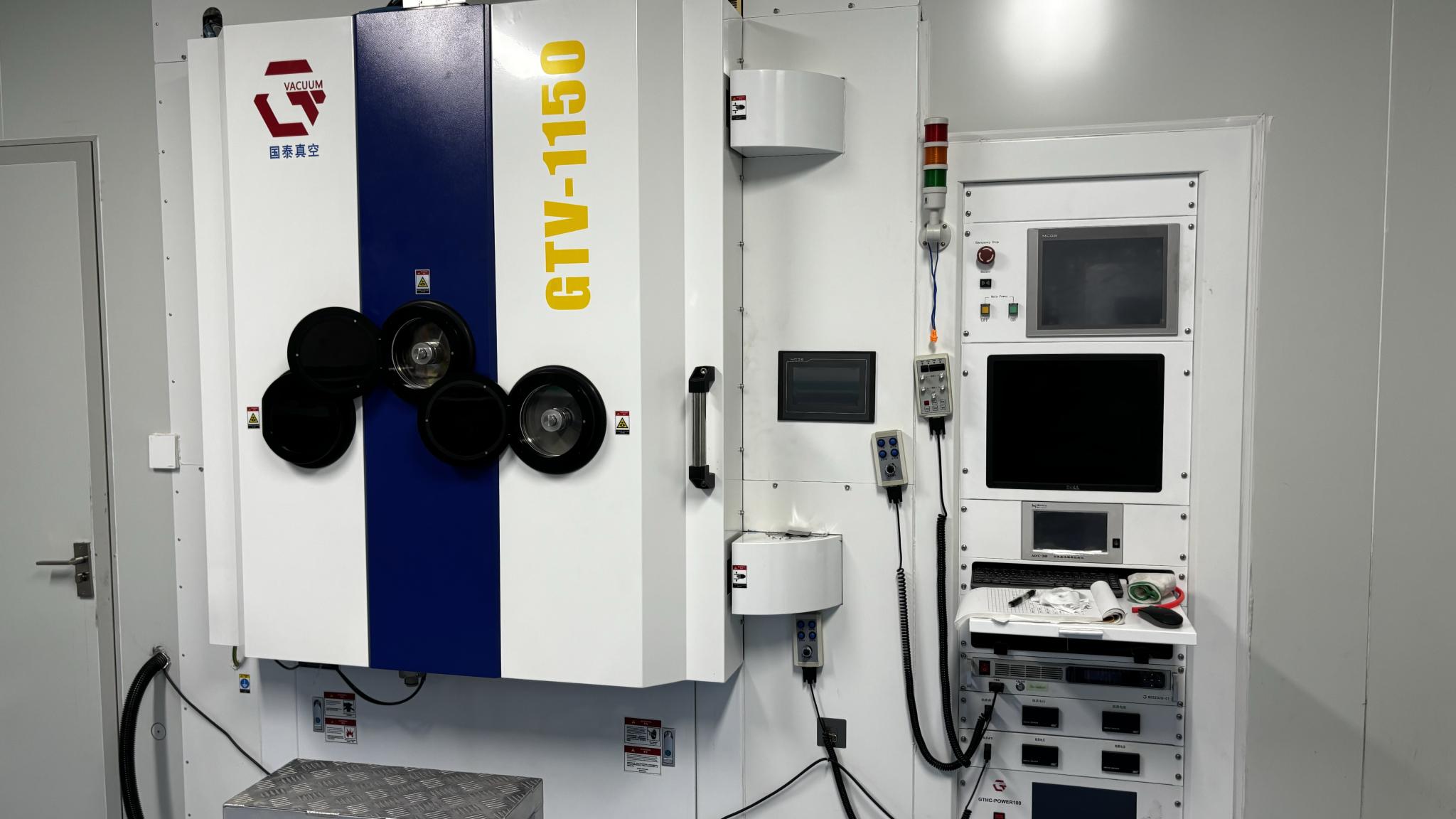
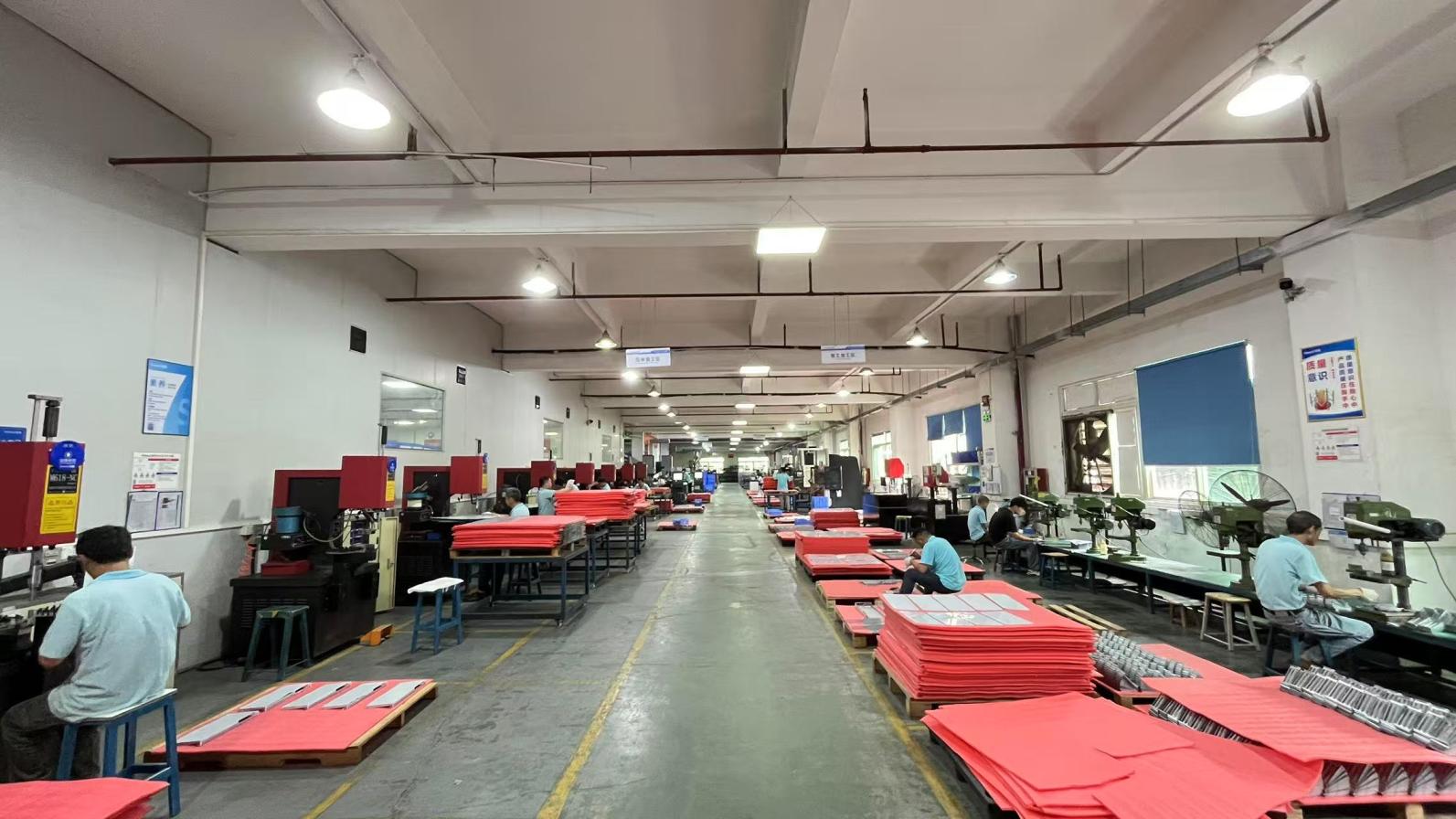
A look inside our testing facilities, assembly lines, and warehouse operations.

 FiberNova