Explore our core high-speed components, magnetic connectors, and transceivers engineered for prototyping and mass-scale systems.
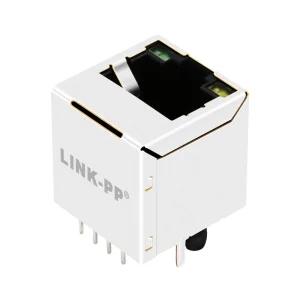
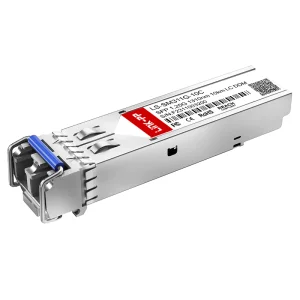
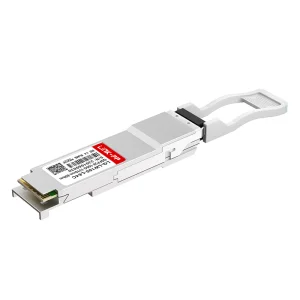
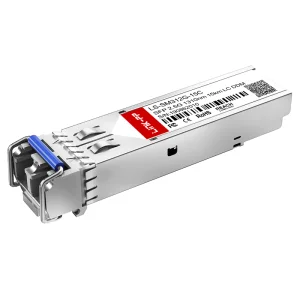
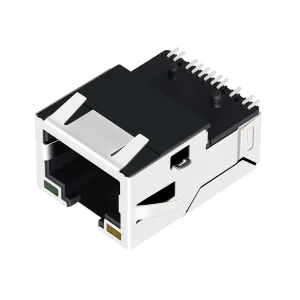
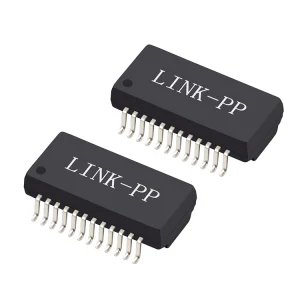
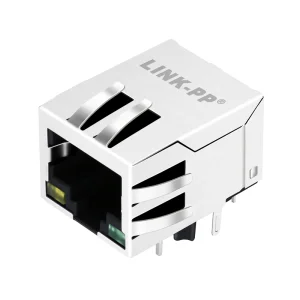
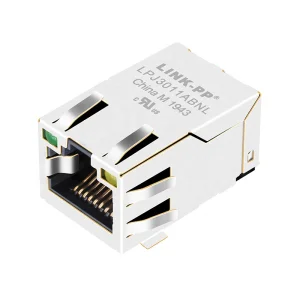
A trusted partner in the high-speed network infrastructure ecosystem.
In modern high-speed telecommunications and computational environments, the foundational layer of physical signal transmission is paramount. FiberNova Optical Communication Tech Co., Ltd. (FiberNovaTransceivers.com), established in 2016, operates at the direct intersection of high-frequency hardware design and optical networking architecture. Our state-of-the-art facility, spanning approximately 380㎡, is engineered specifically for micro-assembly, precise automated soldering, and physical layer signal characterization. Over the past 12 years of industry expertise, supplemented by 6+ years of international export operations, we have transitioned from a localized component developer to a specialized designer and supplier of high-speed optical systems, network interfaces, and CE-certified Ethernet prototyping boards.
Our commitment to technical excellence is reflected in our economic scale and research footprint. Generating an annual export volume of USD 8 to 15 million, FiberNova serves critical operators across North America, Europe, East Asia, and the Middle East. With an agile R&D team consisting of 65 design engineers and a dedicated quality assurance division of 45 professional QC specialists, we systematically eliminate the standard failure modes associated with physical routing, impedance mismatching, and EMI (electromagnetic interference) leakage.
Designing for maximum signal integrity across high-frequency interfaces.
Whether routing 10/100/1000 Base-T copper lines or layout tracing for high-speed differential SFP+ / SFP28 links, impedance matching is critical. Any variation from the standard 100-ohm differential impedance for Ethernet lines causes signal reflections, increasing the Bit Error Rate (BER). FiberNova's engineering team designs layers to isolate high-frequency differential traces from switching regulators, maintaining minimal insertion loss.
Our integrated RJ45 modular jacks and telecom transformers (such as the HST-24095SCR) incorporate precise magnetic windings. The internal toroids suppress common-mode currents while providing 1.5kV electrical isolation required by IEEE 802.3 standards. This shielding prevents transient overvoltages from destroying downstream PHY silicon, ensuring long-term field survivability.
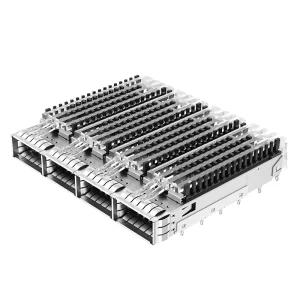
For optical transceivers running up to 25G and 100G (e.g., 100G QSFP28 ER4 and 25G SFP28), shielding cage integrity is paramount. Through-hole SFP cages with press-fit pins and integrated light pipes ensure grounded metal-to-chassis contact, establishing a Faraday cage that contains EMI emissions. Specialized heat sinks integrated directly onto SFP cages draw heat away from active optical components (TOSA/ROSA), ensuring stable continuous operation.
How Ethernet prototyping systems bridge local processing and high-bandwidth optical networks.
Ethernet prototyping boards serve as the structural framework for proof-of-concept testing, hardware validation, and pilot production runs across several high-growth industrial sectors:
| Application Sector | Primary Interface Requirement | Key Hardware Component | Critical Test Metric |
|---|---|---|---|
| Industrial Automation | 10/100/1000 Base-T (Copper) | SMT RJ45 with Magnetics (J3011G21DNL) | 1.5kV AC Isolation & Common Mode Rejection |
| Enterprise Switching | 1G / 2.5G SFP Interconnects | Press-Fit SFP Cage + 1.25G/2.5G Transceivers | Multi-Source Agreement (MSA) Compatibility |
| Core Telecom & Cloud Datacenter | 25G SFP28 / 100G QSFP28 (Fiber) | High-Speed DDM Transceivers & Optical Cages | Jitter, Eye Mask Margin & Thermal Dissipation |
Ensuring raw material security, manufacturing speed, and product reliability.
Developing high-complexity hardware requires a reliable supply chain. FiberNova maintains a supply chain network of over 1,200 verified partners. This network guarantees continuous access to critical raw components, including high-speed optical chips, semiconductor lasers, gold-plated contacts, and precision PCB laminates, shielding our clients from standard market supply chain fluctuations.
Inside our production facility, operations follow strict quality control protocols managed by 45 QA technicians. Every Ethernet prototyping board and optical module undergoes a strict testing regimen before leaving the facility:
Using digital communication analyzers and high-precision optical power meters, we evaluate output power levels, extinction ratios, and side-mode suppression ratios (SMSR) to guarantee conformance to international optical communication standards.
To prevent premature component failure under real-world conditions, devices undergo thermal stress screening, alternating between industrial limits (-40°C to +85°C) to identify and eliminate solder joint fatigue or component degradation.
Time-Domain Reflectometry (TDR) and vector network analyzers measure return loss, cross-talk, and rise times, ensuring every prototyping board interface maintains clean data transmission paths.
Ensuring compliance for deployment in European and global enterprise networks.
Deploying networking equipment in the European Economic Area (EEA) and global markets requires adherence to international safety and emission standards. Our CE Certified Ethernet Prototyping Boards undergo systematic testing to comply with EN 55032 (Electromagnetic Compatibility for Multimedia Equipment) and EN 55035 (Immunity Requirements). This CE certification guarantees that the board's high-frequency components do not radiate excessive EMI, preventing interference with surrounding equipment and protecting the system from external electrostatic discharges (ESD).
Beyond CE certification, FiberNova products are manufactured in compliance with RoHS (Restriction of Hazardous Substances) and WEEE directives. For optical systems, compliance with the Multi-Source Agreement (MSA) standards ensures that our transceivers function properly within devices from vendors such as Cisco, Juniper, Arista, and Huawei, allowing plug-and-play integration.
Streamlined customization and delivery framework for volume procurement.
Enterprise procurement teams face challenges such as component obsolescence, long lead times, and compatibility issues. FiberNova addresses these challenges through a dedicated OEM/ODM team, managing projects from initial prototyping to volume production. Last year alone, we launched 120 new products to meet evolving networking standards.
We support customization across multiple parameters:
We configure modules to match specific fiber media types, offering wavelength configurations across single-mode and multi-mode options (850nm, 1310nm, 1550nm, CWDM, and DWDM grids) to meet range requirements from 220m to 60km.
Our engineers write specialized vendor codes onto the transceivers' EEPROM. This guarantees compatibility with switches from brands like Cisco, HP, and Juniper, preventing software blockages during deployment.
We offer customizable board configurations, supporting vertical vs. horizontal connectors, SMT vs. press-fit mounting, custom PCB sizing, and specialized labeling to fit your space and thermal constraints.
Answering core technical and logistical questions for engineering and procurement managers.
Our prototyping boards are certified according to European standards for electromagnetic compatibility (EMC) and electrical safety. This includes testing for conducted and radiated emissions to confirm the high-speed traces do not disrupt other components, along with surge protection testing on all integrated magnetic RJ45 connectors.
Our optical transceivers are built following standard Multi-Source Agreements (MSA) for physical size and electrical interface layouts. In addition, our testing lab programs switch-specific configuration data into each module's EEPROM, verifying compatibility with platforms from Cisco, Juniper, HP, and other manufacturers.
We support customization for mechanical layout, layer counts, power distribution, and connector placement. Customers can choose between SMT or through-hole RJ45 jacks, single or multi-port SFP cages, and custom-programmed transceivers designed to match their development and production requirements.
Through partnerships with over 1,200 suppliers, we maintain safety stock levels for key integrated circuits and laser components. This dual-source sourcing strategy allows us to deliver consistent production runs and minimize delay risks for our clients.
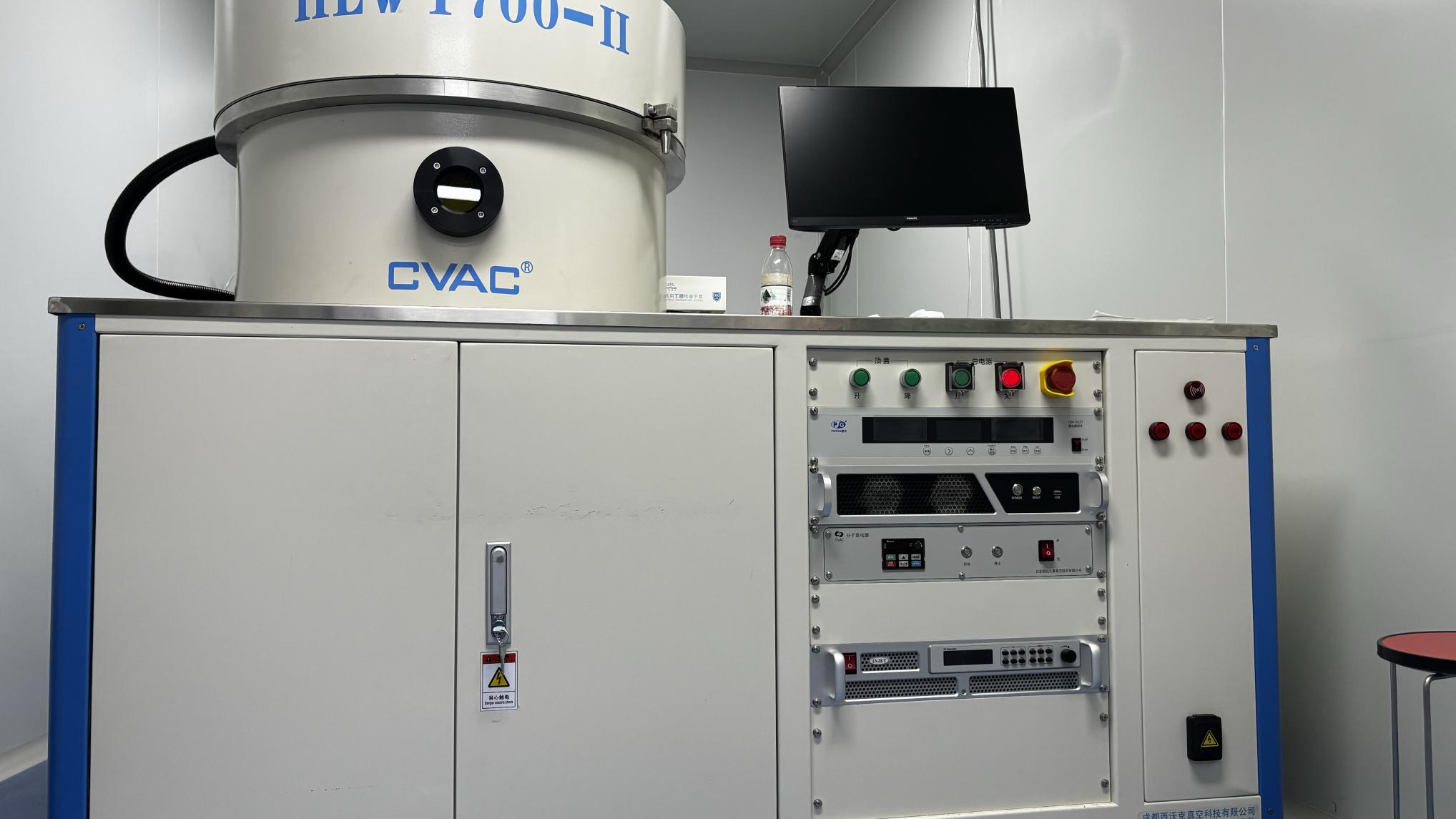
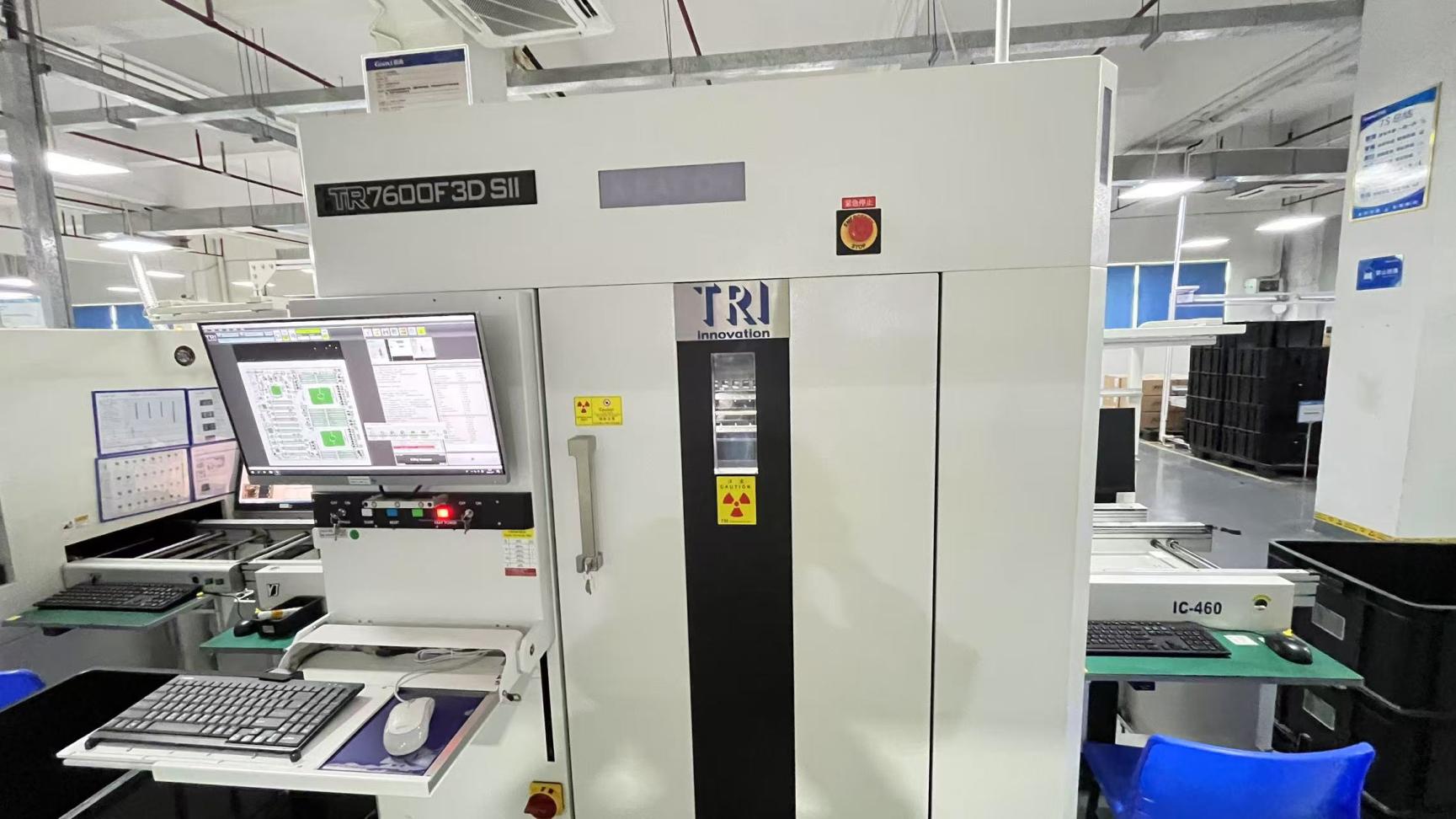
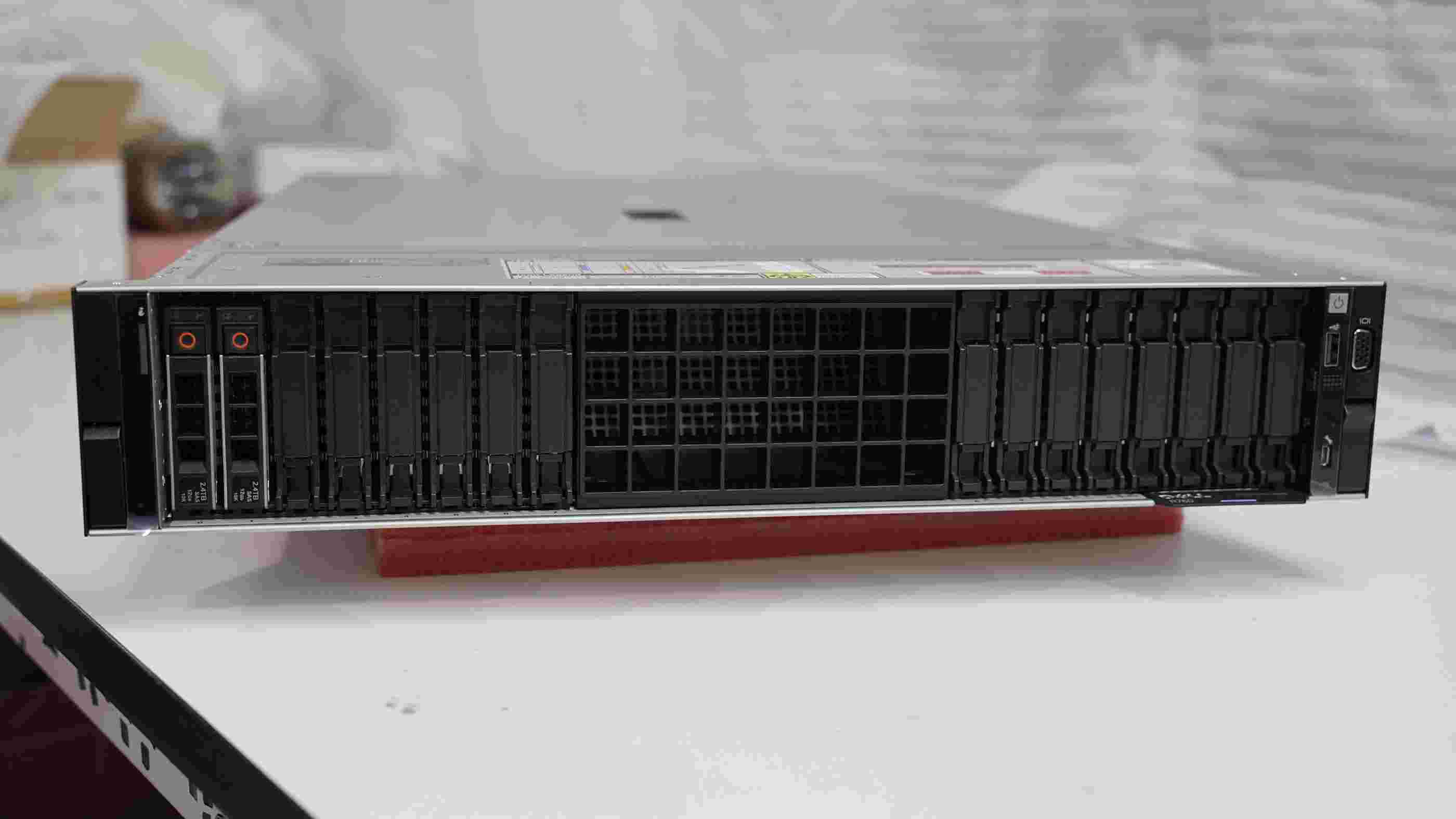
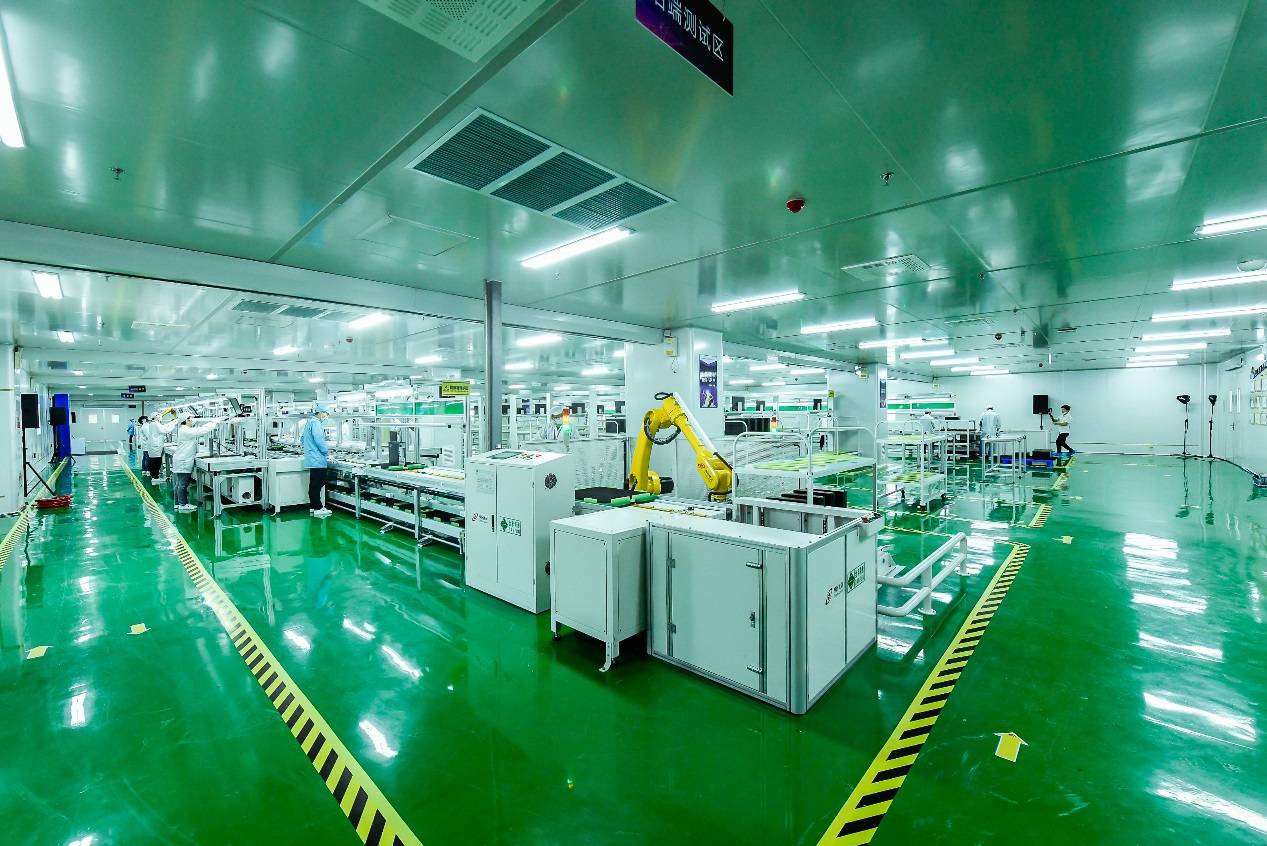
Visual verification of our physical assembly lines, testing chambers, and cleanrooms.
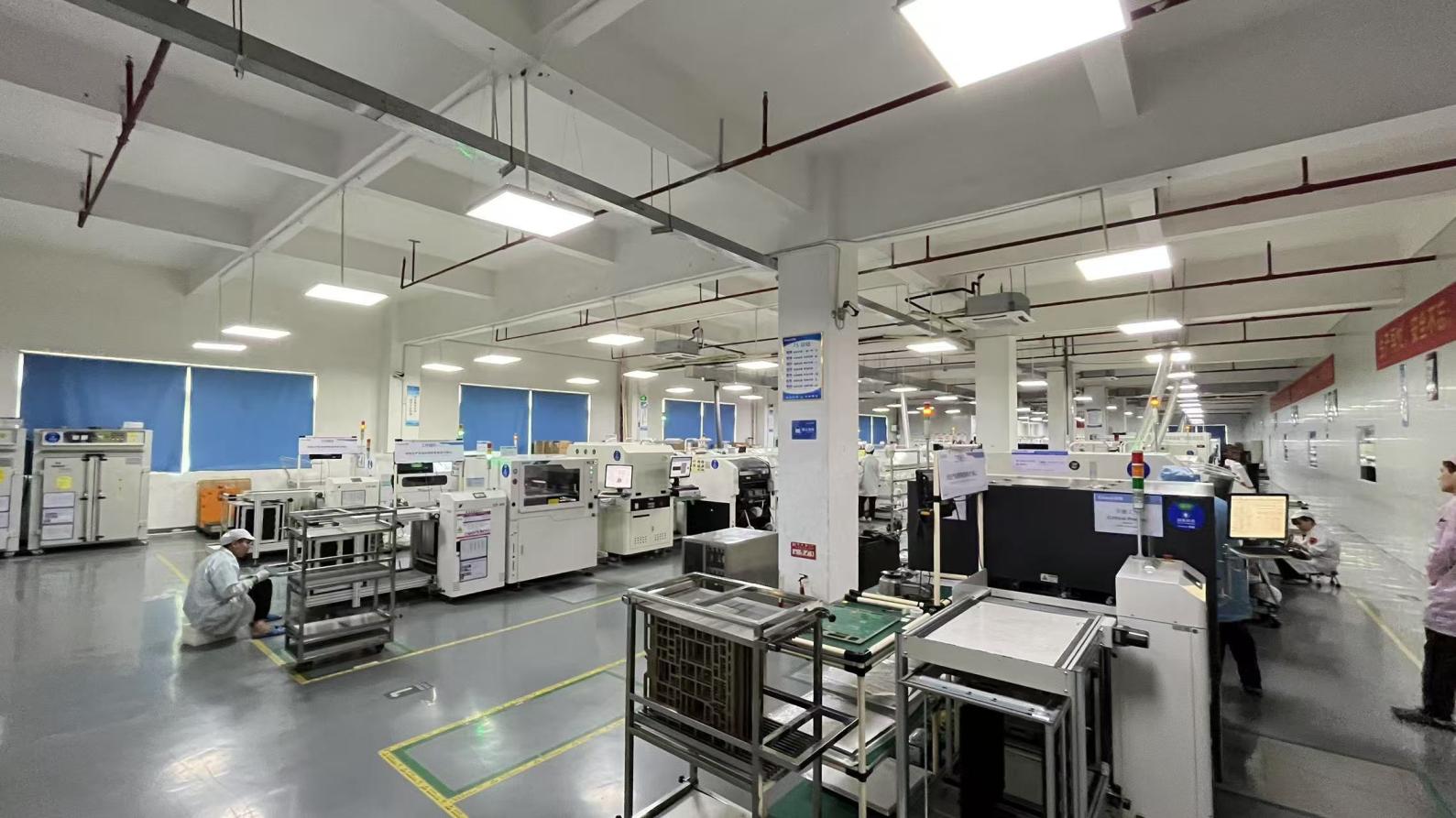
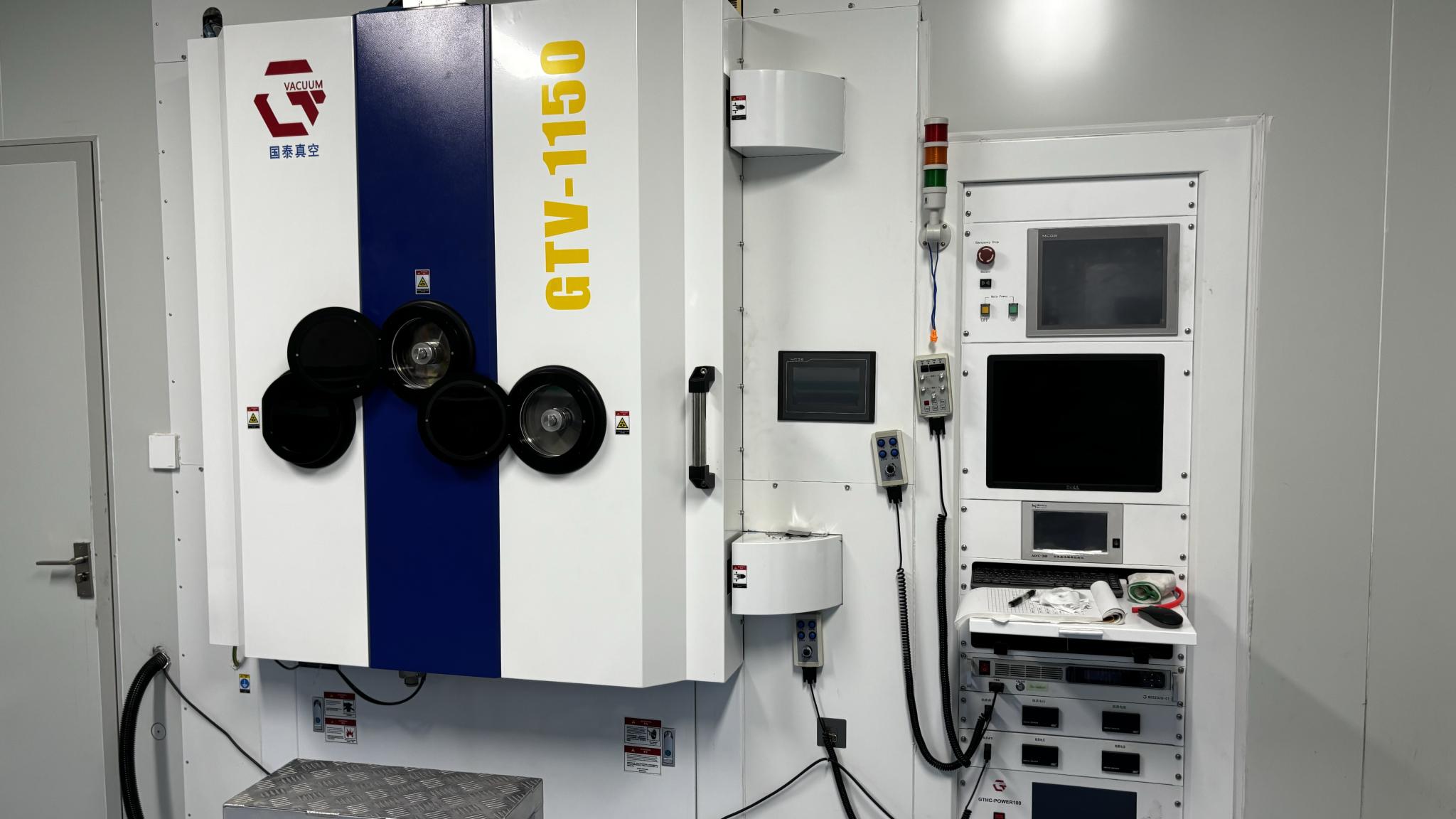
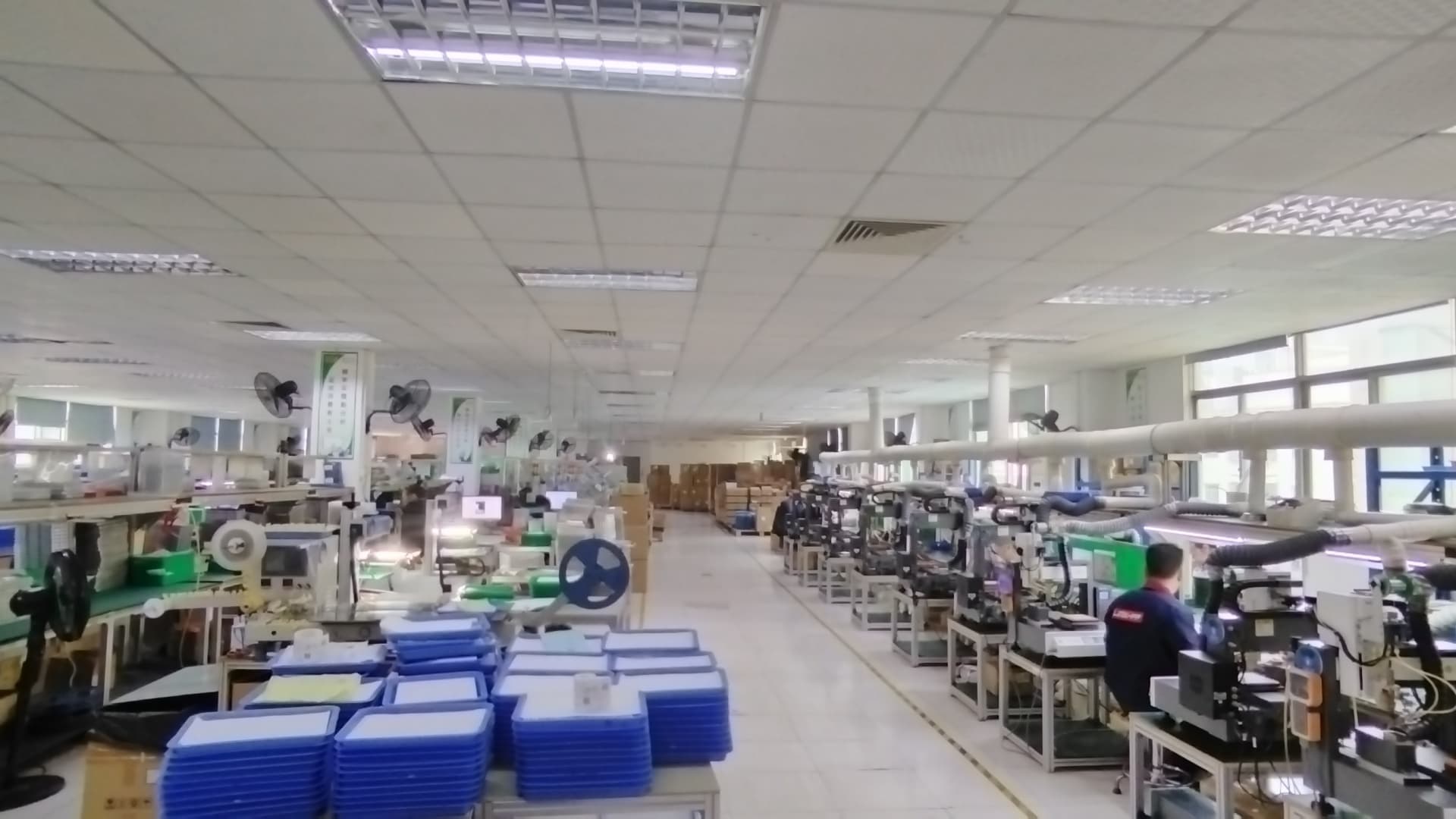
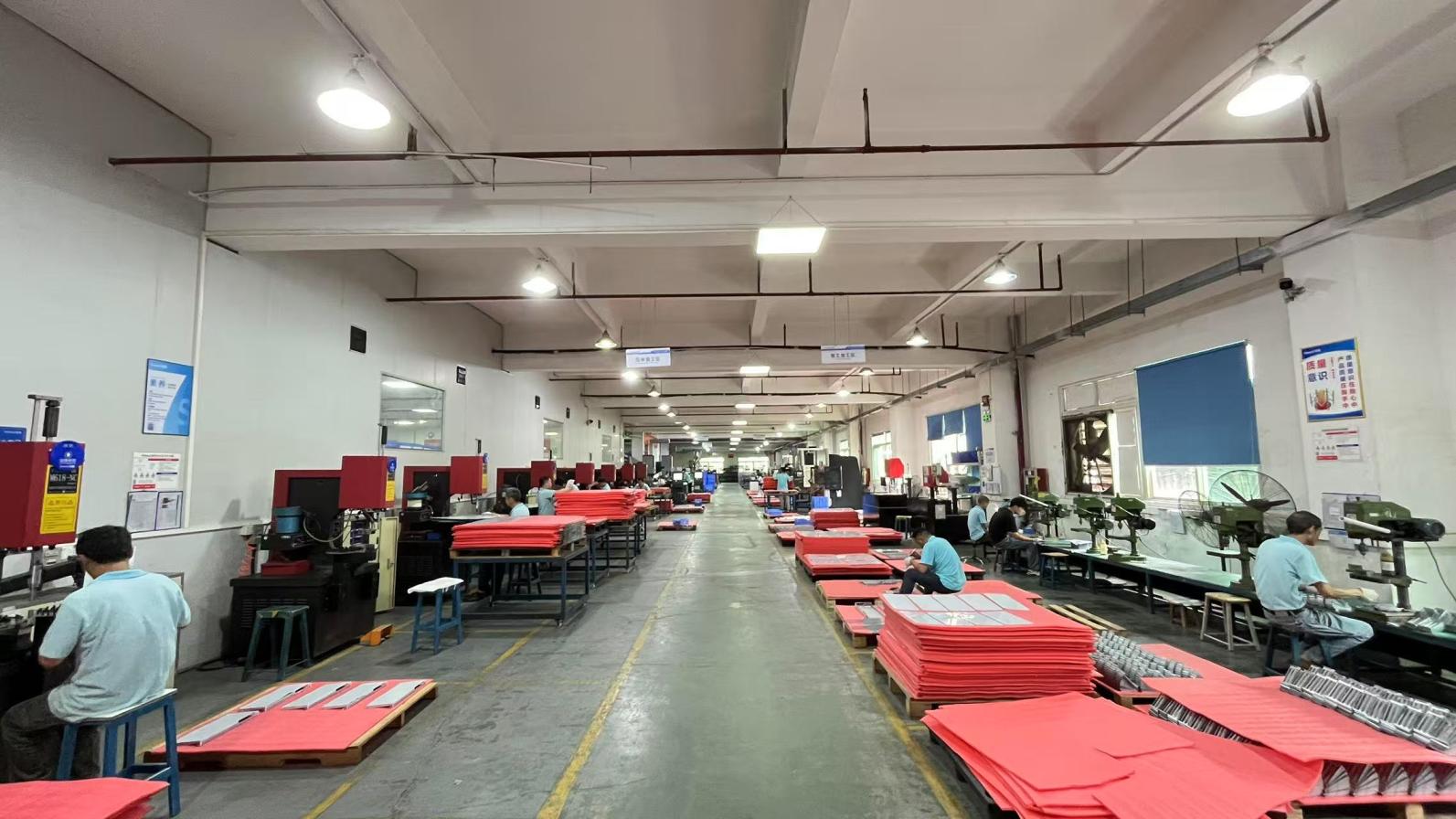
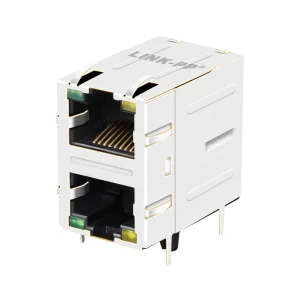
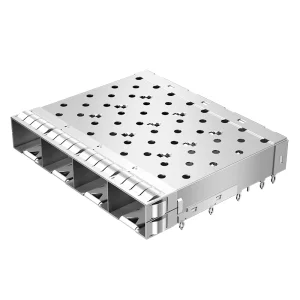
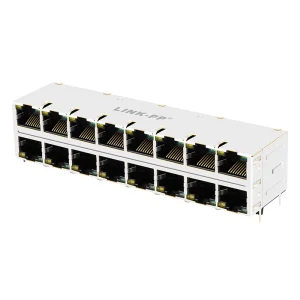
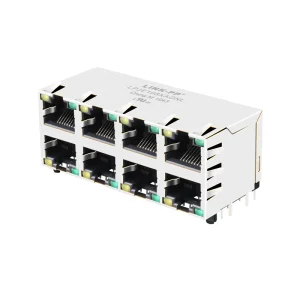
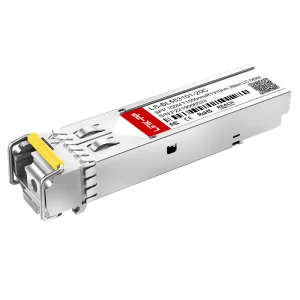
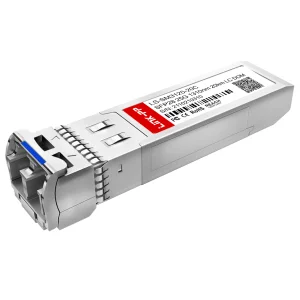
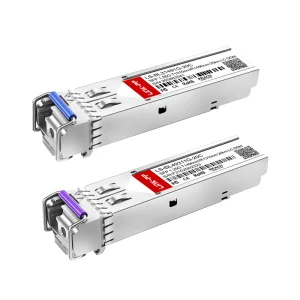
Explore our range of multi-port connectors, shielded cages, and dual-direction transceivers designed for high-density applications.
 FiberNova