Pre-validated SFP interconnects and optical modules optimized for high-density switches deployed across Mexico Valley's edge data networks.
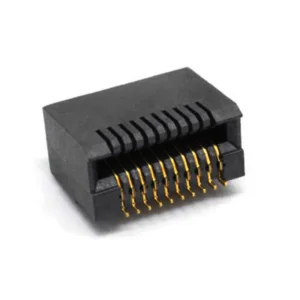
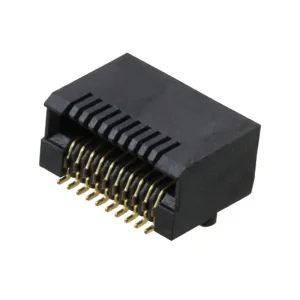
As Latin America undergoes an unprecedented acceleration of cloud storage, hyper-scale computing, and high-frequency financial networking, Mexico City (CDMX) and the adjacent Bajío industrial zone (most notably Querétaro) have emerged as the absolute focal point of telecommunication investments. The local density of data centers managed by global players—such as Equinix, ODATA, KIO Networks, and Microsoft—has spurred a critical need for high-density, low-latency, and mechanically robust physical layer interconnect components.
The Small Form-Factor Pluggable (SFP) connector interface remains the primary backbone for this migration. Functioning as the electro-optical gateway on routers, switches, and network interface cards (NICs), the structural integrity of SFP cages and connectors determines system uptime, signal distortion levels, and overall power efficiency. SFP connector manufacturers supplying the Mexico City industrial base must balance cost competitiveness, strict mechanical tolerances defined by Multi-Source Agreements (MSA), and the specialized regional operational realities of Central Mexico.
An often-overlooked factor in network design within Mexico City is its geography. Located at an altitude of approximately 2,240 meters (7,350 feet) above sea level, the atmospheric pressure is lower, leading to thinner air. Thinner air reduces convection cooling efficiency by approximately 20% to 25% compared to sea-level installations.
Consequently, SFP cages must feature highly engineered ventilation holes and high thermal conductivity housing to prevent the optical modules (transceivers) from overheating. When high-power transceivers (such as dense wavelength division multiplexing (DWDM) modules) are packed into 48-port switches, SFP connectors must maintain thermal stabilization to prevent early laser degradation. SFP connectors designed by leading factories serving Mexico incorporate optimized airflow footprints and integrated thermal elastomers to bridge heat dissipation directly to the external equipment panel.
To understand why high-end SFP connectors are vital for the local industry, one must examine the interface contact physics. Signal speeds reaching up to 5 Gb/s per channel (in standard SFP configurations) or 10 Gb/s to 28 Gb/s (in SFP+ and SFP28 networks) require pristine signal integrity. Any impedance mismatch or contact resistance variation causes high packet loss rates, forcing packet retransmissions and crippling latency-sensitive financial databases operating out of Santa Fe, CDMX.
| Connector Interface Parameter | Standard Specification | Advanced Industry Grade (Serving Mexico) | Impact on Latency & Packet Integrity |
|---|---|---|---|
| Gold Contact Plating Thickness | 15u" (Micro-inches) | 30u" (Recommended for high humidity / dust) | Prevents oxidation and fretting corrosion over 1,000+ insertion cycles. |
| Maximum High-Speed Data Rate | 1.25 Gb/s - 2.5 Gb/s | 5.0 Gb/s - 10.0 Gb/s SMT standard | Enables upgrade paths from legacy GPON networks to high-speed metro loops. |
| Contact Resistance (Initial) | < 30 mΩ (milliohms) | < 15 mΩ (Low-resistance alloy) | Minimizes Insertion Loss and prevents localized heat spikes at the PCB plane. |
| EMC Shielding Mechanism | Metal Outer Tabs only | 360-degree EMI spring fingers & elastomer gaskets | Suppresses electromagnetic radiation in dense multi-card chassis configurations. |
As detailed above, utilizing 30u" gold plating on the mating interface provides crucial protection. Mexico City's urban environment combines high vehicular dust with variable humidity during the rainy season. Exposed copper or lower-grade plating on SFP connectors experiences fast oxidation, which leads to signal degradation. High-performance factories utilize advanced chemical electroplating processes to build reliable gold layers on nickel underplates, ensuring stable contact interfaces over decades of service life.
Your Global Partner for Compliant, High-Performance Optical Interconnects and Integrated Magnetics
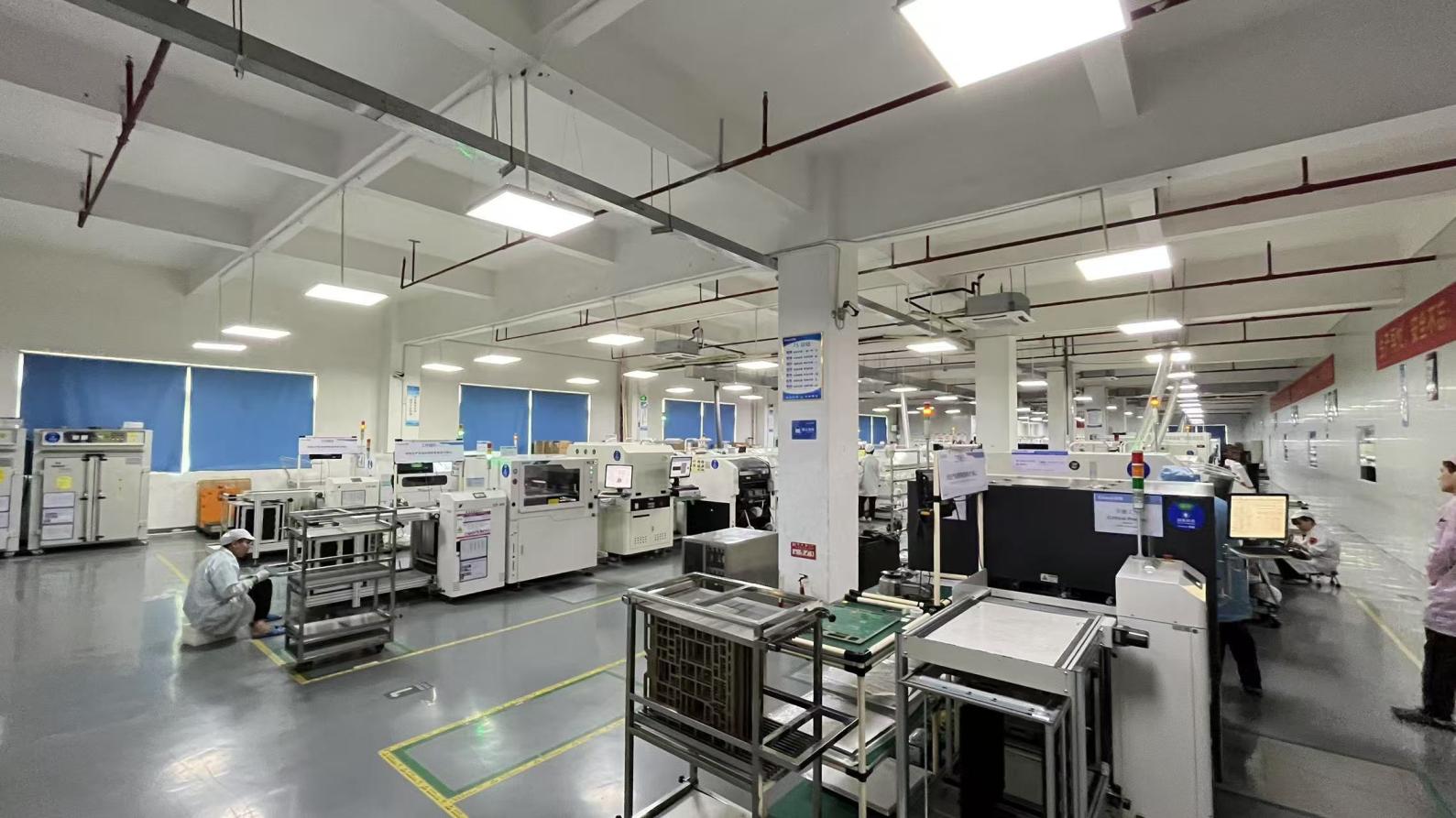
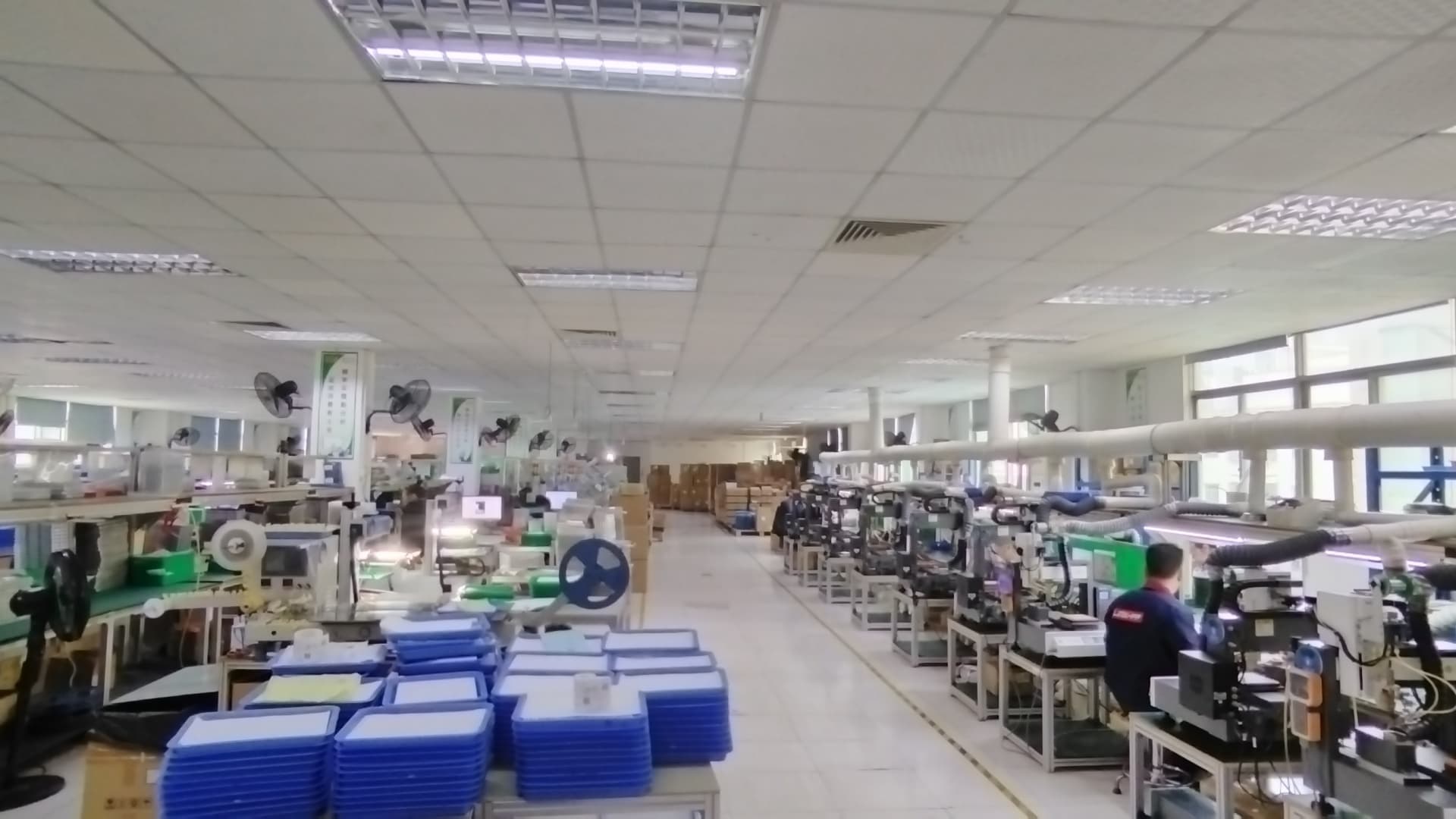
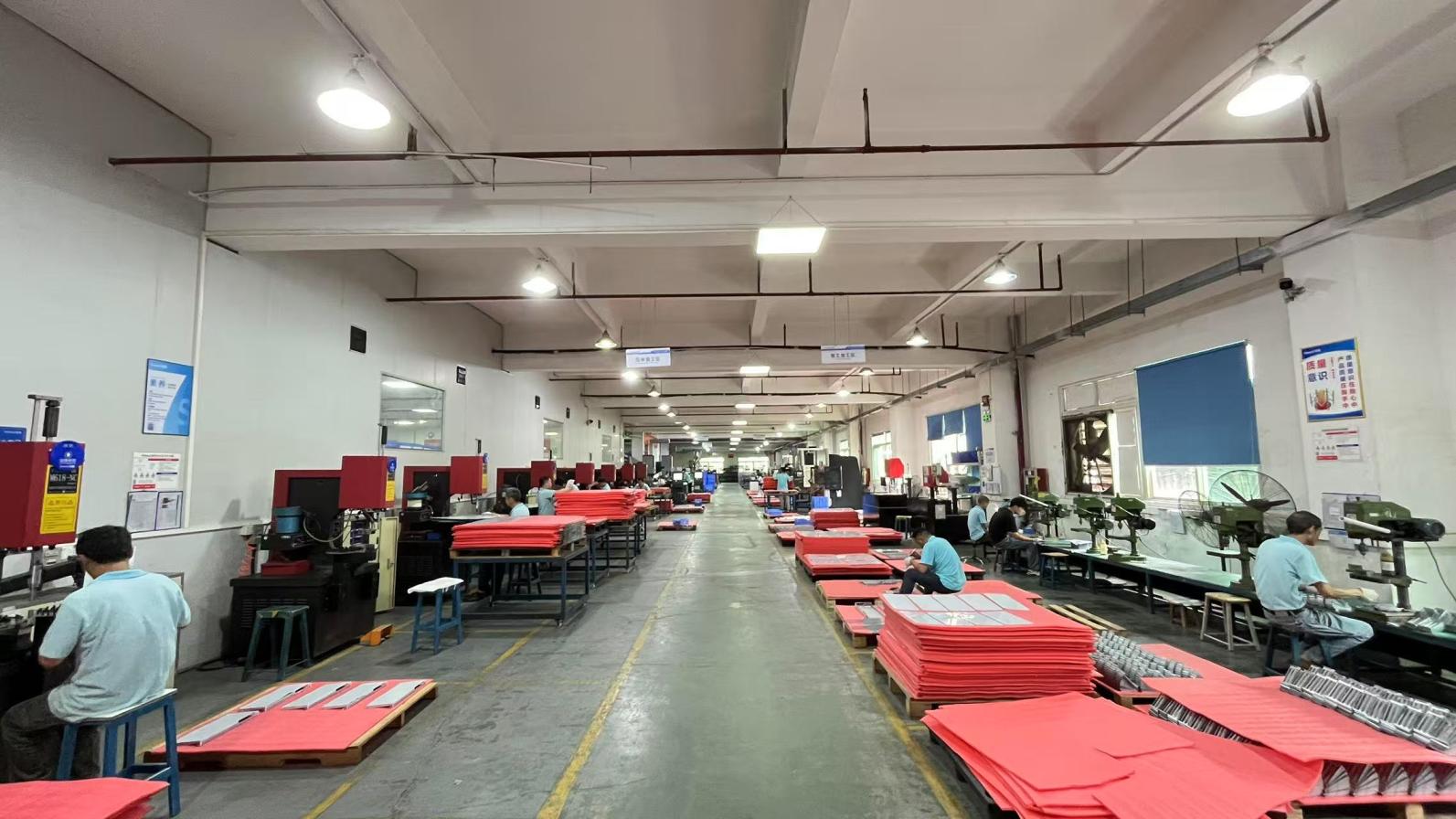
FiberNova Optical Communication Tech Co., Ltd. (FiberNovaTransceivers.com) is an industry-leading designer and optical transceiver manufacturer established in 2016. With a modern, highly optimized production facility covering approximately 380㎡, the company focuses on high-speed optical communication solutions, serving global data center, cloud architecture, and telecom customers with stable, high-performance physical layer components.
With over 6 years of export experience and 12 years of industry expertise, FiberNova has developed strong capabilities in R&D, manufacturing, and international trade. The company achieves an annual export revenue of approximately USD 8–15 million, supplying customers across North America, Europe, Southeast Asia, and the Middle East, with growing distribution partnerships in Mexico and Latin America.
FiberNova operates with a strict quality control system, including 100% optical performance testing, temperature cycling tests, and signal integrity inspection before shipment. The quality assurance team consists of around 45 professional QC staff, ensuring every transceiver meets international standards such as IEEE and MSA compatibility requirements.
The company maintains a solid trade background with experienced export teams handling OEM and ODM projects worldwide. Its main markets include the United States, Germany, Japan, South Korea, and the United Arab Emirates. FiberNova has established long-term partnerships with more than 1,200 supply chain partners, enabling stable procurement of chips, lasers, and optical components.
FiberNova serves a wide range of clients, including telecom operators, cloud service providers, data center integrators, and network equipment distributors. The company has strong R&D capabilities, supported by 65 engineers, focusing on high-speed transmission technologies such as 10G, 25G, 100G, 400G, and 800G optical modules.
Customization is fully supported, including wavelength tuning, protocol compatibility, housing design, and labeling services. In the past year, FiberNova launched approximately 120 new products, continuously expanding its portfolio to meet fast-changing market demands.

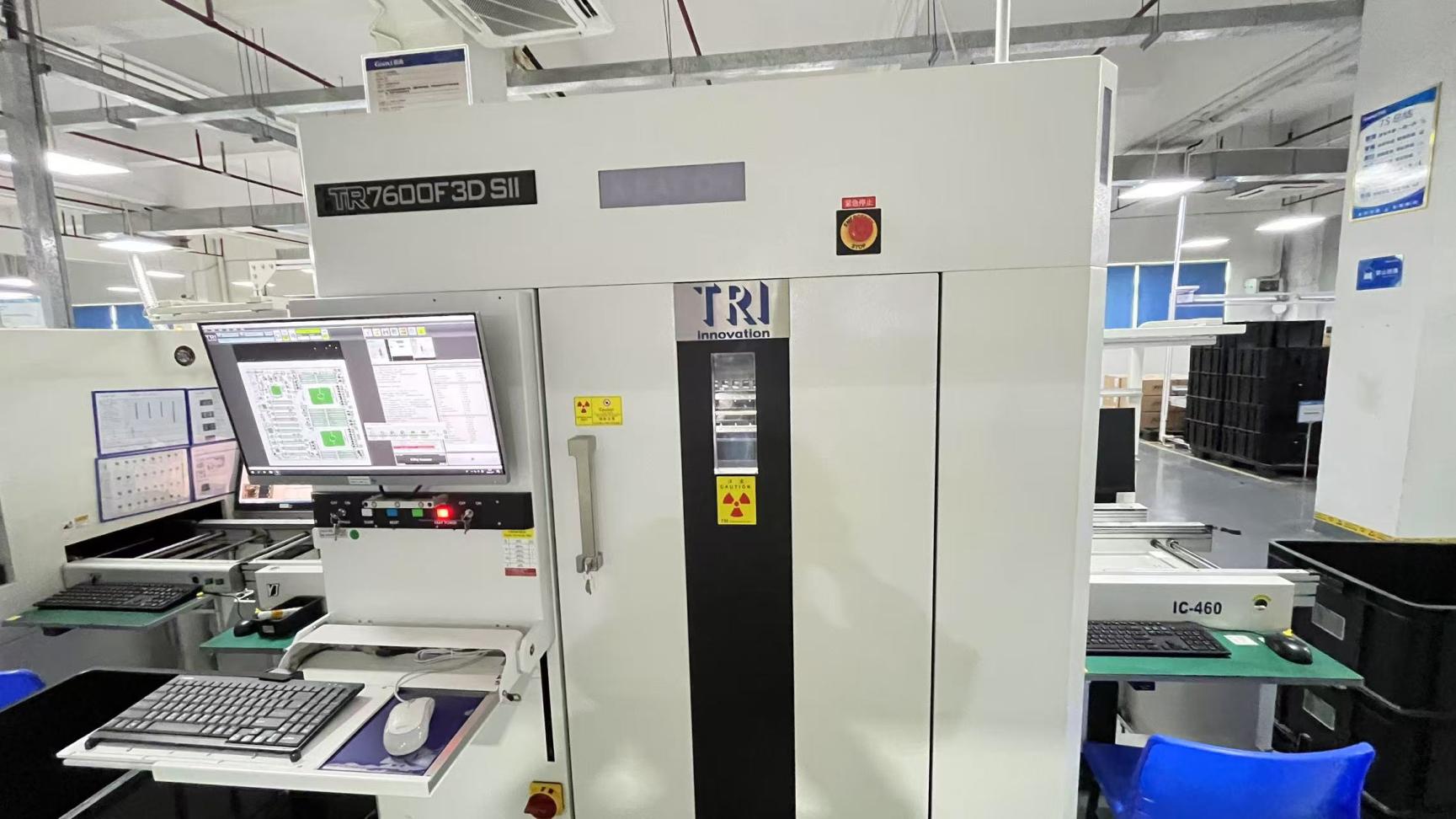
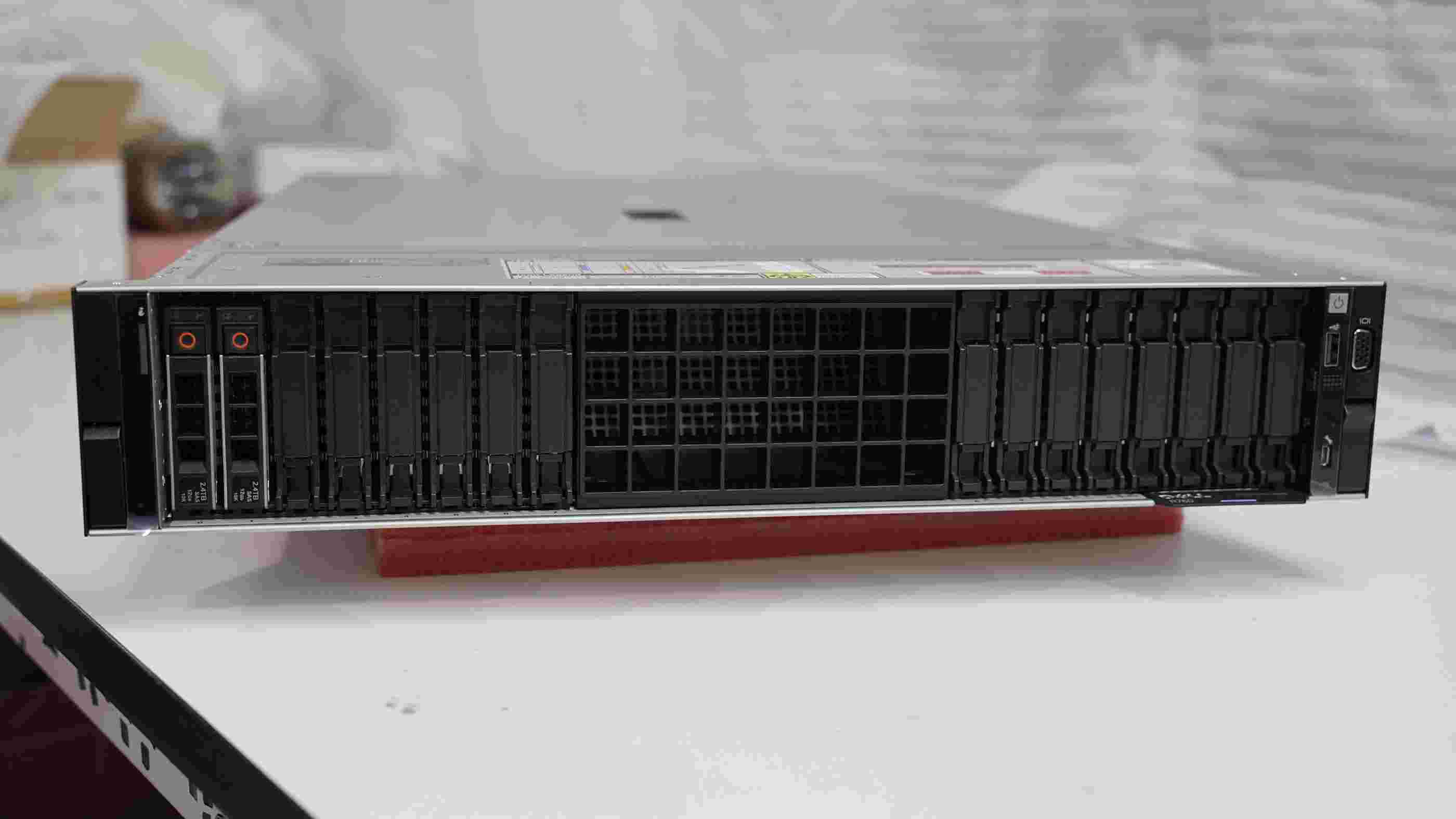


Procuring electronic components for Mexico requires navigating strict localized compliance parameters. All hardware utilized by Mexican telecom operators (such as Telmex and Totalplay) must align with the local safety and performance regulations set by the Organismo Nacional de Normalización y Certificación de la Construcción y Edificación (ONNCCE) and comply with NOM (Normas Oficiales Mexicanas) parameters, specifically NOM-196-SCFI-2016 for terminal equipment connected to telecommunication networks.
Under the T-MEC (United States-Mexico-Canada Agreement) framework, companies based in Mexico City are perfectly positioned to act as assembly and distribution hubs for the broader North American market. For multinational firms operating nearshoring manufacturing bases in regions like Querétaro, Monterrey, or Mexico City, sourcing raw electronic components (such as SFP connectors and RJ45 magnetic jacks) directly from specialized factories in China offers a competitive edge.
The Chinese supply chain ecosystem is unmatched in terms of manufacturing automation and raw material access. FiberNova’s partnerships with over 1,200 supply chain partners ensure that vital components—such as high-precision SFP cages, EMI gaskets, high-performance lasers (VCSEL, DFB, EML), and advanced photodetectors (PIN, APD)—are sourced efficiently. This allows the factory to maintain highly stable production, insulation from international shortages, and cost structures that cannot be replicated locally in Latin America.
Logistical integration is optimized by establishing direct shipping links from Chinese shipping terminals (such as Shenzhen or Ningbo-Zhoushan) directly to Mexico's Pacific ports (Manzanillo and Lázaro Cárdenas). From these ports, goods are routed to the central custom warehouses in Mexico City (Pantaco) or directly to the Querétaro Free Trade Zones. SFP connector shipments are organized with HS code classification 8536.69.01 (electrical connectors) and pre-packed with complete material certifications, ensuring seamless custom clearance.
The physical SFP connector interface acts as the universal point of connection in various computing scenarios across Mexico. The design requirements vary depending on the local environmental and installation factors.
Within high-density server environments, switches must support hundreds of active optical fiber links. Connectors must withstand elevated heat profiles caused by limited spacing. High-speed 5GB/S SMT SFP connectors from FiberNova, featuring 30u" gold plating, are ideal for these locations. They prevent physical degradation, reduce contact resistance to minimal levels, and maintain reliable data pathways for mission-critical applications.
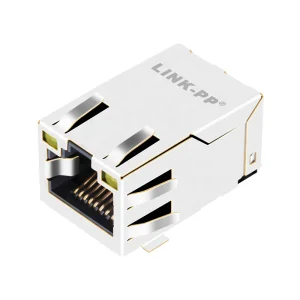
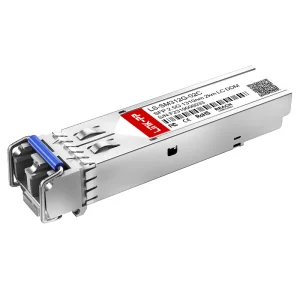
Telecom infrastructure in highly populated areas requires cost-efficient, durable single-mode bidirectional transceivers. 1G BiDi SFP modules and robust RJ45 magnetic connectors allow local service providers to scale broadband access without replacing the existing copper or fiber installations. These components are designed to tolerate high voltage fluctuations and EMI interference, which are common in urban utility infrastructure.
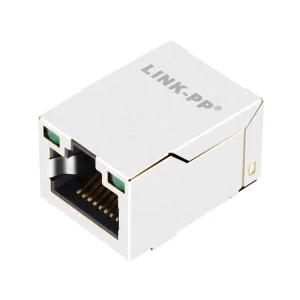
Central Mexico's automotive and electronic manufacturing centers use automated assembly lines that generate significant electromagnetic noise. SFP connectors designed with 360-degree EMI grounding tabs and shielded SMT RJ45 8P8C jacks prevent signal interference, ensuring smooth real-time communication between industrial controllers, cameras, and management terminals.
Explore our production-ready items, customizable for compatibility with major vendor network systems.
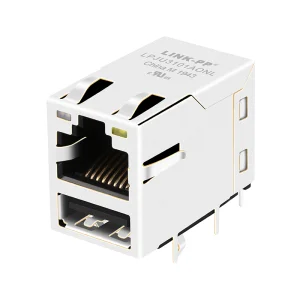
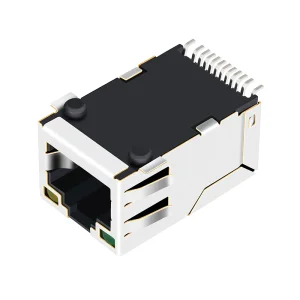
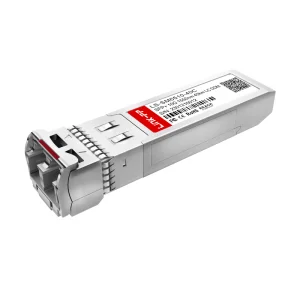
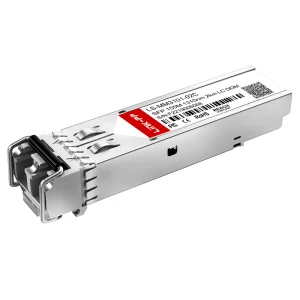
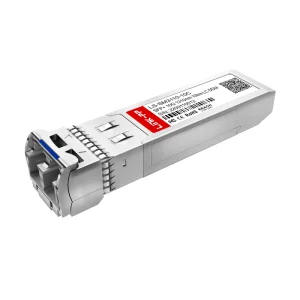
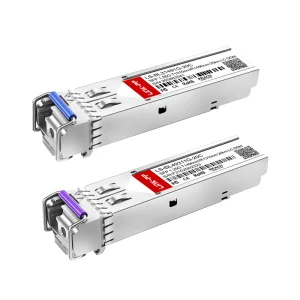
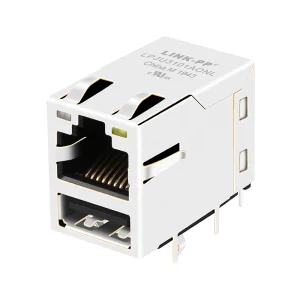
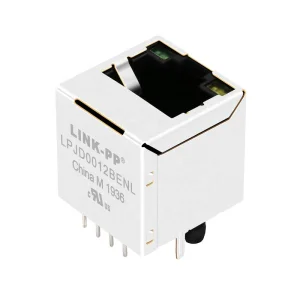
High-grade unshielded and telecommunication network transformer components for local distribution equipment.
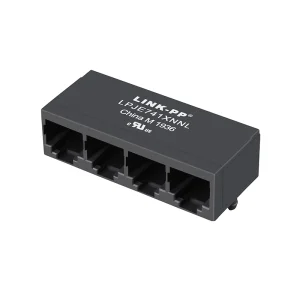
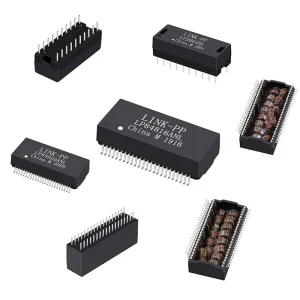
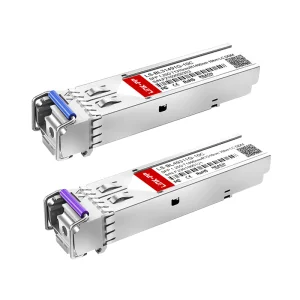
System integrators in Mexico City require hardware vendors that offer more than simple order fulfillment. Enterprise networks require a systematic approach to compatibility verification, supply line protection, and component reliability.
A key requirement for local deployments is cross-brand compatibility. The optical interconnects must integrate seamlessly with legacy equipment from brands like Cisco, Juniper, Huawei, Nokia, and HPE Aruba.
To guarantee this compatibility, FiberNova implements a strict multi-host verification process. Custom transceivers are configured with EEPROM parameters that match host switch profiles. System engineers in Mexico City receive hardware pre-programmed to function without triggering vendor warning messages or configuration blocks.
Designing host network boards requires choosing the right connection style. SMT (Surface Mount Technology) connectors are ideal for automated high-volume production, providing consistent electrical contact for high-frequency signal lines. For heavy-duty telecom equipment, Press-Fit connections offer excellent physical strength to handle repeated insertion forces. SFP connector designs from FiberNova support both formats, offering flexible physical layouts for various hardware architectures.
Frequently asked questions concerning local import, compatibility testing, electrical standards, and supply chain logistics.
Get in touch with FiberNova's technical team today to request samples, detailed component specifications, or custom configuration options.
 FiberNova