Premium SFP cages and RJ45 Ethernet connectors optimized for immediate integration into Kazakhstan telecom gateways and regional cloud datacenters.
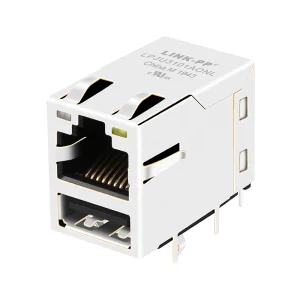
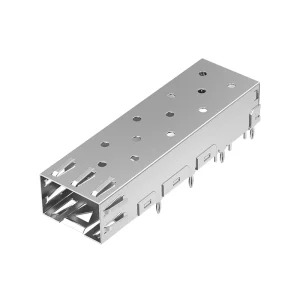
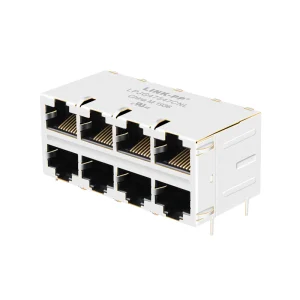
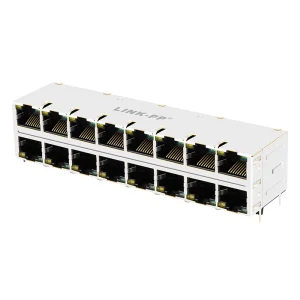
A comprehensive analysis of SFP Cage technology, electrical-optical interconnect standards, and localization deployment within Kazakhstan's modernizing network grids.
Kazakhstan stands as a strategic digital gateway in Central Asia. Driven by the state's "Digital Kazakhstan" national program, the country is witnessing an unprecedented expansion of cloud computing nodes, 5G wireless networks, and transit communication channels linking Asia and Europe. This geographic and technological pivot demands high-reliability infrastructure capable of carrying multi-gigabit traffic with minimal packet loss and zero downtime.
Key economic sectors in Kazakhstan—such as mineral extraction monitoring, logistics nodes along the Caspian Sea corridors, and the financial complexes of Astana and Almaty—rely heavily on robust networking hardware. To support these massive data pipelines, localized network switches, routers, and host PCBs must be equipped with premium, MSA-compliant SFP cages and RJ45 interfaces designed to endure continuous high-load operations.
Procurement departments for international system integrators and local telecom agencies require strict adherence to regulatory standards. In Kazakhstan, all optical hardware and mechanical assemblies must conform to both Multi-Source Agreement (MSA) specifications and the technical regulations of the Eurasian Economic Union (EAEU).
When selecting SFP cages (ranging from legacy SFP to high-speed SFP28 and QSFP-DD form factors), global buyers evaluate key criteria: mechanical retention force, thermal dissipation pathways, and Electromagnetic Interference (EMI) mitigation. Since cages house high-frequency optical transceivers, poor EMI shielding or improper grounding contacts can lead to catastrophic signal degradation. This makes advanced Press-Fit mounting and elastomeric EMI gaskets essential for industrial-grade network switch design.
A reference guide detailing mechanical footprint, EMI shielding options, and application scopes for system designers deploying equipment in Central Asian networks.
| Interface Type | Common Part Equivalents | EMI Shielding Technology | Mounting Option | Primary Infrastructure Application |
|---|---|---|---|---|
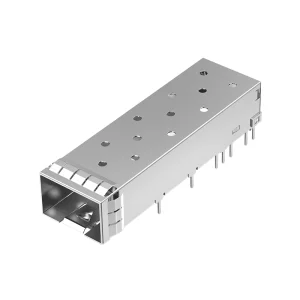
| SFP+ 1x1 Cage | 2007194-1 TE Compatible | Metal EMI Fingers / Solder Pins | Through-Hole Solder | Enterprise Routers & Edge Gateways |
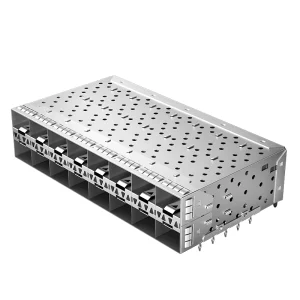
| SFP+ 2x8 Multi-Port | 2169788-1 TE Compatible | Elastomeric Gaskets / Light Pipes | Press-Fit (Elastic Pins) | High-Density Datacenter Switches |
| SFP Cage Single Port | 2227316-1 TE Compatible | Outer Spring Fingers / Press-Fit | Right Angle Through-Hole | Industrial IoT Gateways (Caspian Rail) |
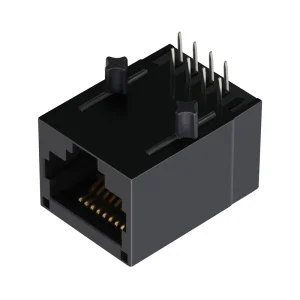
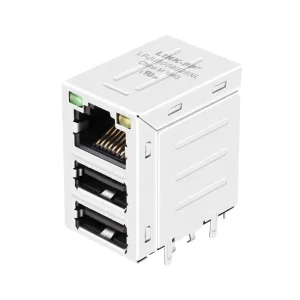
| RJ45 Combo Connectors | C892 / C893 Combo Series | Integrated Ground Tabs / Shielded shell | Tab-up Solder / Press-Fit | Base Station Backhaul Controllers |
Kazakhstan's climate is characterized by extreme temperature fluctuations, ranging from intense summer heat to sub-zero winter temperatures. Network nodes, especially in remote substation deployments or roadside traffic monitoring units, must run constantly without cooling. High-speed transceivers generate localized heat, which must escape via conduction through the SFP cage to the system heatsink.
Optimized SFP cages utilize integrated thermal riding heat sinks and clip assemblies. These configurations maximize contact pressure against the transceiver module, ensuring that heat is channeled away from the sensitive internal semiconductor lasers. This prevents thermal drift and maintains consistent optical power across the network link.
Specially manufactured interconnect hardware maintaining strict signal integrity and compatibility with regional telecom standards.
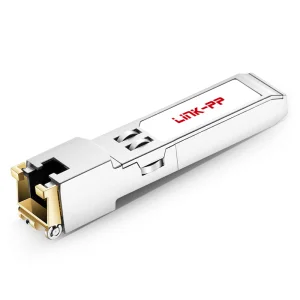
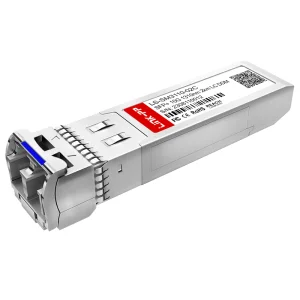
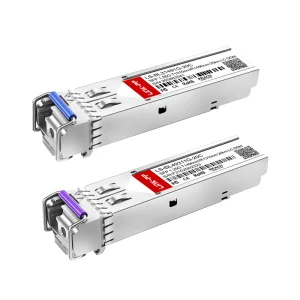
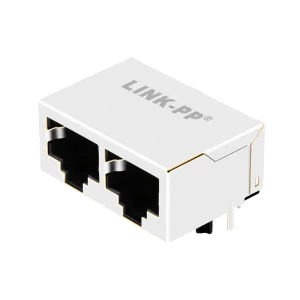
A trusted global manufacturer providing industry-standard optical transceivers and high-speed cages since 2016.
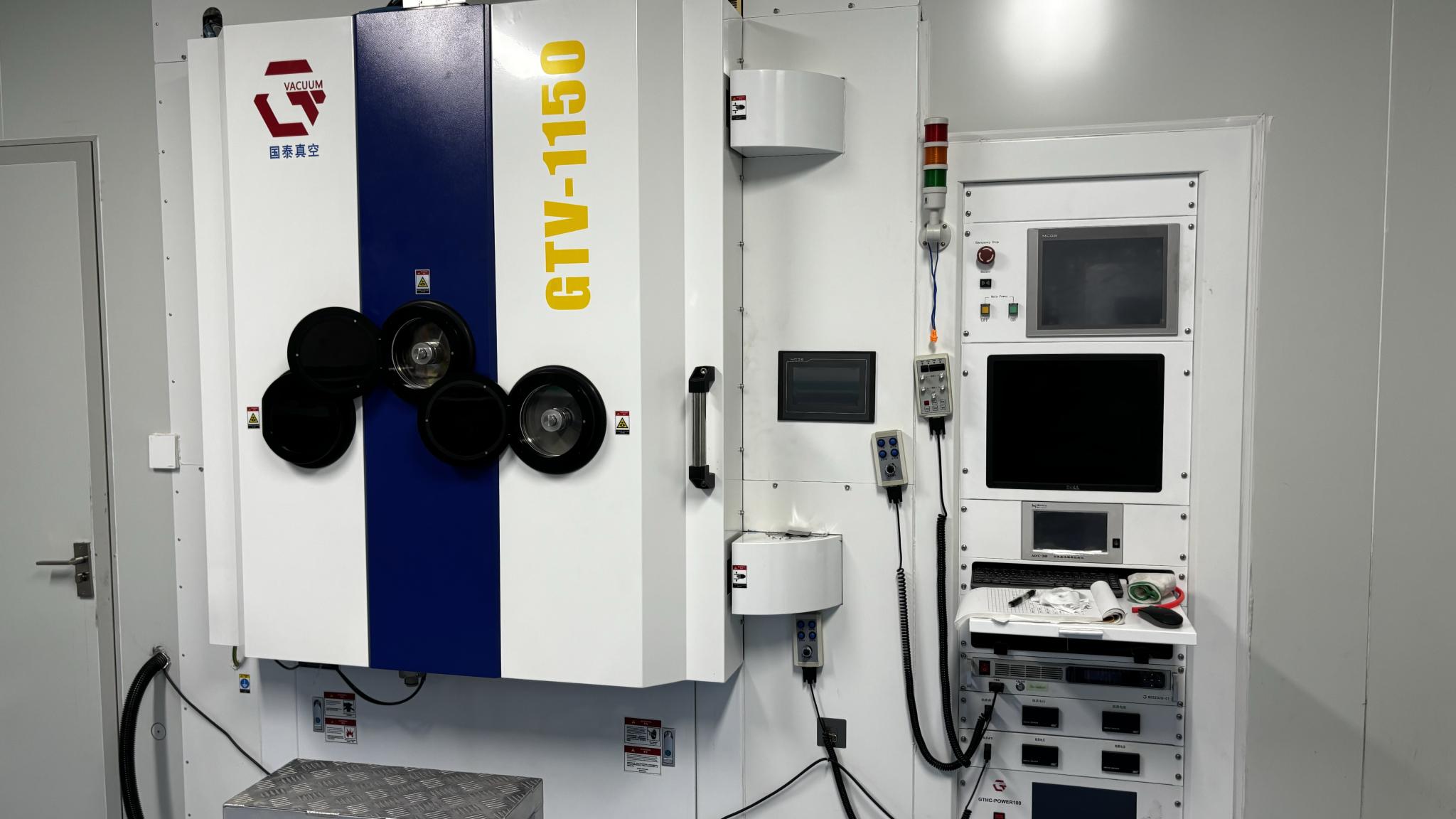
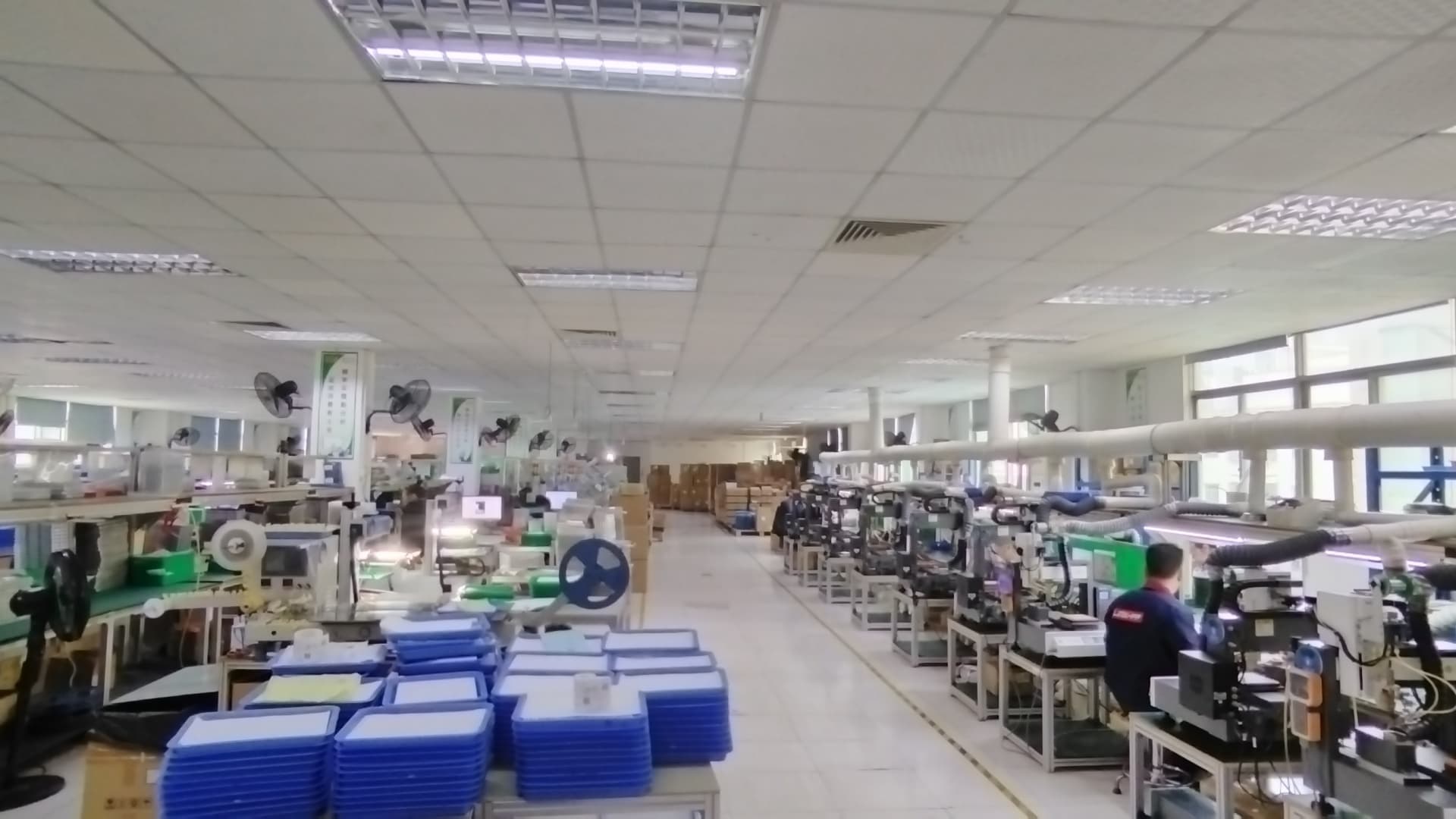
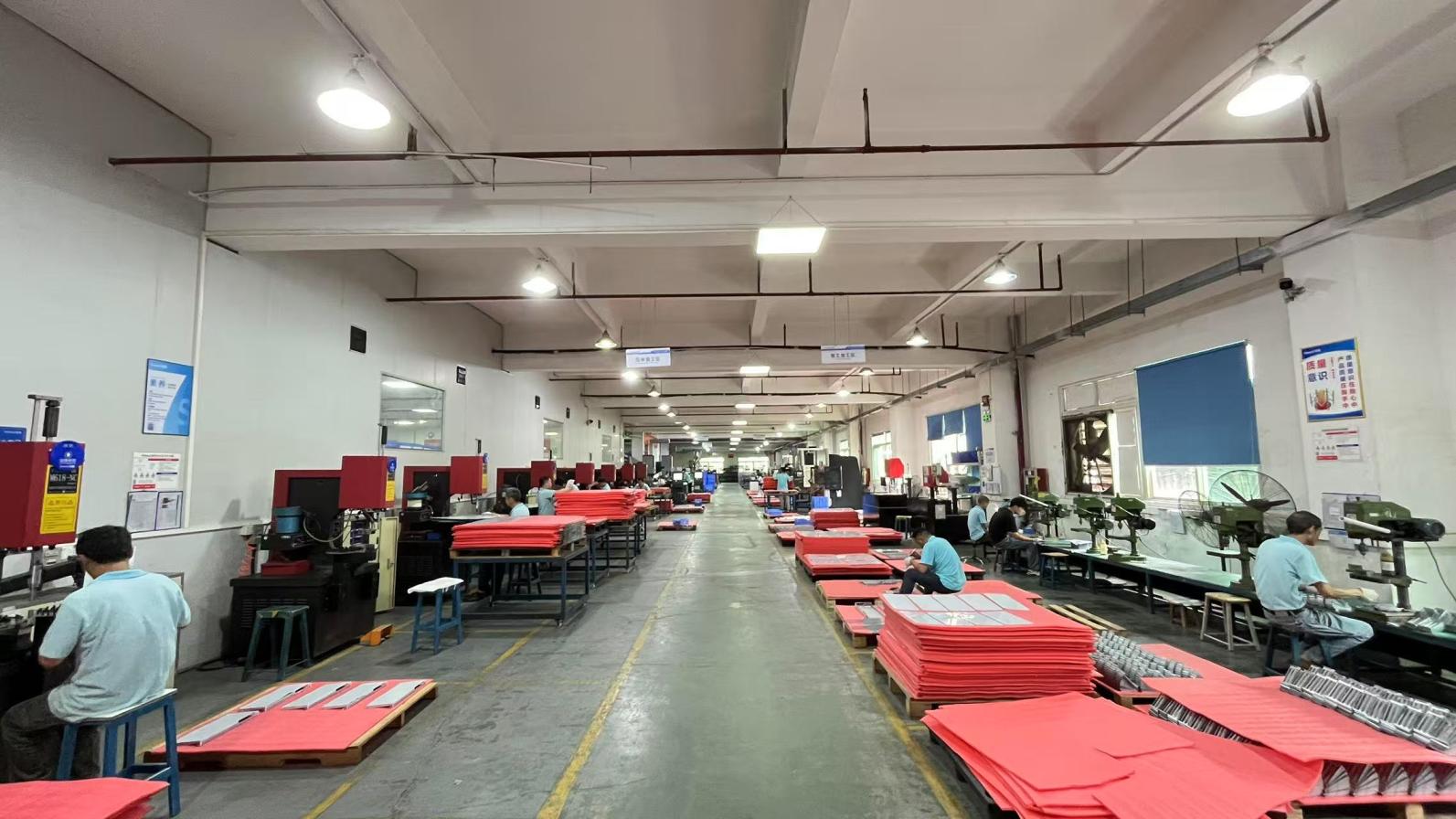
FiberNova Optical Communication Tech Co., Ltd. (FiberNovaTransceivers.com) is a professional optical transceiver and interconnect components manufacturer established in 2016. Over the years, the company has operated a modern production facility covering approximately 380㎡, focusing on high-speed optical communication solutions that serve global data centers, telecom operators, and system integrators with highly stable, high-performance products.
With over 6 years of export experience and 12 years of industry expertise, FiberNova has developed formidable capabilities in design, prototyping, compliance validation, and international logistics. The company achieves an annual export revenue of approximately USD 8–15 million, supplying customers across Central Asia, North America, Europe, Southeast Asia, and the Middle East.
Our strict quality control system includes 100% optical performance testing, temperature cycling tests, and signal integrity inspection before shipment. The quality assurance team consists of around 45 professional QC staff, ensuring every transceiver meets international standards such as IEEE and MSA compatibility requirements.
FiberNova maintains a solid trade background with experienced export teams handling OEM and ODM projects worldwide. Its main markets include the United States, Germany, Japan, South Korea, and the United Arab Emirates. FiberNova has established long-term partnerships with more than 1,200 supply chain partners, enabling stable procurement of high-quality chips, lasers, and optical components.
The company serves a wide range of clients, including telecom operators, cloud service providers, data center integrators, and network equipment distributors. The company has strong R&D capabilities, supported by 65 engineers, focusing on high-speed transmission technologies such as 10G, 25G, 100G, 400G, and 800G optical modules.
Customization is fully supported, including wavelength tuning, protocol compatibility, housing design, and labeling services. In the past year, FiberNova launched approximately 120 new products, continuously expanding its portfolio to meet fast-changing market demands.
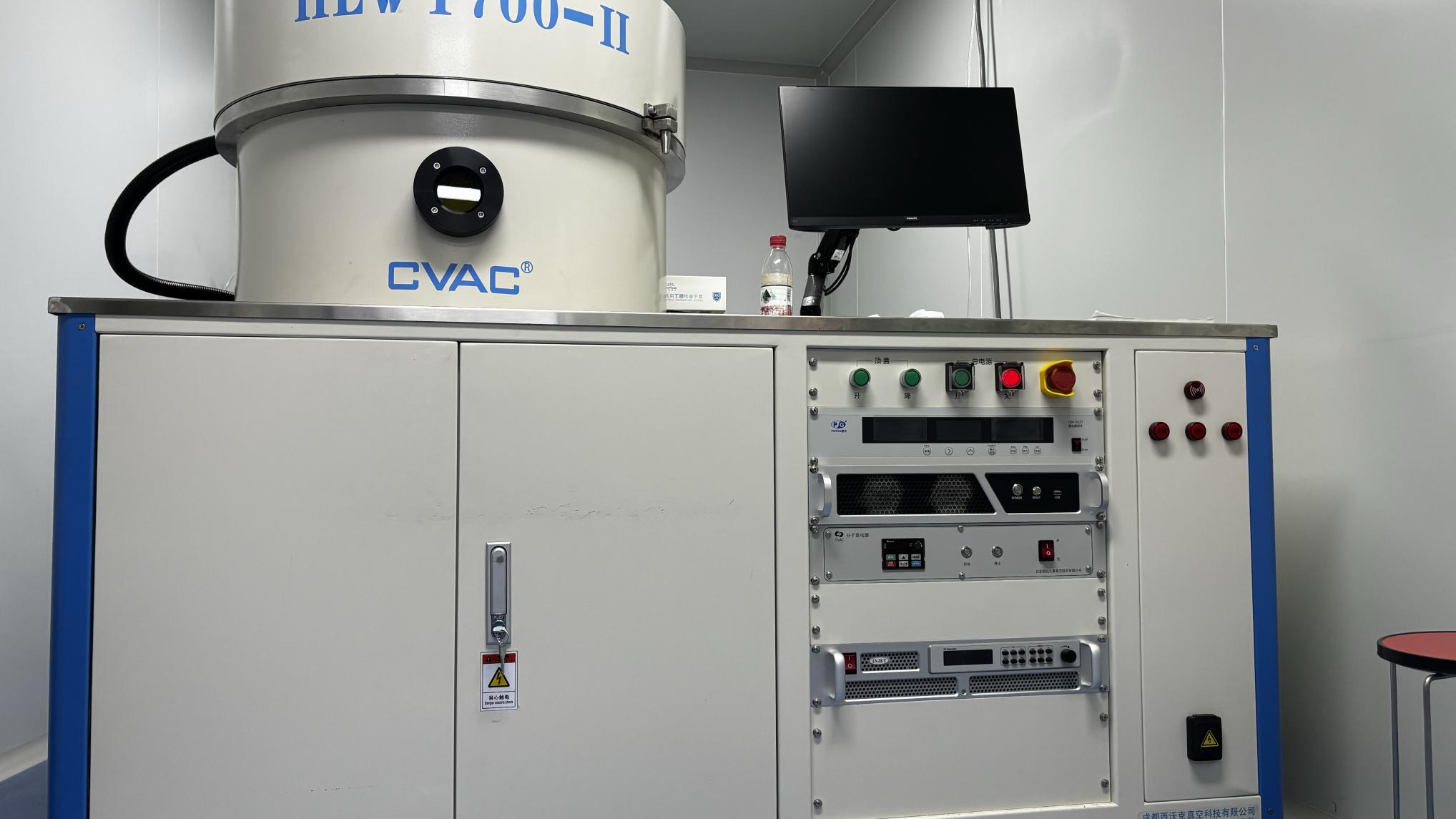
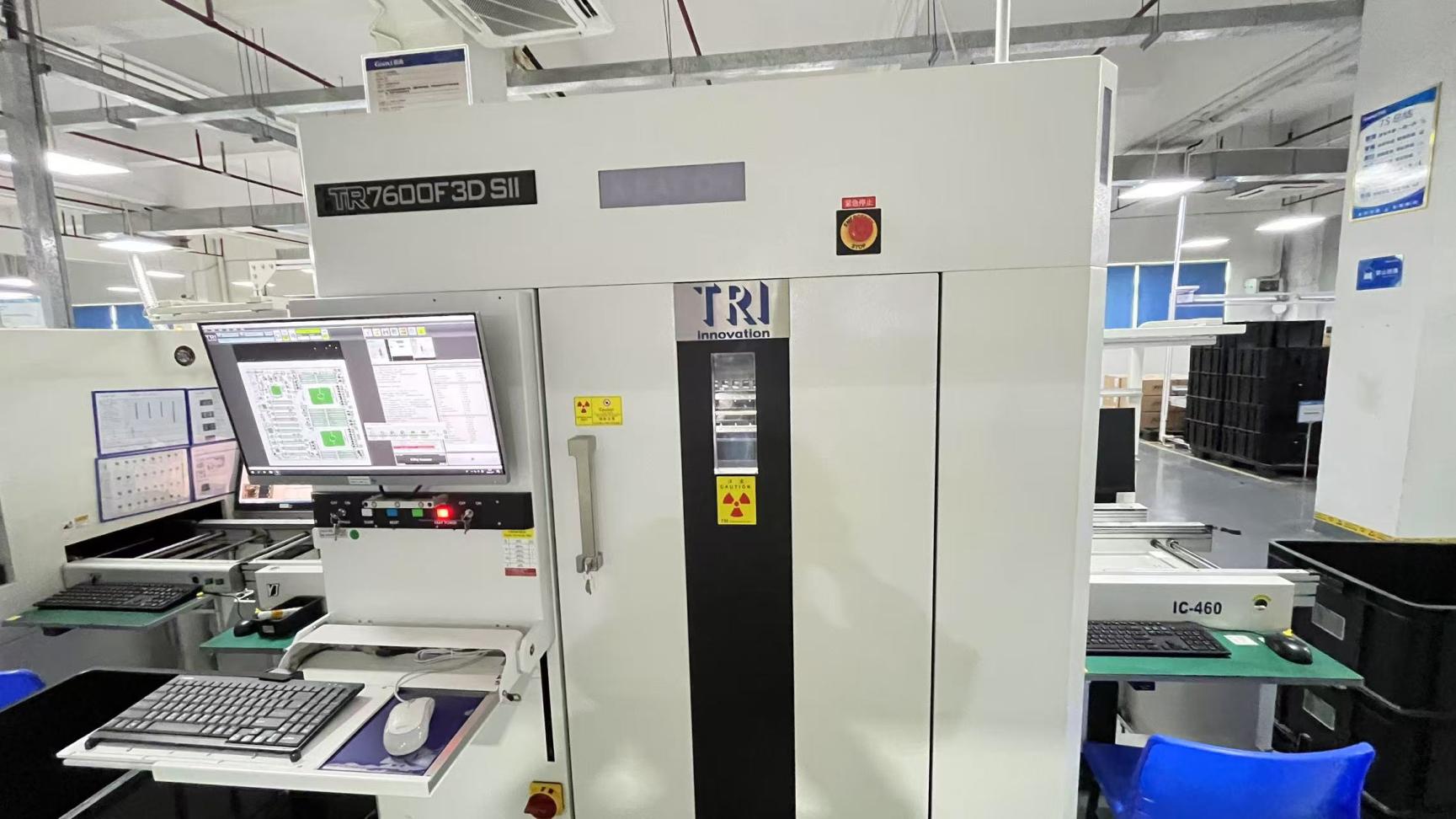
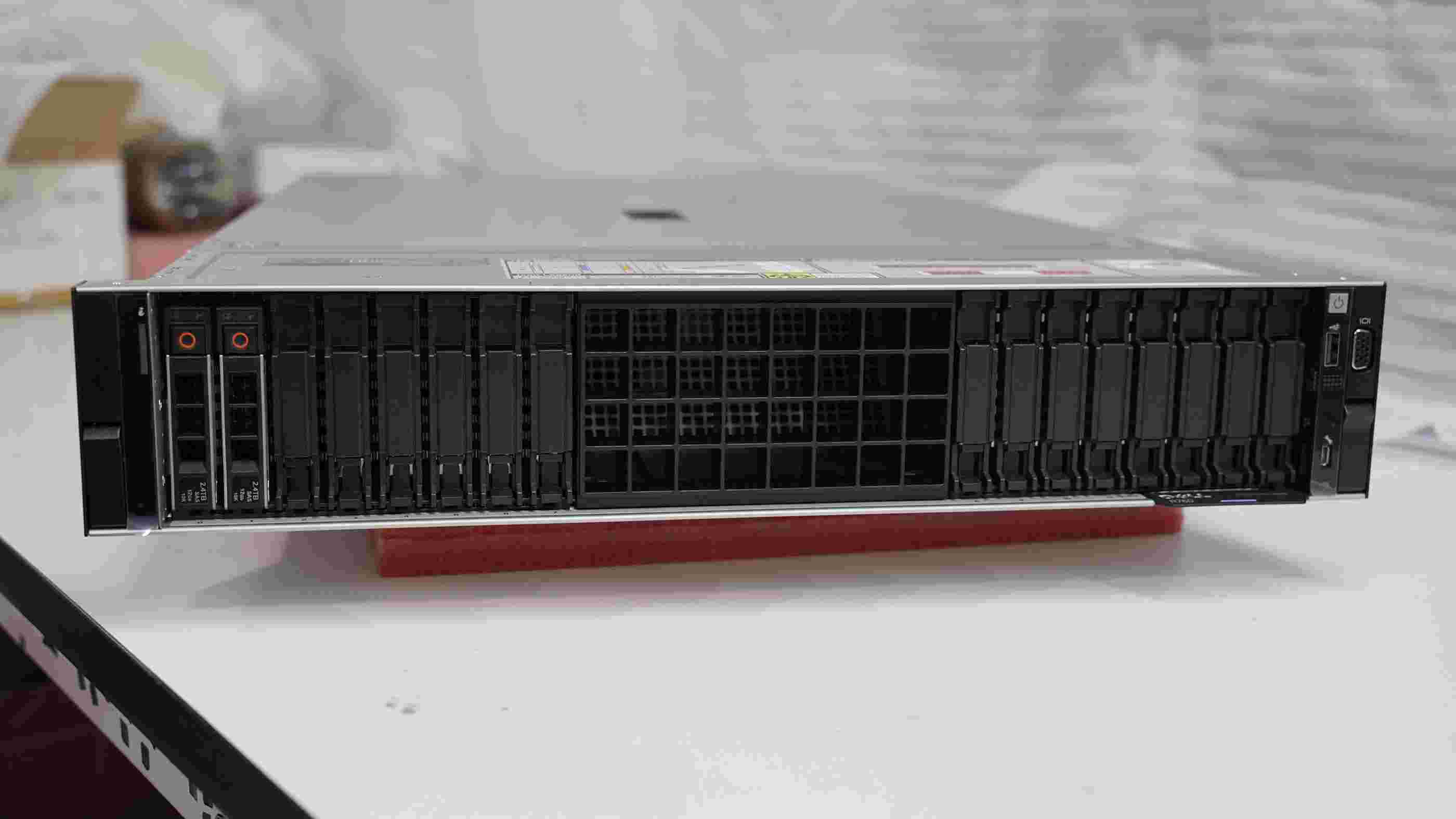

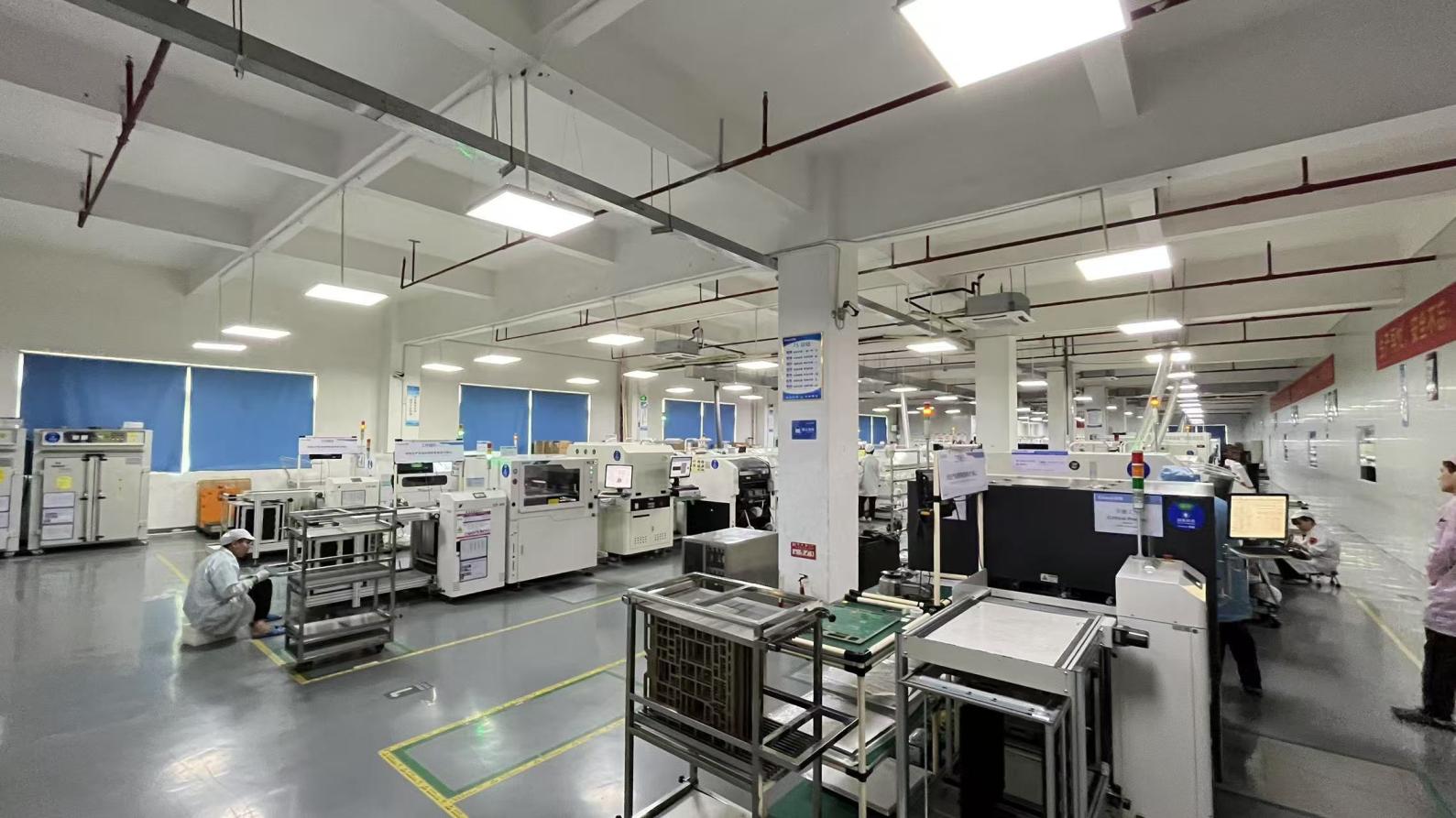
Ensuring compliance, reliable logistics, and high compatibility for operators in Central Asian networks.
We ensure that our SFP cages, connectors, and active transceivers conform to the Eurasian Economic Union (EAEU) technical regulations. RoHS compliance, CE marking, and EAC-ready certification are integrated into our documentation to guarantee smooth border clearance and standard compatibility.
Located near manufacturing corridors, we offer reliable logistics solutions to Kazakhstan cities including Almaty, Astana, and Shymkent. By partnering with leading Eurasian air freight and rail services, we maintain minimal transit times and secure package arrivals.
As networks in Kazakhstan migrate to higher capacities, we provide upgrade paths from legacy SFP/SFP+ to SFP28, QSFP28, and next-generation QSFP-DD structures. Our engineering division continuously develops SFP cages capable of managing the thermal footprint of 800G optical engines.
Expert answers addressing the critical considerations of systems engineers, procurement heads, and field installers deploying SFP cages in harsh operational environments.
Press-fit SFP cages use elastic pins that establish a solderless mechanical and electrical connection through the plated vias of the host PCB. This approach eliminates the thermal stresses associated with wave soldering, simplifies multi-layer PCB design, and allows for easier field replacement. Press-fit designs also provide superior, consistent electrical conductivity, which is crucial for high-speed channels such as 10Gbps, 25Gbps, or 56Gbps per channel where impedance mismatches must be minimized.
EMI mitigation in FiberNova SFP cages is achieved through a multi-point grounding design. We offer cages with either outer metal spring fingers or elastomeric conductive gaskets. These components close the gaps between the SFP cage and the chassis panel cutout, creating a continuous Faraday cage. By grounding high-frequency electrical signals to the chassis frame rather than the signal grounds, EMI leakage is kept well below standard FCC and CE regulatory limits, preventing interference with surrounding circuits.
Yes. While standard transceiver modules operate within a commercial temperature range (0°C to 70°C), FiberNova supplies industrial-grade optical transceivers capable of running from -40°C to +85°C. These modules feature hardened optoelectronics, specialized thermal pads, and reinforced SFP cages to maintain stable optical power and wavelength control under severe thermal conditions, making them ideal for outdoor industrial enclosures and rail installations.
Absolutely. Our SFP, SFP+, and QSFP cages are designed according to SFF specifications (e.g., SFF-8431, SFF-8432, SFF-8433) and Multi-Source Agreements (MSA). This ensures that they match the footprint and pinouts of major brands, making them direct drop-in replacements for TE Connectivity, Molex, and Amphenol components on your host boards. This compatibility helps lower bill-of-materials (BOM) costs while maintaining identical physical and electrical performance.
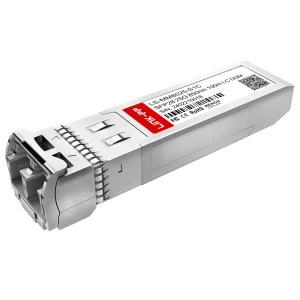
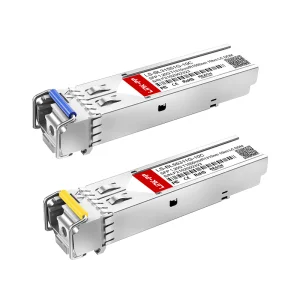
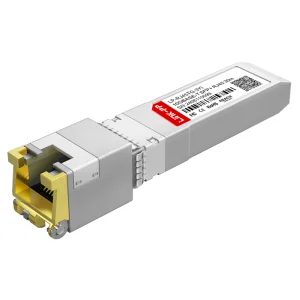
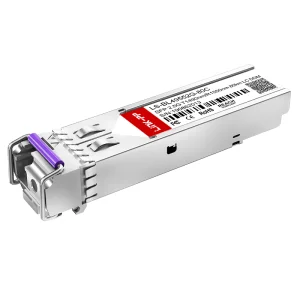
A structured selection of industrial-grade optical transceivers, RJ45 modules, and EMI-shielded SFP cages for high-reliability networks.
 FiberNova