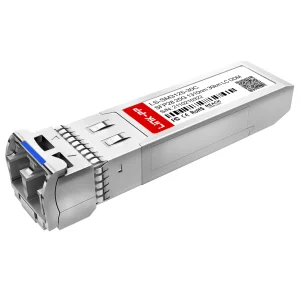
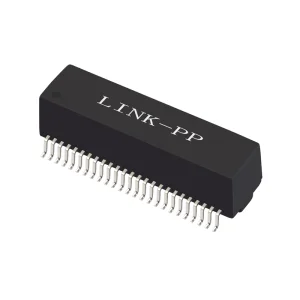
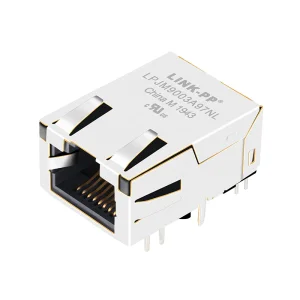
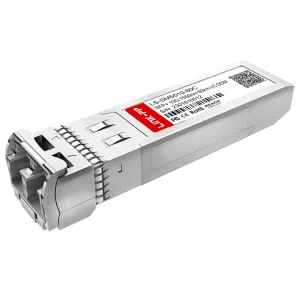
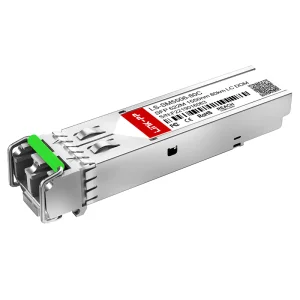
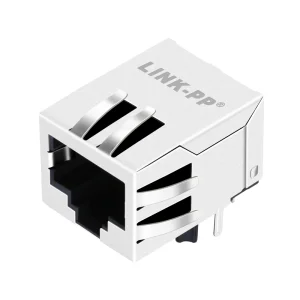
Industrial-grade transceiver modules and integrated magnetic connectors deployed across Damascus telecom substations and local metropolitan networks.
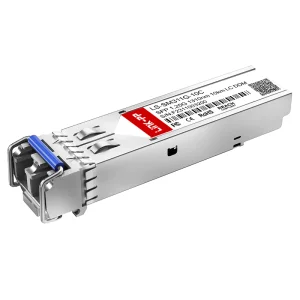
As the oldest continuously inhabited capital in the world, Damascus is undergoing a profound digital transformation. With the rehabilitation of metropolitan networking infrastructure, regional carrier bodies like Syrian Telecom are upgrading legacy copper trunk lines with fiber-to-the-x (FTTX) architectures. Central routing stations in Damascus require high-speed optical transceivers, SFP cages, and industrial-grade magnetic connectors to ensure high bandwidth, structural stability, and system uptime in challenging environmental conditions.
Adra Industrial City, located on the outskirts of Damascus, has emerged as a manufacturing and logistics hub. The integration of IoT sensors, smart automation, and local servers demands robust network hardware. High-speed components such as SFP, SFP+, and SFP28 transceiver interfaces are vital to facilitate low-latency data transmissions between industrial sensor grids and centralized data warehouses. FiberNova’s high-precision connectivity components help Damascus system integrators bridge the gap between legacy configurations and next-generation fiber-optic technologies.
"Reliable EMI-shielded cage enclosures are the unsung heroes of telecommunication reliability, preventing crosstalk and maintaining signal integrity amidst the harsh electromagnetic environments typical of growing metropolitan hubs."
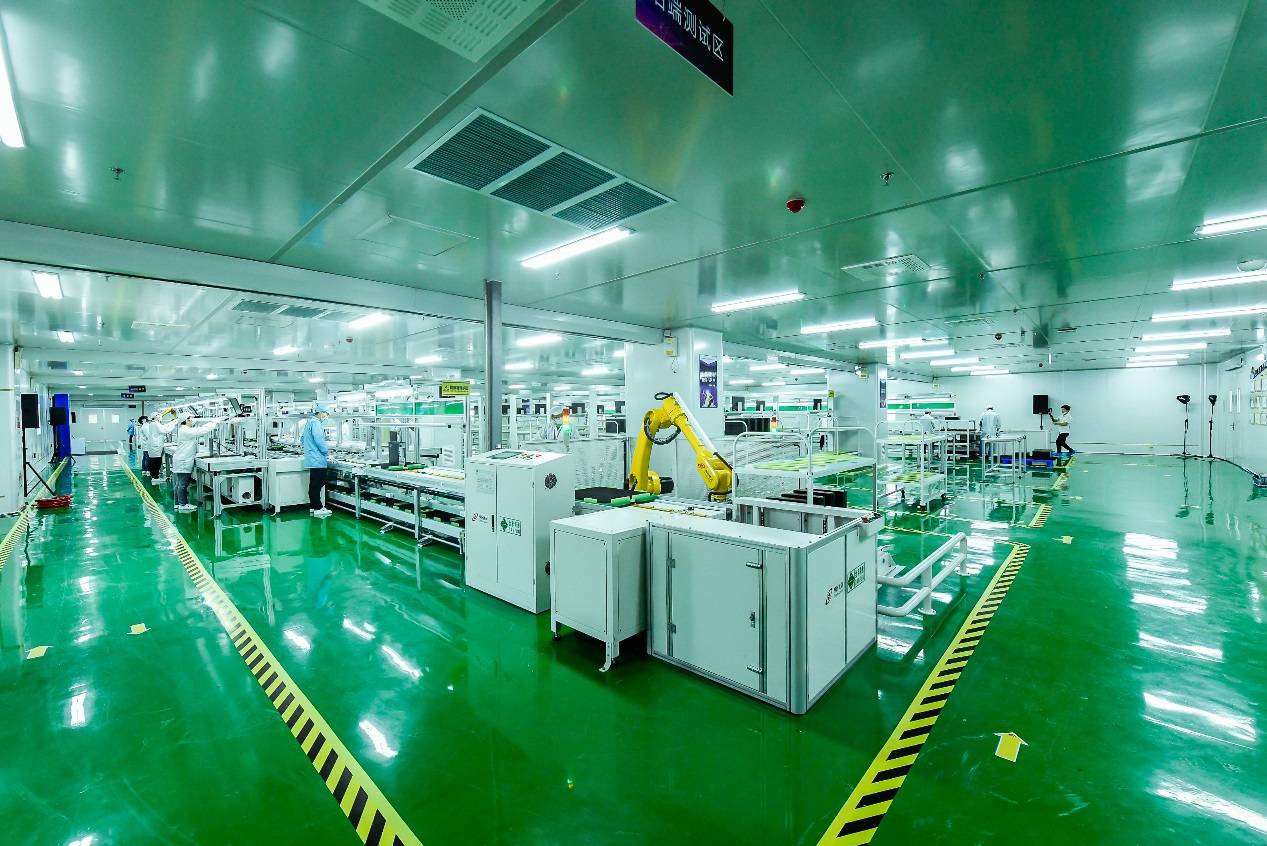
Addressing Electro-Magnetic Interference (EMI) containment, heat dissipation, and signal routing across modern multi-gigabit switch ports.
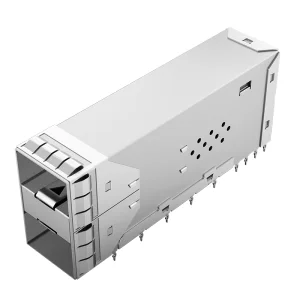
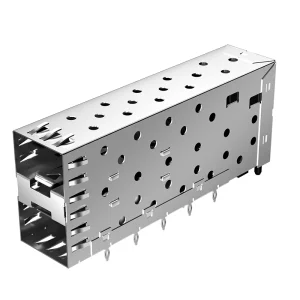
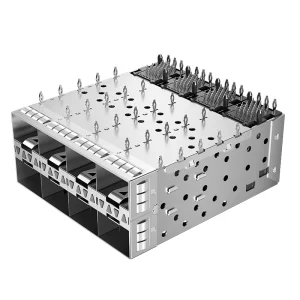
Modern optical networks operate at frequencies where signal wavelengths are incredibly short. At data rates exceeding 10Gbps (such as SFP+ and SFP28 modules), SFP cage apertures can behave as slot antennas if not properly shielded. FiberNova’s SFP cages integrate multi-point grounding tabs and conductive elastomeric gaskets that compress against the equipment bezel. This ensures a tight low-impedance electrical interface, blocking radiative emissions and meeting stringent international FCC/CE emission limits.
Thermal management is another core criteria, particularly in Middle Eastern climates where ambient server room temperatures can spike. FiberNova design paradigms optimize airflow via custom ventilated top-covers and integrated heat-sink options. By ensuring optimal convection paths, we prevent thermal runaway inside the transceiver optoelectronics, thereby prolonging the operational lifespan of high-density laser diodes.
For network equipment manufacturers serving the Damascus area, choose between press-fit (compliant pin) and through-hole soldering architectures based on assembly workflows. Press-fit cages offer significant manufacturing advantages: they eliminate the thermal stress of secondary wave-soldering processes, facilitate effortless field replacement, and improve signal integrity by reducing the capacitive stub effects typically caused by excess solder.
| Feature | SFP+ / SFP28 |
|---|---|
| Base Material | Copper Alloy / Nickel Plated |
| EMI Containment | BeCu Spring Fingers |
| Insertion Force | 34.3 N max |
| Extraction Force | 11.5 N max |
| Durability | 100 Mating Cycles Min |
| Operating Temp | -40°C to +85°C |
Understanding regional technical nuances and global product trends that define deployment success.
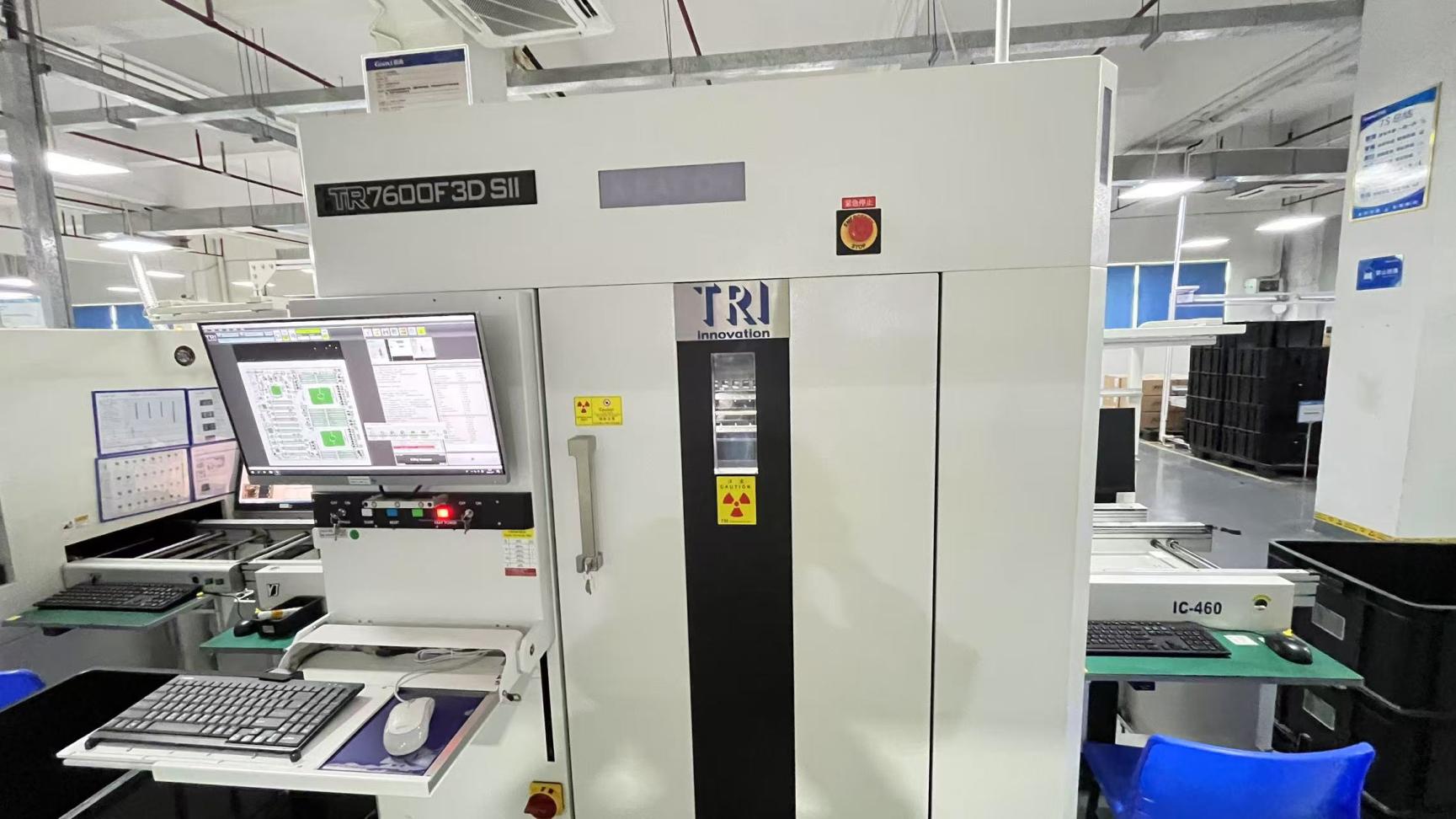
In Damascus, infrastructure relies heavily on stable long-distance data transportation to interconnect sub-districts and outlying industrial regions like Adra. Dual-rate transceiver modules and long-haul SFP transceivers (10km to 80km single-mode configurations) are essential to bridge municipal core network switches.
These transceivers interface with high-density switches housing multi-port SFP cages. By selecting SFP cages with built-in lightpipes, engineers at Syrian network installations can monitor port activity in dark telecom closets, reducing troubleshooting cycles.
The global telecommunication landscape is migrating rapidly towards 100G, 400G, and 800G architectures, driven by high-capacity AI workloads and cloud data centers. In step with these trends, SFP architectures have evolved into SFP-DD (Double Density) and QSFP-DD form factors.
While Damascus currently focuses on stabilizing 10G/25G regional networks, our R&D path ensures all manufactured enclosures are backward-compatible and prepared to handle higher frequency layouts, giving customers a reliable future-proofed roadmap.
Combining structural engineering precision with rigorous test methodologies to serve telecom operators worldwide.
Established in 2016, FiberNova Optical Communication Tech Co., Ltd. operates a high-efficiency production facility measuring approximately 380㎡. We specialize in high-speed optical interfaces, serving data center, cloud, and telecommunications operators across North America, Europe, Southeast Asia, and the Middle East, with export revenues ranging between USD 8–15 million.
With 12 years of industry experience, our 65 engineering professionals design and inspect every component. We verify signal integrity, thermal dissipation, mechanical latching, and EMI tolerance prior to shipment. Partnered with over 1,200 reliable supply chain entities, we guarantee the availability of chips, lasers, and nickel-plated copper alloys for consistent production outputs.
Every product batch is tested by our 45-person QC department, undergoing 100% optical performance profiling, mechanical stress testing, and thermal chamber cycling. This guarantees complete compatibility with major OEM platforms (like Cisco, Juniper, and Huawei) and alignment with industry MSA guidelines.
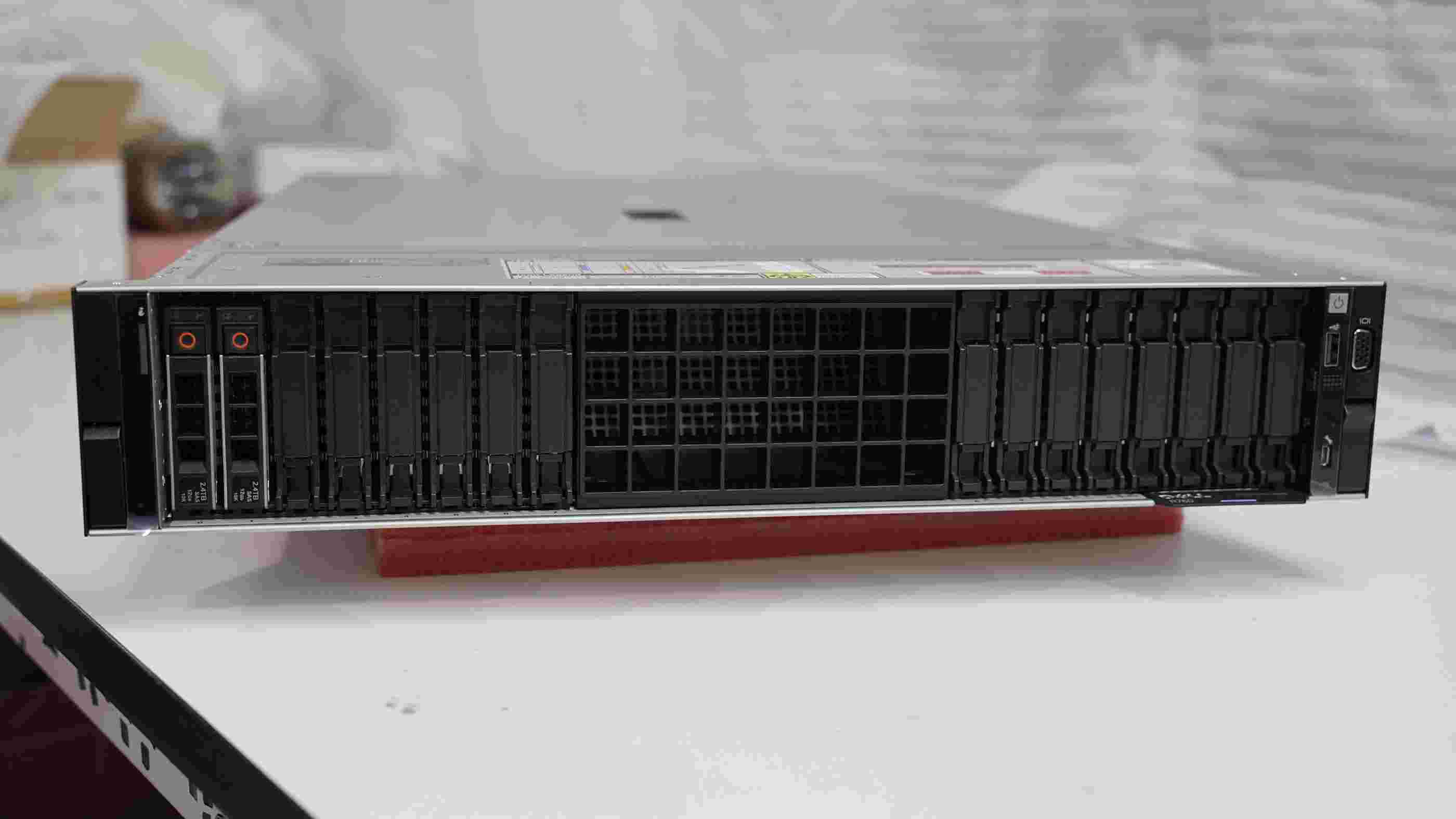
Get clarifications on common engineering and logistics questions when deploying SFP components in Syrian and Middle Eastern networks.
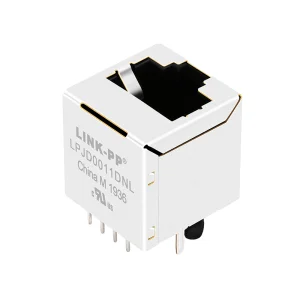
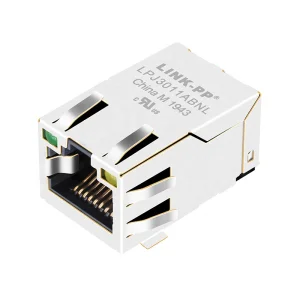
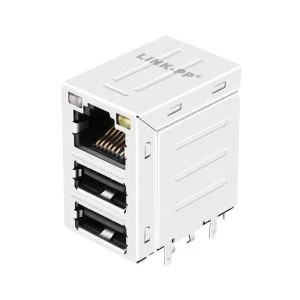
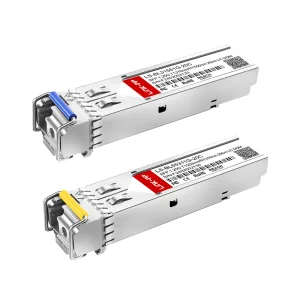
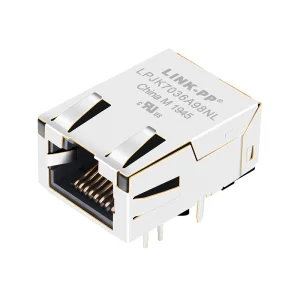
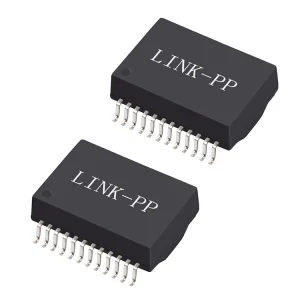
A comprehensive portfolio of SFP cages, RJ45 modules, and high-speed transceivers engineered to rebuild telecommunication infrastructure across Damascus.
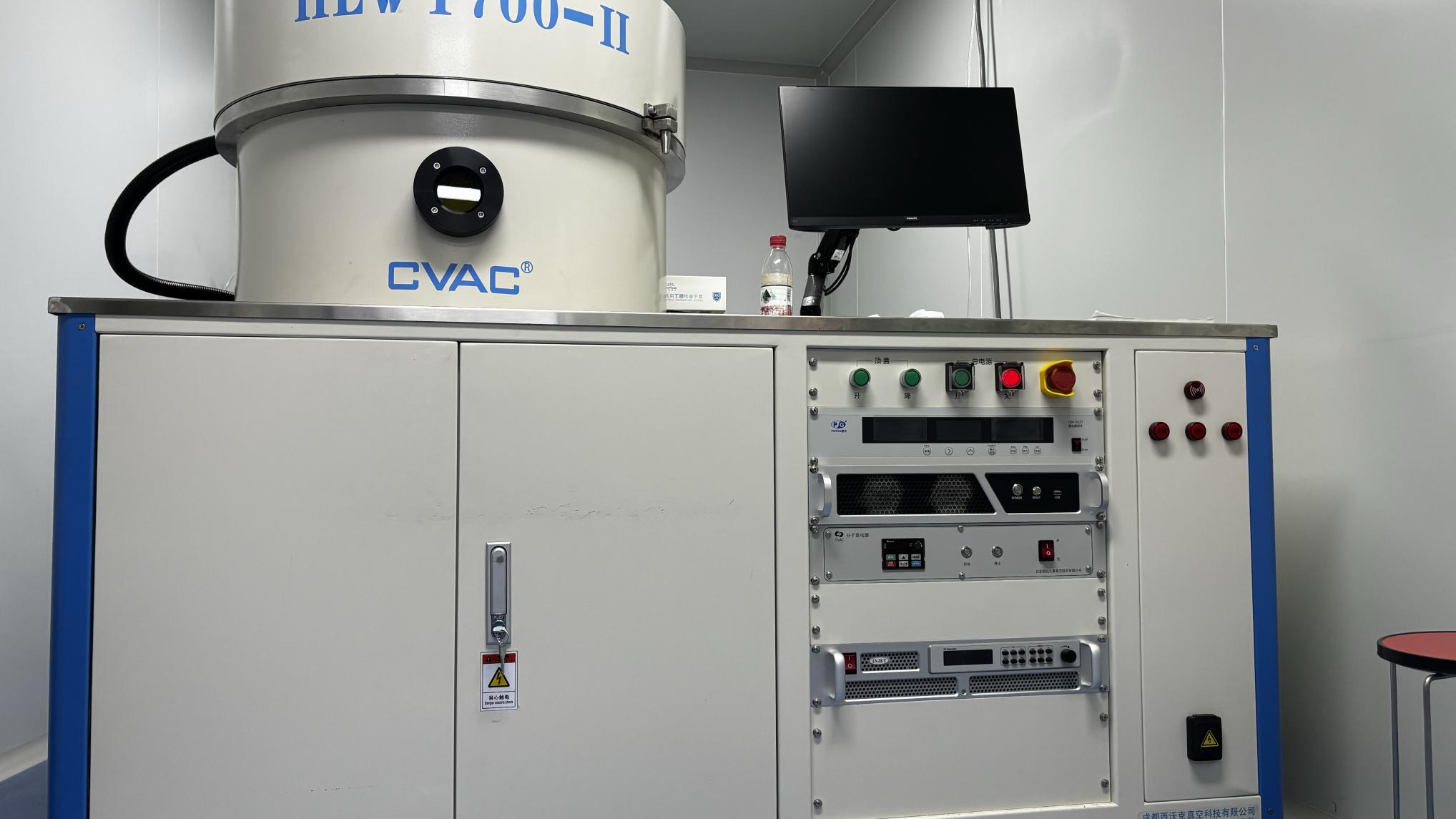
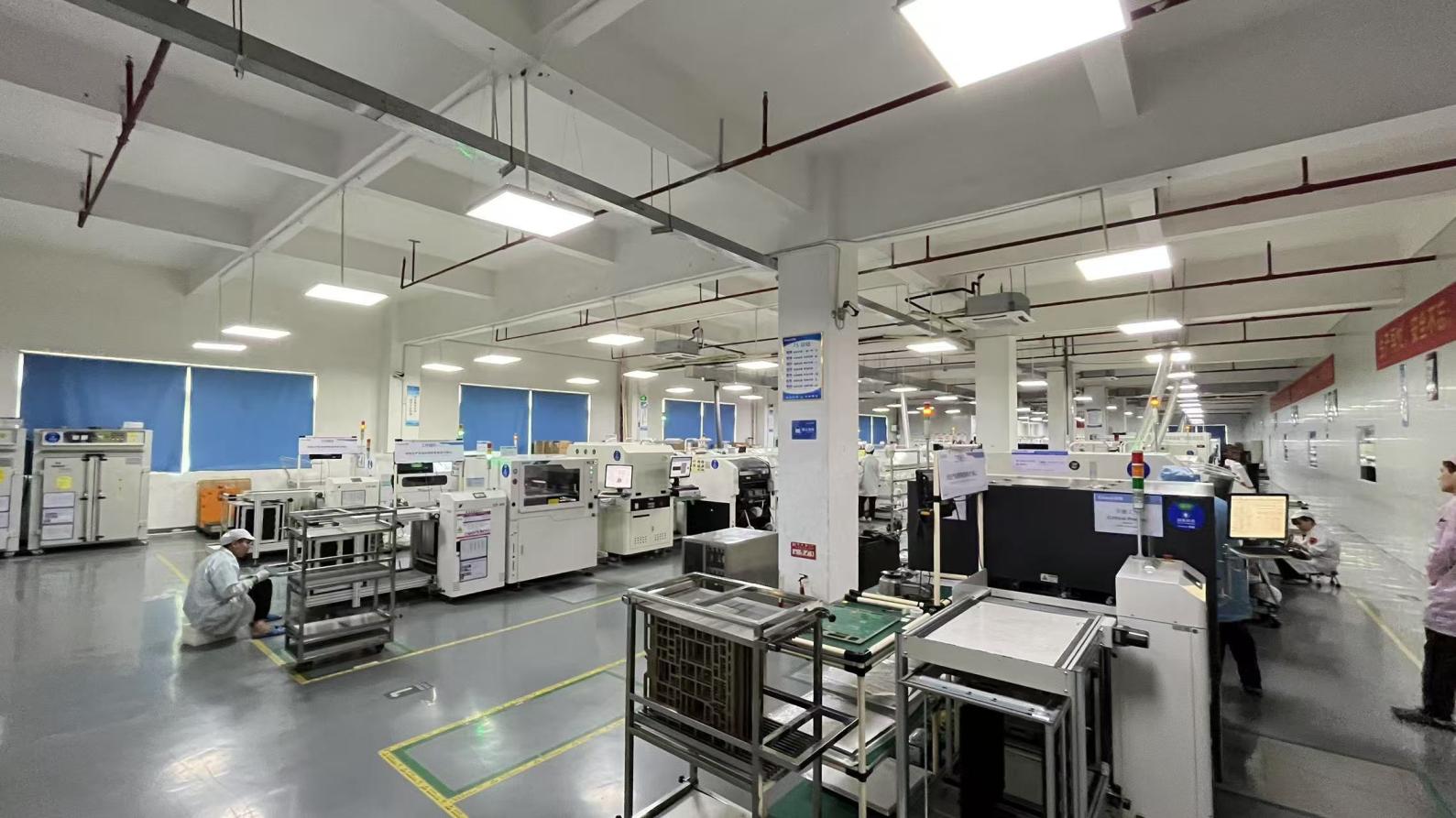
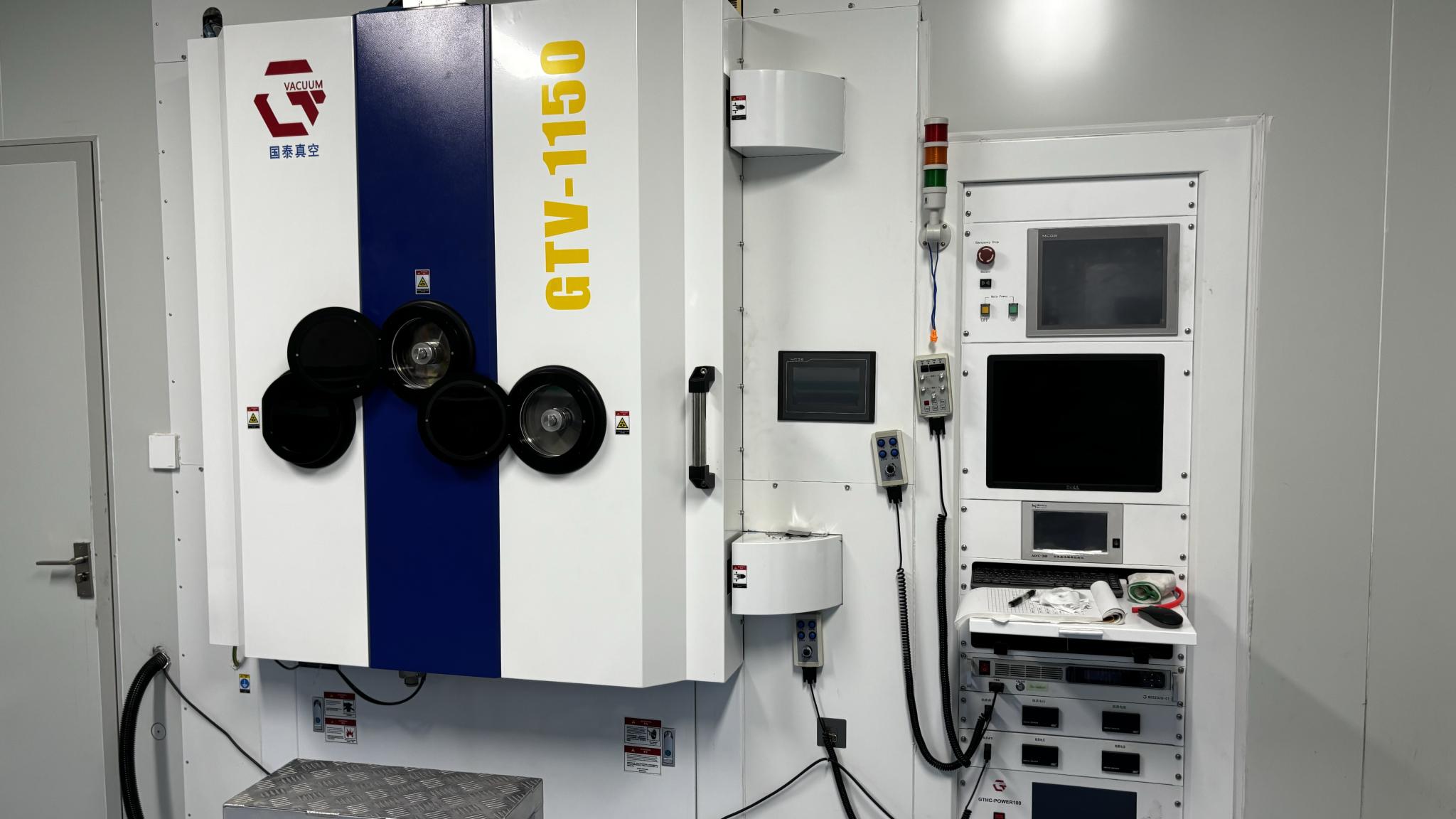
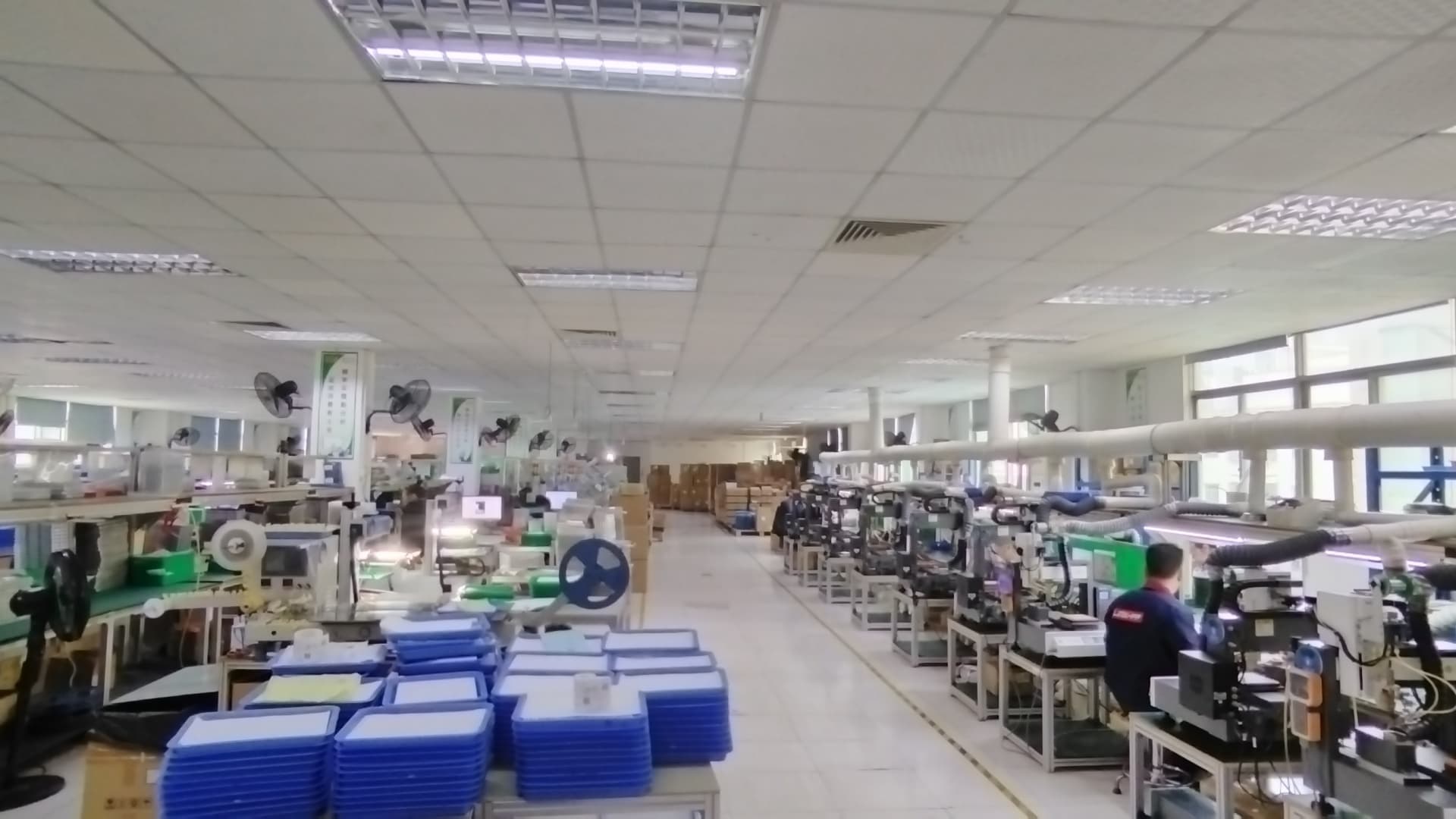
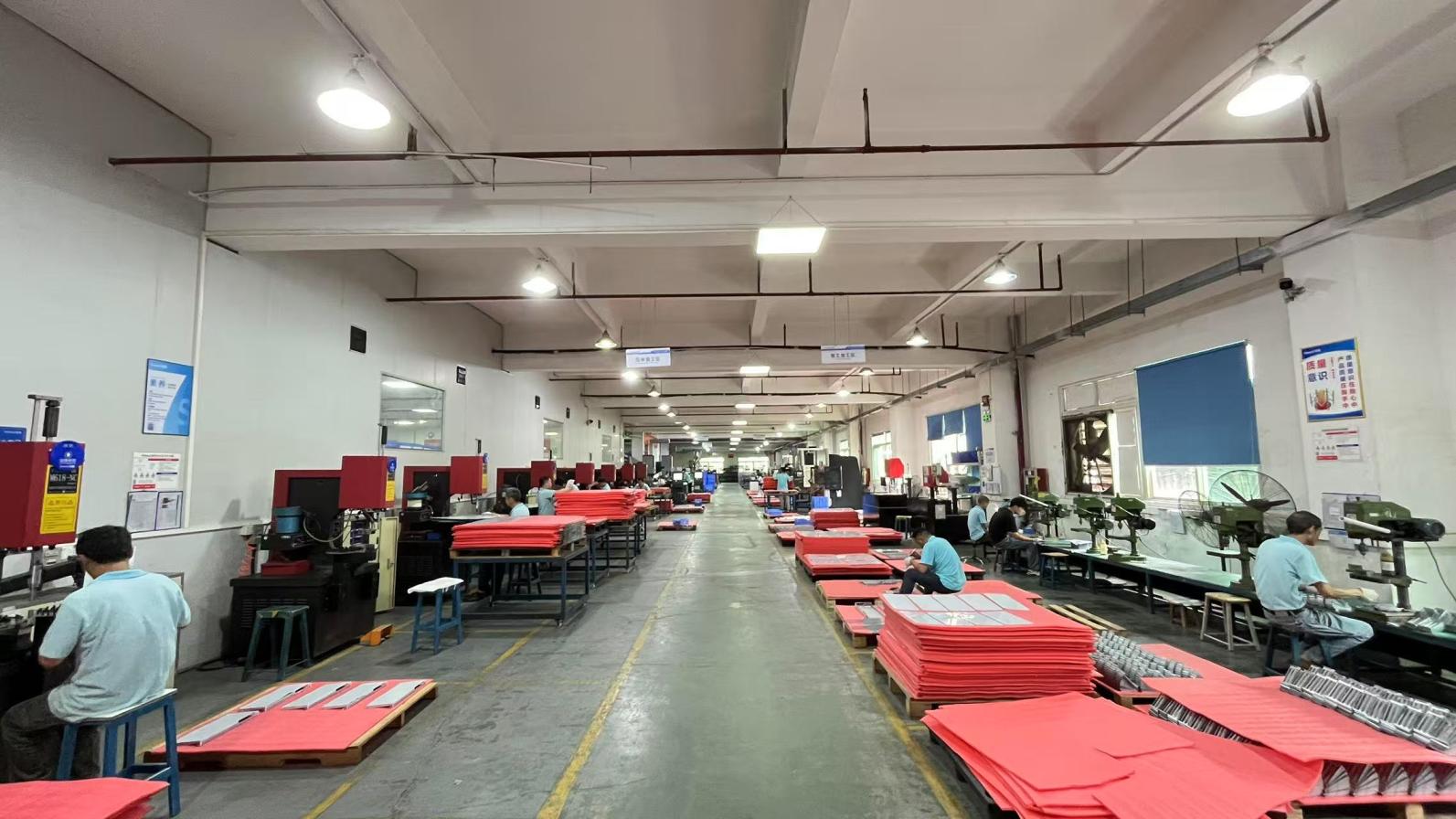
A walkthrough of our cleanrooms, precision assembly machinery, testing systems, and quality control lines.
 FiberNova