Engineered to support precise control and communication systems in Viennese infrastructure and Styrian manufacturing hubs.
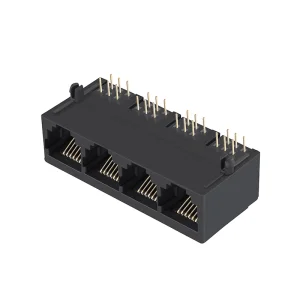
Multi-port configuration without magnetics, ideal for dense central distribution systems and PLC hubs in Linz automation ecosystems.
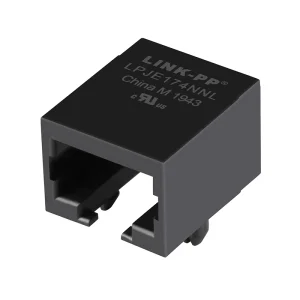
Space-saving single-port unshielded connector optimized for high-density telecommunication line cards and local network hubs.
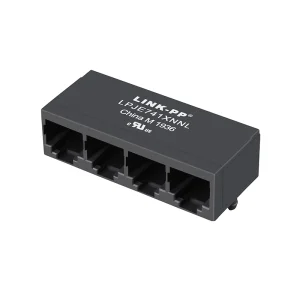
Through-hole mounting style with robust physical retention pins. Engineered for legacy infrastructure and industrial modems.
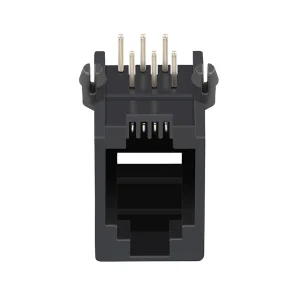
Side entry orientation for low-profile applications. Gold-plated contact points ensure zero signal attenuation in vibration-heavy automotive testing.
As Austria pivots towards advanced smart factory initiatives, Industry 4.0, and the Internet of Things (IoT), the interface between legacy telecommunication backbones and modernized industrial hardware has never been more critical. Throughout Austria's economic heartlands—from Vienna’s specialized technology clusters to Styria’s automotive manufacturing lines and Linz’s heavy industries—there exists a persistent demand for physical modular connectors that satisfy the most stringent standards of electromagnetic compatibility (EMC), thermal cycling capacity, and physical durability.
Although fiber optic networks (FTTH/FTTC) represent the standard for high-bandwidth metropolitan communication systems managed by national operators like A1 Telekom Austria, copper-based modular interfaces remain indispensable. In Austria’s industrial automation architecture, standard RJ11 (typically 6P4C or 6P6C configurations) and RJ12 connectors serve as primary connections for analog telemetry systems, security networks, programmable logic controllers (PLCs), environmental monitoring systems, and local sensor buses. The integration of legacy copper lines with newer, fiber-backed networks requires robust, interference-free modulators and transceivers to prevent packet loss in noisy industrial environments.
"Modernizing Austrian transport hubs, railway networks operated by ÖBB, and highway telemetry systems managed by ASFiNAG requires ruggedized components. Our industrial-grade RJ11 and SFP solutions are designed to withstand local environmental challenges, from freezing Alpine winters to high-temperature factory floors, ensuring continuous connection in all conditions."
Moreover, the Austrian manufacturing and processing sectors place extreme value on the *reliability* aspect of the E-E-A-T framework. Component failure on an automated production line in Styria or a precision test rig in Graz can result in significant financial loss. FiberNova, as a leading global manufacturer, bridges this technical gap by providing robust RJ11 connectors and high-speed SFP modules designed specifically to thrive under harsh, continuous-duty industrial environments.
For systems engineers and procurement managers across Austria, specifying the correct mechanical interface is vital to system longevity. A common point of failure in network installations is selecting commercial-grade, consumer-oriented RJ11 plugs and jacks for industrial environments. Industrial installations demand superior mechanical housing, high-performance copper alloy contacts, and resilient plating to resist oxidation and fretting corrosion.
Below, we outline the primary technical differences between commercial connectors and the high-performance configurations manufactured by FiberNova for the Austrian industrial sector:
| Feature Spec | Commercial Grade (Standard) | FiberNova Industrial Grade (Austria Spec) | Engineering Benefit |
|---|---|---|---|
| Housing Material | Standard ABS or low-grade Polyester | High-Temp LCP, PBT, or Nylon 66 (UL 94V-0 Rated) | Self-extinguishing, resists deformation under high-heat reflow soldering. |
| Contact Plating | Flash gold or 3u" Gold Plating | 15u", 30u", or 50u" Selective Gold Plating | Resists corrosion and provides 750+ mating cycles under mechanical stress. |
| Operating Temp | -20°C to +70°C | -40°C to +85°C (Extended industrial range) | Maintains signal integrity in Alpine telecommunication boxes. |
| Shielding Options | Typically Unshielded | Fully Shielded with Copper Alloy (Nickel Plated) | Minimizes crosstalk and protects against EMI in heavy machinery environments. |
| Mechanical Strength | Low retention tab strength | Reinforced tabs with metal mounting pegs (Press-Fit) | Prevents accidental disconnects caused by machinery vibration. |
The 6P6C (6 Positions, 6 Conductors) design provides maximum flexibility for multi-line analog links and serial data logging protocols, whereas 6P4C designs are optimized for standard analog telephone routing. In industrial control applications—such as building climate controls in Green Buildings in Vienna or smart agricultural monitoring systems in Lower Austria—our 6P6C RJ11 connectors are frequently deployed to support proprietary 3-wire and 4-wire serial communication protocols alongside power transmission lines (Power over Copper), ensuring robust physical connections and minimizing line impedance.
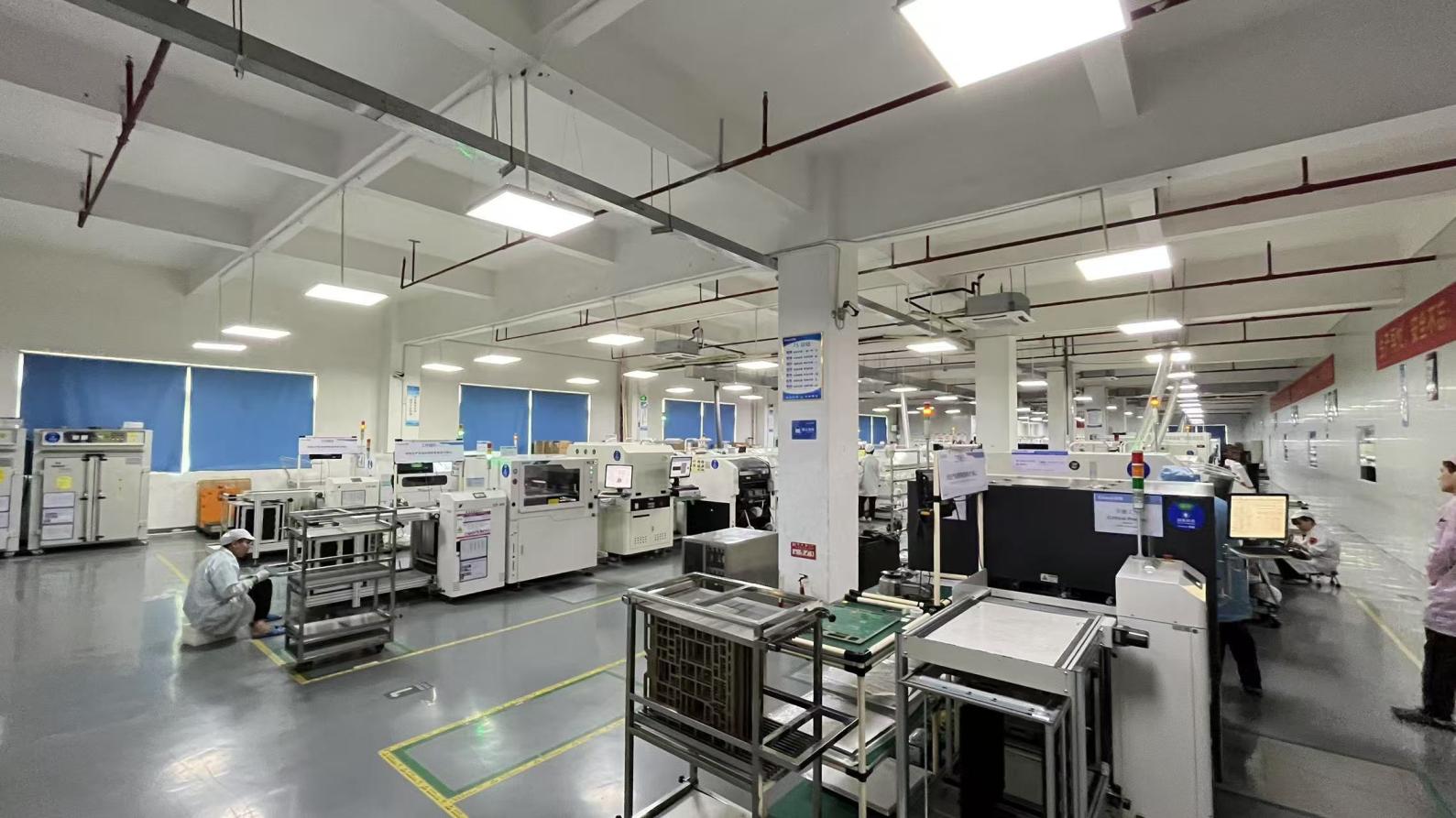
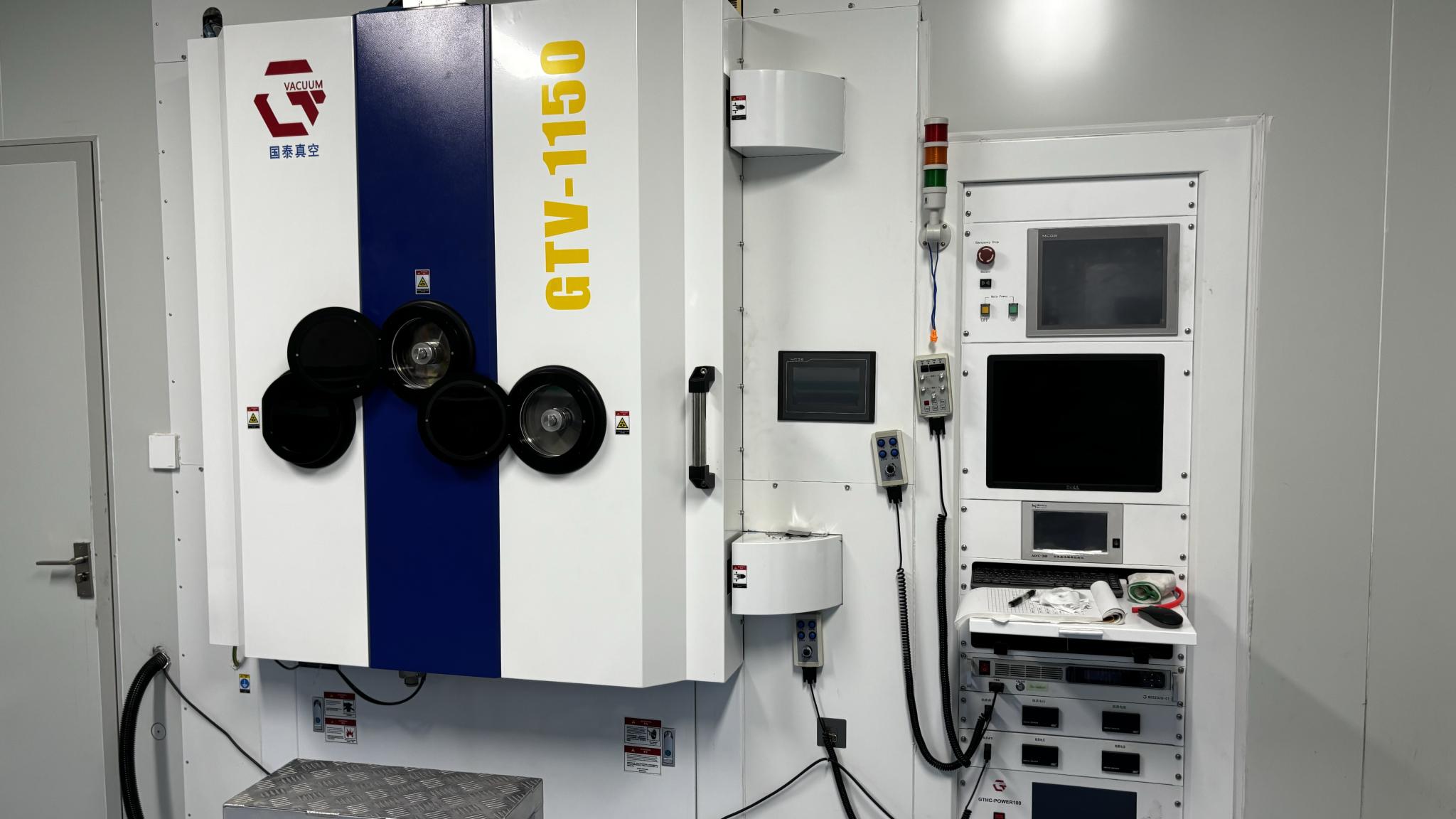
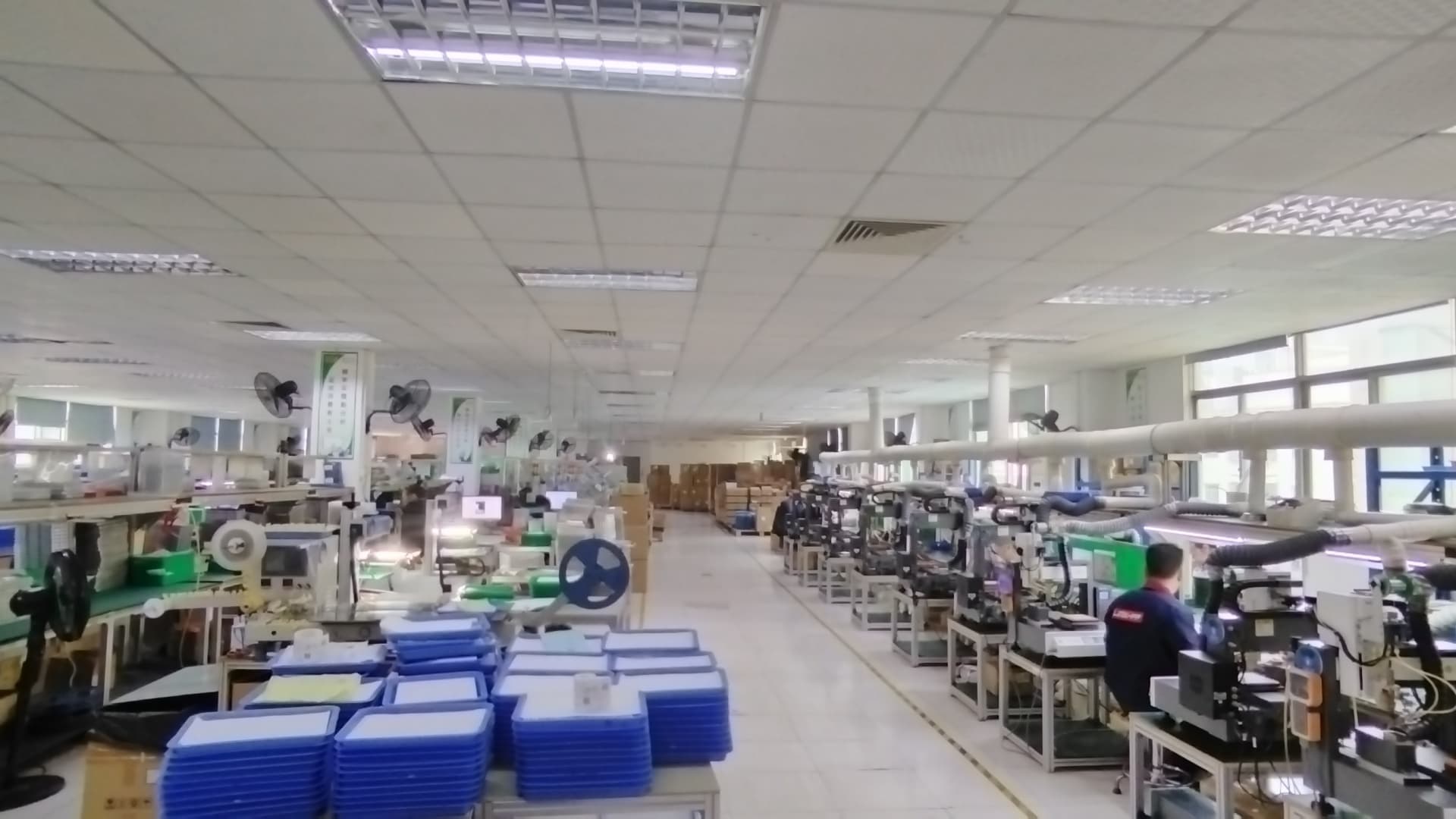
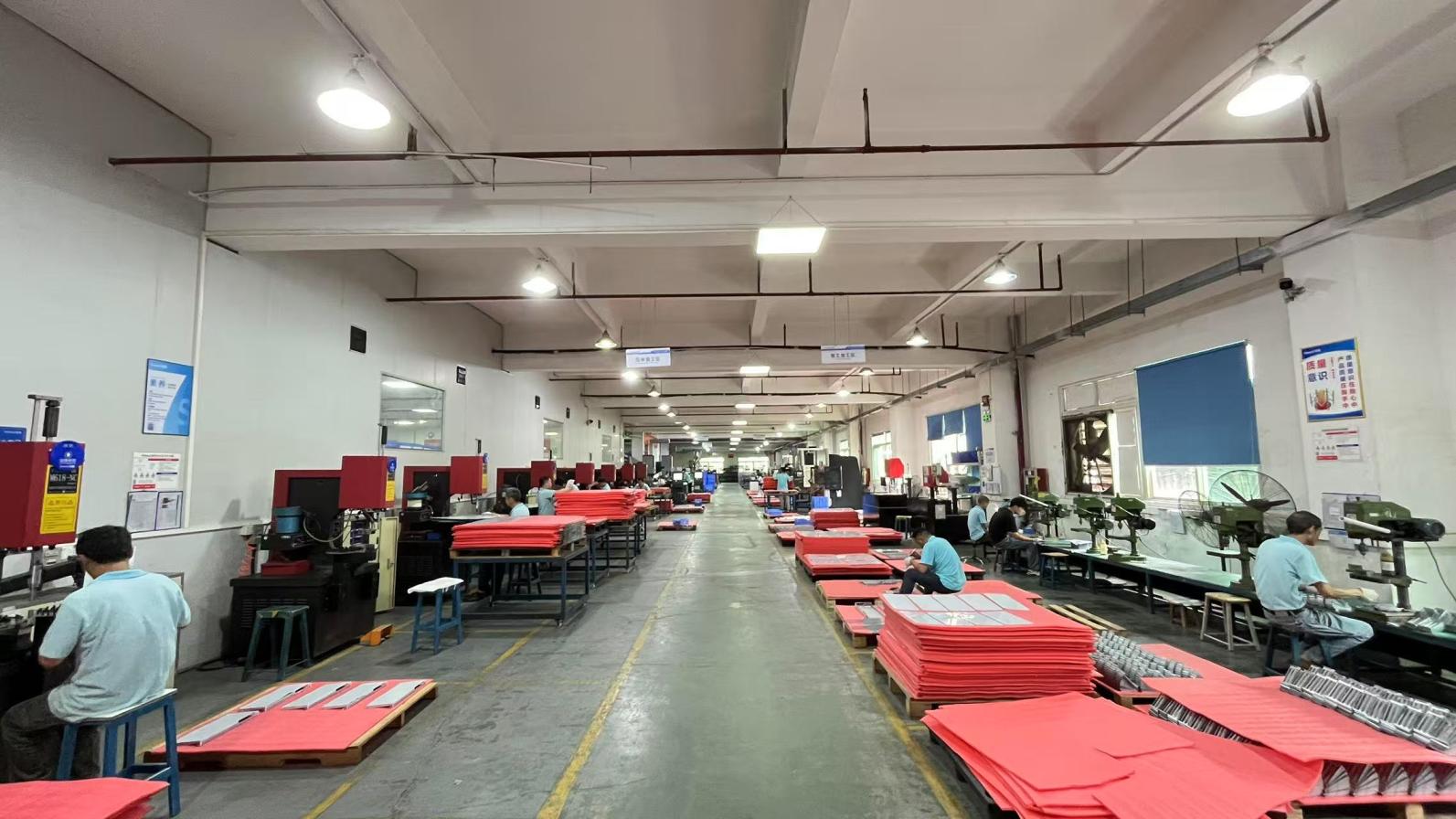
For Austrian procurement departments, navigating the modern supply chain requires balancing high engineering standards with cost efficiency. FiberNova's state-of-the-art production facility in China provides a strategic advantage for European enterprises looking to optimize their supply chain. While European localized suppliers face escalating energy and raw material costs, FiberNova leverages a highly integrated industrial ecosystem to deliver premium modular jacks at competitive prices.
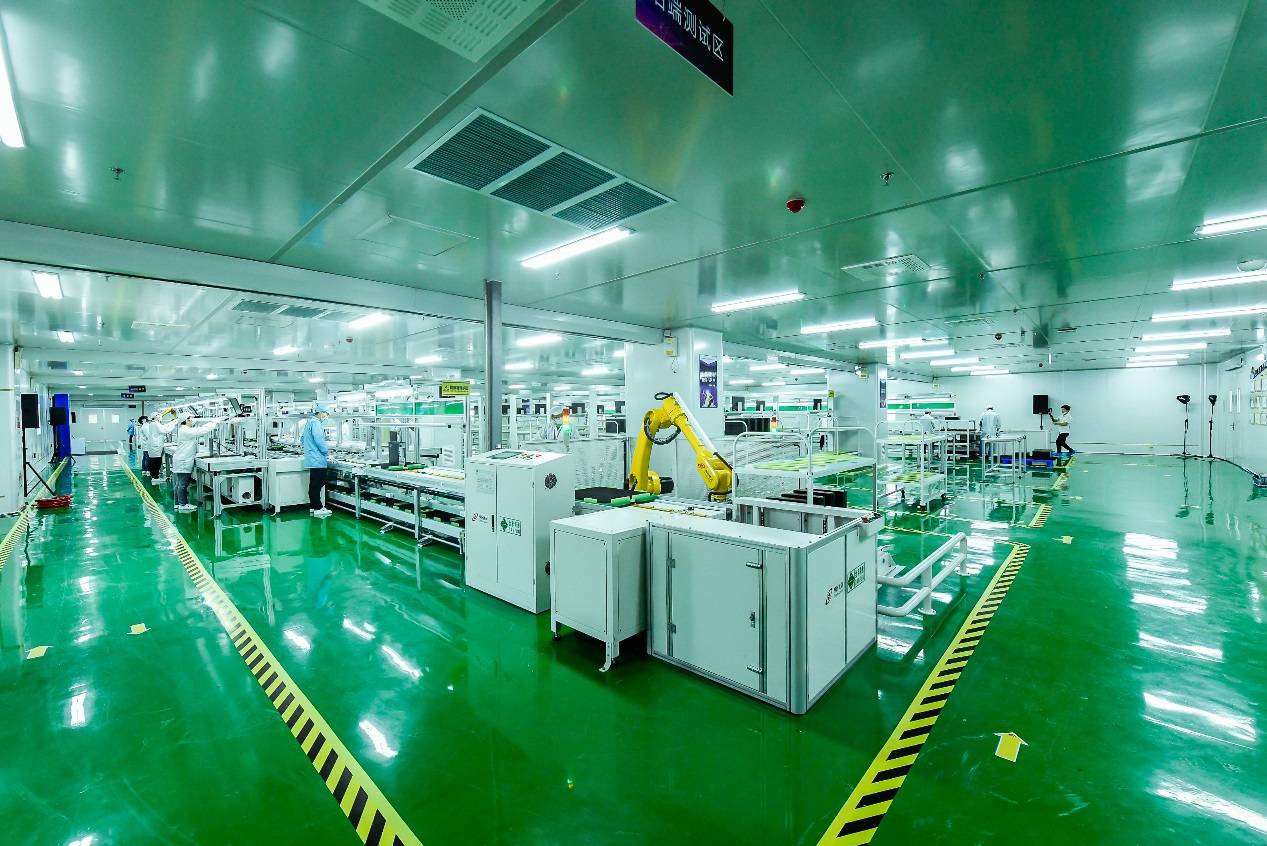
Operating a modernized 380m² manufacturing facility focused on high-precision optical transceivers and modular interconnect solutions, FiberNova has established a reliable supply chain. Over the past 12 years of industry experience and 6 years of international export operations, we have built relationships with more than 1,200 trusted supply chain partners. This robust network ensures uninterrupted access to high-grade engineering plastics (LCP, PBT) and premium phosphor bronze contacts, insulating our clients from global material shortages.
Furthermore, our engineering team of 65 R&D professionals specializes in fine-tuning designs to meet localized Austrian and EU regulations. Whether you require compliance with RoHS Directive 2011/65/EU, REACH regulations, or specific mechanical footprints compatible with legacy TE or Molex parts, FiberNova delivers verified compatibility, rapid prototyping, and high-volume production capacity.
Understanding user intent (User Intent Mining) reveals that Austrian engineering teams search for connectors based on real-world industrial challenges. Here are the key application scenarios in Austria where FiberNova's modular interconnects and transceivers provide critical technical advantages:
Austria is aggressively upgrading its electrical grid to support decentralized renewable energy sources (wind and solar). Smart meters and data concentrators deployed in sub-stations require robust, reliable physical interfaces to transmit telemetry data back to regional operators. Our unshielded and shielded RJ11/RJ12 modular jacks are integrated directly into grid routers, providing low-noise communication under severe electrical field stress.
Austria’s extensive railway networks rely on wayside signaling, trackside temperature sensors, and emergency telephone lines. These installations are subjected to constant mechanical vibrations from passing trains and severe temperature fluctuations in Alpine tunnels. FiberNova's Through-Hole (DIP) RJ11 connectors, featuring robust metal ground tabs and high-thickness gold contacts, provide the necessary mechanical stability and resistance to mechanical wear.
Vienna is famous for its sustainable urban developments. High-performance HVAC systems, automated lighting controls, and security panels require reliable fieldbus connections. By implementing FiberNova’s multi-port side-entry modular jacks, building automation OEMs can fit more control channels into compact DIN-rail modules, maximizing functional density while minimizing installation space.
Explore our full range of modular RJ11/RJ45 connectors and high-speed SFP/SFP+ optical modules. Kept in stock for prompt dispatch to Austrian industrial centers.
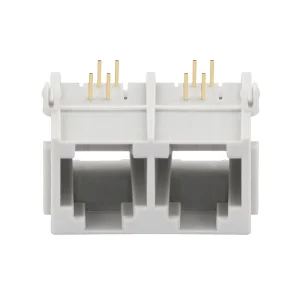
Dual-port configuration for space-efficient parallel routing. Designed for high reliability in rugged Alpine tracking installations.
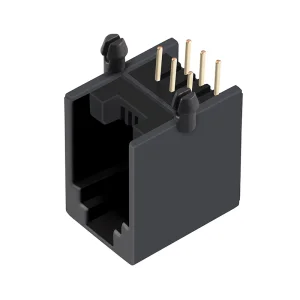
Flexible 6P6C interface designed to support legacy RS-232 and RS-485 serial communication in heavy steel plant automation.
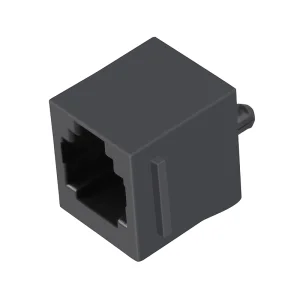
Vertical profile version ideal for tight space integrations on power monitoring PCB assemblies.
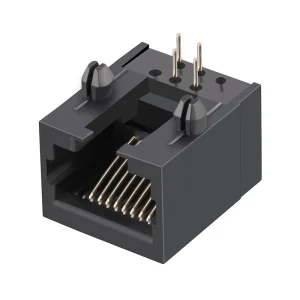
Ultracompact 4P4C model designed for medical diagnostic devices, offering low contact resistance and high insertion cycles.
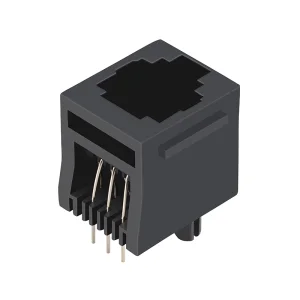
Top-entry orientation allows direct perpendicular plug-in, saving space in building automation control panels.
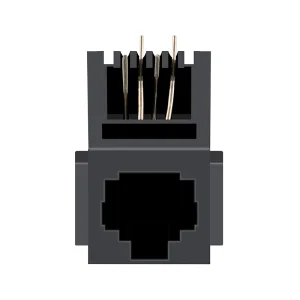
Precision engineered 4P4C vertical jack for small-footprint IoT sensor hubs and environmental monitors.
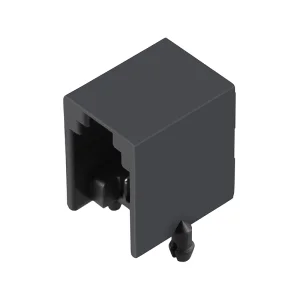
Standard DIP footprint without LEDs. Designed for high volume, cost-effective assembly in industrial controllers.
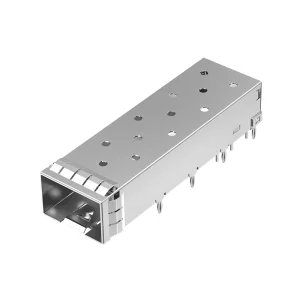
High-speed press-fit transceiver cage offering superior EMI shielding for Austrian enterprise telecom centers.
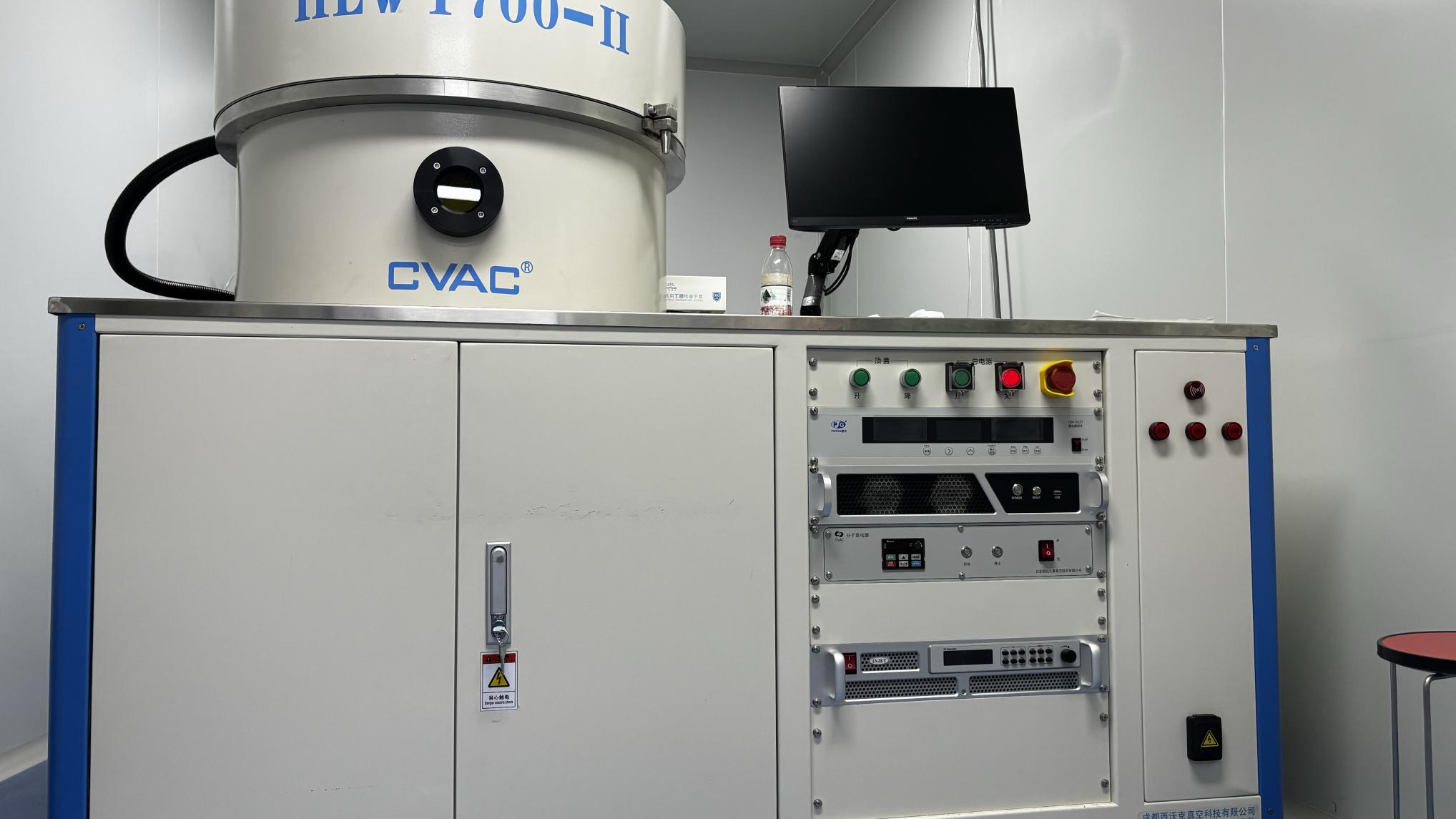
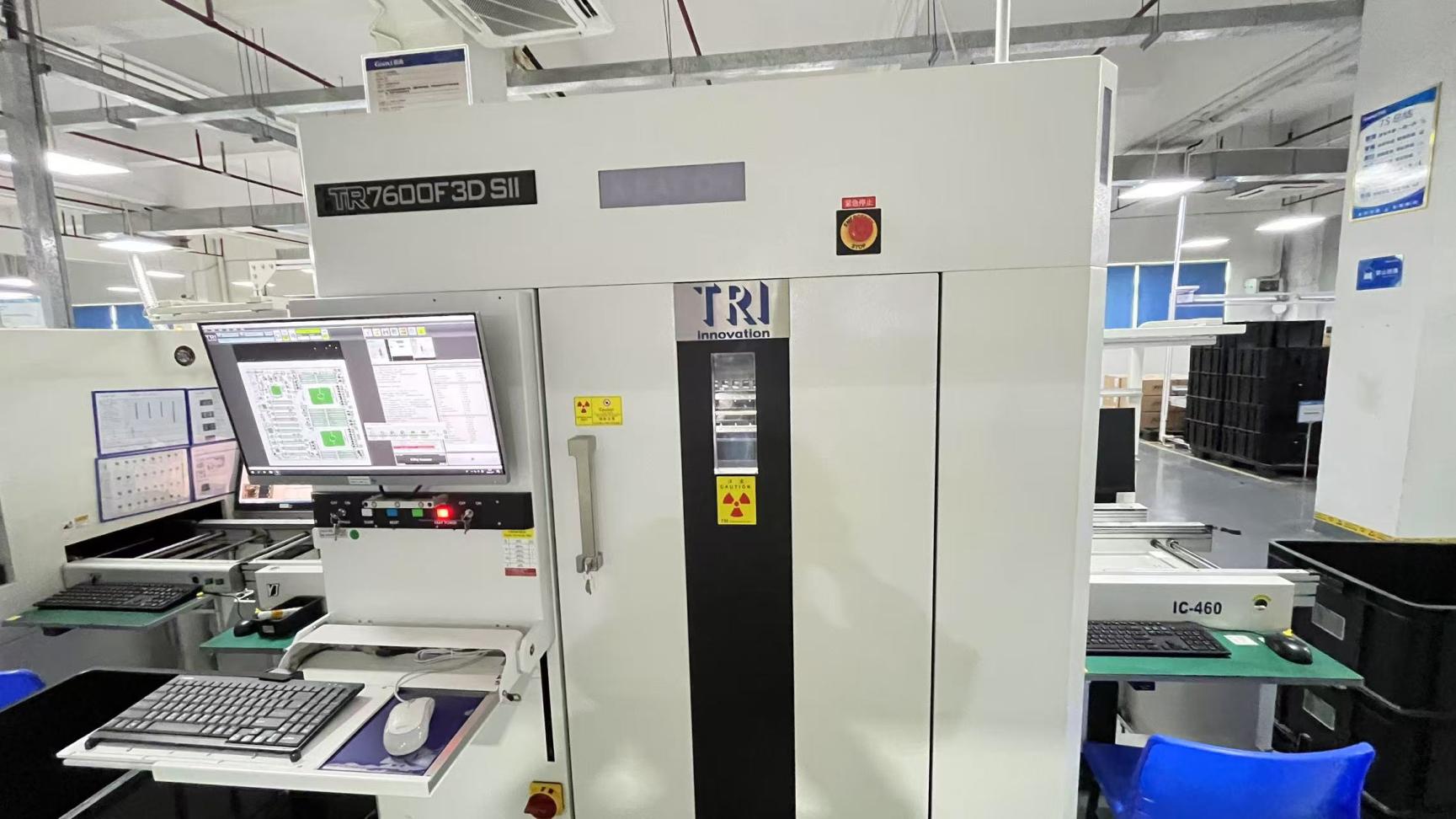
Quality and reliability form the foundation of FiberNova's operations. We maintain a strict quality control system to ensure every component shipped to our European clients functions flawlessly. In high-speed optical transceivers and modular telecom jacks, even a microscopic defect can disrupt entire fiber-optic networks or automated assemblies.
To eliminate these risks, FiberNova employs a dedicated team of **45 professional QC specialists**. Our testing protocol covers every stage of production, incorporating the following inspections:
With an annual R&D release of roughly 120 new products, FiberNova stays at the forefront of network hardware evolution. Whether your project demands standard RJ11 interfaces or cutting-edge 100G, 400G, or 800G optical transceivers, our manufacturing facilities deliver components engineered for durability and high performance.
Despite the rise of high-speed Ethernet and fiber, legacy serial interfaces (RS-232, RS-485, and two-wire analog lines) remain common in building automation, telemetry, and sub-metering. RJ11 and RJ12 connectors provide a compact, low-cost, and reliable connection for these systems, making them essential for integrating legacy field hardware with modern central networks.
We manufacture all our modular connectors, jacks, and transceivers using raw materials that fully comply with RoHS and REACH regulations. We provide complete documentation, including material declaration sheets and test reports, helping Austrian distributors and OEMs comply with EU import requirements.
Yes. Our engineering team can customize modular connectors to match your requirements. We offer various mounting styles (surface mount SMT, through-hole DIP, press-fit), shielding options, orientation layouts (vertical, side entry), and contact plating thicknesses (from 3u" up to 50u" gold plating) to fit your design specifications.
Gold thickness directly impacts contact resistance and wear life. Thin plating (3u") is fine for light consumer applications, but industrial environments require at least 30u" or 50u" gold-plated contacts. This thicker plating prevents oxidation, stands up to frequent mating cycles, and keeps signals clear despite mechanical vibrations.
Standard product orders are typically processed and shipped within 2 to 3 weeks, while custom OEM designs may take 4 to 6 weeks. We work with leading international courier services (DHL, FedEx, UPS) and air/sea freight forwarders to guarantee delivery to Austrian cities, including Vienna, Linz, Graz, and Salzburg.
 FiberNova