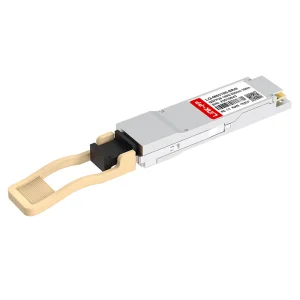
Deploy high-speed interconnectivity natively engineered for the extreme data densities of Hanoi’s expanding digital infrastructure.
Hanoi, the administrative and technological epicenter of Vietnam, is undergoing an unprecedented digital overhaul. Driven by the Vietnamese government's "National Digital Transformation Program to 2025, with Orientation to 2030," the city is aggressively expanding its regional data centers, smart-city infrastructures, and 5G telecommunication hubs. Key national operators such as Viettel, VNPT, and FPT are building Tier III and Tier IV data facilities across Hoa Lac Hi-Tech Park and Cau Giay district. This computational expansion directly dictates a transition from standard 10G networks to high-performance 40G and 100G fiber backbones.
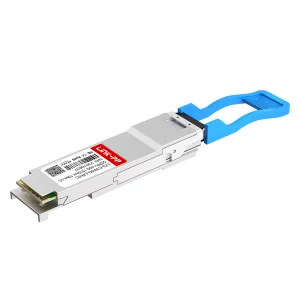
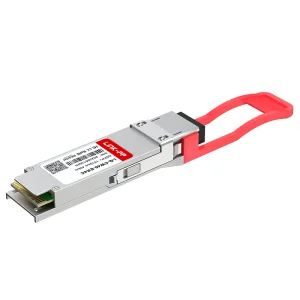
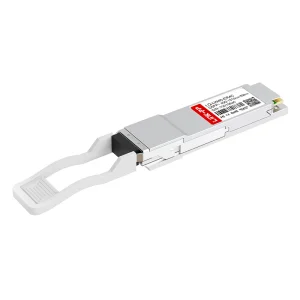
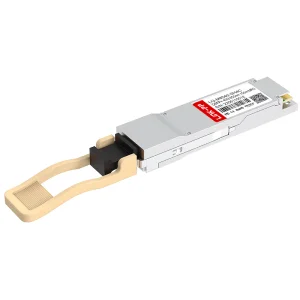
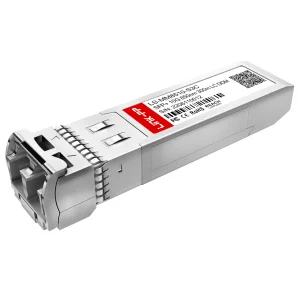
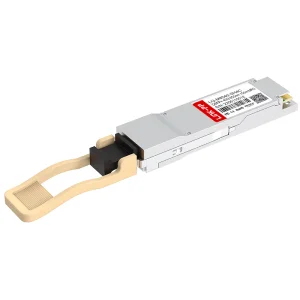
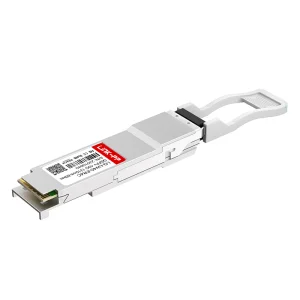
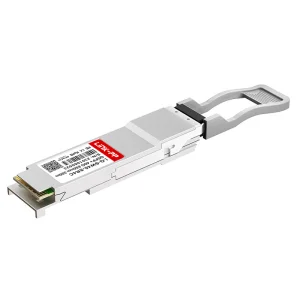
At the center of this migration is the 40G QSFP+ (Quad Small Form-factor Pluggable Plus) module. This optical transceiver enables operators in Hanoi to aggregate traffic from multiple 10G channels into high-bandwidth channels, optimizing current duct spaces and fiber deployments. Given the unique tropical conditions and urban layout of Hanoi, choosing the right 40G optical transceiver requires deep knowledge of transmission medium tolerances, local compliance benchmarks, and fiber loss metrics.
Understanding the exact deployment scenario is critical when selecting 40G QSFP+ transceivers. Different network layers require targeted physical layer attributes:
In municipal data centers in Cau Giay, racks are densely packed to conserve real estate. Here, the 40GBASE-SR4 module is the standard. Running over Multimode Fiber (MMF) OM3 or OM4, it uses an MPO/MTP-12 connector interface to transmit 4 parallel streams of 10G over 850nm vertical-cavity surface-emitting lasers (VCSELs). For facilities seeking to upgrade legacy 10G LC duplex fiber configurations without upgrading the fiber patch panels, the 40GBASE-SR BiDi (Bidirectional) transceiver represents an incredibly cost-effective option, utilizing Wavelength Division Multiplexing (WDM) to carry 40G over a standard duplex LC multimode cable up to 300 meters.
For cross-campus networking in Hoa Lac Hi-Tech Park or metropolitan links between central government databases, Single Mode Fiber (SMF) is utilized. The 40GBASE-LR4 leverages Coarse Wavelength Division Multiplexing (CWDM) to combine four distinct wavelengths (1271nm, 1291nm, 1311nm, and 1331nm) onto a single LC duplex fiber interface, carrying traffic reliably over 10km. When distances expand up to 40km, the 40GBASE-ER4 module, utilizing highly sensitive avalanche photodiode (APD) receivers and Electro-absorption Modulated Lasers (EMLs), maintains link stability through higher fiber loss thresholds.
Connecting Hanoi to outlying provincial nodes requires extreme-distance optics. The 40GBASE-ZR4 and 40G 80km modules utilize amplification mechanisms and advanced optical filtering to push the boundary of SMF transmission up to 80km. Our engineering research confirms that maintaining low Bit Error Rates (BER) at these distances requires high-quality transceivers with built-in Digital Diagnostic Monitoring (DDM) interfaces, allowing Hanoi network operation centers (NOCs) to monitor optical power, voltage, temperature, and laser bias currents in real time.
| Standard | Fiber Type | Wavelength | Connector Type | Max Reach | Typical Application in Hanoi |
|---|---|---|---|---|---|
| 40GBASE-SR4 | Multimode (MMF) | 850nm (VCSEL) | MPO/MTP-12 | 100m (OM3) / 150m (OM4) | Intra-rack interconnects in Cau Giay Server Rooms |
| 40GBASE-SR BiDi | Multimode (MMF) | 850nm / 900nm | LC Duplex | 300m (OM4) | Upgrade legacy 10G LC links to 40G without cable replacement |
| 40GBASE-LR4 | Singlemode (SMF) | CWDM (1271-1331nm) | LC Duplex | 10km | Inter-building campus loops & enterprise uplinks |
| 40GBASE-ER4 | Singlemode (SMF) | CWDM (1271-1331nm) | LC Duplex | 40km | Metropolitan link transport & disaster recovery sites |
| 40GBASE-ZR4 | Singlemode (SMF) | 1310nm Band (APD Rx) | LC Duplex | 80km | Regional telecommunication backhaul to outer Hanoi provinces |
For B2B buyers, system integrators, and telecom operators in Hanoi, procurement latency is a key operational metric. FiberNova's advanced production facility, based in China's core electronics manufacturing corridor, offers unparalleled geographical and logistical advantages to the Vietnamese market. Located within driving distance of major land ports like Pingxiang (Guangxi) and Lang Son border crossings, FiberNova can coordinate direct overland road freight to Hanoi. This minimizes international transit time to 3 to 5 days, bypassing the delays associated with maritime shipping.
Furthermore, under the ASEAN-China Free Trade Area (ACFTA), import tariffs on optical networking transceivers are highly favorable when accompanied by a Certificate of Origin (Form E). FiberNova’s dedicated export compliance teams provide all necessary certification, allowing Hanoi importers to avoid regulatory roadblocks and reduce overall total cost of ownership (TCO).
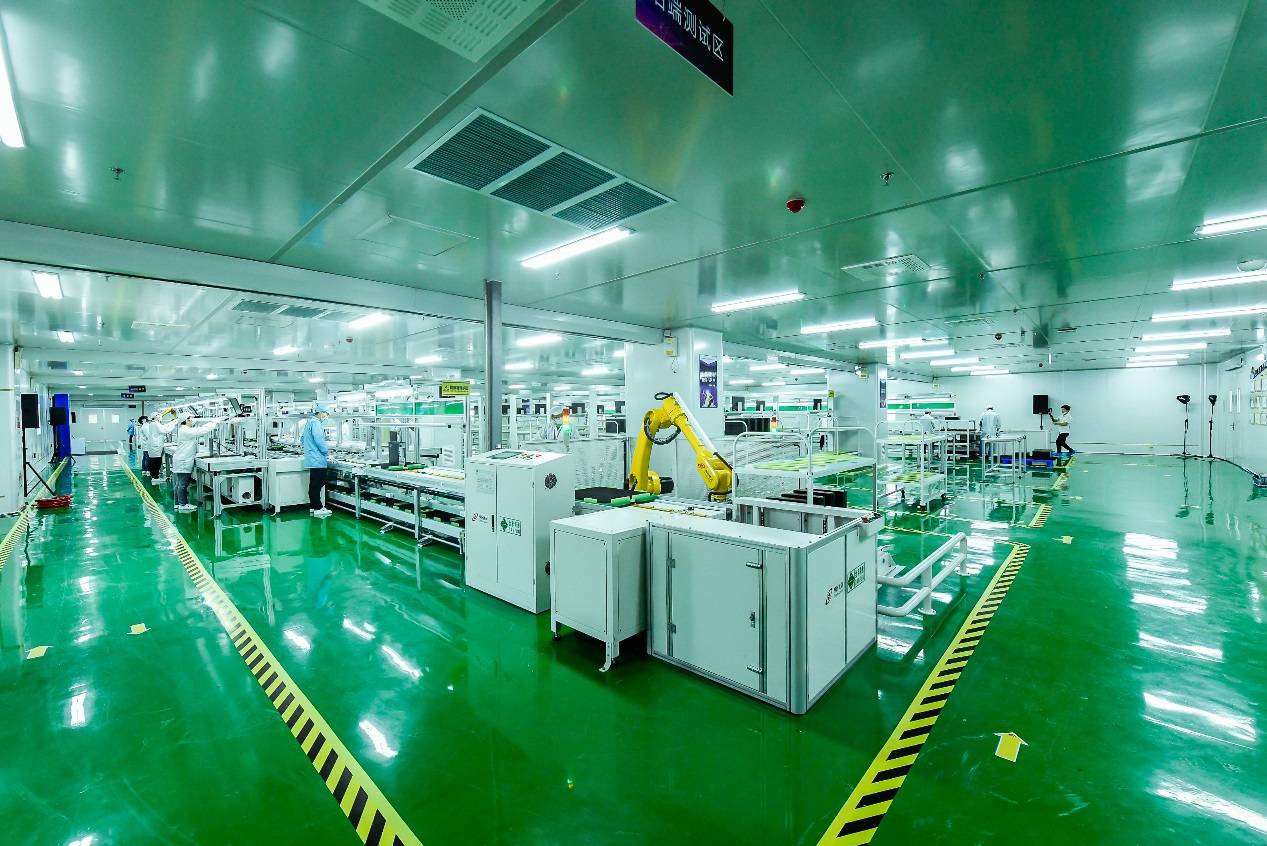
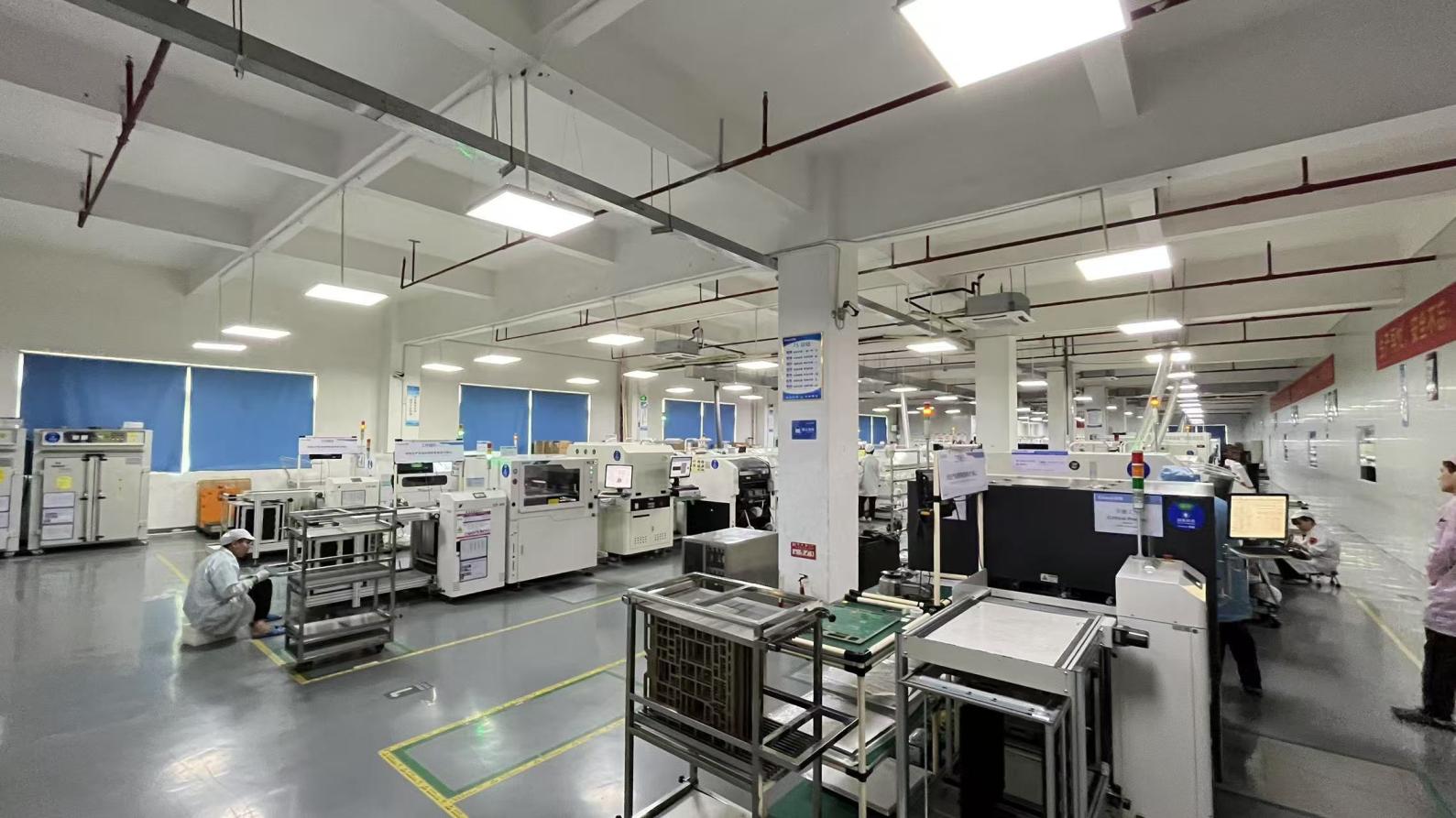
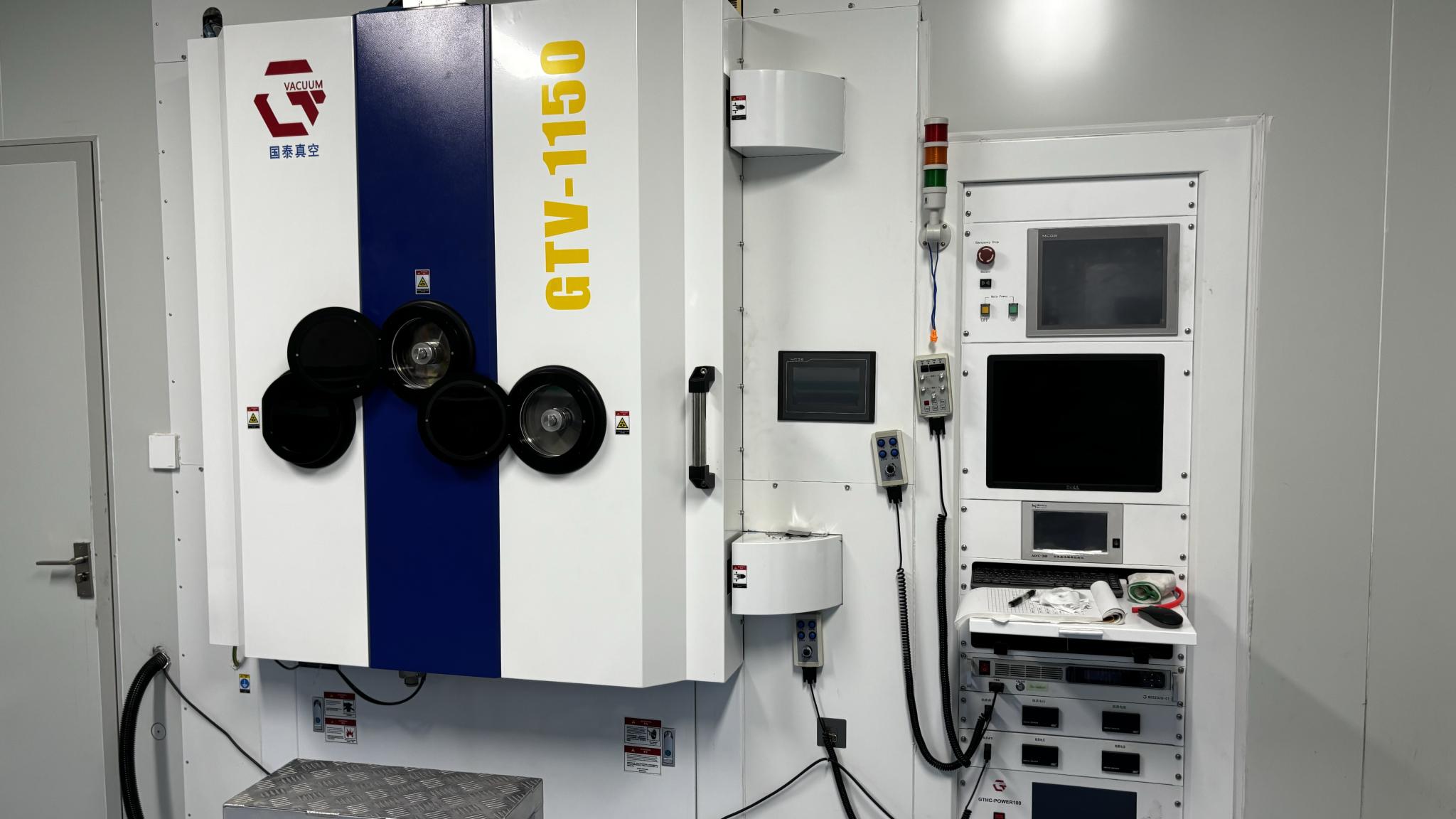
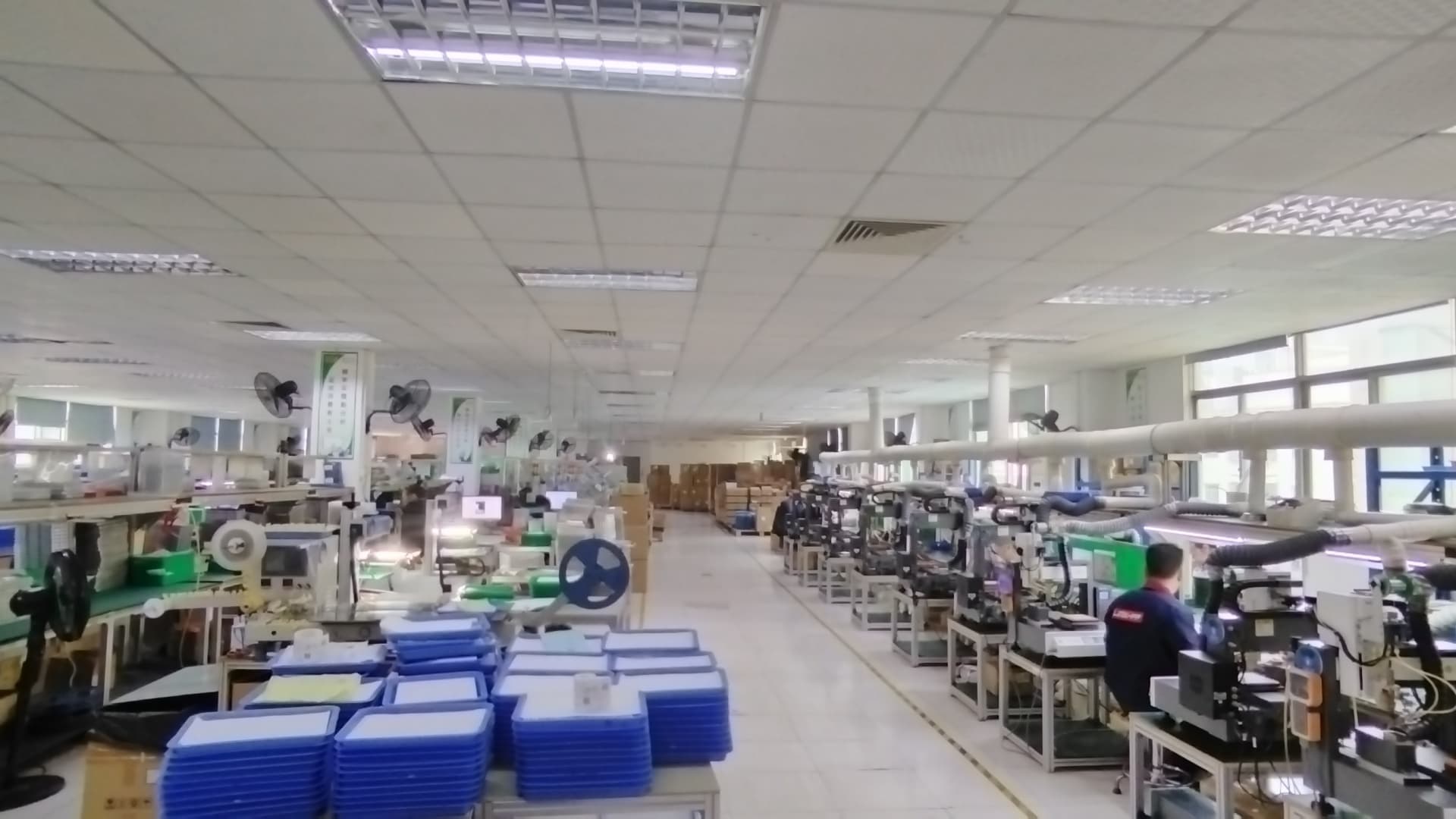
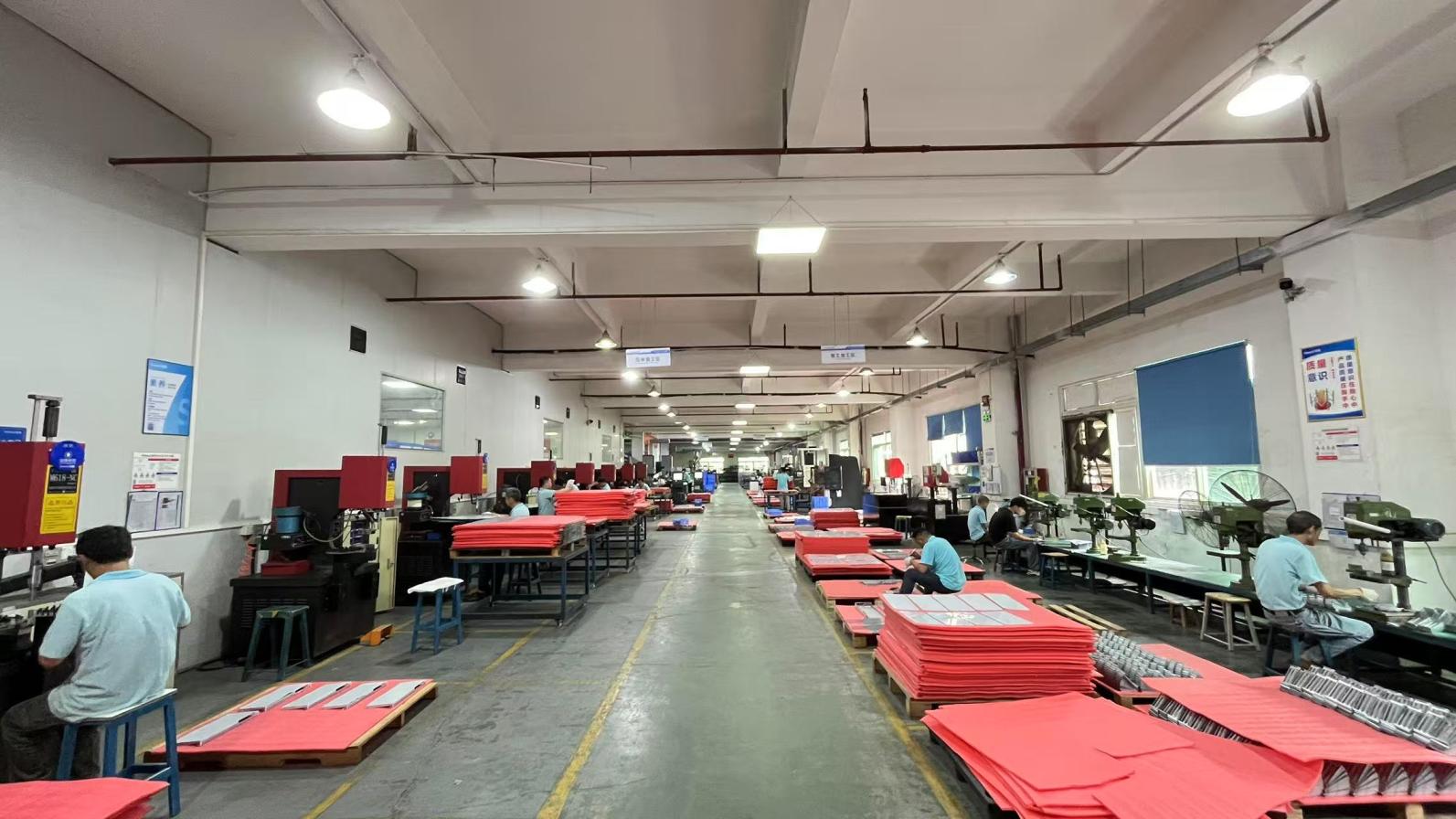
Established in 2016, FiberNova Optical Communication Tech Co., Ltd. (FiberNovaTransceivers.com) has over 12 years of industry-honed expertise. Despite operating within a compact, highly-optimized 380㎡ state-of-the-art cleanroom and test facility, the company maintains advanced capabilities in high-precision optoelectronic assembly, packaging, and testing. FiberNova achieves an annual export revenue of USD 8 million to 15 million, serving major enterprise markets across North America, Western Europe, and Southeast Asia.
Quality assurance is not a secondary process; it is the cornerstone of our manufacturing philosophy. We employ 45 specialized Quality Control staff and 65 R&D engineers who supervise a rigorous validation protocol for every single module before export. Our QC process includes:
With an agile ecosystem of 1,200+ raw material and components suppliers, FiberNova secures premium lasers (such as Broadcom or Lumentum) and chips, maintaining production consistency even during global semiconductor constraints. Last year alone, our R&D team successfully launched 120 new products, keeping our clients at the forefront of optical communication innovation.
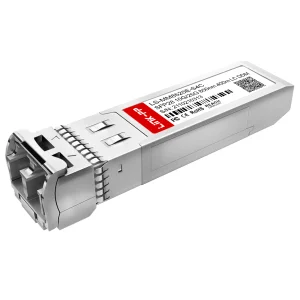
A robust selection of long-reach optical transceivers, high-speed SFP28/QSFP28 options, and active optical components optimized for Hanoi enterprise rollouts.
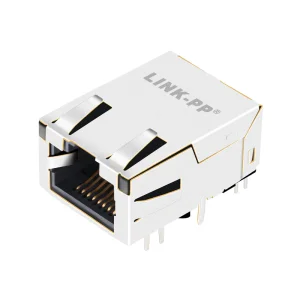
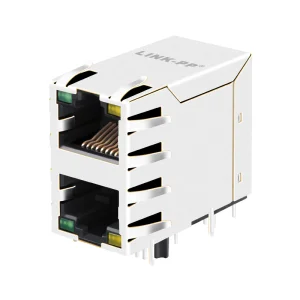
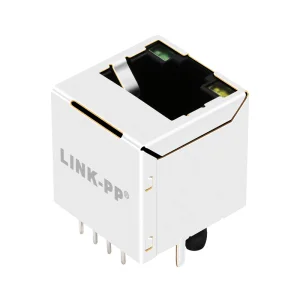
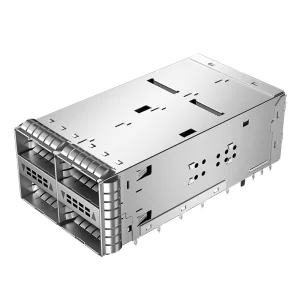
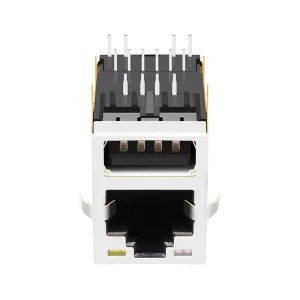
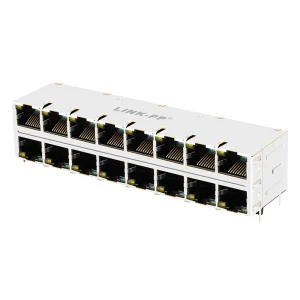
Integrating SFP cages, magnetic modular connectors, and physical layer couplers to complete high-performance optical layouts.
The global demand for high-speed optical transceivers is surging, driven by massive investments in artificial intelligence, hyperscale data centers, and global telecom upgrades. In this fast-evolving environment, FiberNova provides reliable localized support for Hanoi and the wider Southeast Asian market. Our local field engineers work closely with Vietnamese system integrators to troubleshoot compatibility, verify network designs, and configure EEPROM registers on-site to ensure smooth integration into multi-vendor environments.
Furthermore, all FiberNova products carry globally recognized certifications, including CE, FCC, and RoHS. This ensures that installations in Hanoi municipal or state projects comply fully with international standards for energy efficiency, radiation mitigation, and non-hazardous materials.
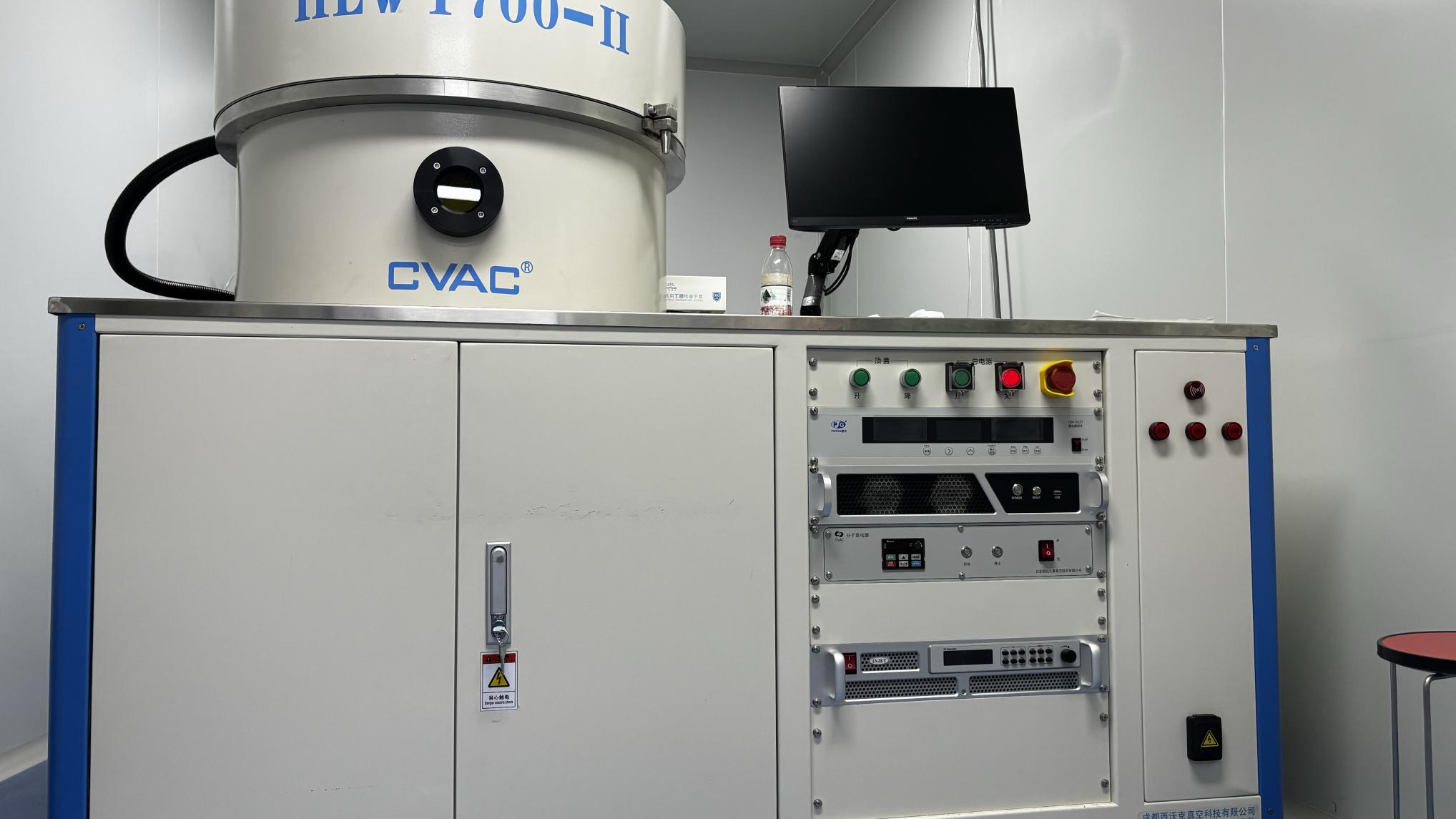
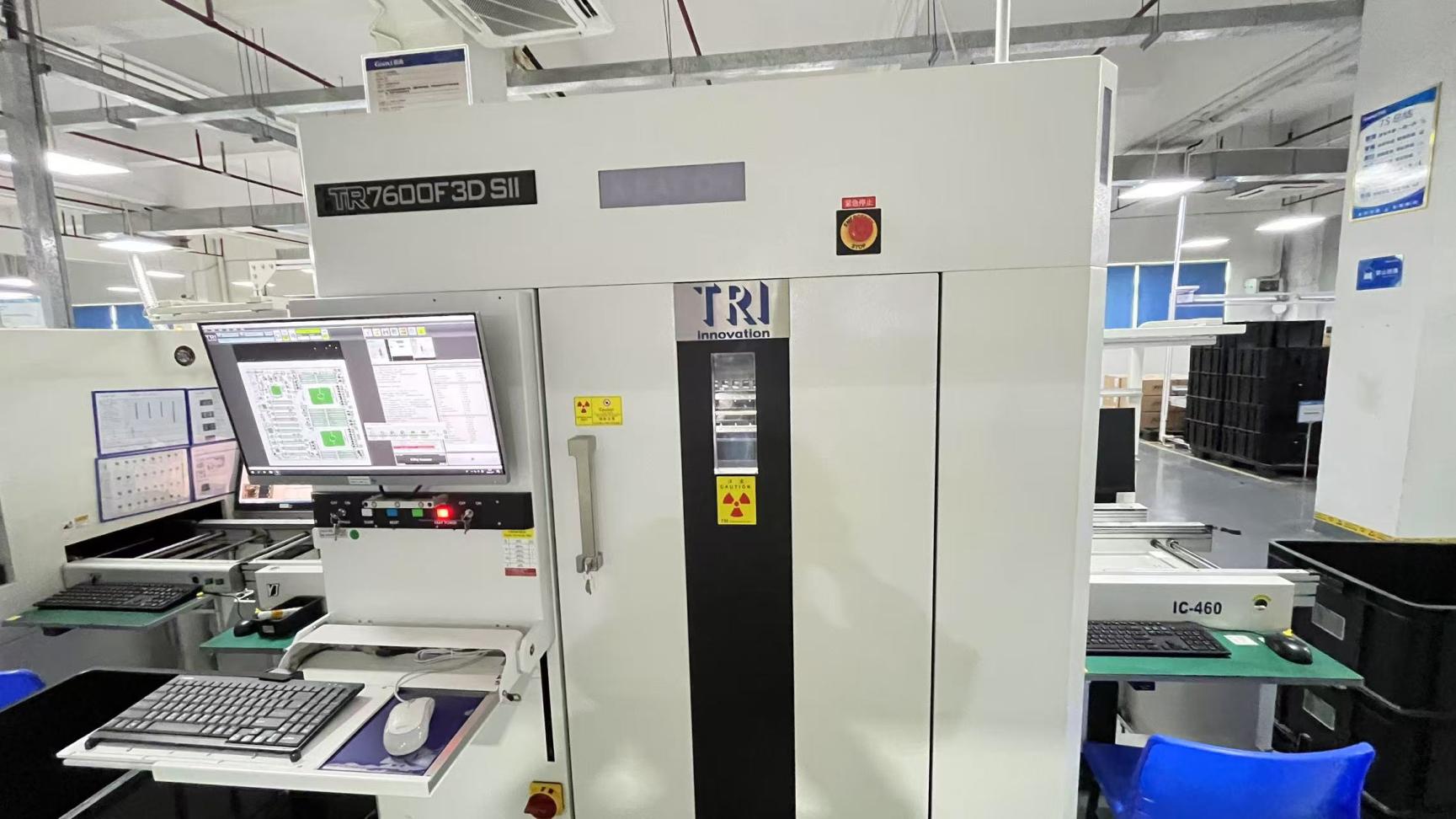
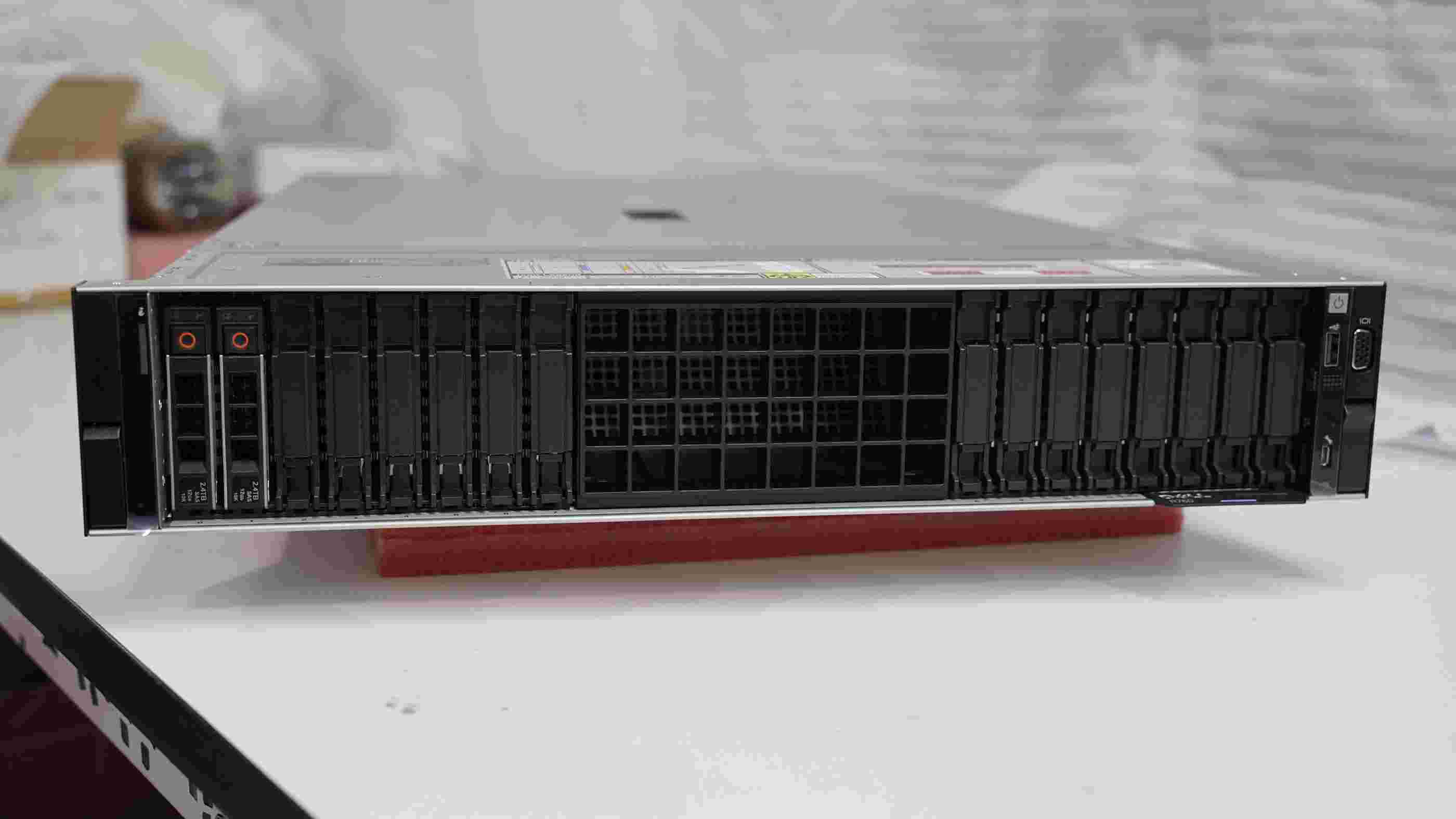
Step inside our cleanroom facility, featuring advanced automated testing systems, diagnostic tools, and engineering labs.
Establish high-speed, reliable connectivity with industry-validated 40G QSFP+ modules. Contact our engineering team for customized solutions, bulk pricing, and Form E tariff guidelines.
Send Inquiry Now FiberNova