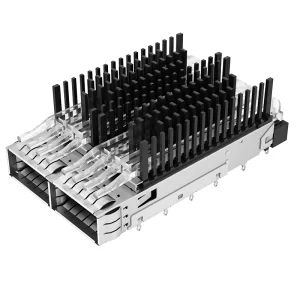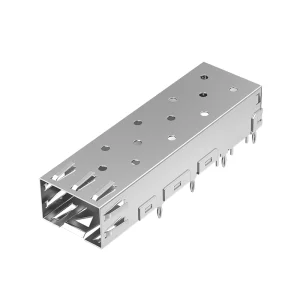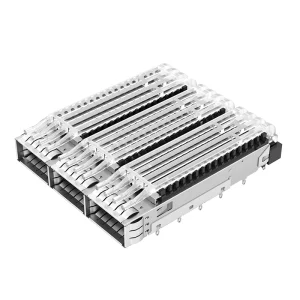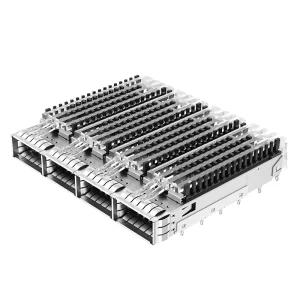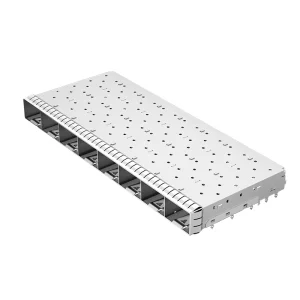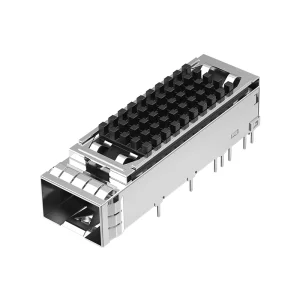
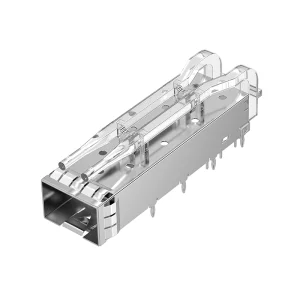
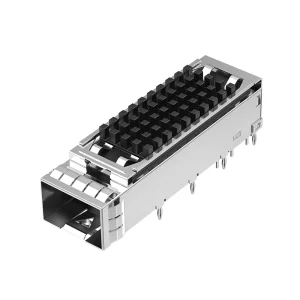
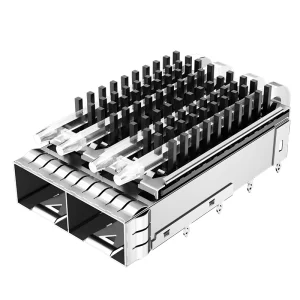
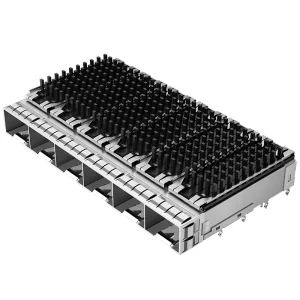
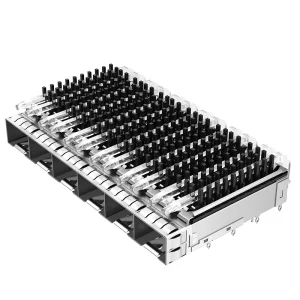
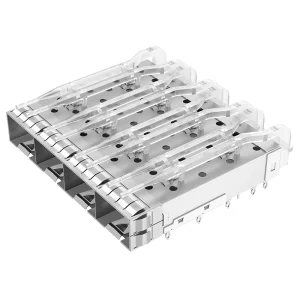
In modern telecommunications, the demand for higher bandwidth and greater card density has driven a paradigm shift in physical layer layout. The 1xN (Ganged Ports) SFP/SFP+ cage assembly stands as a fundamental cornerstone in achieving this optimization. By grouping multiple ports into a single, structurally unified metal housing, hardware engineers can maximize edge-card density, minimize circuit board footprints, and establish robust grounding and electromagnetic interference (EMI) protection.
In the context of the Australian Capital Territory (ACT), Canberra represents a unique, highly specialized digital ecosystem. Often recognized as the administrative core of Australia, Canberra hosts critical data distribution clusters, including the secure facilities of Canberra Data Centres (CDC), which store and route classified government information, military datasets, and national critical infrastructure controls. These secure enclaves require physical network components that meet stringent compliance standards for signal integrity, EMI isolation, and thermal resiliency.
For telecommunication networks and cloud deployments throughout Canberra, Mitchell, Fyshwick, and Hume, upgrading to high-density ganged configurations (such as 1x2, 1x4, 1x6, and 1x8 SFP/SFP+ configurations) enables local government departments and telecom operators to scale up to 10G, 25G, and 50G per port without undergoing massive physical footprint expansion.
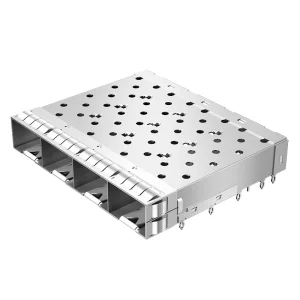
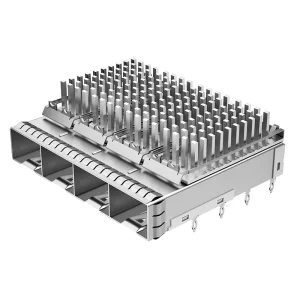
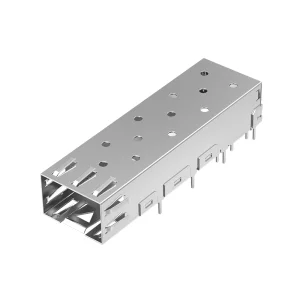
The performance of high-frequency optical links operating at 10Gbps (SFP+) up to 28Gbps (SFP28) per channel depends heavily on the interface shielding and connection methods. When using a 1xN ganged layout, several electro-mechanical challenges must be addressed:
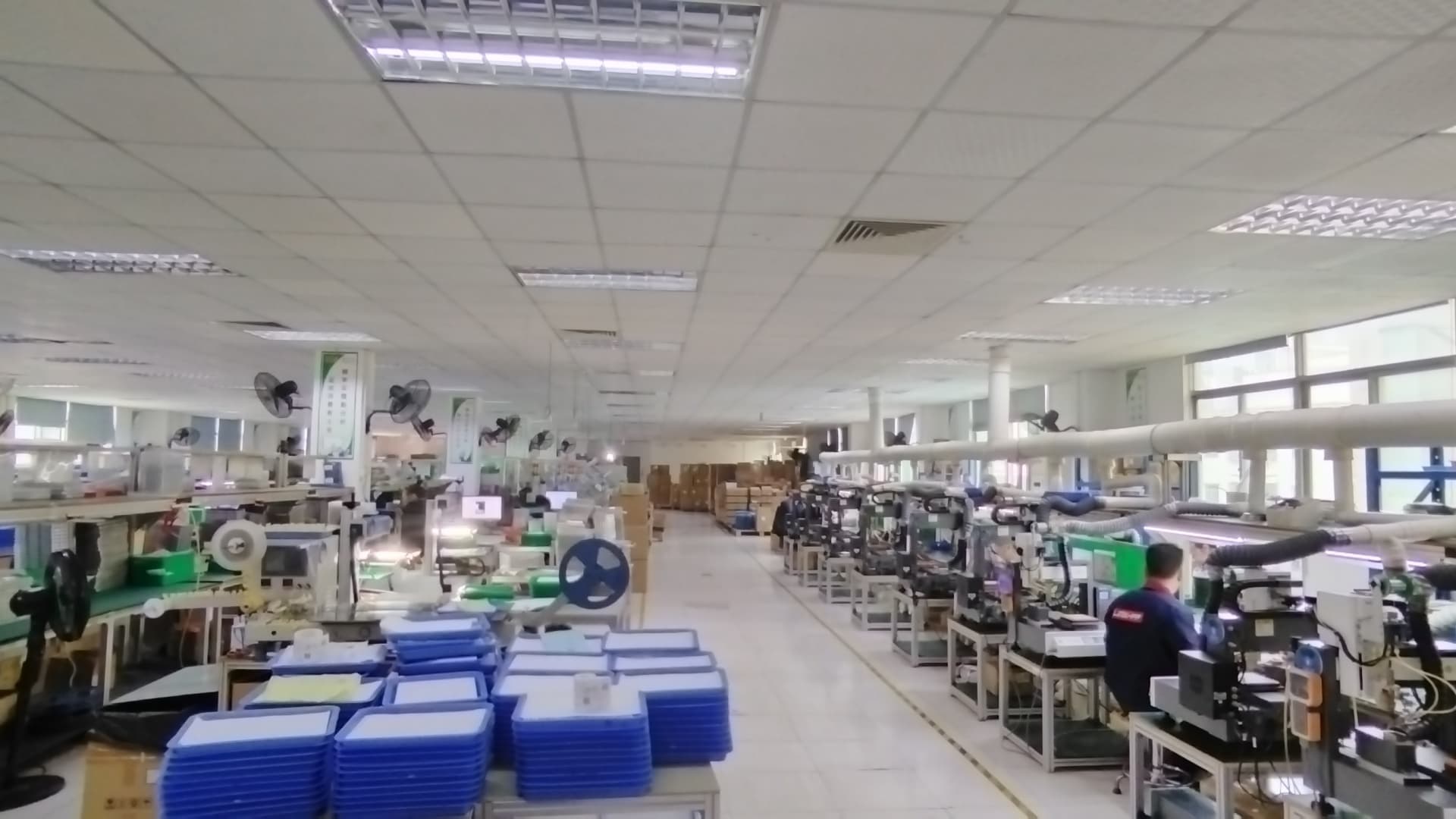
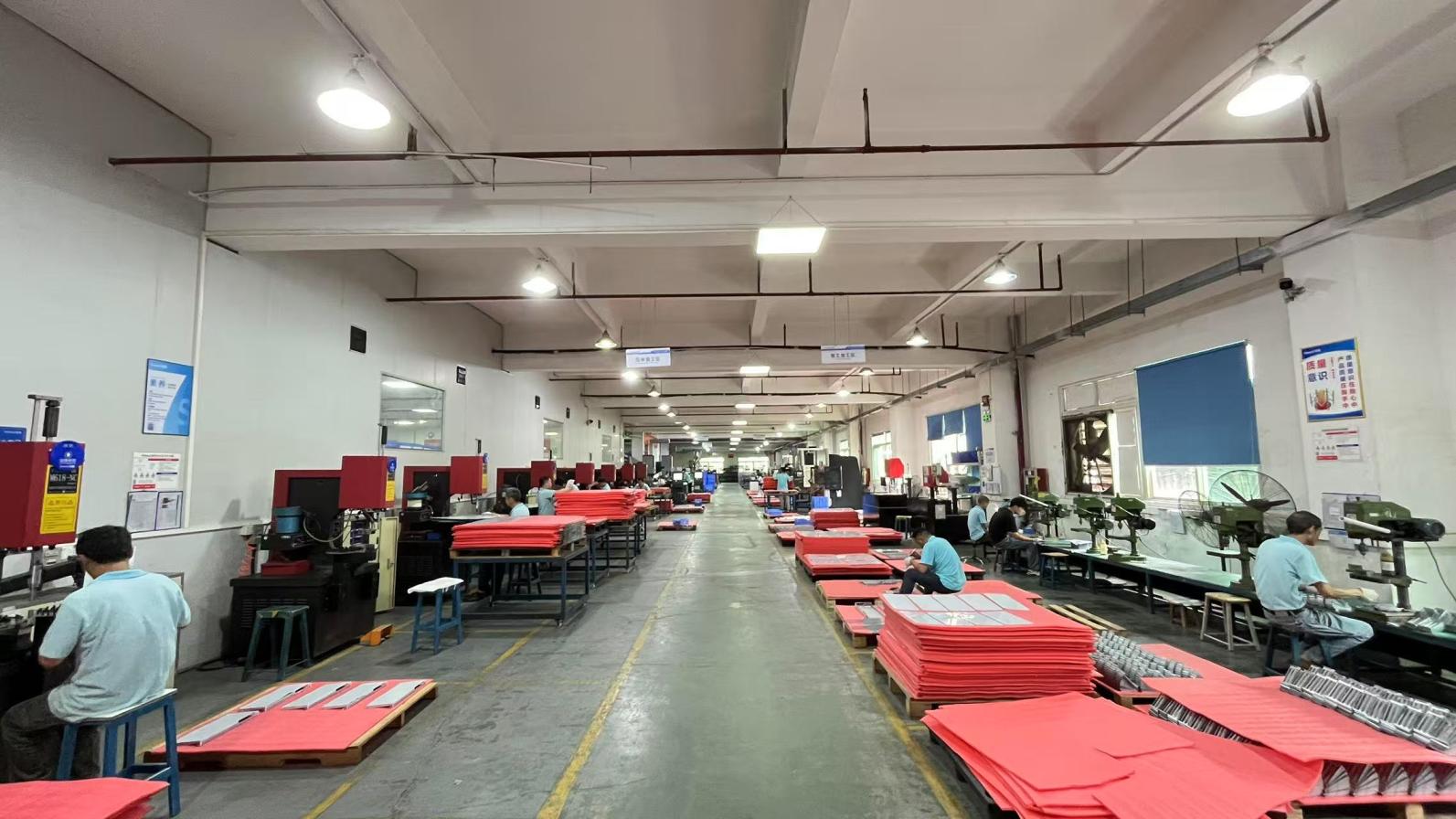
Established in 2016, FiberNova Optical Communication Tech Co., Ltd. (FiberNovaTransceivers.com) has built a reputation for high-precision manufacturing. With an R&D facility spanning 380㎡ and backed by over 12 years of industry expertise and 6 years of export operations, we serve operators and enterprise customers across the United States, Germany, Japan, South Korea, and the UAE.
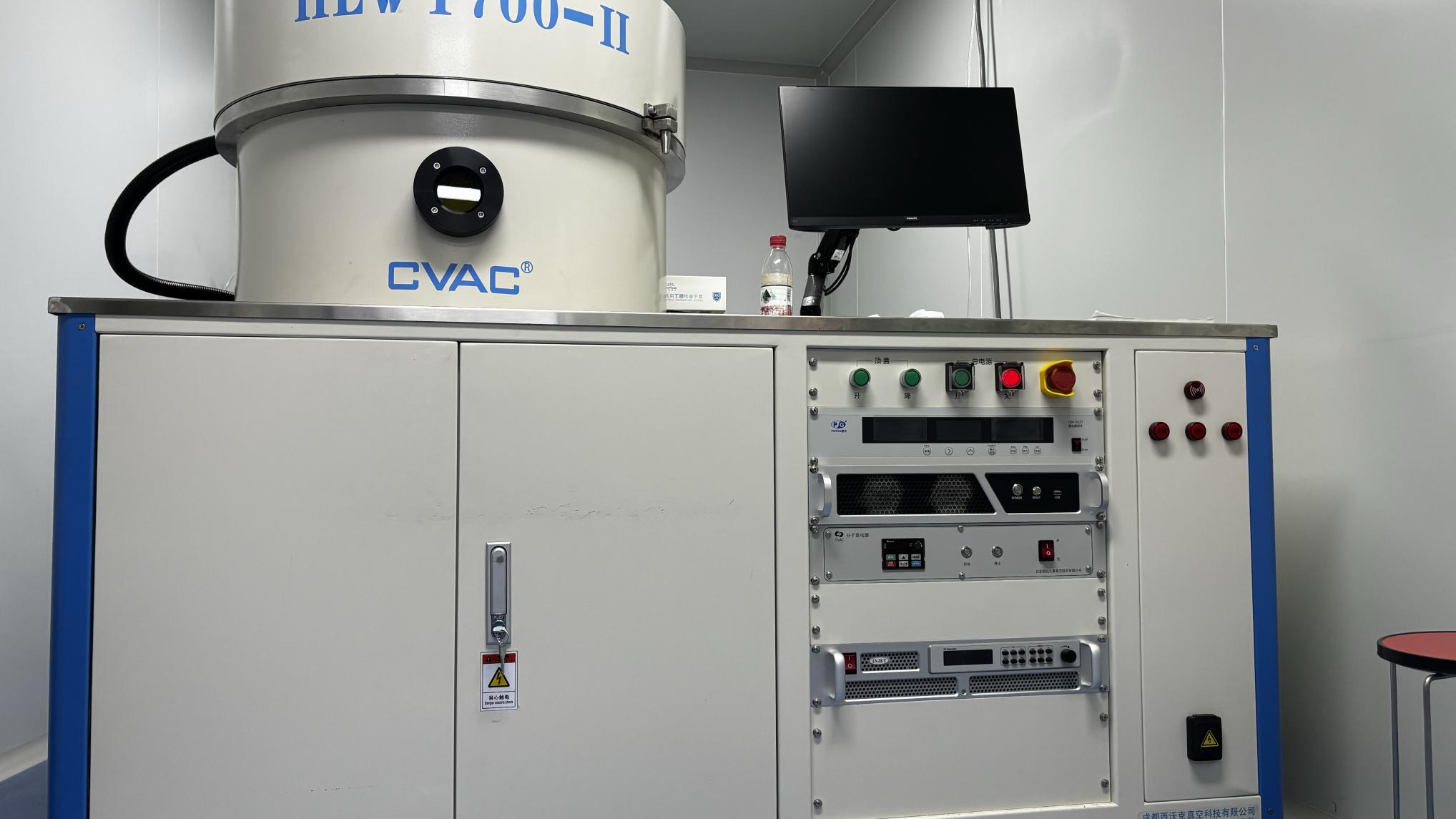
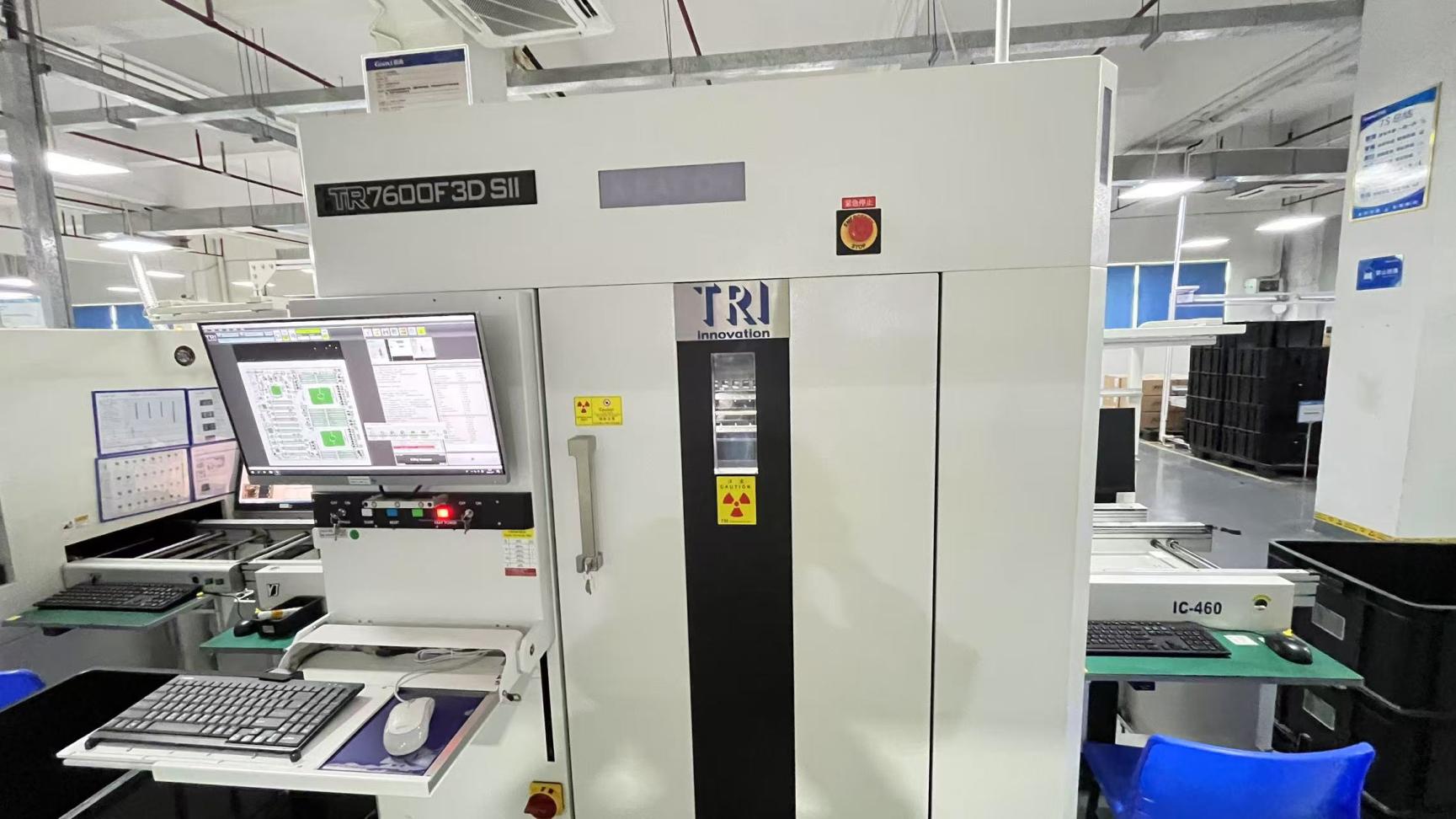
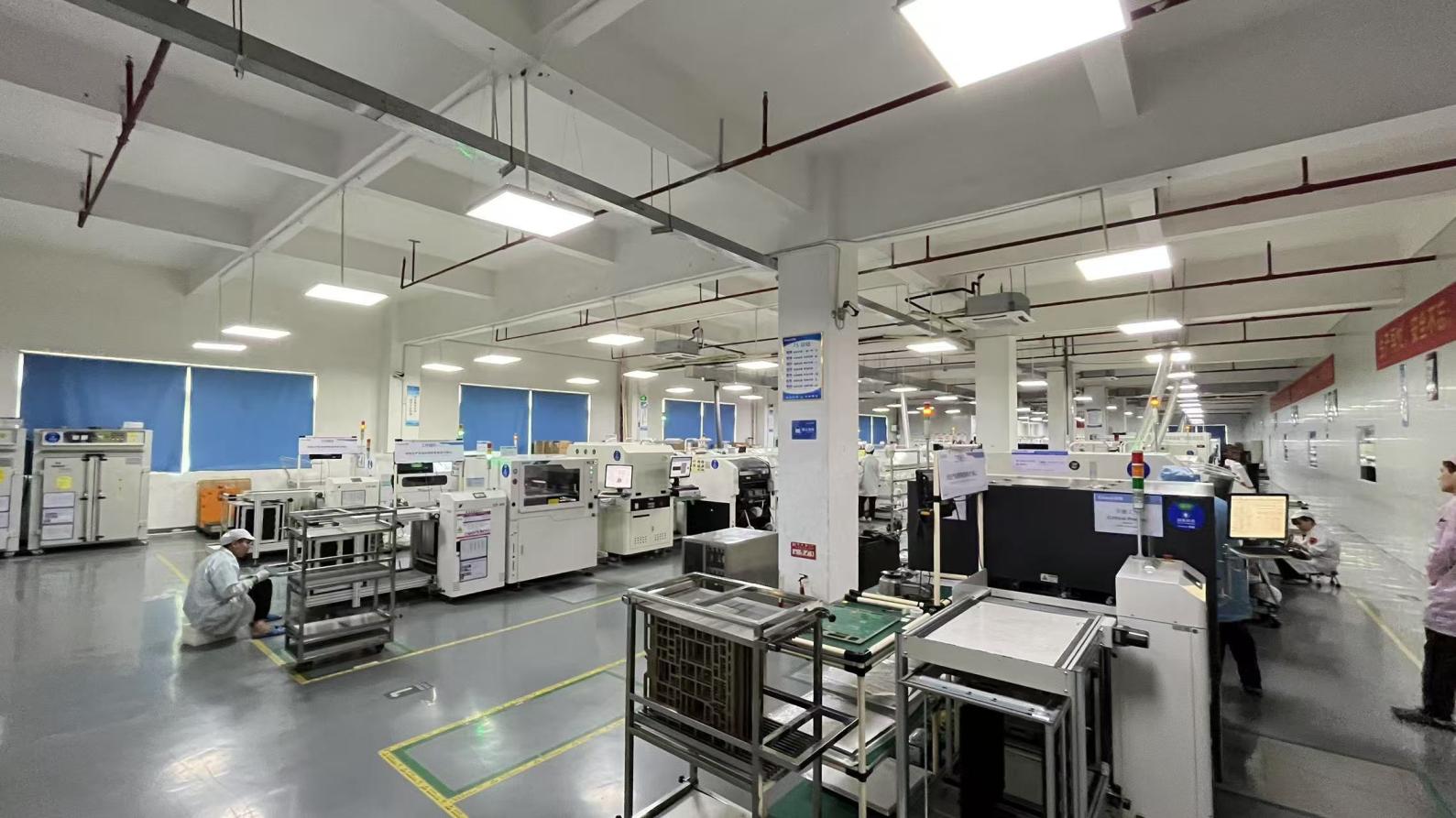
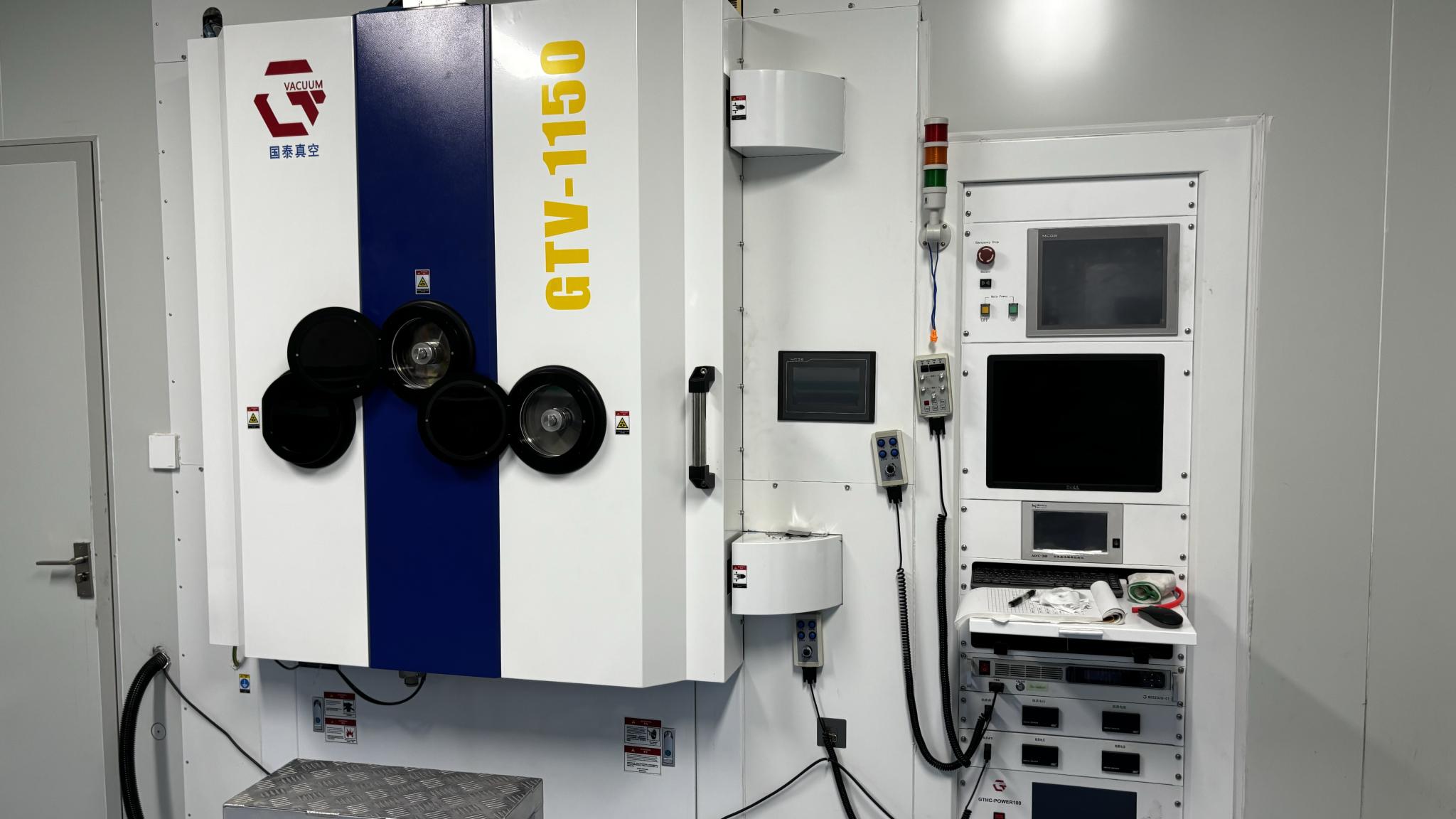
Our global supply chain network features partnerships with over 1,200 verified raw material and chip suppliers. This extensive network ensures that despite global supply fluctuations, our production lines for precision metal stamping, copper plating, and assembly remain operational. We maintain a staff of 45 dedicated quality control inspectors who execute 100% optical performance testing, signal integrity evaluation, and temperature cycling on all components. This process guarantees MSA and IEEE standard compliance for our products before they leave the factory.

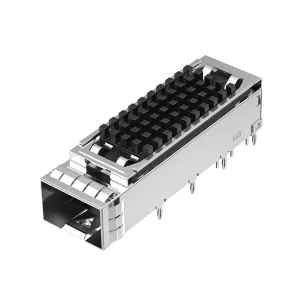
As optical networks transition to 800G, 1.6T, and Co-Packaged Optics (CPO), the physical properties of SFP, QSFP, and OSFP cages must evolve. High-speed transceivers generate higher thermal outputs, which require improved dissipation structures. Our engineering roadmaps focus on the development of multi-stage thermal solutions, liquid-cooling compatible outer shell coatings, and improved EMI shielding designed for dense spectrum signals.
For our customers in Canberra, Sydney, and Melbourne, FiberNova provides dedicated support. Our engineering team assists with local compliance, mechanical design, and system troubleshooting to simplify network integration.
 FiberNova