FiberNova
Whitepaper: Industrial 1x9 Transceiver Deployment in India's Expanding Telecom Landscape
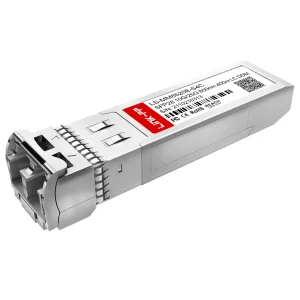
As India undergoes a massive digital transformation, fueled by the government’s "Make in India" initiative, the demand for highly resilient optical communication hardware has reached unprecedented levels. While modern pluggable form-factors like SFP, SFP+, and QSFP28 dominate high-density cloud data centers in metropolitan hubs like Bengaluru, Hyderabad, and Mumbai, the legacy 1x9 optical transceiver package remains an indispensable backbone for India’s industrial networking, municipal infrastructure, and remote telecommunications sector.
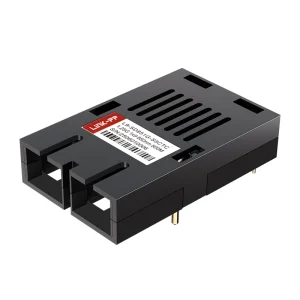
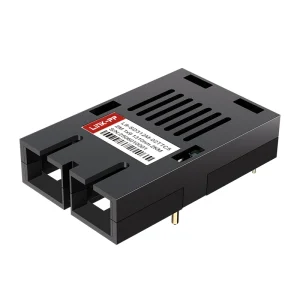
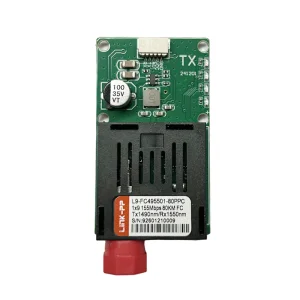
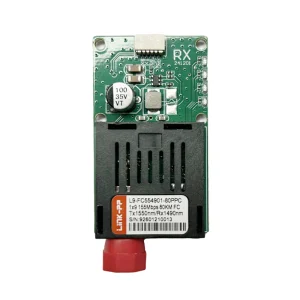
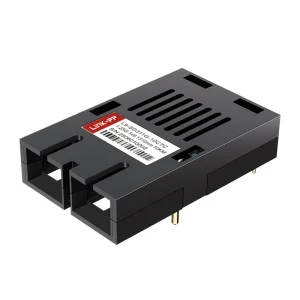
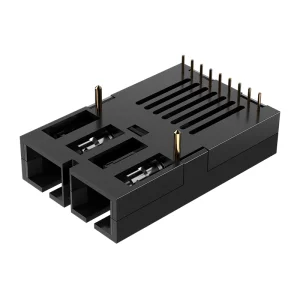
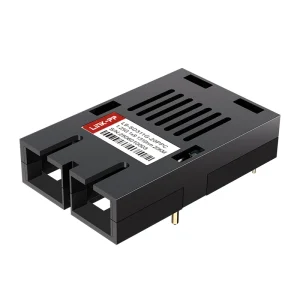
A 1x9 transceiver is characterized by its single row of nine pins that are directly soldered onto the printed circuit board (PCB). This physical configuration offers immense mechanical advantages over hot-pluggable modules. In environments prone to severe vibrations, wide temperature fluctuations, and high electromagnetic interference—conditions frequently encountered in Indian railway corridors, power distribution grids, and manufacturing zones—the soldered 1x9 module provides long-term reliability where SFP modules might experience physical connection fatigue or contact corrosion.
Information Gain Insight: The stability of physical communication lines is critical to India’s safety systems. With the national implementation of the Kavach (Train Collision Avoidance System) by the Indian Railways, 1x9 optical interfaces are favored by local signalling integrators due to their physical robustness and immunity to vibration-induced connector displacement.
Why 1x9 Form-Factor Modules Remain Vital in Industrial IoT
Unlike commercial communications, industrial networks in sectors such as steel production (e.g., plants in Jamshedpur or Bokaro), petrochemical refining (e.g., Jamnagar), and power distribution (substations managed by State Transcos and PGCIL) operate on long product lifecycles. Once a control system is commissioned, it is expected to function continuously for 15 to 25 years. The 1x9 transceivers satisfy this design philosophy perfectly:
- Permanent Solder Mounting: Eliminates the risk of contact failure due to mechanical shock, industrial vibration, or particulate dust accumulation common in heavy manufacturing fields.
- Electrical Simplicity: Employs direct PECL/LVPECL or TTL interfaces, reducing complex digital diagnostics (DDM) which can introduce software-level exceptions in older PLC (Programmable Logic Controller) designs.
- Wide Supply Voltage Range: Available in both legacy 5V and contemporary 3.3V configurations, allowing engineers to maintain and repair older legacy communication boards without complete redesigned upgrades.