Engineered for seamless integration with legacy networking infrastructure and harsh operational environments across Milan, Turin, and Venice.
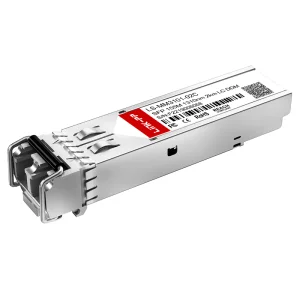
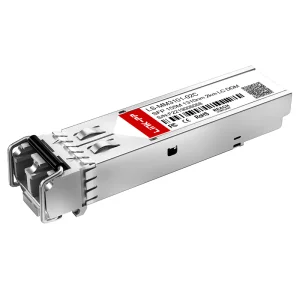
Italy’s optical networking ecosystem is undergoing a profound structural evolution. Driven by the national digital strategy—Piano Italia a 1 Giga—and heavy infrastructure funding from the National Recovery and Resilience Plan (PNRR), high-speed fiber-to-the-home (FTTH) and metro networks are expanding rapidly. However, within industrial telemetry, public utility grids (operated by regional giants like Enel and Terna), and municipal rail systems (such as Rete Ferroviaria Italiana - RFI), 155M (STM-1/OC-3) and 622M (STM-4/OC-12) optical transceivers remain mission-critical components.
These lower-rate SFP modules are highly favored by engineers because they provide unmatched deterministic performance, low latency, and maximum stability over long-distance fibers without the high thermal output and power consumption of 10G+ transceivers. Our product portfolio bridges the gap between old-world reliability and modern system demands, providing compatible replacements that match the technical specifications of original equipment manufacturer (OEM) modules at a fraction of the budget.
In heavy industrial regions like Lombardy, Piedmont, and Veneto, factory automation networks utilize legacy communication standards combined with fiber media converters. Fast Ethernet (100Base-FX) and STM-1 lines carry critical PLC (Programmable Logic Controller) commands. High-speed transceivers are prone to packet drops when interfacing with legacy switch backplanes; thus, deploying natively configured 155M and 622M SFP transceivers is crucial for maintaining 99.999% network uptime.
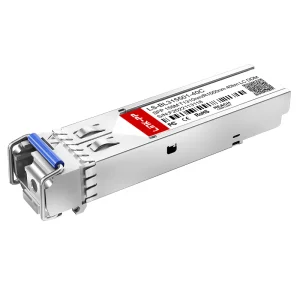
Furthermore, the rugged geography of the Apennine Peninsula requires long-haul optical fiber lines that navigate complex terrains. By implementing our 100BASE-ZX 80km SFP modules and single-fiber BiDi transceivers, network operators reduce deployment overhead by minimizing fiber count requirements.
Understanding the micro-mechanics of light transmission over single-mode (SMF) and multi-mode fiber (MMF) paths in industrial telecommunications.
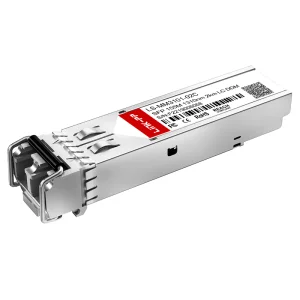
Our modules operate at the standard telecom windows of 1310nm and 1550nm. For short-range connections (up to 2km) over multi-mode fiber, we utilize high-precision Fabry-Pérot (FP) lasers. For long-distance spans reaching up to 80km, we deploy distributed feedback (DFB) lasers designed to minimize dispersion penalties along the G.652 single-mode optical paths common across Italian metropolitan networks.
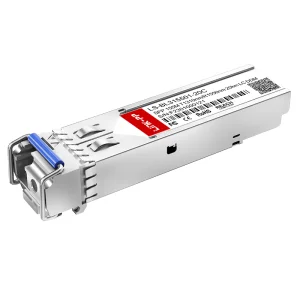
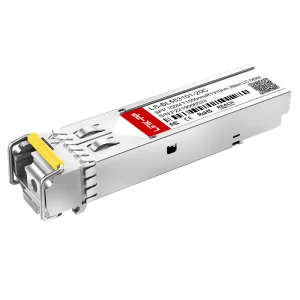
Bidirectional (BiDi) transceivers utilize Wavelength Division Multiplexing (WDM) to multiplex transmit and receive signals over a single strand of fiber (using mismatched wave couplings like 1310nm-TX/1550nm-RX and 1550nm-TX/1310nm-RX). This allows municipal operators in congested historical centers like Florence and Rome to double their active network capacity without digging trenches for new fibers.
Multi-Source Agreement (MSA) compliance ensures that physical dimensions, electrical interfaces, and signaling standards match international specifications. Integrated Digital Diagnostics Monitoring (DDM/DOM) allows engineers in network operation centers (NOCs) to monitor optical output power, receiver sensitivity, laser bias current, temperature, and supply voltage in real-time.
Tailored optical networking frameworks designed to meet strict European guidelines and regional deployment specifications.
Italy's rail network relies on the European Rail Traffic Management System (ERTMS) to coordinate high-speed train logistics. Subsystems installed along tracks must withstand extreme temperature fluctuations, electromagnetic interference, and vibrations. Our Extended Environmental Conditions (EEC) SFP transceivers operate reliably within a -40°C to +85°C window, guaranteeing that telemetry systems feeding into RFI central hubs never drop connectivity.
Similarly, toll systems along the Autostrada networks utilize Moxa and Hirschmann compatible SFP transceivers to connect remote cameras and sensors directly to central billing infrastructure over rugged fiber loops.
Smart grids across Italy rely heavily on optical links to connect substations with centralized monitoring centers. Standard copper cables are susceptible to high electromagnetic fields around high-voltage lines, making optical isolation critical. FiberNova 155M SFPs provide optical protection paths for differential relays, protecting grid equipment from power surges.
By adhering to MSA coding protocols, our transceivers function seamlessly within optical switches deployed by global energy integrators, offering dual-rate configuration support and robust link budgets (up to 29dB path loss tolerance for 80km ZX modules).
Importing network hardware into the European Union demands strict adherence to health, safety, and environmental standards. FiberNova products are fully certified and compliant with the following frameworks:
Guarantees compatibility with European electromagnetic interference (EMI) and low-voltage directives, preventing system interference.
Ensures our manufacturing processes avoid hazardous substances (such as lead and cadmium), protecting both installer health and the environment.
Provides structures for electrical hardware recycling and disposal, which is critical for major utility tenders in Italy.
Our logistics chain integrates directly with major European hubs. By utilizing air-freight routes straight to Milan Malpensa (MXP) and Rome Fiumicino (FCO), we guarantee that critical replacement parts reach your site or warehouse within 3 to 5 business days, backed by a comprehensive 3-year replacement warranty.
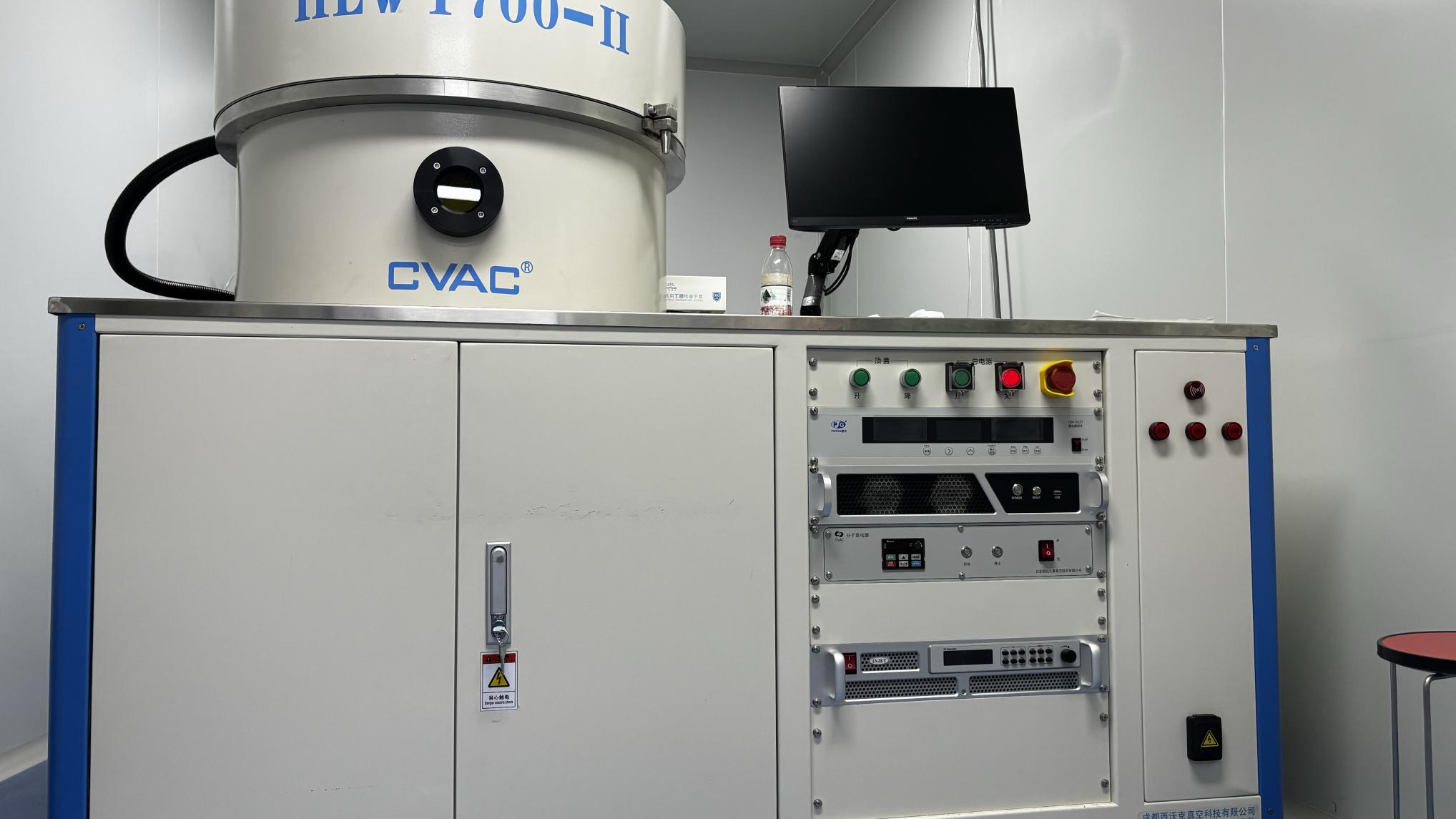
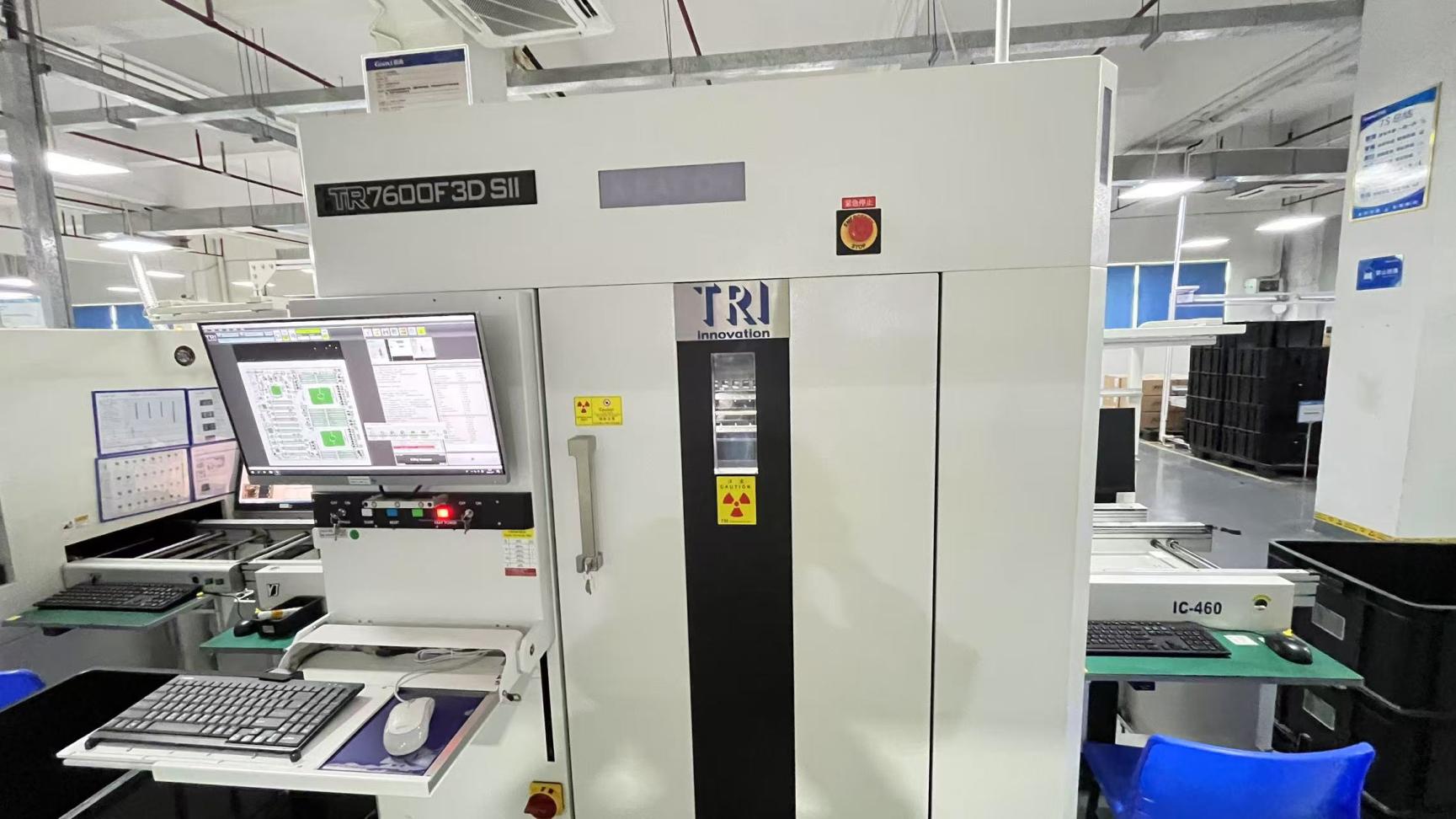
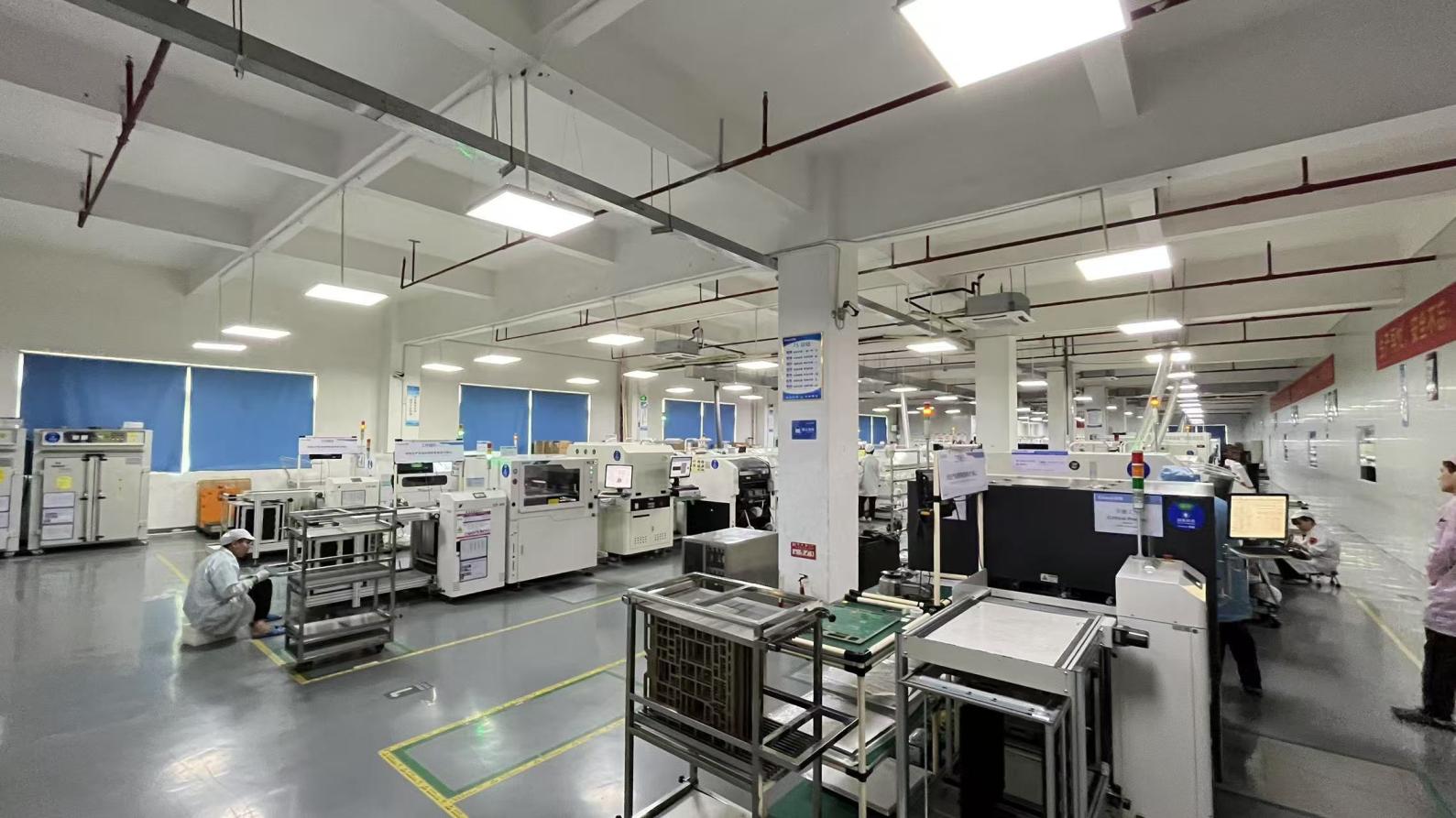
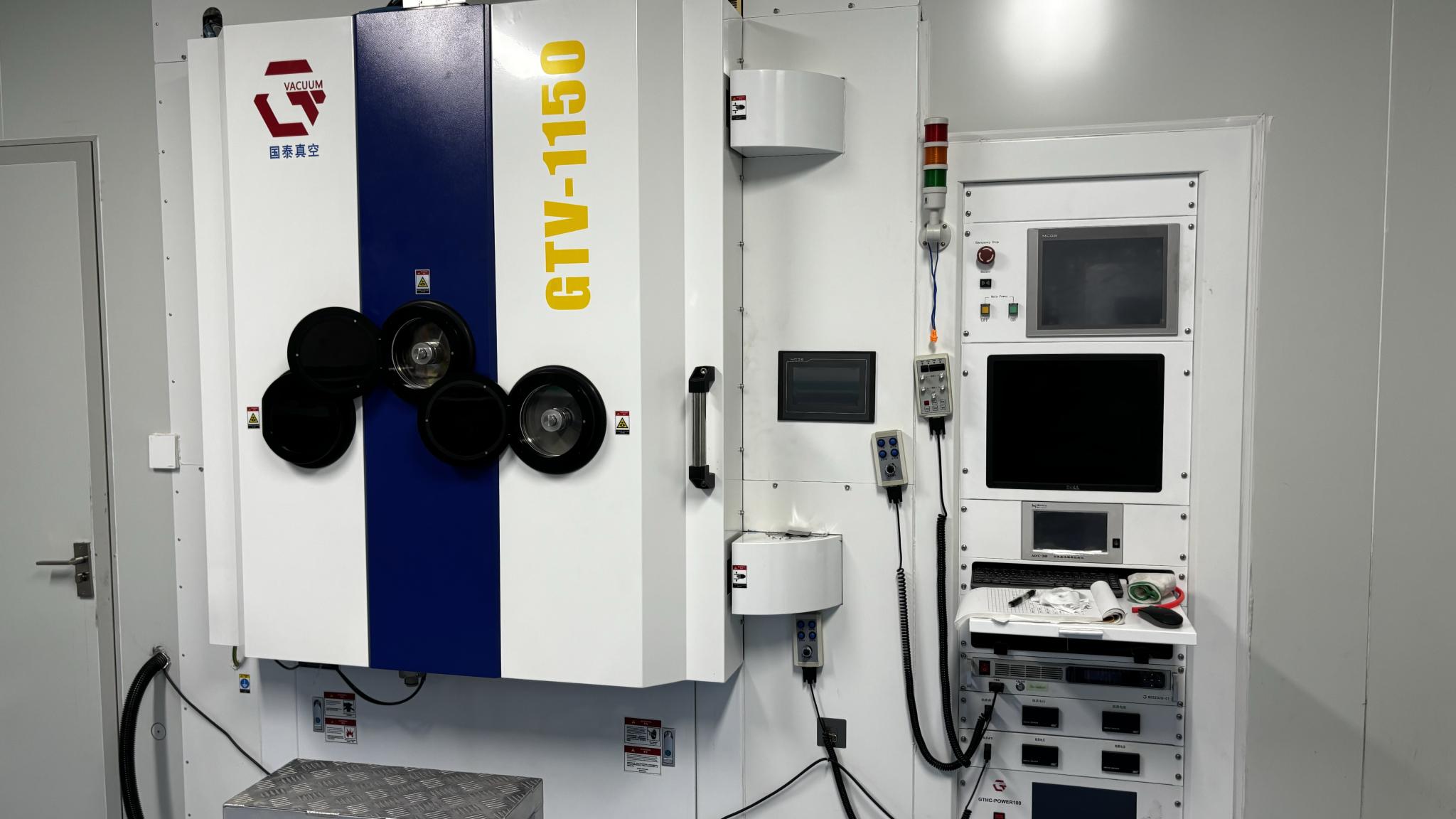
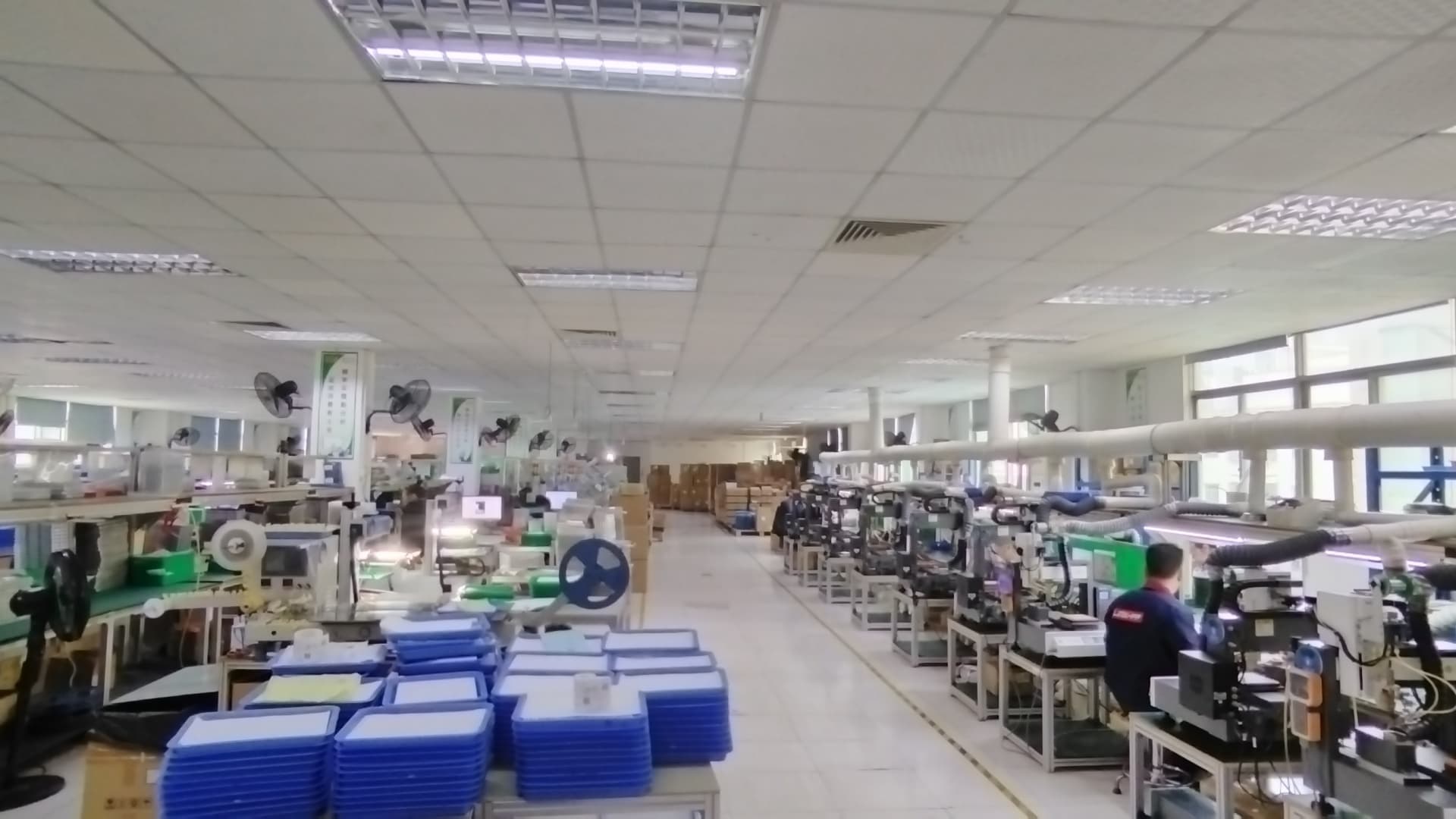
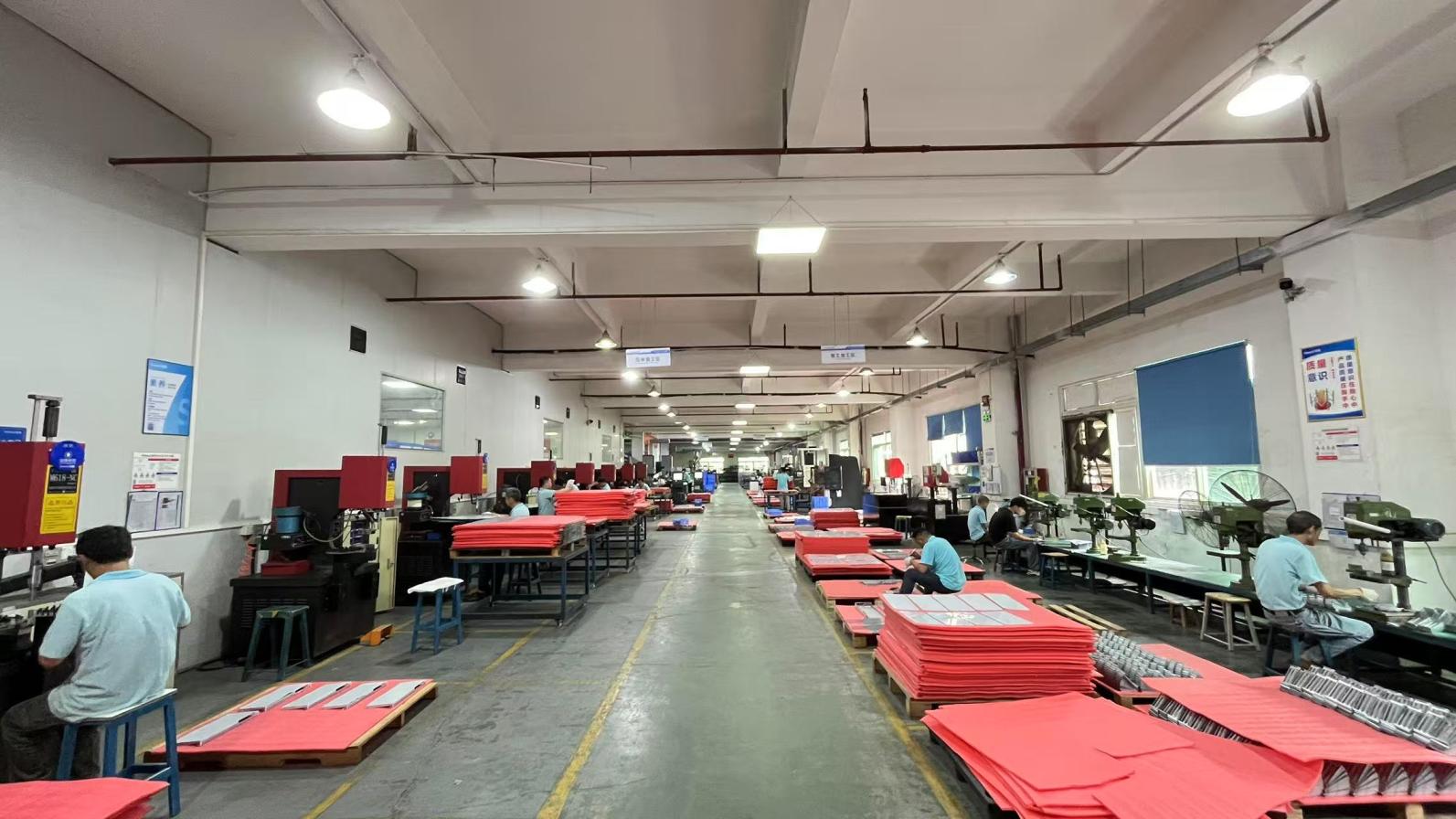
A look inside FiberNova Optical Communication Tech Co., Ltd., driving standard-setting quality controls and scaling high-efficiency manufacturing.
FiberNova Optical Communication Tech Co., Ltd. (FiberNovaTransceivers.com) is an industry-recognized optical transceiver manufacturer founded in 2016. Operating a modern, highly optimized manufacturing space of 380㎡, we specialize in developing, encoding, and testing high-speed optical transceivers for data centers and telecommunications networks worldwide.
With 12 years of core industry expertise and 6 years of export experience, our engineering and sales teams understand the complex technical demands of European purchasers. We achieve an annual export revenue of USD 8–15 million, supplying network integrators and telecom giants across Germany, the United States, Japan, South Korea, the United Arab Emirates, and Italy.
FiberNova operates on a lean manufacturing model. We maintain a reliable supply network of over 1,200 partners for lasers, photodiodes, and PCB components, safeguarding our assembly lines against material shortages. Over the past year, our active R&D team of 65 engineers launched approximately 120 new products, adapting our designs to support cutting-edge 10G, 25G, 100G, 400G, and 800G platforms while preserving our legacy product lines.


In-depth responses to technical queries frequently raised by optical network architects and procurement leads across Italy.
Backward compatibility depends on the host switch hardware. Many managed switches configured in Italy (e.g., Moxa, Hirschmann, Cisco) support dual-rate configurations (100/1000Mbps) or allow you to manually force the port speed to 100Mbps via the command line interface (CLI). However, some pure gigabit-only ports without multi-rate physical layer transceivers (PHY) cannot accept 155M modules. We suggest consulting our tech support department with your switch model to confirm compatibility.
BiDi (Bidirectional) SFP modules transmit and receive data over a single fiber strand using two distinct wavelengths (e.g., 1310nm and 1550nm). This cuts fiber cabling infrastructure requirements in half. For telecom operators in historic cities like Milan or Venice, where leasing fiber links is expensive or installing new fiber is restricted by local heritage regulations, utilizing BiDi modules offers significant operational cost savings.
Our lab is equipped with actual target switches from Moxa, Hirschmann, Cisco, and Allied Telesis. We write vendor-specific microcode into the module's EEPROM, matching original checksum and configuration registers. This prevents switch operating systems from raising "Unauthorized Transceiver" errors and allows the switch to gather real-time performance telemetry through DDM.
Yes. We offer complete OEM/ODM solutions, including customized laser labeling, specialized serial number assignment, custom vendor string configuration, and customized box packaging. This service helps Italian systems integrators build brand identity when rolling out large municipal infrastructure projects.
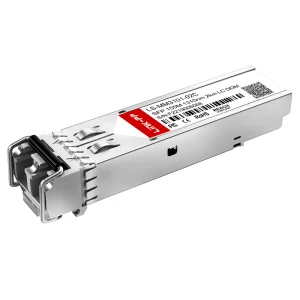
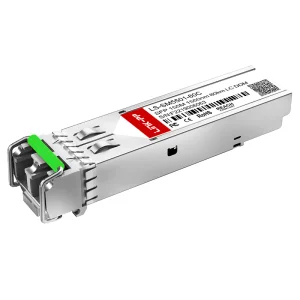
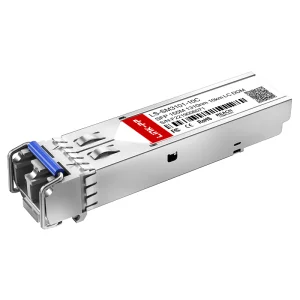
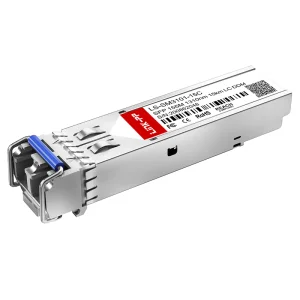
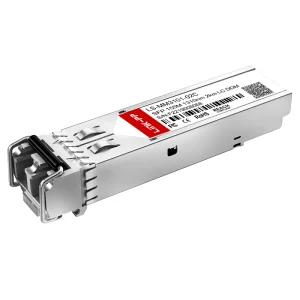
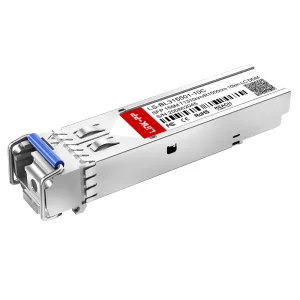
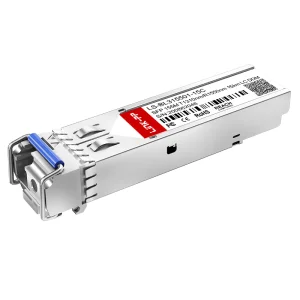
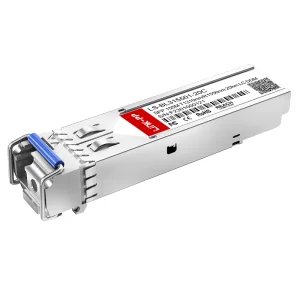
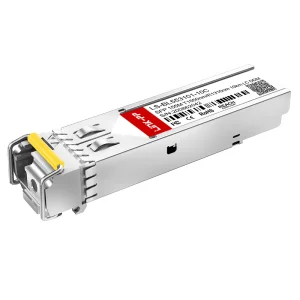
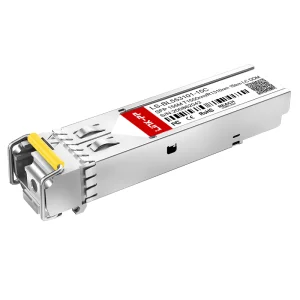
Explore our full range of 100M/155M/622M SFP transceivers, designed to support single-mode, multi-mode, and bidirectional configurations across Italy.
 FiberNova