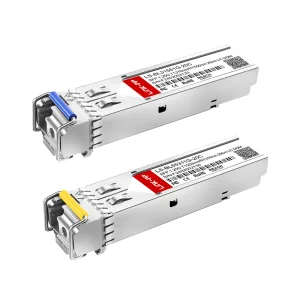
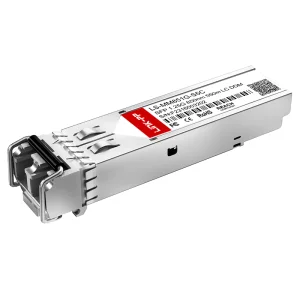
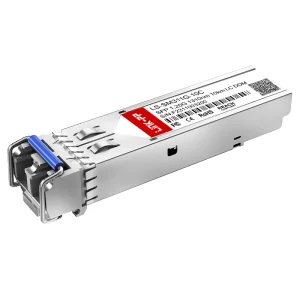
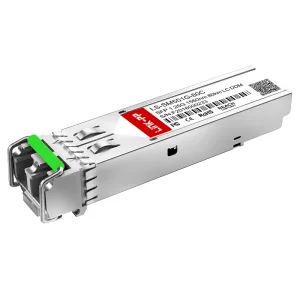
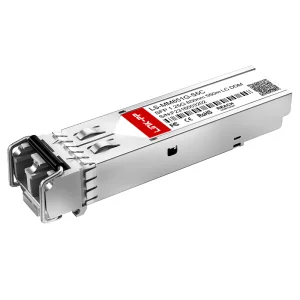
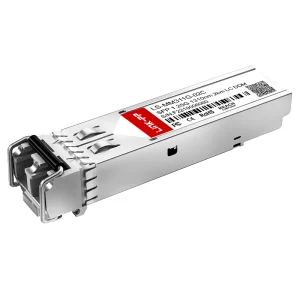
Engineered for Metro-Ethernet rings, smart grid integrations, and enterprise switches deployed across the Moscow oblast.
As the core of Russia's economic, administrative, and technological grid, the Moscow metropolitan area is undergoing massive digital transformations. Driven by requirements from municipal infrastructure, state-backed enterprise data networks, and corporate offices in the Moscow City financial district, the demand for stable, high-capacity, and temperature-tolerant transmission networks is rising exponentially.
The local deployment of fiber optic hardware in Moscow presents unique requirements. Network switches operate inside variable outdoor cabinets that experience severe winter fluctuations ranging from -35°C to -45°C. In contrast, massive data center facilities (including IXcellerate, DataLine, and Rostelecom hubs) require highly dense transceivers with rigorous heat-dissipation profiles. High-reliability 1.25G SFP Transceiver Modules remain the foundational building blocks for GPON backhauls, industrial IoT (IIoT), video surveillance networks, and corporate intranet infrastructures.
Exporting optical components to the Russian Federation requires strict adherence to customs regulations, including the EAC (Eurasian Conformity) marking. At FiberNova, we leverage our deep regulatory experience to supply compliant documentation, ensuring smooth transit through Sheremetyevo (SVO) or Domodedovo (DME) customs check points. Our transceivers comply with RoHS and CE standards, maintaining structural and signal integrity guidelines to withstand local voltage fluctuations.
Our modules feature custom-flashed EEPROM memory blocks to guarantee 100% compatibility with local and international vendor equipment, including Eltex, MikroTik, Cisco, Huawei, Juniper, and HP.
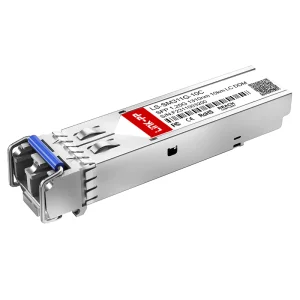
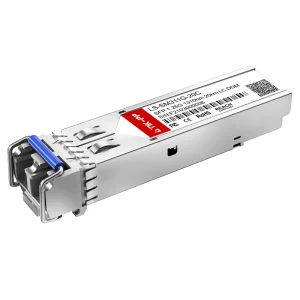
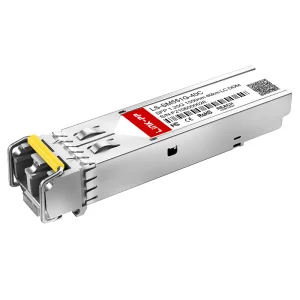
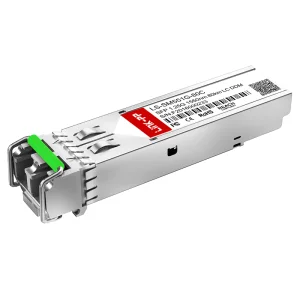
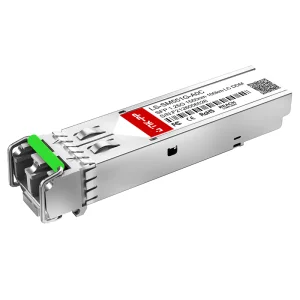
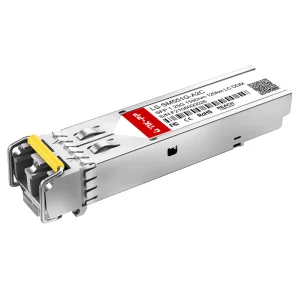
Specially configured for intermediate reach and long-haul connections linking Moscow urban centers with suburbs.
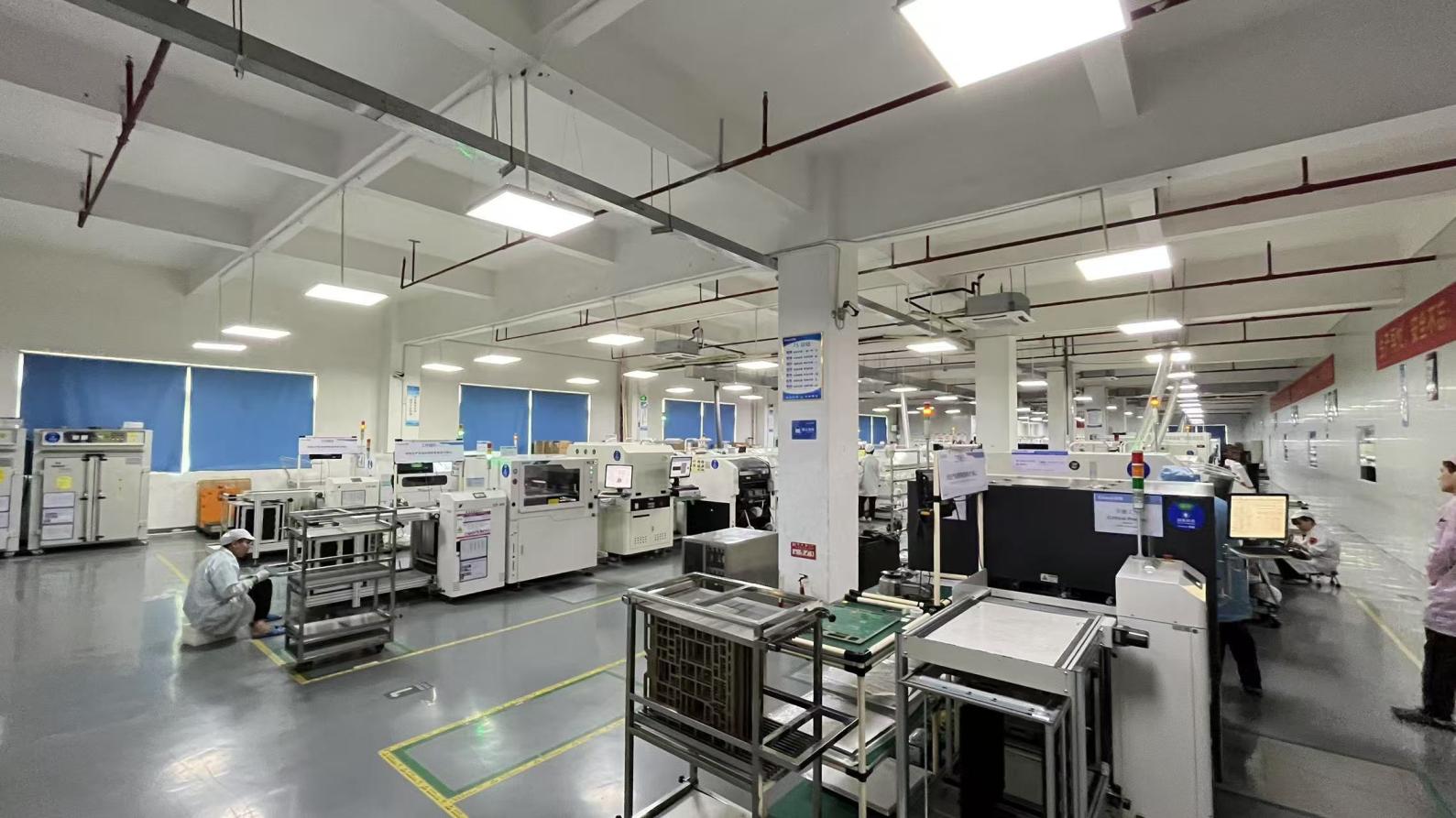
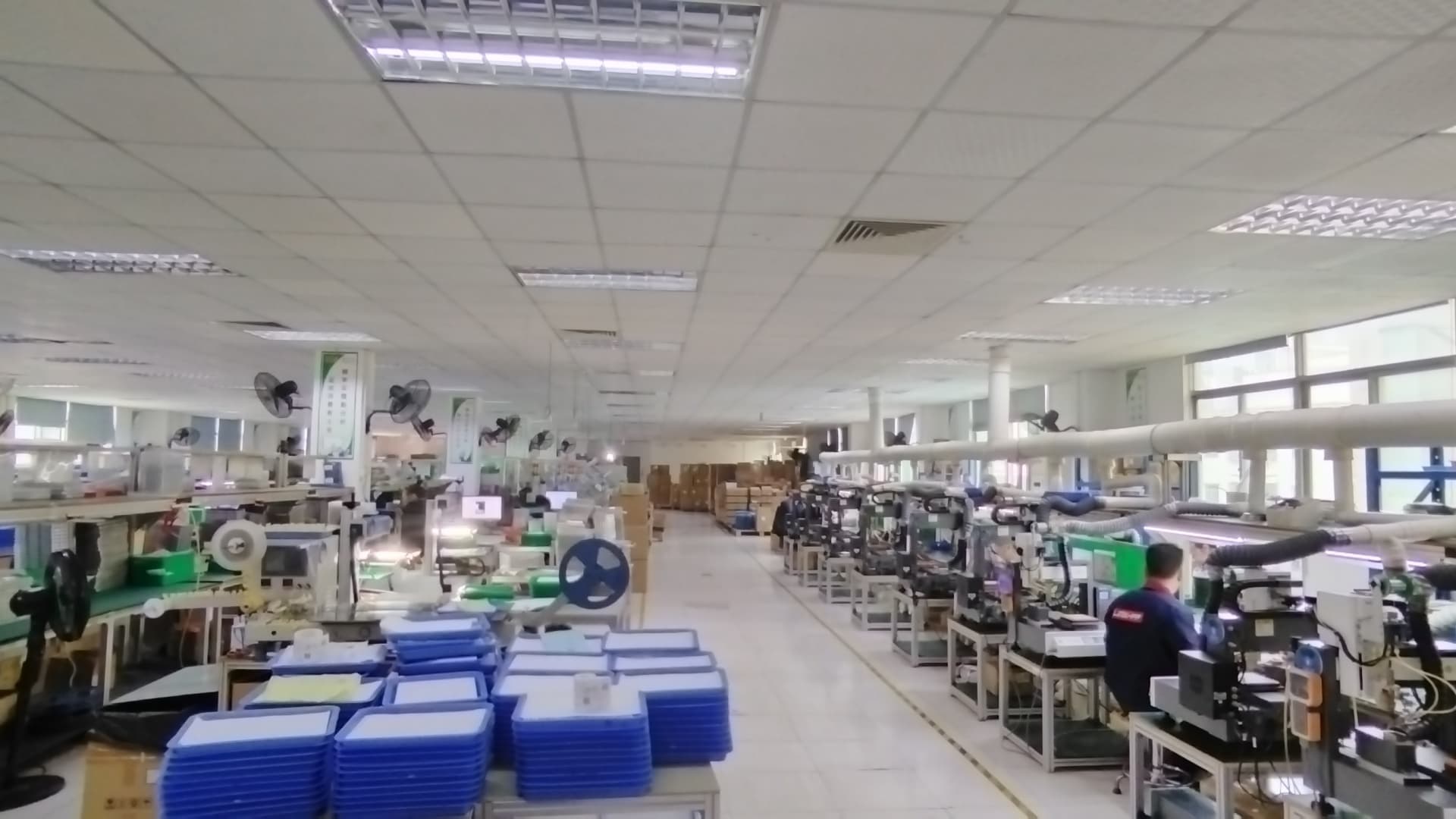
FiberNova acts as a primary bridge between China's advanced optical manufacturing ecosystem and Russia's local integrators. Operating from our state-of-the-art facility in southern China, we harness the global dominance of Shenzhen's optoelectronic supply chain. This proximity enables us to source high-grade InGaAs photodetectors, distributed feedback (DFB) lasers, and components at rapid turnaround speeds.
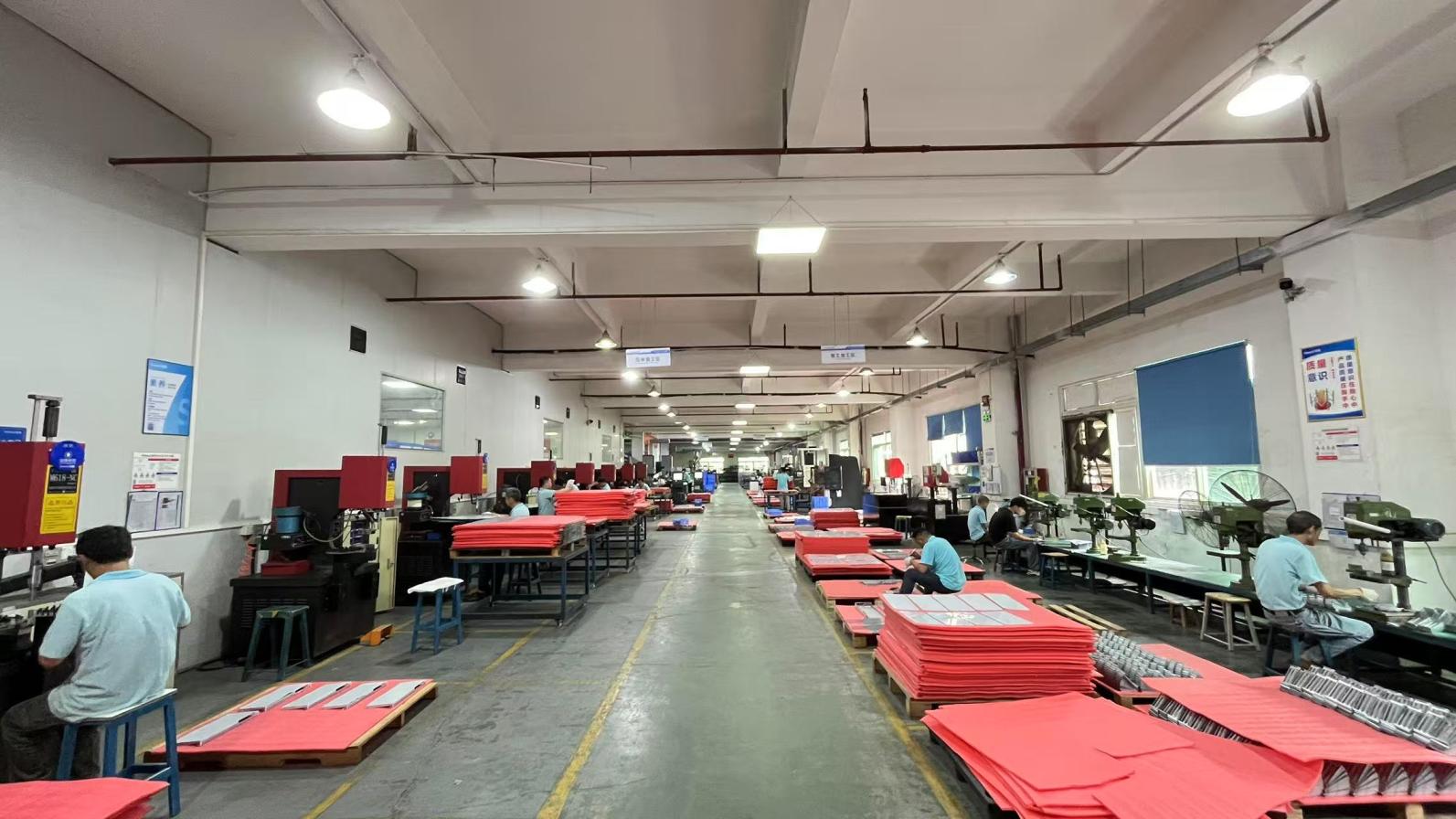
Our optimized manufacturing pipelines allow us to maintain a robust USD 8 to 15 million in annual export revenue. This scale guarantees that whether a client is ordering a batch of 100 or a volume of 50,000 transceivers, we deliver consistent, cost-effective, and standardized hardware.
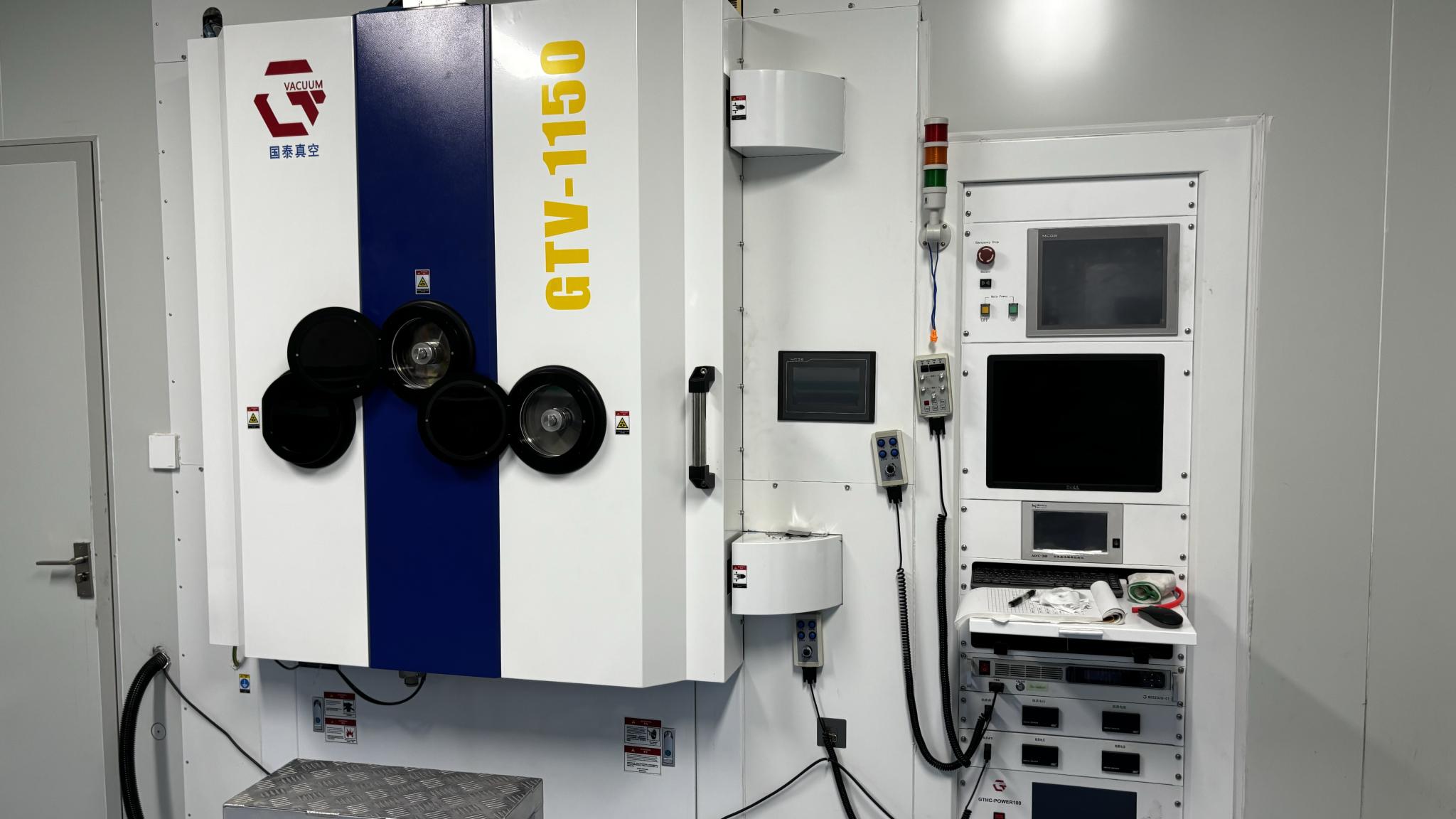
Each optical module is subjected to cyclic thermal stress tests within specialized climate chambers. By verifying low bit error rates (BER) at sub-zero levels, we ensure our modules remain fully functional in outdoor terminals, preventing link drops caused by cold-induced optical wavelength drift.
Leveraging advanced quality controls and materials to exceed standard Multi-Source Agreement (MSA) requirements.
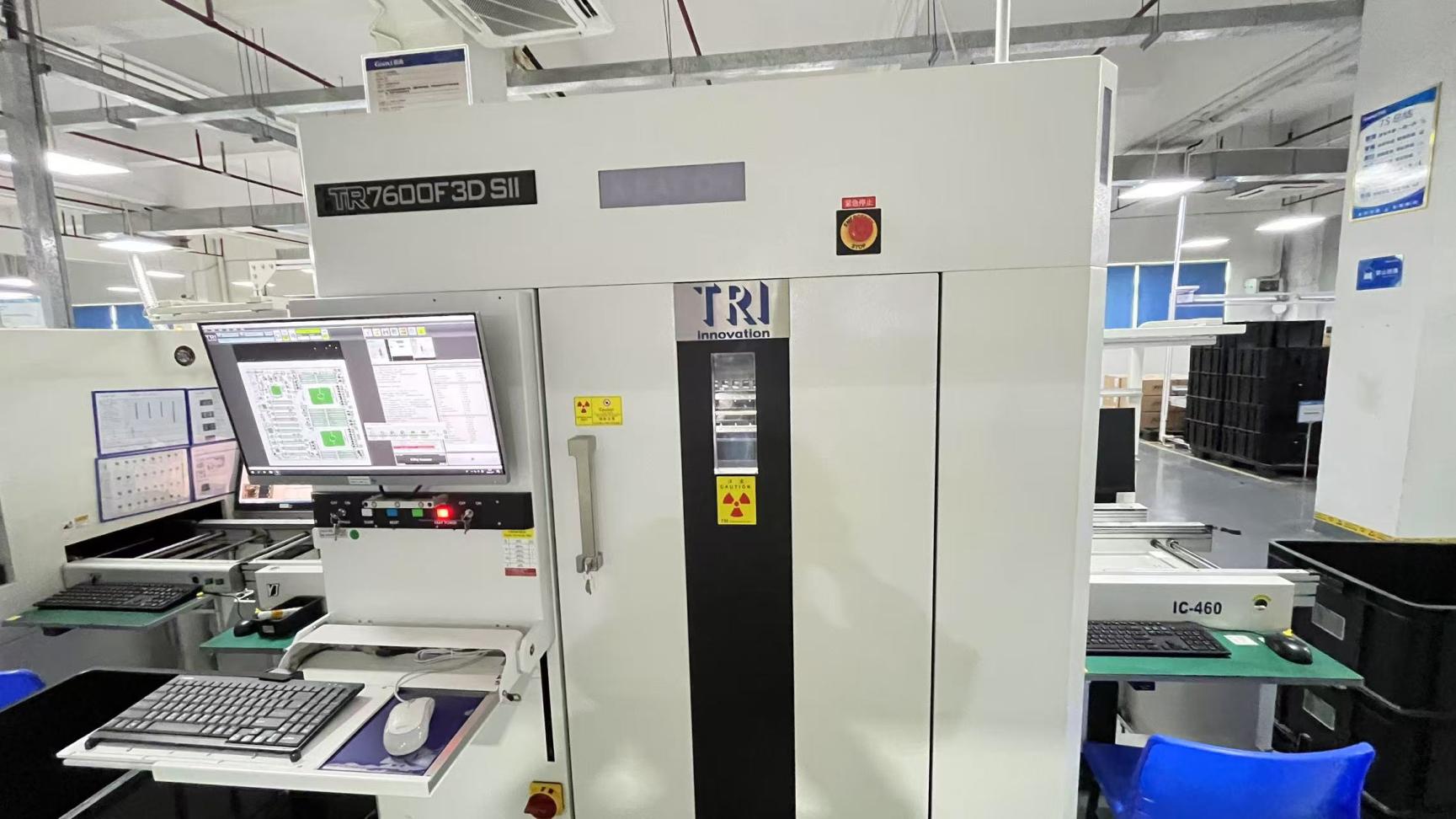
Every module goes through comprehensive eye-diagram validation, jitter tests, and bit-error-rate testing before packaging.
Supports multiple network systems. Our programming team custom-flashes the firmware for trouble-free local installations.
Eliminate intermediary markup. Direct factory exports to Moscow ensure stable pricing and direct access to technical support.
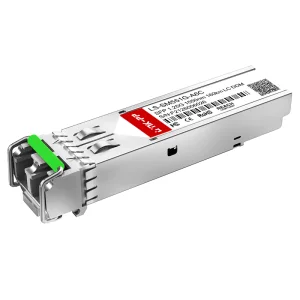
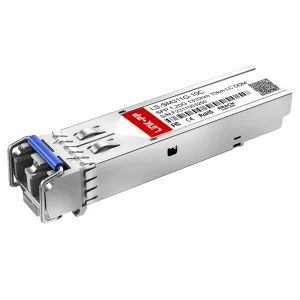
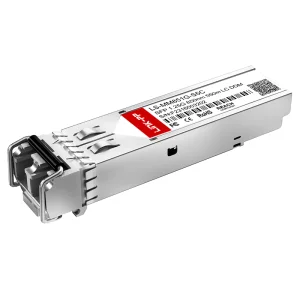
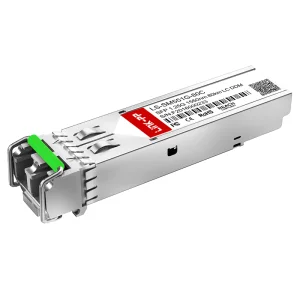
Full selection of high-distance, DOM-enabled single-mode and multi-mode transceiver solutions.
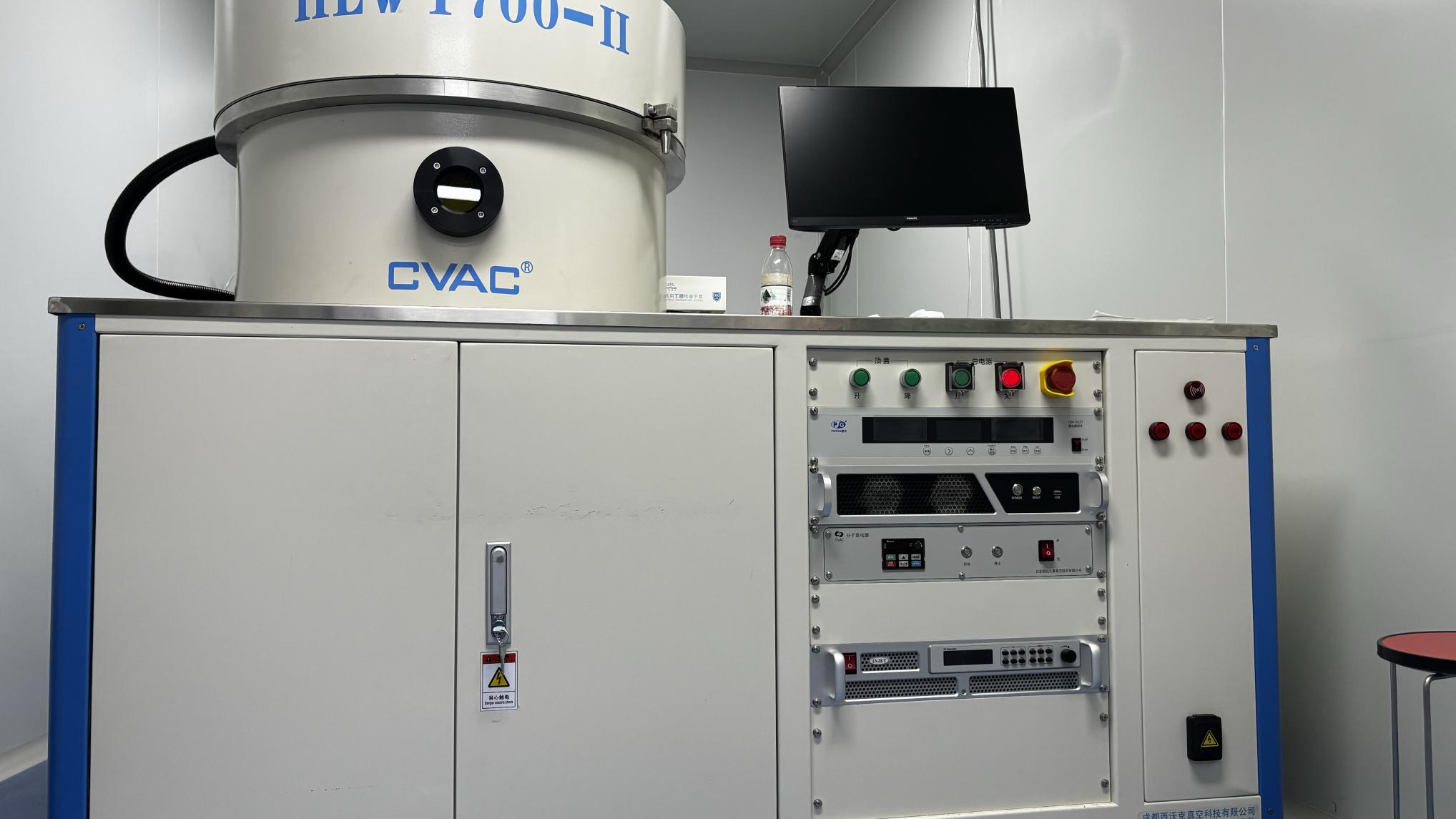
FiberNova Optical Communication Tech Co., Ltd. (FiberNovaTransceivers.com) is a professional optical transceiver manufacturer established in 2016. Operating a modern, ISO-certified production facility covering approximately 380㎡, we specialize in manufacturing high-performance, high-speed optical modules that keep global data center networks connected.
Backed by 6 years of export experience and 12 years of industry expertise, FiberNova has built a robust platform for global distribution. We maintain an annual export volume of USD 8–15 million, supplying system integrators and telecommunications operators in Europe, Asia, and the Middle East.
Our quality control standard involves 100% optical performance verification, temperature cycling stress checks, and digital eye diagram analyses prior to packaging. Managed by our dedicated 45-member Quality Control team, our products align with strict MSA, IEEE, CE, and RoHS specifications.
Supported by 65 development engineers, FiberNova continually innovates in next-generation high-speed technologies, including 10G, 25G, 100G, 400G, and 800G platforms. We support OEM/ODM projects, offering custom wavelength configurations, protocol tuning, housing designs, and private labeling. Last year alone, we introduced 120 new products to meet shifting global requirements.
Through stable component agreements with over 1,200 supply chain partners, we ensure reliable lead times and predictable material flows for chips, lasers, and optical subassemblies.

Technical answers for network designers, system engineers, and purchasing officers in the Moscow market.
Compatibility issues usually stem from manufacturer-specific encoding within the SFP module's EEPROM. At FiberNova, we keep a database of configuration keys for common platforms including Eltex, MikroTik, Cisco, Huawei, Juniper, HP, and Allied Telesis. Before delivery, our engineering team loads the matching vendor-specific firmware onto your 1.25G SFP modules, ensuring they bypass initialization checks and prevent host port lockouts.
We provide three distinct temperature grades for our modules:
For outdoor deployments in the Moscow region, we recommend selecting our industrial-grade components.
DOM (also known as DDM) complies with the SFF-8472 standard. It allows network administrators to monitor real-time operating metrics such as:
This monitoring helps engineers identify link degradation, dirty fiber connectors, or temperature anomalies remotely, reducing the need for on-site troubleshooting.
We provide flexible transport routes based on project schedules:
Yes. We provide the documentation required for the Eurasian Economic Union (EAEU) market. Our export team coordinates with local brokers to provide CE, RoHS, and EAC-compliant test datasheets, preventing delays at customs check points.
Bidirectional (Bidi) SFP modules transmit and receive signals over a single fiber strand by utilizing two distinct wavelengths (commonly 1310nm and 1550nm, or 1310nm and 1490nm). This configuration allows operators to double their capacity without installing new fiber, cutting down on fiber leasing and fiber laying costs.
Supported by our 65-member R&D engineering team, we accommodate custom requests including custom wavelengths, transmission distances (up to 160km), custom enclosure designs, private labels, and custom packaging.
Our 45-person QC department enforces a multi-tier verification process:
Yes, we manufacture the 1000BASE-T SFP copper transceiver, which supports links up to 100 meters over Category 5e or Category 6 copper cabling, allowing copper switches to connect to fiber networks.
You can contact our sales engineers by clicking the Send Inquiry Now button. We will evaluate your hardware environment, confirm compatibility specs, and prepare test samples for your evaluation.
Get in touch with our engineering team for customized compatibility options, bulk export pricing, and sample packages configured for the Moscow market.
 FiberNova