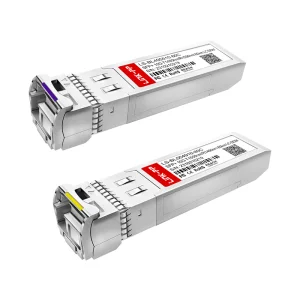
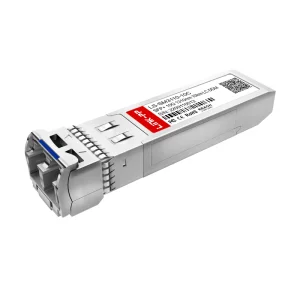
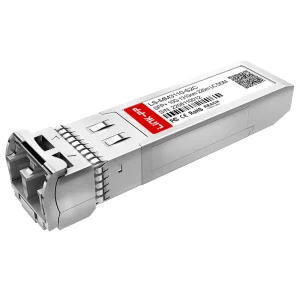
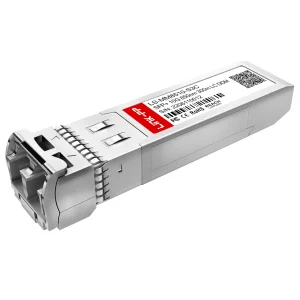
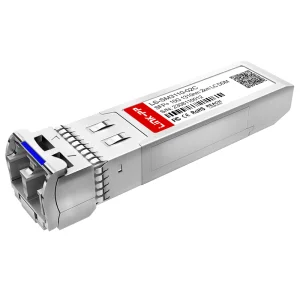
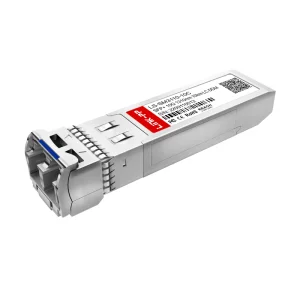
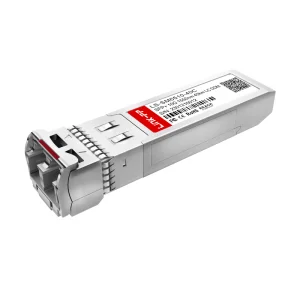
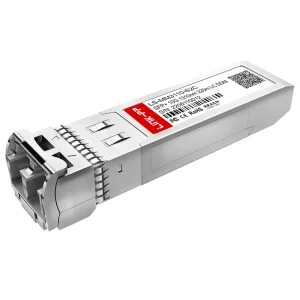
Optimized 10G/16G transceivers engineered for immediate implementation in high-capacity Dublin metro nodes and edge routing rings.
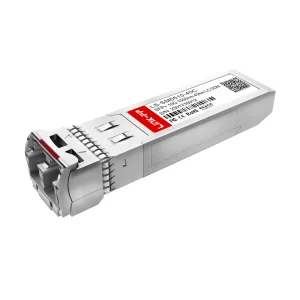
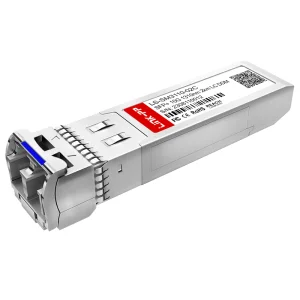
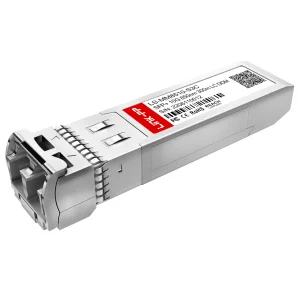
Ireland has positioned itself as the preeminent hub for cloud infrastructure and hyperscale data storage within the European Union. Dublin, particularly zones like Grange Castle, Profile Park, and Clonee, houses massive operations for global tech majors. This dense clustering of servers requires a robust, low-latency, and highly scalable optical transport layer, where 10G and 16G SFP+ modules form the critical physical interface.
Transitioning to higher-bandwidth lines has accelerated the replacement of legacy copper links with LC duplex fiber connectors. As networks migrate toward 25G and 100G, the 10G/16G SFP+ form factor remains the fundamental backbone for leaf-spine connections, access networks, and storage area networks (SAN) due to its high efficiency, power-saving performance, and proven structural reliability.
Furthermore, Ireland’s focus on grid modernization, subsea landing stations (linking North America directly with continental Europe), and regional industrial park connectivity requires resilient industrial temperature transceivers. SFP+ modules configured for extended temperature variants ensure zero packet losses, even in harsh remote sites.
Get Technical ConsultationIn modern multi-vendor enterprise environments, relying on closed ecosystem components introduces supply constraints and inflating costs. Our SFP+ transceivers bypass these limitations.
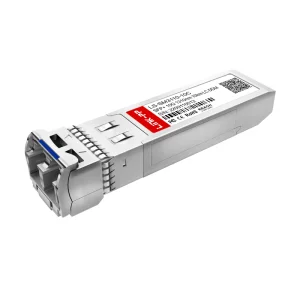
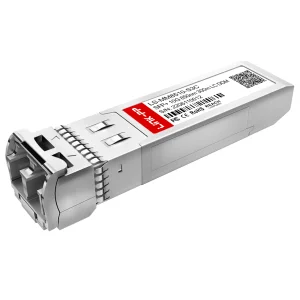
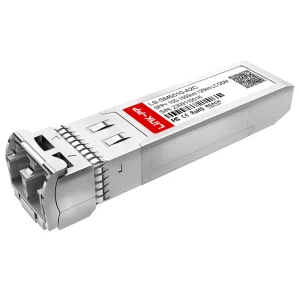
To comprehend the performance profiles of the 10G/16G SFP+ transceivers, it is vital to trace the internal optical engine designs:
By matching the physical transceivers with precise hardware characteristics, customers avoid link degradation issues like Insertion Loss and high Bit Error Rates (BER).
Storage Area Networks (SAN) continue to support transaction heavy databases. While 10G SFP+ modules are optimal for Ethernet-based structures, the 16G SFP+ form factor is custom-designed for 16G Fibre Channel (16GFC) standard operations.
Working backward compatibility with 8GFC and 4GFC ensures seamless integration into legacy architectures, protecting infrastructure investment. In Irish financial trading systems and core healthcare databases where data replication speeds cannot tolerate millisecond delays, the specialized physical layout of 16G SFP+ modules prevents SAN congestion bottlenecks.
Additionally, the deployment of 16G Fibre Channel SFP+ transceivers allows networks to run at 14.025 Gb/s line rate, delivering higher data throughput with lower latency compared to 10G networks.
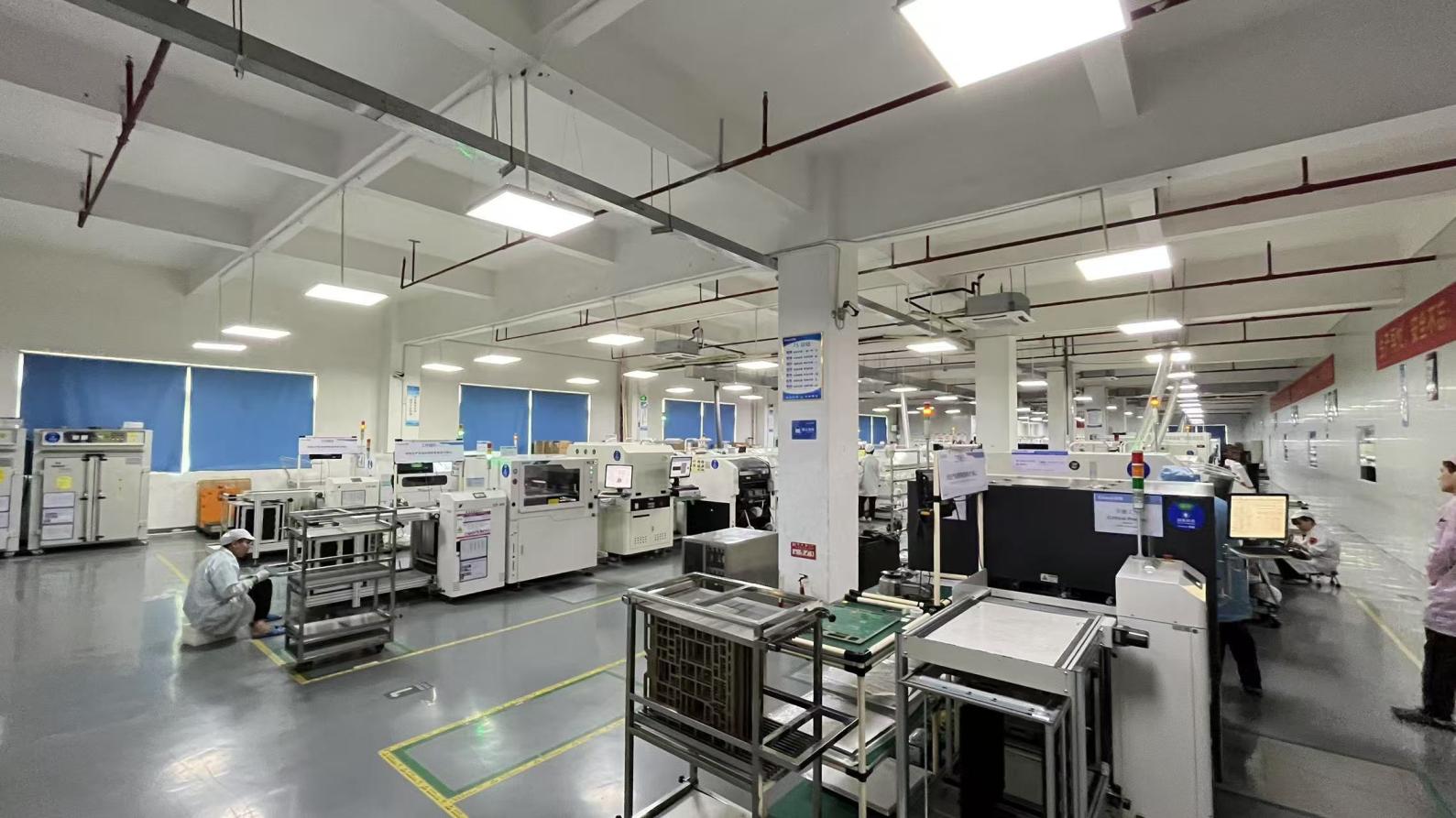
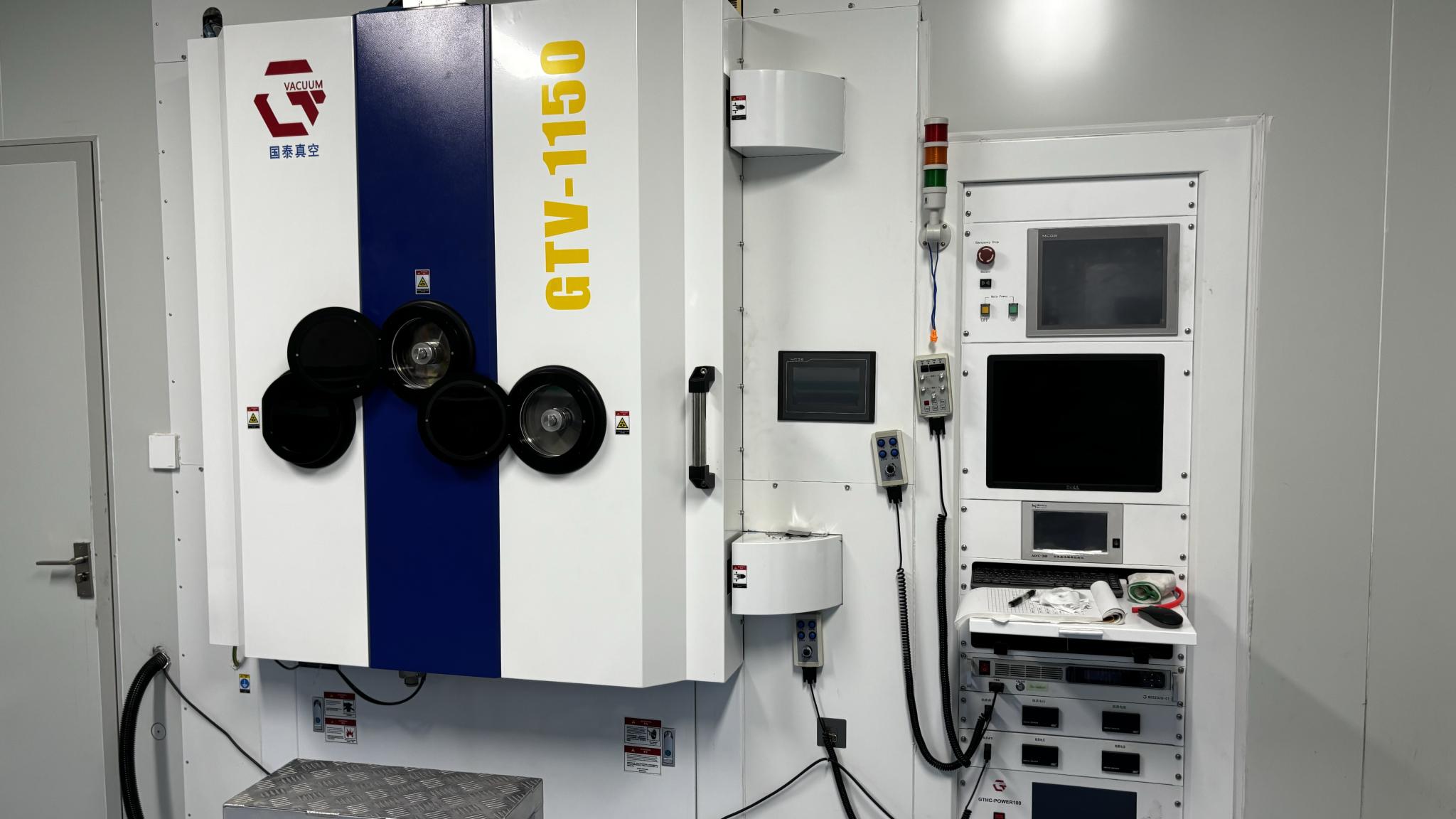
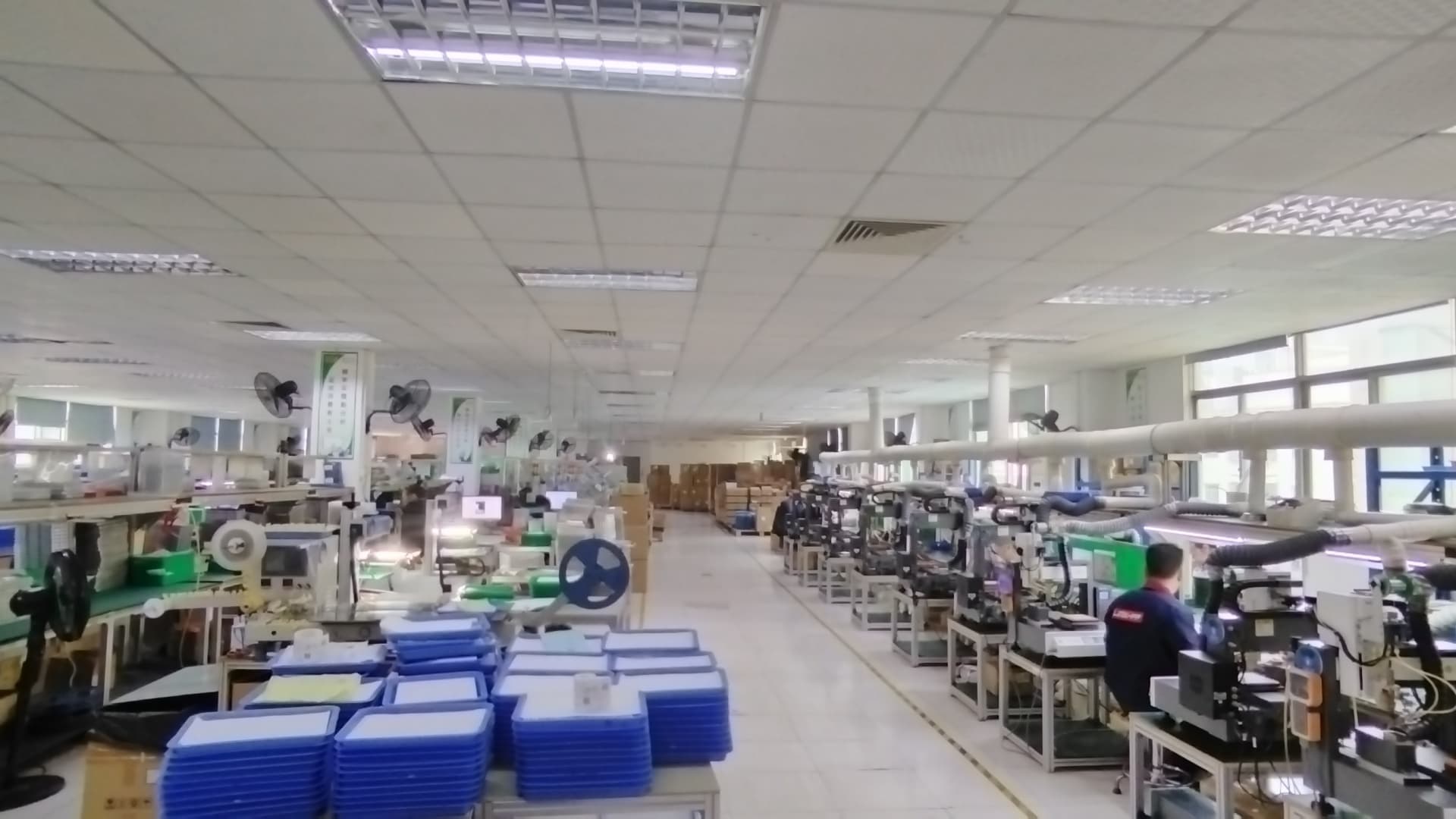
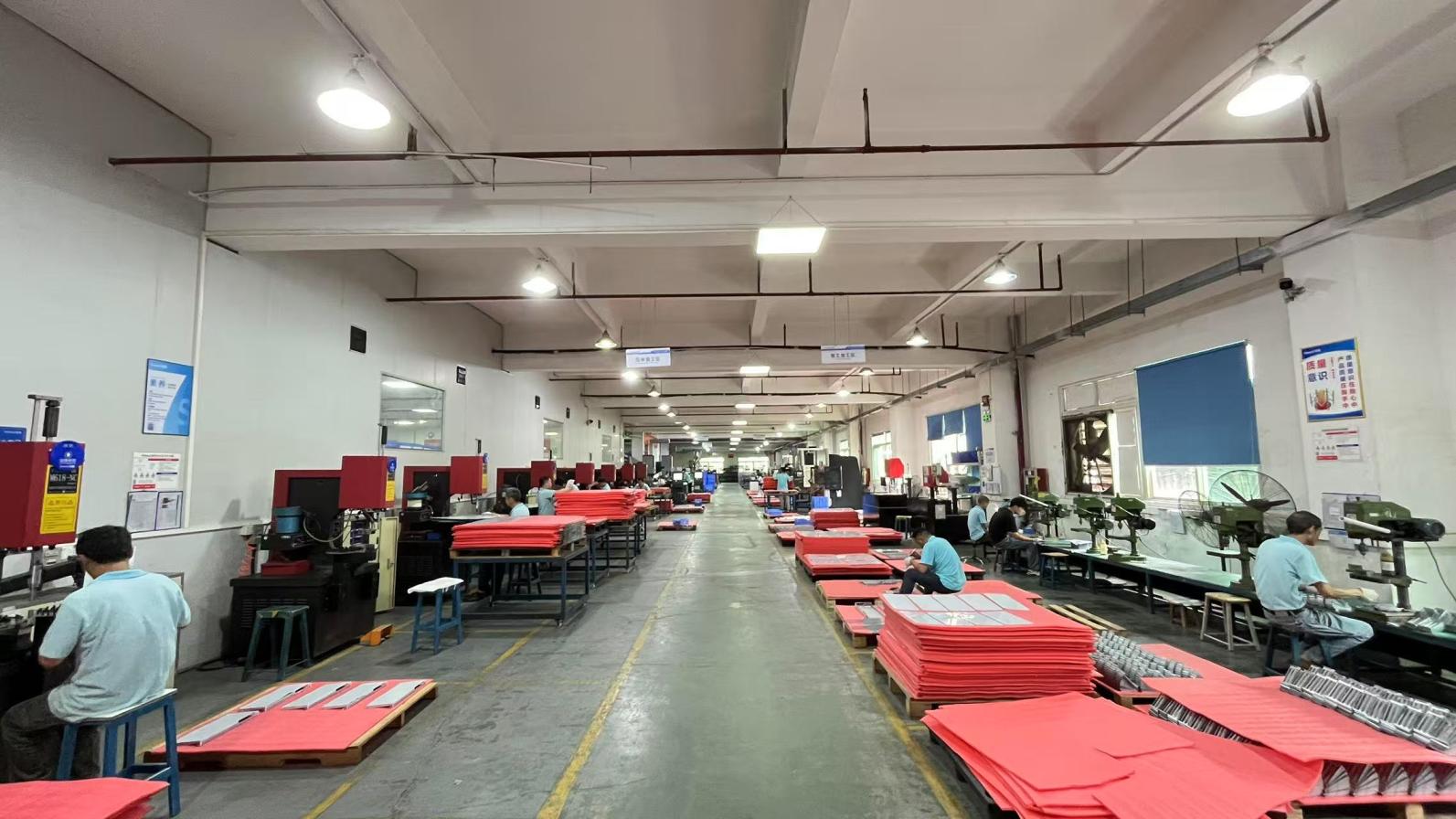
Established in 2016, FiberNova operates a state-of-the-art production facility spanning approximately 380㎡. The company has dedicated itself to delivering premium, high-speed optical transceivers for data centers and telecommunications networks across the globe.
With over 6 years of export experience and 12 years of industry R&D expertise, our engineering teams are highly adept at addressing complex networking challenges. We generate between USD 8–15 million in annual export revenue, supplying operators throughout Europe (Germany, UK, Ireland), North America, Japan, and the Middle East.
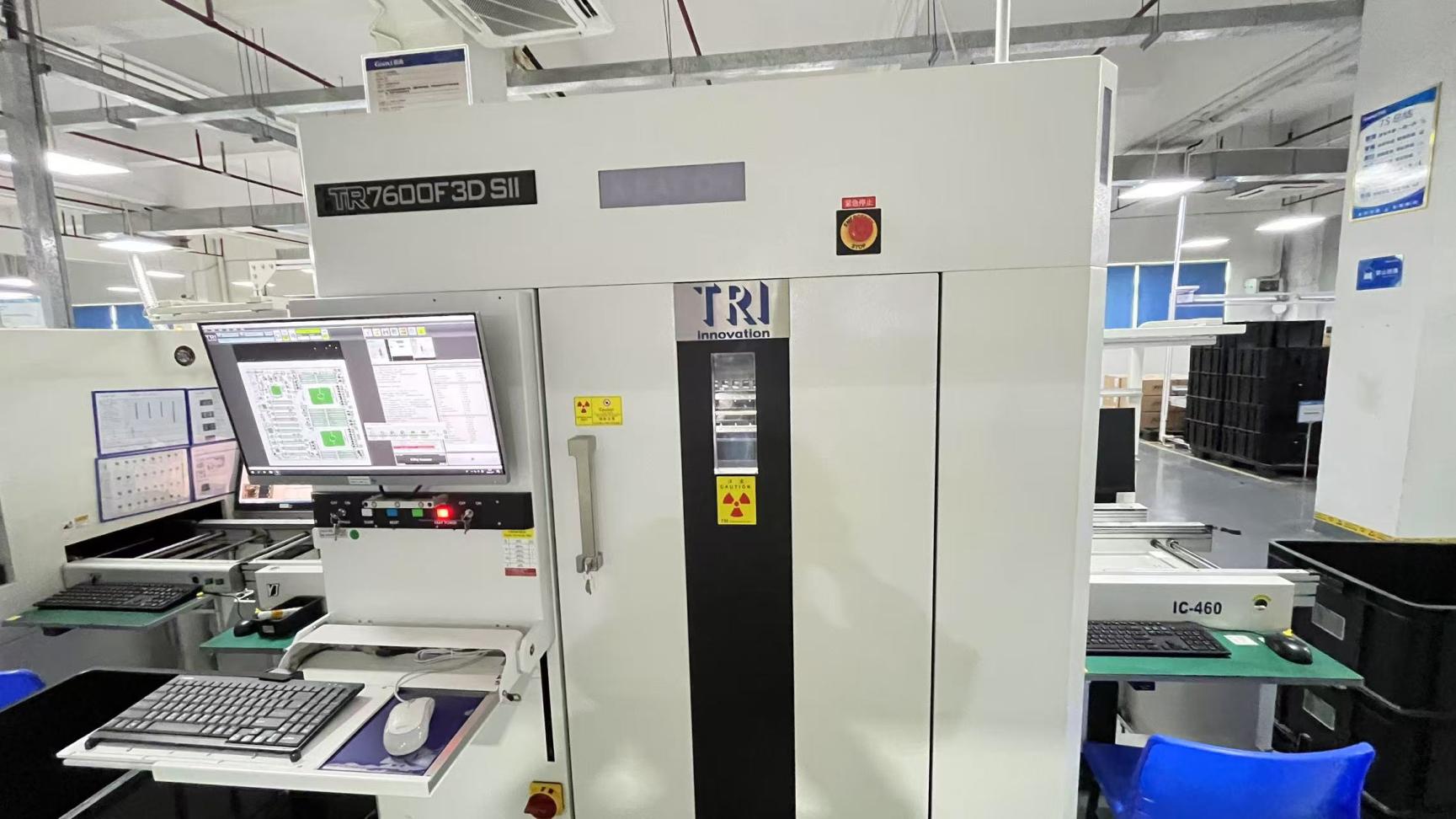
Quality management is at the core of our operations. Supported by 45 professional QC personnel and 65 engineers, our facility implements strict testing, including 100% optical performance testing, temperature chamber stress cycling, and real-time compatibility diagnostics. We source from over 1,200 supply chain partners, guaranteeing a steady supply of premium components, lasers, and silicon chips.
We specialize in customizing transceiver firmware to ensure total system integration with platforms from major networking OEMs, launching over 120 new products annually to match shifting market expectations.
Connect With Our Engineering Team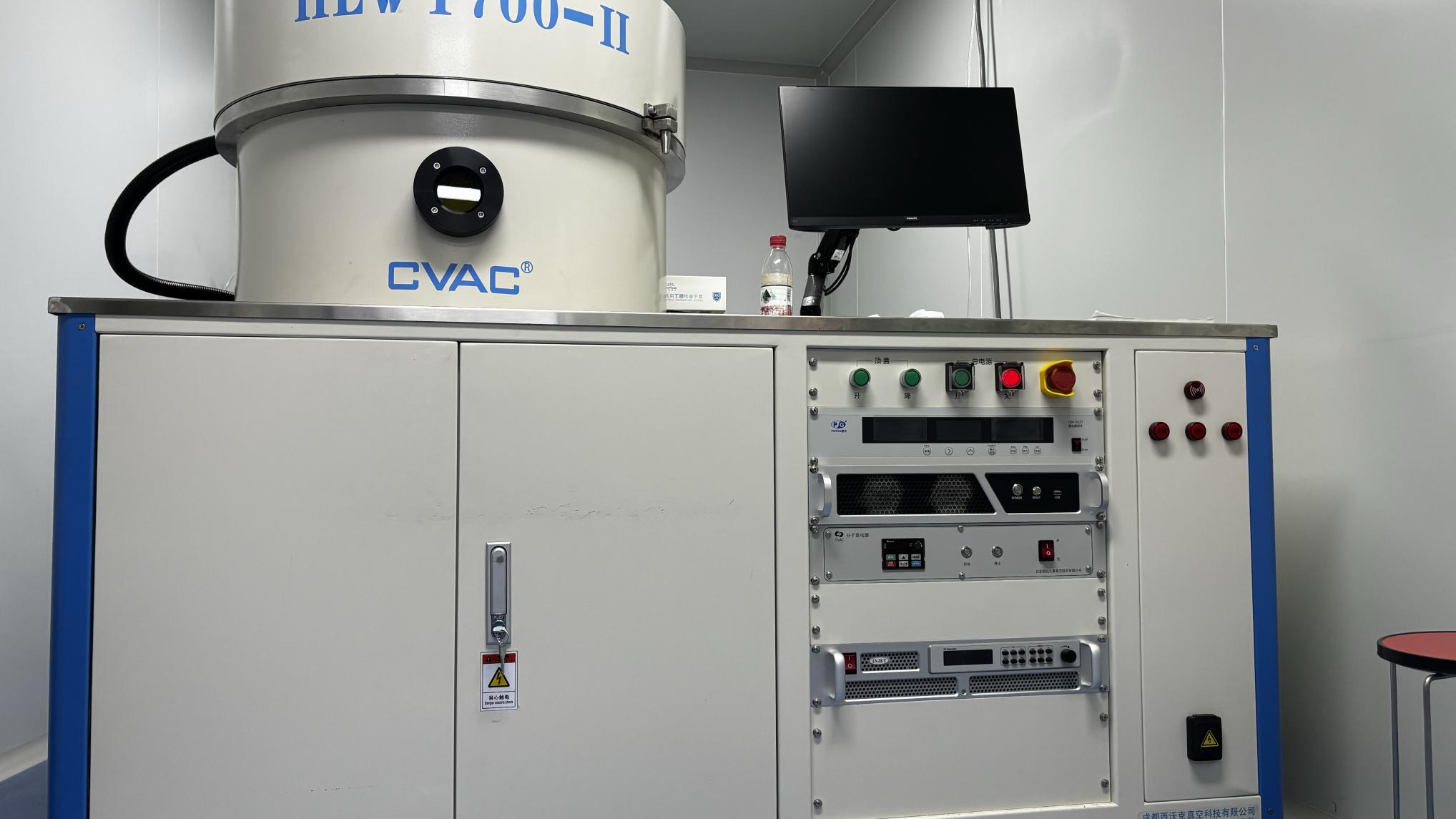


From rural wind farms in Donegal to marine installations off the Cork coast, optical fibers are exposed to intense environmental conditions. Standard commercial transceivers often experience performance degradation under these demands.
For utility substations in regional parts of Ireland, deploying robust single-mode optical transceivers like our 10G SFP+ 40km or 80km models ensures reliable data links. FiberNova components include integrated optical isolation within their transmitters, preventing signal distortion from electrical interference near high-voltage lines.
Direct technical explanations addressing compliance, diagnostic metrics, and deployment specifications.
Our selection of 10G and 16G transceivers engineered to meet the requirements of modern telecom systems and enterprise storage environments.
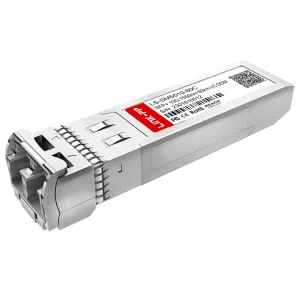
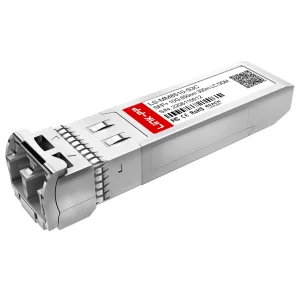
FiberNova provides custom firmware customization and OEM integration assistance for core networks. Reach out to our design and support teams today.
Contact FiberNova Network Engineering FiberNova