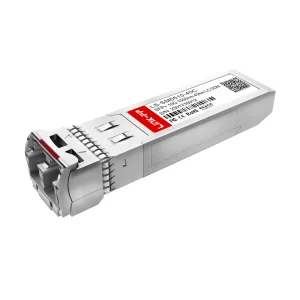
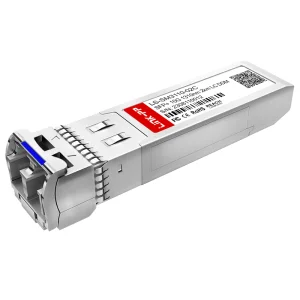
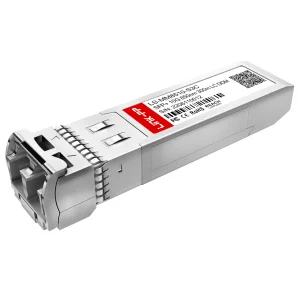
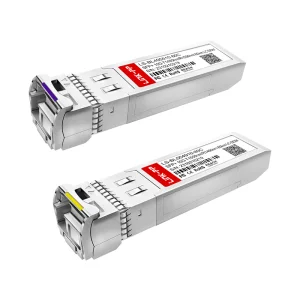
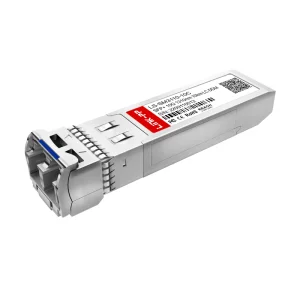
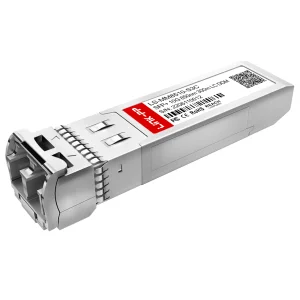
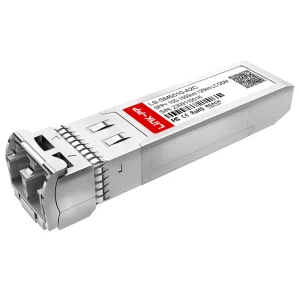
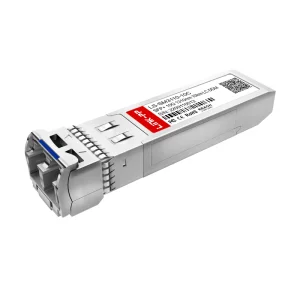
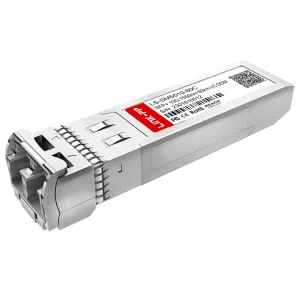
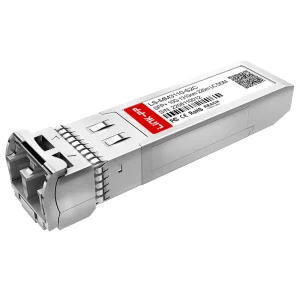
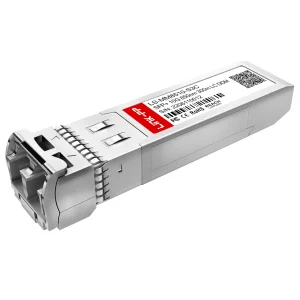
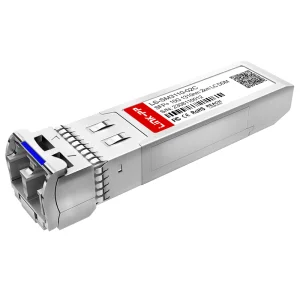
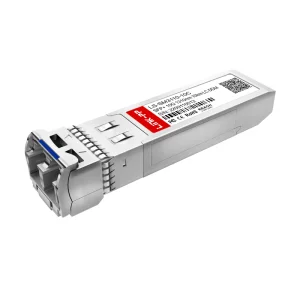
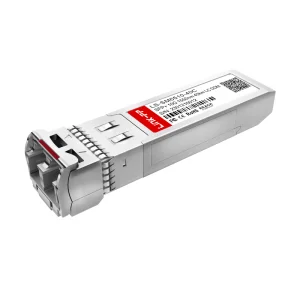
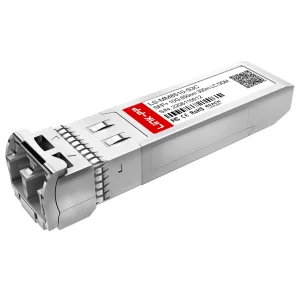
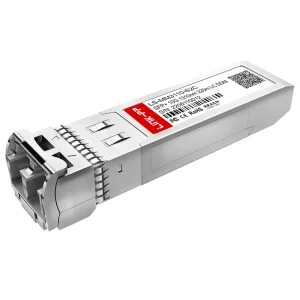
Engineered for absolute reliability, these top-tier optical modules are optimized for backbone routing, core switching, and enterprise SAN environments in Serbia.
Understanding the massive infrastructure upgrades driving demand for 10G/16G SFP+ optical transceivers in Eastern Europe.
Serbia is undergoing a profound digital transformation. With Belgrade positioning itself as a central regional hub for tech development, data housing, and telecom transit routes between Central Europe and the Balkans, the requirement for robust physical layer hardware has surged. The rapid development of state-backed and private data centers, such as the State Data Center in Kragujevac, has catalyzed a national demand for ultra-reliable optical hardware.
To support this data explosion, national telecommunications operators like Telekom Srbija, Yettel, and A1 are aggressively upgrading their networks to support FTTH (Fiber to the Home) and 5G backhaul systems. These upgrades are heavily reliant on 10G SFP+ modules, which offer the ideal balance of cost-efficiency, power management, and bandwidth throughput. The 16G SFP+ standard, on the other hand, is increasingly deployed within Storage Area Networks (SAN) to facilitate real-time disaster recovery, data mirroring, and high-frequency financial calculations.
As enterprise databases expand in Serbia's financial sector (dominated by UniCredit, Banca Intesa, and local commercial banking institutions), the necessity for high-density storage switches becomes critical. 16G SFP+ Fibre Channel modules operate at 14.025 Gbps, minimizing latency and providing a backward-compatible pathway for existing 8G networks. Serbian enterprises are opting for these modules because they maximize the investment lifecycles of their legacy SAN fabrics while doubling data transfer capacities.
Deep dive into physical layer optics, optical dispersion limits, and Multi-Source Agreement compatibility.
Optical communication relies on specific transmission windows. Our modules cover the entire spectrum: 850nm (multimode VCSEL lasers for local server connections), 1310nm (single-mode DFB lasers for distances up to 10km/20km), and 1550nm/CWDM/DWDM (EML lasers with optical amplifiers for long-haul networks up to 80km/120km).
Digital Optical Monitoring (DOM) is essential for remote troubleshooting in Serbian telecoms. It permits network administrators to track vital parameters in real-time: TX optical power, RX optical power, operating temperature, laser bias current, and transceiver supply voltage.
Modern networks are heterogeneous. SFP+ modules must be programmed with vendor-specific EEPROM code. Our engineering division compiles and writes custom firmware configurations matching Cisco, Juniper, Huawei, HP, Arista, and Mikrotik devices, achieving 100% plug-and-play validation.
All transceivers comply with strict global standards. This includes the SFF-8431 specification for SFP+ electrical interfaces, SFF-8472 for diagnostic monitoring, and IEEE 802.3ae for 10G Ethernet. In the storage domain, they meet the FC-PI-5 physical layer requirements for 16G Fibre Channel protocols. By satisfying these standard protocols, our modules ensure optimal signal integrity, keeping Bit Error Rates (BER) below 10-12 even under harsh operating circumstances.
Specially encoded transceivers built to emulate Cisco IOS platform requirements seamlessly, ensuring 100% interoperability without warranty void concerns.
How FiberNova integrates state-of-the-art automated manufacturing with global logistics to support international fiber network infrastructure.
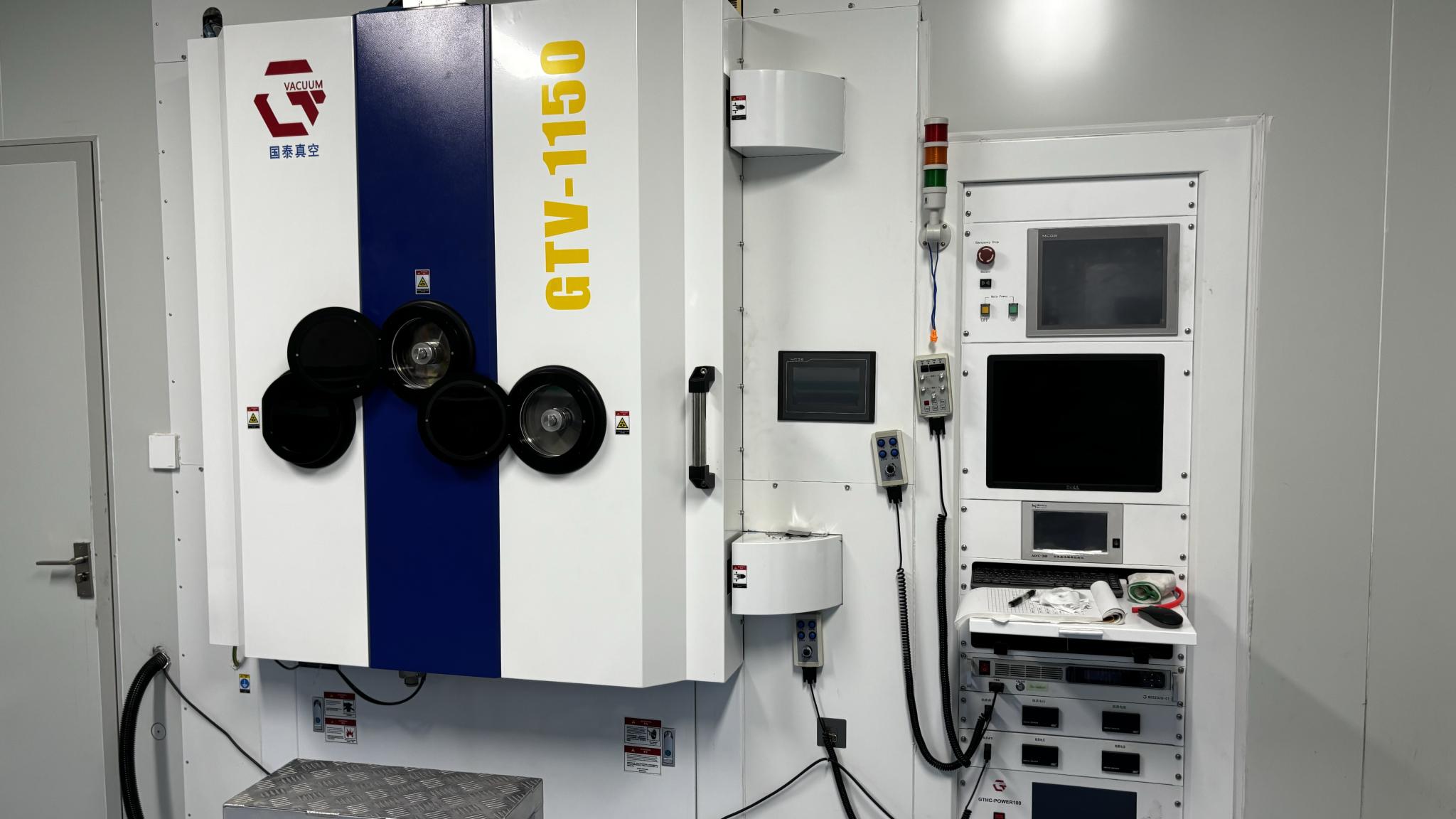
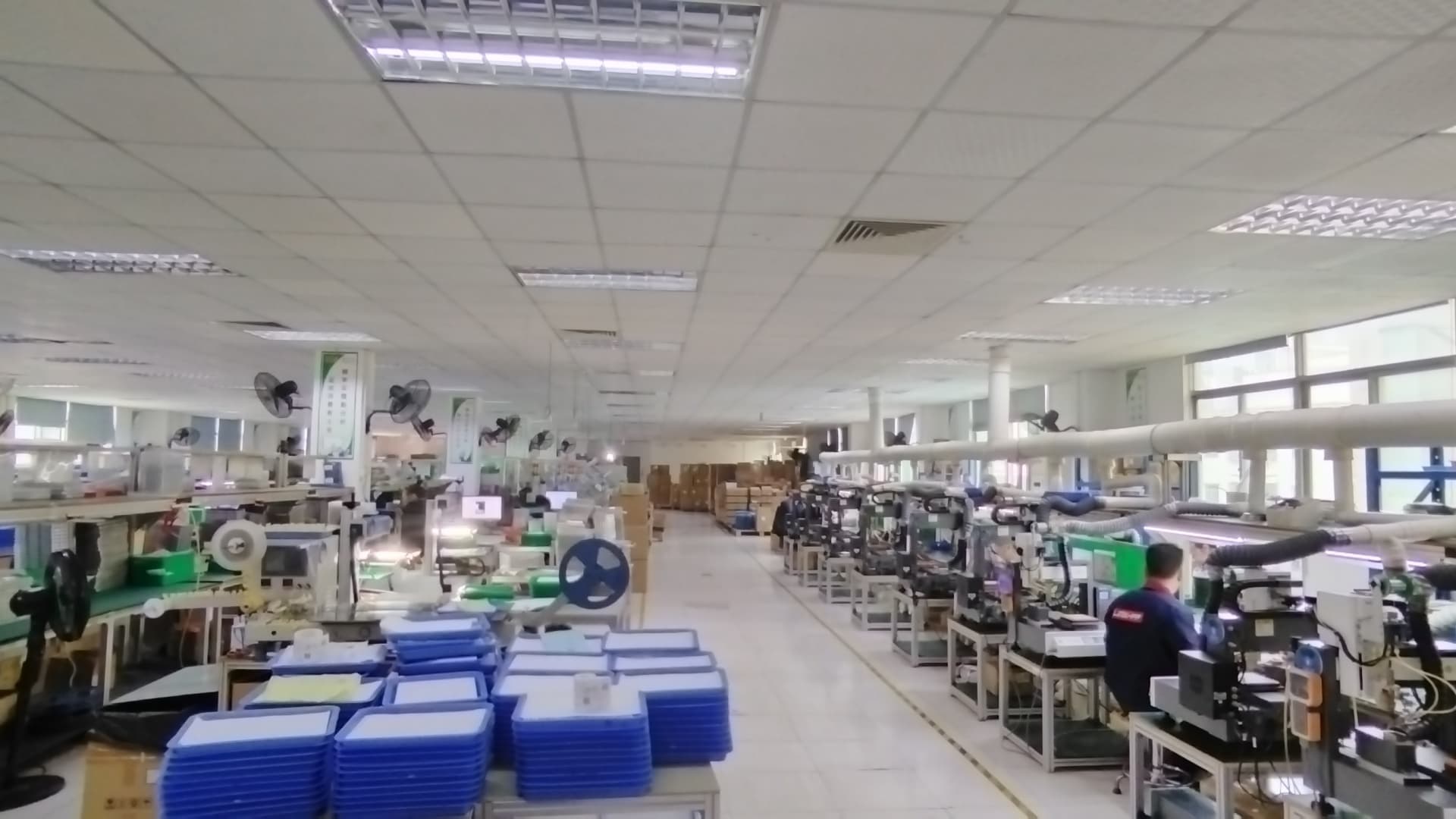
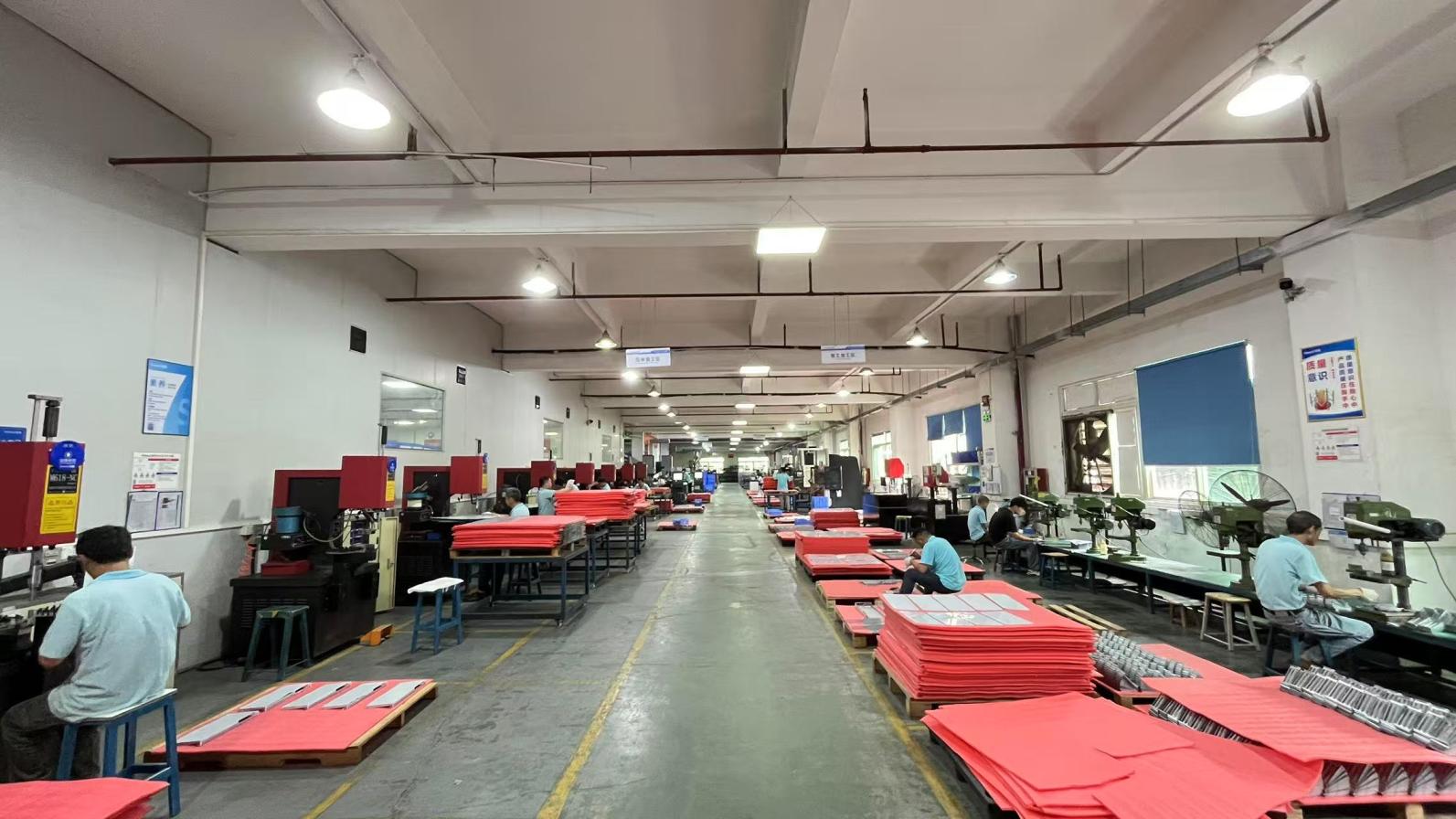
At FiberNova, our production operations run on a modern Factory 4.0 infrastructure framework. Spanning high-precision optical alignment setups and automated component placing lines, our facilities ensure maximum yield with minimal defect rates. In the optical transceiver industry, manufacturing resilience isn't just about assembly; it's about the security of the components supply chain. With over 1,200 trusted supply chain partners, we secure first-rate optoelectronic chips, lasers (VCSEL, DFB, EML), and TOSA/ROSA elements even during global raw materials shortages.
Our engineering division, consisting of 65 dedicated technicians, continuously updates module architectures to match evolving transmission speeds, currently scaling up to 400G and 800G. For clients in Serbia and Eastern Europe, this technological baseline translates into absolute reliability. Our export system handles transit procedures smoothly, ensuring rapid, safe delivery into regional logistical hubs.
Real-world deployment scenarios across Serbian industries and public utility grids.
Connecting municipal offices and enterprise campuses throughout Belgrade, Niš, and Novi Sad. Utilizing our 10G SFP+ 40km and 80km transceivers to build backbone rings without installing expensive mid-span regenerators.
In the manufacturing zones of Zrenjanin and Kragujevac, heavy electromagnetic interference (EMI) makes traditional copper lines unreliable. Industrial-grade 10G SFP+ fiber modules provide perfect noise immunity and high throughput for machine vision setups.
Energy distribution systems in Serbia require real-time monitoring across power stations. Single-mode Bidirectional (Bidi) SFP+ transceivers allow bi-directional data transmission over a single fiber strand, cutting infrastructure costs by 50%.
Explore our complete range of high-performance transceivers, including multi-mode, single-mode, Cisco-compatible, and extended-reach models.
How we maintain zero-defect standards for global telecommunication nodes.
Reliability is the foundation of optical network infrastructure. At FiberNova, we employ a professional team of 45 specialized Quality Control inspectors to ensure that every single optical module departing our factory complies with strict MSA (Multi-Source Agreement) requirements.
Our quality verification protocol covers several core parameters:
Additionally, we perform structural inspection under microscope configurations to certify that fiber end-faces are free from dust, scratches, or micro-cracks. With stable shipping channels and verified engineering practices, FiberNova serves critical operators across Europe, North America, and Asia, delivering high-speed optical hardware with long-term MTBF (Mean Time Between Failures) reliability.
Important technical queries regarding 10G/16G SFP+ configurations, compatibility, and regional deployment in Serbia.
E-E-A-T Validation: Witness our high-precision assembly lines, optical cleanrooms, and testing facilities.
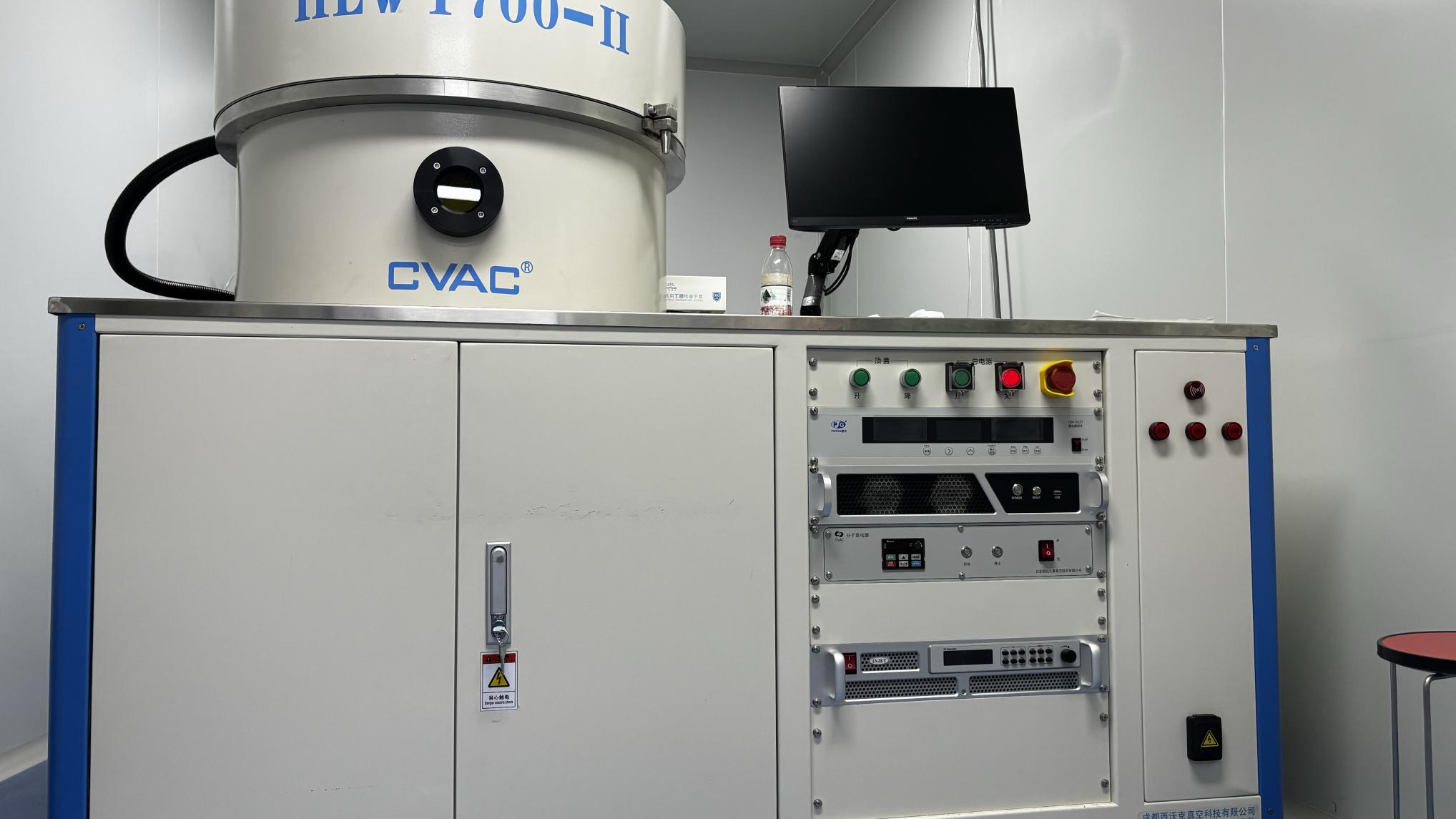
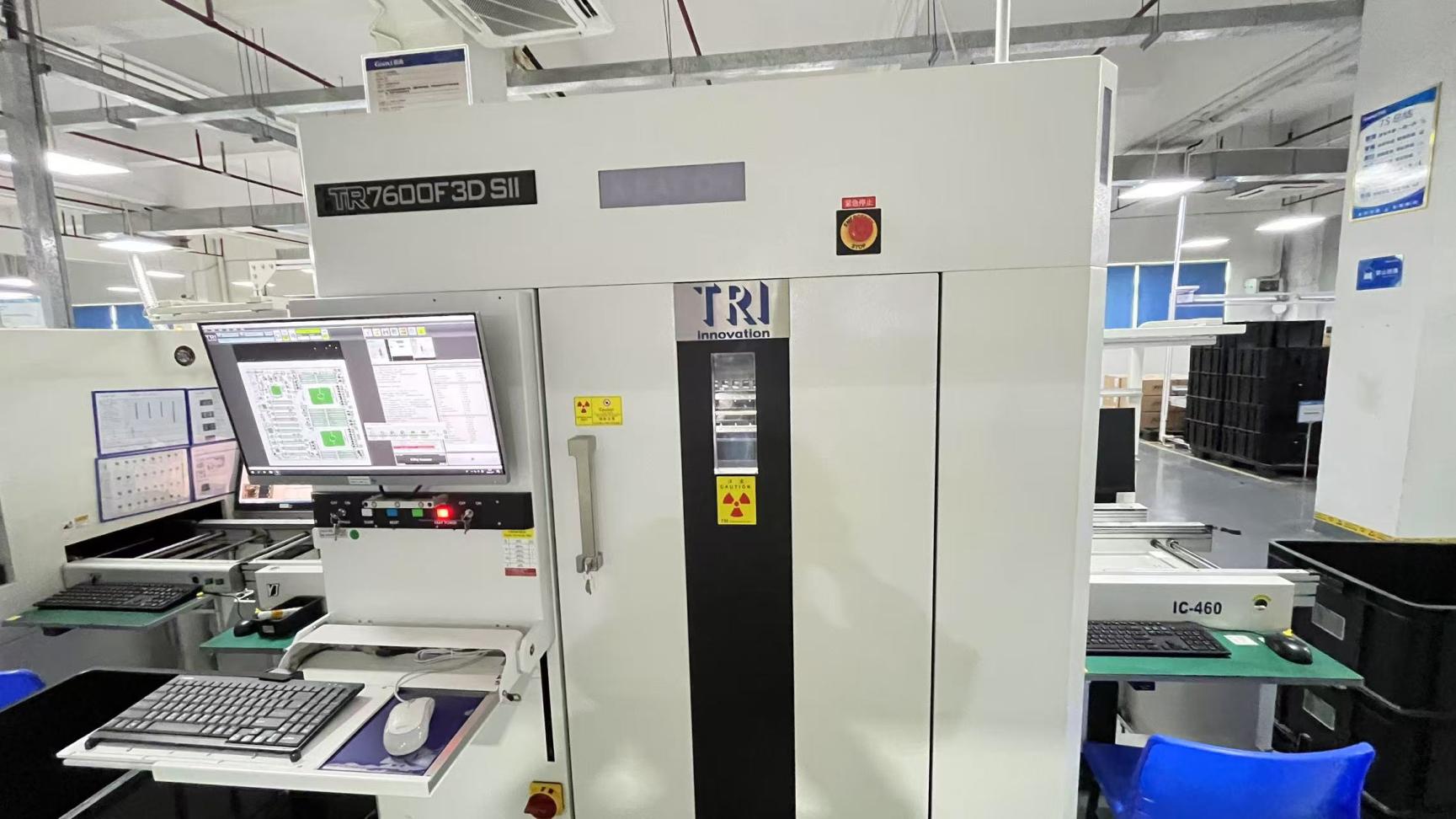
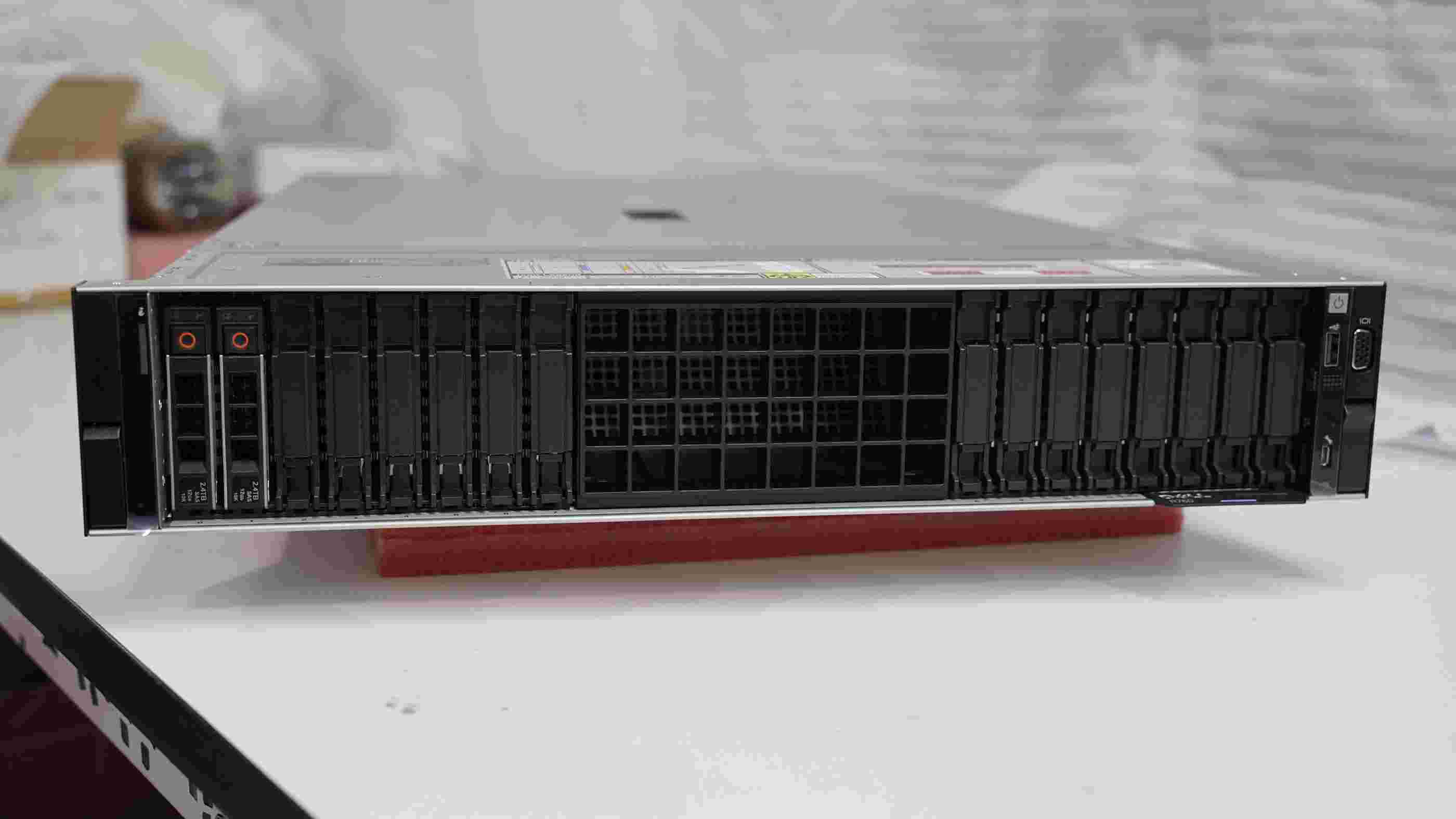

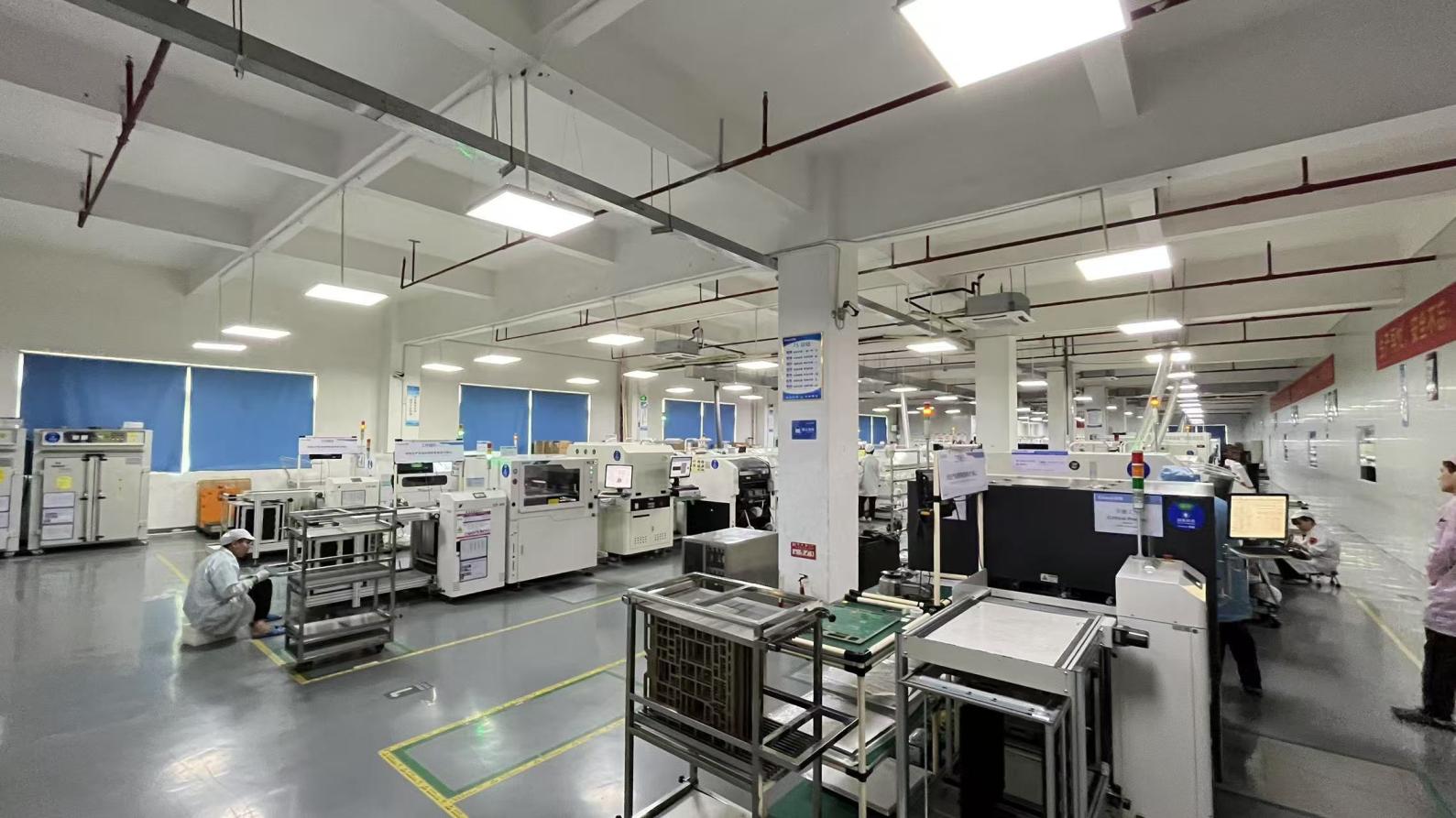
Contact FiberNova's engineering team today for custom compatibility testing, batch volume pricing, and localized transit configurations for the Serbian market.
Send Inquiry Now FiberNova