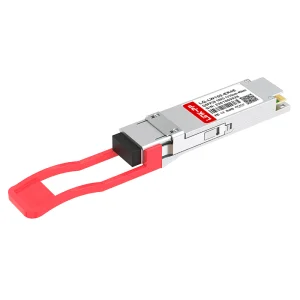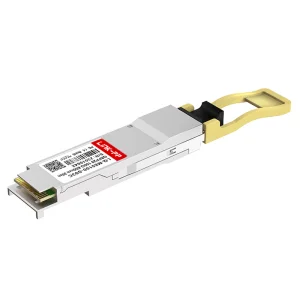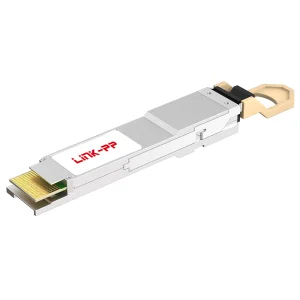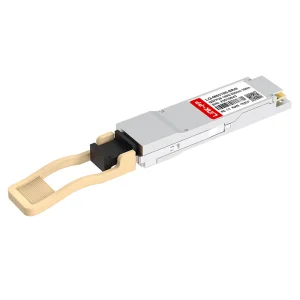
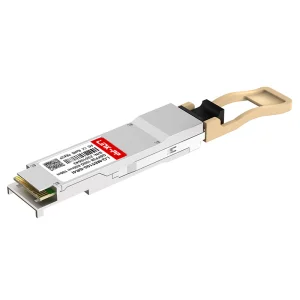
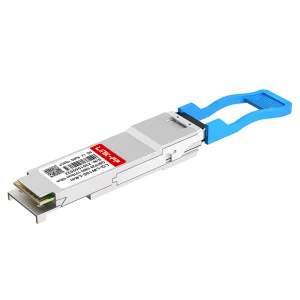
As the digital center of mainland Southeast Asia, the Bangkok Metropolitan Region is witnessing an unprecedented transformation in datacenter density and high-speed network connectivity. Driven by Thailand's "Thailand 4.0" national digital economy policy, global hyperscale cloud providers—including Amazon Web Services (AWS), Google Cloud, and Microsoft Azure—are rapidly constructing availability zones and localized cloud infrastructure in and around Bangkok. This massive compute expansion has fueled a significant surge in demand for robust optical networking hardware. In particular, telecom operators, multi-tenant datacenters (MTDCs) like STT GDC Thailand, Telehouse, and True IDC, and financial institutions are transitioning their backbones from 10G/25G architectures to high-density 100G, 200G, and 400G optical interconnect architectures.
Operating a network in Thailand's tropical climate poses distinct physical challenges. High ambient temperatures and persistent humidity demand optical transceivers with superior thermal dissipation, reliable MSA (Multi-Source Agreement) cross-brand compatibility, and rigorous testing protocols to limit field failures. Bangkok’s regional networking requires high-efficiency fiber-to-the-node (FTTN) routing and long-haul connections linking the capital to critical landing stations and sub-regional zones such as the Eastern Economic Corridor (Chonburi, Rayong). Consequently, local system integrators and telecommunications companies depend heavily on specialized global suppliers capable of exporting highly reliable optical modules with short lead times and robust warranty assurances.
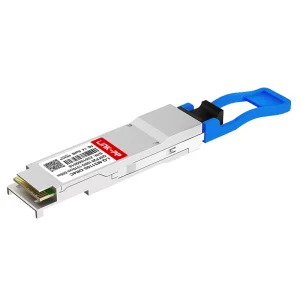
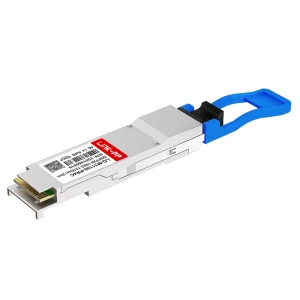
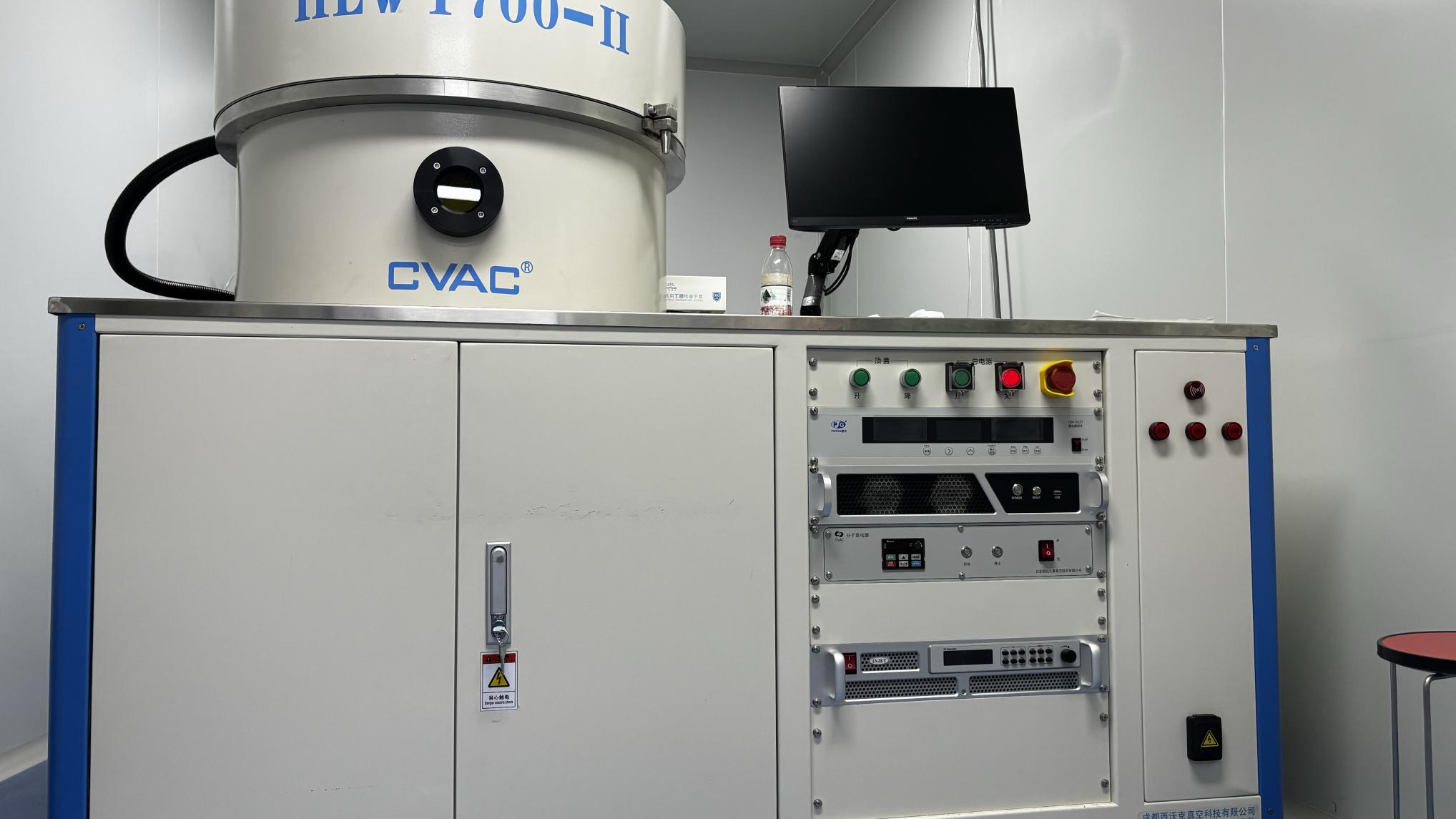
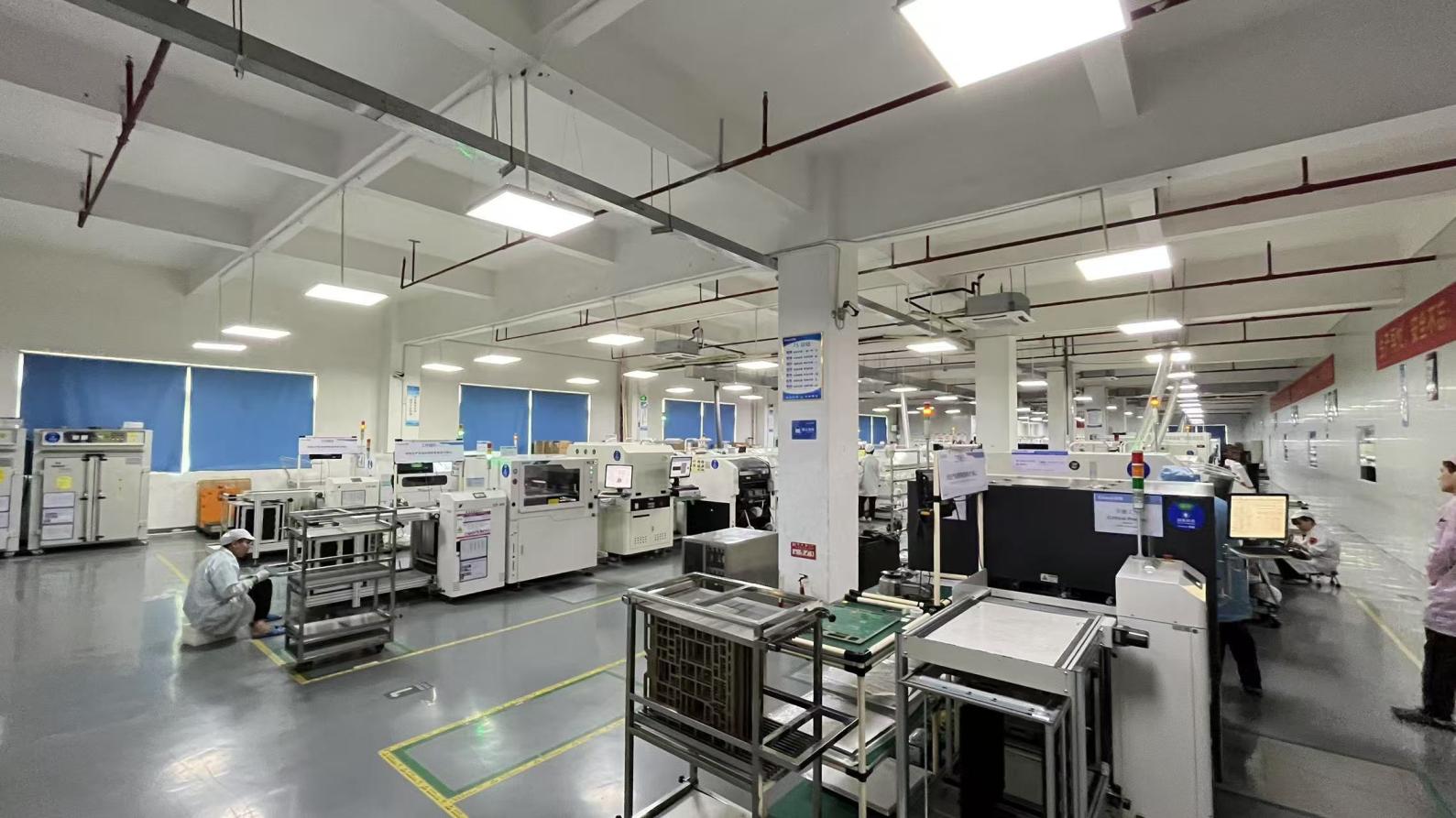
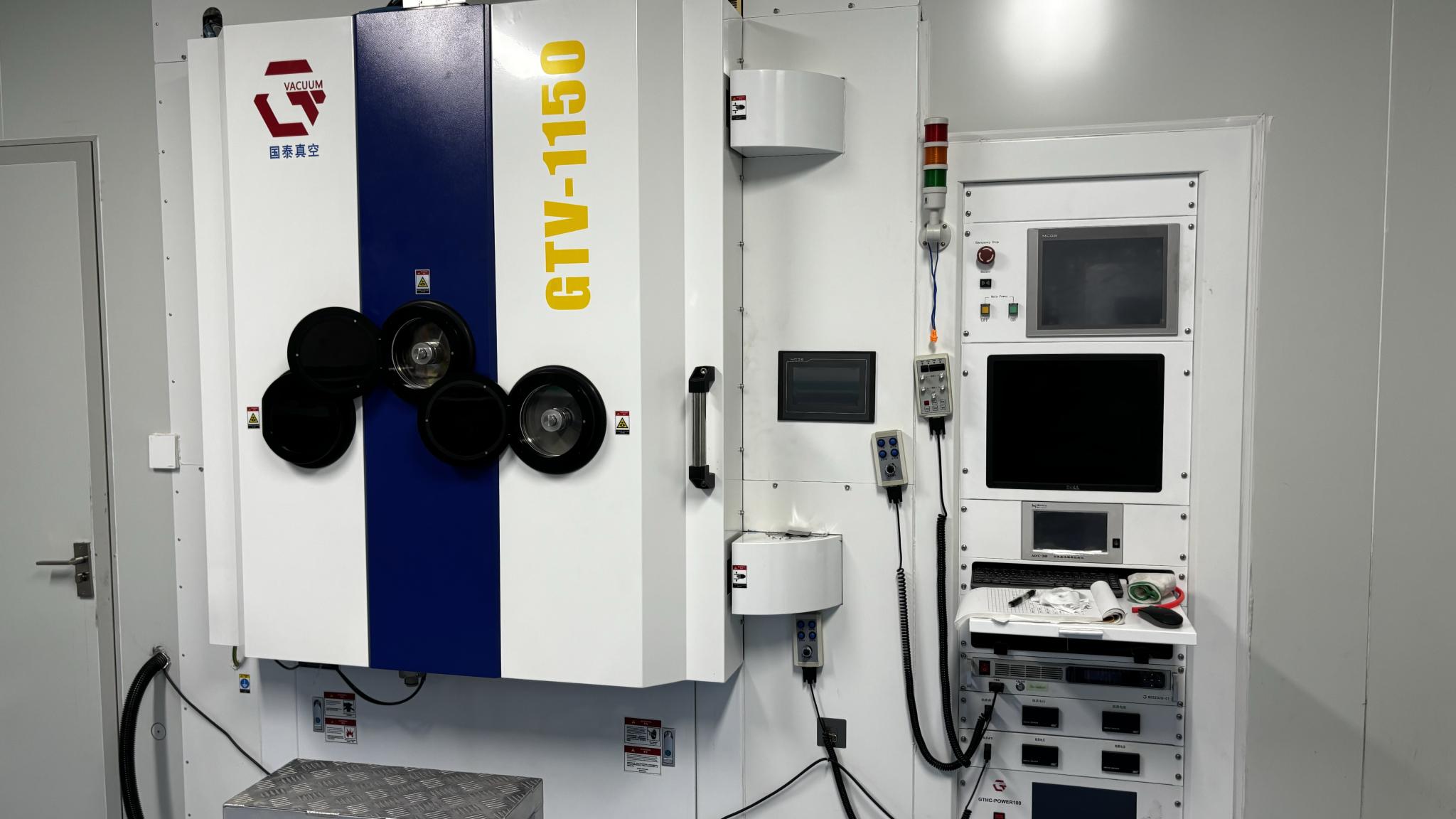
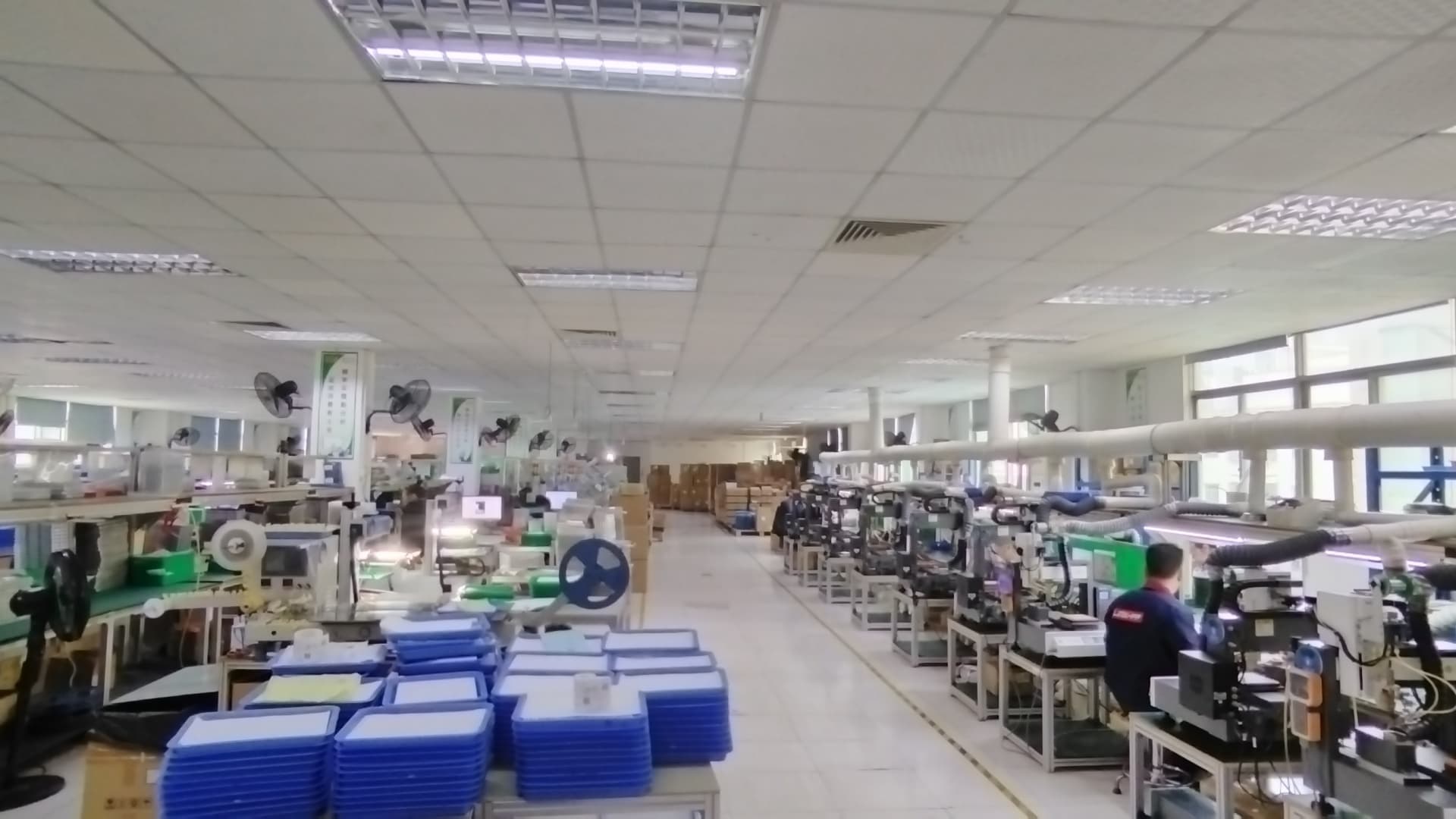
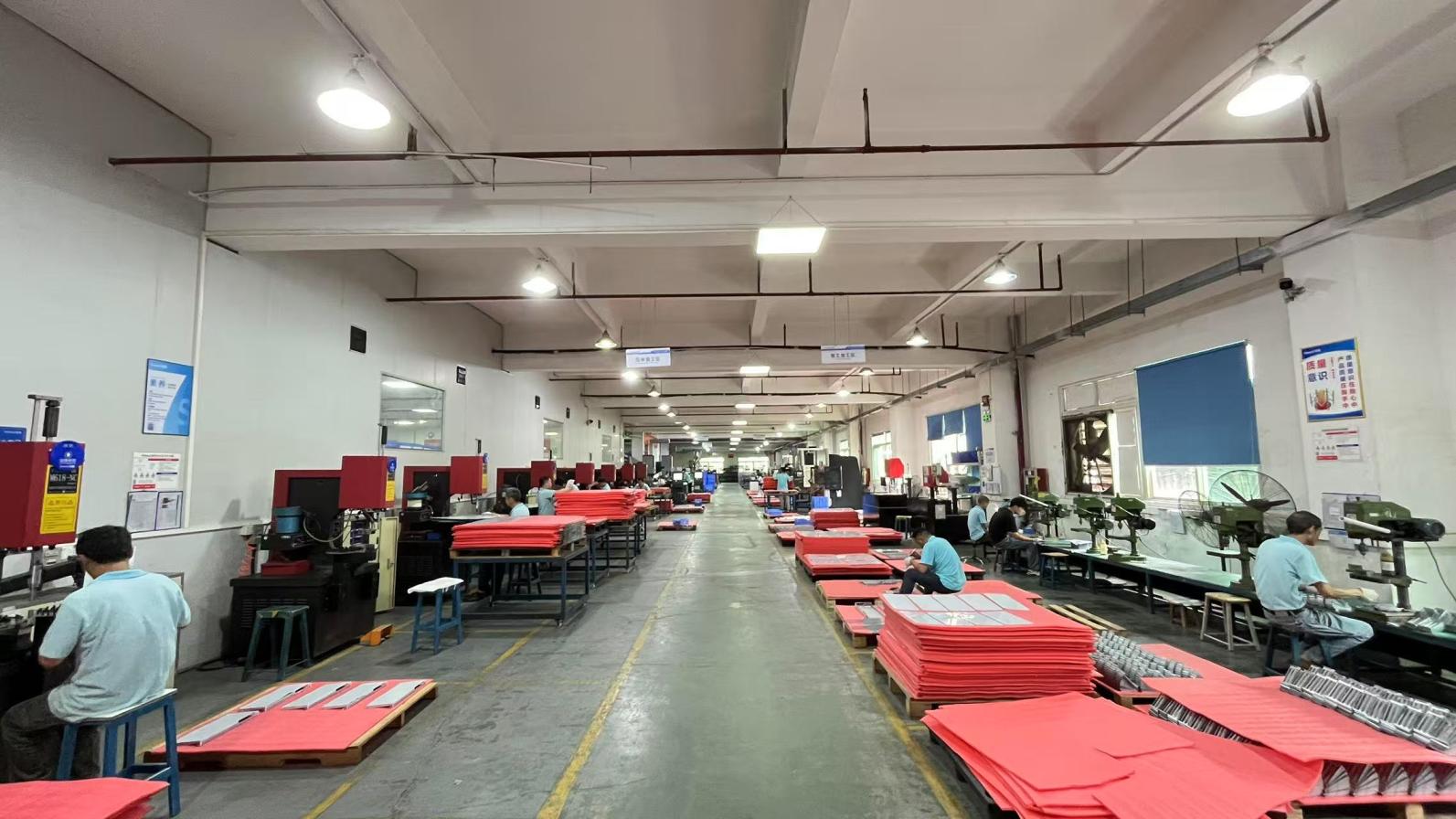
In the high-speed optical transceiver manufacturing space, production efficiency and supply chain resilience are critical for maintaining a competitive edge. FiberNova operates from a highly automated facility that leverages China’s advanced industrial ecosystem. Since our founding in 2016, we have optimized our modern 380㎡ manufacturing facility to handle precision alignment, high-frequency testing, and automated component packaging. By combining 12 years of industry experience with the geographic benefits of China's primary hardware clusters, we maintain direct access to upstream materials. This allows us to source optical sub-assemblies (TOSA/ROSA), laser diodes, and digital diagnostic chips from over 1,200 verified partner relationships, shielding our Bangkok clients from market-wide component shortages.
Quality assurance is embedded in every phase of the manufacturing flow. Our specialized export team ensures that all shipped modules are certified to comply with strict international standards, including IEEE 808.3 and modern Multi-Source Agreement (MSA) specifications. Our dedicated quality management department, consisting of 45 professional QC specialists, subjects each transceiver batch to a strict testing regime before dispatch. This protocol includes 100% optical performance verification, temperature cycling (ranging from -40°C to 85°C to simulate extreme network environments), and signal integrity testing using high-bandwidth digital oscilloscopes and optical spectrum analyzers. As a result, our operations generate an annual export volume of USD 8–15 million, supplying high-performance transceivers to cloud networks, network equipment providers, and telecom carriers globally, including the United States, Germany, Japan, South Korea, and the United Arab Emirates.

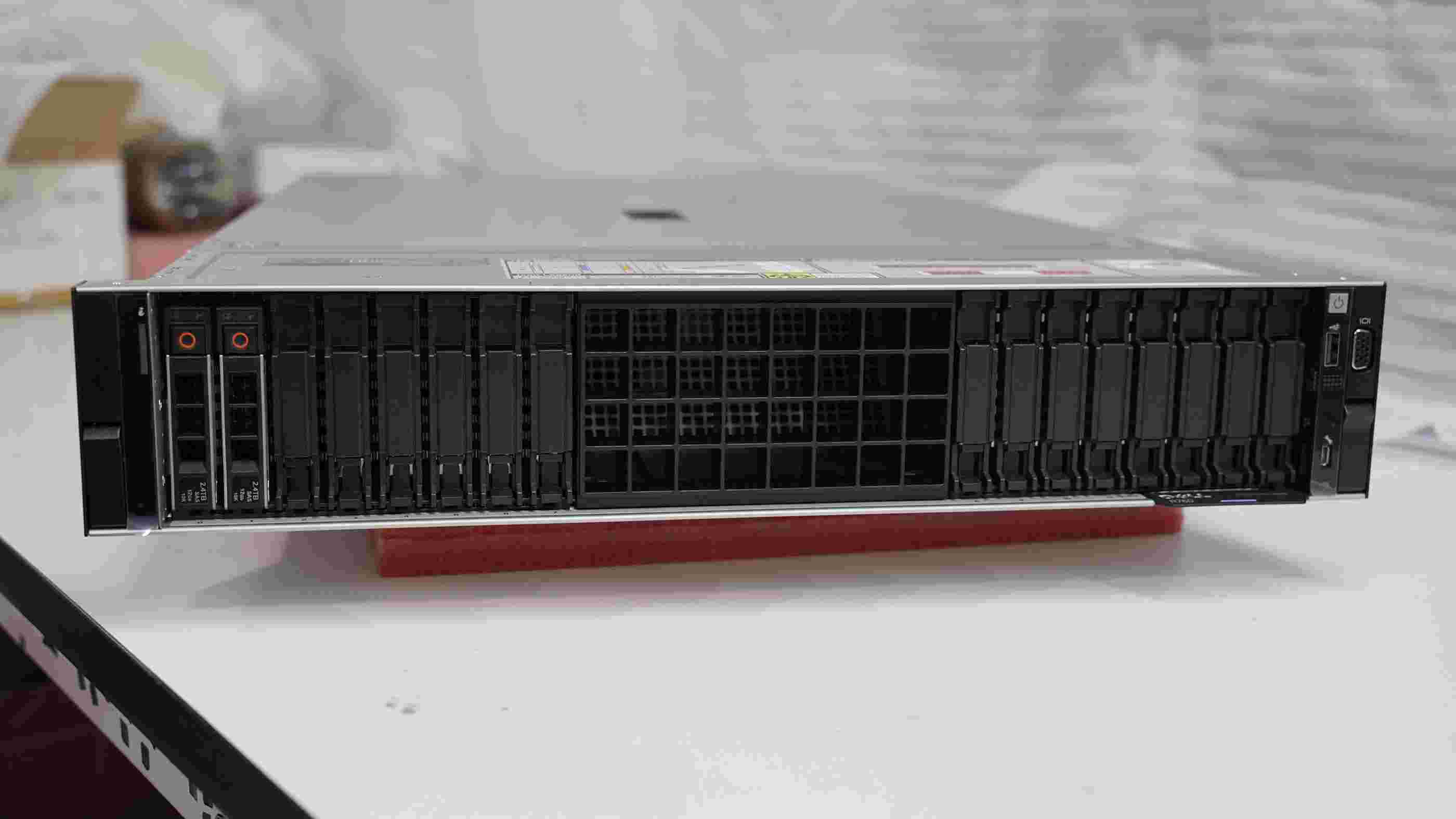

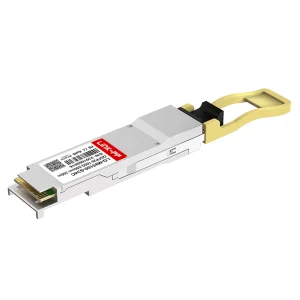
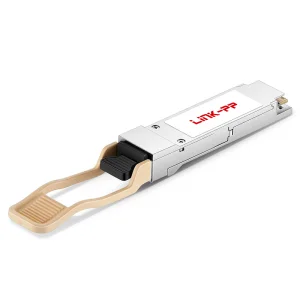
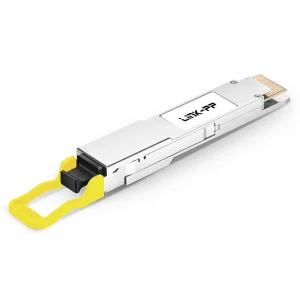
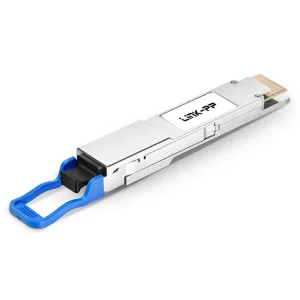
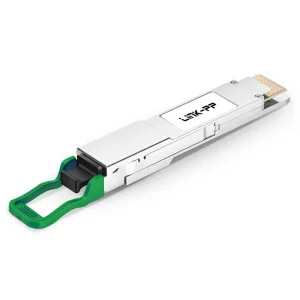
For datacenters located in Bangkok's urban core and Chonburi's digital zones, 100G LR4 and 400G FR4 optical transceivers provide the backbone for low-latency virtual machine migration and synchronous data replication. Our modules support stable 2km to 10km transmission over standard single-mode fibers, maintaining clean signal integrity despite the high structural attenuation associated with tropical micro-duct environments.
Bangkok's telecommunications providers are scaling up bandwidth to support industrial IoT applications. Deploying our 100G and 200G transceivers within the centralized radio access networks (C-RAN) ensures data rate scalability. Built with premium lasers, these modules withstand outdoor base station temperatures, helping providers control operating expenses by avoiding thermal-related outages.
In financial centers like Silom and Sathorn, millisecond-level latency differences can affect transactional speed. Our multi-mode (MMF) 100G SR4 and 400G SR8 modules feature high-performance vertical-cavity surface-emitting lasers (VCSELs) that transmit high-throughput packets across core switch matrices. This design provides local banking clouds with consistent performance and low jitter rates.
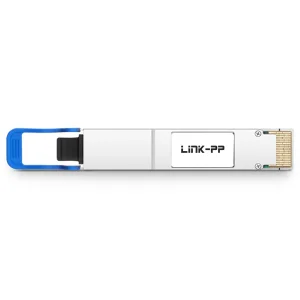
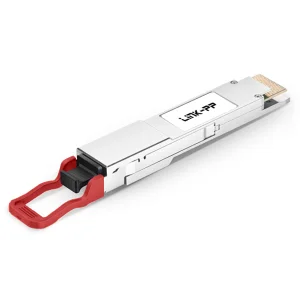
Q1: How do environmental conditions in Bangkok impact 100G and 400G transceivers?
High relative humidity and consistent outdoor temperatures in Thailand can accelerate the aging of laser diodes and increase internal dew-point risks in non-hermetically sealed transceivers. FiberNova mitigates this by applying commercial-grade thermal management and rigorous high-humidity testing. Our optical modules operate within strict power dissipation tolerances to reduce heat generation inside switch chassis.
Q2: How does FiberNova guarantee compatibility with Cisco, Juniper, and Huawei equipment in Bangkok?
All imported optical transceivers are coded and verified using our EEPROM system. We maintain configuration profiles for major hardware vendors used in Bangkok networks, including Cisco, Arista, Juniper, Extreme Networks, and Huawei. Each module is tested on original host equipment to ensure error-free DDMI (Digital Diagnostics Monitoring Interface) performance and zero port-lockout issues.
Q3: What are the differences between DR4, FR4, and LR4 transceivers for Bangkok network architectures?
The primary differences are transmission distance, fiber interface, and optical wavelength configuration. DR4 (e.g., 400G DR4) transmits up to 500m over single-mode fiber with parallel MPO connectors, making it suitable for intra-datacenter spine-leaf links. FR4 modules support connections up to 2km over duplex LC single-mode fiber by multiplexing four wavelengths, reducing fiber deployment costs. LR4 (and LR8) modules support distances up to 10km, providing the reach required for campus networks and metropolitan datacenter interconnects (DCI) across Bangkok.
Q4: How does direct sourcing from a Chinese factory improve procurement security for Thai enterprises?
By purchasing directly from FiberNova, Thai businesses bypass regional distribution markups and secure a direct technical escalations path. Our 65-engineer R&D department can customize firmware parameters, wavelength profiles, and hardware form factors to meet specific project requirements. Furthermore, our inventory of raw optical materials and a supply network of over 1,200 partners help stabilize lead times during global component shortages.
Q5: What certifications and compliance standards do your transceivers meet?
All FiberNova transceivers meet CE, FCC, and RoHS standards. They are manufactured under an ISO 9001 certified quality management system and fully conform to Multi-Source Agreements (MSA) and IEEE 802.3 specifications. This compliance ensures electrical and physical interoperability with standard network switches, routers, and transport systems.
Q6: Can FiberNova assist with customs clearance and freight shipping to Bangkok?
Yes, our dedicated international trade department manages shipping documentation, customs declarations, and logistics routing to Thailand. We work with established international carriers to offer air-freight options to Suvarnabhumi Airport (BKK), ensuring customs compliance and on-time delivery for critical network expansions.
Q7: How does PAM4 modulation compare to NRZ in 100G and 400G transceivers?
Non-Return-to-Zero (NRZ) modulation uses two voltage levels to represent one bit of data. In contrast, Pulse Amplitude Modulation 4-Level (PAM4) uses four signal levels to transmit two bits per baud interval. This doubling of spectral efficiency allows 400G architectures to operate over existing physical fiber channels. However, PAM4 signals have a lower signal-to-noise ratio, which requires integrated Digital Signal Processors (DSPs) within the transceiver to manage forward error correction (FEC) and maintain low bit-error rates.
 FiberNova