Explore our leading high-performance single-mode and multi-mode modules designed to optimize enterprise, telecom, and industrial networking operations.
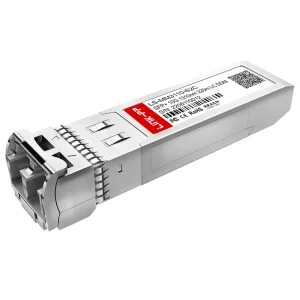
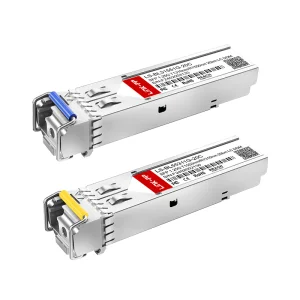
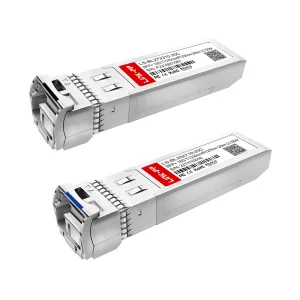
In the current paradigm of global digital transformation, telecommunication architectures and data networks require unprecedented scale. The Single Mode SFP (Small Form-factor Pluggable) module serves as the bedrock of long-haul and high-density fiber installations. By leveraging a single strand of glass fiber designed to carry light directly down the core (with a narrow core diameter typically measuring 8.3 to 10 microns), single-mode systems minimize modal dispersion. This allows optical signals to travel significantly farther than multi-mode configurations without compromising data integrity.
As networks scale from legacy Gigabit Ethernet to advanced multi-gigabit rates, optical modules must achieve high levels of energy efficiency, spectral optimization, and heat dissipation. Today's global network ecosystem demands modules that seamlessly interface across multiple vendor protocols while operating in extreme temperature envelopes. The transition from multi-mode fiber (MMF) to single-mode fiber (SMF) has ceased to be an option only for long-haul networks; it has become a necessary architectural evolution for metropolitan, campus, and hyperscale edge cloud networks globally.
A comprehensive synthesis of our operational metrics, export capability, and technical footprint.
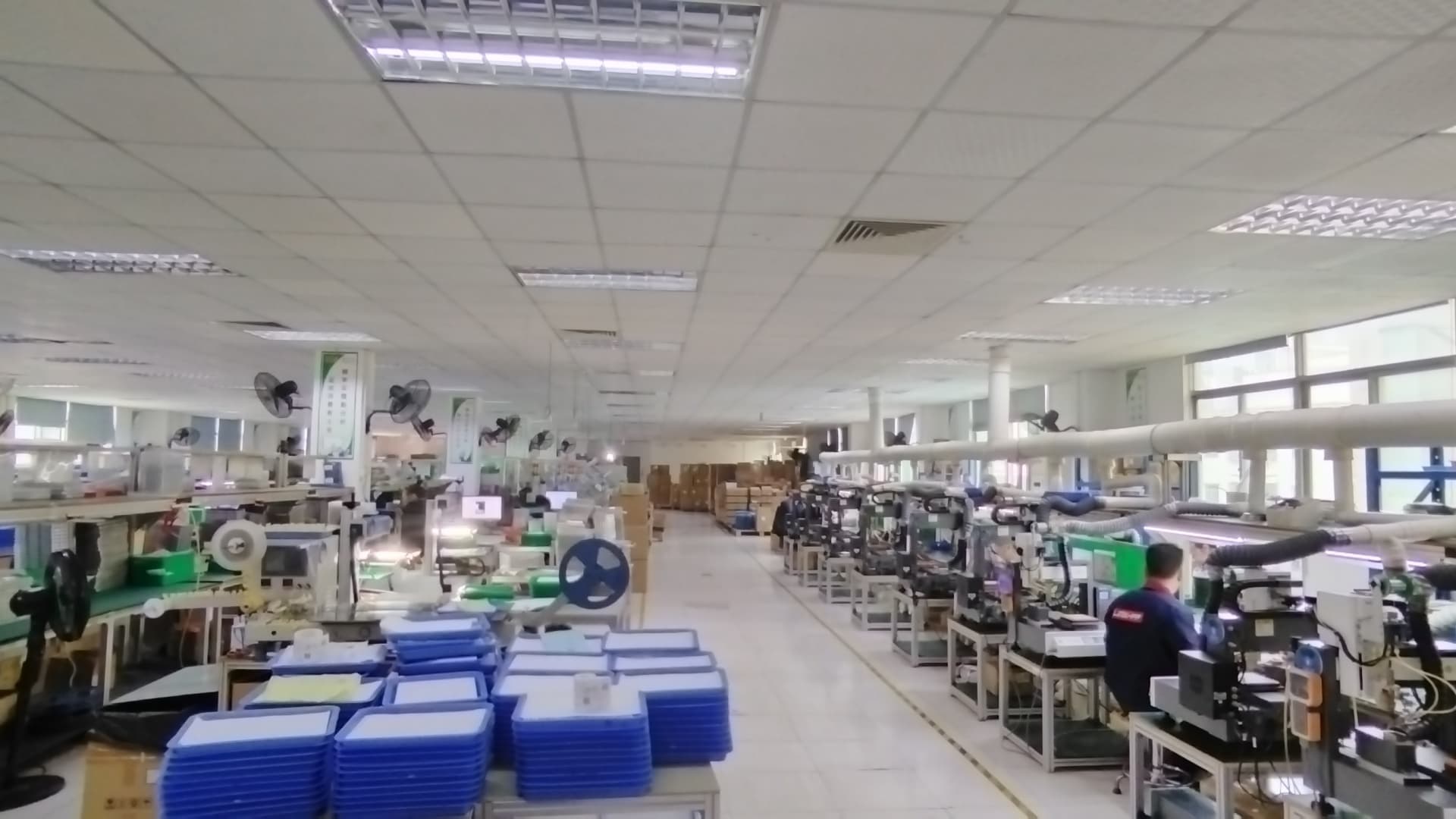
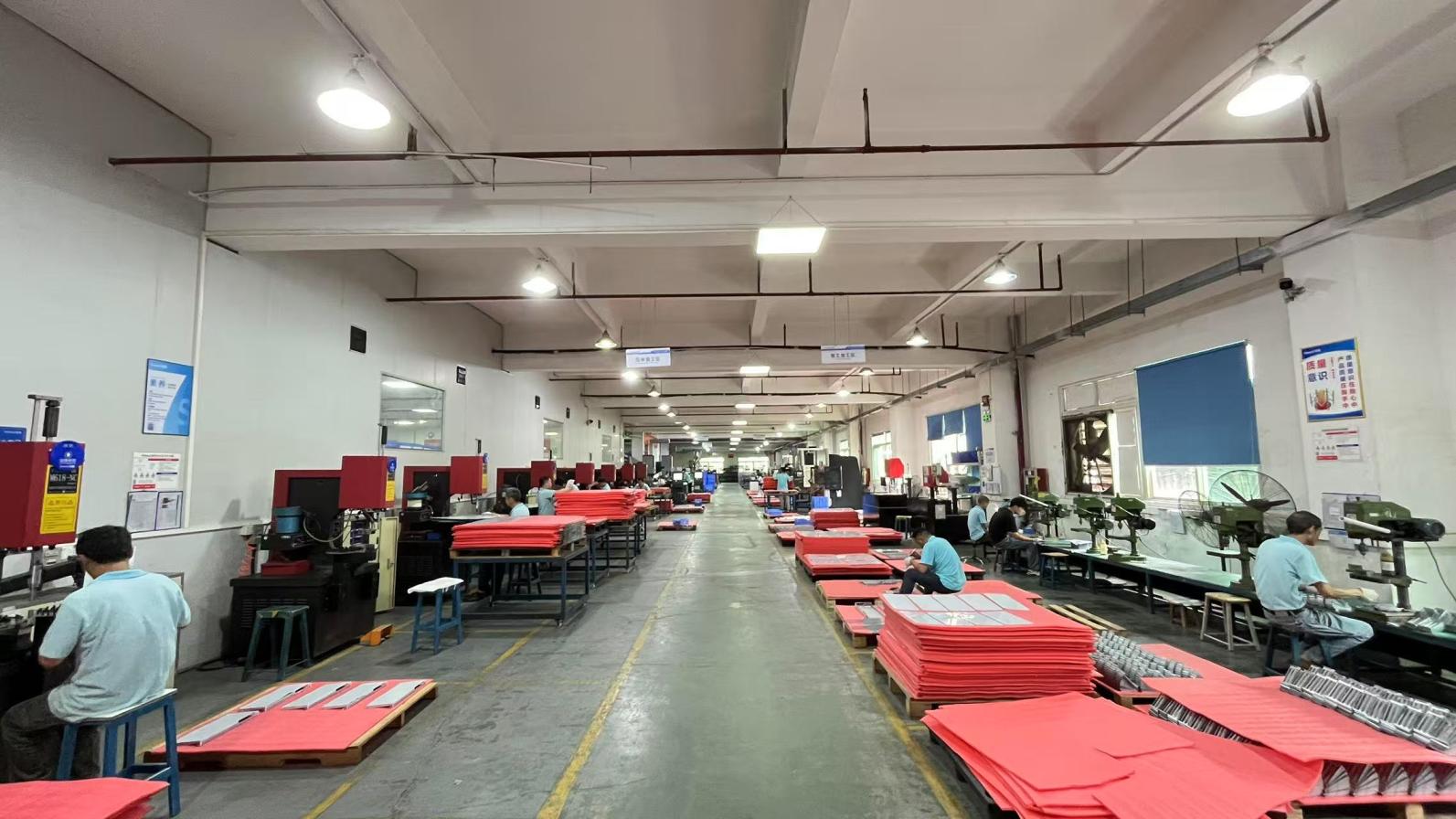
Established in 2016, FiberNova Optical Communication Tech Co., Ltd. (FiberNovaTransceivers.com) has built an authoritative presence in the optoelectronics sector. Operating from a modern production facility encompassing approximately 380㎡, the company focuses exclusively on engineering, manufacturing, and supplying high-speed optical transceivers. We maintain a reliable global supply chain serving telecom operators, cloud providers, and systems integrators in the United States, Germany, Japan, South Korea, and the United Arab Emirates.
With an annual export revenue reaching USD 8–15 million, FiberNova operates with robust financial and supply chain stability. Our long-term strategic relationships with more than 1,200 supply chain partners ensure a secure, uninterrupted flow of critical materials—including semiconductor lasers, TOSA/ROSA components, and advanced DSP chips. This network stability allows us to fulfill large-scale orders consistently, guaranteeing product availability and price stability even during global chip shortages.
A side-by-side technical evaluation mapping physics, performance limits, and optimal network deployment topologies.
| Feature Parameter | Single-Mode Fiber (SMF) Modules | Multi-Mode Fiber (MMF) Modules | System Architectural Impact |
|---|---|---|---|
| Fiber Core Diameter | 8.3 to 10 microns (typically 9µm) | 50 to 62.5 microns | SMF prevents modal dispersion, preserving pulse shapes over extreme distances. |
| Light Source Type | Laser Diode (DFB, EML, VCSEL for short ranges) | VCSEL or LED array | SMF laser sources feature narrow spectral widths and high coherence. |
| Operating Wavelengths | 1310nm, 1550nm, CWDM/DWDM grids | 850nm, 1310nm (LRM) | SMF matches the lowest absorption and dispersion windows of glass silica. |
| Transmission Distance | 2km up to 80km+ (LH/ZR architectures) | Up to 300m - 500m (OM3/OM4) | SMF enables large-scale campus networks and global metro connections. |
| Relative Cost Structure | Higher transceiver cost, lower cable cost per meter | Lower transceiver cost, higher cable cost per meter | SMF offers a lower total cost of ownership (TCO) for extensive cabling infrastructures. |
How single-mode optical interfaces power global connectivity networks across sectors.
Modern mobile communication demands massive data backhauls with ultra-low latency. Single Mode SFP modules (such as 10G and 25G BiDi configurations) connect Remote Radio Heads (RRH) to Baseband Units (BBU) over optical networks spanning tens of kilometers. This supports the structural requirements of C-RAN deployment and dynamic spectrum sharing.
As cloud architectures adopt leaf-spine topologies, intra-datacenter links require single-mode systems to support distances beyond 500 meters. Utilizing high-speed modules like the 400GBASE-FR4 and 25G SFP28, hyperscalers maintain high-throughput clustering with zero packet loss, facilitating seamless AI model training and parallel processing workloads.
Power substations generate high electromagnetic interference (EMI) that degrades traditional copper cables. FiberNova's industrial-grade single-mode transceivers provide galvanically isolated communication links over long distances, ensuring telemetry data, system protection commands, and smart grid automation protocols operate continuously under extreme EMI and temperature conditions.
Real-world deployment considerations for localized environments demanding precision engineering.
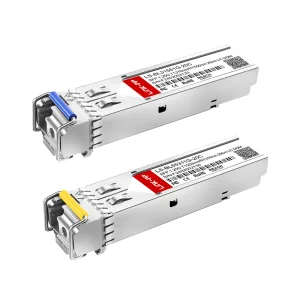
Within dense urban environments, optical fiber deployment space inside underground ducts is limited. Our 1G and 10G Simplex BiDi (Bidirectional) SFP modules allow network administrators to double the data capacity of existing physical fiber plants. By using different wavelengths (e.g., 1310nm transmit and 1550nm receive) on a single strand of fiber, operators can roll out FTTH (Fiber-to-the-Home) broadband without the capital expenditure of laying new optical cables.
Transceivers deployed in outdoor traffic control boxes, railway monitoring systems, or wind farm networks must withstand extreme weather conditions. Standard commercial modules operate in a limited range of 0°C to 70°C, leading to thermal shutdown or laser degradation in harsh environments. FiberNova’s industrial-grade transceivers feature robust, hermetically sealed components rated for -40°C to +85°C. Combined with Digital Diagnostics Monitoring (DDM), they provide real-time updates on internal operating parameters like temperature, optical power, and laser bias current.
Navigating global import regulations and hardware compatibility standards is a key challenge for modern enterprise procurement. FiberNova addresses this by maintaining complete regulatory compliance across major international markets.
Every module we export undergoes a multi-stage Quality Assurance (QA) workflow in our facility, managed by our 45-member professional QC team. Before shipment, all transceivers are run through 100% optical performance testing, signal integrity verification, and temperature cycling tests. This guarantees full MSA (Multi-Source Agreement) compliance, allowing our modules to integrate seamlessly with equipment from major global vendors (such as Cisco, Juniper, Arista, and Huawei) without triggering compatibility errors.
FiberNova ensures smooth customs clearing and regulatory alignment in key export markets, including the US, Germany, Japan, South Korea, and the UAE, by adhering to standard testing and environmental certifications (CE, FCC, RoHS, and WEEE).
The evolution of high-speed transceivers from 10G architectures to Co-Packaged Optics (CPO) and AI clusters.
Traditional transceivers assemble separate discrete optical components on a carrier board, which limits scale. Silicon Photonics integrates optical modulators, waveguides, and detectors directly onto silicon substrates. This reduces power consumption, lowers production costs, and improves thermal performance in next-generation 400G and 800G modules.
Legacy systems rely on NRZ (Non-Return-to-Zero) encoding, which transmits one bit per clock cycle. To achieve higher data rates like 50G, 100G, and 400G, modern transceivers use 4-Level Pulse Amplitude Modulation (PAM4). PAM4 transmits two bits per cycle, doubling the bandwidth over the same physical fiber plant.
As network switch capacities exceed 51.2 Tbps, the copper traces between the switch chip and the transceiver front panel create significant signal degradation and heat. Co-Packaged Optics (CPO) addresses this by placing the optical engines on the same package substrate as the switch ASIC, reducing signal path lengths and power consumption.
Expert answers to common technical, mechanical, and logistical questions in optical networking.
The core difference lies in the fiber cable construction and the light transmission path. Single Mode SFP modules use a narrow 9-micron core that carries a single light path (mode), minimizing dispersion and allowing distances from 2km up to 80km+. Multi-Mode SFP modules use a wider 50 or 62.5-micron core that carries multiple light paths, causing higher modal dispersion and limiting transmission distance to between 300m and 500m.
DDM (also known as DOM, Digital Optical Monitoring) allows real-time tracking of critical transceiver parameters, including operating temperature, laser bias current, transmitted optical power, received optical power, and supply voltage. By setting alarm thresholds, network administrators can detect degrading fibers or failing lasers before they cause network outages.
BiDi (Bidirectional) SFP modules transmit and receive data over a single fiber strand using two distinct wavelengths (for example, 1310nm-TX and 1550nm-RX). By splitting transmission and reception on a single fiber, BiDi modules halve the amount of physical fiber cabling required, allowing operators to double the capacity of existing fiber infrastructure.
Yes, provided the manufacturer codes the transceiver’s EEPROM correct information. FiberNova writes vendor-specific microcode into our modules to match MSA specifications. This ensures that third-party transceivers are recognized by switches from major vendors like Cisco, Arista, Juniper, and HP as plug-and-play components, without triggering warning messages.
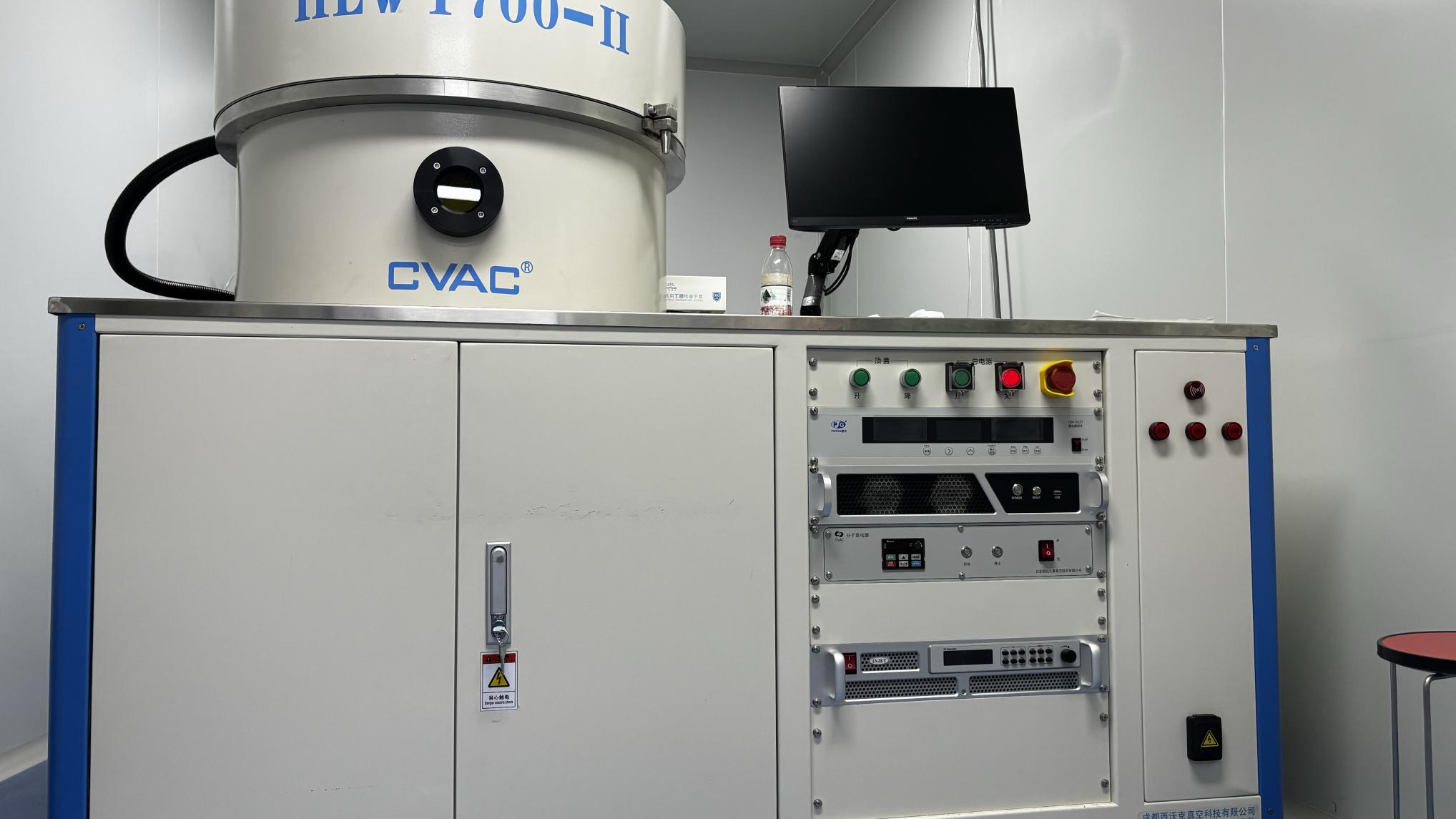
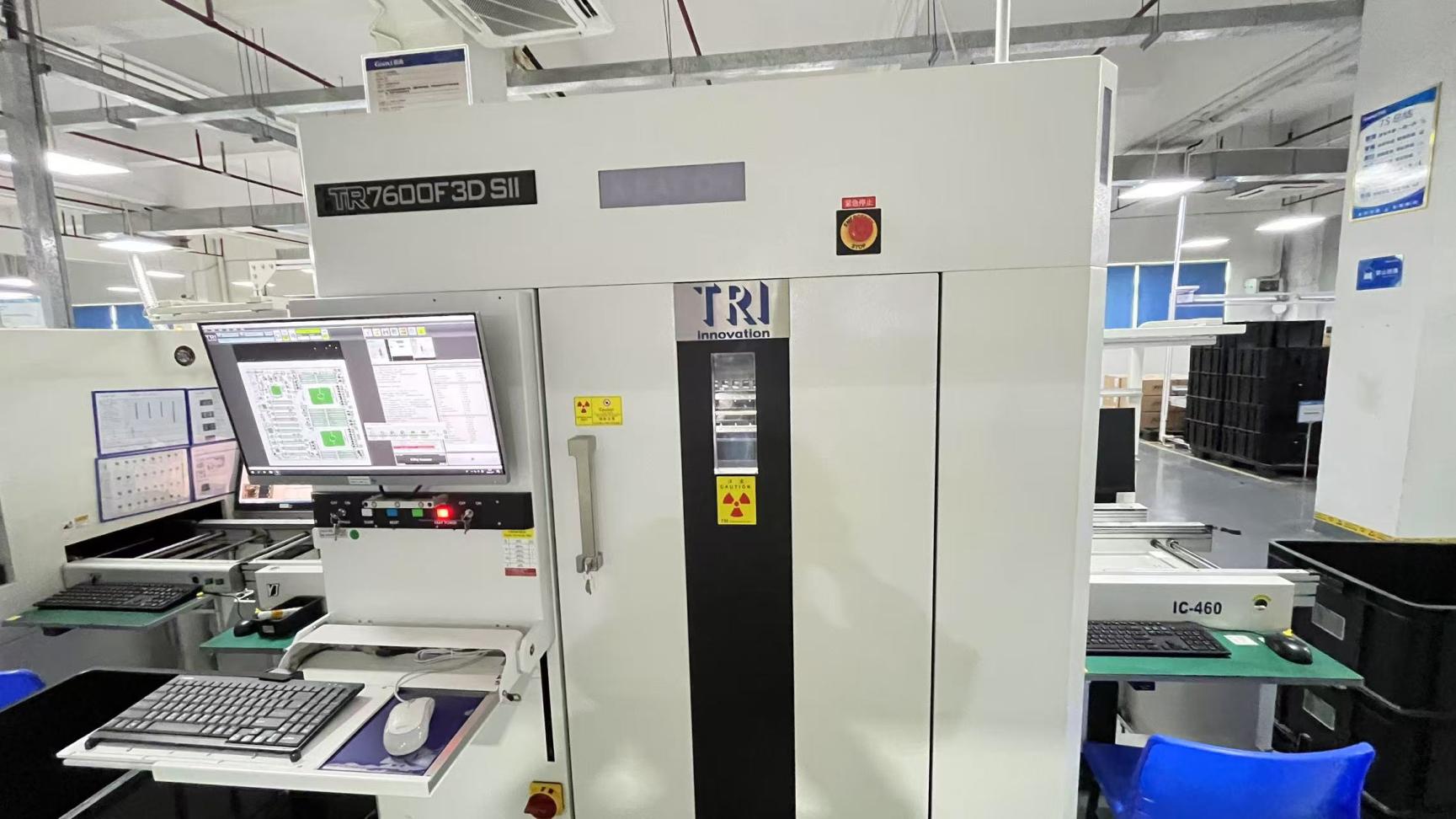
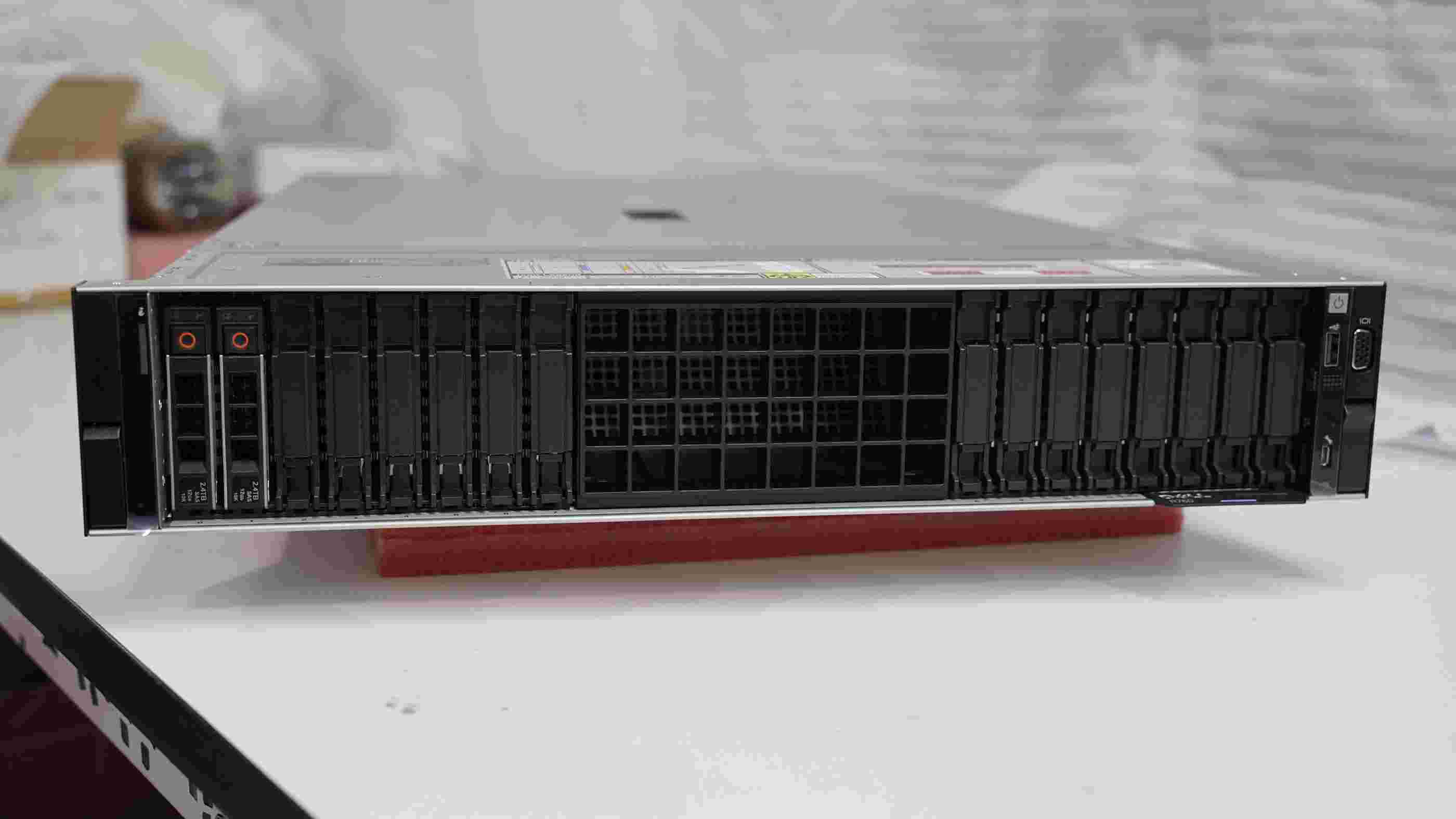
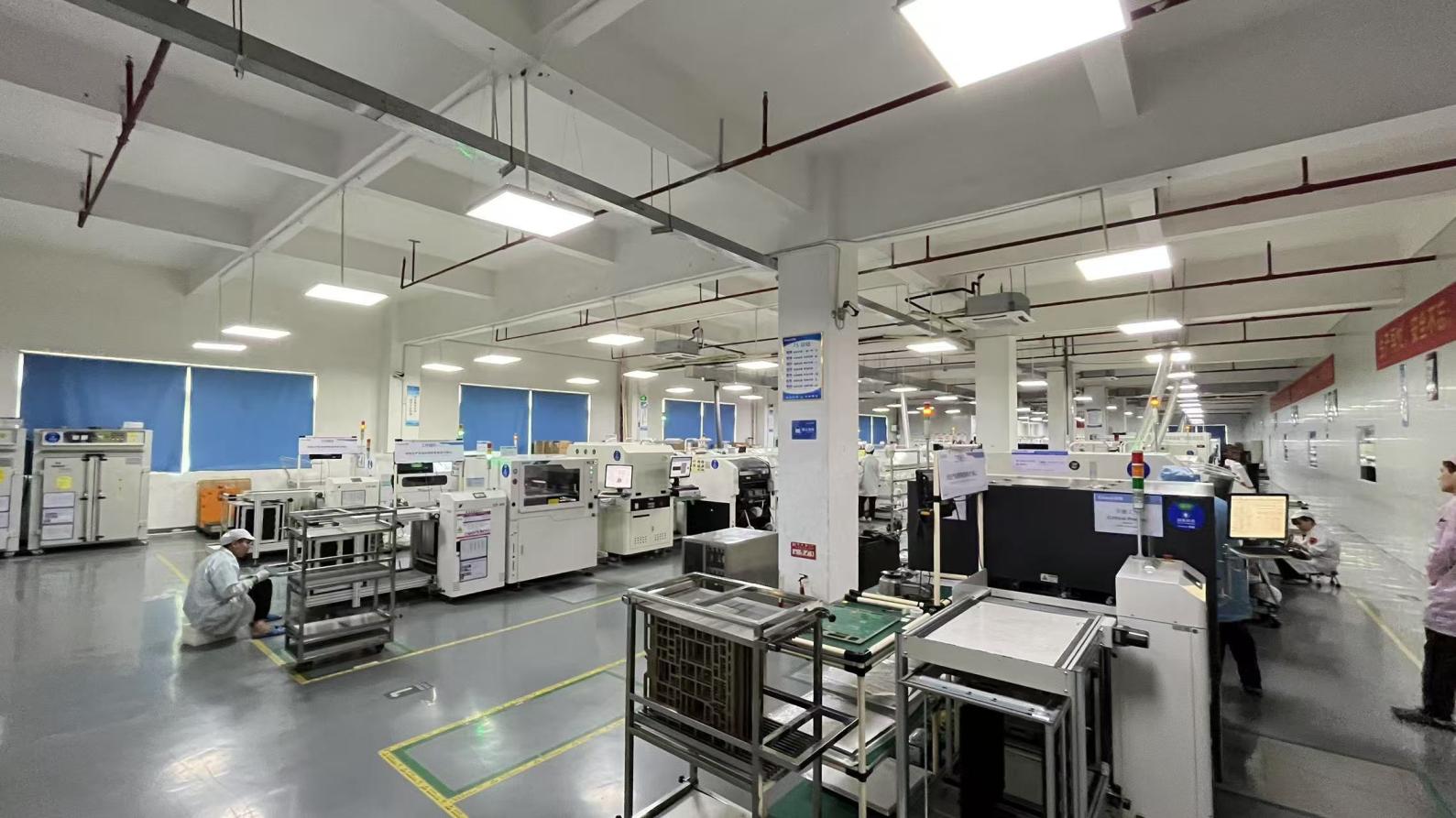
Real-world look at our production and testing facilities, demonstrating our engineering standards.


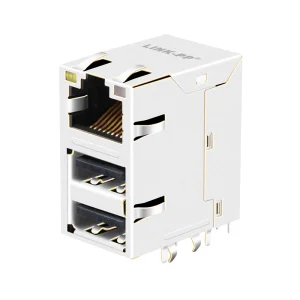
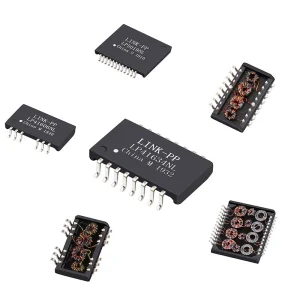
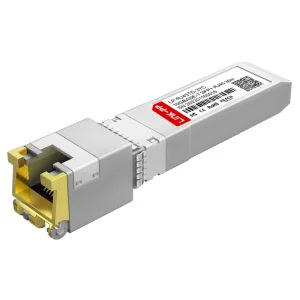
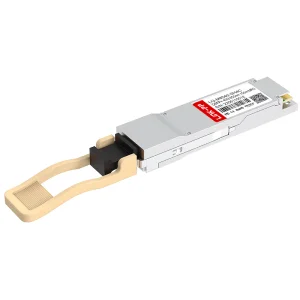
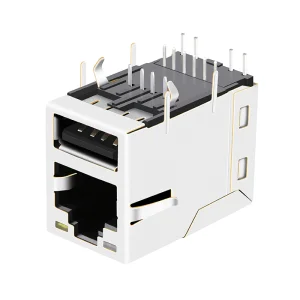
Select specialized optical and copper interconnects built for high-density networking applications.
 FiberNova