Engineered to mitigate insertion loss and optimize signal integrity across high-speed optical and physical layer boundaries.
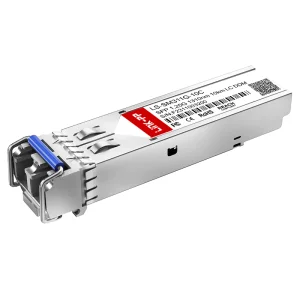
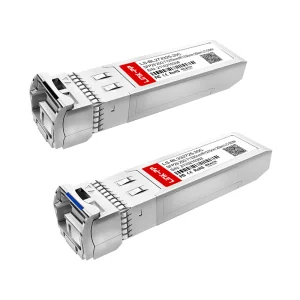
As the digital economy shifts towards AI computing, petabyte-scale cloud storage, and distributed architectures, the underlying physical layers of network hardware must evolve concurrently. Ethernet Adapters and High-Speed Optical Transceiver Modules serve as the foundational bridges connecting processing units to the fiber-optic backbones of global enterprises.
The global demand for high-performance network adapters and advanced optical interfaces is experiencing exponential growth, driven by key macro trends: hyper-scale cloud deployments, the rise of Artificial Intelligence (AI) clusters, and the expansion of 5G infrastructure. High-frequency physical connectors, such as modular RJ45 sockets, SFP+ cages, and discrete optical transceivers, are no longer treated as passive components. Today, they are key elements of channel performance, determining system-wide parameters like Bit Error Rate (BER), Electromagnetic Interference (EMI) suppression, and thermal efficiency.
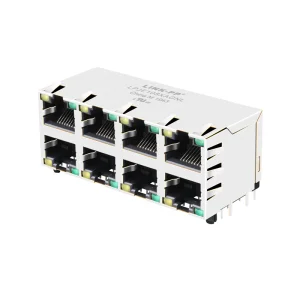
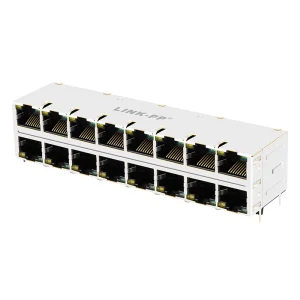
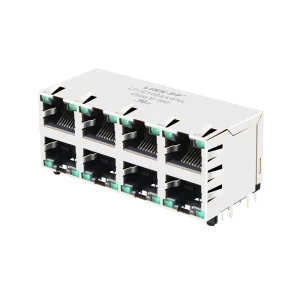
Currently, markets across North America, Western Europe (particularly Germany), and East Asia (Japan and South Korea) are undergoing transitions from legacy 1G and 10G networks to 25G, 100G, and even 400G/800G fabrics. This transition requires physical layer (PHY) components to maintain strict signal integrity across wide temperature variations. Manufacturers must focus on EMI mitigation within multi-port, high-density line cards. This is where products like ganged press-fit SFP cages and integrated RJ45 connectors play a vital role.
The co-existence of copper-based physical networks and optical fiber communication links forms the backbone of modern networks. The physical layer roadmap splits into two primary streams:
As optical speeds reach 400G and 800G, standard architectures transition to PAM4 modulation schemes and silicon photonics. This evolution requires clean mechanical-to-optical packaging, making precision SFP cages and EMI-shielded housings essential.
Providing high-speed connectivity, electromagnetic shielding, and signal isolation across diverse vertical industries.
Supporting high-density spine-leaf architectures using multi-port ZSFP+ press-fit housings. Engineered to handle large data volumes with low signal distortion and optimal heat dissipation.
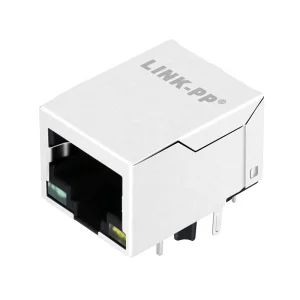
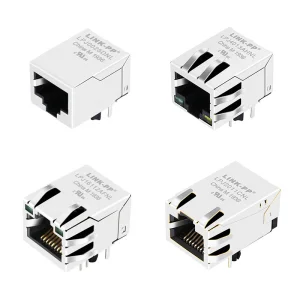
Delivering reliable data transmission in harsh manufacturing environments. Featuring shielded RJ45 modules with integrated magnetics to protect against electromagnetic interference (EMI) and power surges.
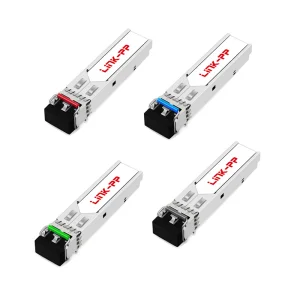
Ensuring stable, high-speed data transmission over long distances. DWDM and BiDi transceivers extend connection ranges up to 80km, maximizing fiber infrastructure efficiency.
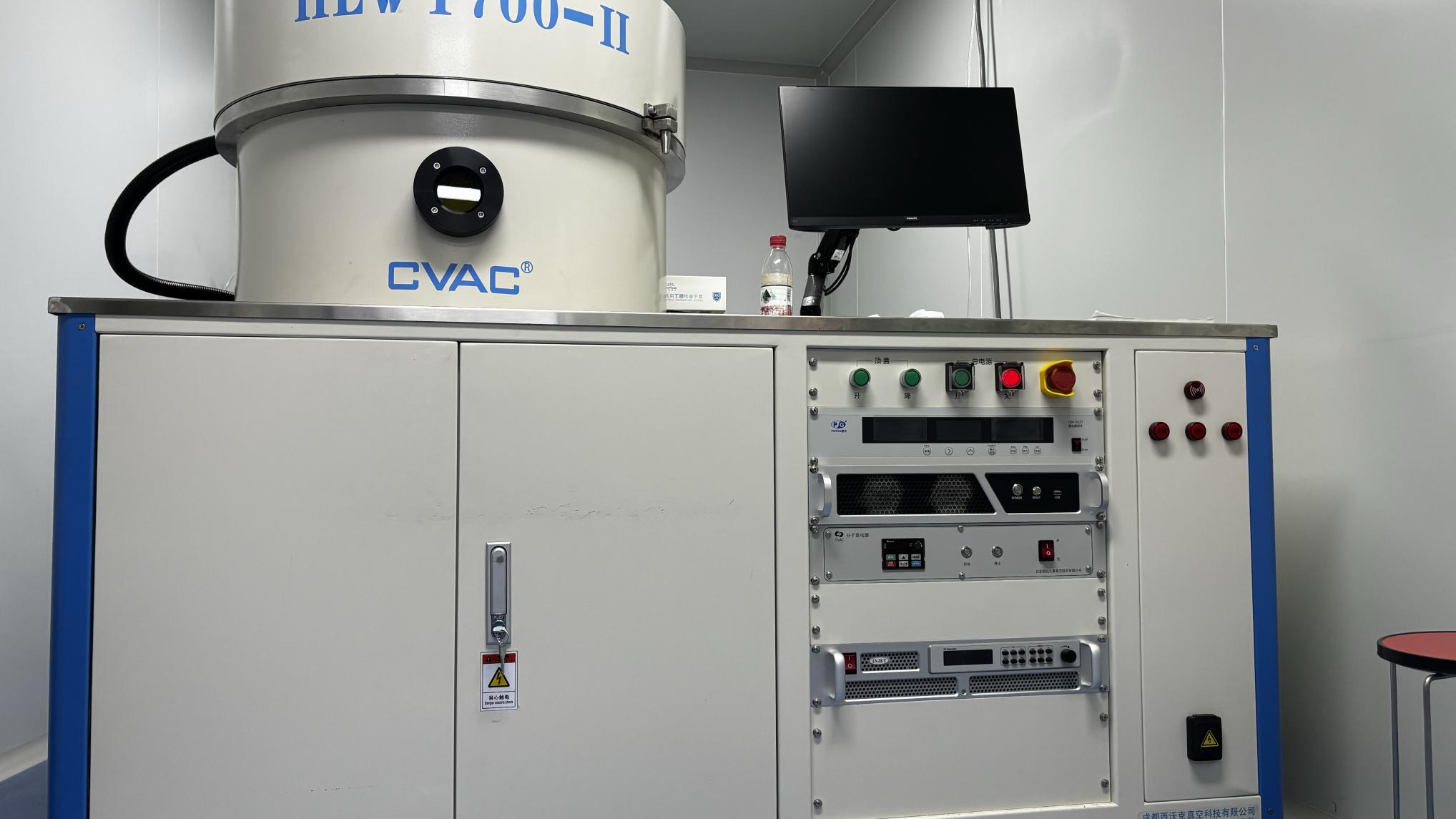
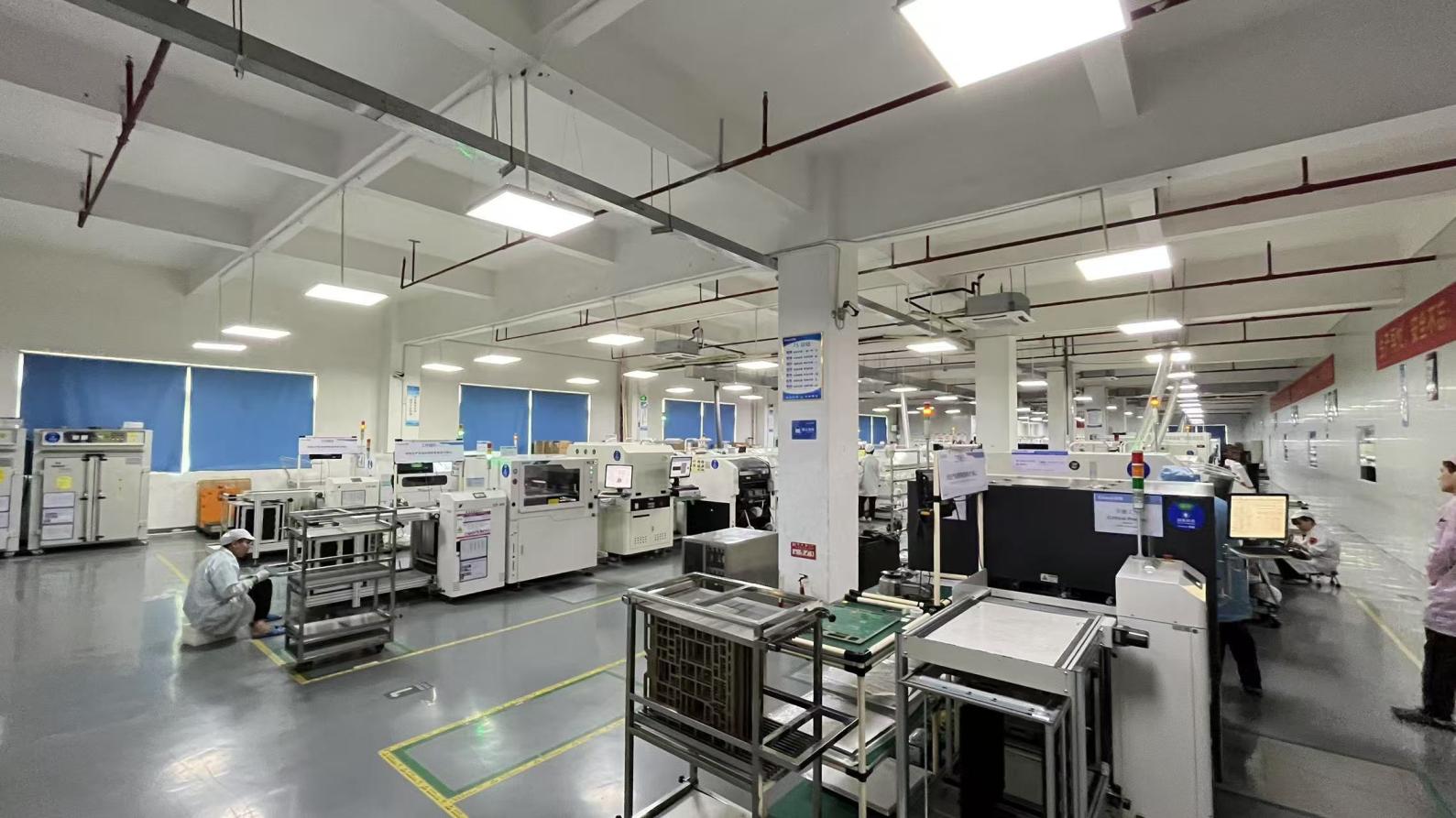
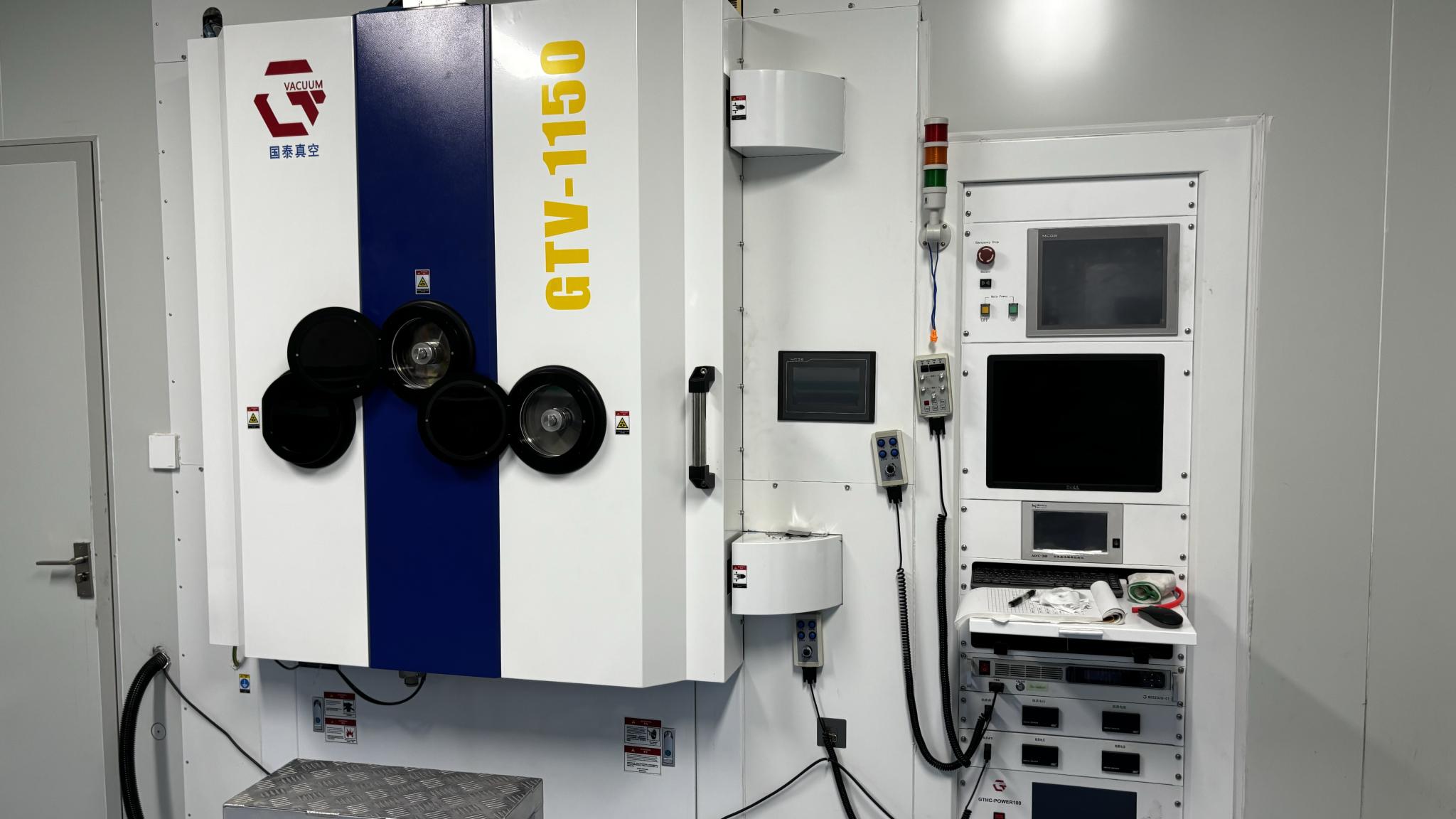
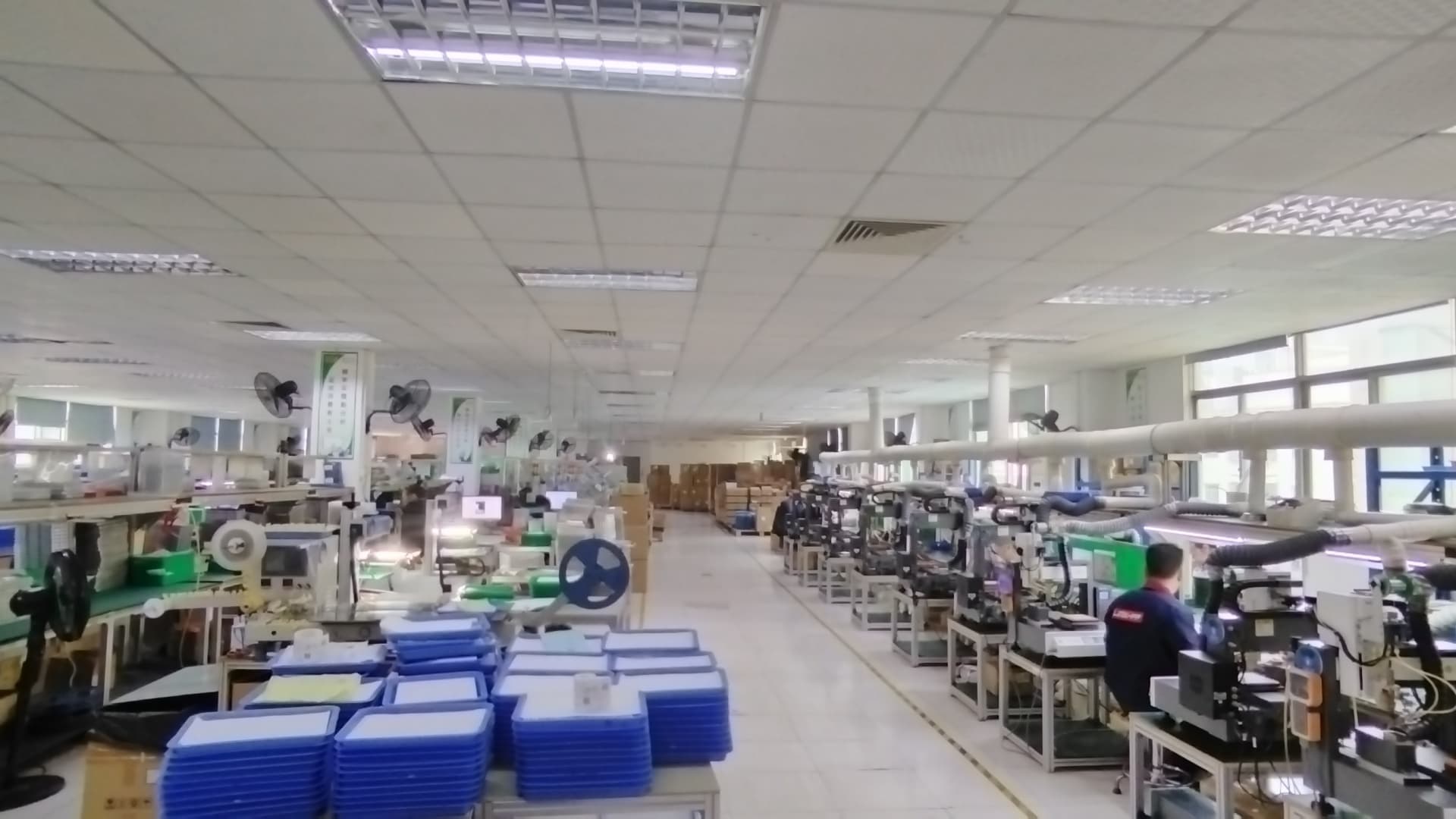
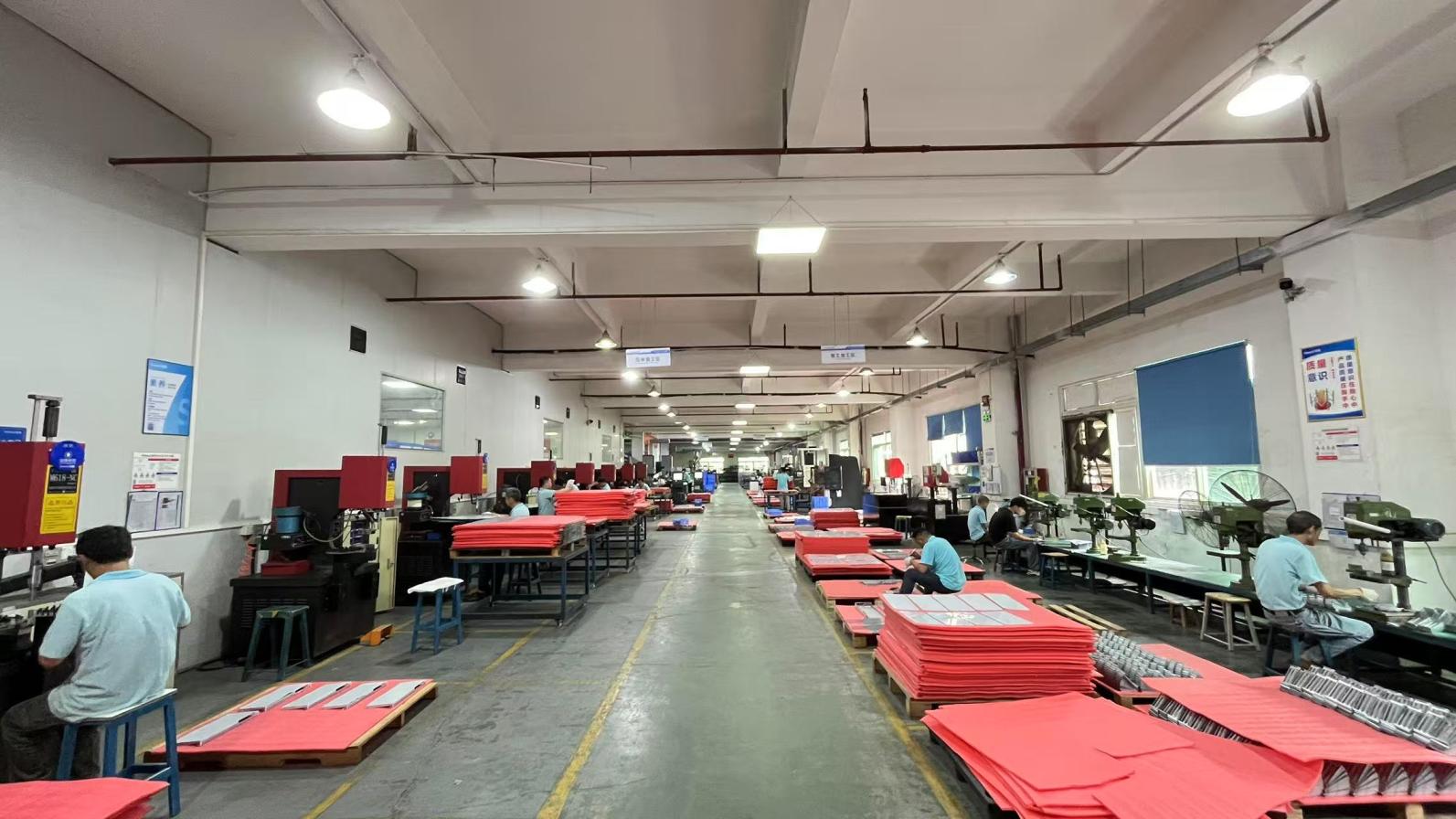
At FiberNova, product reliability is built directly into our manufacturing processes. Established in 2016, with a specialized precision production facility covering approximately 380㎡, FiberNova operates with advanced assembly lines and diagnostic equipment. Our facility is designed to support the tight tolerances required for high-speed connectivity components.
Supported by 12 years of industry expertise and 6 years of export operations, we have developed robust Quality Assurance (QA) protocols. A team of 45 professional QC specialists oversees every stage of production. Rather than using batch testing, we conduct 100% optical performance testing, temperature cycling, and signal integrity inspection on all transceivers before they leave our facility.
Our manufacturing processes follow international standards, including IEEE guidelines and Multi-Source Agreement (MSA) compatibility. In addition, our 65-engineer R&D team works to expand our product offerings, introducing approximately 120 new products annually. This continuous development helps us meet the evolving requirements of telecom operators, cloud service providers, and data center integrators worldwide.
FiberNova maintains partnerships with more than 1,200 supply chain partners, securing reliable sourcing for critical components such as high-precision laser diodes (DFB, EML), photodiodes, and high-performance optical chipsets. This stable supply chain supports our annual export volume of USD 8–15 million, serving customers across the United States, Germany, Japan, South Korea, and the United Arab Emirates.

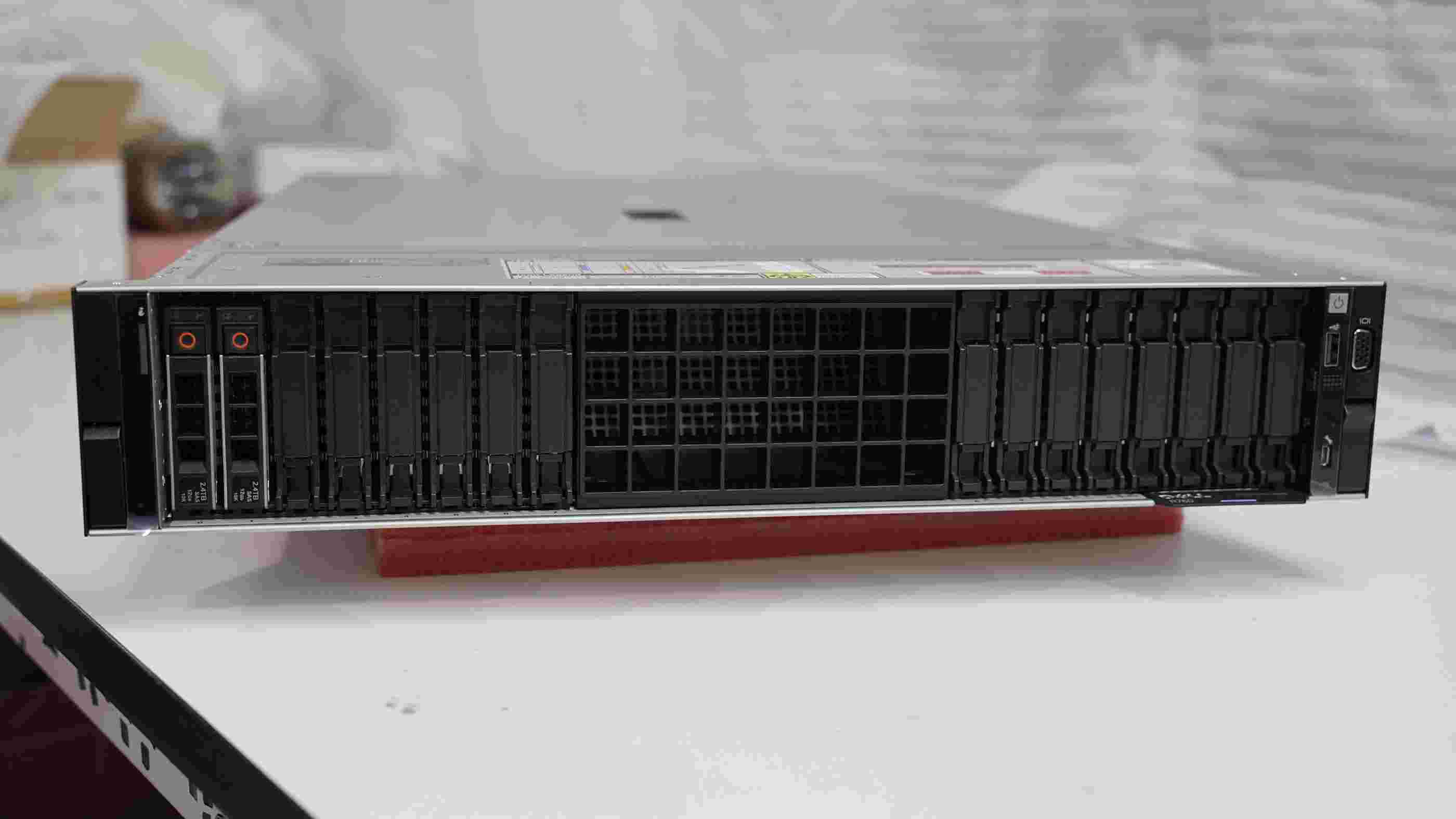

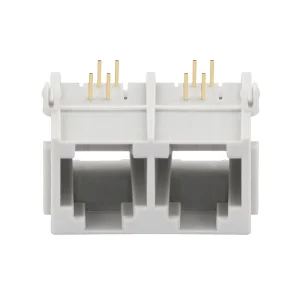
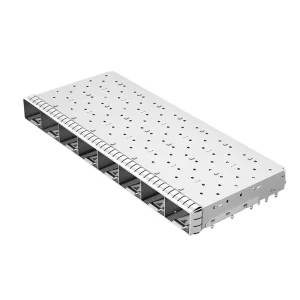
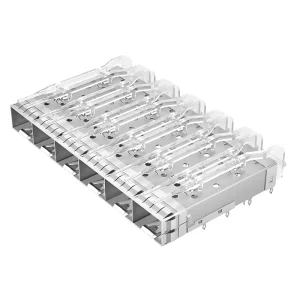
Press-fit cages, such as the TE Compatible Ganged 1x8 Ports ZSFP+ housing, use mechanical retention pins that deform slightly inside the PCB through-holes. This creates a highly stable gas-tight connection without the need for heat during soldering. This design minimizes the risk of thermal shock to adjacent surface-mount components, avoids solder voids, and reduces trace parasitics, which helps maintain signal integrity in high-frequency 10G and 25G channels.
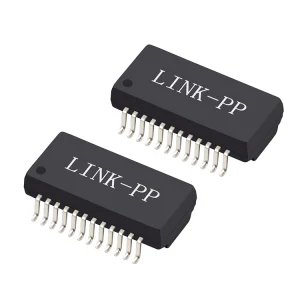
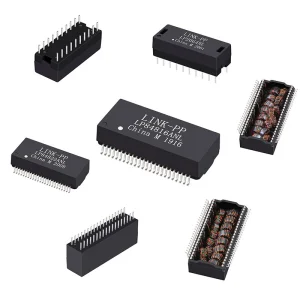
Discrete LAN magnetic transformers, such as the 1000 BASE-T HST-24095SCR, use toroidal magnetic cores with specific winding configurations to achieve common-mode rejection. This isolates the physical transceiver IC from high-frequency common-mode noise on the Ethernet cable. It also provides electrical isolation of up to 1500V RMS, protecting sensitive silicon chips from voltage spikes and static discharges.
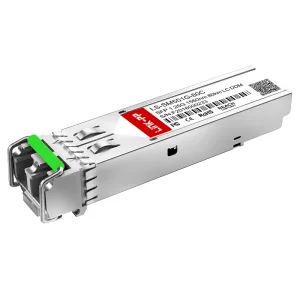
The difference lies in wavelength and optical power budgets. 1000BASE-LX uses a 1310nm wavelength to support links up to 10km over single-mode fiber (SMF). 1000BASE-ZX uses a 1550nm wavelength, which experiences lower attenuation in silica fiber. Combined with a higher-power DFB laser and sensitive APD receiver, it can support long-haul connections up to 80km without inline optical amplification.
BiDi transceivers use Wavelength Division Multiplexing (WDM) to transmit and receive signals at different wavelengths (e.g., 1270nm and 1330nm) over a single optical fiber. This allows operators to double the traffic capacity of their existing fiber cabling infrastructure without needing to install additional fiber runs, helping reduce operational and installation costs.
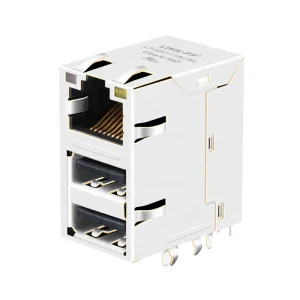
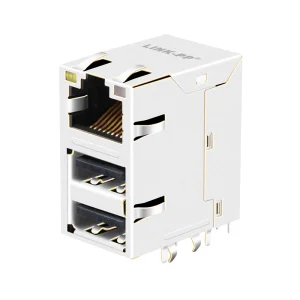
Combining high-frequency Ethernet signals with USB data lines increases the risk of near-end crosstalk (NEXT) and electromagnetic radiation. Metal shielding wraps around the connector housing, redirecting high-frequency noise directly to the chassis ground. This helps ensure that the connector complies with electromagnetic compatibility standards, such as FCC Part 15 Class B and EN 55022.
Every transceiver undergoes a firmware and performance check in our testing lab. We write customized EEPROM code that conforms to the Multi-Source Agreement (MSA) standard. We then verify compatibility by testing the modules on equipment from major networking manufacturers, ensuring seamless integration and correct diagnostics reporting.
We conduct thermal cycling tests where components are subjected to temperatures ranging from -40°C to +85°C. This helps evaluate mechanical stress on solder joints, optical alignment stability, and the performance of internal ICs, helping ensure reliable operation in harsh environmental conditions.
We offer customizations that include wavelength tuning, programming for multi-vendor compatibility, custom housing and labeling designs, and tailored sheet-metal layouts for SFP cages. This allows customers to match physical and electrical specifications to their specific hardware configurations.
Providing physical-layer connection points and media converters to support high-density network designs.
 FiberNova