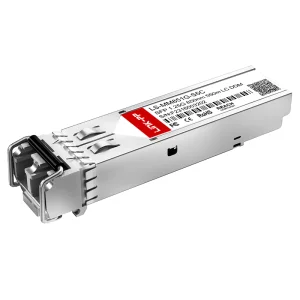
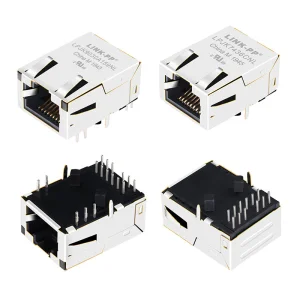
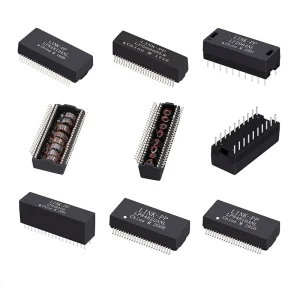
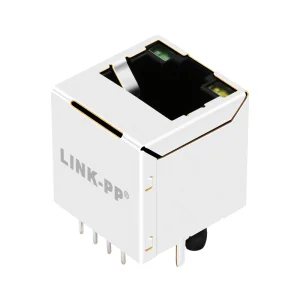
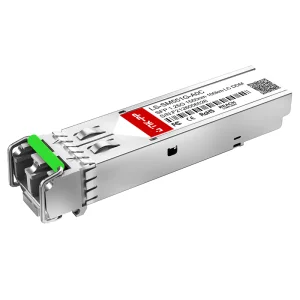
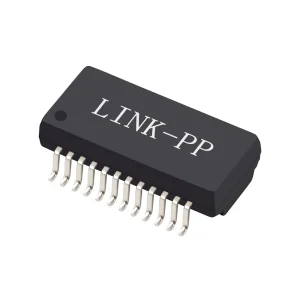
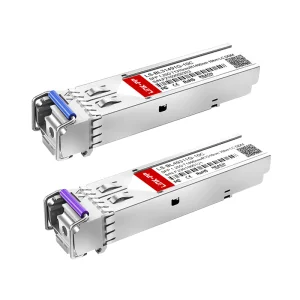
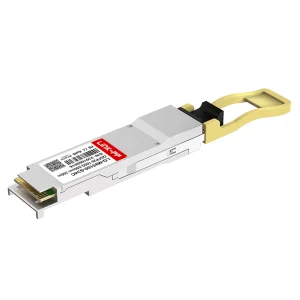
High-performance pluggable optical transceivers, discrete LAN transformers, and magnetic RJ45 connectors engineered for enterprise and telecom environments.
An authoritative analysis of optical transceiver technology, market dynamics, and operational guidelines for telecommunication procurement.
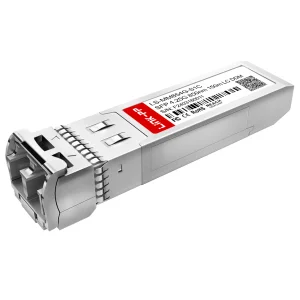
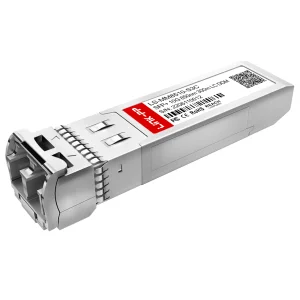
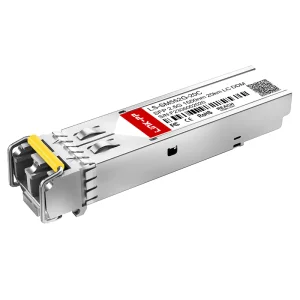
The global telecommunication and data center interconnect (DCI) infrastructure is undergoing a massive paradigm shift. The explosive growth of hyperscale computing, distributed cloud architectures, and artificial intelligence (AI) workloads has catalyzed unprecedented demand for optical networking. Small Form-Factor Pluggable (SFP) modules, alongside their higher-speed counterparts like SFP+, QSFP28, QSFP-DD, and OSFP, serve as the essential hardware foundation for these architectures. They bridge the gap between electrical processing systems and high-speed optical transmission lines, enabling low-latency, high-bandwidth data pathways across cities, countries, and oceans.
Currently, the market is characterized by a dual-track development system. While mature enterprise networks and edge computing nodes continue to rely heavily on standardized 1G, 10G, and 25G SFP/SFP+ form factors, hyperscale data centers are aggressively adopting 400G and 800G optical transceivers. The industrial automation and utility sectors are also seeing an expansion of SFP technology. Hardened, wide-temperature-range (industrial-grade) transceivers are increasingly deployed in smart grids, rail transport systems, and municipal outdoor security rings. China has established itself as the primary global hub for the high-volume production, optical calibration, and packaging of these modules, combining vast supply chains with advanced engineering expertise.
Multi-Source Agreements (MSAs) define the physical dimensions, electrical interfaces, and management protocols of pluggable modules. This standardization ensures that a module from any compliant manufacturer will physically fit and electrically connect within an MSA-compatible system. However, software compatibility (EEPROM coding) remains the key differentiating factor for third-party manufacturers, allowing modules to run seamlessly on proprietary host systems like Cisco, HPE Aruba, or Juniper.
As the network envelope expands toward Terabit speeds, three primary technological trends are defining the future of optical transceiver engineering:
Leveraging third-party, MSA-compatible optical transceivers reduces hardware procurement capital expenditure (CapEx) by 50% to 80% compared to OEM components, without compromising signal performance or reliability metrics.
Modern China-based factories employ advanced diagnostic systems that flash and test EEPROM configurations in real time, ensuring seamless host recognition and native telemetry metrics on leading OEM switches.
From multi-mode short-reach (SR) VCSEL lasers to single-mode ultra-long-haul (EZX/BiDi) EML transceivers, Chinese plants provide full-spectrum optical interfaces to bridge disparate network layers.
A deep look at FiberNova's operational scale, hardware testing procedures, and global component supply chain capabilities.
FiberNova Optical Communication Tech Co., Ltd. (FiberNovaTransceivers.com) is a professional optical transceiver manufacturer established in 2016. To maintain ultra-high precision calibration and cleanliness standard, the company operates a modern production facility covering approximately 380㎡. The company focuses on high-speed optical communication solutions, serving global data center and telecom customers with stable, high-performance products.
With over 6 years of export experience and 12 years of industry expertise, FiberNova has developed strong capabilities in R&D, manufacturing, and international trade. The company achieves an annual export revenue of approximately USD 8–15 million, supplying customers across North America, Europe, Southeast Asia, and the Middle East.
FiberNova operates with a strict quality control system, including 100% optical performance testing, temperature cycling tests, and signal integrity inspection before shipment. The quality assurance team consists of around 45 professional QC staff, ensuring every transceiver meets international standards such as IEEE and MSA compatibility requirements. Optical eye diagrams, bit error rate (BER) testers, and optical spectrum analyzers are used to verify signal margins and compliance across variable operating envelopes.
The company maintains a solid trade background with experienced export teams handling OEM and ODM projects worldwide. Its main markets include the United States, Germany, Japan, South Korea, and the United Arab Emirates. FiberNova has established long-term partnerships with more than 1,200 supply chain partners, enabling stable procurement of high-grade wafers, lasers (VCSEL, DFB, EML), photodiodes (PIN, APD), and complex electrical networking components.
FiberNova serves a wide range of clients, including telecom operators, cloud service providers, data center integrators, and network equipment distributors. The company has strong R&D capabilities, supported by 65 engineers, focusing on high-speed transmission technologies such as 10G, 25G, 100G, 400G, and 800G optical modules.
Customization is fully supported, including wavelength tuning, protocol compatibility, housing design, and labeling services. In the past year, FiberNova launched approximately 120 new products, continuously expanding its portfolio to meet fast-changing market demands. This product expansion includes not only transceivers but also high-density electrical connectors, magnetic LAN transformers, and specialized copper interface jacks to provide complete structural solutions for modern switches, routers, and host channel adaptors.

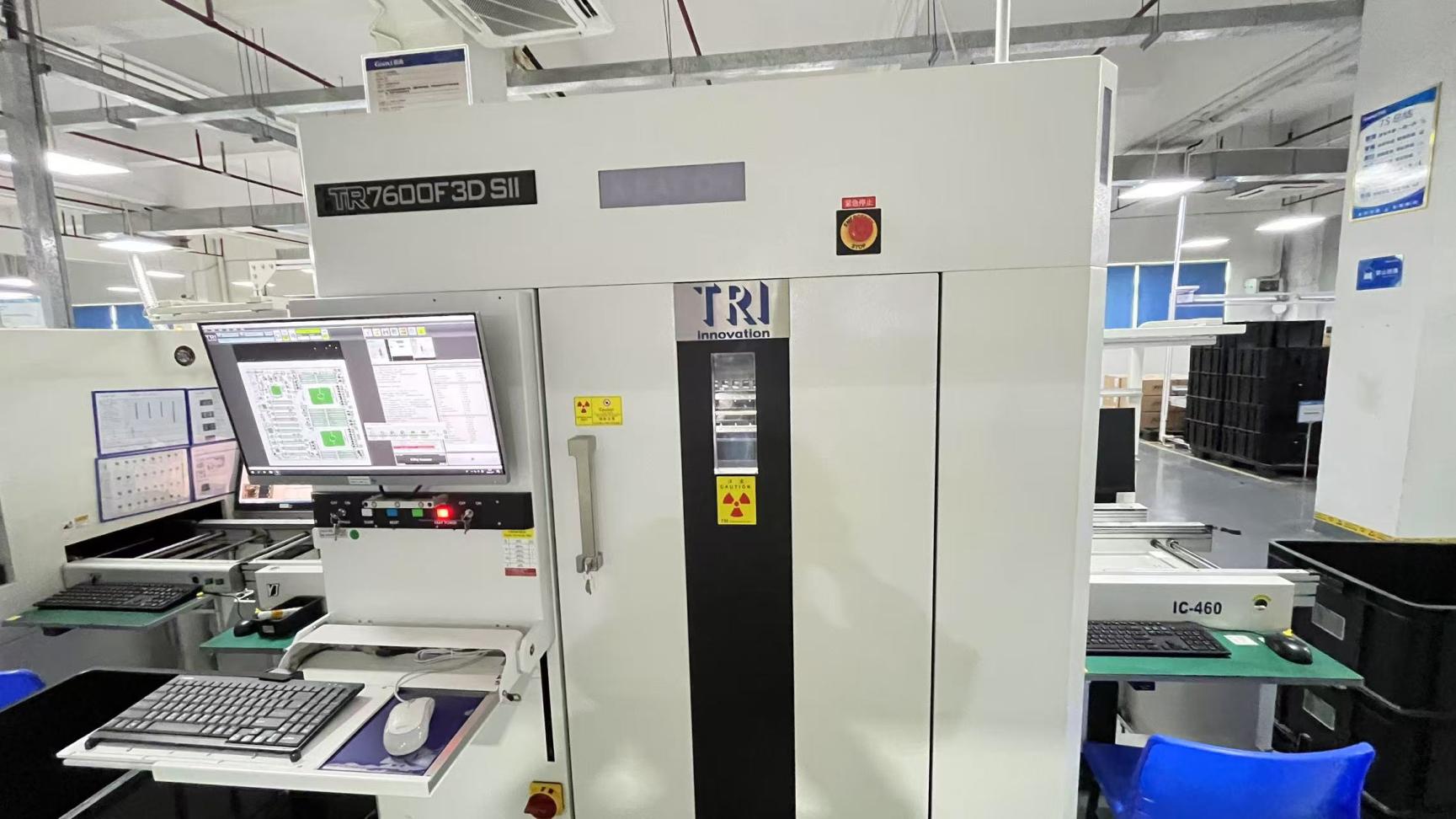
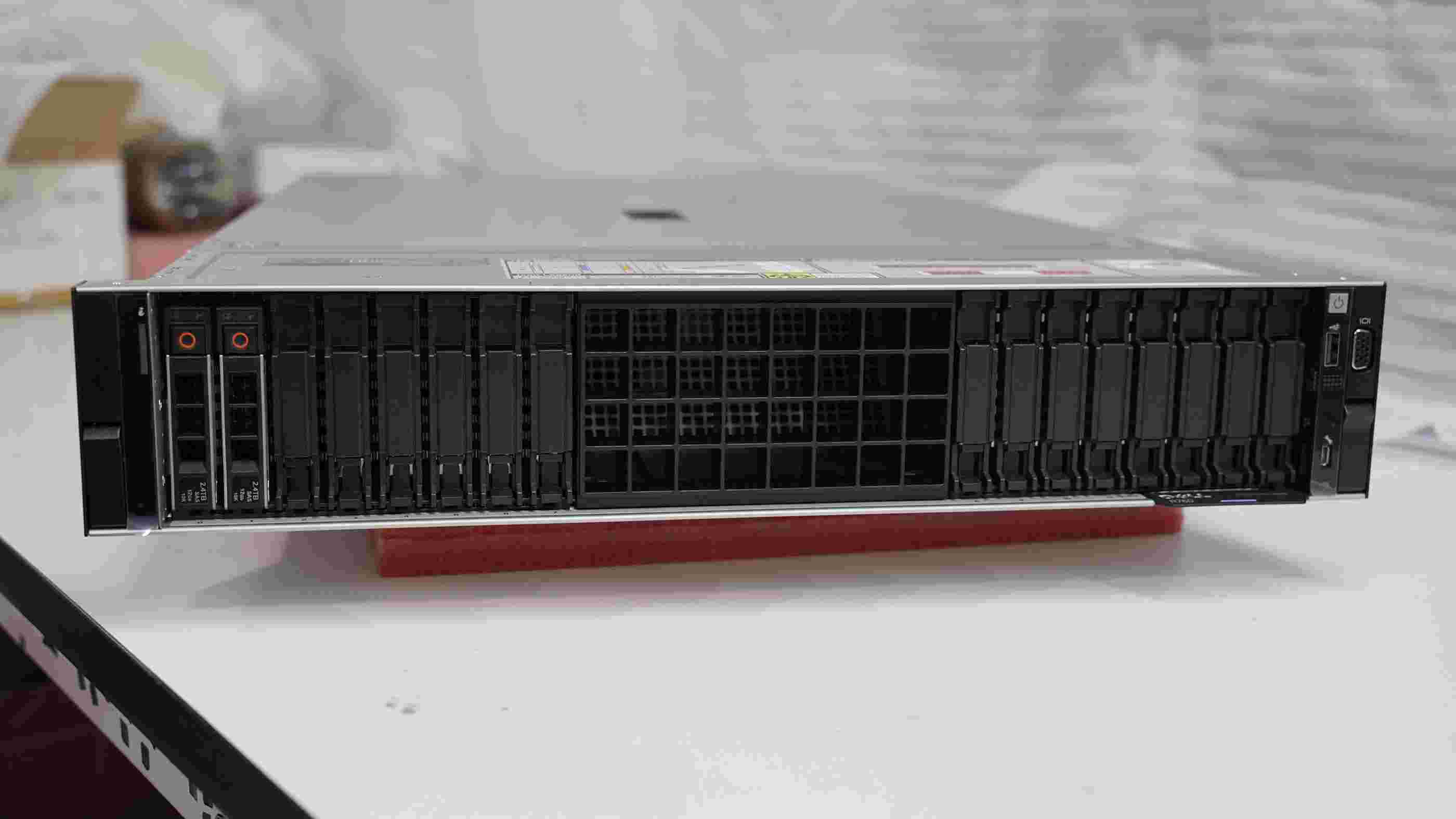

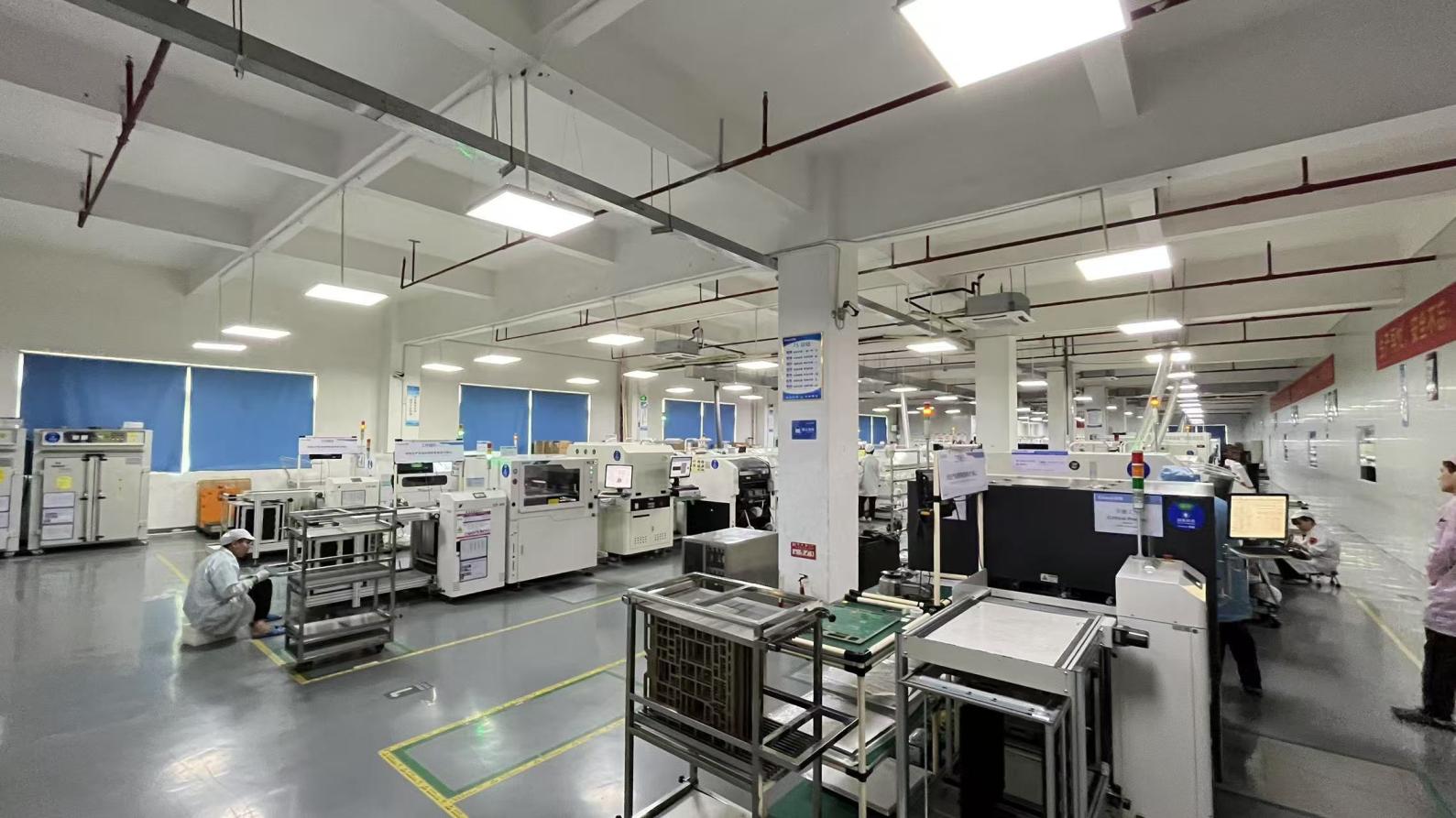

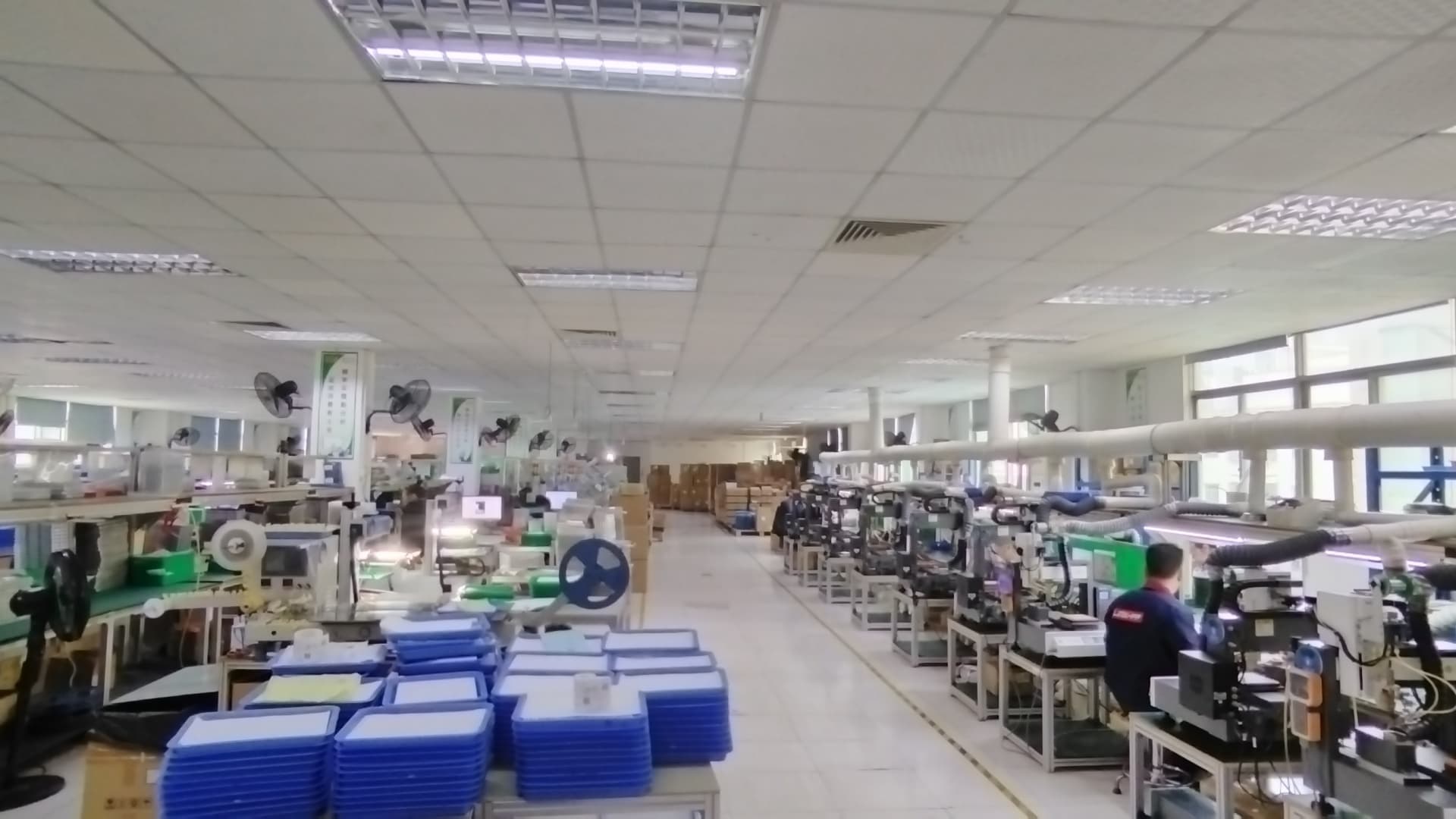
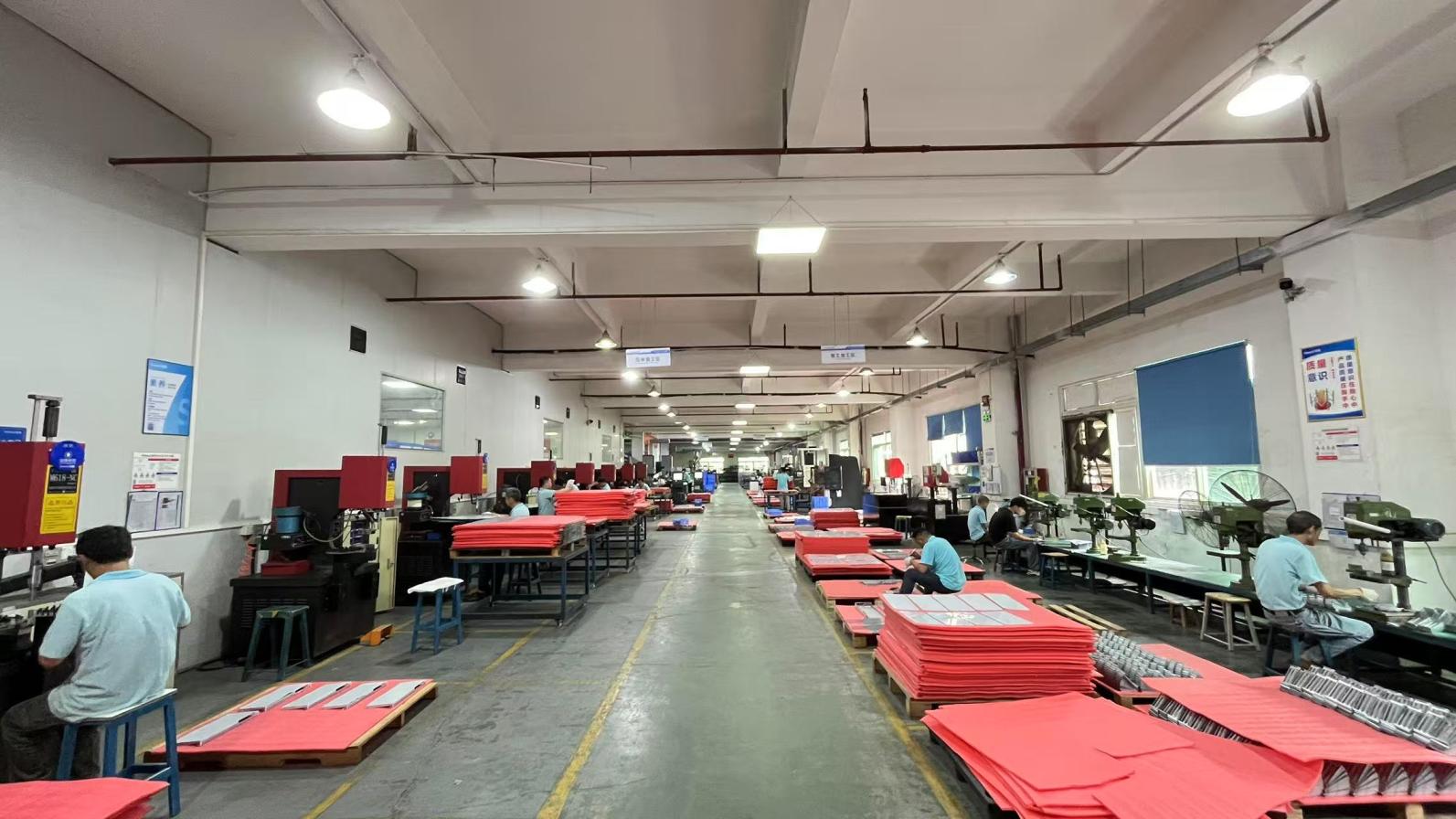
How procurement officers and network architects evaluate factories to verify quality, hardware longevity, and supply-chain transparency.
When selecting an SFP manufacturing partner in China, procurement teams must look beyond unit costs. High-speed networks run 24/7/365, meaning module failures can trigger costly downtime. Sourcing managers should audit potential manufacturing partners using a strict checklist:
Technical and commercial answers to help network engineering and procurement teams make informed buying decisions.
MSA (Multi-Source Agreement) compliance ensures that transceiver manufacturers adhere to standard mechanical, electrical, and thermal dimensions. This allows modules to fit physical chassis designs and maintain consistent electrical properties across switches and routers from different network equipment brands, preventing proprietary lock-in at the hardware interface level.
Host systems read the module's internal EEPROM chip (specifically targeting fields like Vendor Name, OUI, Serial Number, and Checksum). If the system does not recognize these parameters as authorized, it may disable the port. FiberNova's R&D engineers analyze these registers and customize the EEPROM code for specific host environments (e.g., Cisco, Aruba, Juniper), guaranteeing flawless integration and real-time DOM (Digital Optical Monitoring) readout.
Commercial modules operate within the standard 0°C to 70°C temperature range, perfect for air-conditioned server rooms. Industrial modules are built with hardened components, robust hermetic packaging, and undergo extensive thermal stress tests, allowing them to withstand extreme environments ranging from -40°C to 85°C. These are critical for outdoor telecoms, transport hubs, and industrial automation networks.
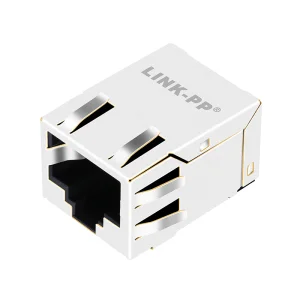
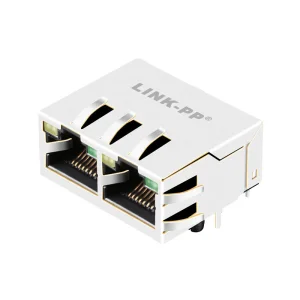
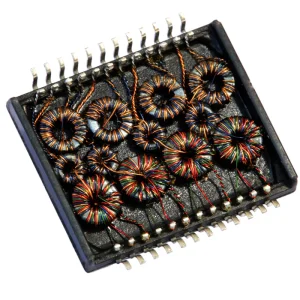
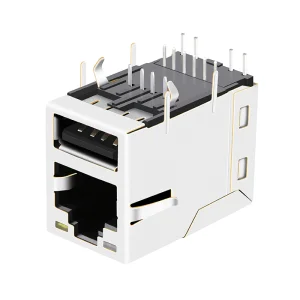
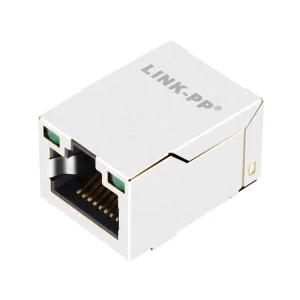
Modern network infrastructure is rarely purely optical. Switches and routers utilize hybrid architectures. While optical modules serve high-bandwidth uplinks over longer distances, high-performance RJ45 connectors with integrated magnetics (MagJacks) and discrete LAN transformers are essential to shield electrical copper Ethernet interfaces (up to 10G Base-T) from electromagnetic interference (EMI), electrostatic discharge (ESD), and common-mode noise.
Single-mode transceivers utilize a narrow light path (typically 9/125µm fiber core) powered by EML or DFB lasers, transmitting signals over long distances (ranging from 10km to 100km+). Multi-mode transceivers use a wider core (50/125µm) powered by cost-efficient VCSEL lasers at 850nm, optimized for short-reach distances up to 550m within data centers or local enterprise networks.
Browse our broader range of SFP+ transceivers, high-density modular RJ45 connectors, and SMD-class magnetics designed to optimize network interface layouts.
 FiberNova