In the rapidly changing landscape of global telecommunications and enterprise networking, structured cabling infrastructure remains the backbone of operational reliability. The RJ45 patch panel, which acts as the central cross-connect point within equipment racks, has evolved from a basic termination block to a high-density, high-bandwidth component. This component is capable of supporting advanced Power over Ethernet (PoE++) protocols, multi-gigabit data transfers, and hybrid copper-to-fiber migrations.
As data throughput requirements shift from 1G and 10G toward hyperscale configurations, selecting the right manufacturing partner for structured cabling is no longer a simple transactional purchase. Rather, it is a strategic decision that affects operational uptime, alien crosstalk (ANEXT) management, thermal dissipation, and long-term capital expenditure efficiency. This whitepaper analyzes the leading global suppliers, explores the impact of automation on production quality, and addresses the primary technical challenges facing network architects and procurement specialists today.
Modern spaces require 0.5U/1U 48-port configurations, which demand high manufacturing precision to control internal crosstalk and physical tolerances.
Continuous currents of up to 90W per channel cause temperature rises inside dense cable bundles, requiring advanced PCB trace design and gold-plating thickness.
Proper shielding continuity (FTP/STP) prevents external electrical noise and crosstalk in harsh industrial and high-frequency data center environments.
Procurement policies across regions exhibit unique technical and environmental priorities. In North America, strict fire safety standards dictate the use of CMP (Plenum-rated) materials and adherence to ANSI/TIA-568.2-D standards. In contrast, the European market prioritizes safety during fire events by requiring LSZH (Low Smoke Zero Halogen) or LSHF materials, and compliance with the Construction Products Regulation (CPR).
Furthermore, global environmental directives like RoHS (Restriction of Hazardous Substances) and REACH (Registration, Evaluation, Authorisation and Restriction of Chemicals) require manufacturers to eliminate heavy metals and toxic plasticizers. Ensuring a reliable supply chain requires partners who can verify materials compliance down to the raw plastic and copper plating chemistry levels.
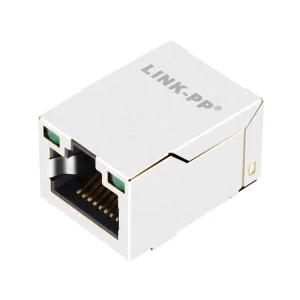
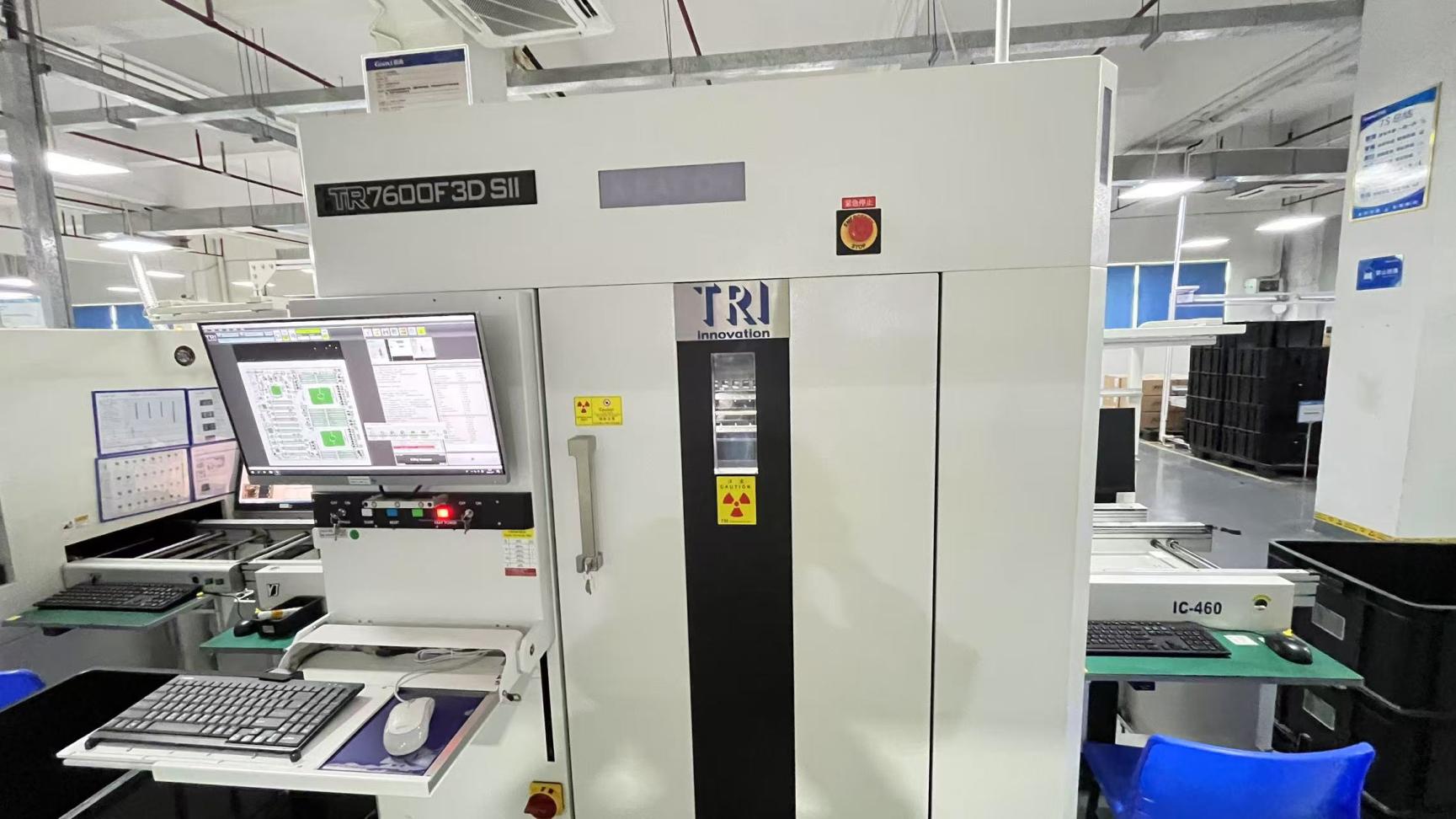
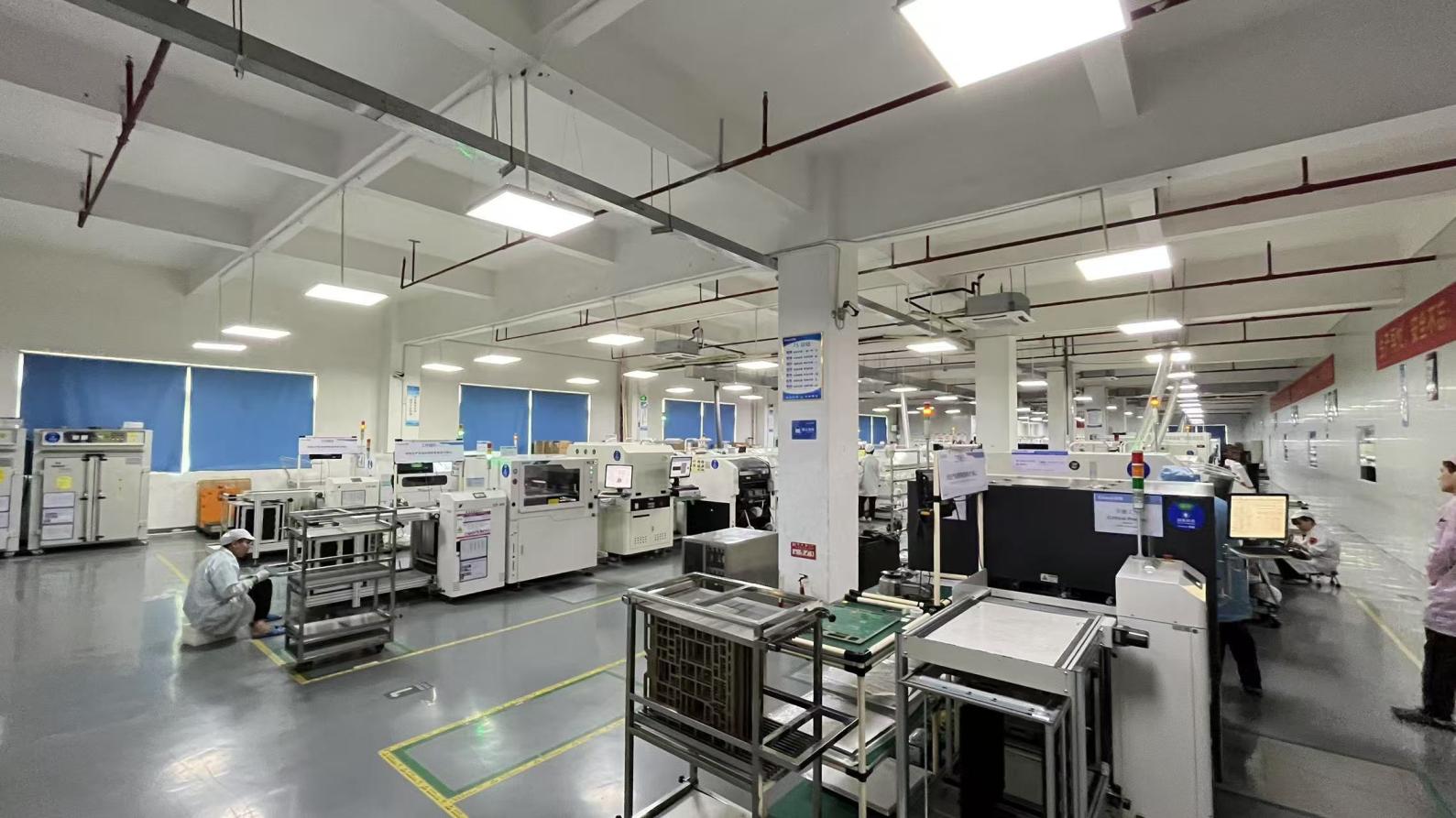
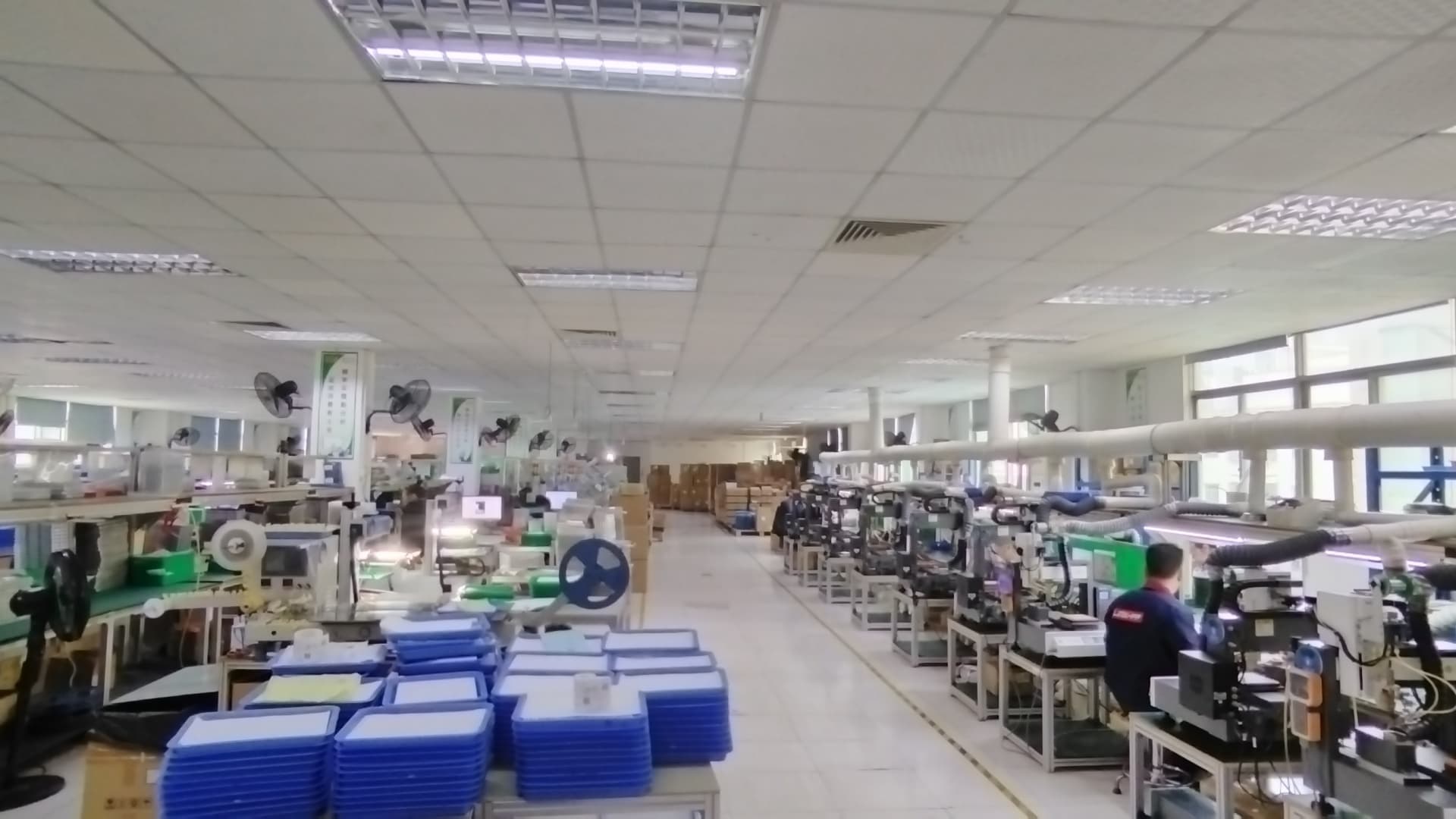
The traditional image of low-cost assembly lines has been replaced by highly automated smart factories in China’s tech hubs. The adoption of Factory 4.0 paradigms has transformed how RJ45 connectors, patch panels, and optical accessories are produced. By integrating robotic stamping, automated contact-pin insertion, and computer vision-based quality control, leading Chinese factories ensure consistent physical tolerances and electrical contact precision across millions of units.
This automated approach helps mitigate the risks of human error during assembly and ensures that performance specifications, such as insertion loss and return loss, remain stable across high-volume production runs. Vertical supply chain integration—where raw plastic compounding, metal stamping, PCB assembly, and high-precision testing occur within a single industrial ecosystem—further improves lead times and resilience against shipping disruptions. This close proximity of components and processes provides high-level flexibility for customized OEM/ODM projects.
The table below provides a comparative overview of the leading global manufacturers and suppliers of RJ45 patch panels and related structural interconnects. It covers key parameters such as performance rating, modularity options, shielding capabilities, and primary application areas.
| Manufacturer Name | Primary Origin | Max Category Support | Design Architecture | Shielding Capabilities | Core Application Domain |
|---|---|---|---|---|---|
| CommScope (Systimax) | United States | Cat 6A / Cat 8 | Angled & Flat Modular | Shielded & Unshielded | Hyperscale Cloud & Telco Centers |
| Panduit | United States | Cat 6A / Cat 8 | Mini-Com Modular | Highly Shielded (Matrix) | Industrial IoT & Enterprise HQ |
| Leviton | United States | Cat 6A | QuickPort Modular | U/UTP, F/UTP | Commercial Office Buildings |
| Belden | United States | Cat 6A | KeyConnect / RevConnect | Bonded-Pair Shielded | Industrial Manufacturing & Broadcast |
| Siemon | United States | Cat 7A / Cat 8 | TERA & Z-MAX Modular | Fully Shielded (S/FTP) | High-Performance Defense & Finance |
| Legrand (Ortronics) | France | Cat 6A | Clarity Series Modular | UTP & FTP | Healthcare & Institutional Campuses |
| R&M (Reichle & De-Massari) | Switzerland | Cat 6A / Cat 8 | FM45 Quick-Release | Advanced Shielding | Railway, Smart Grid & Telecom |
| Excel Networking | United Kingdom | Cat 6A / Cat 8 | Keystone Modular | F/FTP & U/UTP | EMEA Regional Enterprise & Retail |
| Schneider Electric (Actassi) | France | Cat 6A | Actassi Quick Term | Shielded Keystone | Smart Green Buildings & Edge Sites |
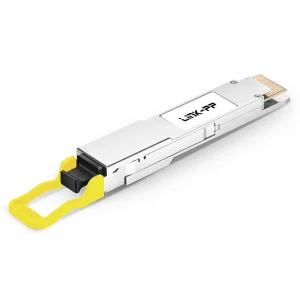
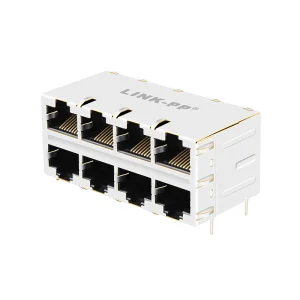
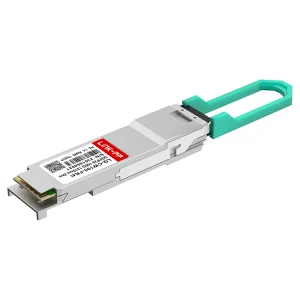
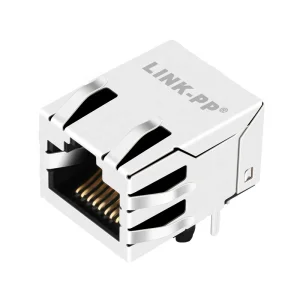
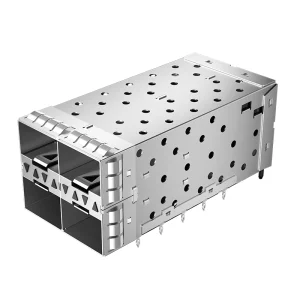
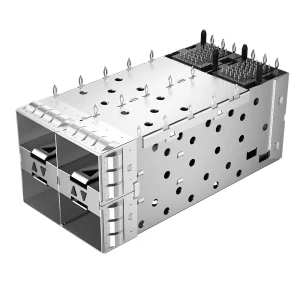
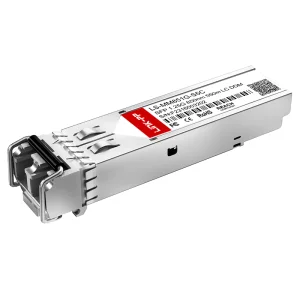
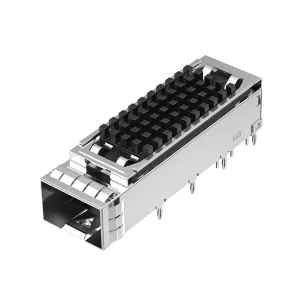
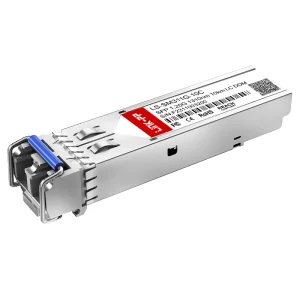
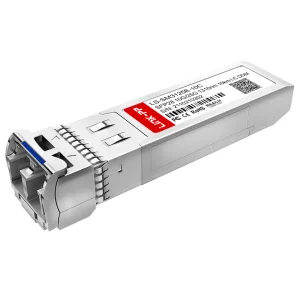
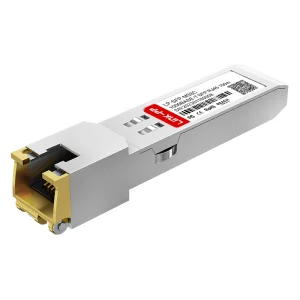
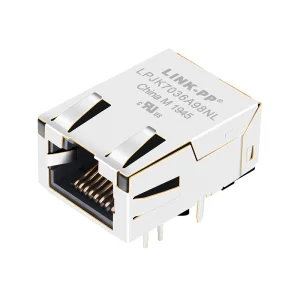
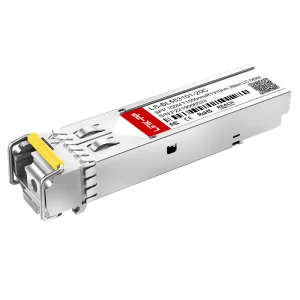
| FiberNova | China | High-Speed Hybrid | SFP+ / Copper Integrated | Shielded Press-Fit Cages | Carrier Edge & Optical/Copper Integration |
As one of the largest physical infrastructure manufacturers globally, CommScope has defined cabling standards for decades. Their Systimax lines offer high margin clearance over TIA standards, making them a common choice for enterprise data networks. Their modular patch panels feature patch-cord manager trays and integrated intelligent management options (imVision) to track connection states in real time.
Panduit is recognized for its engineering focus on cable routing, termination speed, and reliability in harsh environments. The Mini-Com patch panel series is a standard in modular configurations, allowing users to combine copper RJ45 and fiber optoelectronic modules within the same rack space. Panduit’s shielding technology offers suppression of Alien Crosstalk (ANEXT), which is critical for high-density Cat 6A 10G installations.
Following its acquisition of Brand-Rex, Leviton expanded its presence in the European and global markets. They focus on delivering user-friendly systems. Their patented Atlas-X1 component-rated jacks terminate without tools, ensuring consistent contact force across installations. This makes their patch panels a viable option for fast deployments where skilled on-site termination labor is limited.
Belden’s expertise lies in environments with significant electromagnetic noise, such as industrial processing plants and broadcasting studios. Their RevConnect termination method utilizes a single core module that fits both RJ45 jacks and plugs, reducing termination time. Belden's patch panels are built to withstand vibration and wide temperature ranges.
Siemon focuses on high-performance network components. They were early adopters of Category 7A and Category 8 solutions, and their Z-MAX patch panels feature a quick-grounding design that simplifies the deployment of shielded copper networks. Siemon’s TERA series provides a shielded connector system that supports cable sharing—the ability to run multiple lower-speed applications over a single 4-pair cable.
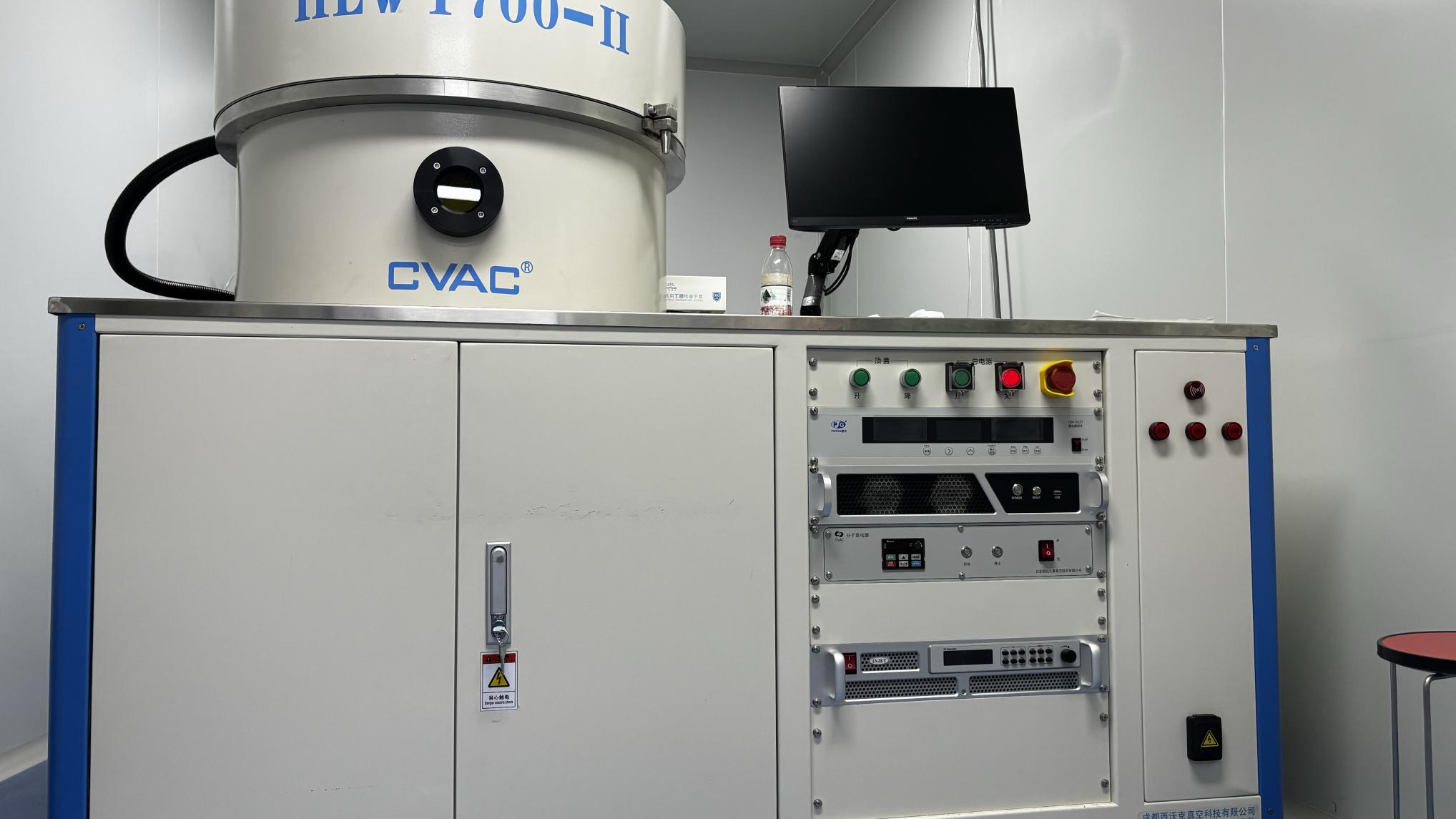
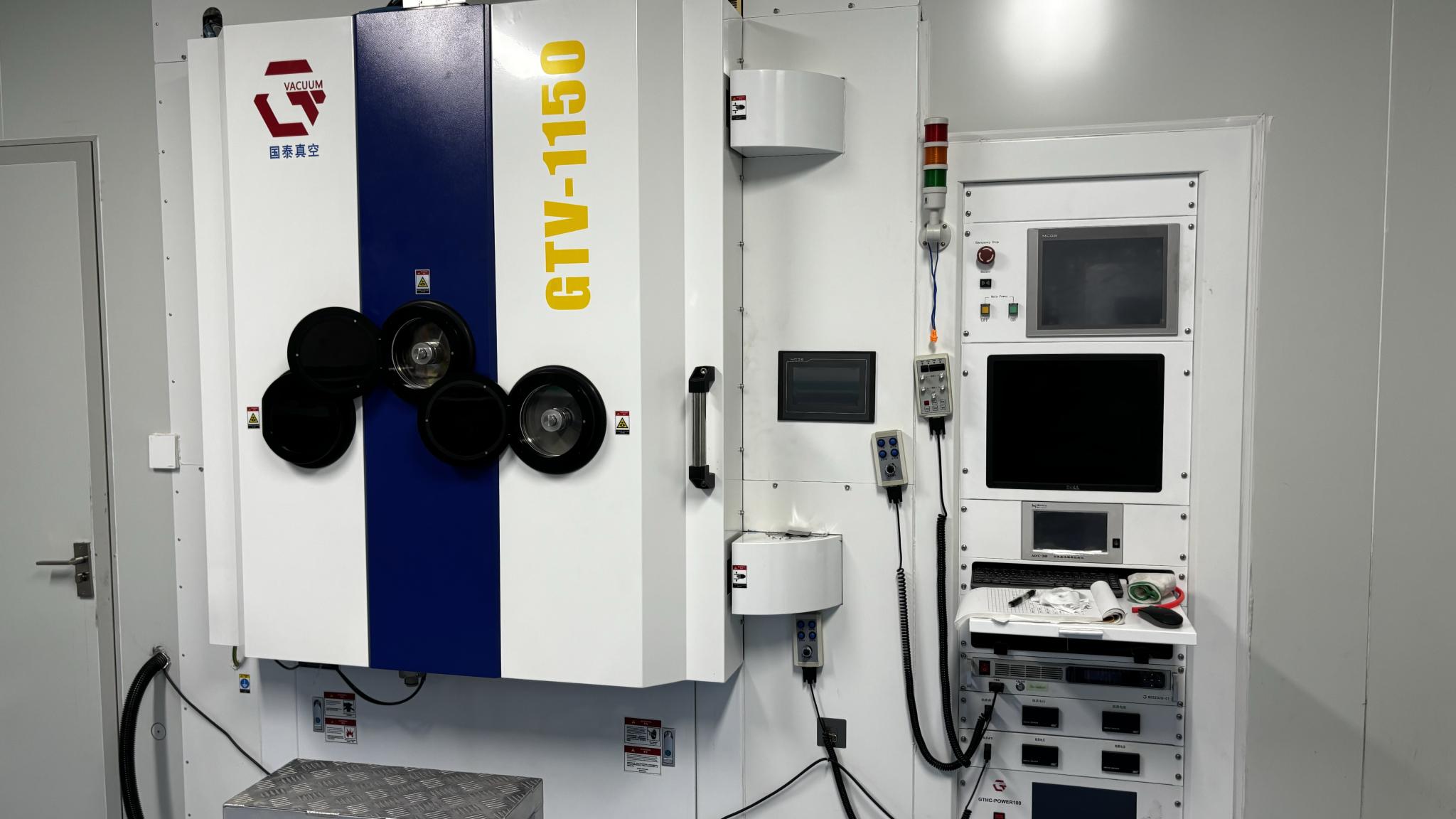
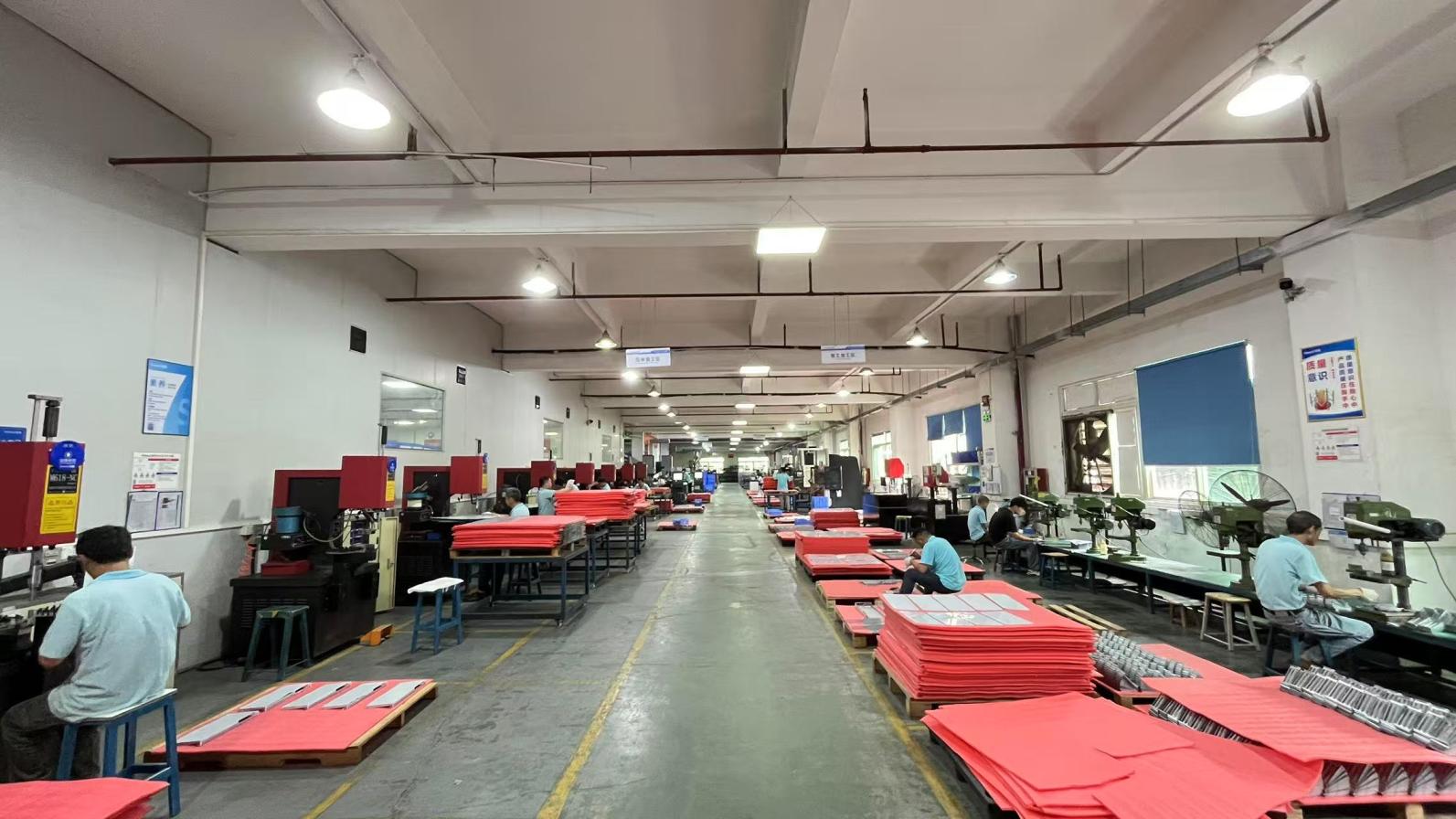
Established in 2016 and operating a modern production facility of approximately 380㎡, FiberNova Optical Communication Tech Co., Ltd. (FiberNovaTransceivers.com) has developed strong capabilities in high-performance networking components. Drawing on over 6 years of export experience and 12 years of industry expertise, FiberNova designs and manufactures optical and high-speed copper interconnect systems, achieving an annual export revenue of USD 8–15 million.
With an engineering team of 65 R&D professionals, FiberNova developed approximately 120 new products last year to meet evolving technical requirements. Their manufacturing process features a quality control system with 100% optical performance testing, temperature cycling tests, and signal integrity inspections managed by a dedicated team of 45 QC staff. FiberNova serves telecom operators, cloud service providers, and data center integrators across North America, Europe, Southeast Asia, and the Middle East, supported by over 1,200 supply chain partners.

The practical performance of an RJ45 patch panel depends significantly on its installation environment. Different network topologies present distinct physical and electromagnetic challenges:
These environments prioritize high-density routing and structural stability. Angled patch panels are often deployed to direct patch cords directly into vertical cable managers, reducing the need for horizontal cable management panels and maximizing rack unit efficiency.
Factories require protection against moisture, dust, and electromagnetic interference (EMI) from heavy machinery. In these scenarios, shielded Cat6A keystone panels with IP-rated protection and solid grounding blocks are necessary to maintain signal integrity.
Office deployments require flexibility to support frequent moves, adds, and changes (MACs). Modular keystone panels are standard in these environments, allowing technicians to swap individual ports without disconnecting adjacent services.
 FiberNova