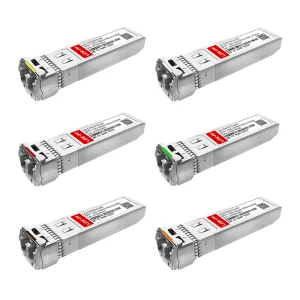
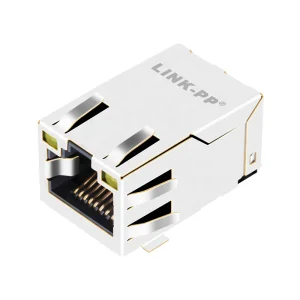
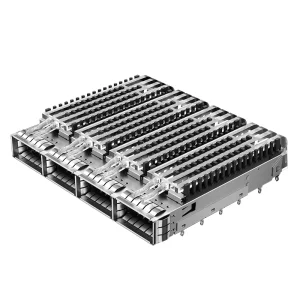
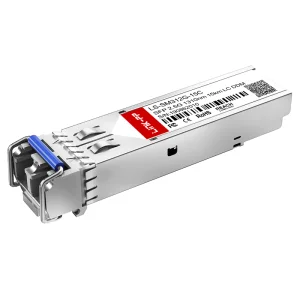
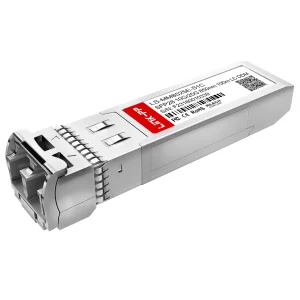
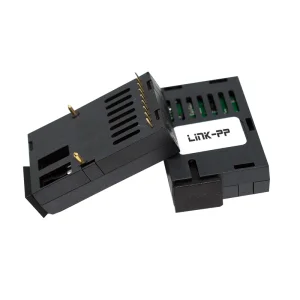
Engineered for absolute reliability, low signal attenuation, and high-frequency data integrity across enterprise network nodes.
In an era dominated by high-frequency communication protocols, industrial automation (IIoT), and hyperscale data centers, copper ethernet infrastructure remains the bedrock of localized device connectivity. Selecting an elite RJ45 extension cable manufacturer is not merely a matter of comparing unit prices. Rather, it requires a comprehensive evaluation of transmission parameters, structural robustness, and long-term signal integrity.
Corporate procurement professionals, systems integrators, and OEM engineers face unique challenges. Issues such as insertion loss, electromagnetic interference (EMI) in high-density environments, and structural fatigue in robotic arms or patch panel extensions demand precision engineering. This guide breaks down the core technical metrics, supply chain compliance, and factory capabilities that separate top-tier manufacturers from standard assembly workshops.
Under the microscope: FiberNova Optical Communication Tech Co., Ltd.
FiberNova Optical Communication Tech Co., Ltd. (FiberNovaTransceivers.com) is an established innovator in high-speed optical and physical layer connectivity. Founded in 2016, the company occupies a precision-engineered production facility of approximately 380㎡ dedicated to advanced assembly, optimization, and rigorous testing protocols.
By leveraging 12 years of industry expertise alongside 6 years of global export experience, FiberNova has integrated high-capacity transceiver manufacturing with robust copper interconnect assemblies. Their annual export revenue currently reaches USD 8–15 million, distributing reliable networking components across North America, Europe, Southeast Asia, and the Middle East.
FiberNova deploys a 45-person professional QC staff managing 100% optical performance metrics, temperature cycling chambers, and high-frequency signal integrity inspection prior to dispatch.
With 65 dedicated R&D engineers, FiberNova supports custom wavelength tuning, interface modifications, specific shielding parameters, and unique jacket profiles to meet custom integration needs.
A deep breakdown of mechanical, electrical, and shielding configurations for industrial deployment.
| Cable Category | Max Frequency (MHz) | Data Rate (Max) | Shielding Standard (Recom.) | Primary Use Cases |
|---|---|---|---|---|
| Category 5e | 100 MHz | 1 Gbps | U/UTP or F/UTP | Legacy terminal extensions, standard VoIP, POS systems. |
| Category 6 | 250 MHz | 1 Gbps (up to 10G at short distances) | F/UTP or U/FTP | Commercial office routing, entry-level server cabinets. |
| Category 6A | 500 MHz | 10 Gbps | S/FTP or U/FTP | High-density data racks, high-power PoE (PoE++ / Type 4), video editing nodes. |
| Category 7 / 7A | 600 - 1000 MHz | 10 Gbps | S/FTP (Individual foil + braid) | Industrial automation lines, marine networks, military infrastructure. |
| Category 8 | 2000 MHz | 25 Gbps / 40 Gbps | S/FTP (Strictly Shielded) | Top-of-Rack data center switch-to-server interconnects (short patch lengths). |
In harsh electromagnetic environments (such as near large motors, medical MRI machines, or high-power wireless relays), unshielded twisted pair (UTP) cables act like antennas, absorbing ambient EMI. Top RJ45 extension cable factories design customized shielding barriers:
Translating bulk cabling procurement into high ROI and operational durability.
Robotic arms, CNC milling stations, and assembly lines require highly flexible RJ45 extension cables. Top manufacturers supply jackets made of Polyurethane (PUR) which withstands abrasive cutting oils, physical friction, and continuous flexing cycles (drag chain rating).
Switch-to-patch-panel extensions require extremely thin, high-density Cat6A/Cat8 cables. Reducing outer cable diameter (using 28AWG copper instead of standard 24AWG) improves airflow dynamics inside server racks while maintaining electrical transmission integrity.
Remote Radio Heads (RRH) and outdoor cell towers necessitate waterproof RJ45 connector housings rated IP67 or IP68. The internal extension assembly must feature gold-plated contacts (50μ" thickness) to prevent oxidation from high humidity levels.
How to vet a manufacturer's claims and identify truly reliable copper assemblies.
When sourcing RJ45 extension cables, understanding the testing protocol is critical. Uncertified factories may only run simple continuity checks (pin-to-pin open/short testing). Professional manufacturers run specialized Fluke tests:
Answering the most critical technical questions from network engineers and global purchasing agents.
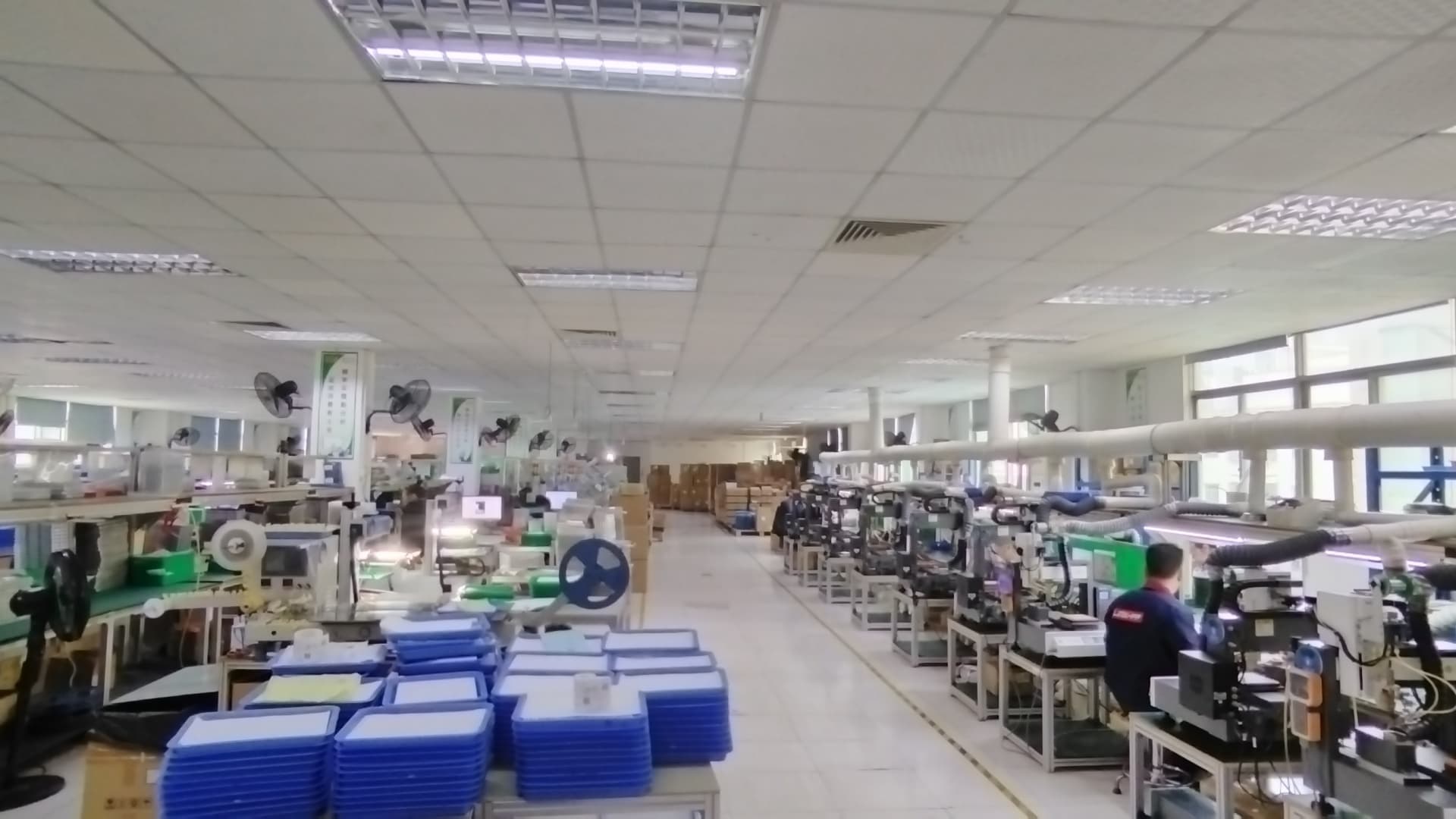
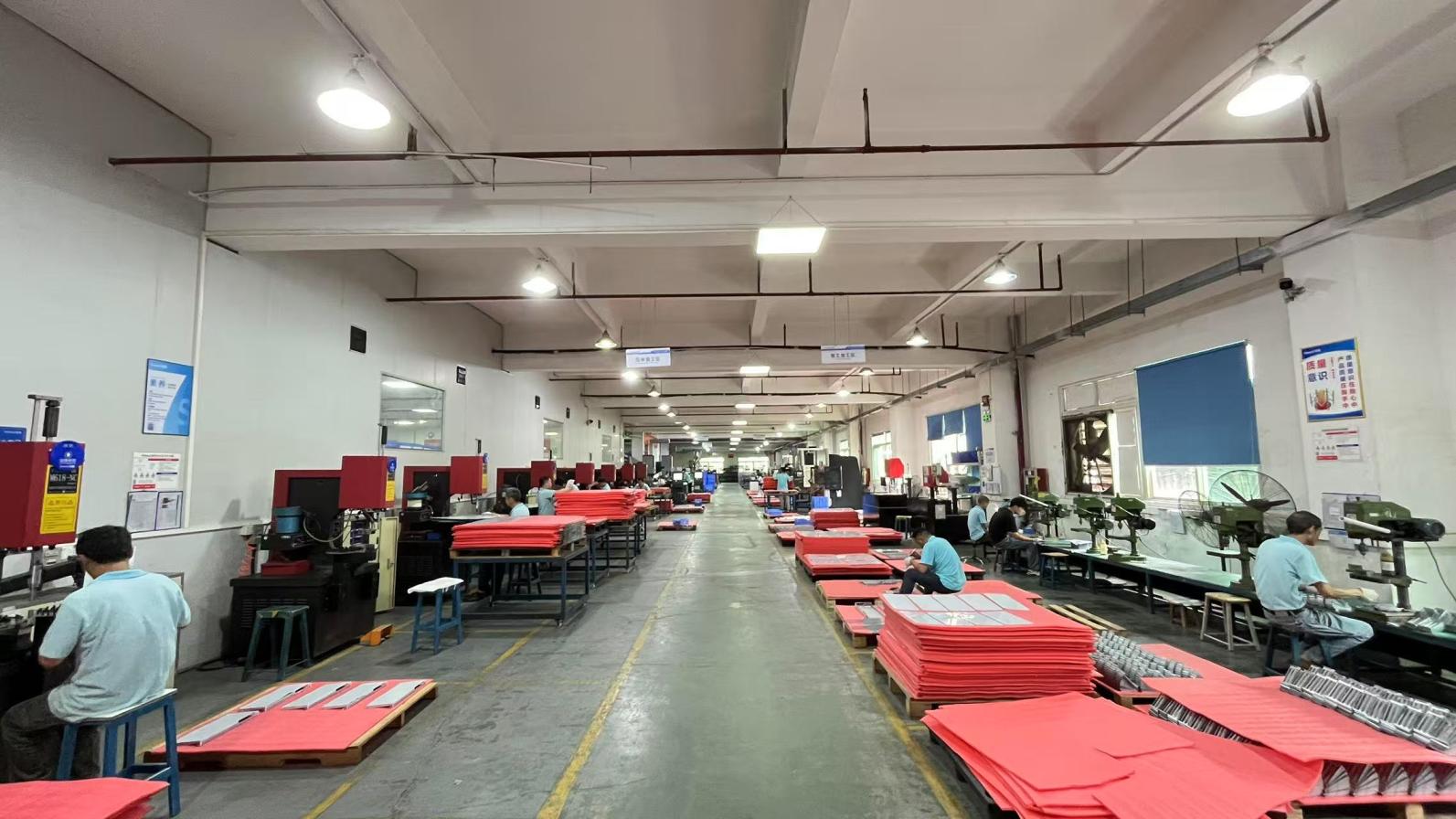
Take a visual tour inside our manufacturing lines, cleanrooms, and quality inspection departments.
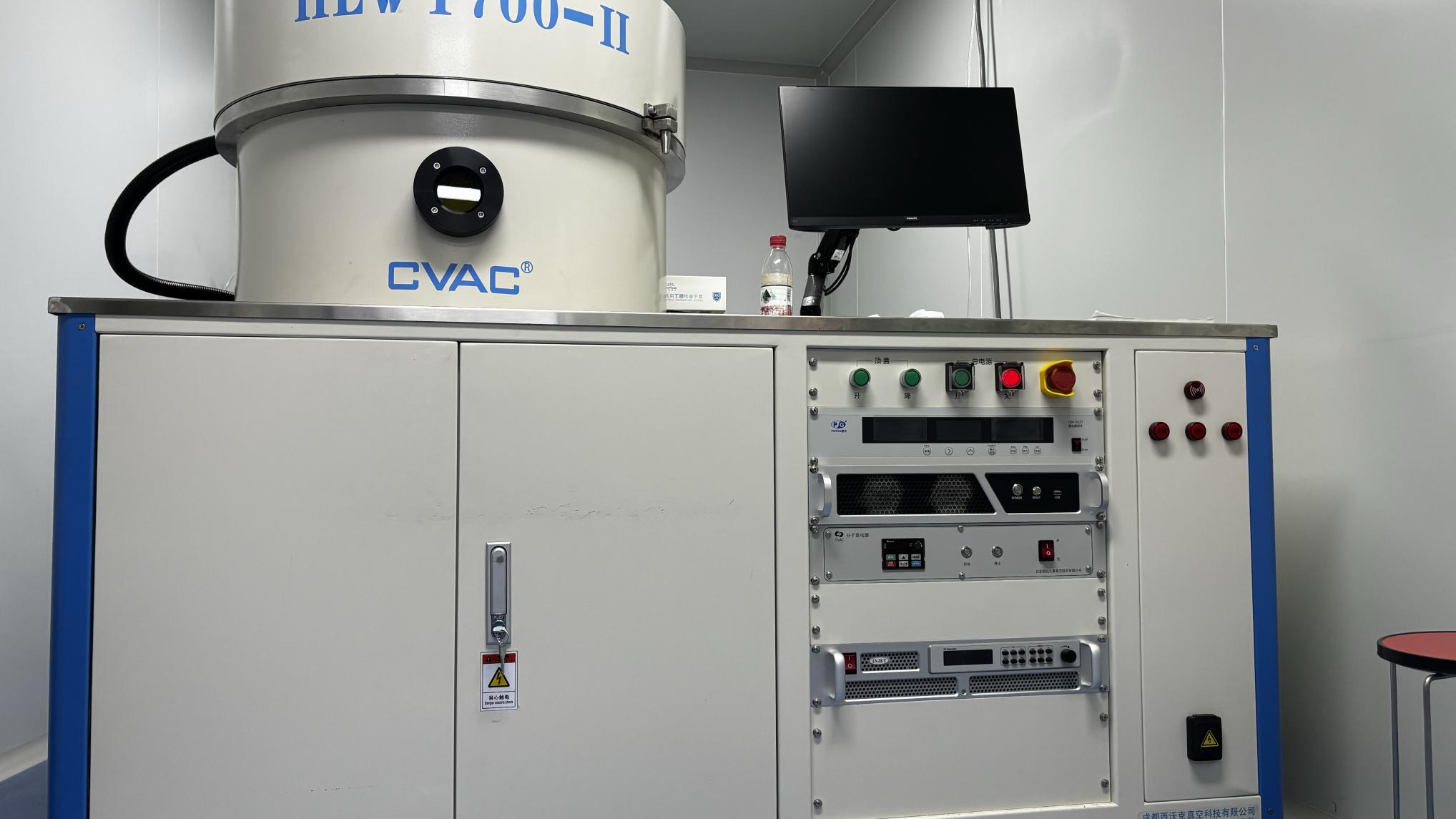
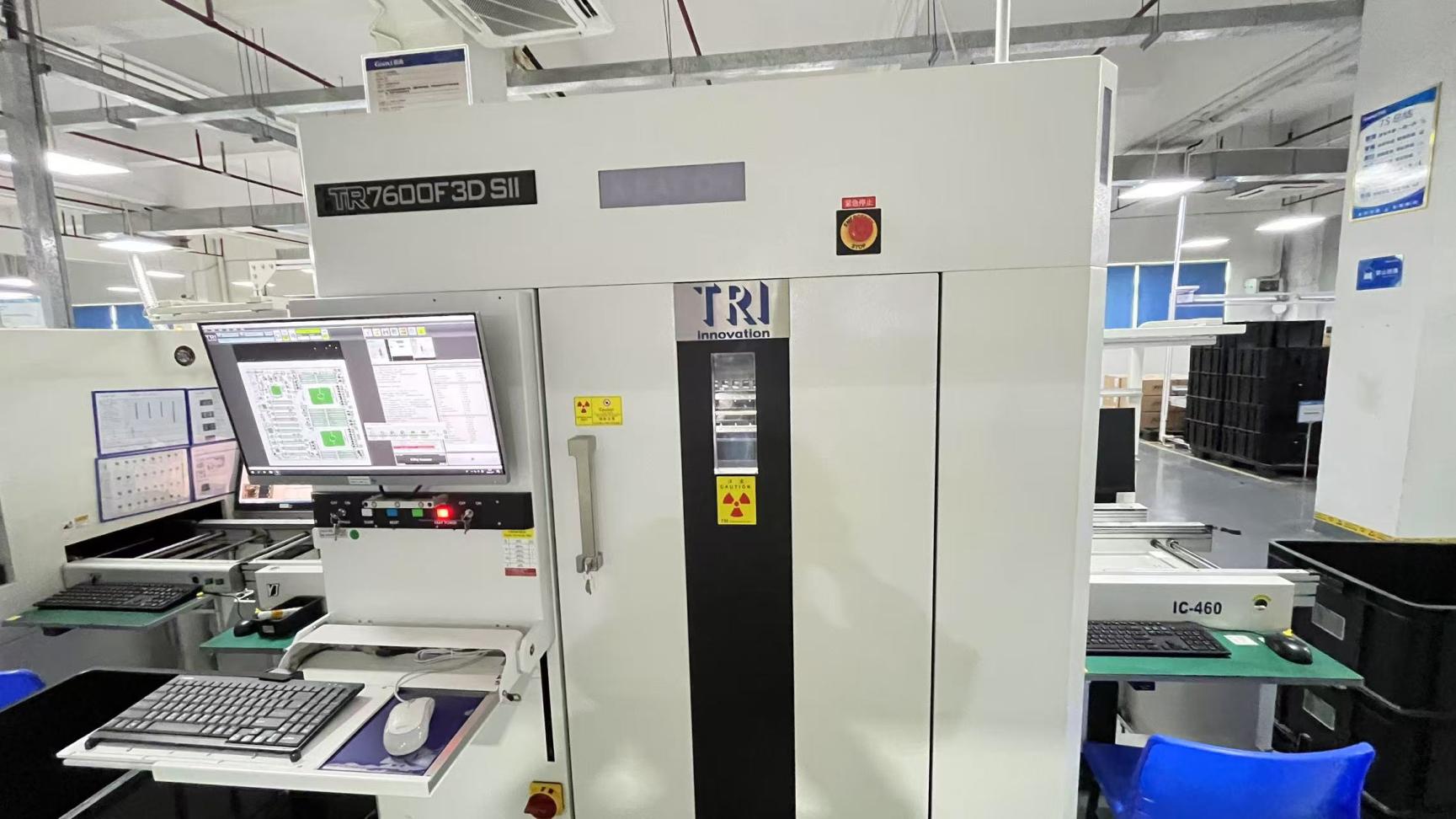
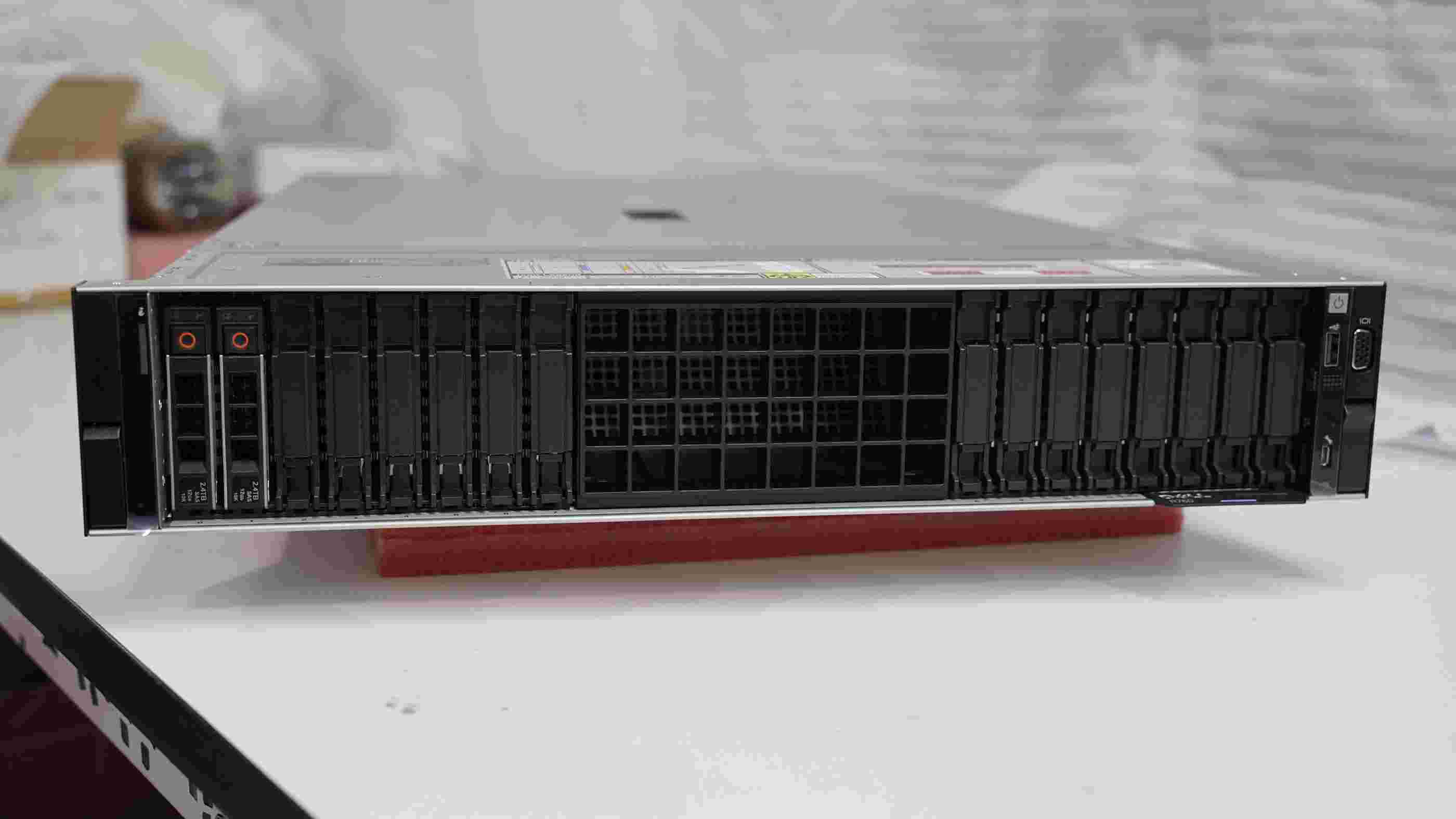
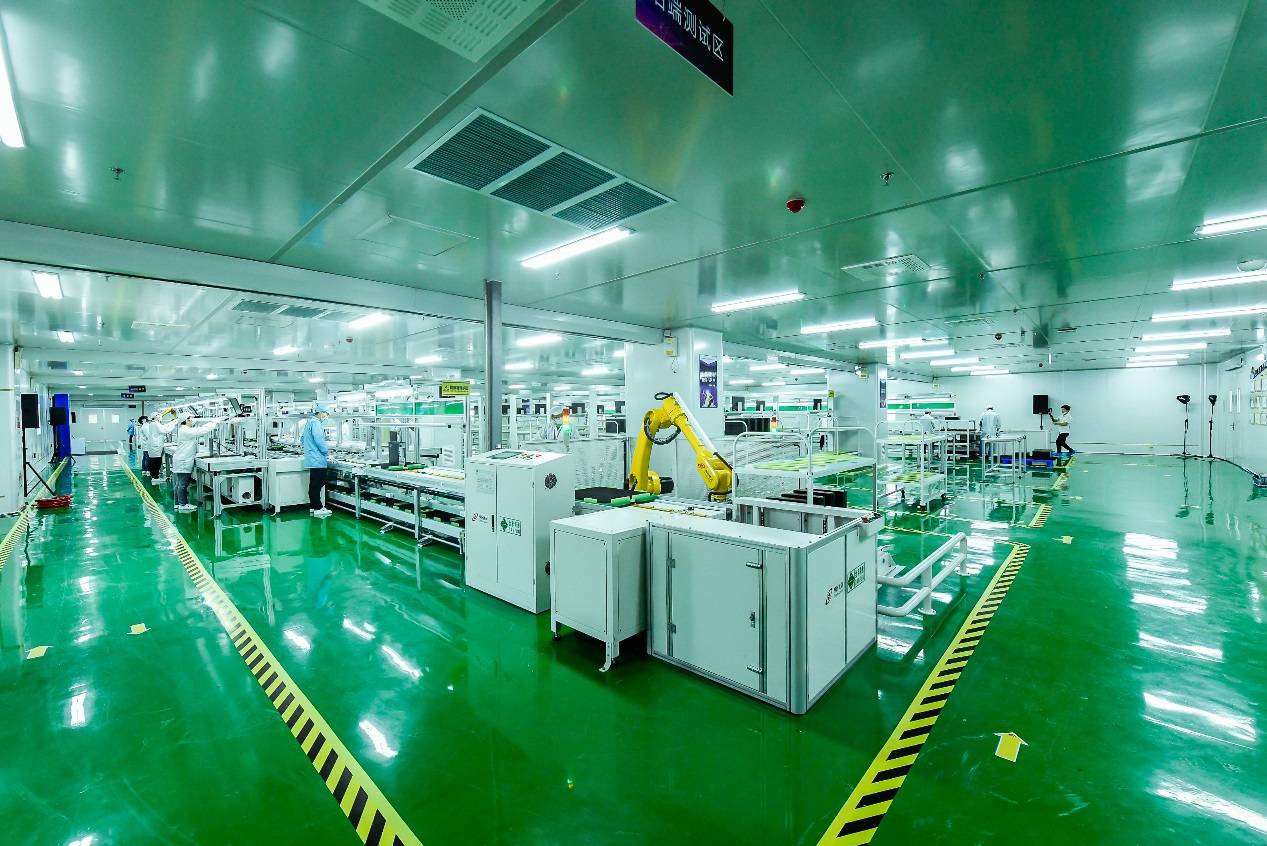
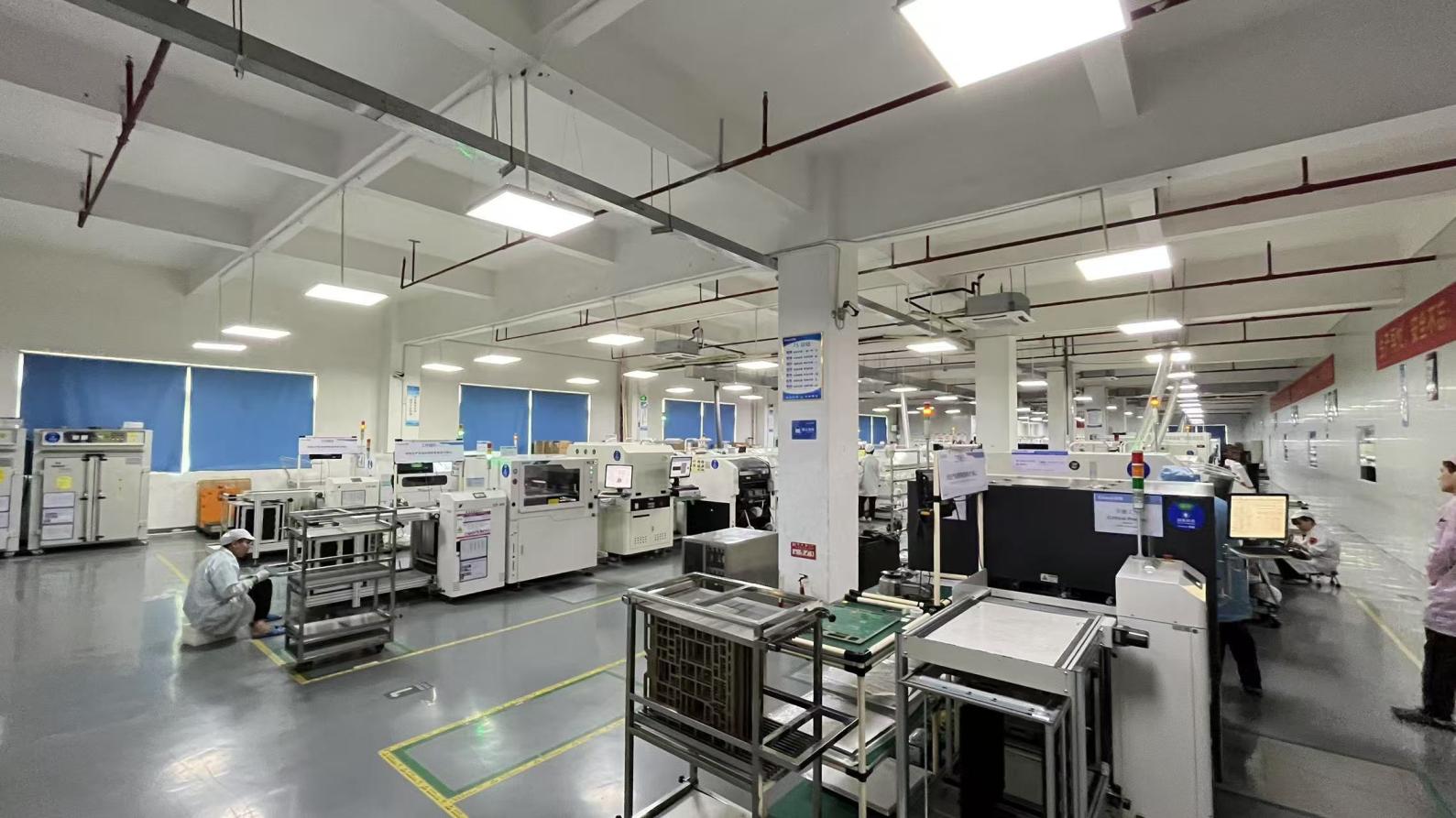
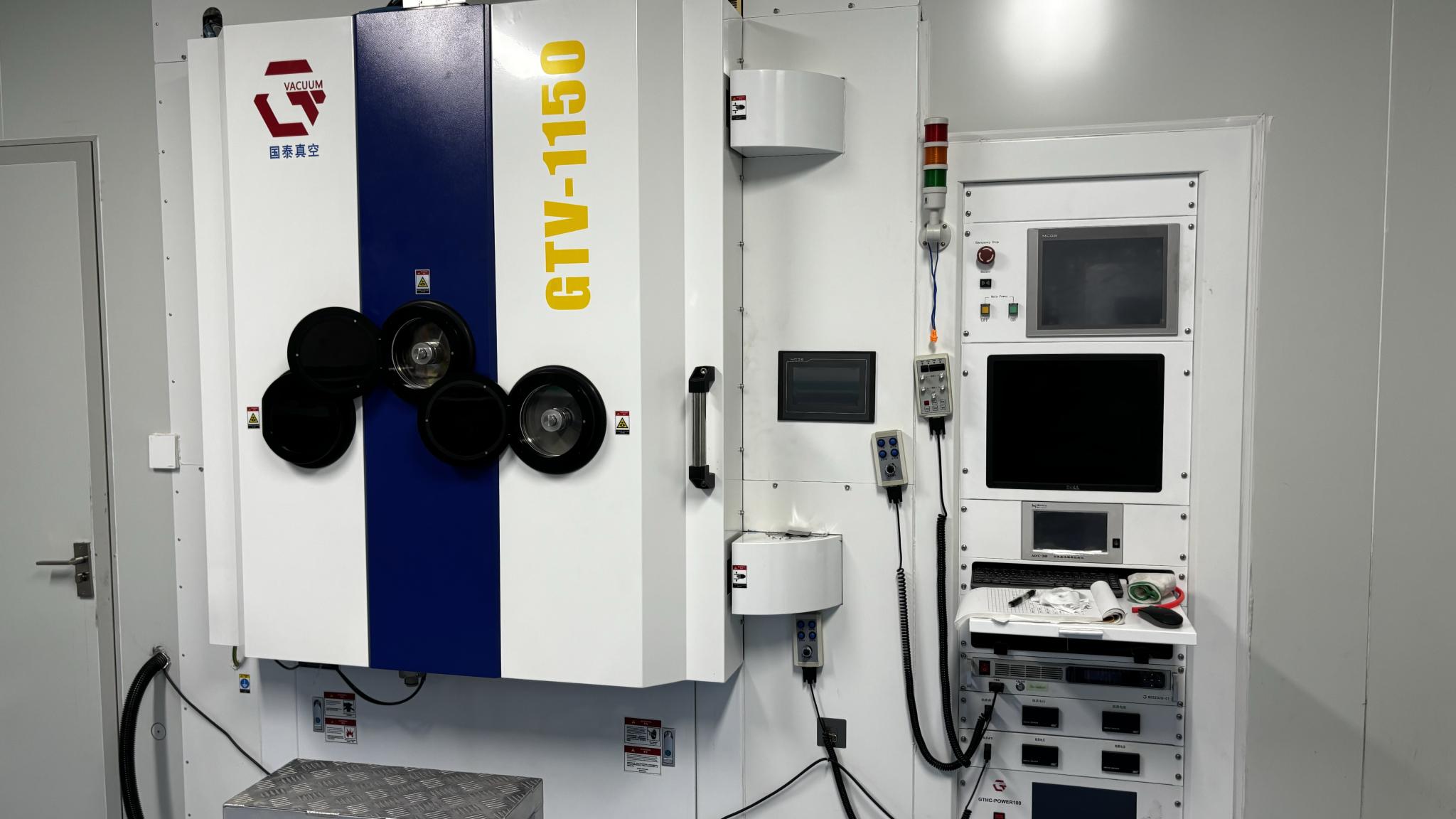
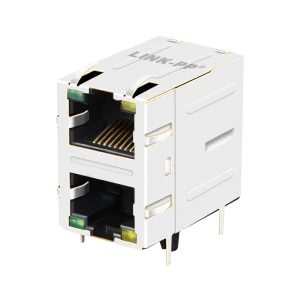
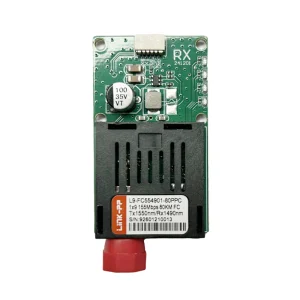
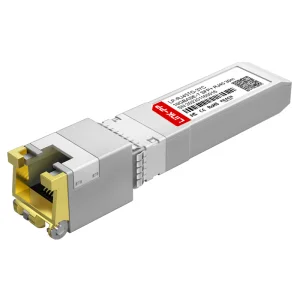
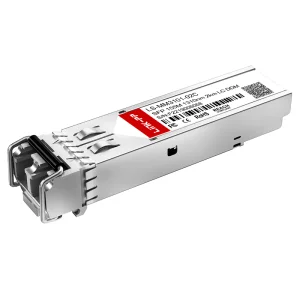
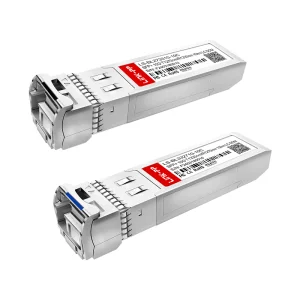
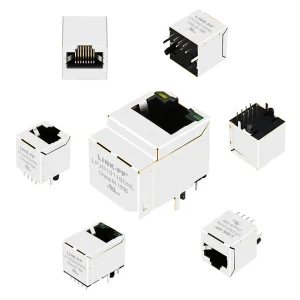
Explore our full catalog of high-capacity transceivers, PCB jacks, and SFP+ accessories.
 FiberNova