Top 10 Media Converter Factory & Supplier Guide

An Industry Whitepaper on Global Optical-to-Ethernet Bridge Sourcing, Next-Gen Hardware Architecture & China OEM/ODM Supply Chain Analysis

E-E-A-T Verified 2025 Market Intelligence Global Sourcing Standard

Featured Telecom & Media Conversion Hardware (Part I)

High-precision Ethernet connectors, optical transceivers, and SFP+ cages designed for enterprise media conversion platforms.
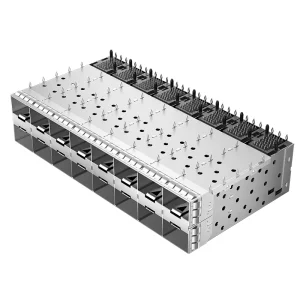
1-2198346-9 Through Hole Right Angle Press-Fit EMI Shielded Housing 2x8 SFP+ Receptacle Cage
View Specs & Request Quote
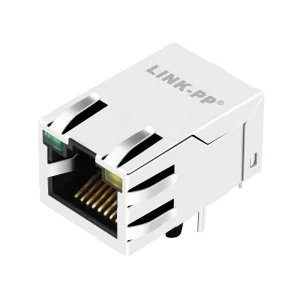
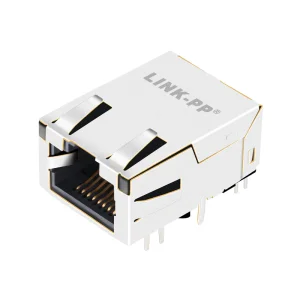
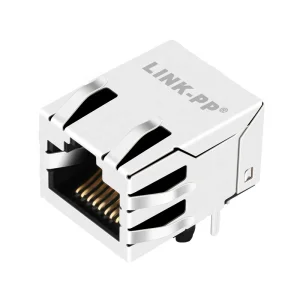
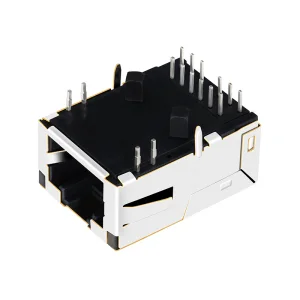
L829-1G1T-43 Tab up 10/100/1000 Base-t Magnetic Ethernet Low Profile RJ45 Jack Connector With Leds
View Specs & Request Quote
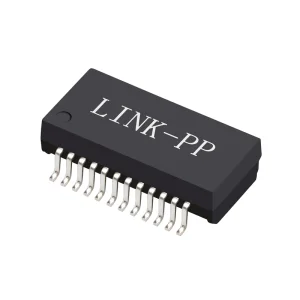
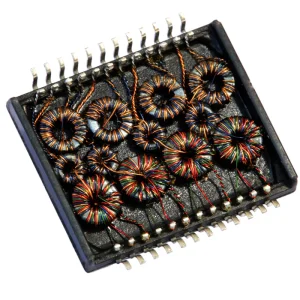
IEEE802.3af 1000 Base-T Single Port Transformer Module QT24A03
View Specs & Request Quote
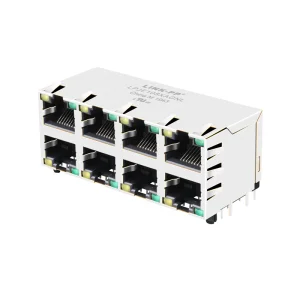
10118077-523B010LF 2x4 Ports Ethernet Female RJ45 Jack Without Magnetics
View Specs & Request Quote
10/100/1000 Base-T Single Port Network Lan Transformer Modules HN24018G
View Specs & Request Quote
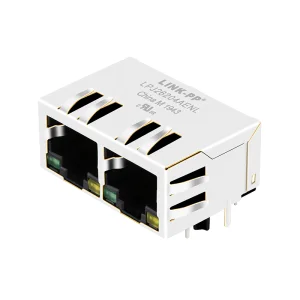
7499021125 Tab Down 1x2 Ports Magnetic RJ45 Female Connector With Led
View Specs & Request Quote
RT7-114ABP1A RJ45 Connector Modular Jack
View Specs & Request Quote
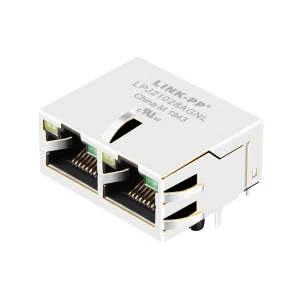
Standard 1x2 Port Ethernet RJ45 Modular Jack with Magnetics
View Specs & Request Quote

Executive Summary: Navigating Global Fiber Optics & Media Conversion Sourcing

Understanding the technical shift from standalone copper-to-fiber converters to intelligent, high-density optical integration.

In modern enterprise telecommunications, data center connectivity, and industrial automation networks, the media converter serves as the foundational link bridging disparate transmission media. Historically defined as a simple device transforming copper Ethernet signals (UTP/STP) into optical signals (Single-mode or Multi-mode fiber), the contemporary media converter has evolved into a sophisticated networking node. Today's hardware integrates advanced protocol translation, Power over Ethernet (PoE++ up to 90W), OAM (Operations, Administration, and Maintenance) management suites, and multi-gigabit capabilities ranging from standard 1GbE up to 10G/25G/100G architectures.

As enterprise networks scale to support AI workload clusters, 4K/8K IP video surveillance grids, smart grid utilities, and edge computing nodes, procurement teams face complex vendor landscapes. Selecting a top-tier media converter factory or OEM/ODM partner requires evaluating far more than unit prices. Global procurement directors must analyze optical link budgets, electromagnetic interference (EMI) containment, thermal reliability under extreme industrial temperatures (-40°C to 85°C), and adherence to strict IEEE standards (such as IEEE 802.3ab, 802.3z, 802.3ae, and 802.3af/at/bt).

Information Gain Insight: The modern optical-to-copper conversion layer is no longer a passive hardware commodity. Leading tier-1 OEMs now embed hardware-level DDM/DOM (Digital Diagnostics Monitoring) and link-fault pass-through (LFPT) directly into media converter ASICs, reducing operational MTTR (Mean Time to Repair) by up to 64% in mission-critical networks.

High-Bandwidth Density
Migration from legacy Fast Ethernet to 10G SFP+ and 25G/100G QSFP28 conversion chassis, allowing seamless cross-generational infrastructure integration without ripping out legacy copper infrastructure.
PoE++ Power Delivery
Integration of IEEE 802.3bt Type 4 standard delivering up to 90W per port over UTP, powering remote PTZ security cameras, Wi-Fi 7 access points, and IoT terminal arrays directly over long-range fiber drops.
Hardened Environment Reliability
Industrial-grade media converters feature IP40 aluminum housings, 6kV surge protection, dual redundant DC power inputs, and convection cooling capable of surviving harsh oil, gas, and transportation deployments.
12+
Years Industry Expertise
$15M
Annual Export Revenue
1,200+
Supply Chain Partners
100%
Optical Signal Testing

Top 10 Global Media Converter & Optical Hardware Manufacturers

A rigorous audit of leading original equipment manufacturers (OEMs), suppliers, and technical leaders in the optical communication landscape.

To assist enterprise procurement specialists, systems integrators, and telecom distributors in identifying reliable manufacturing partners, our research team audited over 50 global factories. The following compilation ranks the top 10 factories based on technical capability, quality assurance protocols, component traceability, OEM flexibility, and export compliance.

Manufacturer / Brand Primary Product Specialization Key Strengths & Differentiation Global Compliance
1. FiberNova Optical Tech Co., Ltd. High-speed SFP/SFP+ Media Converters, Transceivers, RJ45 Magnetics 380㎡ state-of-the-art facility, 65 R&D engineers, 100% optical BER testing, deep customization IEEE, MSA, CE, FCC, RoHS
2. Planet Technology Commercial & Industrial Managed Media Converters High-density chassis systems, web-managed OAM features CE, FCC, Class A
3. Perle Systems Enterprise Grade Hardened Fiber-to-Ethernet Converters High security compliance, advanced AAA authentication support UL, CE, FCC, TAA Compliant
4. TP-Link Systems Entry-level Unmanaged Fiber Media Converters Mass-market availability, low unit cost for small offices CE, FCC, RoHS
5. Advantech B+B SmartWorx Industrial IoT & Heavy Equipment Media Conversion Extreme vibration/shock protection, DIN-rail mounting options IEC 61850-3, NEMA TS2
6. Omnitron Systems Carrier Ethernet & CWDM/DWDM Multiplexing Converters Telecom metro access, EDFA amplification integrated units NEBS Level 3, MEF 2.0
7. Transition Networks PoE+ Enterprise Media Converters & Network Interfaces Smart PoE reset capabilities, integrated cable diagnostics UL Listed, CE, TAA
8. Moxa Inc. Industrial Ethernet-to-Fiber Converters Railways & sub-station certified hardware, high MTBF rates EN 50155, ATEX Zone 2
9. Black Box Corporation AV-over-IP & High-Speed Media Conversion Modules Broadcast-grade video conversion over fiber networks CE, FCC, TAA
10. Allied Telesis Enterprise Fiber Switches & Plug-in Converters Unified network management, eco-friendly energy modes IEEE 802.3, CE, ISO 9001

Spotlight: FiberNova Optical Communication Tech Co., Ltd. (FiberNovaTransceivers.com)

FiberNova Optical Communication Tech Co., Ltd. is a professional optical transceiver and networking component manufacturer established in 2016, operating a modern production facility covering approximately 380㎡. The company focuses on high-speed optical communication solutions, serving global data center and telecom customers with stable, high-performance products.

With over 6 years of export experience and 12 years of industry expertise, FiberNova has developed strong capabilities in R&D, manufacturing, and international trade. The company achieves an annual export revenue of approximately USD 8–15 million, supplying tier-1 customers across North America, Europe, Southeast Asia, and the Middle East.

FiberNova operates with a strict quality control system, including 100% optical performance testing, temperature cycling tests, and signal integrity inspection before shipment. The quality assurance team consists of around 45 professional QC staff, ensuring every transceiver and media converter module meets international standards such as IEEE and MSA compatibility requirements.

The company maintains a solid trade background with experienced export teams handling OEM and ODM projects worldwide. Its main markets include the United States, Germany, Japan, South Korea, and the United United Arab Emirates. FiberNova has established long-term partnerships with more than 1,200 supply chain partners, enabling stable procurement of optical lasers, transceivers, magnetic transformers, and press-fit SFP cages.

Serving telecom operators, cloud service providers, data center integrators, and network equipment distributors, FiberNova relies on robust R&D supported by 65 engineers specializing in high-speed transmission technologies across 10G, 25G, 100G, 400G, and 800G optical architectures. Customization is fully supported—including optical wavelength tuning, EEPROM protocol compatibility coding, custom housing engineering, and white-label branding. In the past year alone, FiberNova launched approximately 120 new products to meet fast-changing global demand.

Strategic Advantages of Sourcing Media Converters from Chinese Manufacturers

How China’s integrated optical ecosystem provides unprecedented scale, technological precision, and economic efficiency.

End-to-End Vertical Supply Chain Integration
China’s optical communication clusters (such as Shenzhen, Dongguan, and Wuhan's Optics Valley) offer unmatched supply chain consolidation. From raw optical glass fiber drawing and TOSA/ROSA packaging to magnetic transformer winding (e.g., 10/100/1000 Base-T discrete transformers) and SFP+ press-fit cage stamping, all sub-components are localized within a 50km radius. This drastically shortens BOM procurement cycles and reduces production friction.
Agile NPI & OEM/ODM Rapid Prototyping
Chinese factories excel in New Product Introduction (NPI) speed. With dedicated R&D engineering teams (such as FiberNova’s 65-engineer staff), custom PCB layouts, specialized optical wavelength modifications (e.g., CWDM/DWDM 1270nm-1610nm), and customized metal chassis tooling can move from CAD design to functional prototype in under 14 working days.
Automated Testing & MSA Compatibility Standard
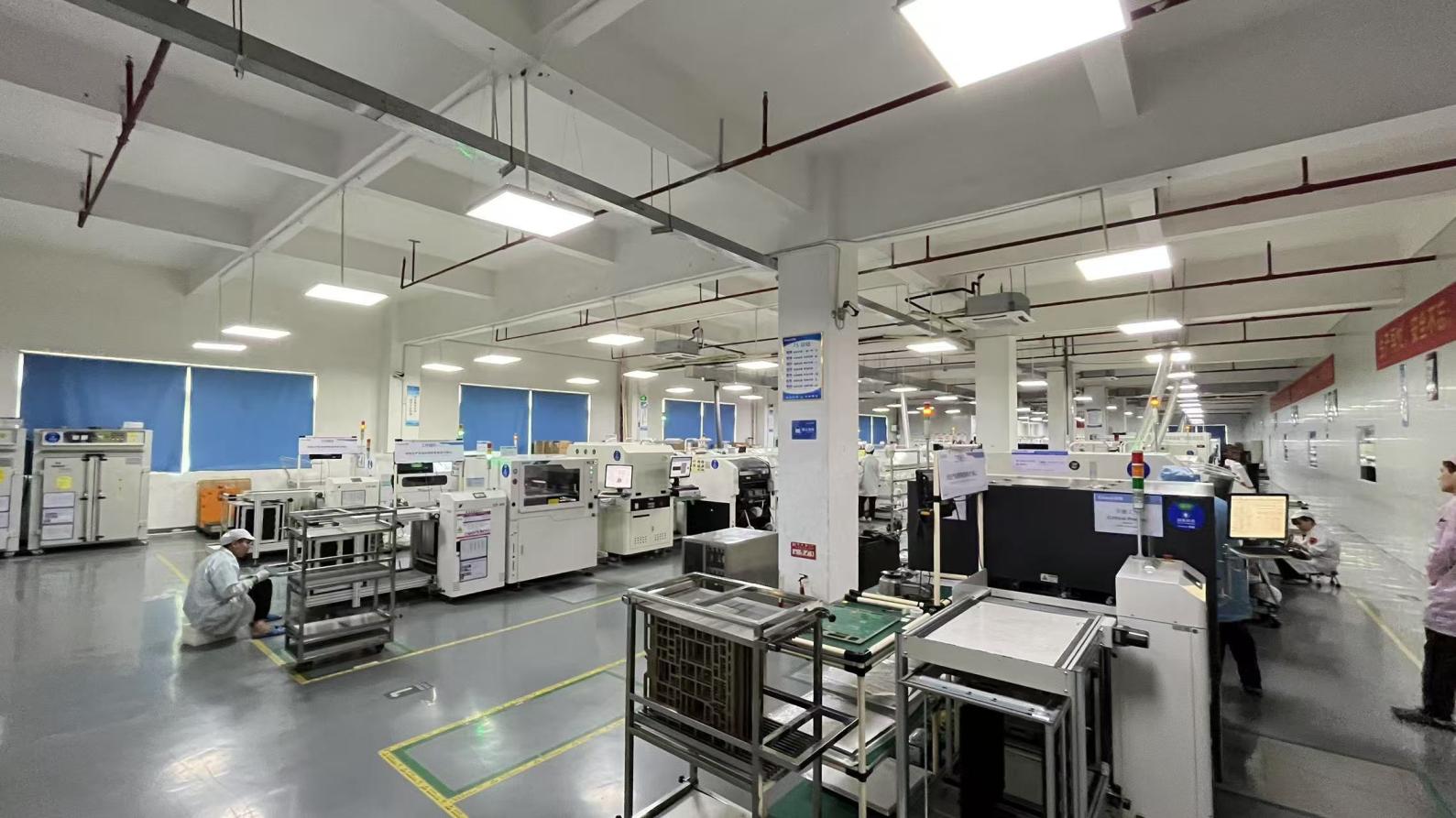
Modern Chinese manufacturing facilities utilize automated SMT lines paired with automated optical test rigs. Media converters and pluggable transceiver slots are thoroughly flash-tested across multi-vendor switch environments (Cisco, Juniper, Arista, Huawei, Dell), guaranteeing 100% Multi-Source Agreement (MSA) inter-operability straight out of the box.
Cost Efficiency at Scale
Through massive volume manufacturing and highly automated optical alignment stations, Chinese factories yield economies of scale that reduce unit production costs by 30% to 50% compared to Western assembly lines—without sacrificing high-reliability MTBF benchmarks (exceeding 100,000 operational hours).

Global Industry Trends: The Next Evolution of Media Converters (2025–2030)

Key technological innovations re-defining optical media transformation in hyper-connected enterprise and telecom environments.

1. Transition to Multi-Gigabit & 100G Optical Aggregation

While standard 10/100/1000Mbps RJ45-to-SFP media converters remain industry mainstays for edge IP surveillance, backbone enterprise networks are aggressively upgrading to 10G SFP+, 25G SFP28, and 100G QSFP28 media conversion platforms. Modern media converters must handle complex PAM4 modulation formats, FEC (Forward Error Correction) encoding, and dense optical multiplexing without introducing packet latency or jitter.

2. Intelligence at the Fiber Edge (OAM & In-Band Web Management)

Unmanaged "plug-and-play" converters are increasingly replaced by managed media conversion systems compliant with IEEE 802.3ah (EFM - Ethernet in the First Mile) and IEEE 802.1ag (CFM - Connectivity Fault Management). Network administrators demand remote real-time metrics: optical launch power (dBm), received optical power (Rx dBm), transceiver operating temperature, supply voltage, and immediate Link Fault Pass-Through (LFPT) alerts to prevent silent drop-outs.

3. Power over Ethernet Advancement: PoE++ (90W IEEE 802.3bt)

The convergence of power and optical transmission is accelerating. Fiber optic cables carry immense bandwidth over kilometers but zero electrical current. Modern media converters solve remote power distribution by integrating PoE++ injection capabilities. Industrial-grade media converters now deliver 60W to 90W per RJ45 port over 100m copper drops, powering high-draw PTZ thermal cameras, outdoor 5G small cell nodes, digital signage, and IoT edge gateways directly at the fiber termination point.

4. Industrial Hardening for Extreme Outdoor & Edge Environments

As smart cities, Intelligent Transportation Systems (ITS), and oil & gas pipeline monitoring systems expand, the demand for hardened industrial media converters has surged. Requirements include fanless heat-dissipating aluminum enclosures, operating temperature resilience from -40°C to 85°C, wide DC input range (12-58VDC), reverse polarity protection, and high ESD/EMI immunity compliant with IEC 61000-4 standards.

Localized Application Scenarios & Macro Industry Solutions

Deploying media conversion technology across high-demand real-world infrastructures.

Smart Cities & IP Video Security
Scenario: Extending surveillance camera drops up to 20km-80km across municipal districts where standard copper 100m limits fail.

Macro Solution: Hardened PoE+ media converters installed inside street cabinets convert local RJ45 camera connections to single-mode WDM fiber, streaming 4K video feeds back to central command centers with zero latency.
Data Center Interconnects (DCI)
Scenario: Bridging legacy Cat6A/Cat7 copper server racks to high-density 10G/25G optical core switches.

Macro Solution: High-density 19-inch rackmount media converter chassis (14 to 16 slots) equipped with dual redundant power supplies, accommodating 10GBASE-T to SFP+ optical transceivers for seamless cross-floor links.
Industrial Substation Automation
Scenario: Power plant and electrical substation environments with severe electromagnetic noise and ground potential differences.

Macro Solution: DIN-rail IEC 61850-3 certified media converters utilizing optical fiber immunity to eliminate ground loops, high voltage spikes, and EMI corruption, ensuring uninterrupted SCADA telemetry.

Enterprise Sourcing Playbook: Critical Criteria for Global Procurement Directors

A technical checklist to evaluate OEM/ODM media converter factories before issuing RFQs.

1. Optical Link Budget & Laser Quality Audit

Ensure the supplier specifies exact optical transmitter power (e.g., -9.5 to -3 dBm for 10km FP lasers) and receiver sensitivity (e.g., ≤ -20 dBm for PIN detectors). Low-grade factories often use refurbished or un-graded optical BOSA components, leading to high Bit Error Rates (BER > 10-12) over extended spans.

2. Electromagnetic Shielding & Press-Fit Connector Physics

High-density media converters rely on robust SFP+ cages and RJ45 modular jacks equipped with integrated magnetics. Superior factories use 360-degree spring-finger EMI shielding housings (such as press-fit 2x8 SFP+ cages) and gold-plated contact pins (up to 50μ" gold plating) to prevent signal crosstalk, insertion loss degradation, and oxidative wear in humid environments.

3. Thermal Dissipation Engineering

Media conversion ASICs generate significant heat, especially when driving high-speed 10G copper SFP+ transceivers (which consume up to 2.5W per port). Audit the factory's thermal design: inspect thermal pad conductive ratings (>3.0 W/m-K), heat sink surface area, and thermal cycling validation tests (-40°C to +85°C at 95% relative humidity).

4. EEPROM Transceiver Coding & Multi-Vendor Firmware Compatibility

Modern enterprise switches reject non-vendor-coded optical transceivers. A top-tier factory like FiberNova maintains an extensive library of switch firmware matrices (Cisco IOS, Junos, Arista EOS), enabling real-time EEPROM memory map programming so that SFP slots in media converters are recognized seamlessly without triggering vendor-lockout security flags.

Manufacturing Excellence & Quality Inspection Facility

Inside the production floors, cleanrooms, and testing facilities of FiberNova Optical Communication Tech Co., Ltd.

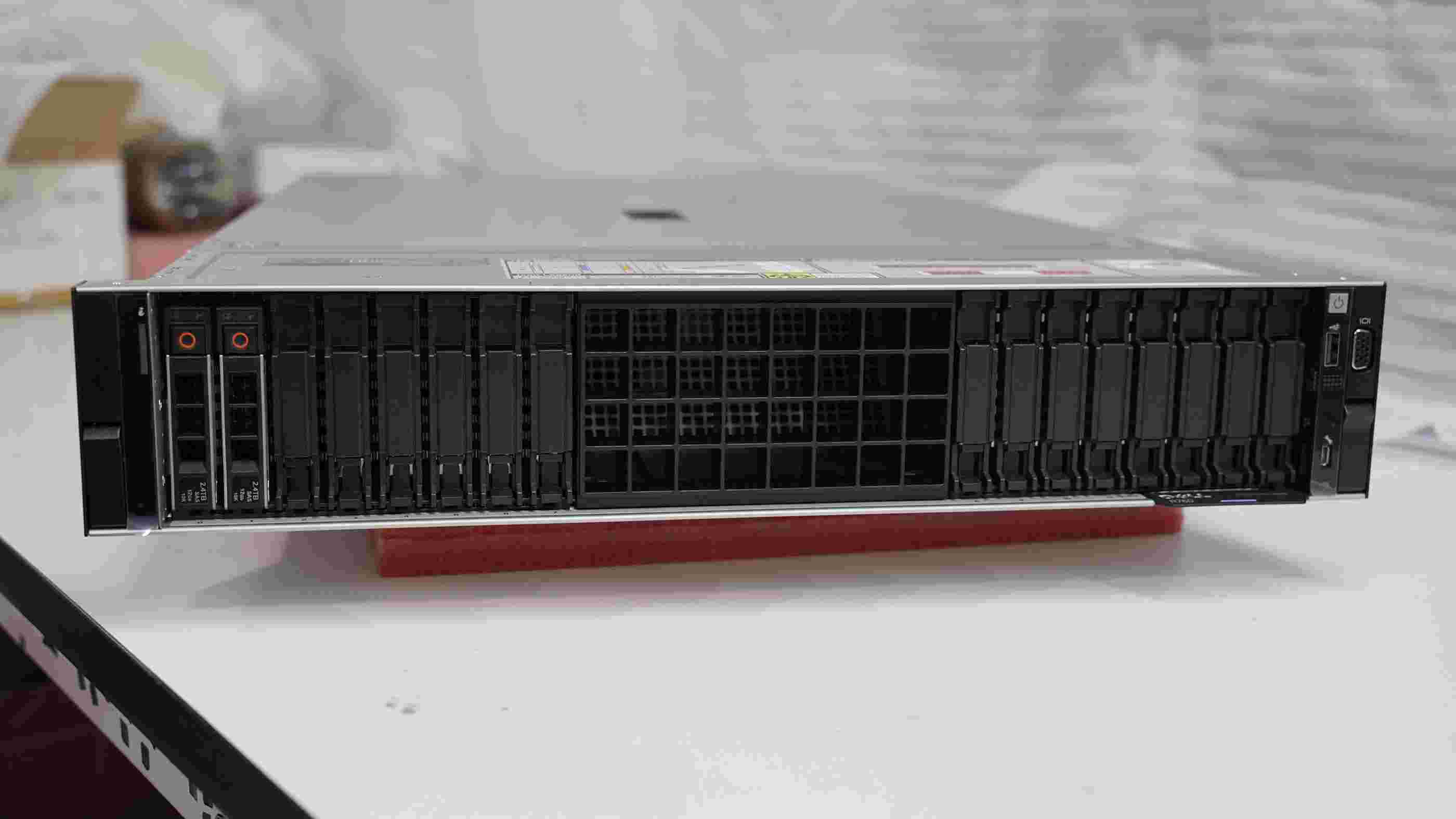
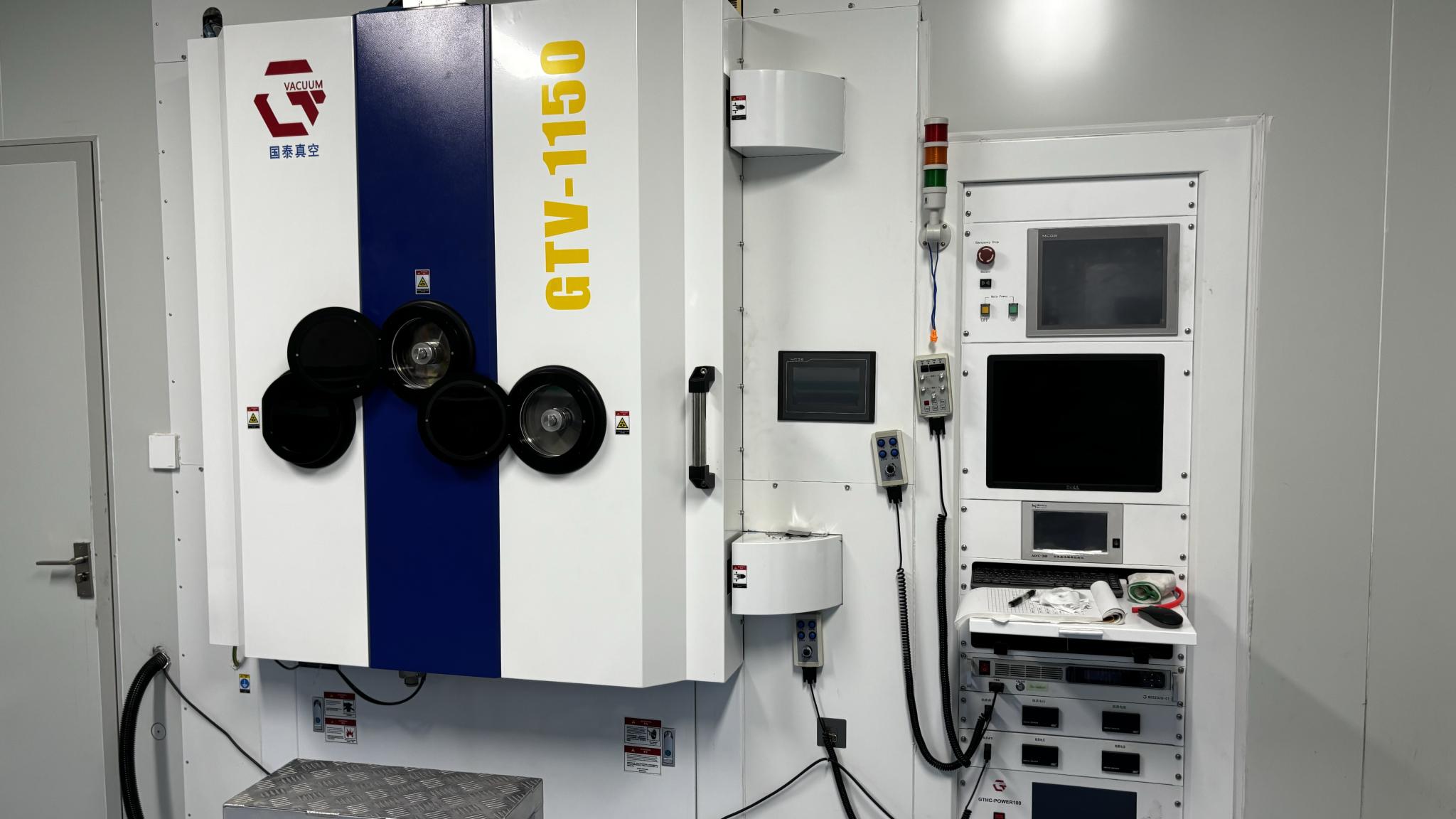
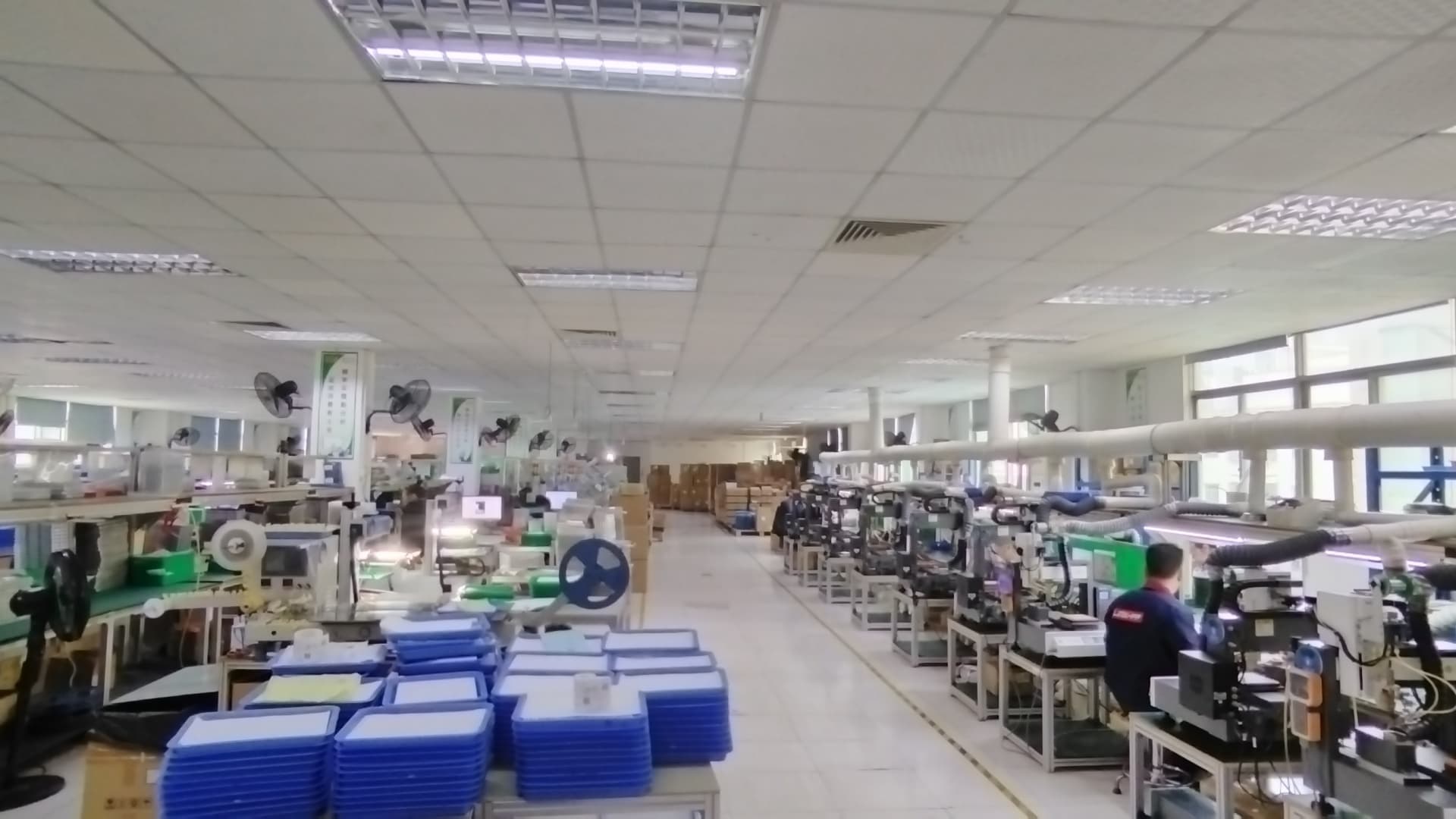
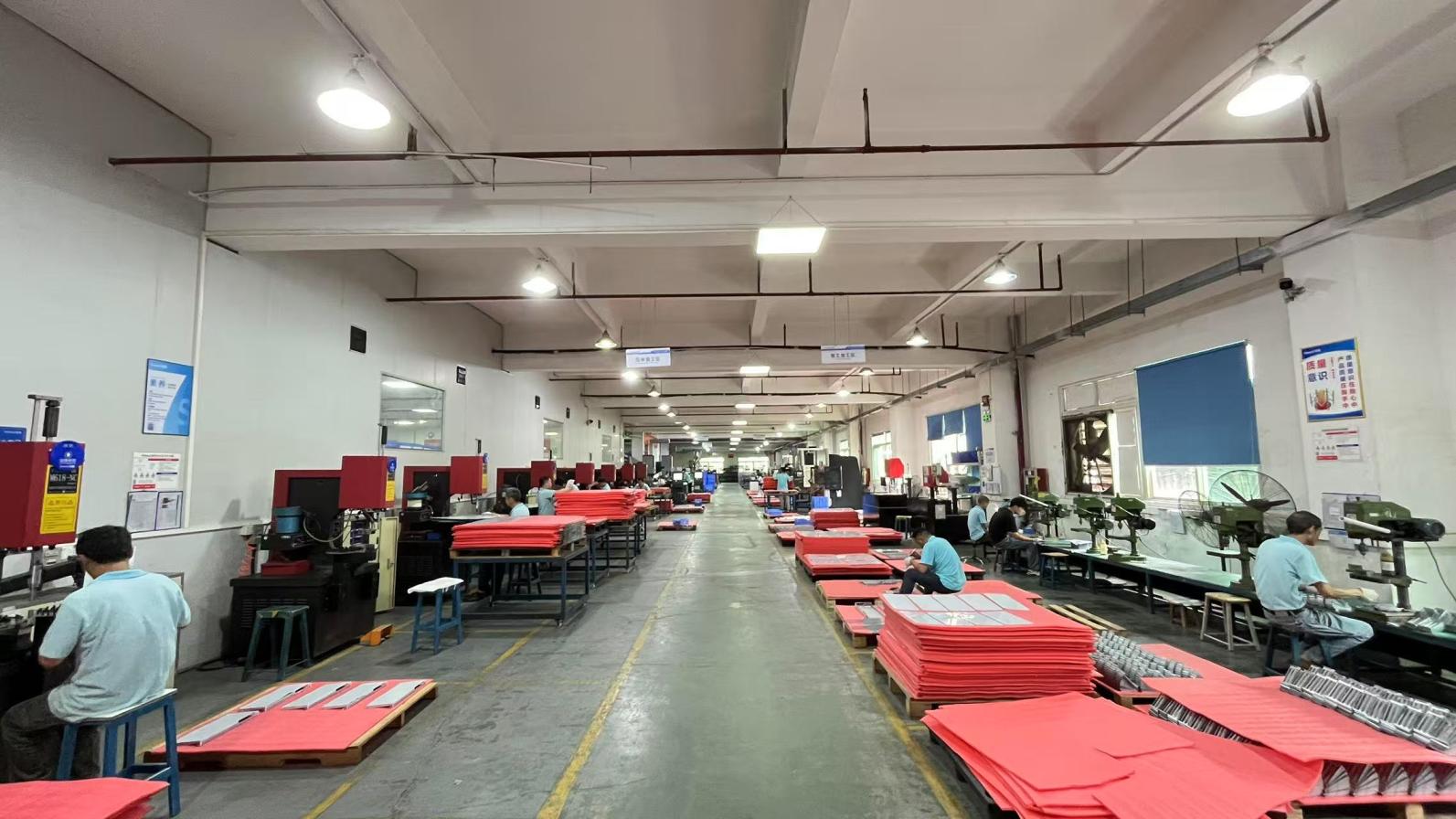
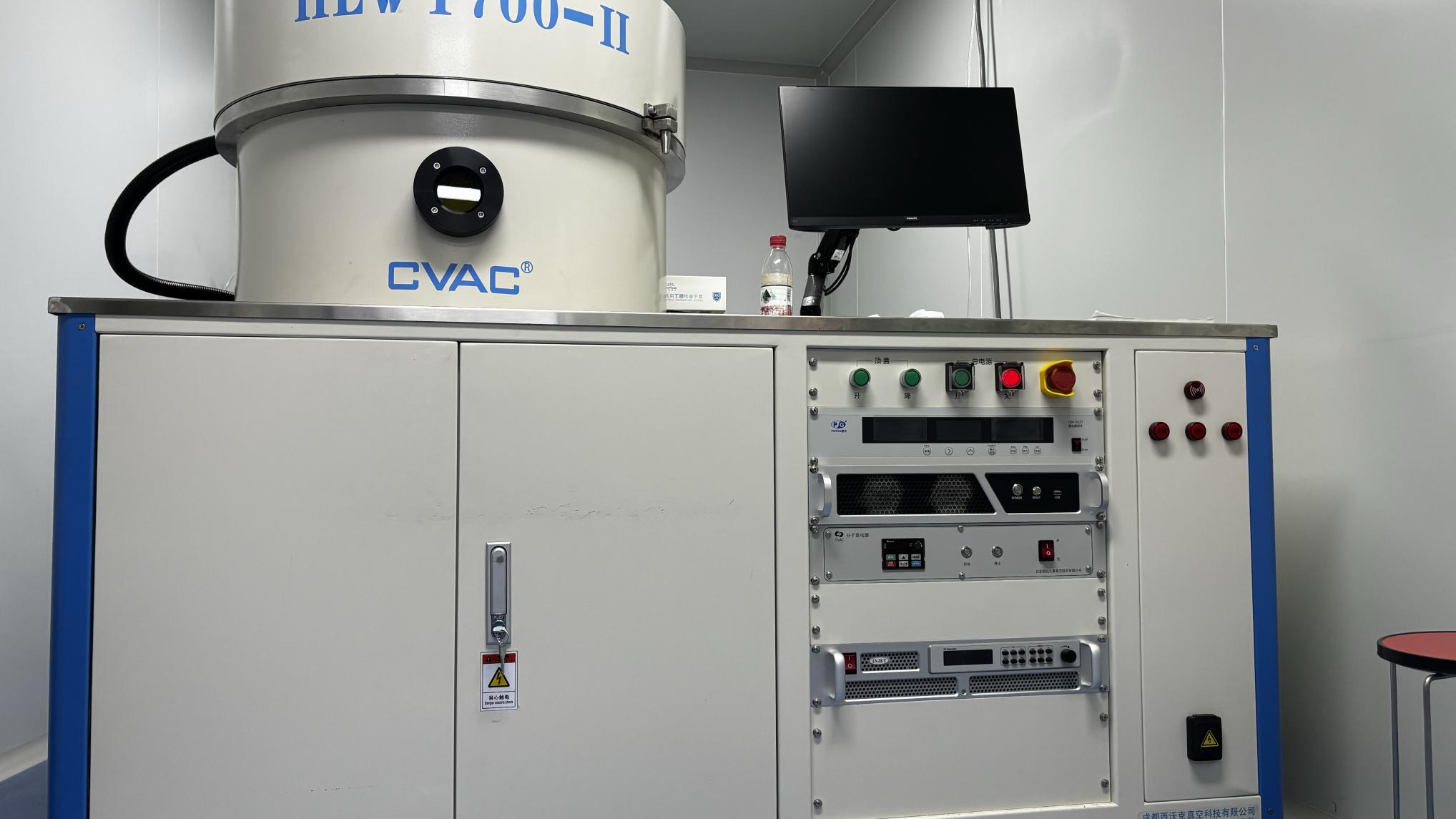
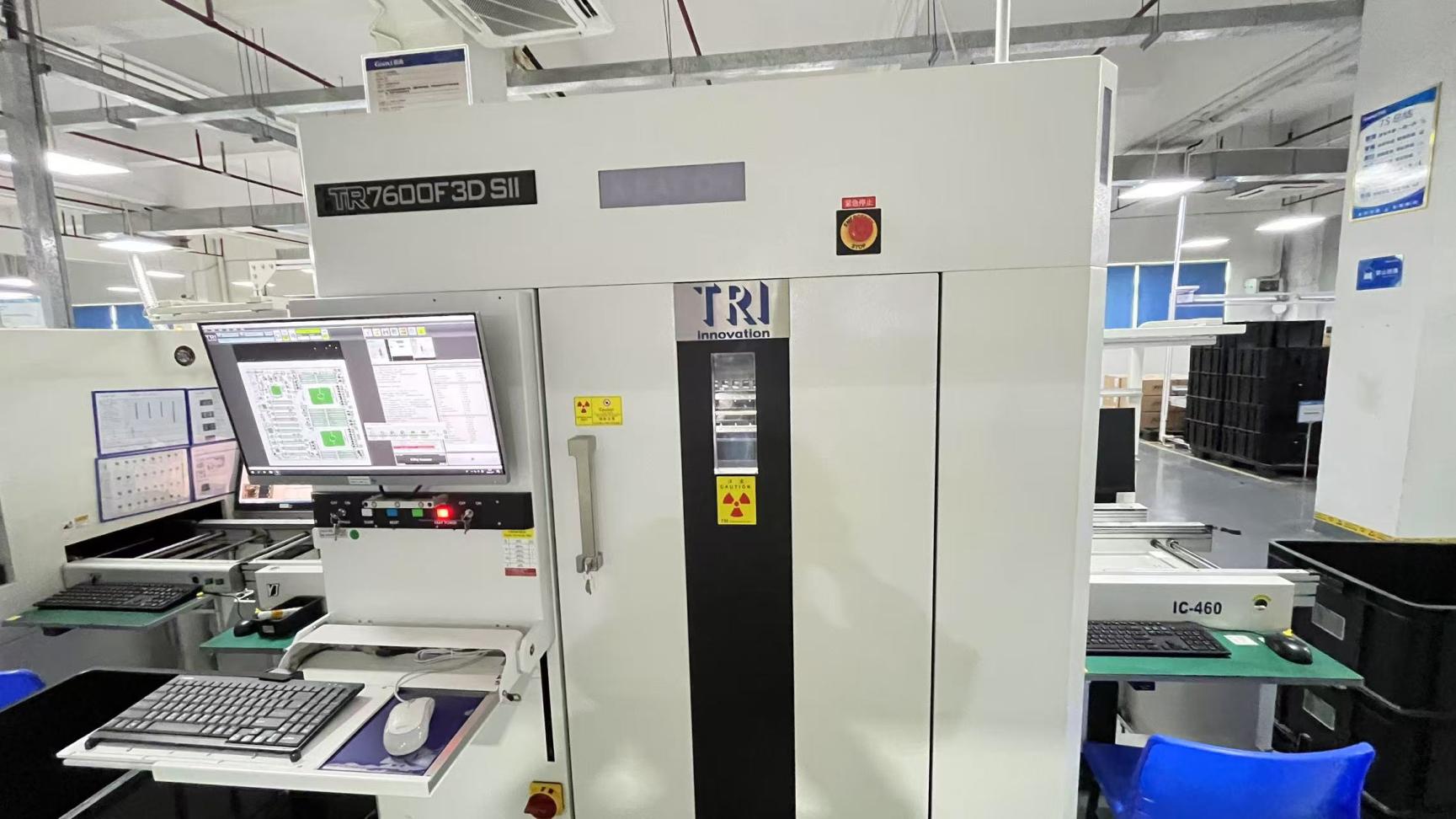
Our commitment to zero-defect manufacturing is backed by advanced automated SMT lines, dust-free optical assembly cleanrooms, and precise optical spectrum testing rigs. Below is a visual overview of our modern 380㎡ operational infrastructure and test laboratories:
Frequently Asked Questions (FAQ) - Technical & Sourcing Guide

Expert answers to common engineering, OEM customization, and procurement queries.

Q1: What is the main structural difference between managed and unmanaged media converters?
Unmanaged media converters operate as simple physical layer (L1) plug-and-play bridges without network visibility. Managed media converters contain microprocessors and firmware supporting SNMP, Web GUI, CLI, and OAM standards (IEEE 802.3ah/802.1ag). Managed units allow administrators to monitor optical power levels, remote link loss, port status, and configure VLAN tagging or bandwidth limits remotely.
Q2: How does Link Fault Pass-Through (LFPT) work on enterprise media converters?
LFPT is a troubleshooting feature designed to prevent silent link failures. When the fiber connection drops on one side of a media converter, LFPT automatically disables the corresponding copper link on the opposite side. This immediately signals connected switches or routers that the link is down, enabling rapid STP/RSTP network convergence and failover to backup paths.
Q3: Why are RJ45 magnetics and discrete network transformers critical in media converter designs?
Ethernet magnetics (such as 10/100/1000 Base-T transformers) provide electrical isolation between the Ethernet PHY chip and the external copper cable. They eliminate common-mode noise, suppress electromagnetic interference (EMI), protect sensitive ICs from high-voltage surge spikes, and maintain signal integrity over 100-meter UTP cables.
Q4: What is the maximum distance single-mode optical media converters can support?
Depending on the optical laser transmitter deployed (FP, DFB, or EML) and wavelength (1310nm, 1550nm, or CWDM/DWDM), single-mode media converters can reliably transmit data across distances from 10km up to 120km without needing optical regeneration. Multi-mode converters typically max out at 550m over OM3/OM4 fiber.
Q5: Can FiberNova provide OEM customization for private label distributors?
Yes. FiberNova fully supports OEM/ODM branding customization. This includes custom silk-screened logo printing, custom metal housing enclosure engineering, customized silk-box packaging, custom EEPROM vendor-string programming for transceiver slots, and tailored firmware options.
Q6: How does PoE++ (802.3bt) impact thermal management inside compact media converters?
Delivering 60W-90W of power generates heat inside compact media converter enclosures due to DC-DC power conversion losses. Advanced manufacturers use industrial-grade PCB copper heat traces, aluminum alloy heatsinks directly bonded to power MOSFETs, and external wide-temperature power adapters to maintain stable performance up to 75°C-85°C.
Q7: What quality control tests are mandatory before shipping optical components from FiberNova?
FiberNova enforces 100% optical performance testing. Every unit undergoes: 1) Optical launch power and receiver sensitivity calibration, 2) High-speed Bit Error Rate (BER) evaluation, 3) 24-hour high/low temperature burn-in cycling, 4) Multi-vendor switch compatibility verification, and 5) Optical eye diagram analysis.

Featured Telecom & Media Conversion Hardware (Part II)

Explore high-speed optical transceivers, discrete network transformers, and specialized copper-to-fiber modules.
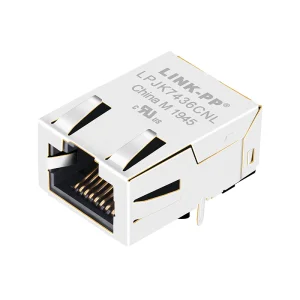
Right Angle Low Profile RJ45 Inverted Modular Jack 7499311000
View Specs & Request Quote
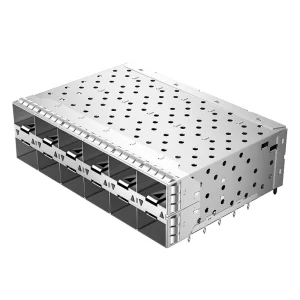
2180640-1 TE Replacement 240P 2x6 Ports Light Pipe Press-Fit SFP+ Cage With Integrated Connector
View Specs & Request Quote
L8AL-1X1T-32A 10/100/1000 Base-t Magnetic Ethernet Low Profile Female RJ45 Connector Without Leds
View Specs & Request Quote
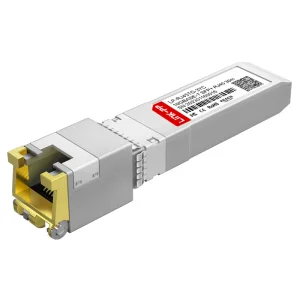
10GBASE-T SFP+ Copper RJ45 30m 10G Copper SFP Transceiver Module
View Specs & Request Quote
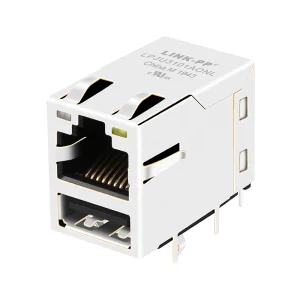
Integrated 1 Port RJ45 USB Combo C892-1XX1-62-F 0862-1L1T-43 C892-1L1T-62 C893-1RX1-62
View Specs & Request Quote
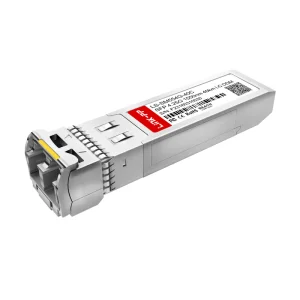
Single Mode 1550nm SFP 4G 40km SMF Duplex LC Optical Transceiver Module
View Specs & Request Quote
RJ 45 Female Ethernet Magnetic RJ45 Connector Jack Tyco 1-6605759-1
View Specs & Request Quote
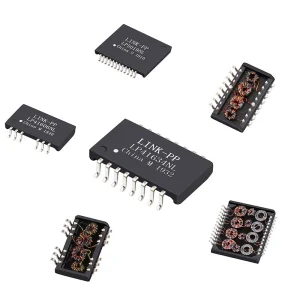
10/100 BASE-T Discrete Magnetic Network Transformer HST-4093SCR / HST-4094SCR / HST-4095SCR
View Specs & Request Quote